Our readers keep the lights on and my smoothie glass nicely filled. As an Amazon Associate, I earn from qualifying purchases.
Age spots on your face can feel like permanent reminders of years spent in the sun, but the right cream can visibly fade them without stripping your skin’s moisture barrier or causing irritation. Whether you’re dealing with stubborn sun damage, hormonal melasma, or general hyperpigmentation, finding a formula that combines effective brightening agents with skin-nourishing ingredients is the key to seeing real results.
I’m Mohammad Maruf — the founder and writer behind WellFizz. I’ve spent countless hours analyzing the active ingredient concentrations, delivery systems, and real-world feedback behind dozens of spot-fading creams to separate marketing claims from formulas that truly deliver.
This guide narrows the field down to five rigorously evaluated contenders to help you confidently select the best cream for age spots on face for your unique skin type, budget, and treatment goals.
How To Choose The Best Cream For Age Spots On Face
Age spots, also called solar lentigines, form when repeated UV exposure triggers an overproduction of melanin in localized areas. A truly effective cream must do more than just moisturize — it needs to interrupt that melanin production cycle, encourage cell turnover, or both. Here are the key factors to weigh when shopping.
Active Ingredients: The Brightening Powerhouse
Look for clinically proven depigmenting agents such as pure L-ascorbic acid (10% or higher), kojic acid, tranexamic acid, azelaic acid, or niacinamide. Retinol also plays a supporting role by accelerating skin cell turnover, helping to shed pigmented cells faster. Avoid blends packed with filler ingredients that dilute the concentration of these actives.
Formulation Stability and Delivery
Vitamin C, especially L-ascorbic acid, oxidizes rapidly when exposed to light and air. Opaque, airless packaging preserves potency. Serums typically penetrate deeper than thick creams, but creams can offer better sustained moisture — choose based on your skin’s dryness level. Sodium Ascorbyl Phosphate is a gentler, more stable alternative for sensitive skin.
Irritation Potential and Your Skin Barrier
Strong brighteners can sting or cause dryness if your barrier is compromised. Pairing actives with hydrating ingredients like hyaluronic acid, ceramides, or vitamin E reduces the risk of inflammation. Always patch-test a new formula, and introduce it gradually — every other day at first — to gauge your skin’s tolerance.
Quick Comparison
On smaller screens, swipe sideways to see the full table.
| Model | Category | Best For | Key Spec | Amazon |
|---|---|---|---|---|
| TOUCH Radiance Cream | Brightening Cream | Multi-acid melanin control | 15% Active Complex | Amazon |
| Melasma Treatment Cream | Spot Remover | Stubborn melasma patches | 2.82 oz volume | Amazon |
| CeraVe Vitamin C Serum | Vitamin C Serum | Dermatologist-backed daily care | 10% Pure L-Ascorbic Acid | Amazon |
| LilyAna Naturals Retinol Cream | Retinol Night Cream | Cell turnover + hydration | 2.08 oz tube | Amazon |
| TruSkin Vitamin C Serum | Vitamin C Serum | Sensitive-skin brightening | 2 Fl Oz bottle | Amazon |
In‑Depth Reviews
1. TOUCH Radiance Cream

TOUCH Radiance Cream takes the top spot because it targets age spots from multiple angles — niacinamide inhibits melanin transfer, kojic acid suppresses tyrosinase activity, and tranexamic acid addresses vascular-driven pigmentation. The 15% total active concentration is substantial, and the addition of azelaic acid helps smooth texture while clarifying tone. It absorbs quickly and feels lightweight, making it suitable for layering under sunscreen every morning.
Users with melasma and stubborn sun spots reported visible brightening within two weeks when used consistently. The formula is fragrance-free and non-comedogenic, which reduces the risk of breakouts or irritation for combination and oily skin types. Some reviewers noted the tube is compact for the price, but a little product goes a long way — one pump covers the entire face and neck.
For those who want a single product that tackles discoloration, refines skin texture, and works on the face, neck, elbows, and knees, this is a versatile powerhouse. Just remember to pair it with a high-SPF sunscreen daily, as brightening agents increase photosensitivity.
Why it’s great
- Four clinically proven brighteners in one formula
- Fast-absorbing, non-greasy texture layers well
- Gentle enough for daily AM/PM use on most skin types
Good to know
- Tube size is modest; may need repurchasing monthly
- Requires consistent use and sunscreen pairing for results
2. Melasma Treatment Cream
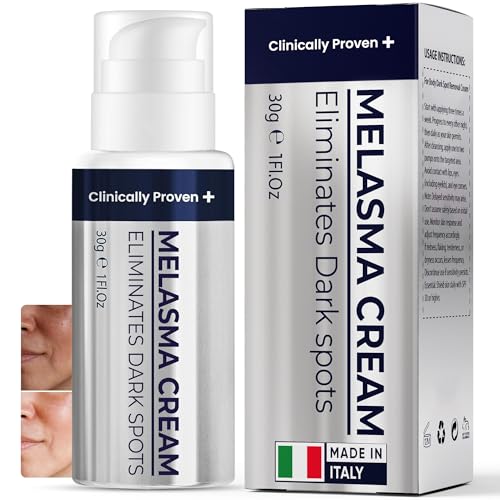
This melasma-focused cream is formulated to go beyond superficial sun spots and target deeper dermal pigmentation — the kind that shows up as stubborn brown or gray patches on the cheeks and forehead. The manufacturer recommends a gradual introduction (starting with every-other-day application) to let sensitive skin acclimate, which aligns with how dermatologists typically prescribe hydroquinone-free brighteners. Users with natural tan skin tones reported noticeable evening of underarm and facial pigmentation within the first week.
The cream has a richer, balm-like consistency compared to serums, so it works well for normal to dry skin types that need sustained moisture. Apply a thin layer in the morning under sunscreen and again at night for best results. A small percentage of reviewers experienced irritation or a facial rash — this reinforces the need for a patch test, especially if you have reactive skin or are currently using other strong actives like retinol or AHAs.
If your age spots are part of a larger melasma pattern that resists standard vitamin C serums, this treatment offers a more targeted approach. Just be prepared to commit to daily sunscreen application without fail, as sun exposure can quickly reverse the gains.
Why it’s great
- Targets deeper melasma that standard serums miss
- Larger tube volume for extended use
- Can be used on body discoloration, not just the face
Good to know
- Risk of irritation for very sensitive skin types
- Requires gradual introduction to avoid rash
3. CeraVe Vitamin C Serum

CeraVe delivers a straightforward, dermatologist-developed vitamin C serum that uses 10% pure L-ascorbic acid — the gold-standard form for stimulating collagen and fading hyperpigmentation. What sets it apart is its inclusion of three essential ceramides (1, 3, and 6-II) to reinforce the skin barrier, which can be compromised by ascorbic acid’s low pH. The gel texture is lightweight and absorbs fully, leaving no greasy residue, making it ideal for those who want to layer a moisturizer and sunscreen on top without pilling.
The opaque, air-restrictive packaging protects the L-ascorbic acid from degrading too quickly, and the 1-ounce tube is a reasonable size given that pure vitamin C serums are best used within a few months of opening. Reviewers with sensitive skin noted zero irritation and gradual brightening over four weeks, with particular praise for how it smoothed keratosis pilaris bumps on the face. Results are not instant — this is a steady, cumulative brightener rather than a quick fix.
For budget-conscious buyers who want a no-frills, science-backed serum that their dermatologist is likely already recommending, this is the safest bet. Just be aware that you will need a separate moisturizer if your skin leans dry, as the gel alone may not provide enough lasting hydration.
Why it’s great
- Pure L-ascorbic acid in protective packaging
- Ceramides prevent barrier disruption from low pH
- Fragrance-free and non-comedogenic
Good to know
- Small tube size relative to price per ounce
- Requires a separate moisturizer for dry skin
4. LilyAna Naturals Retinol Cream
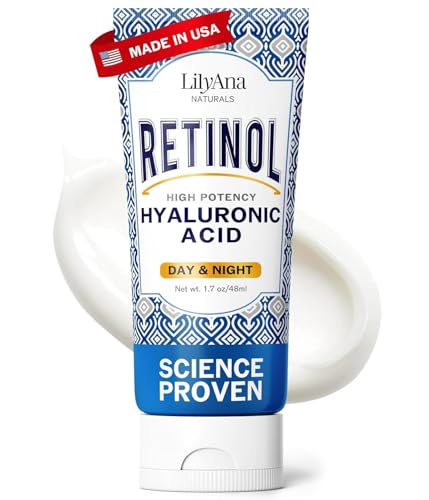
LilyAna Naturals takes a different approach — instead of relying on a single brightening agent, it uses retinol to speed up cell turnover, which helps shed pigmented skin cells faster and reveals fresher, more even skin underneath. The formula is enriched with hyaluronic acid and vitamin E to counter the dryness that often accompanies retinol use. It comes in a tube format that dispenses easily and travels well, with a texture that feels rich but absorbs without stickiness.
Multiple long-term users, including a licensed esthetician, reported significant pore shrinkage, smoother texture, and reduction in fine lines alongside fading dark spots. The cream is gentle enough for twice-daily use according to some reviews, though standard retinol best practice is to use it nightly and always wear SPF during the day. A few users noted that the results were comparable to drugstore hyaluronic acid serums, and that the retinol concentration may be on the lower side — which is actually a plus for those new to retinoids.
If your age spots come with visible fine lines or overall dullness, this cream addresses both concerns simultaneously. It is not the fastest spot fader on this list, but the improvement in overall skin health makes it a strong value pick for the anti-aging crowd.
Why it’s great
- Retinol + hyaluronic acid for dual anti-aging action
- No parabens or artificial fragrances
- Travel-friendly tube with pump-friendly cap
Good to know
- Retinol content may be lower than standalone serums
- Results on spots are gradual compared to dedicated brighteners
5. TruSkin Vitamin C Serum
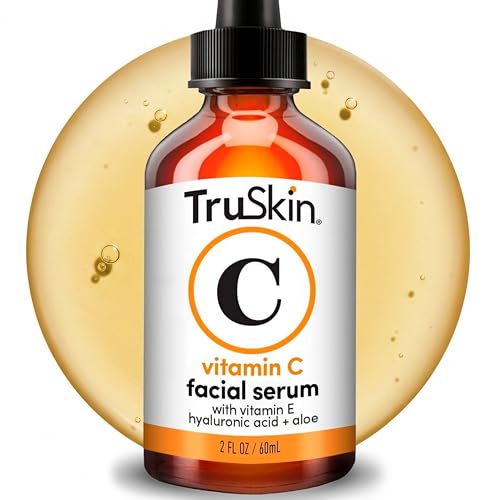
TruSkin’s Vitamin C Serum is the gentlest entry on this list, using Sodium Ascorbyl Phosphate (a stable, non-acidic vitamin C derivative) instead of pure L-ascorbic acid. This makes it far less likely to sting or redden sensitive or reactive skin, while still delivering visible brightening over time. The formula layers hyaluronic acid, vitamin E, aloe vera, and jojoba oil to support moisture retention and barrier function — a smart combination for those whose main concern is fading spots without compromising skin comfort.
Reviewers with non-Caucasian skin tones reported excellent brightening and fading of sun spots by the second bottle, and multiple users noted it helped reduce breakouts as a secondary benefit. The 2-fluid-ounce bottle is generous for the price tier, and the unscented, dye-free formula appeals to the clean-beauty crowd. Some users recommended transferring the serum to a pump bottle to slow oxidation, as the dropper design exposes the product to air with each use.
This is the right choice if you have tried other vitamin C serums and experienced redness, peeling, or stinging. It is also a great starting point for anyone new to active brightening ingredients. Just manage your expectations — the results will be slower and subtler than with a 10% L-ascorbic acid serum, but the trade-off is virtually zero irritation.
Why it’s great
- Ultra-gentle vitamin C for reactive skin
- Larger bottle size at a budget-friendly price point
- Vegan, cruelty-free, and made in the USA
Good to know
- Dropper packaging accelerates oxidation over time
- Slower results compared to L-ascorbic acid serums
FAQ
How long does it take for a cream to fade age spots on the face?
Can I use multiple brightening creams together for faster results?
Will these creams work on age spots on my hands or chest as well?
Final Thoughts: The Verdict
For most users, the best cream for age spots on face winner is the TOUCH Radiance Cream because its four-pronged active complex tackles pigmentation from every angle while remaining gentle enough for daily use. If you want a dermatologist-backed, no-surprises vitamin C serum that brightens gradually and strengthens your barrier, grab the CeraVe Vitamin C Serum. And for sensitive skin types that react to everything, nothing beats the irritation-free, steady brightening of the TruSkin Vitamin C Serum.

Mo Maruf
I created WellFizz to bridge the gap between vague wellness advice and actionable solutions. My mission is simple: to decode the research and give you practical tools you can actually use.
Beyond the data, I am a passionate traveler. I believe that stepping away from the screen to explore new environments is essential for mental clarity and physical vitality.