Our readers keep the lights on and my smoothie glass nicely filled. As an Amazon Associate, I earn from qualifying purchases.
Thick, hardened layers of dead skin on your heels and the balls of your feet don’t just look rough—they can crack, become painful, and make every step uncomfortable. A dedicated foot cream targets this dense skin with a combination of keratolytic agents (like lactic acid or urea) and deep emollients (like shea butter) to break down the callus while restoring the moisture barrier that prevents recurrence.
I’m Mohammad Maruf — the founder and writer behind WellFizz. For this guide, I analyzed the chemical formulations, customer efficacy reports, and hydration claims across dozens of foot creams to identify which products actually soften hard skin and which are just expensive hand lotions in a different jar.
Whether you’re battling cracked heels from open-back shoes or rough patches from long hours on concrete, selecting the right formula matters. This guide walks through the top contenders to help you find the best cream for calluses on feet for your specific level of dryness and skin sensitivity.
How To Choose The Best Cream For Calluses On Feet
The wrong foot cream just sits on top of the callus. The right one penetrates the thickened stratum corneum, chemically loosens the bonds between dead skin cells, and then seals in new moisture so the skin stays flexible instead of cracking again.
Keratolytic Agents vs. Simple Humectants
Calluses are built from layers of compacted, dead keratinocytes. Simple moisturizers like glycerin or aloe only hydrate the surface. A cream designed for calluses needs a keratolytic agent—lactic acid, urea, or salicylic acid—that breaks down the protein bonds holding the dead layers together. Without this chemical exfoliation step, you’re just softening the dead skin without removing it.
Occlusion and Emollient Density
Thick foot skin requires a heavier occlusion barrier to prevent transepidermal water loss. Shea butter, petrolatum, and lanolin create a physical seal that keeps moisture locked in overnight. A cream that feels too light or absorbs instantly likely lacks the lipid density needed for deep callus penetration and will require reapplication within hours.
Fragrance and Sensitizer Profile
Cracked heels already have compromised skin barriers, making them more prone to irritation from synthetic fragrances, alcohol, or harsh preservatives. Unscented or naturally-scented formulas with essential oils (like tea tree or peppermint) offer antimicrobial and anti-inflammatory benefits without the sting that artificial perfumes can cause on broken or fissured skin.
Quick Comparison
On smaller screens, swipe sideways to see the full table.
| Model | Category | Best For | Key Spec | Amazon |
|---|---|---|---|---|
| O’Keeffe’s for Healthy Feet | Concentrated Cream | Extremely cracked, bleeding heels | 6.4 oz; Unscented, Non-Greasy | Amazon |
| Peppermint Foot Cream (5% Lactic Acid) | Exfoliating Cream | Visible callus reduction in 7 days | 4 oz; 5% Lactic Acid + Aloe | Amazon |
| Organic Tea Tree Foot Balm | Intensive Balm | Overnight repair for severe dryness | 3.53 oz; Shea Butter + Tea Tree | Amazon |
| Lee Beauty Professional Gel Callus Remover | Fast-Acting Gel | Immediate callus removal with scraping | 8 oz; Lye-Based Formula | Amazon |
| Pedestrian Project Walker’s Foot Cream | Daily Moisturizer | Maintenance and light callus prevention | 4 oz; Shea Butter + Moringa | Amazon |
In‑Depth Reviews
1. O’Keeffe’s for Healthy Feet Foot Cream (6.4 oz)

O’Keeffe’s is a concentrated foot cream that uses a high level of glycerin combined with a unique moisturizing complex to create a protective barrier on the skin’s surface. Unlike thin lotions that evaporate quickly, this cream stays put and actively pulls moisture into the stratum corneum. Customers report visible healing of severely cracked, bleeding heels within two to three days of nightly application, which is unusually fast for deep fissures.
The texture is thick and balm-like when first scooped from the jar, but it spreads smoothly and absorbs with minimal greasiness—a major advantage for anyone who hates the slippery feeling of traditional foot butters. The absence of fragrance makes it suitable for people with diabetes or heightened skin sensitivity, as there is no risk of irritation from essential oils or synthetic perfumes. A single jar lasts several months even with daily use because only a small amount is needed per foot.
Where O’Keeffe’s falls short is immediate callus removal—it does not contain keratolytic acids like lactic or salicylic acid, so existing calluses soften but do not peel away. It works best as a maintenance and healing cream rather than an instant exfoliant. Pair it with a weekly pumice session to manage thick buildup while the cream repairs the underlying skin barrier.
Why it’s great
- Extremely concentrated; a little goes a long way
- Unscented and safe for diabetic skin
- Non-greasy absorption suitable for daytime wear
Good to know
- No keratolytic agent for dissolving hard callus layers
- Solid consistency can feel stiff in cold temperatures
2. Peppermint Foot Cream (5% Lactic Acid, 4 oz)
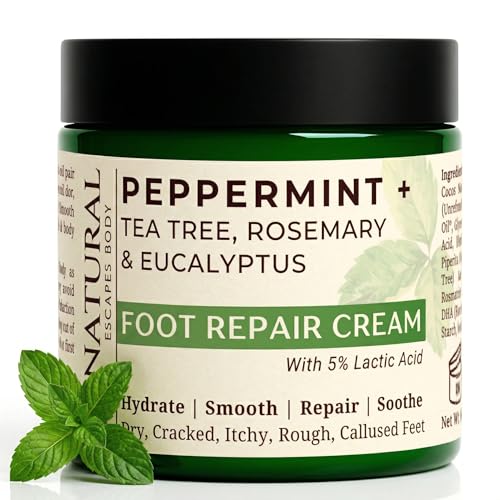
This formula distinguishes itself by listing pure aloe vera juice as the primary ingredient instead of water, and it incorporates 5% vegan lactic acid as a gentle keratolytic exfoliant. Lactic acid is the gold standard for chemically loosening the bonds between dead skin cells on feet without the aggressive peeling of higher concentrations. Customers consistently report visible smoothing of callused heels and the ball of the foot within one week of nightly use.
The cream has a thick, luxurious texture that absorbs quickly without leaving a greasy residue on sheets or socks. The peppermint and tea tree essential oils provide a cooling, tingling sensation that soothes tired, achy feet and helps control foot odor naturally—no synthetic fragrances are used. The wide-mouth jar makes scooping easy, and the concentrated formula means a quarter-sized amount is enough for both feet.
Some users with extremely sensitive skin may find the peppermint oil too cooling initially, especially if there are open cracks on the heel. It is best applied to clean, dry feet after a warm soak and allowed to absorb fully before putting on socks. For those who want a single cream that exfoliates calluses and moisturizes simultaneously, this is the most effective dual-action option in this guide.
Why it’s great
- 5% lactic acid actively dissolves callus buildup
- Aloe-based formula outpaces water-based creams in hydration
- Cooling peppermint relieves foot fatigue
Good to know
- Essential oils may sting on open cracked skin
- Smaller 4 oz jar requires more frequent repurchase
3. Organic Tea Tree Foot Balm (3.53 oz)
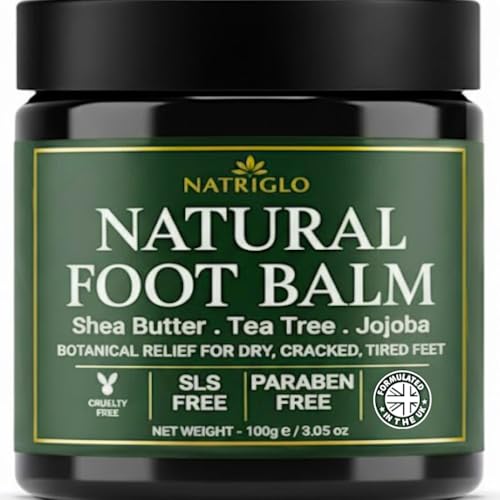
This balm uses a high concentration of organic shea butter as its base, which provides the densest occlusion of any product in this list. Shea butter is rich in vitamins A and E and has a high fatty acid content that penetrates the stratum corneum more effectively than petrolatum. The addition of organic tea tree oil adds antimicrobial properties that are particularly valuable when calluses have cracked and there is risk of infection.
Customer reviews describe dramatic overnight improvement—one use made a huge difference in heel texture, and three consecutive nights left feet feeling baby-smooth. The balm is intentionally oily, which is the trade-off for its heavy barrier effect. It is designed for the “sock method”: apply a generous layer, cover with cotton socks, and let it work overnight. The oiliness absorbs fully by morning, leaving skin supple rather than greasy.
The main limitation is the relatively small tin size of 3.53 ounces. Given the thick application required for maximum occlusion, this jar will not last as long as larger tubs. It is also best suited for nighttime use; the heavy texture is too tacky for daytime wear inside shoes. For anyone with severely dry, fissured heels who wants aggressive overnight repair, this balm delivers the fastest visible transformation.
Why it’s great
- Extreme occlusion from high shea butter content
- Tea tree oil reduces infection risk on cracked skin
- Visible softening after single overnight use
Good to know
- Heavy and oily—not suitable for daytime use
- Small jar size at a higher price per ounce
4. Lee Beauty Professional Gel Callus Remover (8 oz)

This is not a daily moisturizing cream—it is a fast-acting chemical keratolytic gel that uses a lye-based (sodium hydroxide) formula to dissolve thick callus layers in minutes. The application process is straightforward: soak feet, apply a thin gel layer, wait 3 to 7 minutes, then remove the dead skin with a pumice stone or metal file. Customers describe the result as identical to a salon pedicure chemical peel.
The 8-ounce bottle is generous, and because only a thin layer is needed per treatment, a single bottle lasts for many sessions. It is particularly effective for people who have stubborn, yellowed calluses that resist filing and standard creams. The gel softens the keratin matrix so thoroughly that even deep heel cracks become easier to file without pain.
This is a harsh product by design. The lye-base can cause chemical burns if left on longer than instructed, and it will sting intensely if applied to broken skin or open fissures. It also has a strong chemical odor that requires good ventilation during use. Reserve this product for healthy, intact calluses on people who want immediate, dramatic results and are comfortable following strict application instructions.
Why it’s great
- Dissolves thick calluses in minutes instead of days
- Large 8 oz bottle provides many treatments
- Salon-quality results at home
Good to know
- Lye can burn open skin—must avoid cracks and cuts
- Strong chemical odor requires ventilation
5. Pedestrian Project Walker’s Foot Cream (4 oz)
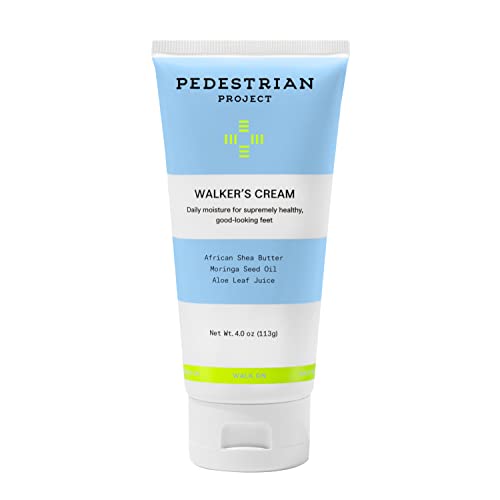
Pedestrian Project formulates this cream as a lightweight daily maintenance option for people whose calluses are manageable but want to prevent them from worsening. The base is a blend of shea butter for occlusion, moringa seed oil for its high behenic acid content that strengthens the skin barrier, and aloe leaf juice for soothing hydration. It is 100% vegan, cruelty-free, and free of parabens, phthalates, silicones, and synthetic fragrances.
Customers consistently describe the texture as “not greasy” and appreciate that it absorbs quickly enough to wear under socks for morning walks without feeling slippery. The clean, light scent makes it suitable for people who are sensitive to strong essential oils. It is also packaged with post-consumer recycled materials and participates in a plastic recycling program, appealing to environmentally conscious buyers.
This cream lacks any keratolytic ingredient, so it will not actively dissolve existing callus buildup. It is purely a moisturizer and barrier cream for prevention and mild maintenance. Those with already developed thick calluses or deep heel cracks will find it insufficient as a standalone treatment and should pair it with a more aggressive exfoliant product for initial callus removal.
Why it’s great
- Non-greasy, absorbs fast for daytime use
- Vegan, plastic-neutral, and fragrance-free
- Gentle enough for sensitive skin
Good to know
- No exfoliating acids—cannot dissolve existing calluses
- Small 4 oz jar for the entry-level price tier
FAQ
Can I use hand cream on my callused feet instead of foot cream?
How long does it take for a callus cream to show results on thick heels?
Is it safe to use a callus cream if I have diabetes and reduced circulation in my feet?
Final Thoughts: The Verdict
For most users, the cream for calluses on feet winner is the O’Keeffe’s for Healthy Feet because it delivers reliable, non-irritating hydration for extremely cracked skin without stinging or staining. If you want gradual chemical exfoliation that actively dissolves callus layers, grab the Peppermint Foot Cream with 5% Lactic Acid. And for aggressive overnight repair of truly stubborn, dry calluses, nothing beats the Organic Tea Tree Foot Balm when used with cotton socks.

Mo Maruf
I created WellFizz to bridge the gap between vague wellness advice and actionable solutions. My mission is simple: to decode the research and give you practical tools you can actually use.
Beyond the data, I am a passionate traveler. I believe that stepping away from the screen to explore new environments is essential for mental clarity and physical vitality.