Our readers keep the lights on and my smoothie glass nicely filled. As an Amazon Associate, I earn from qualifying purchases.
Dark spots and lingering scars from acne, cuts, or surgery can make even the clearest skin look uneven. The wrong cream can irritate sensitive spots, while the right formula actively works to fade discoloration and smooth texture over time.
I’m Mohammad Maruf — the founder and writer behind WellFizz. I’ve spent countless hours analyzing dermatological formulations and customer feedback to identify the creams that genuinely reduce hyperpigmentation and support scar remodeling.
Whether your concern is post-acne marks or old surgical lines, this guide breaks down the formulas proven to work. After reviewing dozens of options, I’ve narrowed it down to the best cream for spots and scars that delivers visible, lasting results.
How To Choose The Best Cream For Spots And Scars
Not all scar creams work the same way. Some focus on flattening raised tissue with silicone, while others use retinoids or brighteners to target dark pigmentation. Identifying the type of scar you are treating is the first step toward picking the right formula.
Understand Your Scar Type
Hypertrophic or keloid scars benefit most from silicone-based products that create an occlusive barrier, softening and flattening the tissue over weeks. Atrophic or pitted acne scars respond better to retinol, which boosts collagen and resurfaces the skin. Post-inflammatory hyperpigmentation (dark spots) fades fastest with ingredients like niacinamide, licorice root, or vitamin C.
Ingredient Potency and Skin Tolerance
Retinol is effective but can cause peeling, redness, and dryness, especially for sensitive skin. Silicone creams are generally safe for all types but require consistent application. Oil-based formulas, like those with vitamin E and chamomile, provide deep hydration without clogging pores when labeled non-comedogenic. Always patch test before full-face application.
Texture and Everyday Use
A thick ointment might work well on a surgical scar but feels greasy under makeup on the face. Gel-based scar treatments dry clear and can be layered easily, while lightweight oils absorb quickly for body-wide use. Choose a texture you are willing to apply twice daily for at least eight weeks for visible improvement.
Quick Comparison
On smaller screens, swipe sideways to see the full table.
| Model | Category | Best For | Key Spec | Amazon |
|---|---|---|---|---|
| CeraVe Resurfacing Retinol Serum | Serum | Post-acne marks & texture | Encapsulated Retinol + Niacinamide | Amazon |
| Rejuvaskin Scar Esthetique | Silicone Cream | Surgical scar flattening | Silicone + Botanical complex | Amazon |
| La Roche-Posay Cicaplast Gel B5 | Gel Protectant | Post-procedure & cracked skin | 21% Glycerin + Madecassoside | Amazon |
| Bio-Oil Skincare Oil | Body Oil | Stretch marks & uneven tone | Vitamin E + Chamomile Oil | Amazon |
| Aquaphor Healing Ointment | Multi-purpose | Compromised skin barrier | Water-free petrolatum base | Amazon |
In‑Depth Reviews
1. CeraVe Resurfacing Retinol Serum

This lightweight serum uses encapsulated retinol to gradually deliver the active ingredient into the skin, reducing irritation while still resurfacing post-acne marks. The addition of licorice root extract specifically targets hyperpigmentation, and niacinamide helps calm inflammation without clogging pores — making it a strong choice for acne-prone complexions.
Developed with dermatologists, the formula includes three essential ceramides (1, 3, 6-II) to reinforce the skin barrier while the retinol works. Reviewers consistently report smoother texture and a visible reduction in dark spots within several weeks, even on sensitive skin. The non-comedogenic, fragrance-free profile means it layers well under moisturizer or sunscreen.
This is a mid-range serum that punches above its weight for fading multiple types of discoloration. It is gentle enough for retinol beginners but potent enough to produce noticeable changes in skin tone and pore appearance when used consistently. A little goes a long way, so the bottle lasts roughly two to three months of nightly use.
Why it’s great
- Gradual resurfacing minimal irritation risk
- Licorice root actively brightens dark marks
- Ceramide complex repairs barrier overnight
Good to know
- Results require 8-12 weeks of nightly use
- May cause mild dryness if not moisturized
2. Rejuvaskin Scar Esthetique Scar Cream
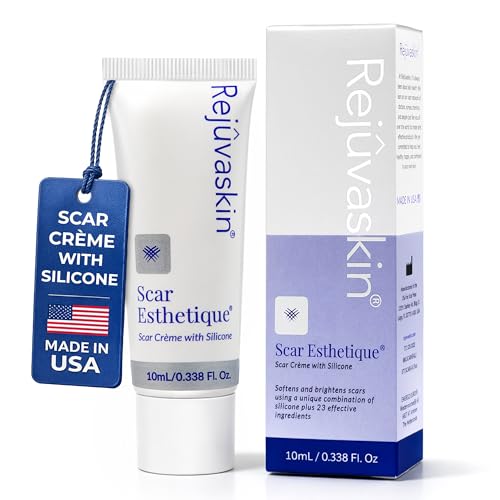
This silicone-based cream forms a semi-occlusive barrier over scar tissue, which softens and flattens raised scars while also targeting discoloration. The botanical blend — including onion extract and other plant-based ingredients — supports collagen remodeling without the tacky feel of silicone sheets. It is designed for surgical scars, burns, keloids, and stretch marks.
Users highlight that it hydrates the scar area deeply, making the skin smoother and more supple after just a few weeks. The formula is safe for all skin types, including sensitive and oily, and it absorbs quickly enough to be worn under clothing or bandages. Many reviewers saw improvement on scars that were several years old, though realistic expectations are needed for deeply established tissue.
The small tube size (10 ml) is travel-friendly but may not last long if covering a large area daily. For post-surgical healing or specific spots, the concentration of active silicones makes it a targeted treatment rather than a general body moisturizer. It earns high marks for consistency in softening texture and reducing redness over time.
Why it’s great
- Flattens raised scars more effectively than basic creams
- Moisturizes scar tissue without greasy residue
- Works on both old and new scars
Good to know
- Tiny tube runs out quickly on large areas
- Consistency twice daily needed for soft tissue change
3. La Roche-Posay Cicaplast Gel B5

This gel protectant is formulated specifically for compromised skin — post-laser, post-stitches, or after a microneedling session. The high concentration of glycerin (21%) draws moisture into the skin barrier, while Madecassoside and a mineral complex of copper, zinc, and manganese actively support tissue repair. It creates a transparent, breathable film that protects without suffocating the skin.
Users who have undergone professional treatments praise how it soothes burning sensation and reduces downtime. The lightweight gel texture absorbs quickly and leaves no sticky residue, making it ideal for facial use under sunscreen. It is fragrance-free, non-comedogenic, and gentle enough for sensitive or post-procedure skin that has been stripped of its natural defenses.
The gel is more targeted than a general moisturizer — it is designed to accelerate healing of cracked or chapped skin rather than to fade old pigmentation. For fresh scars and inflammation, it shortens the healing window and reduces the likelihood of dark spots forming in the first place. It is a premium option for those who need medical-grade repair.
Why it’s great
- Speeds healing after laser and microneedling
- Light gel layers easily without pilling
- High glycerin content hydrates deeply
Good to know
- Small tube at a premium price point
- Better for new healing versus old scar tissue
4. Bio-Oil Skincare Body Oil

This cult-favorite body oil is a versatile option for improving the appearance of scars, stretch marks, and uneven skin tone across large areas of the body. The blend of vitamin E, chamomile, lavender, and other natural oils locks in moisture without feeling greasy after a short absorption period. It is non-comedogenic, so it can be used on both face and body without clogging pores.
Reviewers consistently note its lightweight texture and gentle, pleasant scent. It works particularly well on stretch marks and healing scars from minor injuries or surgeries when applied twice daily. The oil is also effective as a general body moisturizer, softening dry skin on legs, elbows, and arms while gradually fading discoloration.
Bio-Oil is a dermatologist-recommended brand, and users with sensitive skin appreciate that it does not cause irritation. The 4.2 oz bottle is reasonably sized for extended use, and a little oil spreads far across the skin. For those looking to treat both scarring and general skin hydration with a single product, this oil covers both needs gracefully.
Why it’s great
- Absorbs quickly with minimal greasiness
- Non-comedogenic for face and body use
- Pleasant fragrance that doesn’t linger
Good to know
- Oil texture may not suit very oily skin types
- Fading results subtle on deeply pigmented scars
5. Aquaphor Healing Ointment
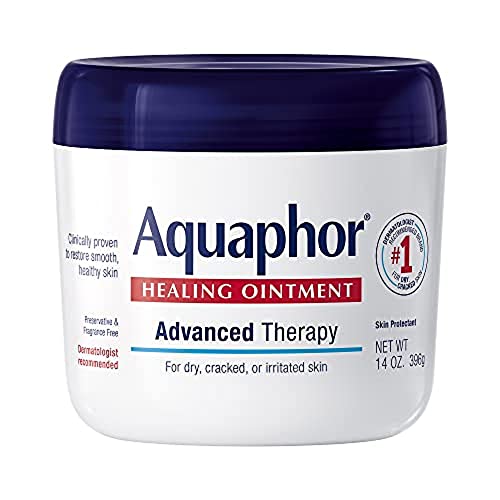
Aquaphor is an ointment, not a cream, which means it contains no water and forms a durable protective barrier over broken or healing skin. Dermatologists often recommend it for post-cryotherapy, surgical incisions, and compromised skin barriers because it locks in moisture while allowing oxygen to reach the wound. The inclusion of panthenol (provitamin B5) and chamomile adds gentle soothing benefits.
This 14-ounce value jar is a long-term investment for families or those dealing with large areas of dry, cracked, or healing skin. Users apply it to everything from cracked heels and chapped lips to minor cuts and burns. It is thicker than most lotions, so a small amount spreads far, and it works best as an occlusive final layer over a hydrating serum or cream.
Aquaphor is not a dedicated scar treatment like silicone-based products, but its barrier-creating function creates an ideal environment for skin repair. By preventing moisture loss and protecting against irritants, it reduces scabbing and helps minimize scarring as the skin heals. It is a budget-friendly multi-purpose ointment that supports the scar healing process indirectly.
Why it’s great
- Protects wounds and healing skin effectively
- Huge jar offers exceptional value
- Dermatologist recommended for compromised barriers
Good to know
- Very thick and greasy, not ideal for daytime face use
- Does not actively fade existing pigmentation
FAQ
How long does it typically take to see results from a scar cream?
Can I use a retinol scar serum while breastfeeding or pregnant?
Final Thoughts: The Verdict
For most users, the cream for spots and scars winner is the CeraVe Resurfacing Retinol Serum because it targets both dark marks and uneven texture while repairing the skin barrier nightly with essential ceramides. If you want to flatten raised surgical or keloid scars, grab the Rejuvaskin Scar Esthetique. And for healing fresh damage after laser or stitches, nothing beats the La Roche-Posay Cicaplast Gel B5.

Mo Maruf
I created WellFizz to bridge the gap between vague wellness advice and actionable solutions. My mission is simple: to decode the research and give you practical tools you can actually use.
Beyond the data, I am a passionate traveler. I believe that stepping away from the screen to explore new environments is essential for mental clarity and physical vitality.