Our readers keep the lights on and my smoothie glass nicely filled. As an Amazon Associate, I earn from qualifying purchases.
The search for a cross-training shoe that actually lets your toes splay naturally often ends in frustration. Most athletic shoes taper aggressively, crowding toes and compromising stability under a loaded barbell or during a high-rep metcon. A wide toe box is not just a comfort preference — it is a structural requirement for proper force distribution, balance, and long-term foot health.
I’m Mohammad Maruf — the founder and writer behind WellFizz. I’ve spent hundreds of hours analyzing the build geometry, last shapes, drop heights, and outsole compounds of the narrowest product segment in fitness footwear to separate the genuinely foot-shaped from the merely wide-labeled.
This guide cuts through the marketing noise to deliver the definitive analysis of the best cross training shoes wide toe box for lifters, HIIT athletes, and barefoot converts who refuse to compromise on foot function.
How To Choose The Best Cross Training Shoes Wide Toe Box
A wide toe box is only one variable in a complex equation. The real decision hinges on stack height, drop, outsole rigidity, and the anatomical shape of the last — all of which determine whether a shoe performs under a heavy deadlift or leaves you unstable during lateral lunges.
Drop and Stack Height
Zero-drop platforms keep your heel level with your forefoot, which aligns the spine and improves squat depth for many lifters. Low-drop designs around 4mm offer a compromise for those transitioning from traditional running shoes. A lower stack — roughly 15mm to 25mm — improves ground feel and proprioception, while higher stacks introduce instability under load.
Outsole Rigidity and Grip
A shoe designed for weightlifting needs a firm, non-compressible sole to prevent energy loss through the footbed. Look for dense rubber compounds with multi-directional tread patterns that bite into rubber gym flooring. Flexible soles are better for dynamic movement but can wobble during heavy squats.
Foot Volume and Last Shape
Wide toe box shoes vary significantly in midfoot volume. Some brands — like Altra — use a fully anatomical last that widens progressively from heel to toe. Others use a standard last with a widened forefoot section. If you have high-volume feet or require orthotics, look for removable insoles and a roomy topline.
Quick Comparison
On smaller screens, swipe sideways to see the full table.
| Model | Category | Best For | Key Spec | Amazon |
|---|---|---|---|---|
| ALTRA Solstice XT 3 | Mid-Range | CrossFit & gym | Zero drop, 22mm stack | Amazon |
| adidas Dropset 4 | Premium | Heavy lifting & stability | 13mm heel lift, medial post | Amazon |
| Nike Free Metcon 5 | Premium | HIIT & hybrid training | 4mm drop, flex grooves | Amazon |
| Under Armour TriBase Reign 6 | Mid-Range | CrossFit & cardio | 0mm drop, UA TriBase | Amazon |
| Reebok Nano X5 | Mid-Range | Weightlifting focus | 4mm drop, flat outsole | Amazon |
| ALTRA FWD VIA | Mid-Range | Walking & recovery | Zero drop, 28mm stack | Amazon |
| Vivobarefoot Motus Flex | Premium | Barefoot strength training | Zero drop, 3mm sole | Amazon |
| FLUX FOOTWEAR Adapt Runner | Premium | All-day & recovery | Zero drop, machine washable | Amazon |
| Xero Shoes Prio Neo | Budget | Barefoot transition | Zero drop, 5.5mm sole | Amazon |
In‑Depth Reviews
1. ALTRA Solstice XT 3 Cross Training Shoe

The Solstice XT 3 delivers the classic Altra platform — a wide, foot-shaped toe box with zero-drop geometry and a moderate 22mm stack that balances ground feel with impact protection. Users report excellent durability after 1.5 years of daily wear, with the upper holding shape and the outsole resisting premature wear under CrossFit loads.
Multiple reviews confirm the shoe handles box jumps, rope climbs, and sprints without breakdown. The midfoot is slightly narrower than Altra’s road shoes, which actually improves lockdown during lateral movements. The build quality feels more substantial than previous Solstice iterations, with reinforced stitching around the lacing cage.
The only consistent complaint involves sizing — several buyers found going up half a size from their usual Altra fit delivered a better toe-splay experience. The outsole grip on dusty rubber flooring is adequate but not exceptional for heavy sled pushes.
Why it’s great
- Foot-shaped toe box with zero drop for natural alignment
- 22mm stack provides protection without sacrificing ground feel
- Holds shape after months of CrossFit and gym use
Good to know
- Midfoot narrower than other Altra models
- Not recommended for outdoor running due to limited cushion
2. adidas Dropset 4 Training Sneakers
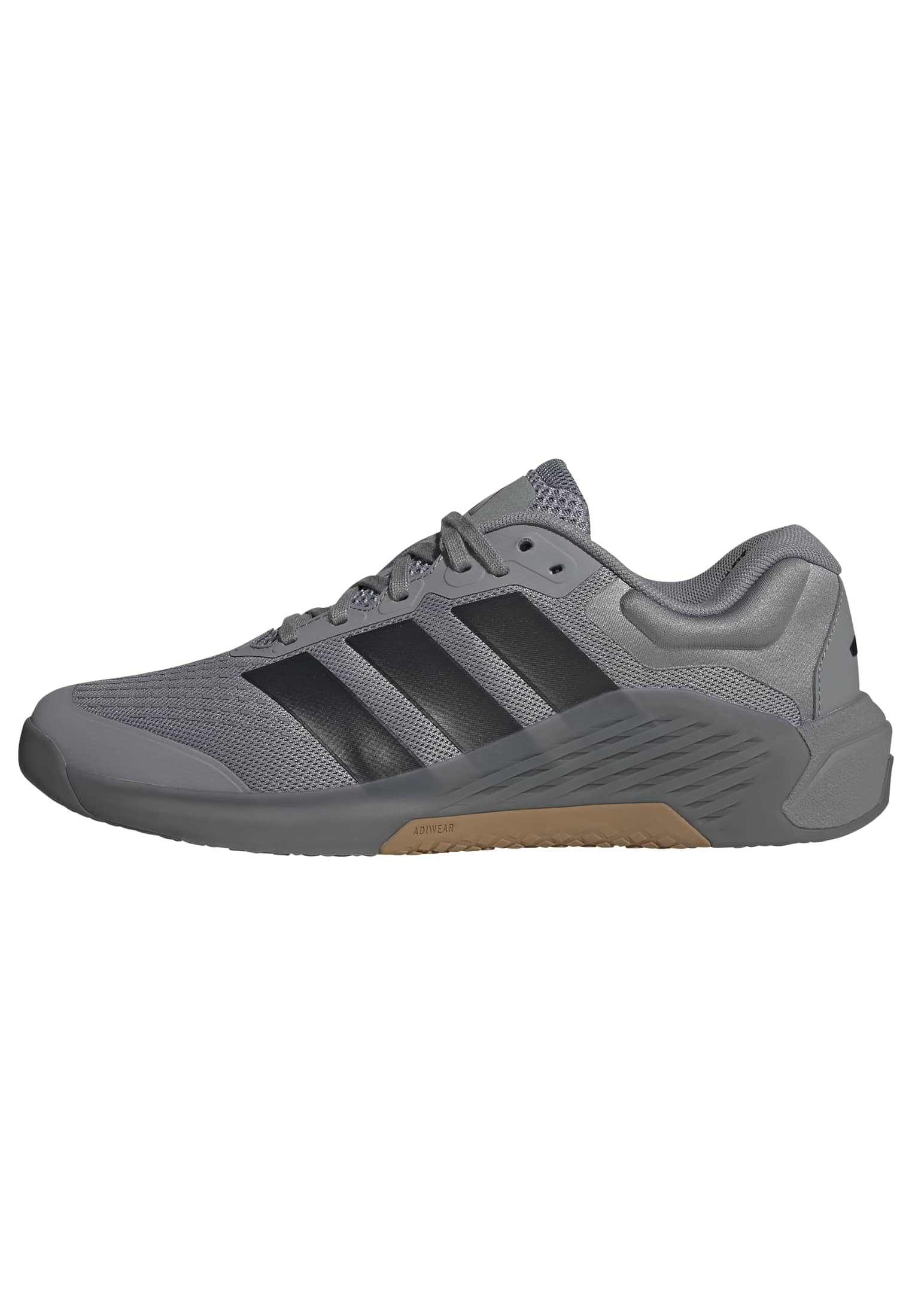
The Dropset 4 introduces a dual-sole system — a standard training insole and a second textured insole with sensory bumps designed to improve foot-to-ground feedback. The 13mm heel-to-toe drop is higher than typical cross-training shoes, but the wide forefoot platform and medial post keep the foot stable under heavy squat loads.
Users praise the fit for wide feet, with one reviewer noting a size 15 accommodates their foot volume comfortably. The firm sole works well for stairmasters and leg presses where a compressible midsole would waste energy. Breathability is strong thanks to the engineered mesh upper.
The higher drop may feel unfamiliar to barefoot-trained athletes. Some users with narrow ankles report heel slip even after cinching the laces tightly. The outsole shows moderate wear after several months of daily gym use.
Why it’s great
- Dual insole system with sensory bumps for enhanced feedback
- Wide forefoot platform with medial post for heavy lifting stability
- Breathable mesh upper keeps feet cool during high-intensity work
Good to know
- 13mm drop is higher than most cross-training shoes
- Heel slip possible for those with narrow ankles
3. Nike Free Metcon 5

The Free Metcon 5 bridges the gap between a rigid lifting shoe and a flexible training shoe for dynamic workouts. The 4mm drop keeps you low to the ground while the flex grooves in the forefoot allow natural toe splay during burpees, lunges, and kettlebell swings. Lace adjustability lets you customize tightness across different parts of the foot.
One reviewer who runs a HIIT program reports the shoe handles short runs under three miles, weightlifting, and stationary bike sessions without any single activity feeling compromised. The fit accommodates slightly wide feet after a one-week break-in period, with the upper stretching around the widest part of the foot.
Durability is a consideration — the outsole on the lateral edge may show wear faster than more rubber-heavy competitors. The Free Metcon also runs slightly long, so sizing down half a notch for a locked-in heel fit is common advice among users.
Why it’s great
- Flex grooves in forefoot allow natural motion during dynamic exercises
- Transitional 4mm drop suits both lifting and short runs
- Adjustable lace system for customized midfoot and toebox volume
Good to know
- Outsole may wear faster on lateral edge
- Not ideal for runs longer than 3 miles
4. Under Armour TriBase Reign 6
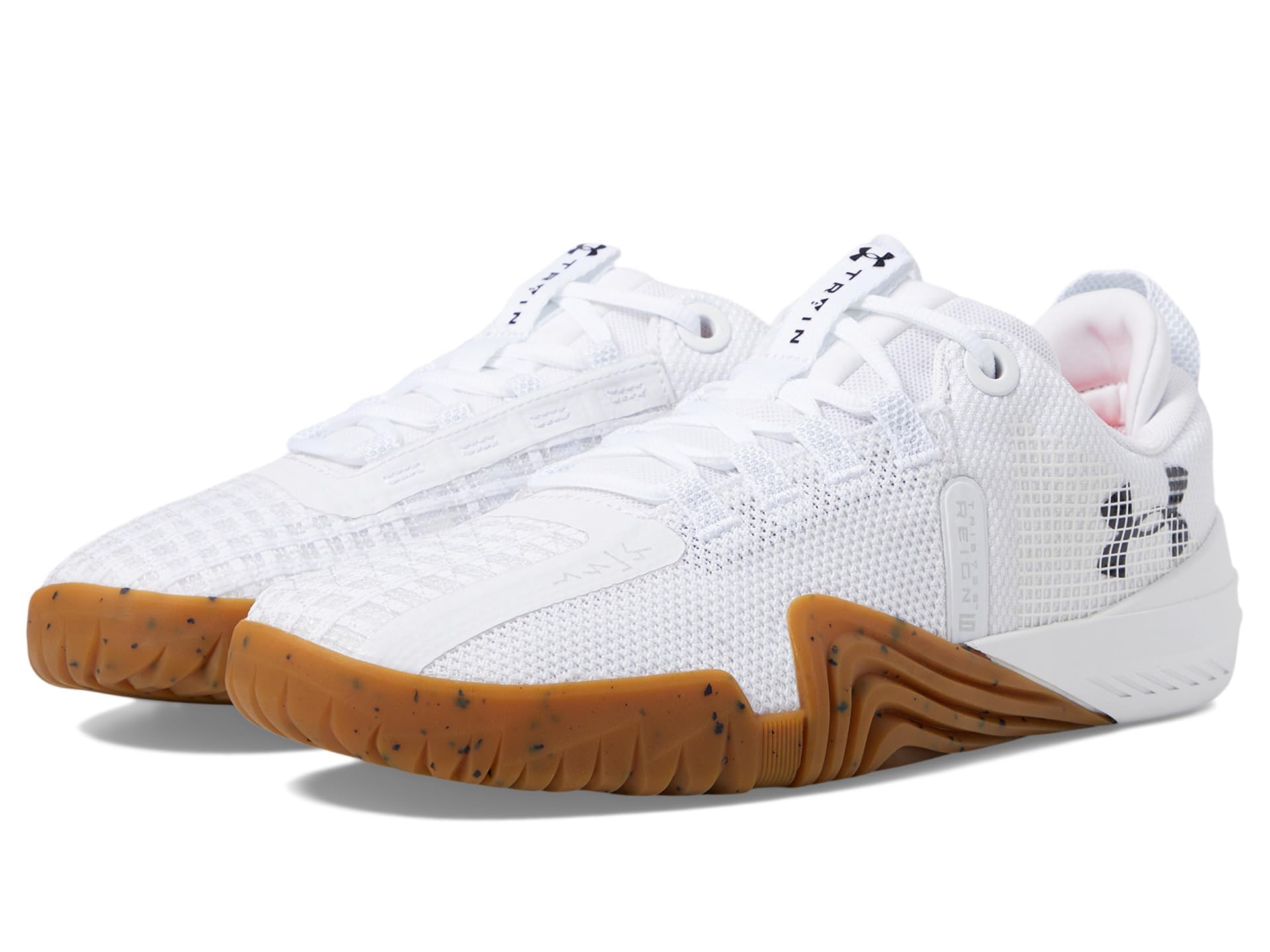
The TriBase Reign 6 offers a zero-drop platform with a wide toe box that multiple reviewers describe as roomier than the Reebok Nano and less stiff than the Nike Metcon. The UA TriBase outsole uses a tri-star pattern to maximize ground contact, improving stability for deadlifts and squats while maintaining enough flexibility for dynamic movement.
Buyers with flat feet report the arch support structure works well for their foot type, eliminating ankle pain that running shoes caused during gym workouts. The shoe runs slightly large, and several reviewers advise going half a size down from your normal athletic shoe size for a snug fit.
The white colorway shows dirt quickly, which is a practical concern for gym-goers who prefer low-maintenance aesthetics. The midsole cushioning — though sufficient for sprints and box jumps — feels firm compared to hybrid running-lifting shoes.
Why it’s great
- Tri-star outsole pattern enhances ground contact for heavy lifts
- Wider toe box than equivalent Reebok and Nike models
- Arch support structure accommodates flat feet well
Good to know
- White colorway is difficult to keep clean
- Firm midsole may not suit those wanting plush cushioning
5. Reebok Nano X5
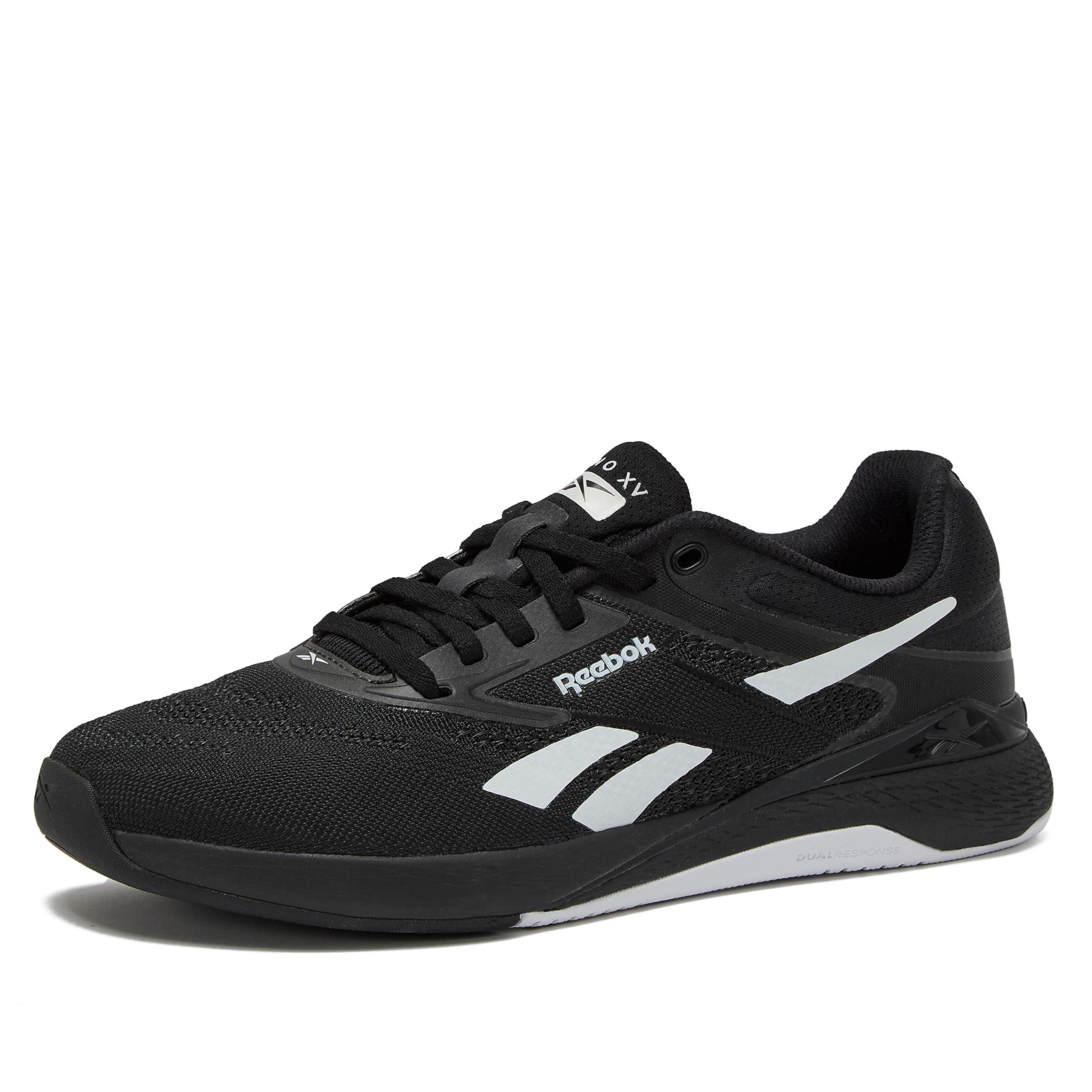
The Nano X5 continues its legacy as a weightlifting-focused cross-trainer with a flat, non-flexible sole that minimizes rocking during squats and deadlifts. The wide toe box provides ample room for toe splay, and the 4mm drop gives enough heel elevation for those performing Olympic lifts without compromising squat depth.
Multiple reviewers note the shoe runs wide, making it an excellent choice for lifters with broad forefeet who struggled with Nike or New Balance models. The outsole delivers solid, non-slip grip on gym surfaces, and the upper offers enough support for jumping and lunging.
The hard bottom makes the Nano X5 unsuitable for walking or running for extended periods. Some users with narrow feet found the shoe overly spacious, leading to heel slip during dynamic movements. The patent-style finish on certain colorways may not appeal to everyone.
Why it’s great
- Flat, non-flexible sole maximizes stability for weightlifting
- Generous toe box accommodates wide forefeet comfortably
- Outsole provides strong grip on rubber gym surfaces
Good to know
- Hard bottom is not suitable for running or long walks
- Narrow heels may experience slip in the spacious fit
6. ALTRA FWD VIA Road Running Shoe
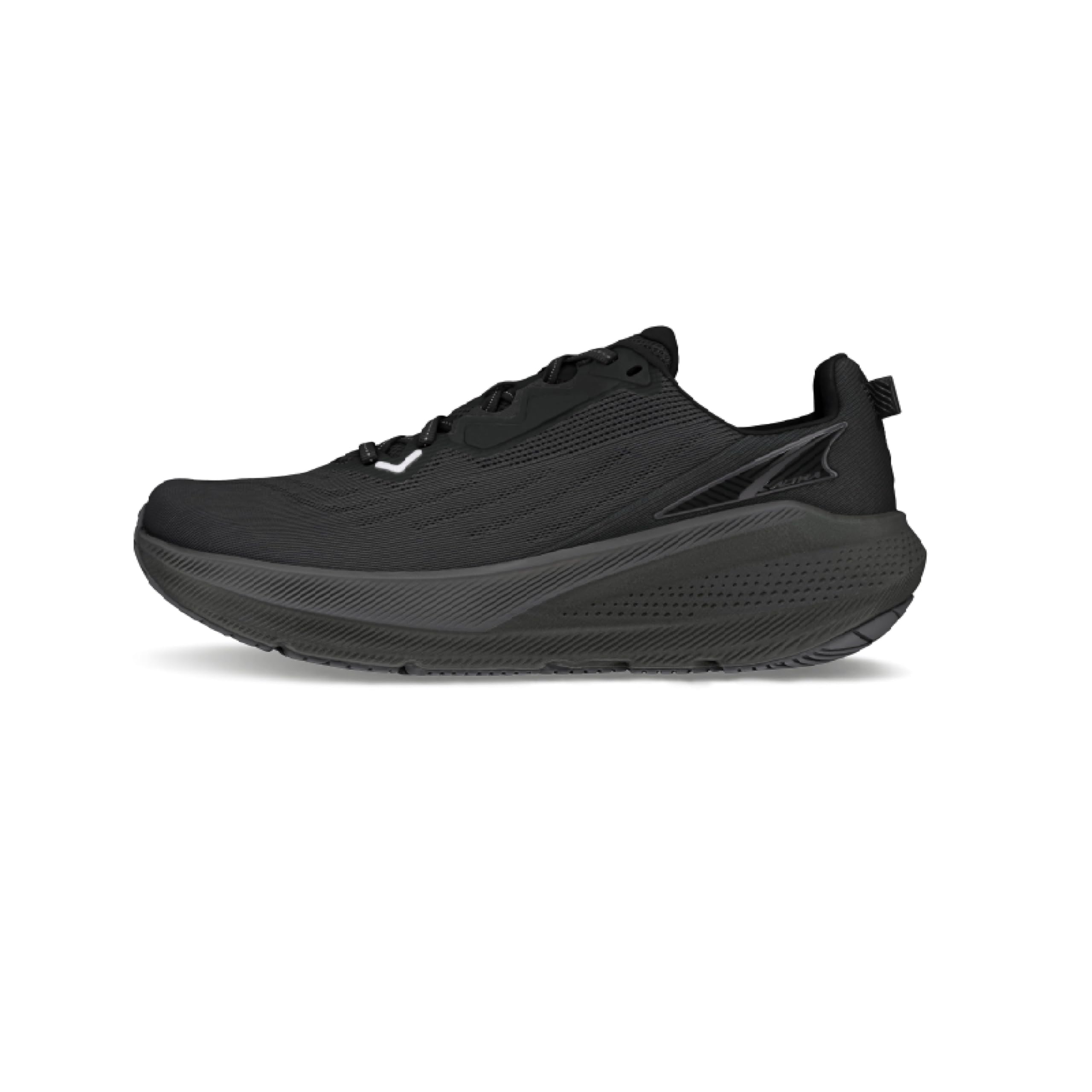
The FWD VIA brings Altra’s signature wide toe box into a road-running platform with a 28mm stack height — thicker than the Solstice XT, offering more cushion for walking, recovery days, and warm-up jogs. The zero-drop geometry remains intact, with a balanced cushion that doesn’t compress unevenly under load.
Users with bunions, hammer toes, and severe plantar fasciitis report immediate relief thanks to the foot-shaped toe box that allows natural splay. The narrow heel design prevents slip, and the lightweight construction makes the shoe feel less clunky than its stack height suggests.
Size consistency is a notable issue — one long-time Altra customer found this model fit significantly smaller than previous Altra shoes, with tight spots in unusual places. The upper also stretches over time, which can lead to a sloppy fit if you buy true to size rather than sizing up.
Why it’s great
- Wide toe box accommodates bunions and foot deformities
- Zero-drop geometry with 28mm stack for cushion without rocking
- Lightweight design for a high-stack shoe
Good to know
- Inconsistent sizing compared to other Altra models
- Upper stretches with use, potentially causing a loose fit
7. Vivobarefoot Motus Flex

The Motus Flex delivers the thinnest sole in this lineup at roughly 3mm, placing your foot as close to the ground as possible while still offering puncture protection. The zero-drop platform and exceptionally wide toe box allow unrestricted natural movement, making this a top pick for those who train in a barefoot philosophy and demand maximum proprioceptive feedback.
Reviewers report the shoe runs large, with several buyers recommending sizing down a full size from their standard measure. The build quality is impressive — one user reported the shoe remained intact with no rips or tears after over a year of regular wear. The minimal upper design means easy on-and-off access.
The lack of cushioning makes the Motus Flex unsuitable for high-impact jumping or running. The white colorway stains quickly with gym use. Beginners transitioning from traditional shoes should expect a calf and foot adjustment period similar to adapting to any minimalist footwear.
Why it’s great
- Ultra-thin sole for maximum ground feel and proprioception
- Wide toe box allows unrestricted natural splay movement
- Durable build with no rips after extended regular use
Good to know
- No cushioning for high-impact activities like running or jumping
- Runs large — sizing down is essential for proper fit
8. FLUX FOOTWEAR Adapt Runner
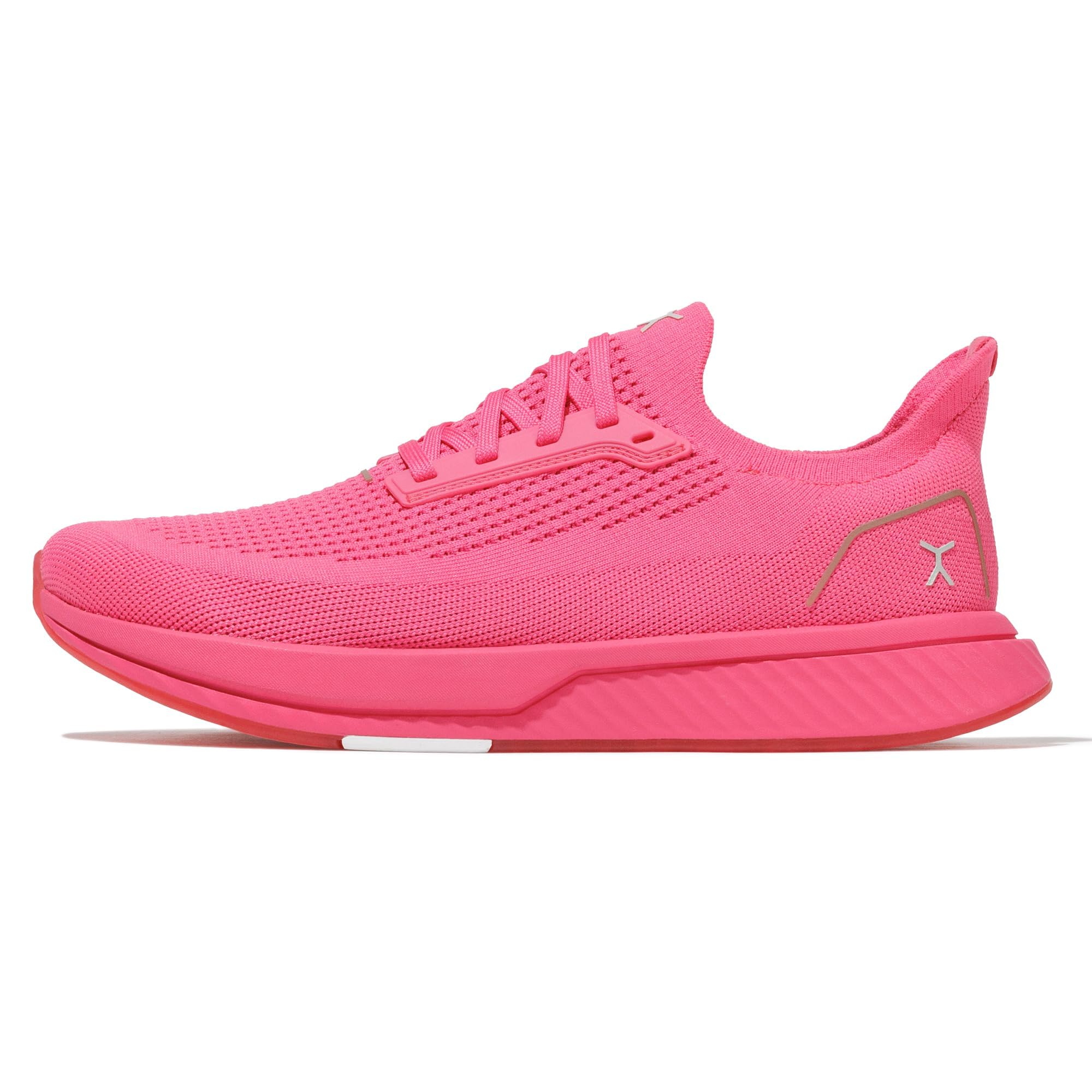
The Adapt Runner combines a minimalist zero-drop platform with a machine-washable upper that makes it a practical choice for daily wear. The wide toe box allows natural toe splay, and the flexible traction pattern matches the needs of walking, casual running, and recovery days. Users with flat feet and post-surgery ankles report significant pain relief, with one reviewer logging over 15,000 steps per day pain-free.
Durability claims are mixed — some users report the sole separating at the heel after extended use, while others from the brand’s earlier iterations claim four years of daily wear without failure. The insoles are replaceable, which extends the shoe’s lifespan once the original foam compresses.
The Adapt Runner runs small, with multiple reviewers advising you size up half a notch. The initial stiffness can cause ankle collapse for those transitioning from supportive shoes, though the upper relaxes noticeably after two weeks of consistent use.
Why it’s great
- Machine-washable construction for easy maintenance
- Wide toe box with zero drop for natural foot function
- Replaceable insoles extend product lifespan
Good to know
- Runs small — size up half to a full size
- Initial stiffness requires a break-in period
9. Xero Shoes Prio Neo
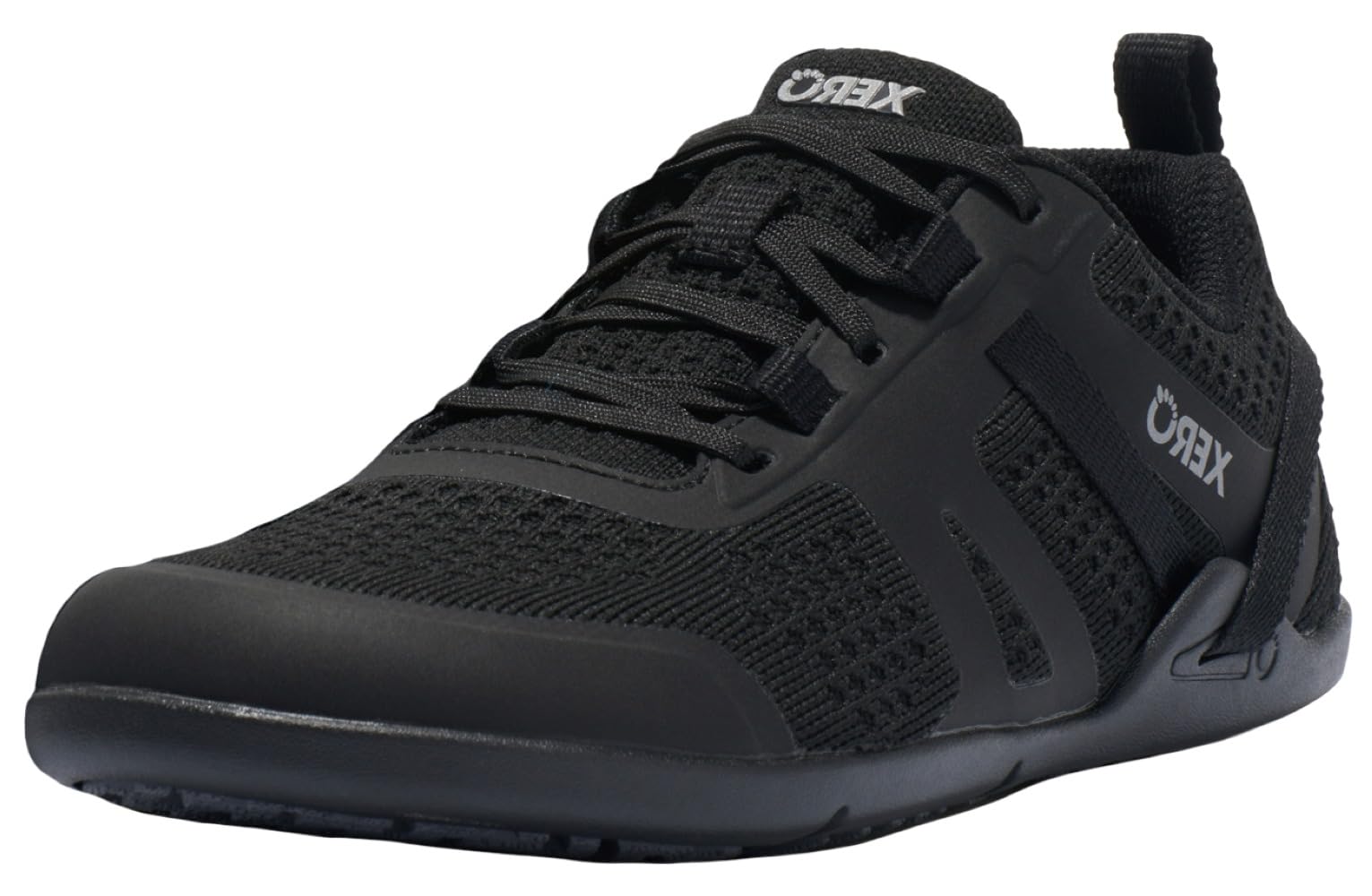
The Prio Neo offers an accessible entry point into barefoot-style training with a 5.5mm sole, zero-drop platform, and a wide toe box that accommodates toes of all shapes — including those with Morton’s toe and hammer toes. The removable insole allows users to customize the level of ground feel, from slight cushioning to full minimalist contact.
Users transitioning from high-drop running shoes (10mm or more) should anticipate an adjustment period — calf pain and the need to relearn gait mechanics are common during the first weeks. Once adapted, reviewers report the shoe becomes extremely comfortable for indoor training, dog walks, and light gym use.
The shoelaces are criticized as excessively long, leading to tripping and frequent unlacing during dynamic activities. The sole durability is adequate for gym surfaces but shows faster wear on outdoor concrete. Those with pre-existing foot conditions should consult a professional before committing to a minimalist sole thickness.
Why it’s great
- Entry-level price point for minimalist training footwear
- Removable insole lets you customize ground feel
- Wide toe box accommodates toe deformities and splay needs
Good to know
- Adjustment period required for those transitioning from cushioned shoes
- Shoelaces are overly long and may cause tripping during workouts
FAQ
Is a zero-drop shoe necessary for a wide toe box cross trainer?
Can I run in a wide toe box cross-training shoe?
How do I know if my foot volume matches a wide toe box shoe?
Do wide toe box cross trainers work for plantar fasciitis?
Final Thoughts: The Verdict
For most users, the best cross training shoes wide toe box winner is the ALTRA Solstice XT 3 because it combines a genuine foot-shaped toe box with a zero-drop platform and enough stack height for protection without sacrificing ground feel. If you prioritize maximum ground proprioception and barefoot-style training, grab the Vivobarefoot Motus Flex. And for heavy lifting stability with a wide forefoot platform, nothing beats the Under Armour TriBase Reign 6.

Mo Maruf
I created WellFizz to bridge the gap between vague wellness advice and actionable solutions. My mission is simple: to decode the research and give you practical tools you can actually use.
Beyond the data, I am a passionate traveler. I believe that stepping away from the screen to explore new environments is essential for mental clarity and physical vitality.