Our readers keep the lights on and my smoothie glass nicely filled. As an Amazon Associate, I earn from qualifying purchases.
Few things derail recovery like the lingering reminder of a wound—scar tissue that tightens, darkens, or roughens long after the stitches are removed. Finding a cream that not only accelerates healing but actively improves skin texture and color is the real challenge for anyone recovering from surgery, an accident, or a cesarean section. The wrong choice can leave you with dryness, irritation, or simply no visible change after weeks of commitment.
I’m Mohammad Maruf — the founder and writer behind WellFizz. My guide is built on hundreds of hours analyzing silicone concentrations, moisturizing agents, and real user feedback to identify the formulations that deliver measurable results for stitch scars.
Whether you need to soften a fresh incision or fade an old surgical mark, this guide to the best cream for stitches compares five leading options based on ingredient quality, absorption rate, and clinical effectiveness.
How To Choose The Best Cream For Stitches
Not every scar cream performs the same on stitch scars. The key factors are the active ingredient type, the formula’s ability to hydrate without clogging pores, and how easily it fits into your daily routine. Here are the three most critical criteria to evaluate.
Medical-Grade Silicone vs. Natural Oils
Silicone-based scar gels create a protective moisture barrier that softens and flattens raised scar tissue. They are clinically proven and recommended by dermatologists for both old and new stitch scars. Oil-based serums, like those with Vitamin E or emu oil, can improve texture and hydration but generally work better as a maintenance treatment after the wound has fully closed and the silicone phase is complete.
Absorption Speed and Residue
A cream that leaves a sticky or white cast on your skin will discourage consistent use, which is the single biggest reason scar treatments fail. Fast-drying, non-greasy formulas that absorb within seconds allow you to apply under clothing or makeup without disrupting your day. For stitch scars on visible areas like the face or hands, this feature is non-negotiable.
Application Frequency and Duration
Most effective scar creams require application twice a day for at least 8 weeks to see meaningful change. Products that demand fewer applications or come in a larger volume make compliance easier. Check the tube size and the recommended daily use before committing—a small 0.33-ounce tube may need frequent repurchasing, while a 4.2-ounce oil can last months.
Quick Comparison
On smaller screens, swipe sideways to see the full table.
| Model | Category | Best For | Key Spec | Amazon |
|---|---|---|---|---|
| Rvlaim Silicone Scar Cream | Silicone Gel | Old & New Stitch Scars | 1.7 fl oz / 1.5″ tube | Amazon |
| Dimora Hydrogel Ointment (2-Pack) | Hydrogel | Fresh Wounds & Burns | 6 oz per tube / 2-pack | Amazon |
| NOPUNZEL Silicone Scar Gel | Silicone Gel | Stubborn Scars & Keloids | 20g / Travel-Friendly | Amazon |
| Rejuvaskin RejuvaSil Scar Gel | Silicone Gel | Itchy Surgical Scars | 0.33 oz / Emu Oil | Amazon |
| Bio-Oil Skincare Oil | Oil Serum | Long-Term Scar Fading | 4.2 oz / Vitamin E & A | Amazon |
In‑Depth Reviews
1. Rvlaim Silicone Scar Cream
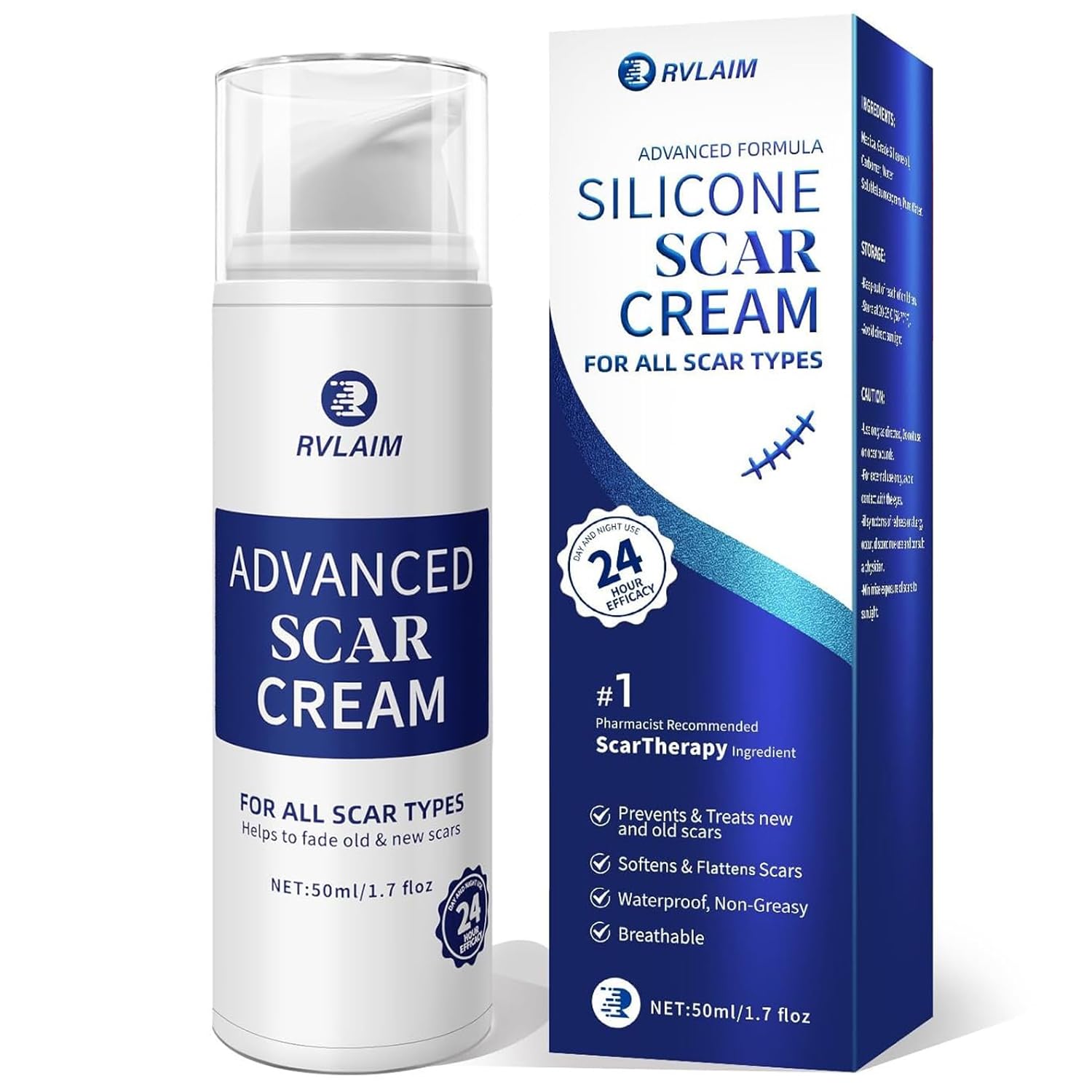
The Rvlaim Silicone Scar Cream combines dermatologist-recommended medical-grade silicone with Centella Asiatica to calm redness and soften scar tissue. Its 1.7-ounce tube provides a generous supply for daily application on both old and new stitch scars, including C-section marks and acne scars. The formula is alcohol-free and fragrance-free, making it suitable for sensitive skin types.
Users report visible fading of raised scars within two weeks when applied twice daily, with noticeable softening of texture and evening of skin tone. The fast-drying, non-greasy texture absorbs quickly without leaving a white cast or sticky residue, which means it layers well under clothing or makeup. It works equally well on fresh post-surgical incisions and older scars that have already settled.
The only minor drawback is that a single bottle may not be enough to complete a full three-month treatment plan for extensive scarring, so budget for a refill if you are covering a large area. Nevertheless, for a mid-range price point, this gel delivers the most balanced combination of potency, volume, and comfort.
Why it’s great
- Fast-absorbing silicone formula with zero residue
- Calms redness with Centella Asiatica
- Dermatologist recommended for sensitive skin
Good to know
- Large scars may require multiple bottles for full course
- Results require consistent twice-daily use
2. Dimora 2-Pack Hydrogel First Aid Ointment

The Dimora Hydrogel is not a traditional scar cream—it is a moisturizing wound dressing designed for the immediate healing phase after stitches are removed. Its oil-free hydrogel formula hydrates dry skin and softens necrotic tissue by creating a long-lasting moist environment, which is critical for preventing scabbing and reducing scar formation early on. The two-pack gives you 12 ounces total, which is excellent value for covering surgical incisions, burns, and pressure ulcers.
Users recovering from mastectomies and heel blisters report that the gel keeps wounds clean and properly moisturized without stinging. It conforms to irregular body contours like cracked fingers or joint areas, which makes it ideal for tricky post-surgical sites. The cooling sensation provides immediate soothing relief, especially on burns or sunburned skin.
On the downside, the hydrogel is not a silicone scar gel, so it will not flatten raised scars or lighten discoloration on its own. It belongs in your medicine cabinet for the first few weeks post-stitch removal, to be swapped for a silicone gel once the wound surface is fully healed and no longer weeping.
Why it’s great
- Soothing cooling effect on burns and fresh wounds
- Two-package value for extensive wound coverage
- Conforms to joints and small body contours
Good to know
- Not a scar-fading treatment—use for early healing only
- Not for large-exudate or infected wounds
3. NOPUNZEL Silicone Scar Gel

The NOPUNZEL Silicone Scar Gel is formulated with medical-grade silicone and targets a wide range of scars, from C-sections and hypertrophic scars to keloids and accidental cuts. Its 20-gram tube is compact enough for a purse or gym bag, making it a solid choice for people who travel frequently or need to treat scattered scars on multiple body parts. The gel is slightly looser than petroleum jelly, allowing it to spread easily over uneven surfaces.
Reviews highlight that it absorbs within seconds with zero stickiness, leaving the skin feeling smooth rather than tacky. Users with dog-attack scars, leg scars, and post-surgical incisions all report visible fading and softening after three to four weeks of twice-daily use. The packaging includes a slanted tip that allows precise application directly onto the scar line without wasting product.
The small tube size is the main limitation—20 grams covers less surface area than a larger bottle, so you may need to repurchase more often if you are treating a long surgical incision. But for targeted treatment of isolated stitch scars or keloids, this gel performs on par with premium brands at a friendlier price tag.
Why it’s great
- Ultra-light texture that absorbs instantly
- Precise slanted-tip applicator for scar lines
- Gentle on sensitive skin with no irritation
Good to know
- Smaller volume may not suit large surgical scars
- Needs 3+ months for old scar improvement
4. Rejuvaskin RejuvaSil Silicone Scar Gel
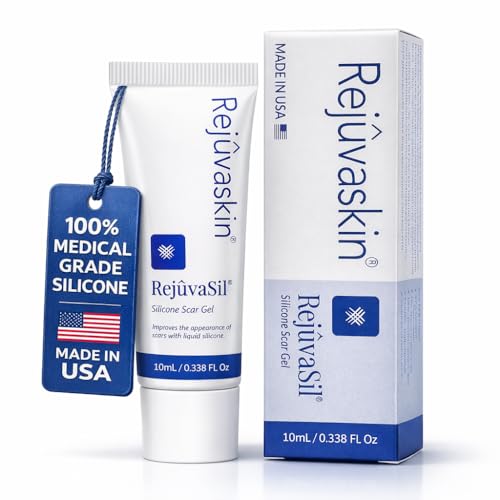
RejuvaSil Silicone Scar Gel from Rejuvaskin is a dermatologist-trusted formula that combines liquid silicone with emu oil, Vitamin C, and squalene. The emu oil provides deep moisture that soothes itchiness and irritation—a common complaint during the scar healing process after stitches. This gel is non-comedogenic and safe for all skin types, including pediatric use, which makes it a versatile option for families managing both surgical scars and acne marks.
Users who underwent open-heart surgery report that after consistent use, scar visibility decreased significantly, and the skin became softer and flatter. The texture is silky and absorbs quickly, and a little goes a long way despite the small 0.33-ounce tube. Many reviewers note that it reduces redness and discoloration faster than standard silicone-only gels, likely thanks to the vitamin C component.
The primary trade-off is the tube size relative to the price—at a premium cost for a near-sample-sized tube, you will need to repurchase frequently for ongoing treatment. It is best suited for small, highly visible scars where the improved formula justifies the higher per-ounce cost, or for those specifically seeking relief from post-surgical itching.
Why it’s great
- Relieves itching and irritation from healing scars
- Emu oil and vitamin C boost fading and moisture
- Trusted by healthcare professionals for surgical scars
Good to know
- Very small tube for a premium price
- Effectiveness varies; patience required for full results
5. Bio-Oil Skincare Body Oil Serum

Bio-Oil is a dermatologist-recommended skincare oil formulated with Vitamin E, chamomile, and lavender oil to improve the appearance of scars, stretch marks, and uneven skin tone. Unlike silicone gels, this serum relies on natural oils to lock in hydration and soften skin texture without clogging pores. The 4.2-ounce bottle offers the most volume per unit among the picks, making it an excellent entry-level option for daily maintenance after the wound has fully healed.
Users report that it absorbs beautifully into the skin without leaving a greasy film when applied sparingly. It works well on both fresh and old stitch scars, with many noting improvements in skin smoothness and scar visibility after one month. The subtle lavender-chamomile scent is pleasant and calming, and the oil doubles as a general body moisturizer, which adds versatility.
The main limitation is that Bio-Oil lacks the occlusive silicone barrier that actively flattens raised scars. It excels at moisturizing and fading discoloration on flat scars, but for thick, hypertrophic scar tissue, you will likely need a silicone-based gel first. It is the perfect companion product for long-term scar maintenance once the silicone phase is completed.
Why it’s great
- Large bottle lasts months with daily use
- Non-greasy, fast-absorbing oil texture
- Helps fade discoloration on flat stitch scars
Good to know
- Not a silicone gel; less effective on raised scars
- Subtle fragrance may not suit all preferences
FAQ
When should I start applying cream after stitches are removed?
Can I use silicone scar gel on a scar that is several years old?
Is Bio-Oil as effective as a silicone gel for raised stitch scars?
How many times a day should I apply scar cream for the best results?
Can hydrogen gel replace silicone scar cream after stitches?
Final Thoughts: The Verdict
For most users, the best cream for stitches winner is the Rvlaim Silicone Scar Cream because it combines medical-grade silicone with Centella Asiatica in a fast-absorbing, residue-free formula that works on both fresh and old scars at a fair volume. If you need immediate wound moisture and cooling relief right after stitch removal, grab the Dimora Hydrogel 2-Pack. And for long-term maintenance and fading of flat discolored scars with a budget-friendly large bottle, nothing beats the Bio-Oil Skincare Oil.

Mo Maruf
I created WellFizz to bridge the gap between vague wellness advice and actionable solutions. My mission is simple: to decode the research and give you practical tools you can actually use.
Beyond the data, I am a passionate traveler. I believe that stepping away from the screen to explore new environments is essential for mental clarity and physical vitality.