Our readers keep the lights on and my smoothie glass nicely filled. As an Amazon Associate, I earn from qualifying purchases.
Cross country skiing demands a glove that balances insulation with precise pole control — a thick, clunky mitt works on the downhill but turns every stride into a fight against the wind. The right pair breathes, flexes, and grips without robbing your fingers of the feedback needed to drive each kick and glide.
I’m Mohammad Maruf — the founder and writer behind WellFizz. I’ve spent countless hours analyzing insulation materials, shell fabrics, and waterproof membranes to find the pairs that actually perform on groomed tracks and backcountry trails.
After comparing everything from lightweight power-stretch liners to insulated Gore-Tex shells, I’ve narrowed the field to the five pairs that define the best cross country ski gloves for distance, warmth, and handling.
How To Choose The Best Cross Country Ski Gloves
Cross country skiing is a high-aerobic sport that generates significant body heat. The wrong glove traps sweat, chills your hands during rest, and ruins the feedback loop between your grip and the pole. Focus on three areas: insulation weight, shell breathability, and dexterity.
Insulation Weight and Material
For classic and skate skiing, 100g to 200g of insulation is the sweet spot. Thinsulate and Polartec Power Stretch provide warmth without the bulk that forces a death grip on the pole. Excess insulation leads to sweaty palms and eventual cold fingers — exactly the opposite of what you want.
Breathability and Waterproofing
A fully waterproof glove like those with a Gore-Tex membrane keeps snow melt out, but can trap moisture during a hard workout. For dry, cold conditions, a highly breathable softshell or wool blend performs better. Look for a waterproof breathable membrane only if you ski in wet snow or mixed precipitation.
Dexterity and Grip
Pole grip requires the glove to flex naturally at the knuckles and palm. A pre-curved finger design reduces hand fatigue over long distances. A silicone or leather palm patch adds grip without stiffness — avoid full leather palms for racing, but they work well for backcountry touring.
Quick Comparison
On smaller screens, swipe sideways to see the full table.
| Model | Category | Best For | Key Spec | Amazon |
|---|---|---|---|---|
| Rab Power Stretch Pro Lightweight | Lightweight Liner | High‑output training | Polartec Power Stretch Pro (mid‑weight fleece) | Amazon |
| DRYMILE HYLA Waterproof Dexterity | All‑Weather | Mixed conditions | Wool blend + waterproof membrane | Amazon |
| Dakine Men’s Scout | Insulated Mid‑Layer | Cold days | Ski/snowboard glove with removable liner | Amazon |
| Dakine Titan Gore‑Tex | Premium Shell | Wet snow & backcountry | Gore‑Tex ePE membrane + Hi Loft insulation | Amazon |
| FXR Men’s Fuel Winter | Extreme Warmth | Deep cold & snowmobile | 300g Thinsulate back / 250g palm | Amazon |
In‑Depth Reviews
1. Rab Men’s Power Stretch Pro Lightweight Gloves
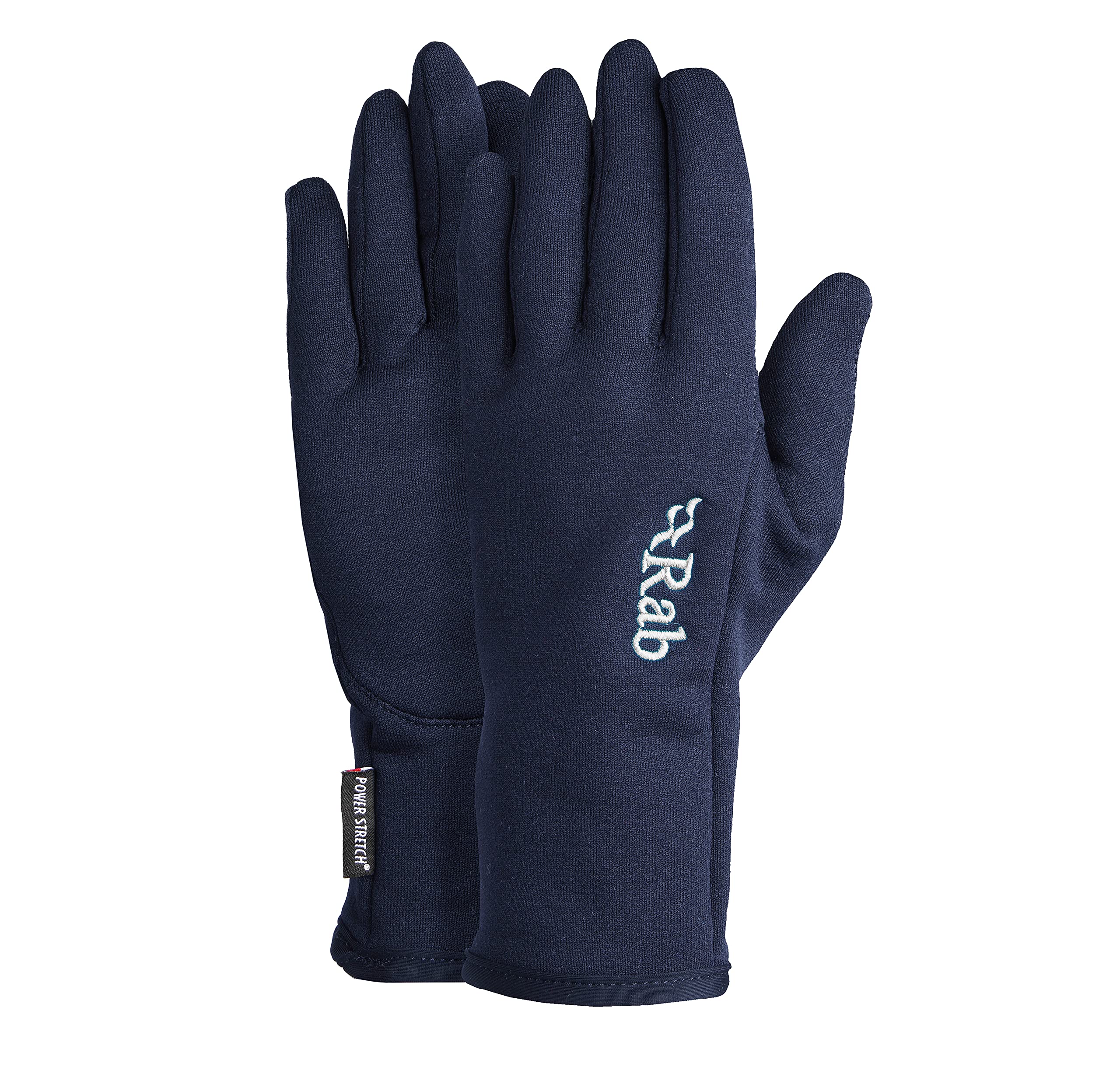
The Rab Power Stretch Pro is the closest thing to a second skin for cross country skiing. Made from Polartec Power Stretch Pro fabric, these gloves offer four-way stretch that moves naturally with the hand — no bunching at the palm, no restriction at the knuckles. The 1.5-ounce weight makes them nearly imperceptible, which is ideal for race day or high-output training where bulky insulation would cause overheating and fatigue.
Multiple customer reviews confirm the warmth-to-bulk ratio is excellent for cold weather without freezing temperatures. One verified buyer noted that both their son and husband found them “warm without bulk,” which aligns with the glove’s design philosophy. The close fit allows for precise pole grip and basket control — critical for efficient kick-and-glide technique.
The main caveat is the absence of functional touchscreen compatibility. Several reviews report that the fingertips do not work with phone screens as advertised on some listings. If touchscreen use is a priority, this pair may disappoint. Additionally, sizing runs small — several buyers recommended ordering up one size for a comfortable fit.
Why it’s great
- Exceptional dexterity for pole grip
- Breathable enough for high-aerobic output
- Nearly weightless — reduces hand fatigue
Good to know
- Not reliable for touchscreen use
- Runs small — consider sizing up
- Limited insulation for below‑freezing conditions
2. DRYMILE HYLA Waterproof Dexterity Gloves

The DRYMILE HYLA gloves strike a smart balance between waterproof protection and natural insulation. The exterior features a wool blend that traps warmth without adding the bulk of a synthetic puffy layer, and the integrated waterproof membrane keeps snow melt from seeping through during wet conditions. For cross country skiers who encounter mixed precipitation or early-morning frost, this combination offers dependable moisture protection.
Customer feedback highlights the snug, second-skin fit that allows for natural hand movement — one reviewer noted they are “form-fitting” and work well for managing zippers and gear. The non-slip grip is subtle enough for pole handles yet present enough for hiking or carrying equipment. The reflective logo adds a safety element for low-light touring. The gloves are rated for temperatures around 37°F and above, which suits most spring and fall Nordic sessions.
However, the touchscreen sensitivity is inconsistent. Multiple users report that the conductive fibers are unreliable, especially after the gloves get damp. The outer fabric also absorbs water over extended exposure, requiring hours to dry fully. For all-day tours in steady rain or wet snow, consider a fully waterproof shell instead.
Why it’s great
- Effective waterproof membrane for wet snow
- Snug fit with good dexterity for pole handling
- Wool blend insulation breathes well
Good to know
- Touchscreen performance is spotty
- Outer fabric absorbs water over time
- Best for temps above freezing
3. Dakine Men’s Scout Snowboard & Ski Gloves
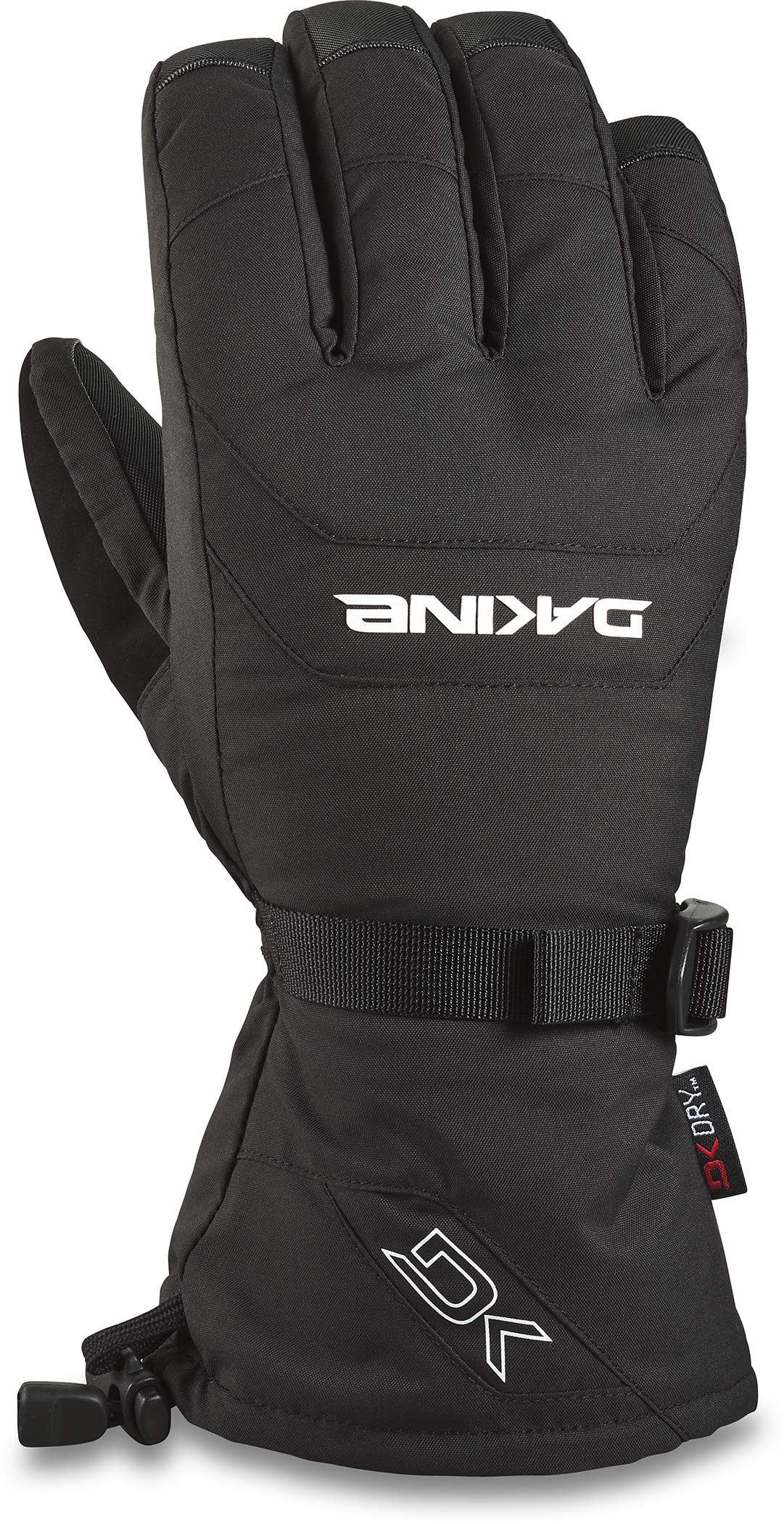
The Dakine Scout is a hybrid glove designed for downhill skiing and snowboarding, but its removable liner system translates well to cross country use on colder days. The shell is insulated and water-resistant, while the inner liner provides a second layer that can be removed for drying or worn alone for milder conditions. This two-in-one design gives you flexibility across a range of temperatures and intensities.
Customer reviews consistently praise the warmth and dryness. One reviewer reported that their “hands stayed warm and dry” during a full day on the slopes, another noted the tether on the outer glove is a lifesaver for removing them without dropping. The inner liners have a decent grip that also works on phone touchscreens — a feature that the outer shell lacks. The fit runs snug, with XL feeling tight for some larger hands, so sizing up is advisable if you plan to layer.
The Scout is not as breathable as dedicated Nordic gloves, so expect some moisture buildup during intense skate skiing. It also lacks the precision of a thin liner for fine pole adjustments. This pair is best suited for recreational skiers who want one glove that works across cold-weather activities rather than a specialized race glove.
Why it’s great
- Removable liner doubles as a light glove
- Outer shell resists snow and moisture well
- Tether prevents dropping from chairlift or rest stop
Good to know
- Less breathable than dedicated Nordic gloves
- Snug sizing — consider one size up
- Not ideal for extended high‑intensity sessions
4. Dakine Mens Titan Gore-Tex Snow Glove
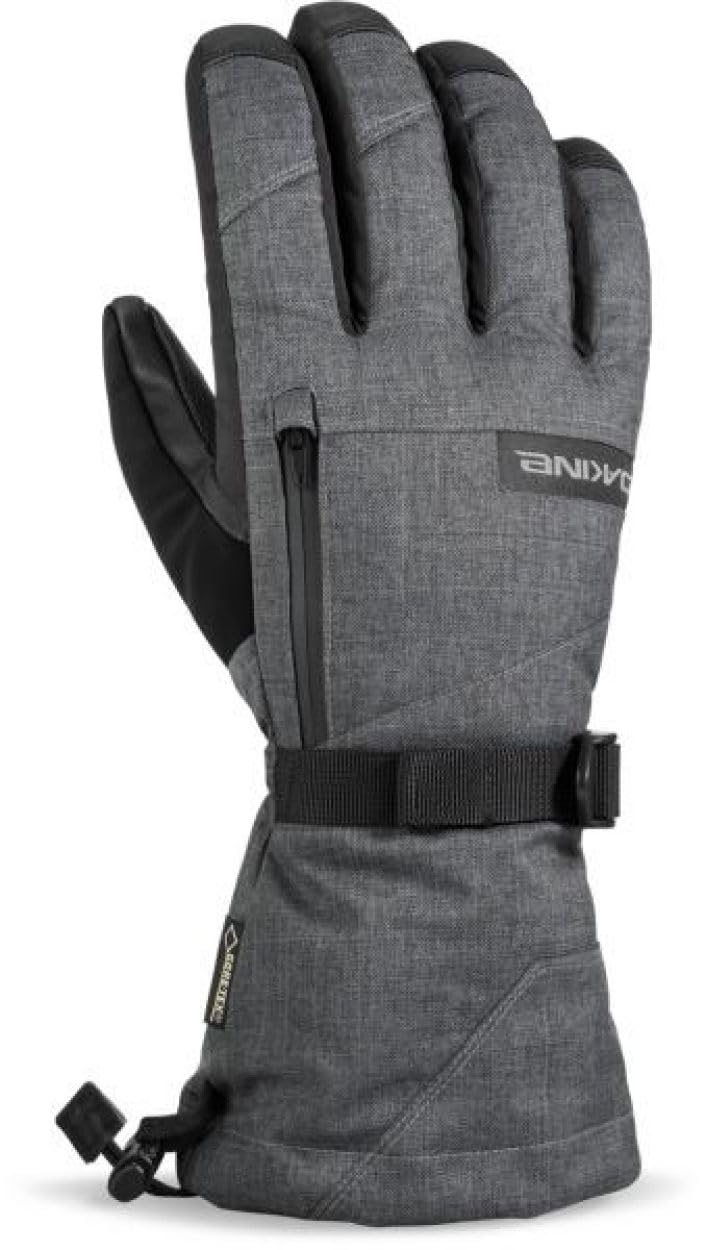
The Dakine Titan is a high-performance snow glove anchored by a Gore-Tex ePE membrane — a more environmentally friendly waterproof layer that keeps snow melt completely out while allowing moisture vapor to escape. The Hi Loft insulation uses recycled polyester in a 110/230 gram split, meaning the back of the hand gets more insulation than the palm, preserving grip sensitivity. This asymmetric insulation is ideal for cross country skiing, where the palm needs to feel the pole grip clearly.
Customer reviews spanning multiple seasons confirm the Titan’s durability and dryness. One reviewer who used them for four seasons (~25 days per season) reported no splits, tears, or loss of waterproofing. The Rubbertec palm is non-PVC and provides a secure grip even when wet. A zippered pocket on the back of the hand fits an Ikon pass or hand warmer — a convenience that several users mentioned for lift access. The included liners are appreciated for their warmth and moisture-wicking properties.
Some users found the gloves not as warm as expected in extreme cold. One review noted that while hands stayed dry, they were not warm enough for very cold days. For deep winter below 10°F, you may need a heavier pair or add a liner. The glove also runs slightly thin for its price point — the trade-off is better dexterity.
Why it’s great
- Gore-Tex ePE is fully waterproof and breathable
- Asymmetric insulation preserves palm sensitivity
- Durable construction tested over multiple seasons
Good to know
- Not extremely warm in sub‑10°F conditions
- Runs slightly thin for the premium price
- Less wrist gaiter coverage than some snow gloves
5. FXR Men’s Fuel Winter/Snowmobile Riding Glove

The FXR Fuel is built for snowmobiling, which makes it the warmest glove in this lineup — and frankly, too warm for most cross country skiing unless you ski in sustained sub-zero temperatures. It uses 300 grams of Thinsulate on the back of the hand and 250 grams on the palm, with a reinforced goat leather palm and thumb for exceptional grip. The HydrX Pro waterproof membrane is fully sealed, and the adjustable storm cuff locks out snow and wind completely.
Customer reviews are emphatic about the warmth. One reviewer who had previous frostbite said these gloves are the only ones that keep their hands warm. Another reported a pair lasting 10 years. The pre-curved finger design reduces the initial stiffness, though multiple users note the gloves are stiff out of the box and require a break-in period. The zippered external pocket is handy for a pass or hand warmer.
The bulk is the main downside for Nordic use. The thick insulation and goat leather reduce sensitivity to the pole grip, and the weight can cause arm fatigue over a long tour. These are best reserved for backcountry days where the priority is staying warm during low-intensity movement or extended stops. For classic and skate skiing in moderate cold, the FXR Fuel is overkill.
Why it’s great
- Unmatched warmth for sub‑zero conditions
- Goat leather palm offers excellent grip and durability
- Storm cuff blocks snow from entering
Good to know
- Too bulky for most cross country skiing
- Stiff out of the box — requires break‑in
- Heavy — can cause arm fatigue on long tours
FAQ
Can I use my snowboard gloves for cross country skiing?
What insulation weight should I look for in cross country ski gloves?
Do I need a waterproof glove for cross country skiing?
Why are my hands cold even with thick gloves during cross country skiing?
Final Thoughts: The Verdict
For most Nordic skiers, the best cross country ski gloves winner is the Rab Power Stretch Pro Lightweight because it offers the ideal balance of dexterity, breathability, and warmth for high-output sessions. If you ski in wet conditions and need waterproof protection, grab the DRYMILE HYLA. And for extreme cold where staying warm outranks pole sensitivity, nothing beats the FXR Fuel.

Mo Maruf
I created WellFizz to bridge the gap between vague wellness advice and actionable solutions. My mission is simple: to decode the research and give you practical tools you can actually use.
Beyond the data, I am a passionate traveler. I believe that stepping away from the screen to explore new environments is essential for mental clarity and physical vitality.