Our readers keep the lights on and my smoothie glass nicely filled. As an Amazon Associate, I earn from qualifying purchases.
Burn scars present a unique healing challenge—the tissue is often thicker, more uneven, and prone to persistent redness compared to standard cuts or surgical marks. The wrong cream won’t penetrate dense scar tissue, leaving you with months of wasted effort and a mark that refuses to soften or fade.
I’m Mohammad Maruf — the founder and writer behind WellFizz. I’ve spent hundreds of hours analyzing clinical studies on silicone, growth factors, and occlusion therapy to identify which formulations actually remodel burn scar collagen rather than just moisturize the surface.
Whether you’re dealing with a fresh kitchen accident or an older burn that’s left a stubborn hypertrophic mark, this guide breaks down the specific ingredients and application methods that matter. Here is my research-backed breakdown of the best cream for burn scars.
How To Choose The Best Cream For Burn Scars
Burn scars demand an occlusive barrier that locks moisture against the wound bed while regulating collagen production. A simple face cream or generic moisturizer will not flatten raised tissue. You need a product built around medical-grade silicone or advanced growth factor technology to see real structural change in the scar.
Silicone Concentration and Purity
Look for a formula that lists medical-grade silicone as the primary active ingredient—ideally above 90% concentration. Silicone creates a semi-occlusive film that hydrates the stratum corneum, which in turn signals fibroblasts to stop overproducing collagen. Cheap gels cut silicone with water or filler oils will not maintain occlusion long enough to flatten a burn scar.
Growth Factors vs. Standard Silicone
Selective growth factors, such as those used in physician-developed formulations, actively signal skin cells to rebuild normal tissue architecture rather than just hydrating the surface. This matters most for older burn scars or deep dermal burns where collagen remodeling needs a biochemical push beyond simple occlusion. If your scar is over six months old, a growth-factor formula may outperform pure silicone.
Format: Gel vs. Sheet
Gels work better for irregular burn surfaces—joints, the neck, or the face—where a sheet cannot maintain 24-hour contact. Sheets provide stronger occlusion for flat, stable burn areas like the chest or forearm. Some burn protocols combine both: gel during active hours and a sheet overnight. Consider your burn location before choosing a format.
Quick Comparison
On smaller screens, swipe sideways to see the full table.
| Model | Category | Best For | Key Spec | Amazon |
|---|---|---|---|---|
| Skinuva Scar Cream | Premium | Old burn scars & surgical revision | Selective Growth Factors + silicone cream | Amazon |
| Rejuvaskin 30ml | Mid-Range | Sensitive skin & pediatric burns | 97% medical-grade liquid silicone + Vitamin C | Amazon |
| Medical Grade Silicone Scar Gel | Mid-Range | Fresh burn & post-surgical recovery | Fast-drying, fragrance-free 1.7oz tube | Amazon |
| Rejuvaskin 15ml | Entry-Level | Small facial burn or acne scar | 97% silicone, 15ml travel size | Amazon |
| ScarAway Silicone Sheets | Budget-Friendly | Flat burn areas on chest or back | Reusable sheets, 7-10 day adhesion per strip | Amazon |
In‑Depth Reviews
1. Skinuva Scar Cream
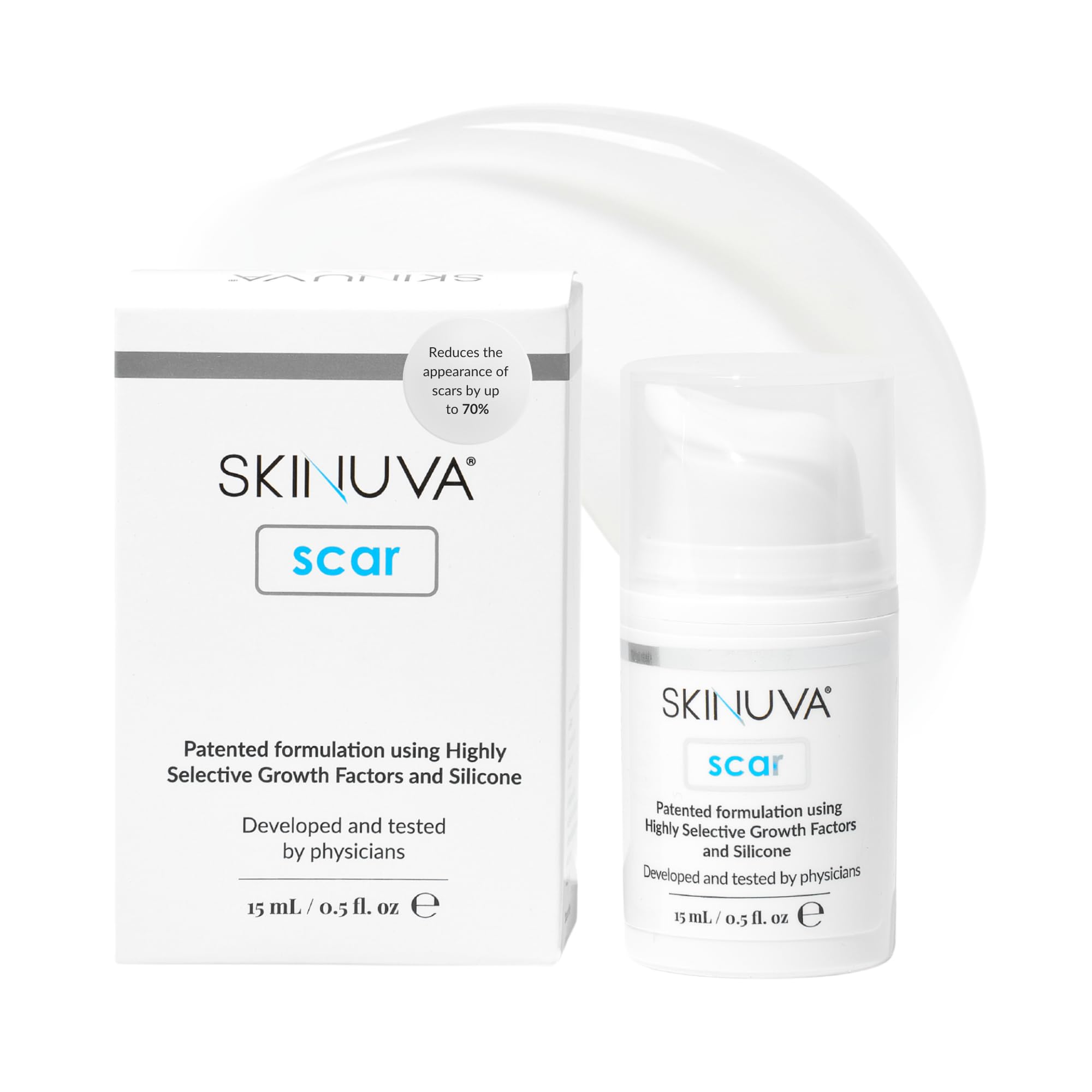
Skinuva is the only scar cream in this lineup that incorporates selective growth factors, a technology developed by board-certified plastic surgeon Dr. Christopher Zoumalan. This formulation targets burn scars at a cellular level, signaling the skin to rebuild normal collagen architecture rather than just hydrating the surface. Clinical data from the brand shows up to 70% reduction in scar appearance, and user reports confirm that even a three-year-old burn scar on the forehead nearly disappeared after six months of twice-daily application.
The 0.5-ounce tube is intentionally sized for small burn scars under one inch, making it best suited for localized burn marks from stove splatters, curling irons, or small surgical burn excisions. The cream blends silicone with hyaluronic acid, centella asiatica, and vitamin C, so you get hydration, brightening, and occlusion from a single product. It dries to a matte finish that layers well under sunscreen, which is critical for burn scars that darken with UV exposure.
This is a premium-tier investment, and the small tube means you will need to reorder for larger burn surface areas. But for anyone whose burn scar has stopped responding to standard silicone gels, the growth factor mechanism represents a genuinely different biochemical approach. Users who commit to the full three-to-six-month protocol report the highest satisfaction with flattening and color normalization.
Why it’s great
- Only product here with physician-developed growth factors for deep collagen remodeling
- Reduced a 3-year-old burn scar nearly completely in verified 6-month user reports
- Contains both silicone occlusion and brightening actives in one step
Good to know
- Very small 0.5oz tube requires reordering for larger burn areas
- Premium-level cost may be prohibitive for budget-conscious buyers
2. Rejuvaskin RejuvaSil Silicone Scar Gel (30ml)
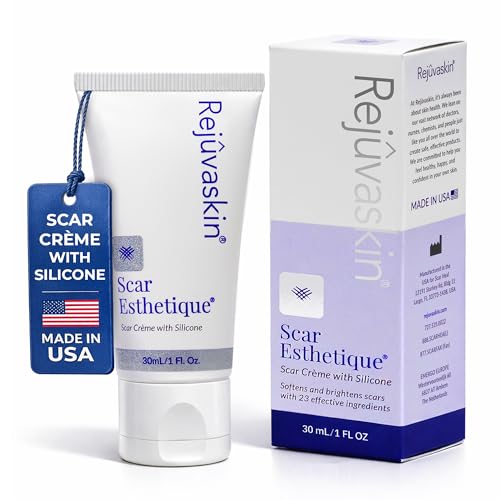
The 30ml Rejuvaskin tube delivers a full 97% medical-grade liquid silicone base—one of the highest concentrations you can buy without a prescription. It pairs that silicone with Vitamin C for melanin regulation and squalane for barrier repair, creating a formula that addresses both the structural thickness and the discoloration common in burn scars. Hypoallergenic and free from fragrance and parabens, it is safe for pediatric burn healing and extremely sensitive skin that reacts to lower-grade silicones.
Users report that this gel turns raised surgical and burn scars softer and flatter within five weeks of consistent twice-daily application. The texture is lightweight and non-comedogenic, meaning it won’t clog pores on facial burn areas like the cheek or jawline. Reviewers with a darker complexion—who typically hyperpigment more aggressively after burns—specifically note that this product prevents dark marks while flattening the scar tissue itself.
Consistency is key with silicone therapy, and the larger tube reduces the chance of running out mid-protocol. Some long-term users (three years plus) note that while the scar becomes smoother and flatter, residual redness may require laser treatment for full clearance.
Why it’s great
- 97% medical-grade liquid silicone—near the highest concentration available
- Vitamin C actively lightens burn hyperpigmentation while silicone flattens tissue
- Hypoallergenic and safe for pediatric burn recovery
Good to know
- Some redness may persist after scar flattens, requiring additional laser treatment
- Needs very consistent twice-daily application for visible results
3. Medical Grade Silicone Scar Gel (1.7oz)
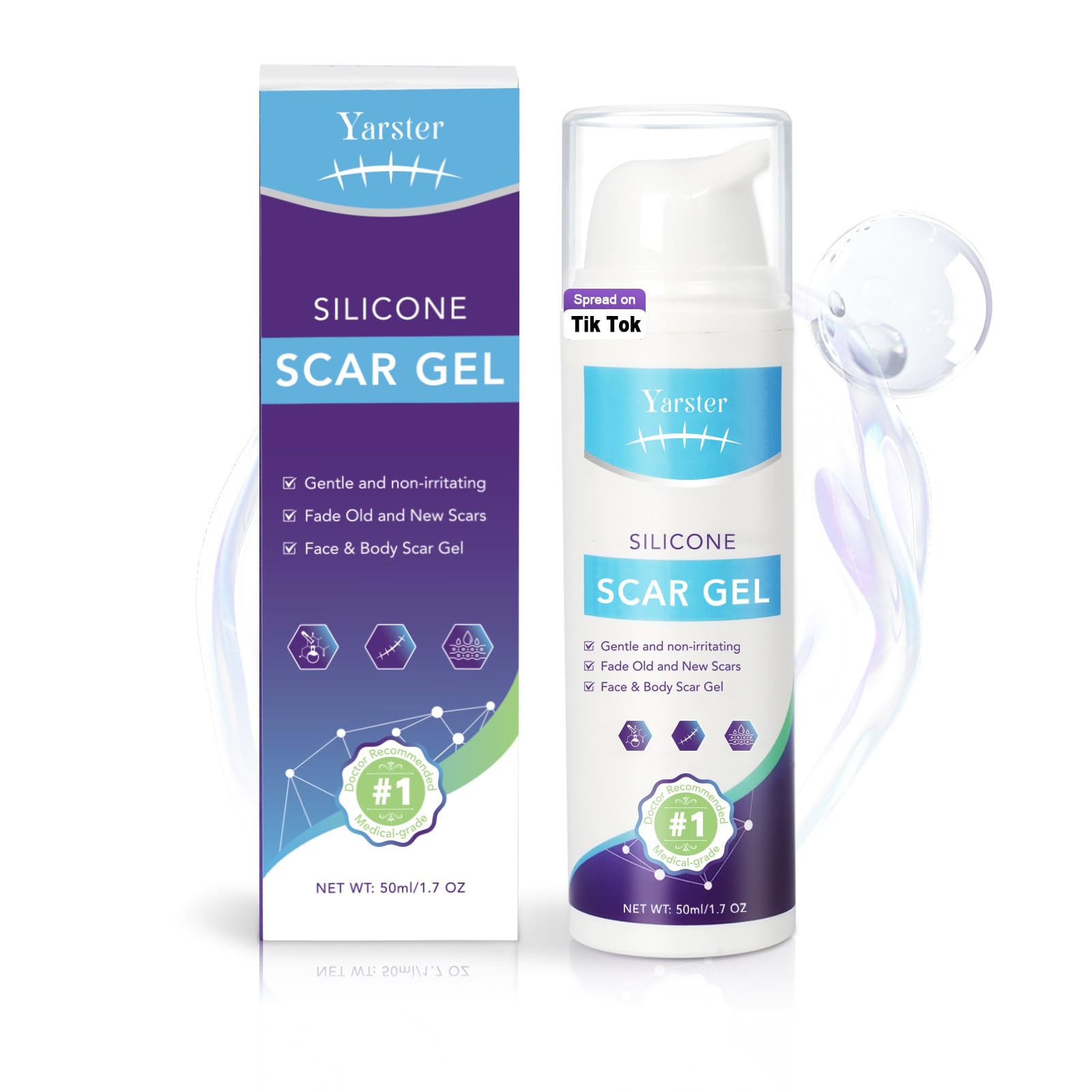
This 1.7-ounce tube from Yarster delivers the largest volume of medical-grade silicone gel in this roundup, making it the logical choice for covering extensive burn surface areas without buying a new tube every two weeks. The gel is 100% fragrance-free, paraben-free, and oil-free, which minimizes irritation risk on freshly healed burn tissue that may still be photosensitive and reactive. The fast-drying formula leaves an invisible, non-greasy shield that will not stain clothing—a practical advantage when treating burn scars on arms or legs that make contact with fabrics.
Verified user reports include a specific burn case from a 450°F baking oven that was healing visibly after two weeks of use, with the gel protecting the wound during full-sun exposure in Florida. That real-world data point is critical: burn scars are highly prone to UV hyperpigmentation, and this gel creates a breathable barrier that reduces discoloration risk while flattening the tissue. Multiple reviewers note that it works effectively when paired with silicone sheets for overnight occlusion, suggesting compatibility with combination therapy protocols.
The value proposition here is straightforward: you get a high-purity silicone gel at a price point that supports the 8-12 week minimum treatment timeline that burn scars require. The only trade-off is the lack of added brightening agents—if your burn scar leans heavily toward red or brown discoloration, you may want to supplement with a separate vitamin C serum in the morning.
Why it’s great
- Largest volume at 1.7oz—supports full burn protocol without frequent reordering
- Verified burn recovery from 450°F kitchen accident with sun protection benefit
- Fast-drying and stain-free, ideal for active users covering joint burn areas
Good to know
- No vitamin C or brightening actives for pigmented burn marks
- May need 5-6 weeks of consistent use before visible flattening starts
4. Rejuvaskin RejuvaSil Silicone Scar Gel (15ml)
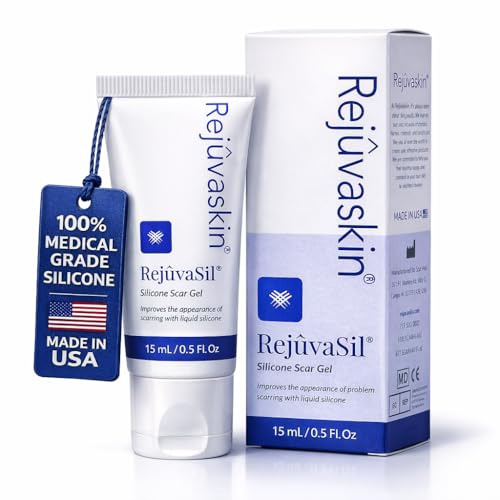
This 15ml Rejuvaskin tube shares the same 97% medical-grade silicone base as the 30ml version, making it the correct choice for tiny burn scars, facial burns near sensitive areas like the eyelid or nostril rim, or for travelers who need a TSA-friendly scar treatment on the go. The formula includes emu oil and squalane for extra moisture retention, which is helpful for burns that heal with a dry, flaky surface texture. It is clear, odorless, non-greasy, and water-resistant—attributes that make it wearable under makeup or sunscreen for daytime burn camouflage.
User reports highlight that this gel worked for an open-heart surgery scar (a long vertical incision that behaves similarly to a burn scar in terms of thickness), and that it allowed normal shaving over the scar line within weeks of consistent use. The moisturizing feel is noticeably richer than standard silicone-only gels, which some users with very dry burn tissue prefer. However, multiple reviews note the tube feels sample-sized relative to the price, meaning it is best reserved for pinpoint burn spots rather than expansive coverage.
The compact format creates a practical problem: if your burn protocol requires twice-daily application over a three-month period, a 15ml tube will run out in roughly two to three weeks. For small facial burns from a straightening iron or stovetop splash, this is adequate. For anything larger, the 30ml tube is the better buy.
Why it’s great
- Same 97% silicone base as the larger tube for maximum occlusion
- Water-resistant formula stays active through sweat and light moisture
- Safe for facial burns and pediatric scar care due to hypoallergenic profile
Good to know
- Very small tube size requires reordering frequently for continued use
- Higher cost per ounce compared to the 30ml Rejuvaskin version
5. ScarAway Advanced Silicone Scar Sheets

ScarAway offers a fundamentally different delivery mechanism from the gels above: medical-grade silicone sheets that provide 24-hour occlusion via a self-adhesive, water-resistant strip. Each sheet lasts 7-10 days with proper care, and the pack of eight tan strips can be cut to size, yielding roughly 40 days of treatment from a single purchase. For flat burn scars on the chest, forearm, or shoulder where a sheet can maintain uniform contact, this format delivers stronger hydration than any gel because the physical barrier prevents moisture evaporation entirely.
User feedback reveals a clear preference for the tan sheets over the brand’s clear version, citing easier application, thicker cloth-like feel, and natural UV blockage. One reviewer with a slow-healing calf burn scar (an area prone to poor circulation) reported zero redness and daily softening after four weeks of sheet use. The sheets also protect the scar from clothing friction, which is important for burns that sit directly under waistbands or bra straps and react to abrasion.
The chief limitation is adhesion. Sheets struggle to stay on curved burn surfaces like elbows, knees, or the neck, and one user with a hairy arm reported the sheet peeling off overnight. You also lose the ability to layer active ingredients like vitamin C underneath, since the sheet must adhere directly to clean skin. For flat, stable burn areas where you want set-and-forget occlusion without reapplying gel twice a day, these sheets are the most cost-effective option available.
Why it’s great
- Reusable sheets save money over time for flat burn areas
- Thicker silicone provides stronger occlusion than gel alone
- Blocks UV light directly, preventing burn scar hyperpigmentation
Good to know
- Adhesion fails on curved joints, hairy skin, and active wear
- Cannot be combined with other active scar creams under the sheet
FAQ
How long should I use a burn scar cream before seeing results?
Can I use burn scar cream on an open wound or blister?
Does a higher silicone concentration always mean better results for burn scars?
Final Thoughts: The Verdict
For most users, the best cream for burn scars is the Skinuva Scar Cream because its growth factor technology actively rebuilds collagen architecture beyond what occlusion alone can achieve, making it effective for stubborn old burn marks. If you want a high-purity silicone gel with brightening actives, grab the Rejuvaskin 30ml. And for flat burn areas where budget matters most, nothing beats the ScarAway Silicone Sheets for cost-effective, set-and-forget occlusion.

Mo Maruf
I created WellFizz to bridge the gap between vague wellness advice and actionable solutions. My mission is simple: to decode the research and give you practical tools you can actually use.
Beyond the data, I am a passionate traveler. I believe that stepping away from the screen to explore new environments is essential for mental clarity and physical vitality.