Our readers keep the lights on and my smoothie glass nicely filled. As an Amazon Associate, I earn from qualifying purchases.
The skin on your feet is fundamentally different from the rest of your body — it’s thicker, drier, and bears your entire weight every single day. A generic body lotion simply won’t penetrate the stratum corneum of your soles, leaving calluses hard and cracks unhealed. Finding the right Cream For Feet means choosing a formula designed to break down keratinized tissue, lock in moisture overnight, and restore the lipid barrier that keeps your heels smooth.
I’m Mohammad Maruf — the founder and writer behind WellFizz. I’ve spent countless hours cross-referencing ingredient lists, customer use-case patterns, and clinical data to identify which foot-specific formulations actually deliver measurable improvement in skin hydration and callus reduction.
Below I’ve broken down five of the most effective options on the market to help you find the very best cream for feet based on your specific foot care needs and lifestyle habits.
How To Choose The Best Cream For Feet
Not all foot creams work the same way. Some rely on keratolytic ingredients to dissolve thick calluses, while others use occlusives to seal moisture in. Understanding the difference between these mechanisms will prevent you from wasting money on a formula that doesn’t match your specific foot skin condition.
Urea Content for Callus vs. General Hydration
Urea is the gold standard for softening thick, hard skin because it breaks down the bonds holding dead cells together. Creams with 10% to 20% urea are excellent for cracked heels and deep calluses, but they can sting if applied to open fissures. Lower concentrations (under 5%) are better for general daily hydration without exfoliation.
Texture and Absorption Speed
The ideal foot cream balances richness with non-greasy absorption. A thick balm that leaves a residue is great for an overnight sock routine but annoying for daytime wear. Emollients like shea butter and jojoba oil provide deep moisture without a sticky finish, while petrolatum-based ointments create the strongest barrier for severe cases.
Fragrance and Sensitivity Concerns
Many foot creams rely on heavy fragrance to mask the base ingredients, which can irritate existing cracks or eczema. If you have sensitive skin or diabetes, prioritize unscented, hypoallergenic formulas free of dyes, parabens, and lanolin. Look for the National Eczema Association seal or dermatologist-recommended branding.
Quick Comparison
On smaller screens, swipe sideways to see the full table.
| Model | Category | Best For | Key Spec | Amazon |
|---|---|---|---|---|
| O’Keeffe’s Healthy Feet | Premium Concentrate | Extremely cracked, dry heels | Concentrated solid cream, 6.4 oz | Amazon |
| Vanicream Moisturizing Cream | Hypoallergenic | Eczema-prone and ultra-sensitive skin | Non-comedogenic, 1 lb jar | Amazon |
| Aquaphor Healing Ointment | Occlusive Barrier | Severe cracks, minor wounds & burns | Water-free petrolatum base, 14 oz | Amazon |
| Barefoot Academy Heavy Duty Scrub | Exfoliating Cream | Thick calluses and rough spots | Urea & Vitamin E formula, 8 oz | Amazon |
| Pedestrian Project Walker’s Cream | Plant-Based Daily | Daily maintenance & mild dryness | Shea butter & moringa oil, 4 oz | Amazon |
In‑Depth Reviews
1. O’Keeffe’s for Healthy Feet Foot Cream

O’Keeffe’s is the most widely recognized foot cream in America, and for good reason. Its concentrated solid formula has a unique waxy texture that glides onto the skin and creates a protective layer without leaving a greasy puddle. The cream instantly boosts moisture levels and locks them in, making it especially effective for people whose heels crack to the point of bleeding. Within three to four nights of application with socks, customers report the deep fissures visibly closing and rough sandpaper texture smoothing out.
The 6.4-ounce jar is compact but dense — a little goes a very long way, so the upfront investment translates to months of nightly use. It’s completely fragrance-free and non-greasy, which means you can apply it right before slipping into shoes without slipping around. The brand also notes it’s safe for people with diabetes, an important consideration for those who need gentle yet effective moisture without irritating fragile skin.
One thing to keep in mind: the cream is thick and can feel stiff when you first dig into the jar. Warm it between your palms for a second before massaging into heels. Some users note that if you already have open cracks, the initial application may cause a mild sting, though this subsides as the skin barrier heals over the next few days.
Why it’s great
- Immediate visible improvement in cracked heel depth after 3–4 nights
- Concentrated formula is extremely economical per application
Good to know
- Solid texture requires warming before application
- May cause brief stinging on open skin fissures
2. Vanicream Moisturizing Cream
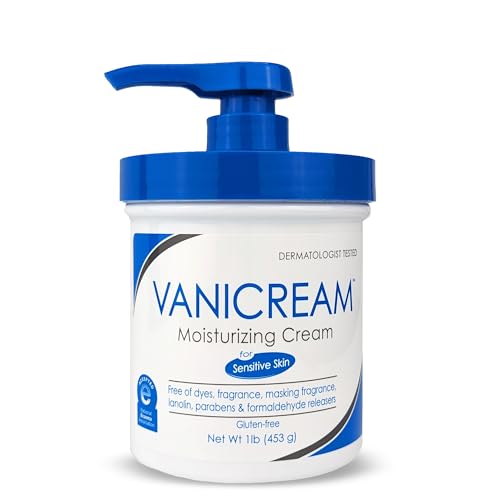
Vanicream is a legend in the sensitive-skin community because it strips away every potential irritant — no dyes, fragrance, lanolin, parabens, or formaldehyde releasers. While it’s technically a full-body cream, its thick, lightweight texture makes it an excellent choice for feet that react badly to perfumed foot-specific products. The 1-pound jar offers massive value for anyone who needs to moisturize multiple body parts daily, including cracked heels and rough cuticles.
The formula is non-comedogenic, so it won’t clog pores on your feet or anywhere else. It absorbs more quickly than pure ointments, leaving skin feeling hydrated without a tacky residue. Customers with eczema frequently mention that Vanicream soothes flare-ups on their hands and feet within a few days of consistent use, and the National Eczema Association seal backs up those claims. The pump bottle is a nice touch for hygiene — no dipping fingers into a jar.
The trade-off is that this is not a keratolytic cream. It won’t actively dissolve thick calluses or file down rough patches. For deep exfoliation you’ll need a separate urea-based product or foot file. Also, while it’s thicker than most lotions, some users expected a richer consistency for severe heel cracking and found it a bit less heavy than anticipated for overnight therapy.
Why it’s great
- Free of all common irritants — ideal for eczema and reactive skin
- Huge one-pound jar with hygienic pump dispenser
Good to know
- Does not contain urea or exfoliants for callus removal
- Texture is thick cream, not an occlusive balm
3. Barefoot Academy Heavy Duty Foot Care Scrub & Moisturizer

Barefoot Academy targets the callus crowd with a formula that combines urea for gentle chemical exfoliation with vitamin E and jojoba oil for moisture retention. The 8-ounce bottle is generous, and the cream is designed to be used with a foot file or callus shaver for maximum effect. Customers report that after just three to four nightly applications with socks, hard skin on the heels becomes noticeably softer and the rough patches under the toes begin to fade.
This is a dual-action foot cream — it both exfoliates and hydrates in one step. The urea concentration is substantial enough to break down dead skin cells, but the jojoba oil base prevents it from being overly drying. It’s also free of parabens and not tested on animals, which appeals to the cruelty-free shopper. Several reviews mention that the scent is mild and calming, not a sharp medicinal smell.
The flip side is that the urea can cause a temporary tingling or mild burning sensation if your skin is already cracked open. It’s best to wait until the skin is intact before starting the exfoliating cream. Also, the pump dispenser can sometimes clog if the cream sits for a few days without use, requiring a quick rinse to get it flowing again.
Why it’s great
- Urea + jojoba oil combo exfoliates and hydrates simultaneously
- Large bottle lasts through months of nightly sock therapy
Good to know
- Urea can sting if applied to open cracks or fissures
- Pump mechanism may occasionally jam with thicker cream
4. Aquaphor Healing Ointment
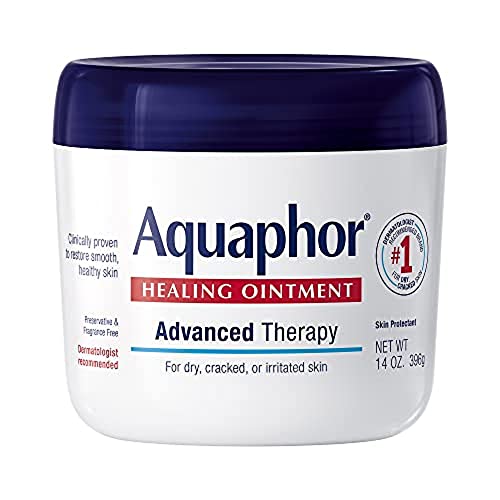
Aquaphor is not a typical foot cream — it’s a water-free petrolatum-based ointment designed to create a physical barrier that seals moisture in and keeps irritants out. This makes it ideal for severe heel cracks, fissures that bleed, and even minor cuts or burns on the feet. The 14-ounce jar is the largest option in this lineup and is a staple in many households for everything from chapped lips to post-procedure wound care.
Licensed cosmetologists and dermatologists frequently recommend Aquaphor as an overnight treatment for hands and feet because the occlusive nature forces the skin to rehydrate from within. Users who apply a thick layer before bed and cover with cotton socks wake up to dramatically softer soles. It’s also completely unscented, which is crucial for those with fragrance sensitivities or diabetes-related skin fragility.
The primary drawback is the texture — this is thick, sticky, and never fully absorbs into the skin. It stays on the surface, so daytime wear inside shoes can feel slippery unless you use a very thin layer. Some people also find the petrolatum base comedogenic for their face, though this is rarely an issue on the thicker skin of the feet. The jar format also means dipping fingers in repeatedly unless you decant it into a squeeze bottle.
Why it’s great
- Creates a superior protective barrier for deep cracks and wounds
- Extremely versatile — one jar covers feet, hands, lips, and minor burns
Good to know
- Very thick and stays greasy; not suitable for daytime wear without socks
- Open jar requires clean fingers or spatula to avoid contamination
5. Pedestrian Project Walker’s Foot Cream
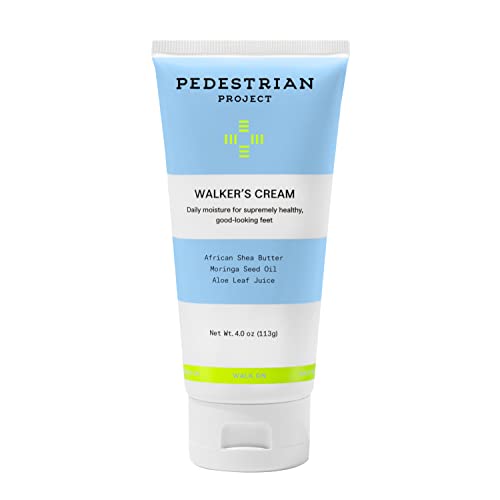
Pedestrian Project built this foot cream specifically for walkers and runners whose feet take a daily pounding. The base is shea butter, moringa seed oil, and aloe leaf juice — three deeply moisturizing but lightweight ingredients that absorb quickly without leaving a slick film. The 4-ounce tube is compact enough to toss in a gym bag or carry-on, and the clean scent is mildly floral without being cloying. Users who apply it before their morning walk report that it stays put without making socks feel damp.
This is a 100% vegan, cruelty-free formula free of parabens, phthalates, PEGs, silicones, petrolatum, and synthetic fragrances. For shoppers who prioritize clean ingredients, this is the cleanest option in the list. The brand also uses post-consumer recycled materials in its packaging and runs a plastic offset program. Customers consistently mention that it softens calluses gradually over a week of daily use and works well as a companion to a heavier heel balm for targeted problem areas.
The limitation is power — this is a daily maintenance cream, not a callus buster. If you have deep, painful cracks or thick yellow calluses, the Pedestrian Project cream will help prevent further drying but won’t reverse existing damage as fast as a urea concentrate. The 4-ounce size also runs out faster than larger jars, especially if you’re applying it to both feet twice a day.
Why it’s great
- Lightweight, non-greasy formula ideal for pre-walk application
- Entirely plant-based with no synthetic additives or petrolatum
Good to know
- Not strong enough for severe cracks or deep calluses
- Smaller 4-ounce tube requires more frequent repurchase
FAQ
Can I use a foot cream if I have diabetic neuropathy?
How long does it take for a foot cream to heal cracked heels?
Should I use a foot scrub before applying the cream?
Final Thoughts: The Verdict
For most users, the best cream for feet winner is the O’Keeffe’s for Healthy Feet Foot Cream because it delivers reliable, fast-acting results for cracked heels without any fragrance or greasy residue. If you have extremely sensitive skin or eczema that reacts to everything, grab the Vanicream Moisturizing Cream and pair it with an overnight sock wrap. And for those battling bleeding fissures or post-procedure foot recovery, nothing beats the barrier protection of the Aquaphor Healing Ointment.

Mo Maruf
I created WellFizz to bridge the gap between vague wellness advice and actionable solutions. My mission is simple: to decode the research and give you practical tools you can actually use.
Beyond the data, I am a passionate traveler. I believe that stepping away from the screen to explore new environments is essential for mental clarity and physical vitality.