Our readers keep the lights on and my smoothie glass nicely filled. As an Amazon Associate, I earn from qualifying purchases.
Cross country running demands shoes that grip loose dirt, shed mud, and maintain stability on uneven grades, all while keeping weight low enough for sustained speed. The wrong pair turns a solid race into a fight for footing, especially when the course cuts through wet grass, gravel, or steep switchbacks where traction and midsole control define every stride.
I’m Mohammad Maruf — the founder and writer behind WellFizz. My research for this guide involved analyzing hundreds of customer reviews and mapping real-world wear patterns across technical trail-specific designs, zero-drop platforms, and hybrid road-to-dirt shoes to isolate which models actually hold up under race-day stress.
After parsing feedback from runners who logged everything from 2-mile tempo runs to 400-mile training blocks, I’ve narrowed down the field to the most reliable options. This guide covers the best cross country running shoes for men based on traction, cushioning durability, and fit consistency across diverse foot shapes.
How To Choose The Best Cross Country Running Shoes For Men
Cross country courses mix grass, gravel, packed dirt, mud, and occasional pavement transitions. The shoe you pick must balance aggressive traction with enough midsole compliance to absorb root strikes without robbing ground feel. Here are the key factors to evaluate.
Lug Pattern and Outsole Rubber
Unlike road shoes with flat, tight rubber, cross country shoes need spaced lugs — typically 3.5 to 5 mm deep — that dig into soft surfaces and shed mud quickly. Look for directional chevron patterns that bite on ascents and maintain grip on wet descents. Softer rubber compounds (around 60 Shore A) grip better on wet rock but wear faster on pavement sections, so consider your race surface mix.
Midsole Stack Height and Cushioning
Stack height on cross country shoes ranges from 14 mm to 30 mm. Lower stacks (14–20 mm) offer better ground feel and stability on uneven terrain, while higher stacks (22–30 mm) provide more impact protection for longer races. Midsole materials like EVA-blend foams balance weight with rebound, but avoid overly plush foams that create instability on cambered surfaces.
Heel-to-Toe Drop
Most cross country specialists run a low drop of 0–6 mm, which encourages a midfoot or forefoot strike that improves efficiency on soft ground. Zero-drop shoes like the Altra Lone Peak allow natural calf loading and better proprioception on technical sections, while a 4–6 mm drop can help runners accustomed to traditional road geometry transition more smoothly.
Upper Construction and Fit
A cross country shoe’s upper needs to lock the heel without slipping during sharp turns and provide enough toe-box volume for forefoot splay on descents. Look for welded overlays rather than stitched panels to reduce water absorption and weight. Gusseted tongues prevent debris intrusion, and drainage ports help shed water after wet sections.
Quick Comparison
On smaller screens, swipe sideways to see the full table.
| Model | Category | Best For | Key Spec | Amazon |
|---|---|---|---|---|
| ALTRA Lone Peak 9 | Trail Runner | Technical terrain and zero-drop fans | Zero drop, 25 mm stack | Amazon |
| Saucony Endorphin Speed 4 | Speed Trainer | Fast road-to-dirt transitions | PWRRUN PB foam, nylon plate | Amazon |
| Saucony Endorphin Speed 3 | Long Run | Half and full marathon training | PWRRUN PB foam, 6 mm drop | Amazon |
| Brooks Divide 5 | Trail All-Rounder | Daily mixed-terrain runs | 8 mm drop, reinforced toe | Amazon |
| THE NORTH FACE Altamesa 300 | Trail Walker | All-day comfort on moderate trails | High-rebound midsole, roomy toe | Amazon |
| New Balance Dynasoft Tektrel V1 | Budget Trail | Value-focused mixed-terrain runs | Dynasoft midsole, rubber outsole | Amazon |
| Brooks Revel 8 | Road-to-Grass | Runners needing extra padding | BioMoGo DNA, 10 mm drop | Amazon |
| Merrell Speed Strike 2 | Hybrid Trainer | Walking-heavy or hiking crossover | Trail grip, 1.5 lb weight | Amazon |
| Brooks Launch 11 | Lightweight Neutral | Speed work on packed surfaces | BioMoGo DNA, wide toe area | Amazon |
In‑Depth Reviews
1. ALTRA Lone Peak 9

The Lone Peak 9 is the gold standard for runners who prioritize natural foot mechanics on technical terrain. Its zero-drop platform with a 25 mm stack keeps your foot close to the ground while providing enough cushion for longer efforts. Multiple reviewers noted the wide toe box allows full forefoot splay, reducing fatigue on descents and improving stability on uneven grades. The MaxTrac outsole with chevron lugs delivers reliable grip on everything from mud to granite slabs, and the breathable mesh upper with a gusseted tongue keeps debris out during dirt-strewn stretches.
Durability feedback is strong, with one runner logging hundreds of kilometers across snow, ice, and rock and still considering the tread intact. The shoe runs slightly large; several users recommended sizing down half a foot from your usual running shoe size, especially if you prefer a snug heel fit. The FootShape toe box accommodates orthotics and thick socks without creating pressure points, making it a favorite among runners with wide feet or bunions.
At roughly 1.5 pounds per pair, the Lone Peak 9 is not the lightest option, but the trade-off for traction and foot protection feels worthwhile for runners who tackle unpredictable cross country loops with sharp rocks or wet roots. The midsole uses Altra’s EGO foam, which balances resilience with enough compliance for multi-hour runs without bottoming out. If you want a shoe that rewards natural gait mechanics and stands up to harsh terrain, this is the pick.
Why it’s great
- Wide toe box allows natural splay and reduces foot fatigue on long runs
- MaxTrac outsole provides confident grip on wet rock, mud, and loose dirt
- Zero-drop platform encourages midfoot striking and improves balance on cambered surfaces
Good to know
- Runs large — size down half from your usual running shoe size
- Heavier than pure race-day spikes at roughly 10 oz per shoe
- Not ideal for runners who prefer a heel drop above 6 mm
2. Saucony Endorphin Speed 4
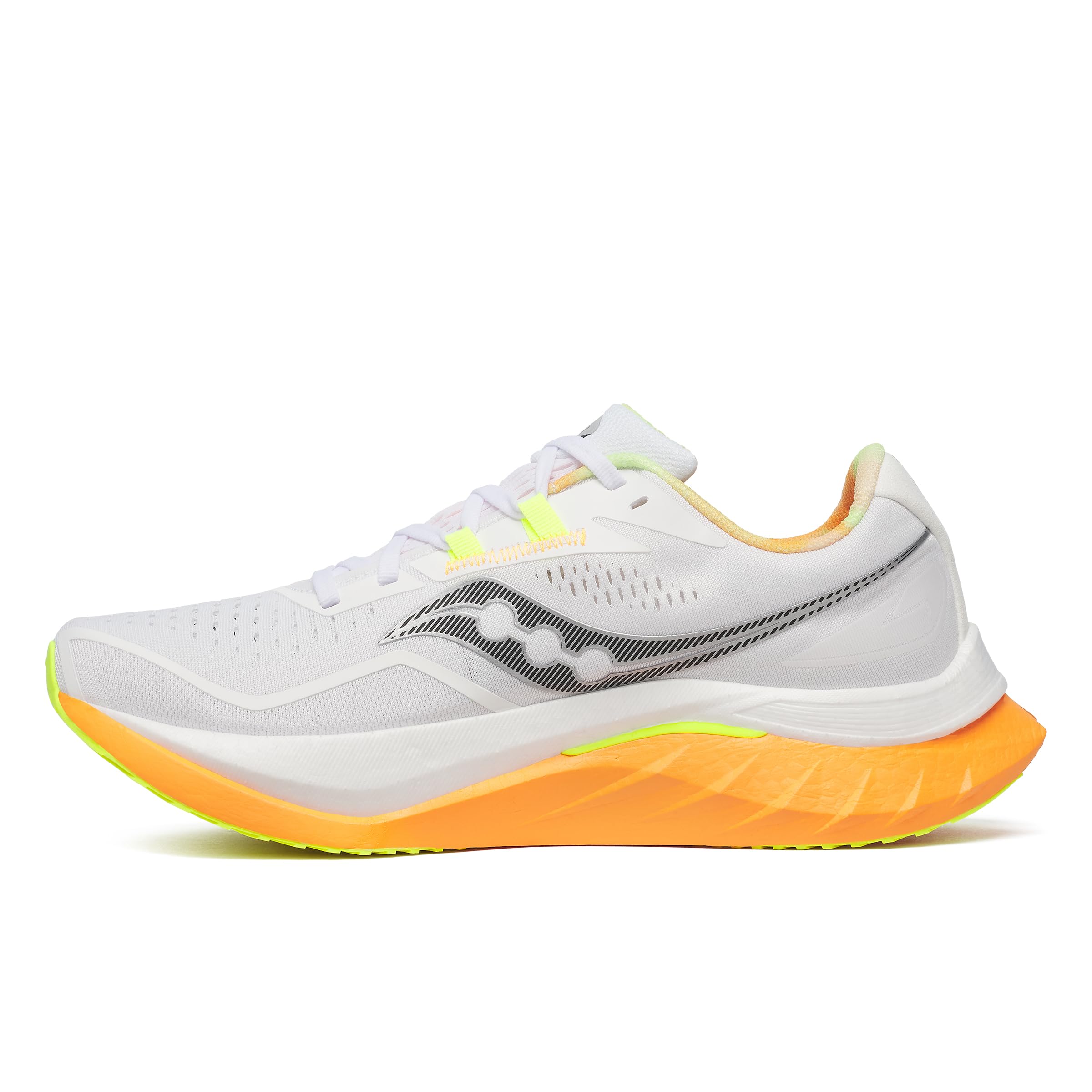
The Endorphin Speed 4 is built for runners who want a fast, responsive ride that works both on pavement and hard-packed dirt. The PWRRUN PB foam is springy and energetic, while the nylon plate adds propulsion without the stiffness of carbon fiber. Multiple reviewers praised its lockdown and breathable upper, noting that the snug midfoot and roomy toe box create a locked-in feel during tempo work and interval sessions. The aggressive rocker geometry rolls the foot forward naturally, reducing ankle effort on sustained efforts.
This shoe is decidedly narrow, which limits its appeal for runners with wide feet. Several users who didn’t fit well had to return the pair, and Saucony does not offer a wide version in this model. The outsole durability is adequate, though some runners reported needing to apply shoe goo after several hundred miles, particularly on the forefoot where the exposed foam meets pavement. For runners with thin to medium-width feet who train on road-to-grass transitions, the Speed 4 is a legitimate race-day companion.
Stack height and drop work in favor of efficiency: the 6 mm drop accommodates runners transitioning from traditional road shoes, while the firm platform provides stability during sharp turns on grass or gravel. One reviewer logged over 400 miles in the Speed 4 including a half marathon and noted the midsole retained its bounce. If your cross country loops include a mix of asphalt, boardwalk, and grass, this shoe gives you the speed you need without sacrificing comfort.
Why it’s great
- PWRRUN PB foam and nylon plate deliver fast, springy transitions ideal for tempo work
- Breathable, flexible upper with excellent midfoot lockdown and a roomy toe box
- Aggressive rocker geometry reduces ankle fatigue on sustained runs
Good to know
- Very narrow fit — not suitable for wide feet, no wide option available
- Forefoot outsole may wear faster on abrasive road surfaces
- Not ideal for deep mud or loose gravel due to relatively flat tread
3. Saucony Endorphin Speed 3
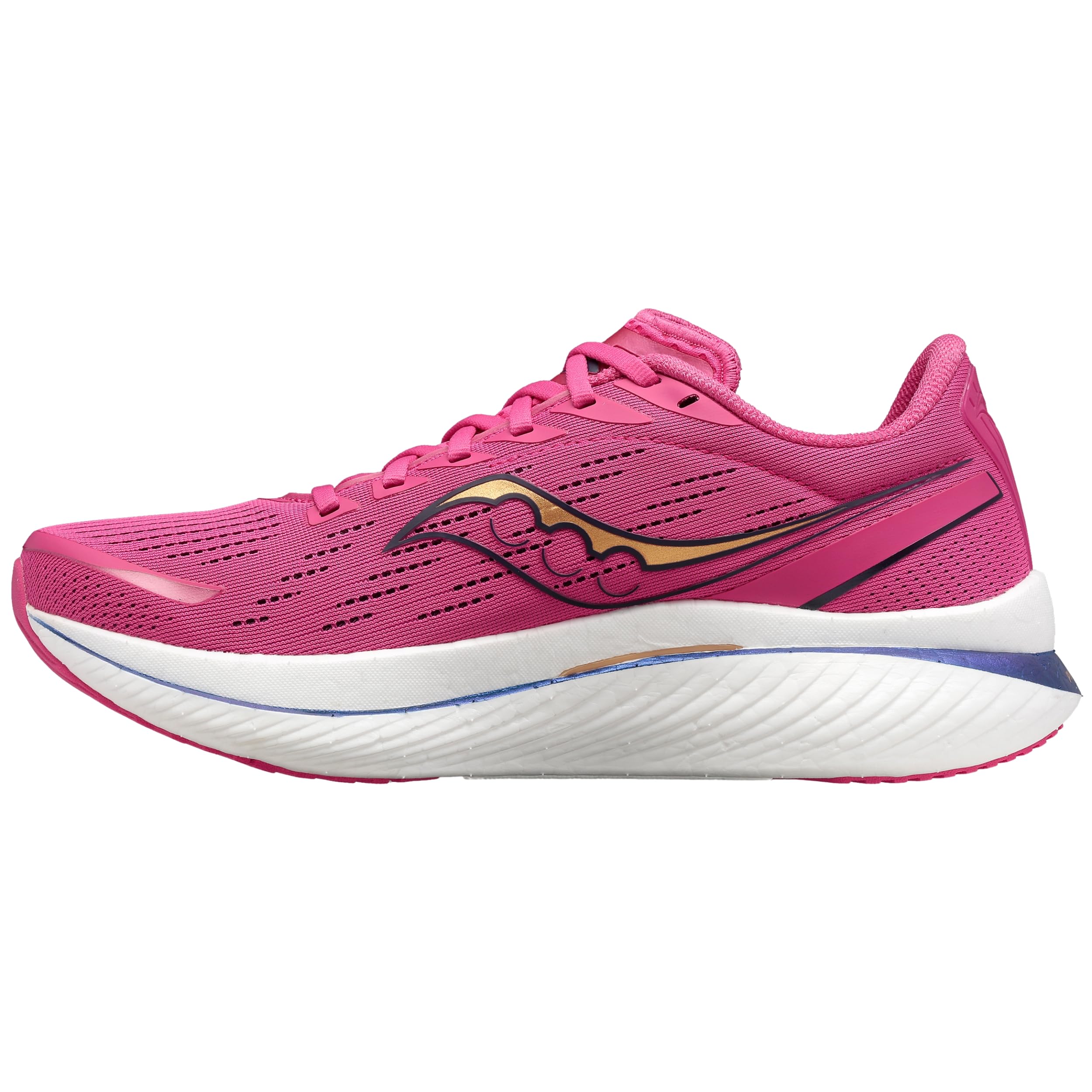
The Endorphin Speed 3 is the earlier iteration that still holds its own as a long-distance trainer for cross country runners who mix road and dirt. The PWRRUN PB midsole feels softer and more forgiving than the Speed 4, making it better suited for 10+ mile training runs where impact absorption matters more than raw toe-off snap. Reviewers who logged over 100 miles commented that the foam maintained its bounce and that the upper remained supportive without breaking down. The 6 mm drop and moderate stack provide enough protection for gravel and hard-packed trails without sacrificing ground feel.
Wet traction is the main drawback here. Multiple runners reported that the outsole feels slippery on damp pavement and wet grass, which could be a dealbreaker for fall cross country races held under rainy conditions. The lace tension is less critical than in previous versions, making it easier to dial in fit quickly. The shoe tends to run narrow like the Speed 4, though the knit upper has a bit more give for slightly wider feet.
For runners who want a do-it-all training shoe that can handle a 20-mile long run with a few dirt sections, the Speed 3 delivers. The flexible nylon plate adds a subtle rolling sensation that reduces calf load during long efforts, and the 3-pound total weight is manageable for all-day wear. If you can find a pair on discount as newer versions replace it, the value proposition is strong.
Why it’s great
- Soft and forgiving PWRRUN PB foam excels on runs longer than 10 miles
- Flexible nylon plate reduces calf strain during sustained efforts
- Durable upper holds up well beyond 100 miles with no structural breakdown
Good to know
- Outsole is slippery on wet pavement, grass, and damp surfaces
- Narrow fit may not suit all foot shapes
- Not aggressive enough for loose mud or deep gravel
4. Brooks Divide 5
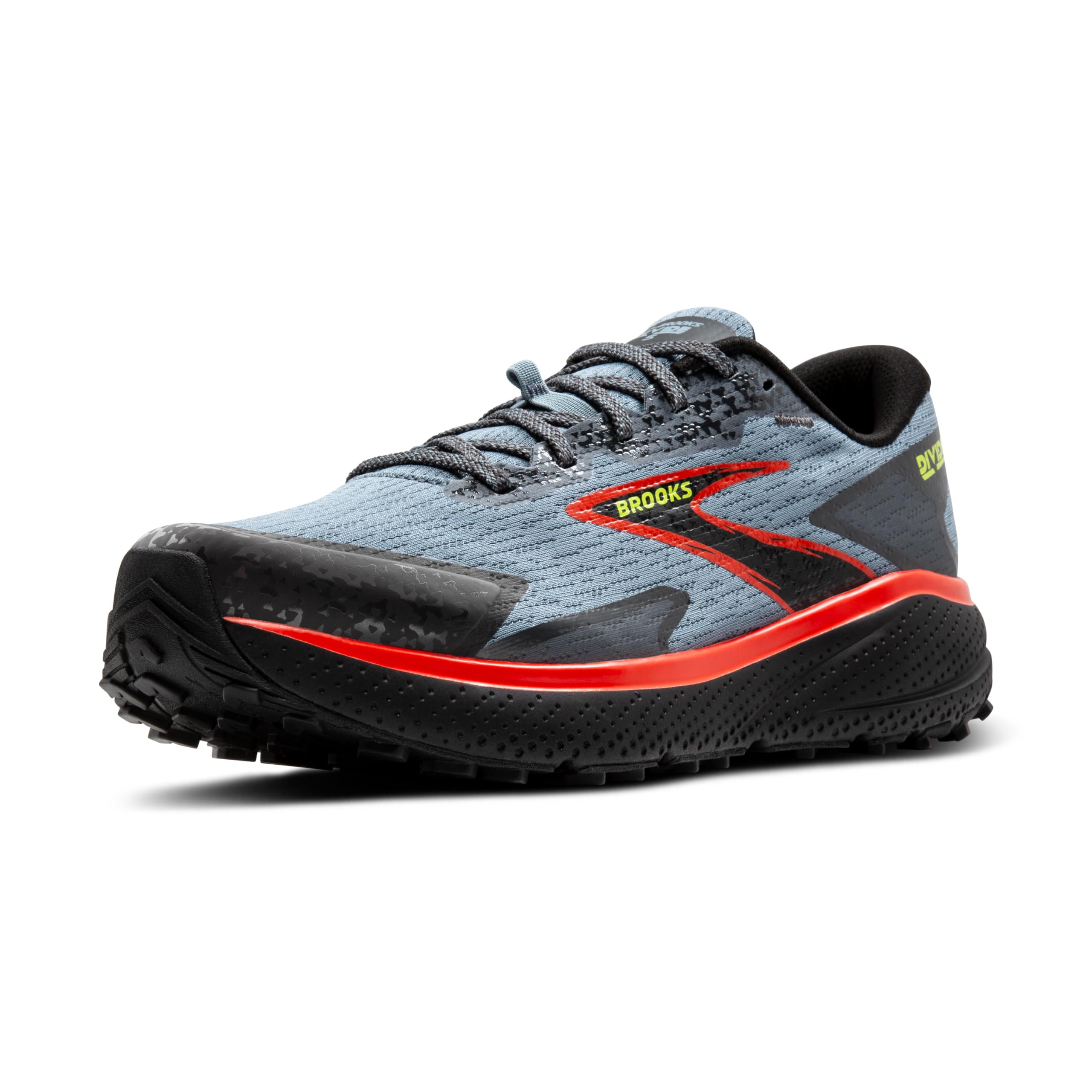
The Brooks Divide 5 is a reliable trail shoe that handles daily mixed-terrain runs without fuss. The 8 mm drop provides a familiar feel for road runners transitioning to dirt, while the rubber-reinforced toe box and webbing outlast comparable models from other brands, according to multiple reviewer comparisons. The BioMoGo DNA midsole offers balanced cushioning that absorbs moderate impacts without feeling mushy, making it suitable for runs lasting up to an hour on packed trails. Runners consistently praised the lightweight, breathable upper and true-to-size fit.
Heel-lock lacing eliminates Achilles rub, a common issue in trail shoes with tall heel collars. The outsole uses a directional lug pattern that grips well on hard-packed dirt and gravel, though it struggles in deep mud or wet clay where lugs clog quickly. Some users noted that the inside liner may break down before the outsole shows significant wear, but given the reasonable price point, the value remains strong. The shoe is stable enough for runners with lower back issues or those who stand all day on hard surfaces.
If your cross country runs stick mostly to well-groomed trails with occasional root crossings, the Divide 5 delivers dependable traction and cushioning. The construction feels sturdy without adding excessive weight, and the toe reinforcement protects against accidental rock strikes. It is a solid mid-range choice that balances performance features with durability for regular training cycles.
Why it’s great
- Rubber-reinforced toe box and webbing outlast pricier competitors in durability tests
- BioMoGo DNA midsole offers balanced cushioning for runs up to one hour
- Heel-lock lacing prevents Achilles irritation and delivers a secure heel fit
Good to know
- Outsole lugs clog in deep mud and wet clay
- Inside liner may degrade before the outsole wears out
- Not enough ground feel for highly technical rocky terrain
5. THE NORTH FACE Altamesa 300
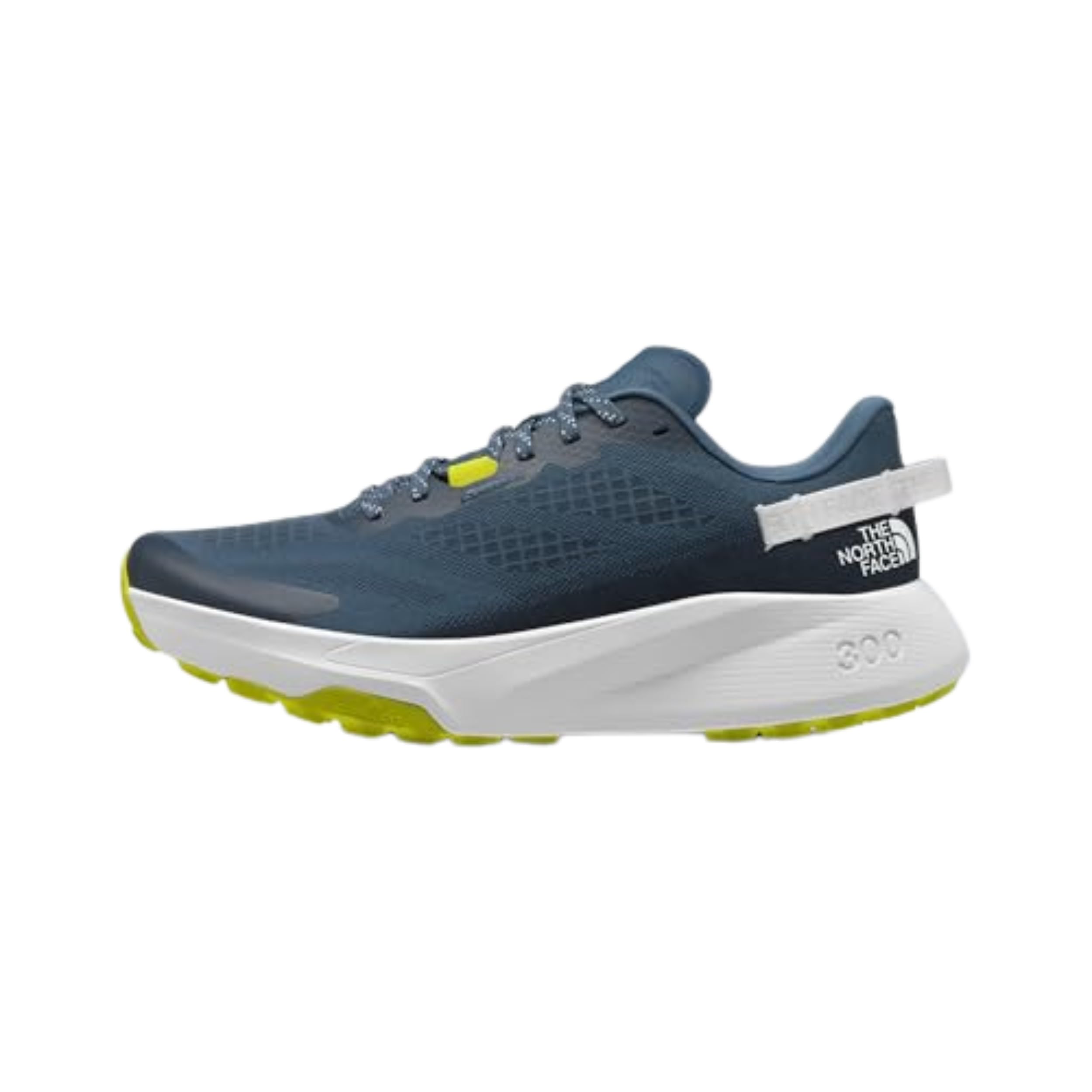
The Altamesa 300 is a lightweight trail runner that prioritizes all-day comfort over aggressive performance. Its high-rebound midsole provides a cushioned, springy ride that works well for moderate trail walks and easy jogs on packed dirt paths. The roomy toe box accommodates foot swelling during long efforts, and the outsole chevron lugs deliver solid grip on dry, loose surfaces. Reviewers appreciated the sturdy feel despite the low weight, and the subtle wedge-shaped taper aids natural walking gait for runners who use the shoe for hiking crossover.
Water resistance is not present in this model, so wet grass and puddles will soak the upper quickly. The styling leans toward functional rather than sleek, with one user reporting that locals in Berlin considered white sneakers tacky enough to be denied bar entry. For pure performance on cross country loops, the Altamesa 300 works best as a recovery shoe or for runners whose courses are dry and well-maintained. The midsole compression set over hundreds of miles remains acceptable, though long-term durability data is limited since most reviews cover less than six months of use.
If you often transition from trail to town or need a shoe that doubles as a comfortable walking shoe for trailside rest days, the Altamesa 300 provides enough cushion and grip to get the job done. It is not the fastest or most aggressive shoe in this guide, but its accessible fit and cushioned ride appeal to runners who prioritize comfort over race-day speed.
Why it’s great
- High-rebound midsole with roomy toe box provides comfortable all-day cushioning
- Chevron outsole lugs grip dry, loose dirt and packed trails reliably
- Lightweight construction with sturdy feel suits hiking and easy running crossover
Good to know
- Not water resistant — upper soaks through quickly in wet grass or puddles
- Styling is functional rather than modern; may not suit casual wear
- Lacks aggressive traction for steep, technical rocky sections
6. New Balance Dynasoft Tektrel V1
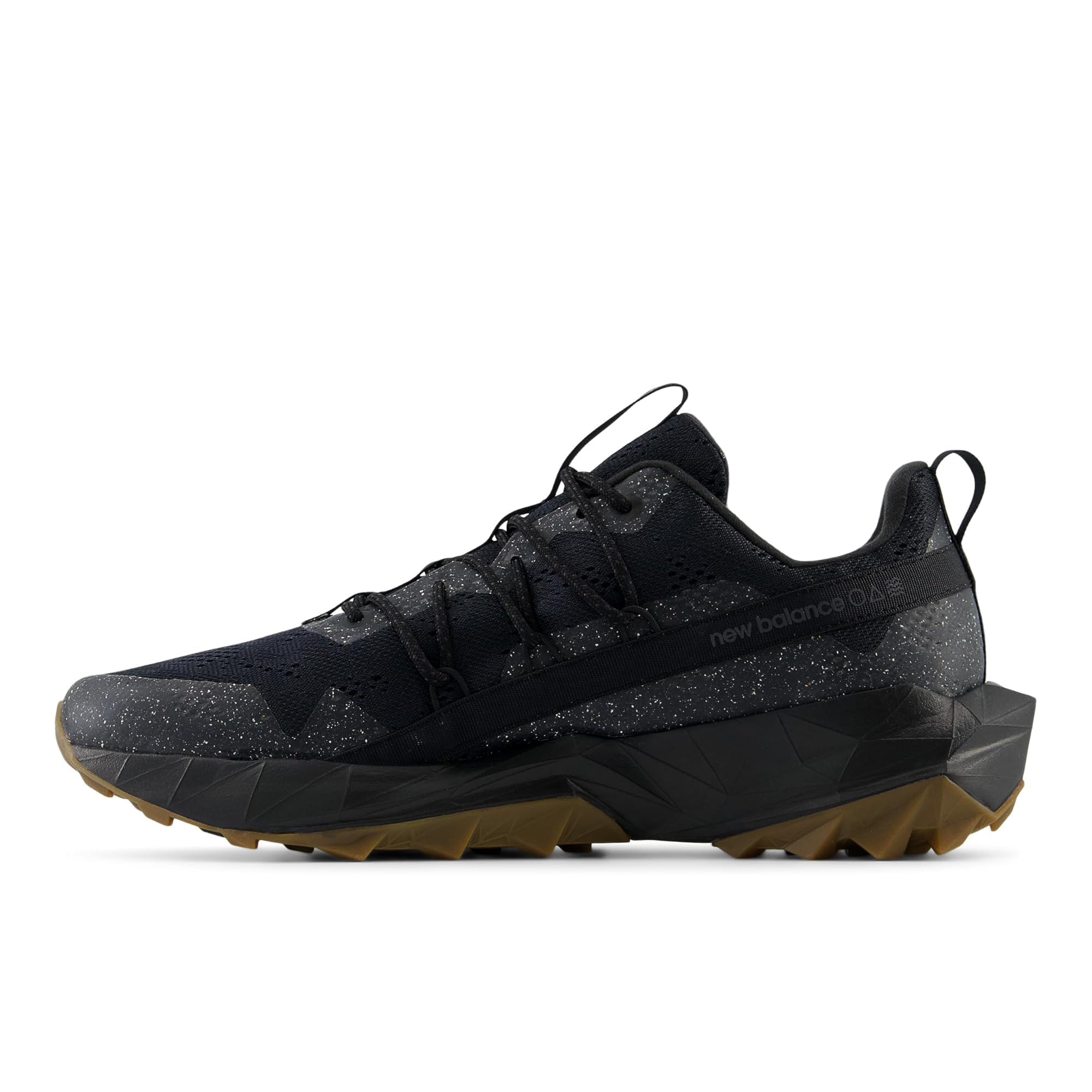
The Dynasoft Tektrel V1 is a budget-friendly trail shoe that punches above its price point for mixed-terrain use. The Dynasoft midsole provides a forgiving ride with decent energy return, and the rubber outsole with multi-directional lugs offers competent traction on dirt, gravel, and even light snow or ice, according to several reviewers. The suede upper adds a measure of durability and style that works in casual settings as well as on the trail. Multiple users who walked 7 to 11 miles daily reported that the shoe lasted eight months of heavy use with the midsole retaining its cushioning.
Sizing can be inconsistent. Several reviewers noted that the shoe runs slightly short in length, particularly for sizes 10 to 10.5. Ordering a half size up seems to resolve the issue for most. The lack of a gusseted tongue means small debris can enter on loose trails, and the outsole grip on wet rock is only average. For the price, however, the overall package of cushioning, durability, and comfort for walking-heavy routines makes this a compelling entry-level option for new cross country runners.
If your cross country runs include paved connectors and gentle dirt sections with minimal technical challenge, the Dynasoft Tektrel V1 offers strong value. It lacks the ground feel and aggressive traction needed for championship-level courses but serves well for training, recovery runs, and everyday walking.
Why it’s great
- Dynasoft midsole cushions well for daily use and holds up over eight months of heavy wear
- Rubber outsole grips dirt, gravel, and light snow with competent multi-directional lugs
- Suede upper provides durability and style for casual or trail use
Good to know
- Runs short in length — consider ordering a half size up
- No gusseted tongue; small debris can enter on loose terrain
- Outsole traction on wet rock is only average
7. Brooks Revel 8
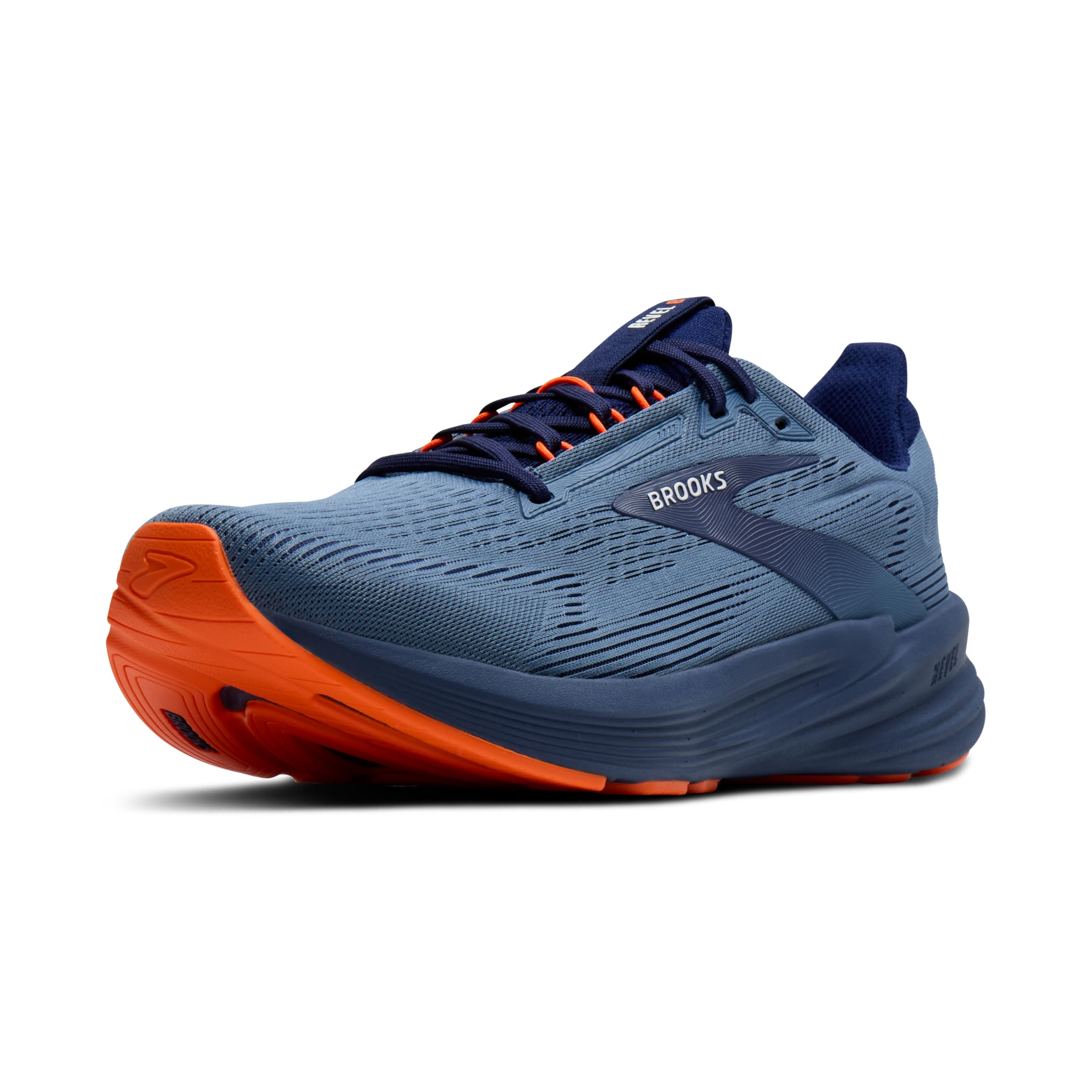
The Brooks Revel 8 is designed as a neutral road shoe, but its lightweight build and responsive BioMoGo DNA midsole make it a viable option for cross country runners whose courses include a mix of pavement, packed dirt, and well-manicured grass. A soccer referee who logged 274 miles in these shoes reported a significant reduction in foot pain and bloody toenails compared to trail runners, citing the generous padding as the key difference. The 10 mm drop suits runners accustomed to road geometry who want a familiar feel when transitioning onto softer surfaces.
The Revel 8 runs about a full size small, consistently across reviews. Runners coming from Merrell hikers or New Balance trainers should order a full size larger than their usual. The shoelaces are notably short, making it difficult to use heel-lock lacing if you prefer a locked-down heel fit. Breathability is excellent, and the overall weight is low enough for up-tempo work on compact surfaces. The outsole, however, is road-focused with low-profile lugs that offer minimal bite on loose dirt or wet grass — this is not a shoe for muddy cross country loops.
If your cross country training happens on well-groomed park paths with occasional grass sections and you need maximum cushion to protect your feet, the Revel 8 deserves consideration. Just be prepared to size up and manage the short laces.
Why it’s great
- BioMoGo DNA midsole provides excellent impact absorption for runners prone to foot pain
- Lightweight construction suits up-tempo runs on compact surfaces
- Breathable upper keeps feet cool during warm weather efforts
Good to know
- Runs a full size small — order up from your usual size
- Shoelaces are very short, limiting heel-lock lacing options
- Road outsole lacks aggressive lugs needed for mud or loose dirt
8. Merrell Speed Strike 2

The Merrell Speed Strike 2 occupies an interesting niche between a running shoe and a lightweight hiking shoe. Runners who walk 20 to 30 miles per week for work found it more stable and protective than the Moab, with better traction on varied surfaces including metal roofs and gravel. The outsole lugs are deep enough for loose dirt but still compliant on pavement. The fit is slightly small initially and takes about 10 to 15 miles to break in, after which the upper conforms to the foot without hotspots. It accommodates Superfeet green inserts easily for those who need custom arch support.
A persistent issue reported across multiple Merrell models is a feeling that the left foot may drift off the edge of the sole, suggesting a stability quirk in the platform geometry that does not affect everyone. The shoe is not waterproof, so wet grass and stream crossings will soak the upper. The construction feels well-made and durable, with grippy soles that hold up on steep slopes and rocky sections. At 1.5 pounds, the Speed Strike 2 is heavier than pure cross country shoes, but the added protection and traction appeal to runners who treat their training as a mix of running and fast hiking.
If your cross country routine includes technical descents, metal catwalks, or sections where you alternate between running and power-hiking, this hybrid trainer provides the stability and grip you need. It is not the fastest option for flat grass courses, but for rugged mixed-terrain loops, it is a reliable and reasonably priced companion.
Why it’s great
- Deep outsole lugs provide excellent traction on metal roofs, gravel, and steep terrain
- More stable and protective than traditional hiking shoes like the Moab
- Fits Superfeet orthotics well for runners needing custom arch support
Good to know
- Slightly tight initially; requires 10–15 miles to break in
- Not waterproof — upper soaks through quickly in wet conditions
- Some users report a left-sided stability quirk that may not suit all gaits
9. Brooks Launch 11
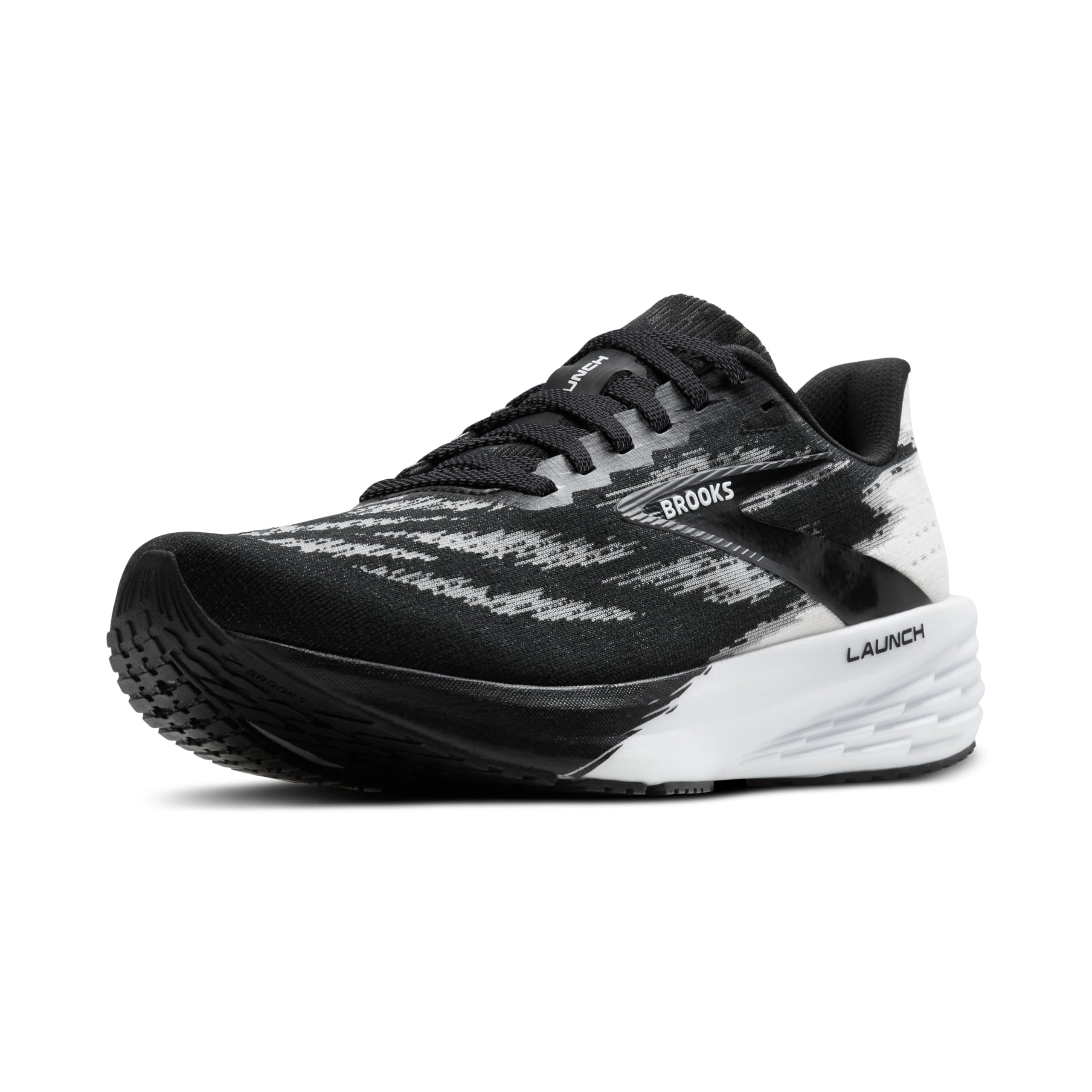
The Launch 11 is a neutral daily trainer that pairs a wide toe box with the reliable BioMoGo DNA midsole for a comfortable, responsive ride. Runners who need room for toe splay without a sloppy heel fit appreciate the anatomical last, and the lightweight mesh upper keeps ventilation high during warm runs. The outsole has excellent grip on wet surfaces, making it a solid choice for cross country courses that include wet pavement or damp grass between dirt sections. The 2-pound overall weight per pair keeps fatigue low during longer efforts.
While the cushioning is comfortable for runs up to two miles and general fitness, several runners noted it is not as plush as the Ghost Max, meaning those with heavier frames or a history of impact sensitivity may want more padding. The Launch 11 works best for runners who prefer a moderate stack height that balances ground feel with protection. The outsole durability has held up well in reviews, with minimal visible wear after several weeks of mixed-surface use.
For runners looking for an affordable, lightweight shoe that handles road-to-grass transitions and offers a roomy toe box for natural foot expansion, the Launch 11 is a strong entry-level pick. It does not have the aggressive lug pattern needed for deep mud, but on packed cross country courses, it performs admirably.
Why it’s great
- Wide toe box accommodates natural foot splay without a sloppy heel fit
- BioMoGo DNA midsole delivers comfortable, responsive cushioning for daily training
- Outsole provides excellent wet-surface grip for damp grass and wet pavement
Good to know
- Cushioning is moderate — less plush than Brooks Ghost Max for impact-heavy runners
- Outsole lugs are not aggressive enough for deep mud or loose gravel
- Best suited for packed surfaces and road-to-grass transitions rather than technical trails
FAQ
What is the ideal heel-to-toe drop for cross country running?
How do I know if trail running shoes are aggressive enough for my course?
Can I use road running shoes for cross country races?
Final Thoughts: The Verdict
For most runners, the best cross country running shoes for men winner is the ALTRA Lone Peak 9 because its zero-drop platform, wide toe box, and MaxTrac outsole deliver reliable grip and natural foot mechanics on technical terrain. If you want speed and responsive cushioning for road-to-dirt transitions, grab the Saucony Endorphin Speed 4. And for a budget-friendly daily trainer that handles packed trails and light dirt, nothing beats the Brooks Revel 8 when you size up appropriately.

Mo Maruf
I created WellFizz to bridge the gap between vague wellness advice and actionable solutions. My mission is simple: to decode the research and give you practical tools you can actually use.
Beyond the data, I am a passionate traveler. I believe that stepping away from the screen to explore new environments is essential for mental clarity and physical vitality.