Our readers keep the lights on and my smoothie glass nicely filled. As an Amazon Associate, I earn from qualifying purchases.
Hemophilia in women remains one of the most underdiagnosed conditions in modern medicine, with symptoms often dismissed as heavy periods or easy bruising. The right diagnostic tools can mean the difference between years of suffering and a clear path to treatment, but navigating the landscape of at-home tests, lab analyses, and monitoring devices requires knowing exactly what to look for and how to interpret the results.
I’m Mohammad Maruf — the founder and writer behind WellFizz. This guide represents hundreds of hours of market research, spec-sheet analysis, and cross-referencing clinical diagnostic protocols to identify the most reliable tools for detecting bleeding disorders, hormone imbalances, and related co-morbidities in women.
From urine reagent strips that screen for hematuria to advanced hormone panels that track the endocrine drivers of clotting disorders, this guide covers the best diagnostic tools for hemophilia in women available for at-home and lab-based testing today.
How To Choose The Best Diagnostic Tools For Hemophilia In Women
When selecting diagnostic tools for hemophilia in women, you must prioritize tools that detect the specific biomarkers associated with bleeding disorders: hematuria (blood in urine), low hemoglobin, abnormal clotting times, and the hormonal cascades that influence coagulation. A single strip that checks 14 parameters may catch blood in urine, but you need complementary tools to track hemoglobin trends and hormone disruption.
Biomarker Coverage Is Non-Negotiable
The most critical parameters for hemophilia screening include the blood (BLD) parameter on urinalysis strips, hemoglobin concentration in whole blood, and the interplay between estrogen, progesterone, and clotting factors. A tool that misses the blood pad entirely is useless for this application — verify that the strip or device explicitly measures blood/hemoglobin before purchase.
Lab Confirmation Versus Instant Results
Instant dipstick tests are excellent for daily monitoring and catching abnormalities early, but they are screening tools, not diagnostic devices. For definitive answers — particularly for hormone levels that require CLIA-certified analysis — you need a lab-based kit that sends samples to an accredited facility. The optimal approach combines both: use rapid strips for trend tracking and lab panels for baseline confirmation.
Ease of Use and Sample Quality
For women managing a chronic condition like hemophilia, the test must be easy enough to perform consistently without error. Look for tests with clear color charts, integrated collection cups, and sterile components that prevent contamination. Lab-based kits should include pre-paid shipping and clear instructions for blood spot collection to avoid failed samples.
Quick Comparison
On smaller screens, swipe sideways to see the full table.
| Model | Category | Best For | Key Spec | Amazon |
|---|---|---|---|---|
| 14-URS Reagent Test Strips 120 ct | Multi-Parameter Urine Strip | Daily blood-in-urine screening | 14 parameters including BLD, LEU, NIT, PRO | Amazon |
| PRYV 2-in-1 UTI Test Strips 25 pk | UTI Focused Dipstick | Rapid UTI + hematuria differentiation | Leukocyte & Nitrite detection in 2 min | Amazon |
| Vaginitis Test Kit 3-in-1 | Vaginal Swab Immunoassay | Distinguishing infection from clotting bleeds | Candida, Trichomonas, Gardnerella in 15 min | Amazon |
| 3-in-1 Vaginitis Self-Test Kit | Vaginal Swab Immunoassay | Backup confirmation for vaginitis symptoms | Triple indicator test card with color guide | Amazon |
| Healthcaretuye Hb Hemoglobin Meter + 75 Strips | Hemoglobin Analyzer | Tracking anemia and blood loss trends | 10 µL sample, 15-second result | Amazon |
| Verisana FIT Test | Lab FIT Analysis | Detecting occult GI bleeding | CLIA-certified lab fecal immunochemical test | Amazon |
| Choose Health 6-in-1 Female Hormone Test | Lab Hormone Panel | Hormone-driven clotting risk assessment | P, E2, TSH, FSH, LH, visceral fat | Amazon |
In‑Depth Reviews
1. 14-URS Reagent Test Strips 120 ct
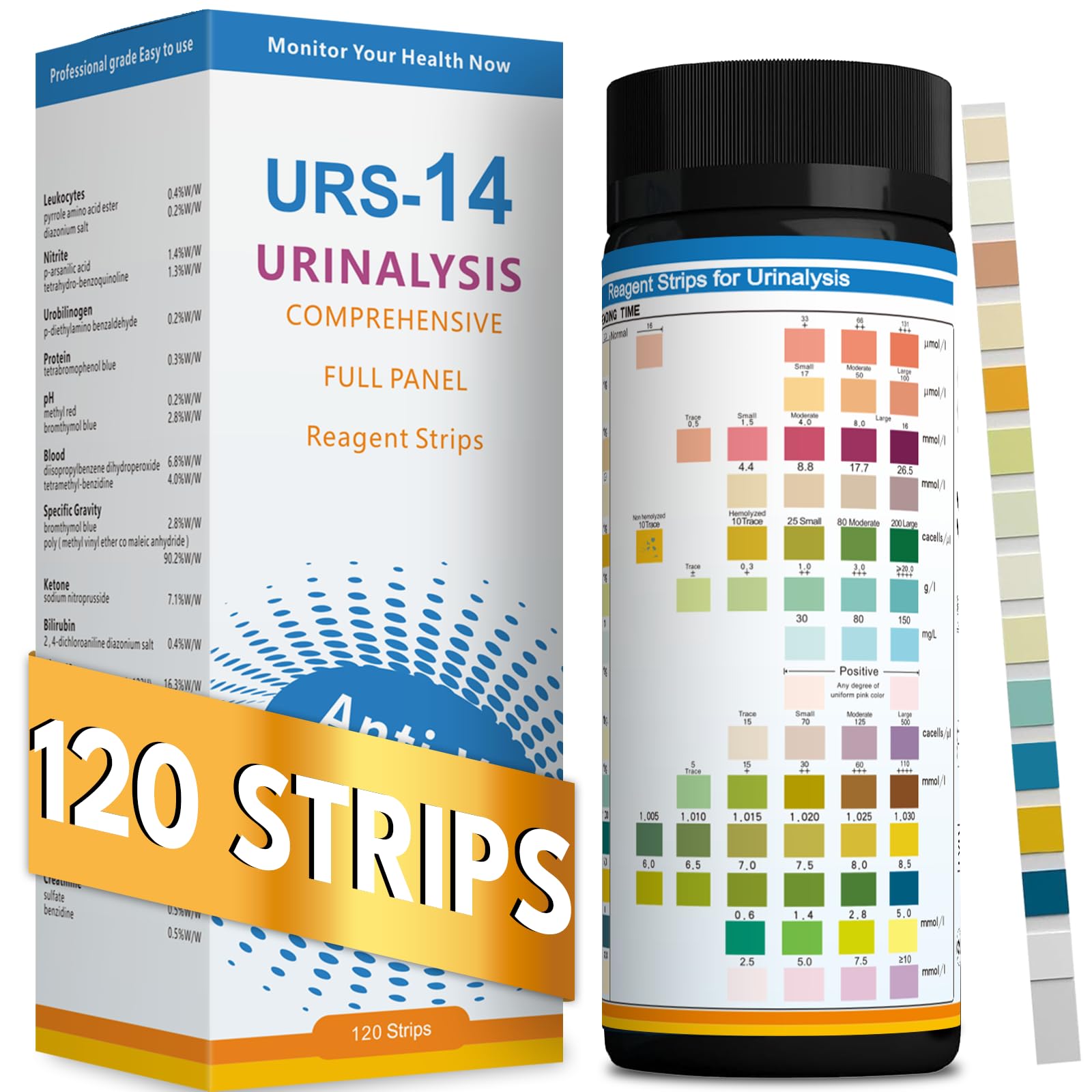
These 14-parameter strips are the single most versatile screening tool for women monitoring hemophilia-related bleeding. The blood (BLD) pad provides a distinct color change at trace levels, making it possible to catch microscopic hematuria before visible symptoms appear. At 120 strips per bottle, this kit supports daily testing for four months without reordering.
The color chart on the bottle is laminated and large enough to read without magnification, a detail that matters when you are testing under bathroom lighting or while traveling. Users report consistent results for blood, leukocytes, and protein — the three markers most relevant for differentiating a urinary tract bleed from an infection.
One reviewer noted that the strips failed to detect blood despite a 50-year history of trace hematuria, which underscores the importance of using these as screening aids rather than definitive diagnostic tools. For baseline awareness and trend spotting, however, this remains the most feature-dense option in the category.
Why it’s great
- Blood pad provides clear visual at trace concentrations
- 120-count bottle supports months of daily monitoring
- 14 parameters including glucose, ketones, and specific gravity for comorbid tracking
Good to know
- Single verified report of missed blood detection
- Results must be read within the 60-second window for accuracy
- Color chart matching requires consistent lighting conditions
2. PRYV 2-in-1 UTI Test Strips 25 pk
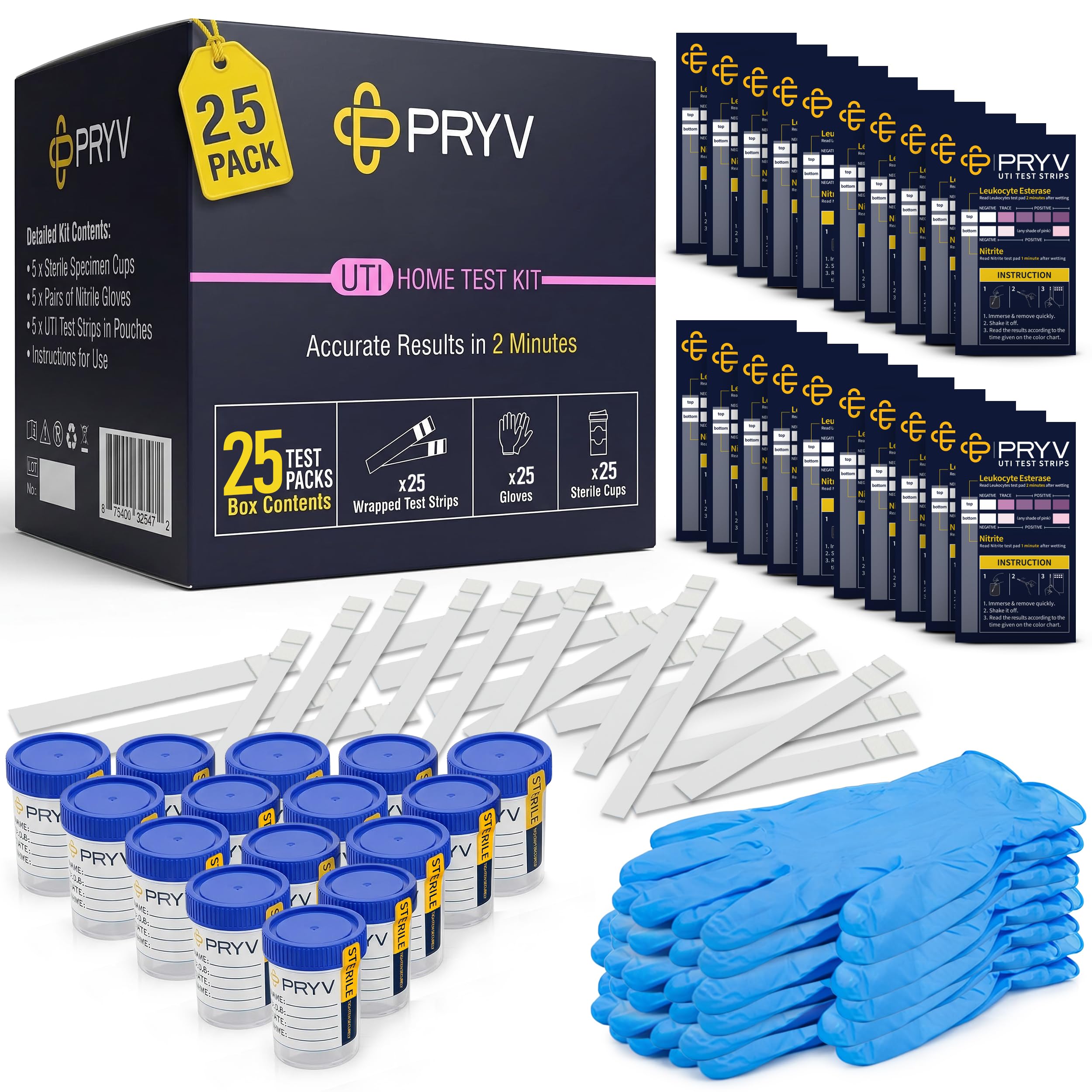
This kit stands out because every component — strip, sterile 40 mL cup, and latex-free glove — arrives individually wrapped in a sealed pouch. For women with hemophilia who need to rule out a urinary tract infection as the cause of bleeding symptoms, this eliminates contamination risk and provides a clean sample every time.
The dual-parameter approach mirrors clinical lab protocols: leukocytes at 2 minutes and nitrites at 1 minute. Users confirm that telehealth providers accept these results for prescribing antibiotics, which saves hours of waiting in an urgent care setting. The included instruction booklet also lists interference factors such as Vitamin C, B2, and tetracycline — critical information for accurate interpretation.
At 25 tests per box, this is a mid-range quantity that balances bulk cost savings with the reality that opened test strips degrade over time. The two-year expiry date printed on each foil pouch ensures freshness even if you only test when symptoms flare.
Why it’s great
- Each test is individually sealed with its own sterile cup and glove
- Telehealth providers accept results for prescription decision
- Detailed interference guide improves result accuracy
Good to know
- Only tests leukocytes and nitrites — no blood-specific pad
- Sterile cup is oversized for the dip test but useful for lab transport
- Requires precise 1-minute and 2-minute read times
3. Choose Health 6-in-1 Female Hormone Test

For women whose hemophilia symptoms are intertwined with hormonal fluctuations — heavy menstrual bleeding that worsens during certain phases, or unexplained clotting episodes tied to estrogen dominance — this lab-based hormone panel provides the missing piece. It measures progesterone, estradiol, TSH, FSH, LH, and includes a visceral fat calculation based on the blood sample.
The finger-prick collection is genuinely painless, and the pre-paid return envelope makes the process feel seamless. Results arrive via the Choose Health App within 5 to 10 days, with personalized recommendations backed by clinical evidence. One user noted her doctor does not perform hormone testing, making this a cost-effective alternative to a specialist visit.
The main caveat is sample volume: the kit ships with only two lancets, and there are verified reports of failed finger sticks requiring a replacement kit. Plan to have a backup lancet or request extras upfront. Also note that this test is not available in New York or Rhode Island due to state lab regulations.
Why it’s great
- CLIA and CAP accredited lab analysis provides diagnostic-grade hormone data
- App delivers results with personalized diet and lifestyle recommendations
- Single blood spot measures six biomarkers relevant to clotting cascade
Good to know
- Only two lancets included — failed sticks require reorder
- Not available in NY or RI
- Results may take up to 10 days depending on lab volume
4. Healthcaretuye Hb Hemoglobin Meter + 75 Strips
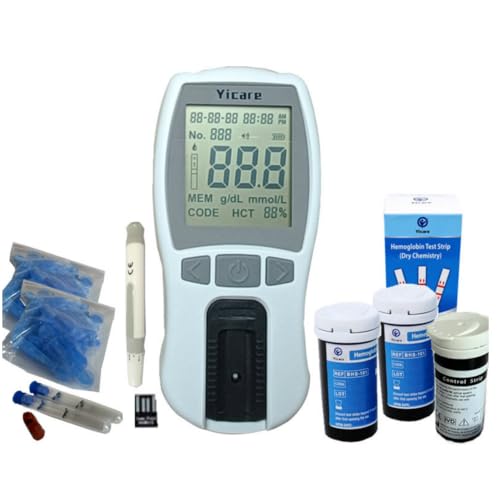
Anemia from chronic blood loss is a hallmark complication of hemophilia in women, and this meter lets you track hemoglobin trends from the comfort of home. The 10 µL sample size is smaller than most glucose test strips, and the 15-second read time is fast enough for daily testing without disrupting your routine.
Users report readings within 0.5 g/dL of lab values, which is clinically acceptable for trend monitoring. The included 75 test strips, lancets, and sample collection tubes provide a full quarter-year supply for regular testing. One user tracks her husband’s hemoglobin after a critically low episode and confirms the device helps manage iron supplementation timing.
The main trade-off is strip stability: the container warns that opened strips expire after 3 months, meaning you may not use all 75 before they degrade. Additionally, three verified users reported inconsistent readings from test to test, so the meter should be validated against a lab draw before relying on it for treatment decisions.
Why it’s great
- Clinical-grade accuracy within 0.5 g/dL of lab results
- 75-strip supply supports weekly or daily monitoring
- Data cable allows PC sync for long-term trend charts
Good to know
- Open strip containers expire after 3 months
- Multiple reports of inconsistent readings between consecutive tests
- Batteries not included despite AA requirement
5. Vaginitis Test Kit 3-in-1 (Product 2)
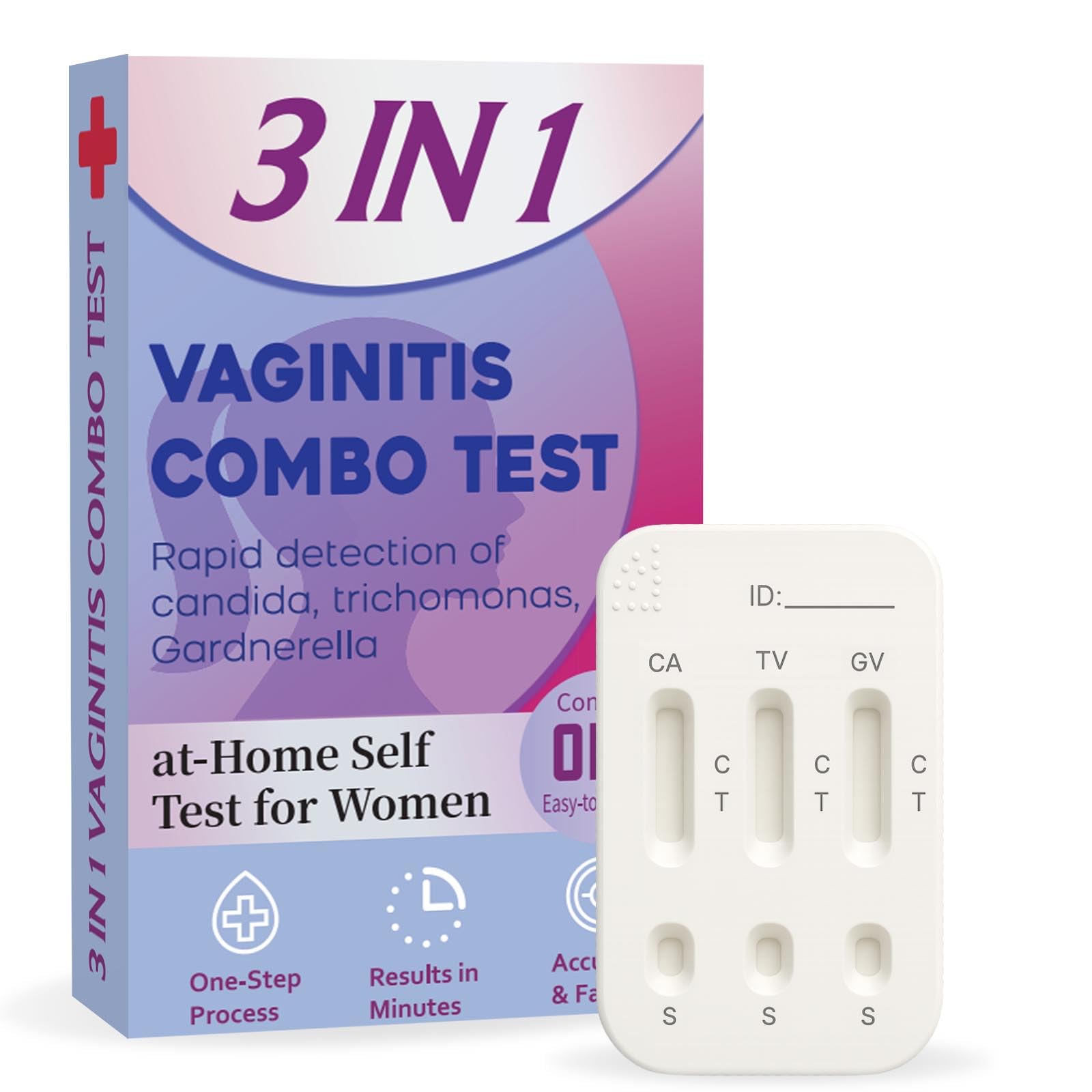
When a woman with hemophilia experiences vaginal bleeding, the critical first question is whether the source is a clotting disorder or an infection that causes tissue inflammation and spotting. This three-in-one test uses colloidal gold immunochromatography to detect Candida albicans, Trichomonas vaginalis, and Gardnerella vaginalis from a single soft swab.
The non-invasive self-collection method is comfortable even for first-time users, and the result window shows clear lines similar to a pregnancy test. Users report the kit provides peace of mind before visiting a doctor — one reviewer specifically noted it helped her decide to seek treatment rather than assume the bleeding was hemophilia-related.
The single verified report of a false positive for bacterial vaginosis (Gardnerella) is worth noting. If the test flags Gardnerella but you have no odor or discharge, a confirmatory physician swab is advisable before starting treatment.
Why it’s great
- Triple detection from one swab — no need for multiple tests
- Results in 10-15 minutes with clear positive/negative lines
- Discreet packaging for private home testing
Good to know
- Single test per kit — reorder if symptoms recur
- Reported false positive for Gardnerella in one verified review
- Cannot distinguish between bleeding from infection vs. clotting disorder
6. 3-in-1 Vaginitis Self-Test Kit (Product 3)
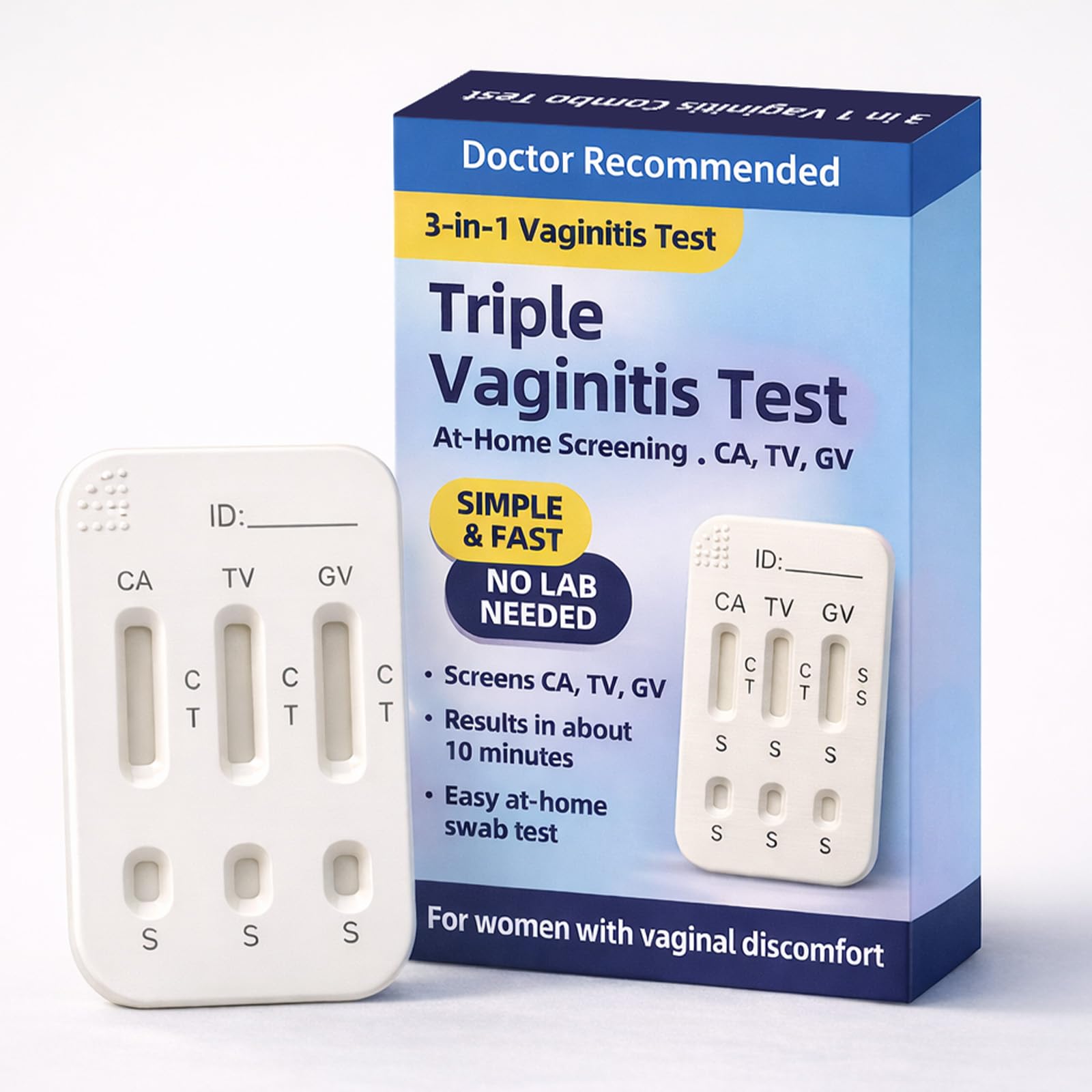
This alternative three-in-one vaginitis test functions on the same immunoassay principle as Product 2 but uses a test card format rather than a cassette. The color-change guide is printed directly on the card, reducing the risk of misinterpreting a faint line. It screens for the same three pathogens: Candida, Gardnerella, and Trichomonas.
Users consistently praise the clarity of the instructions and the comfort of the soft swab. One reviewer who tested positive for Gardnerella was able to confirm with a telehealth provider and start treatment within 24 hours — a significant advantage when bleeding symptoms could be from either the infection or the clotting disorder.
The single-test format is the main limitation: if you are monitoring a chronic condition, you will need to buy multiple kits. However, for one-time screening when symptoms first appear, this test provides reliable answers without the anxiety of waiting for a clinic appointment.
Why it’s great
- Test card design reduces reading errors compared to cassette formats
- Soft swab is comfortable for self-collection
- Reliable packaging with clear step-by-step instructions
Good to know
- Single test per kit — not suitable for frequent monitoring
- Same false-positive risk as other immunoassay vaginitis tests
- Results require reading within the specified 10-15 minute window
7. Verisana FIT Test
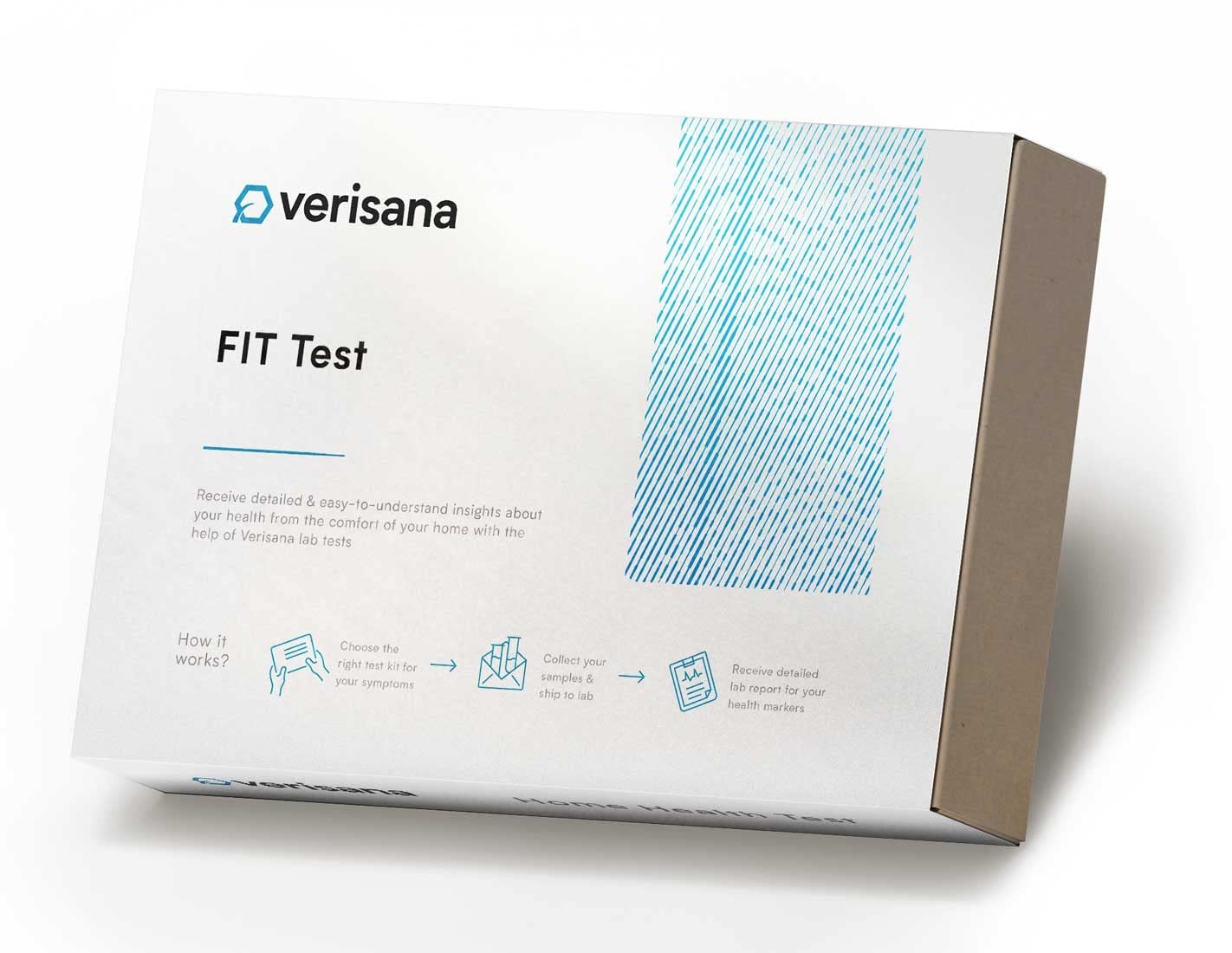
Gastrointestinal bleeding is a known complication of hemophilia that can go undetected without visible symptoms. This fecal immunochemical test (FIT) analyzes a stool sample at a CLIA-certified lab to detect occult blood, providing a quantitative result that helps differentiate between upper and lower GI bleeding sources.
Users describe the collection process as the easiest test they have ever taken — the instructions are clear, and the sample is small enough to avoid discomfort. One reviewer purchased this for her mother with stomach issues and was impressed by how many biomarkers the lab screens for. The pre-paid return envelope and straightforward registration make the process nearly effortless.
The most significant risk is sample handling: there is a verified report of the lab losing a sample after a four-week wait, though the company issued a full refund. For this reason, the FIT test should be considered a complementary tool alongside your primary hemophilia management plan, not a replacement for colonoscopy when symptoms warrant invasive investigation.
Why it’s great
- CLIA-certified lab analysis provides quantitative occult blood results
- Non-invasive collection with clear instructions
- Can detect GI bleeding that urine strips would miss entirely
Good to know
- Verified report of sample lost in transit with 4-week delay
- Single test — not suitable for serial monitoring
- Not a replacement for colonoscopy if symptoms persist
FAQ
Can a urine test strip definitively diagnose hemophilia in women?
How often should I test my hemoglobin if I have hemophilia-related anemia?
Why would a woman with hemophilia need a hormone test?
Can a vaginitis test distinguish between infection bleeding and hemophilia bleeding?
Final Thoughts: The Verdict
For most users, the diagnostic tools for hemophilia in women winner is the 14-URS Reagent Strips because they cover the widest biomarker range including the blood pad, at a cost that makes daily monitoring practical. If you want lab-grade hormone analysis to understand how your cycle affects clotting, grab the Choose Health 6-in-1 Hormone Test. And for tracking hemoglobin trends during bleeding episodes, nothing beats the Healthcaretuye Hb Meter with its 75-strip supply.

Mo Maruf
I created WellFizz to bridge the gap between vague wellness advice and actionable solutions. My mission is simple: to decode the research and give you practical tools you can actually use.
Beyond the data, I am a passionate traveler. I believe that stepping away from the screen to explore new environments is essential for mental clarity and physical vitality.