Our readers keep the lights on and my smoothie glass nicely filled. As an Amazon Associate, I earn from qualifying purchases.
Snake plants store water in their thick leaves, which means their roots rot the moment they sit in heavy, moisture-laden soil. Picking the wrong mix turns a hardy plant into a mushy, yellowing mess that no amount of light or watering discipline can fix. The right blend of coarse particles, organic matter, and drainage agents keeps those sword-like leaves firm and upright without the constant threat of suffocated roots.
I’m Mohammad Maruf — the founder and writer behind WellFizz. Over many hours of research analyzing particle size, pH balance, aeration rates, and organic content, I’ve narrowed down the top mixes that actually deliver consistent drainage for snake plants.
This guide breaks down the five best options so you can confidently choose the best dirt for snake plants that prevents root rot and supports steady growth over months instead of days.
How To Choose The Best Dirt For Snake Plants
Snake plants (Dracaena trifasciata) evolved in arid, rocky conditions where water never lingers. The primary factor that determines whether a soil works or fails is how quickly excess water drains through the container. A mix that holds moisture longer than a few days creates an anaerobic root zone where pathogens thrive. Every spec below ties directly to that single survival requirement.
Drainage and particle size
Coarse ingredients like perlite, pumice, lava rock, or coarse sand create air pockets that let water flow out freely. Fine particles like peat moss hold moisture, so the ratio matters. A good snake plant mix uses at least 40 to 50 percent coarse aggregate by volume. Look for visible chunks and grit in the bag — powdery soil that feels dense in your hand will not drain fast enough.
Organic content and pH level
Snake plants prefer a slightly acidic pH between 5.5 and 7.0. Too much organic material like compost or bark retains water and lowers drainage. The ideal mix has just enough organic matter to hold trace nutrients but not enough to stay wet. Watch for bags labeled “slightly acidic” or “pH balanced for cacti and succulents.” Excess nitrogen from rich organic soil causes weak, floppy leaves.
Ready-to-use versus mix-your-own
Pre-bagged soil saves time but varies in particle consistency between brands. Some contain hidden wood chips or fine dust that compacts after a few waterings. Blending your own with a base of peat or coco coir plus perlite and coarse sand gives you full control, but bagged options from reputable brands now offer reliable texture without the extra effort.
Quick Comparison
On smaller screens, swipe sideways to see the full table.
| Model | Category | Best For | Key Spec | Amazon |
|---|---|---|---|---|
| Jessi Mae Potting Soil | Premium | Organic snake plant care | Slightly acidic pH with perlite | Amazon |
| Hoffman Organic Soil Mix | Mid-Range | Fast drainage for root rot prevention | Peat moss, perlite, sand blend | Amazon |
| Midwest Hearth Cactus Mix | Mid-Range | Budget-friendly ready-to-use | 4 dry quarts, peat + perlite | Amazon |
| FANTIAN Pumice Pebbles | Amendment | Mixing into existing soil | 1/4 inch pumice and lava rock | Amazon |
| rePotme Imperial Mix | Premium | High-end custom blend | Handcrafted bark, peat, perlite | Amazon |
In‑Depth Reviews
1. Jessi Mae Potting Soil

Jessi Mae’s potting mix hits the sweet spot between organic content and drainage structure for snake plants. The slightly acidic pH matches what snake roots prefer, and the light, airy texture comes from hand-mixing perlite with organic materials in small batches. Several reviews note snake plants responding quickly after repotting, with new leaves emerging within weeks.
The 4-quart bag is smaller than some competitors, but the density difference is intentional — this mix is fluffy rather than compacted, so a little volume goes further. Buyers report the soil has a noticeable organic smell that fades after a day or two, which signals minimal chemical processing. The ready-to-use format works straight from the bag without any extra amendments.
For growers who want certified organic ingredients and a formulation that reduces root rot risk without sacrificing nutrient retention, this mix delivers consistent results. The brand’s focus on small-batch quality shows in the uniform particle distribution, which standard mass-produced soils often lack.
Why it’s great
- Organic ingredients with no synthetic chemicals
- Slightly acidic pH suited to snake plants
- Light, fluffy texture enhances aeration
Good to know
- Bag size is 4 quarts, smaller than expected by some buyers
- Strong organic odor for the first couple of days
2. Hoffman 10404 Organic Cactus and Succulent Soil Mix

Hoffman’s formula uses peat moss, perlite, and sand to create a fast-draining structure that snake plants need. Multiple reviews specifically mention that this mix eliminated persistent fungus gnats and root rot in snake plants after other soils had failed. The minimal dead organic matter means fewer wood chips that can hold moisture and breed pests.
The texture is lighter than typical cactus soils, which helps the roots spread rather than struggle through compacted clumps. Professional formulations like this one balance drainage with just enough nutrient retention for steady leaf development. Buyers note that adding extra perlite can further boost aeration for snake plants kept in lower light where soil dries slower.
At 4 quarts, this bag covers a couple of standard pots and comes pH balanced for drought-tolerant plants. The brand has a long track record in the succulent community, and the consistent batch quality makes it a reliable choice for growers who want tried-and-tested drainage without surprises.
Why it’s great
- Low organic matter reduces fungus gnat risk
- Drains rapidly, proven against root rot
- Lightweight texture encourages root spread
Good to know
- Some bags may arrive with minor packaging leaks
- Buyers with heavier watering habits may want extra perlite
3. Midwest Hearth Cactus & Succulent Potting Soil Mix
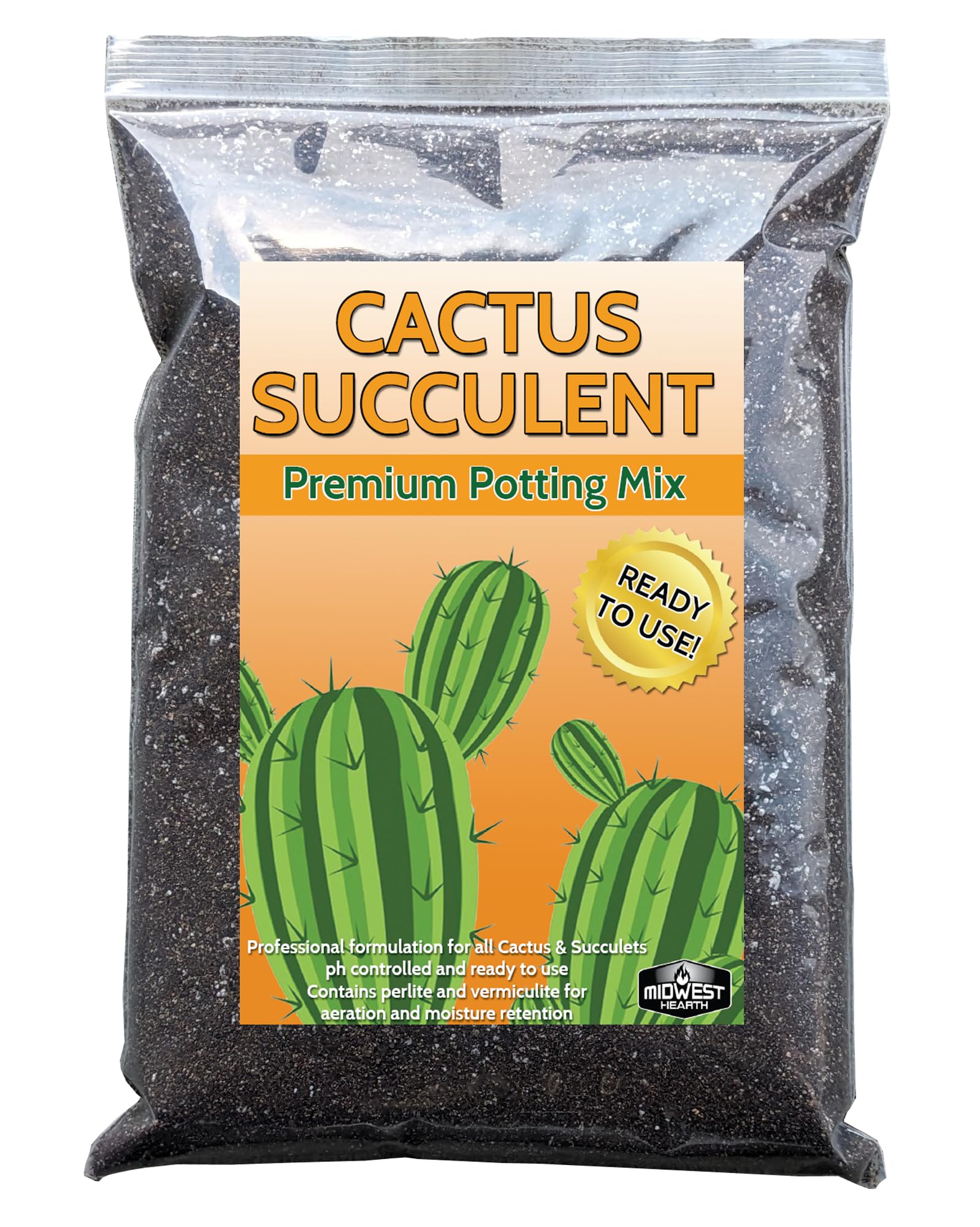
Midwest Hearth’s blend of peat moss, perlite, and vermiculite delivers the quick drainage that snake plants require without any mixing. The formula is pH balanced for cacti and succulents, which puts it in the right acidity range for snake plants too. It comes ready straight from the bag, making it a convenient option for repotting or starting new cuttings.
The 4-quart resealable bag is useful for storing leftover mix, and the brand offers an 8-quart size for larger collections. Several customers report using this soil for multiple succulent dish gardens with happy plants and good root development. The light texture prevents compaction over time, which keeps oxygen flowing to the roots between waterings.
One note from buyers: the dry top particles can blow away if the pot sits near an open window, which creates a minor mess on windowsills. Otherwise, this is a solid mid-range pick for snake plant owners who want an affordable, effective mix without hunting for specialty ingredients. The US-based production adds quality consistency that imported soils sometimes lack.
Why it’s great
- Ready to use straight from the resealable bag
- pH balanced specifically for drought-tolerant plants
- Made in the USA with consistent quality control
Good to know
- Dry surface particles can scatter from windowsill breezes
- Vermiculite holds some moisture, may not suit overwaterers
4. FANTIAN 5 lbs Succulent Cactus Soil Potting Mix
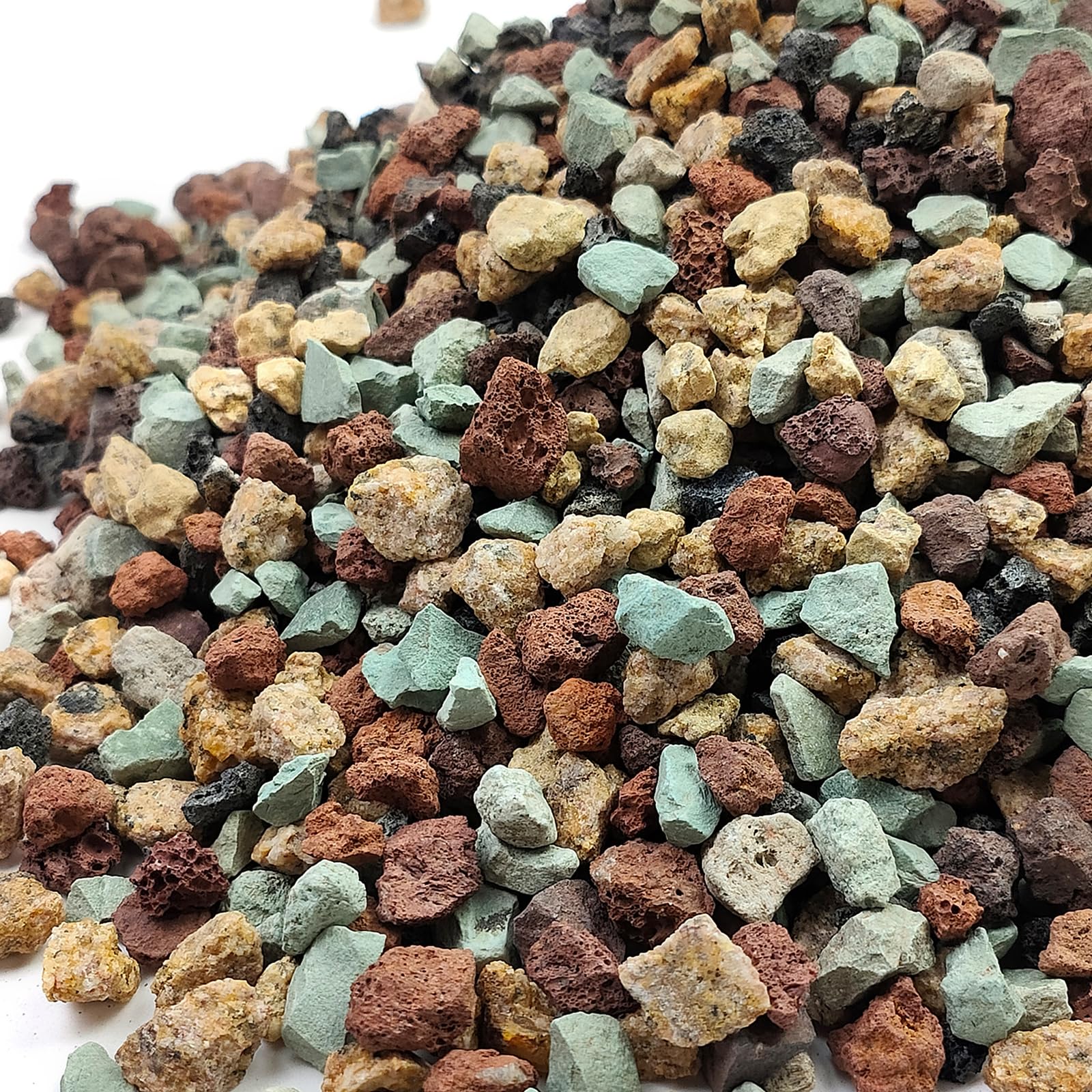
FANTIAN’s pumice and lava rock pebbles are not a standalone soil but a powerful amendment for existing mixes. The 1/4-inch granules create air channels that prevent water from pooling around snake plant roots. Buyers regularly mix these into cactus or succulent soil to boost drainage and keep the medium from compacting after repeated waterings.
The blend contains lava stone, maifanitum stone, and green zeolite — all porous materials that hold trace minerals without retaining excess moisture. At 5 pounds, the bag provides enough material to amend several pots. Some buyers also use it as a top dressing to prevent soil splash and deter fungus gnats. The lightweight structure means it won’t weigh down pots.
A quick rinse before use removes the dust that accumulates during processing and transport, which multiple reviews recommend. The particles are uniform enough for small pots and large containers alike. For snake plant owners who already have a basic potting mix and want to dial up drainage without buying a full new bag, this is the most cost-effective route.
Why it’s great
- Porous volcanic rock improves soil aeration dramatically
- Can be used alone or mixed with any potting soil
- Lightweight granules won’t compact or add heavy weight
Good to know
- Arrives dusty and needs rinsing before use
- Not a complete soil — works best as an amendment
5. rePotme ZZ Plant Potting Soil – Imperial Houseplant Mix

rePotme’s Imperial Mix is a premium handcrafted blend used by botanical gardens and conservatories, which speaks to the quality of its ingredients. The mix contains bark chips, peat, and perlite in a texture that drains readily while holding just enough moisture for snake plants. Reviews from long-term snake plant owners confirm it works year after year without causing root issues.
The 4-quart junior bag comes in a high-quality resealable pouch, which helps keep the contents fresh and prevents pests from getting in. The dry weight is noticeably light, reflecting the coarse particle structure. Buyers note that the price is higher than standard soils, but the ingredient quality and consistency justify the investment for serious collectors.
Some users found the bag did not quite fill their pot size, requiring a second purchase for larger containers. The mix works well alone or as a lightener when blended with richer soil for other houseplants. For snake plant owners who want the best ingredients and are willing to pay for handcrafted consistency, this is the top-tier option.
Why it’s great
- Used by major botanical conservatories for quality
- Handcrafted in small batches for consistency
- Resealable pouch keeps mix fresh and pest-free
Good to know
- Premium price point compared to standard soils
- One bag may not be enough for larger pots
FAQ
Can I use regular potting soil for snake plants?
Should I mix extra perlite into bagged cactus soil?
How often should I repot a snake plant with fresh soil?
Final Thoughts: The Verdict
For most users, the best dirt for snake plants winner is the Jessi Mae Potting Soil because it combines organic certification, slightly acidic pH, and a light perlite-rich texture that snake plants thrive in. If you want a proven fast-draining mix that eliminates root rot issues, grab the Hoffman Organic Cactus Mix. And for budget-friendly container gardening with no mixing required, nothing beats the Midwest Hearth Cactus Soil.

Mo Maruf
I created WellFizz to bridge the gap between vague wellness advice and actionable solutions. My mission is simple: to decode the research and give you practical tools you can actually use.
Beyond the data, I am a passionate traveler. I believe that stepping away from the screen to explore new environments is essential for mental clarity and physical vitality.