Our readers keep the lights on and my smoothie glass nicely filled. As an Amazon Associate, I earn from qualifying purchases.
A set of disc brake pads is the single most important safety component on any bike, yet most riders replace them with whatever is cheapest or available, only to be greeted by squeal, fade on a long descent, or uneven wear that wastes expensive rotors. Choosing the wrong compound or backplate material turns a routine swap into a constant source of noise and lost stopping power. The difference between a confident, quiet stop and a sketchy, howling grab comes down to understanding how the pad compound interacts with your caliper and your riding style.
I’m Mohammad Maruf — the founder and writer behind WellFizz. I spend my time digging into the material science, compatibility charts, and real-world wear data on every major disc brake pad compound, analyzing hundreds of hours of user feedback to separate the marketing from the measurable performance.
This guide focuses on the compounds, backplate materials, and fitment details that matter most when selecting replacement pads. If you want reliable, fade-free braking without the guesswork, you need a clear breakdown of the best disc brake pads available right now for road, mountain, commuter, and e-bike setups.
How To Choose The Best Disc Brake Pads
Disc brake pads are a consumable component whose material composition and backplate design directly dictate how your bike feels under braking, how often you replace rotors, and whether your ride is silent or full of annoying squeal. Making the right choice starts with matching the compound to your riding environment and the pad shape to your caliper.
Compound: Resin vs. Sintered Metal
Resin (organic) pads offer excellent modulation, quiet operation, and immediate bite from cold, but they wear faster and can fade under heavy, sustained braking like long mountain descents or heavy e-bike loads. Sintered metal pads last significantly longer and maintain stopping power when hot, but they can be noisier, take longer to bed in, and accelerate rotor wear. For dry road riding and light trail duty, resin is usually the better choice. For wet conditions, loaded touring, or aggressive mountain biking, sintered metal provides more consistent performance.
Backplate: Finned vs. Solid
A finned aluminum backplate dissipates heat more effectively than a solid steel backplate, which reduces brake fade and extends pad life during repeated hard braking. Finned pads are heavier and slightly more expensive, but for riders who descend long grades or ride heavy e-bikes, the thermal management is a genuine safety advantage. Solid backplates are lighter, cheaper, and perfectly adequate for casual riding and short commutes.
Pad Shape and Caliper Compatibility
Pad shape is not universal. Shimano uses a broad family of shapes (L02A, L03A, L05A, G-series), SRAM has its own form factor for each caliper generation (Code, Guide, Level, Force), and Tektro pads fit only specific caliper models. Installing the wrong shape can cause poor engagement, uneven wear, or pads that rattle in the caliper. Always verify the manufacturer part number on your current pads before ordering.
Quick Comparison
On smaller screens, swipe sideways to see the full table.
| Model | Category | Best For | Key Spec | Amazon |
|---|---|---|---|---|
| Shimano L05A-RF | Resin with Fin | Road & gravel braking modulation | Resin compound, finned alloy backplate | Amazon |
| SRAM Code Sintered | Sintered Metal | Mountain bike sustained descents | Alloy steel backplate, sintered compound | Amazon |
| Shimano L05A w/Fin Resin | Resin with Fin | Quiet commuting & road use | Resin compound, slim finned backplate | Amazon |
| Tektro P20.11 | Metal Ceramic | E-bike & urban utility braking | Metal ceramic compound, 2-pack | Amazon |
| SRAM Road Hydraulic | Organic | Road hydraulic caliper replacement | Organic pad, aluminum backer plate | Amazon |
In‑Depth Reviews
1. Shimano L05A-RF Resin DISC PAD Finned Alloy Back Plate
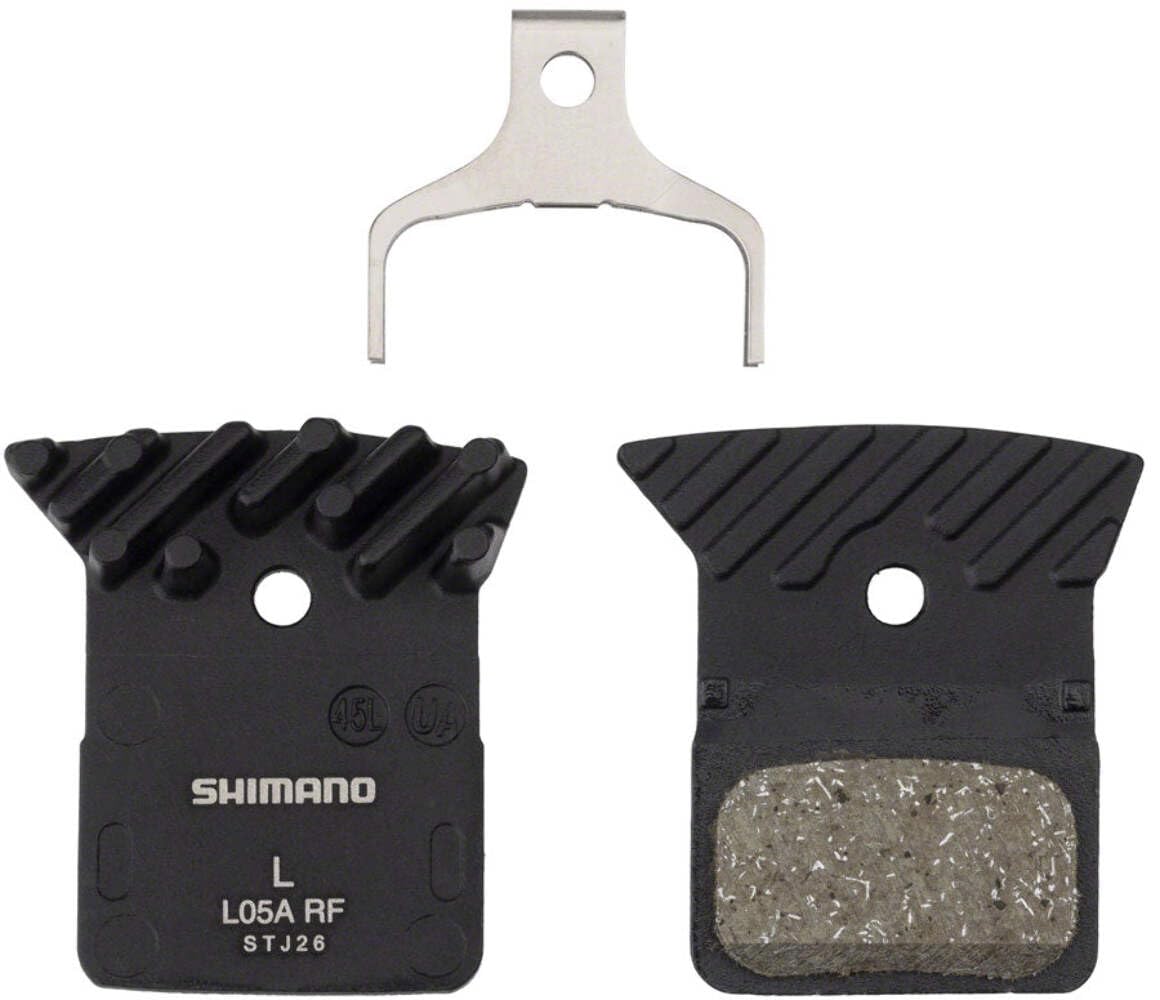
The Shimano L05A-RF combines a resin compound with a finned alloy backplate, giving it the quiet, immediate bite riders love about organic pads without the heat buildup that causes fade on longer descents. The finned design pulls heat away from the pad surface, which protects the caliper fluid and extends usable life compared to a solid-backplate resin pad. Out of the box, reviewers report a straightforward installation with no modifications required on Shimano 105 hydraulic brakes, and braking feel comes back to sharp, smooth performance immediately after a proper bed-in.
Real-world feedback highlights excellent grip and near-silent operation, with one commuter noting they restored brake lever feel that had gone soft with worn pads. Several users specifically mention that these pads are the best replacement for 105, Ultegra, and Dura-Ace systems because they match the OEM fit exactly. Durability estimates from rider reports land around 4,000 miles for road use, which is strong for a resin pad and attributable to the thermal help from the fin.
The only trade-off is that the resin compound wears faster than sintered metal in wet or gritty conditions, so if you ride through heavy rain or on muddy gravel regularly, you may replace these more often than a sintered alternative. But for the vast majority of road, gravel, and light trail riders who value silence and modulation over absolute longevity, the L05A-RF delivers a premium feel at a reasonable price point.
Why it’s great
- Finned backplate reduces brake fade during long descents
- Quiet, smooth modulation from cold without excessive rotor wear
- Genuine Shimano fitment eliminates rattling and poor engagement
Good to know
- Resin compound wears faster in wet or abrasive conditions
- Finned design is slightly heavier than solid-backplate alternatives
2. SRAM Code Brake Pads Sintered
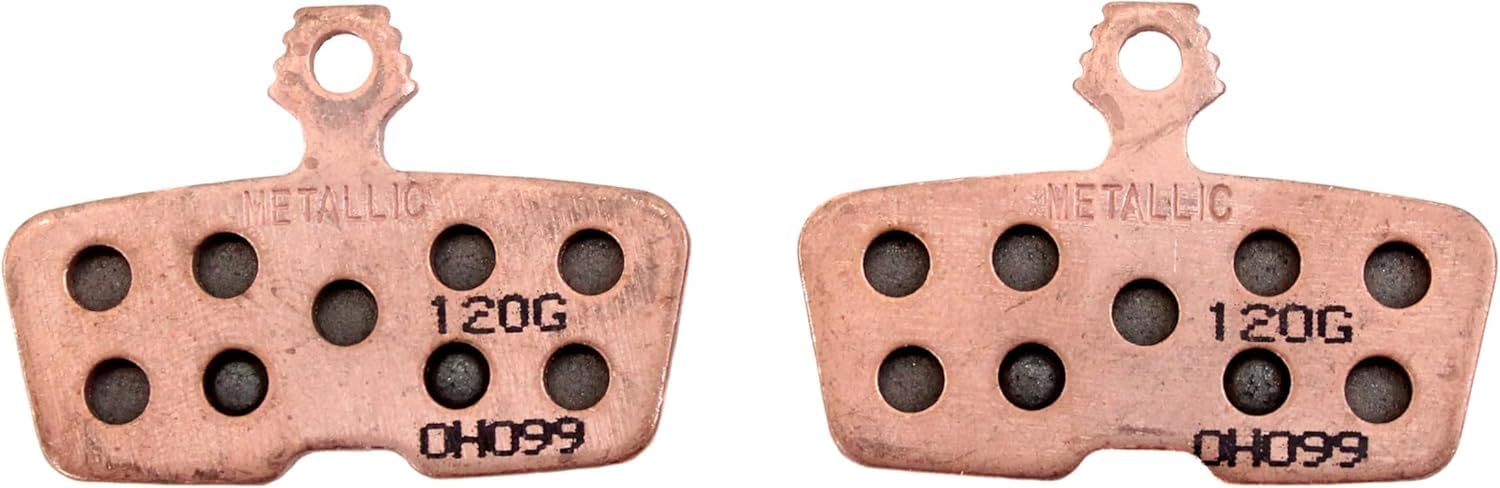
The SRAM Code sintered pads are built for mountain bikers who need consistent stopping power on steep, technical terrain where heat buildup is constant. The sintered metal compound maintains friction at high temperature much better than resin, so you do not experience the sudden lever pull that indicates pad fade. These pads fit Code RSC, Code R, and Guide RE calipers from 2011 onward, making them a direct OEM replacement for a wide range of SRAM-equipped mountain bikes.
Users report that after a proper bed-in cycle and a fresh bleed, these pads stop on a dime with no noise. The included mounting hardware contains a new screw and clip, which saves a trip to the shop for small parts. Several reviews mention that the initial rubbing noise resolved after a few rides as the compound seats to the rotor, and the overall stopping feel is described as powerful and confidence-inspiring. For aggressive trail and enduro riding, this compound resists glazing far better than organic pads.
One downside is that sintered pads can be harder on rotors than resin, especially if you ride in dry, dusty conditions where the metal particles act as an abrasive. The set is also slightly more expensive than entry-level organic options, but for riders who descend hard and brake late, the peace of mind and consistent bite are worth the cost. If you primarily ride smooth pavement, the noise and longer bed-in may feel like overkill.
Why it’s great
- Sintered compound resists fade during sustained hard braking
- Includes mounting hardware for a complete swap
- OEM-level fit for Code and Guide RE calipers
Good to know
- Longer bed-in period before full stopping power is achieved
- Can accelerate rotor wear in dry, abrasive conditions
3. Shimano BRBX Pads + spg Alloy Back Resin L05A w/Fin

This Shimano pad set brings the same L05A finned geometry as the previous entry but targets riders who prioritize silent operation above all else. The resin compound is formulated to suppress squeal, and the slim finned design helps manage heat without adding noticeable weight. It is a direct replacement for the discontinued L03A pads, which were notorious for glaze buildup on long descents. Users have successfully swapped these onto GRX 2x groupsets and Shimano 105 calipers with zero fitment issues.
Customer reviews consistently praise the whisper-quiet braking these pads deliver, even on older rotors that had produced noise with previous pads. One reviewer with Shimano 105 brakes replaced knockoff pads that had developed an annoying squeal, and this set eliminated the noise entirely. The braking feel is described as smooth and easy to modulate, making it ideal for road cyclists who feather brakes through corners rather than grabbing hard. The installation process takes about 10 minutes with basic tools.
The resin compound means these pads will not last as long as a sintered set if you ride in wet weather frequently. Riders who commute in heavy rain or ride year-round through grit should expect to replace them more often. For dry-road riders, club riders, and anyone frustrated by brake noise, these pads provide a near-perfect balance of quiet performance and accessible pricing.
Why it’s great
- Eliminates brake squeal better than aftermarket knockoffs
- Direct swap for discontinued Shimano L03A and L02A pads
- Smooth modulation ideal for road and gravel riding
Good to know
- Wears quicker than sintered pads in wet conditions
- Finned backplate adds a small weight penalty over solid models
4. Tektro P20.11 Disc Brake Pads Metal Ceramic Compound

The Tektro P20.11 pads use a metal ceramic compound that sits between traditional resin and sintered metal in performance. The ceramic content reduces brake fade and improves wet braking over standard organic pads while staying quieter than full-sintered options. This makes the P20.11 a strong contender for e-bikes and urban commuters where the added weight of the bike and higher speeds demand more heat resistance than resin can provide, but noise from metal pads is unacceptable.
Reviewers have installed these on Rad e-bikes, Trek hybrids, and general utility bikes, reporting quick stops from 20–25 mph without the howling that comes with budget sintered pads. The two-pack provides spare pads in one purchase, which is convenient for dual-caliper replacements. Fitment fit Tektro calipers perfectly and also worked as a universal option for several unbranded mechanical disc brakes found on lower-cost e-bikes. The stopping power improvement over stock pads is noticeable according to multiple users.
Because the compound is not full sintered, these pads may still wear faster than a dedicated sintered set under extreme load conditions like fully loaded touring or downhill mountain biking. The Tektro name also has less aftermarket support than Shimano or SRAM, so verifying caliper compatibility before ordering is essential. For e-bike and heavy commuter use, however, these pads hit a sweet spot of durability and quiet operation.
Why it’s great
- Metal ceramic blend resists fade better than resin pads
- Quieter operation than sintered metal alternatives
- Two-pack provides pads for both calipers in one order
Good to know
- Compound not as durable as full sintered for extreme descents
- Compatibility limited to Tektro and select disc calipers
5. SRAM Road Hydraulic Disc Brake Pad Set Organic
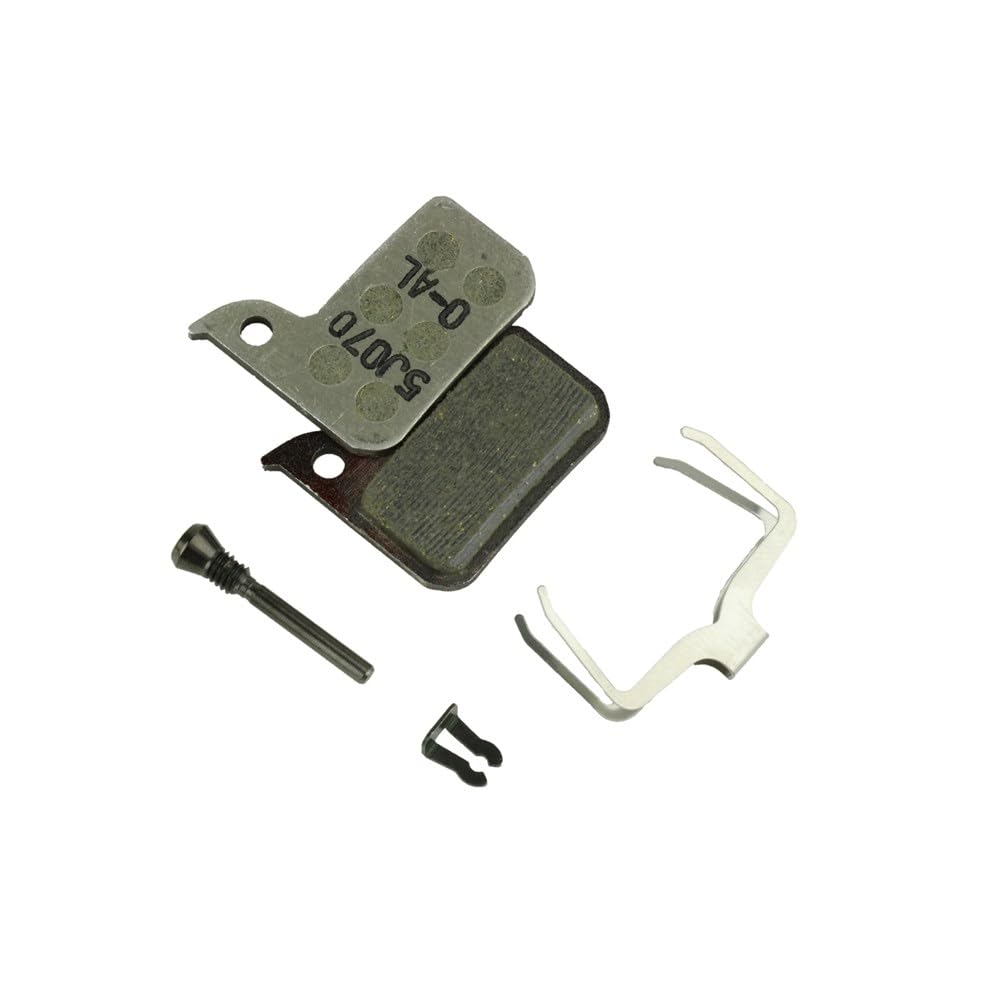
These SRAM road pads use an organic compound on an aluminum backer plate, which keeps weight very low—ideal for road riders who count grams. The organic material provides excellent initial bite and progressive modulation straight from cold, making these pads a natural match for road hydraulic brakes that see moderate braking loads. They fit SRAM Level, Force, Red, and S-700 hydraulic calipers, making them a versatile OEM replacement for most SRAM road groupsets.
Users highlight the ease of installation and the fact that the set includes new retaining pins and clips, which are easy to misplace during a pad swap. The pads are known to stop brake squeal when replacing worn-out or mismatched pads, and they restore the factory feel of the brake lever. Several reviews note that after a quick bed-in, the modulation feels linear and predictable, which is exactly what road cyclists want for controlled deceleration in group rides.
Because these are organic pads, they do not handle sustained heavy braking or wet conditions as well as sintered alternatives. If you ride in rain frequently or tackle steep, long descents where the brake is dragged continuously, you may notice fade or accelerated wear. For dry-road training, racing, and sportive riding, however, this set delivers the refined feel that SRAM hydraulic systems are known for at a price that does not hurt.
Why it’s great
- Lightweight aluminum backer plate saves rotational mass
- Smooth, progressive modulation ideal for road riding
- Includes retainer pins and clip for a complete installation
Good to know
- Organic compound wears fast in wet or gritty conditions
- Not suited for heavy e-bike or loaded touring braking loads
FAQ
What is the difference between resin and sintered disc brake pads?
How do I know if a disc brake pad fits my bike caliper?
Do finned brake pads actually make a difference?
Final Thoughts: The Verdict
For most riders seeking the best balance of quiet operation, modulation, and fade resistance, the top pick is the Shimano L05A-RF because its finned alloy backplate keeps the resin compound cool enough to extend life while delivering the silent, predictable feel that resin is known for. If you ride aggressive mountain trails and need fade-free stopping power on long descents, grab the SRAM Code Sintered pads for their reliable heat performance. And for a budget-friendly e-bike or commuter setup that blends durability with low noise, nothing beats the Tektro P20.11 Metal Ceramic pads.

Mo Maruf
I created WellFizz to bridge the gap between vague wellness advice and actionable solutions. My mission is simple: to decode the research and give you practical tools you can actually use.
Beyond the data, I am a passionate traveler. I believe that stepping away from the screen to explore new environments is essential for mental clarity and physical vitality.