Our readers keep the lights on and my smoothie glass nicely filled. As an Amazon Associate, I earn from qualifying purchases.
Bloating, sluggish digestion, and that heavy feeling after meals are often signals your gut needs more than just a fiber supplement—it needs a targeted liquid boost of enzymes, probiotics, or soothing botanicals designed to calm and reset your system.
I’m Mohammad Maruf — the founder and writer behind WellFizz. This guide is built on hours of cross-referencing ingredient labels, fermentation processes, CFU counts, and real user feedback to find the formulas that deliver consistent digestive relief without gimmicks.
Whether you want a probiotic-rich brine, a fiber-packed prune concentrate, or an Ayurvedic herbal tonic, this roundup of the best digestive juice options breaks down what works and what to skip based on measurable ingredients and digestive outcomes.
How To Choose The Best Digestive Juice
Digestive juices work on different mechanisms—some deliver live probiotic strains, others provide osmotic fiber to move waste, and a few use bitter herbs to stimulate your own gastric secretions. Knowing which mechanism fits your specific discomfort is the key to picking the right bottle.
Probiotic CFU Count and Survivability
Not all probiotic drinks list a live colony count. You want a minimum of 1 billion CFUs per serving, but just as important is whether the strain survives stomach acid. Lactobacillus-based brines, like those found in naturally fermented pickle juice, often arrive alive because the brine itself acts as a protective medium.
Fiber Content and Type
If your issue is constipation or irregularity, prebiotic fiber (3-5 grams per serving) helps feed your existing gut bacteria and adds bulk to stool. Soluble fiber from prune juice works osmotically, drawing water into the colon, while chicory-root prebiotics (common in sparkling drinks) feed bifidobacteria without the laxative effect.
Herbal vs. Fermented Base
Fermented bases (pickle brine, kombucha-style drinks) provide live enzymes and organic acids that support stomach acid production. Herbal bases (ginger, turmeric, ajwain, hing) work by soothing inflammation and stimulating bile flow. Choose fermented if you need enzyme support; choose herbal if you deal with acid reflux or post-meal bloating.
Quick Comparison
On smaller screens, swipe sideways to see the full table.
| Model | Category | Best For | Key Spec | Amazon |
|---|---|---|---|---|
| Kapiva Digesti Care Juice | Ayurvedic Tonic | Acidity & Bloating Relief | 5 Ayurvedic Herbs per Dose | Amazon |
| wildwonder Sparkling Probiotic Drink | Pre + Probiotic | Daily Gut Health & Immunity | 1B CFU + 5g Prebiotic Fiber | Amazon |
| Olive My Pickle Probiotic Pickle Juice | Fermented Brine | Electrolytes & Enzyme Support | 14B CFUs Lactobacillus | Amazon |
| Ginger Soother Lemon & Honey Gingerade | Ginger Soother | Nausea & Warm Stomach Comfort | Fresh Ginger + Lemon + Honey | Amazon |
| Sunsweet Prune Juice | High-Fiber Juice | Regularity & Constipation | 3g Fiber per 7.5 oz Can | Amazon |
In‑Depth Reviews
1. Kapiva Digesti Care Juice

This Ayurvedic concentrate brings together Amla, Ajwain, Jeera, Dhania, and Hing—five botanicals traditionally used to stimulate digestive enzyme secretion and reduce gas formation. The formula targets the root cause of acidity and bloating rather than just masking symptoms, which sets it apart from simple antacid drinks.
Kapiva sources Amla from Pratapgrah and the cumin-coriander blend from Rajasthan, then processes the herbs in a water-based concentration to preserve volatile oils. The recommended dose of 30ml mixed with water after meals delivers a bitter, earthy profile that signals the liver to increase bile production.
Reviewers with chronic gastric issues, including those dealing with vomiting triggers and continuous burping, reported noticeable relief after finishing one bottle. The taste is strong and herbaceous—not sweet—so expect an adjustment period if you’re used to fruit-forward juices.
Why it’s great
- Five targeted Ayurvedic herbs address multiple digestive root causes
- No artificial sweeteners, refined sugar, or synthetic additives
- GMP-certified production with transparent regional sourcing
Good to know
- Strong, bitter taste that requires dilution with water
- Not a ready-to-drink format—requires mixing before each serving
2. wildwonder Sparkling Probiotic Drink
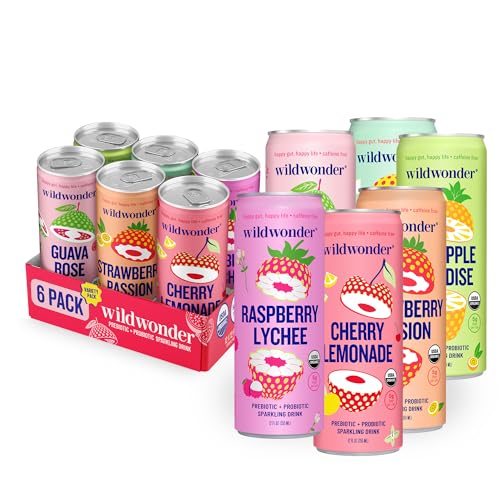
wildwonder is the first ready-to-drink can to pair 1 billion CFUs of live probiotics with 5 grams of prebiotic plant fiber from chicory root. The carbonation and fruity botanical flavors (Guava Rose, Peach Ginger, Mango Gold) make it a genuinely enjoyable alternative to soda without the fermented aftertaste that turns many people away from kombucha.
Each 12-ounce can clocks in at 40 calories and 6 grams of sugar from agave and monk fruit, placing it well below the sugar load of typical functional beverages. The prebiotic fiber feeds your existing gut bacteria while the probiotics introduce new strains, creating a dual-action approach that supports both immune function and regularity.
Repeat buyers consistently mention the sophisticated flavor profile and the absence of a diet aftertaste. The variety pack ships two cans of each flavor, so you get a fair sampling. The price is higher than mass-market juices, but the ingredient transparency and live cultures justify the cost for daily gut maintenance.
Why it’s great
- Unique dual delivery of both prebiotic fiber and live probiotics in one can
- Low sugar (6g) and low calorie (40) with no artificial junk
- Fermented taste is absent—appealing even to kombucha skeptics
Good to know
- Price per can is significantly higher than standard juice
- Variety pack contains only 3 flavors (2 cans each), not 6 distinct flavors
3. Olive My Pickle Probiotic Pickle Juice
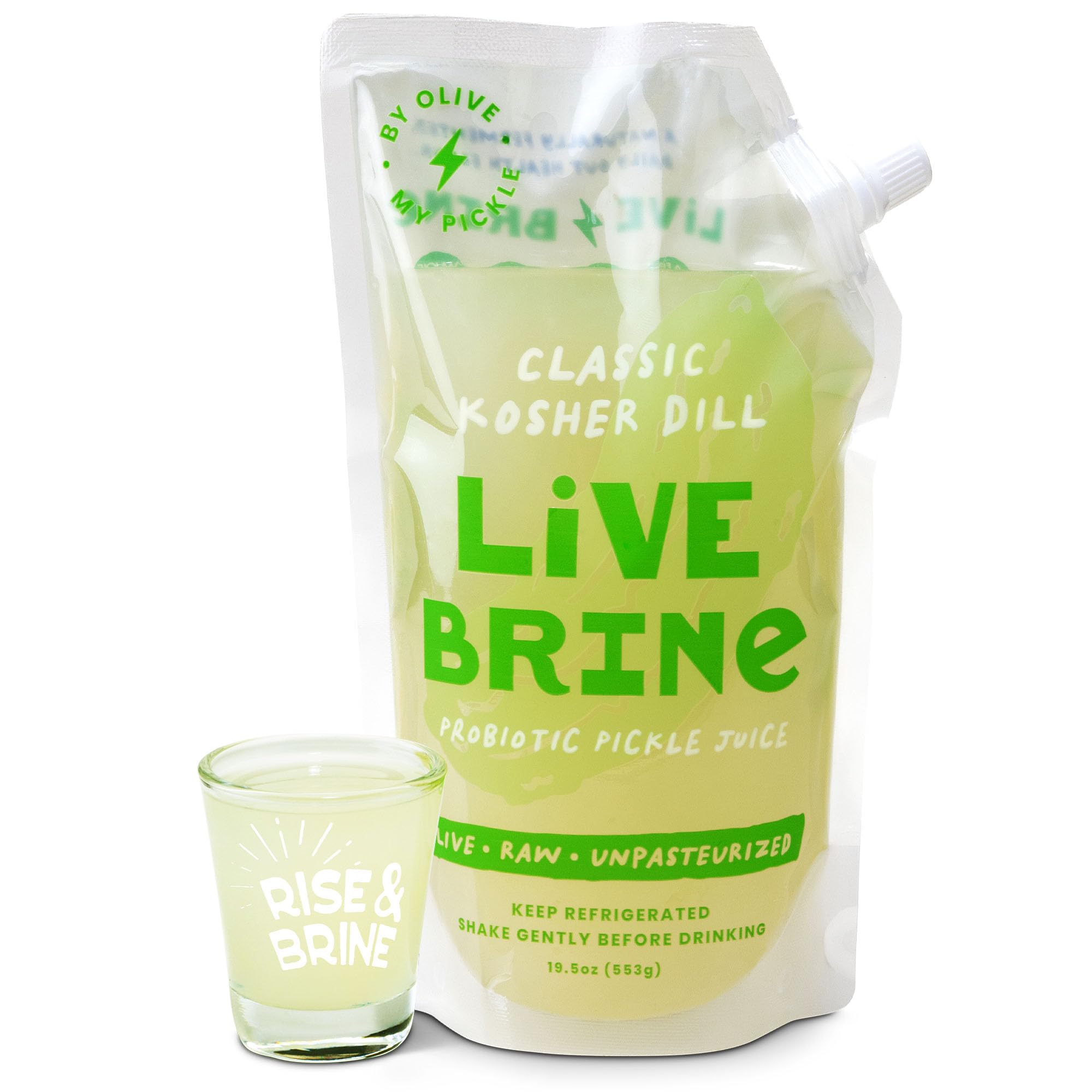
Olive My Pickle delivers 14 billion CFUs of Lactobacillus per serving—a colony count that dwarfs most probiotic supplements on the market. The live brine comes from a traditional fermentation process in Jacksonville, Florida, where cucumbers are submerged in a saltwater brine that naturally cultivates beneficial bacteria over weeks.
Beyond probiotics, the electrolyte profile (sodium, potassium, magnesium) makes this a practical post-workout recovery drink. Athletes and active users report using it for leg cramp prevention, though the live enzymes also support general digestion by helping break down proteins and fats in the small intestine.
The pouches are resealable and portable, though the tangy, salty dill flavor is an acquired taste. Reviews confirm that the product survives Florida heat during shipping, and users with digestive complaints noticed gut improvements within the first week. One verified buyer noted it did not work for pickling eggs, but for drinking, the live cultures are well-preserved.
Why it’s great
- 14B CFUs per serving—one of the highest probiotic counts in a liquid
- Dual function as both a digestive aid and electrolyte recovery drink
- Family-owned business with transparent fermentation methods
Good to know
- Strong dill pickle taste that not everyone will enjoy as a daily drink
- High sodium content may not suit low-salt dietary restrictions
4. Ginger Soother Lemon & Honey Gingerade
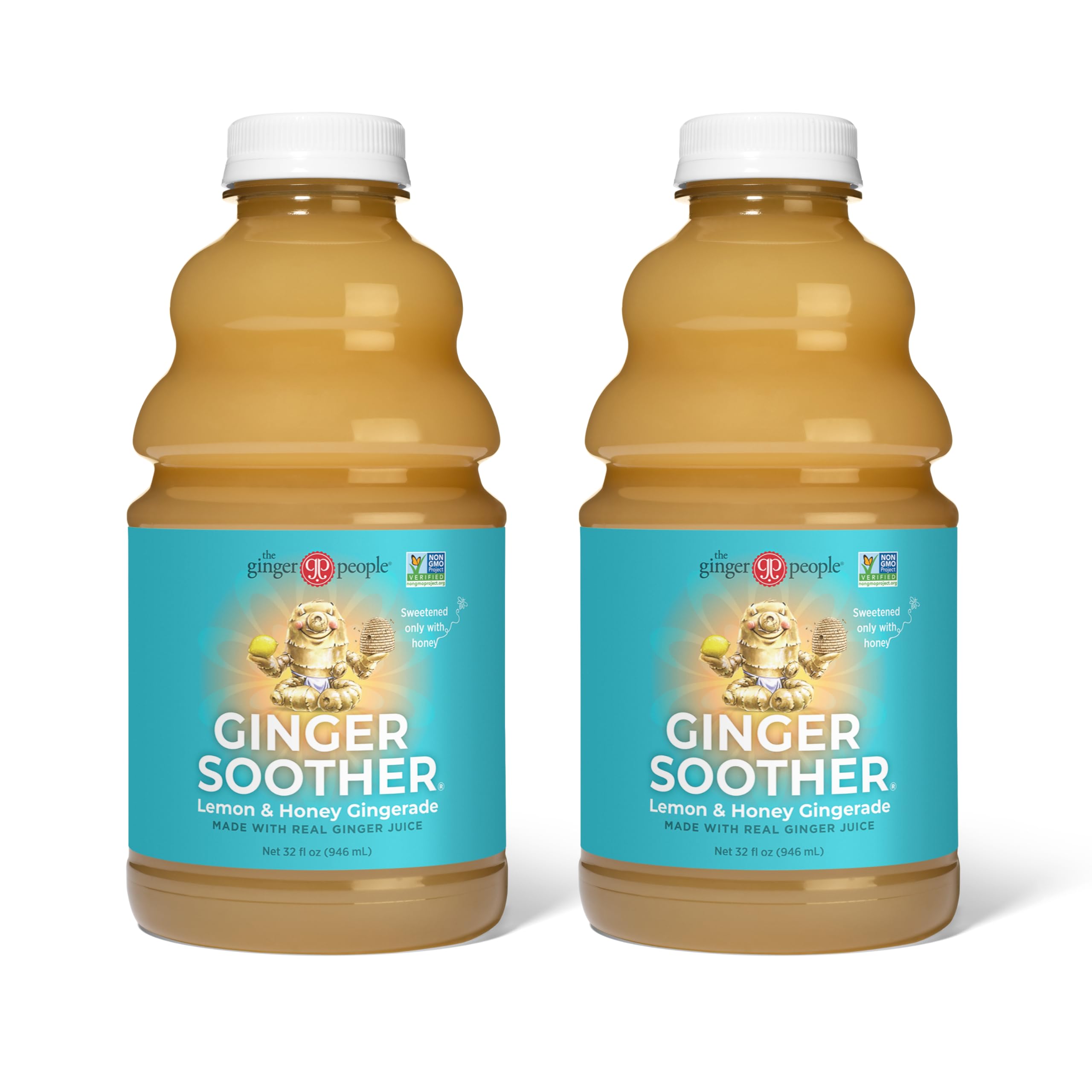
The Ginger People have been producing ginger products for nearly 40 years, and this Lemon & Honey Gingerade reflects that expertise. It is a non-carbonated, homespun elixir made with fresh ginger, turmeric, lemon, and honey—no artificial sweeteners, no concentrates, just whole botanicals steeped into a warming tonic.
The gingerol compounds in fresh ginger are well-documented for their anti-nausea and anti-inflammatory effects, making this an excellent option for motion sickness, morning sickness, or post-meal bloating. The honey provides a gentle sweetness while also acting as a natural antimicrobial that supports throat and gut lining health.
Users with gastroparesis reported this as one of the first drinks that provided tangible stomach relief. It can be enjoyed cold from the fridge or warmed up for a soothing effect. The price per ounce is better than buying individual ginger shots, though local retail may offer a lower cost than Amazon for this specific product.
Why it’s great
- Real fresh ginger and turmeric without extracts or flavorings
- Non-carbonated—gentle on sensitive digestive systems
- Works hot or cold; versatile for daily soothing routines
Good to know
- Ginger flavor is strong and may feel intense for some
- Can sometimes be found cheaper in local grocery stores
5. Sunsweet Prune Juice
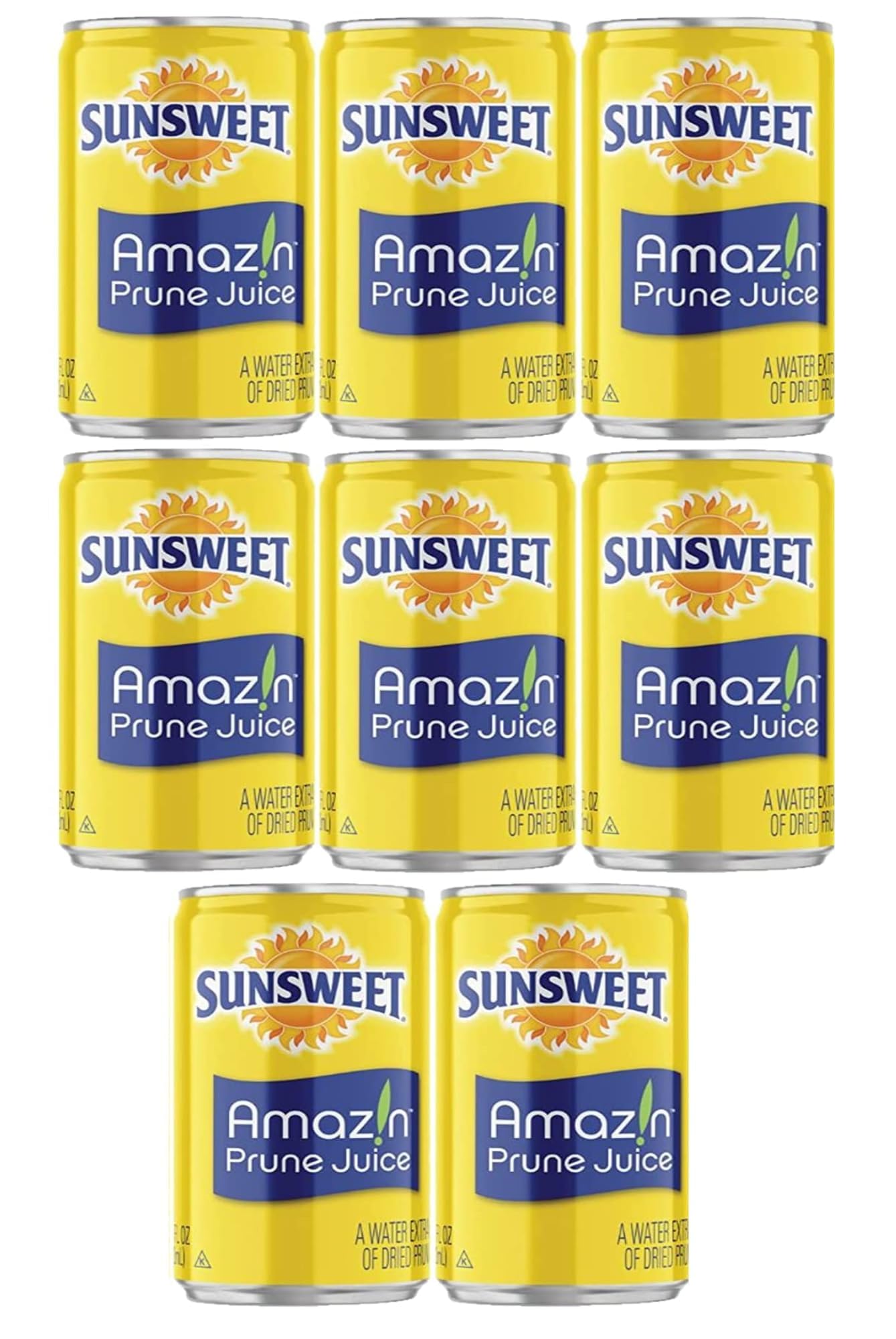
Sunsweet Amazin Prune Juice delivers 3 grams of fiber per 7.5-ounce can, making it a straightforward, no-frills solution for maintaining regularity. Prune juice contains sorbitol and dihydroxyphenyl isatin, naturally occurring compounds that stimulate colon contractions and soften stool without the harshness of synthetic laxatives.
The flavor is moderately sweet with a pleasant tart finish—far less cloying than many fruit nectars. The 8-pack of small cans makes portion control easy, and the shelf-stable format means you can stash them in a desk drawer, gym bag, or travel kit without refrigeration until opened.
Frequent buyers appreciate the reliable digestive rhythm this juice establishes. Reviews note that it leaves you feeling “clean inside” and that the small can size is just enough for a single serving. It does not contain live probiotics or herbal blends, so it is best suited for those whose primary goal is constipation relief rather than comprehensive gut microbiome support.
Why it’s great
- Reliable natural fiber source for combating constipation
- Convenient single-serve cans—no measuring or refrigeration needed
- Pleasant prune flavor that avoids medicine-like aftertaste
Good to know
- No probiotics or prebiotics—only fiber for regularity
- Limited application beyond bowel movement support
FAQ
Can digestive juice replace a daily probiotic supplement?
How much ginger is safe to consume daily in a tonic?
Will prune juice cause dependency for bowel movements?
What makes Ayurvedic digestive juice different from Western herbal tonics?
Can I drink sparkling probiotic juice if I have IBS or acid reflux?
Final Thoughts: The Verdict
For most users, the best digestive juice winner is the Kapiva Digesti Care Juice because its five-herb Ayurvedic formulation tackles both acidity and bloating at the root level rather than just symptom management. If you want a dual-action daily drink that delivers both prebiotics and live probiotics in a sparkling, soda-like format, grab the wildwonder Sparkling Probiotic Drink. And for targeted electrolyte recovery with an enormous probiotic punch, nothing beats the Olive My Pickle Probiotic Pickle Juice.

Mo Maruf
I created WellFizz to bridge the gap between vague wellness advice and actionable solutions. My mission is simple: to decode the research and give you practical tools you can actually use.
Beyond the data, I am a passionate traveler. I believe that stepping away from the screen to explore new environments is essential for mental clarity and physical vitality.