Our readers keep the lights on and my smoothie glass nicely filled. As an Amazon Associate, I earn from qualifying purchases.
The search for a satisfying sweet snack that doesn’t sabotage your daily intake goals often ends in disappointment. Many so-called “diet” options are either packed with artificial sweeteners that upset digestion or so low in protein and fiber that they leave you hungry within the hour. Real progress requires a gummy that actively supports your nutrition targets, not one that simply removes sugar and hopes for the best.
I’m Mohammad Maruf — the founder and writer behind WellFizz. I’ve analyzed dozens of gummy formulations by digging into their fiber sources, protein counts, sugar alcohol profiles, and calorie-per-serving ratios to separate truly functional snacks from marketing fluff.
Whether you need a post-workout protein boost, a keto-friendly fiber fix, or a clean-label vegan treat, finding the best diet gummies means matching your specific macros, texture preference, and dietary restrictions to a product that actually delivers on its label.
How To Choose The Best Diet Gummies
Selecting a diet-friendly gummy requires more than just scanning the calorie count. You need to evaluate the primary macronutrient source, the type of sweetener used, and how the gummy texture affects portion control. A gummy that is low in calories but high in sugar alcohols may cause digestive distress, while one that relies on gelatin offers protein but may not fit a plant-based plan.
Protein Density and Satiety
Gummies with at least 10 grams of protein per serving can function as a legitimate mini-meal or post-workout snack. Look for pea protein or collagen peptides as clean sources. Avoid products that use protein as a marketing afterthought with less than 5 grams per serving — those are candy with a label, not functional nutrition.
Sweetener Profile and Gut Tolerance
Allulose, monk fruit, and stevia are the most gut-friendly sugar alternatives for diet gummies. Sorbitol and maltitol are cheaper but frequently cause bloating and gas. If the label lists “sugar alcohol blend” without specifics, proceed with caution — your digestive system will thank you for choosing a product with transparent sweetener disclosure.
Fiber Type for Fullness
Glucomannan (from konjac root) and inulin are the two most common fiber sources in diet gummies. Glucomannan expands in the stomach to promote satiety, making it ideal for weight management. Inulin supports gut bacteria but can cause gas in sensitive individuals. A gummy with 3 or more grams of fiber per serving genuinely contributes to your daily intake goals.
Quick Comparison
On smaller screens, swipe sideways to see the full table.
| Model | Category | Best For | Key Spec | Amazon |
|---|---|---|---|---|
| OAKA Protein Gummies | High Protein | Post-workout recovery | 20g protein per bag | Amazon |
| Dally Variety Konjac Jelly | Konjac Fiber | Satiety and hydration | 10 calories per pouch | Amazon |
| Snack Owl Sour Gummy | Vegan Sour | Candy craving swap | 2g sugar per bag | Amazon |
| High-Fiber Keto Snacks | Collagen + Fiber | Keto snacking | Bovine collagen & glucomannan | Amazon |
| Buck Naked Bears | Plant-Based | Clean-label vegan treat | Real fruit juice base | Amazon |
In‑Depth Reviews
1. OAKA Protein Gummies (6-Pack)
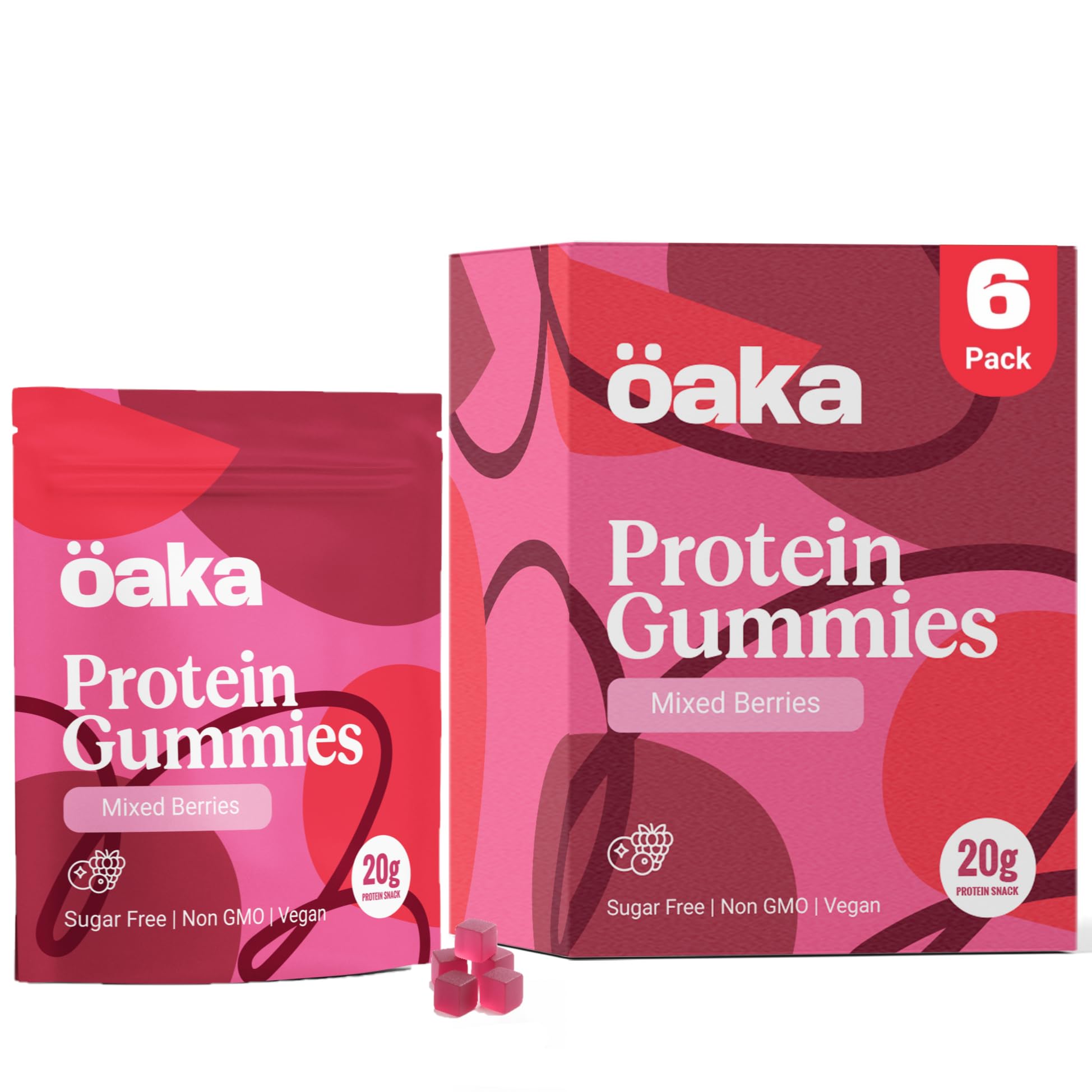
Each single-serving bag delivers 20 grams of pea protein with only 85 calories and zero sugar, making this the most macro-dense option in the group. The mixed berry flavor avoids the chalky aftertaste common to plant protein snacks, and the gummy cube texture is chewy without being sticky, which helps prevent that unpleasant teeth-sticking sensation.
Beyond protein, the formula includes 2 grams of fiber per bag, supporting digestive health while you refuel. The resealable pouch design fits easily into a gym bag or car cupholder, which matters when you need a mess-free post-workout option. Customer feedback highlights the absence of GI distress — a major win for a sugar-free product using pea protein as its base.
The 6-pack configuration offers a solid weekly supply, though some users noted that the per-bag cost runs higher than traditional protein bars. For anyone tracking macros closely, the protein-to-calorie ratio here is exceptional. If your goal is to curb hunger while building muscle, this is the most effective diet gummy on the list.
Why it’s great
- 20 grams of plant protein per serving is unmatched in the category
- No sugar alcohols means minimal digestive upset
- Resealable pouch design supports on-the-go use
Good to know
- Six-pack runs out quickly for daily protein supplementation
- Mixed berries flavor may not appeal to all palates
2. Dally Variety Konjac Jelly (10-Pack)
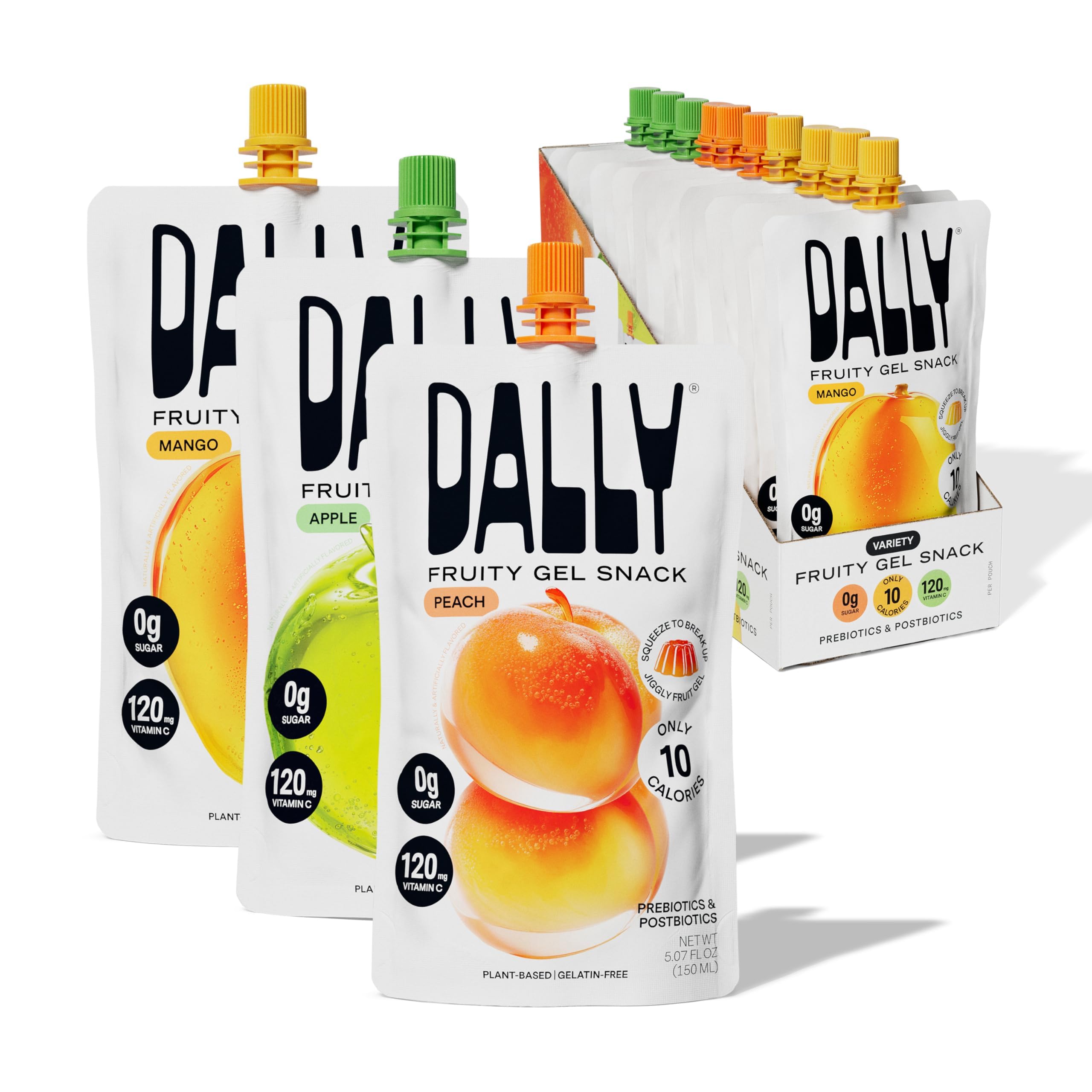
Dally takes a completely different approach — instead of protein, it leverages glucomannan fiber from konjac root to create a filling, almost slushy-textured snack at just 10 calories per pouch.
The texture is the defining feature here: squish the pouch to break the jelly before sipping, and you get a refreshing, hydrating experience that genuinely tricks your stomach into feeling full. Fans of Korean konjac jelly snacks will recognize the format immediately. Users report that chilling the pouches enhances the flavor and makes the jelly even more satisfying on warm days.
The main trade-off is portion size — each pouch is relatively small, and the texture takes a moment to get used to if you expect standard gummy chew. But for anyone focused on volume eating and low-calorie density, this is the most creative and satiating option among the diet gummies.
Why it’s great
- Extremely low calorie density promotes fullness without energy intake
- Prebiotic and postbiotic blend supports gut microbiome diversity
- Portable, mess-free pouch format works for busy schedules
Good to know
- Unusual jelly texture may not satisfy a gummy chew craving
- Pouch opening is small, making it tricky to access all contents
3. Snack Owl Vegan Sour Gummy Candy (6-Pack)
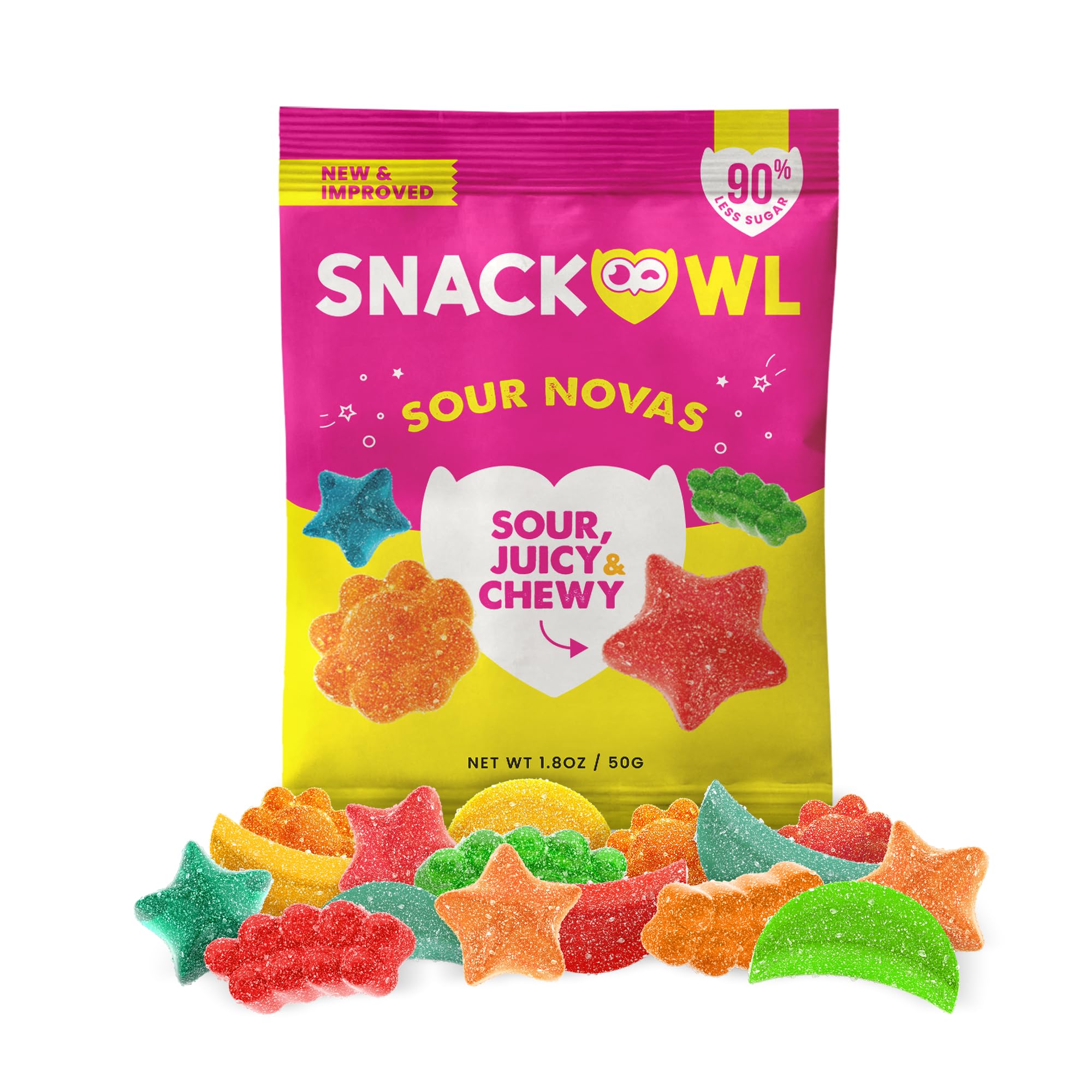
Snack Owl positions its Sour Nova flavor as a direct competitor to traditional sour gummy candies, and it delivers on that promise with a soft, chewy texture and a sour-then-sweet flavor profile. Each single-serving bag contains only 2 grams of sugar and 90 calories, sweetened with allulose — a rare sugar that does not spike blood glucose and causes far less digestive distress than standard sugar alcohols.
The plant-based formula is entirely free of gelatin, making it suitable for vegans and those avoiding animal products. Customer reviews consistently praise the texture as superior to other sugar-free gummy alternatives, noting that it does not become sticky or hard. Some users reported mild gas from the fiber content, but this was not a widespread complaint compared to products using maltitol or sorbitol.
The 6-pack format offers good value per bag compared to single-serve premium gummies. If your primary goal is to replace a candy habit with a low-sugar, low-calorie alternative that still tastes like the real thing, Snack Owl is the most convincing candy dupe in this lineup.
Why it’s great
- Allulose sweetener avoids the bitter aftertaste and GI issues of stevia or maltitol
- Full-bag serving provides a generous treat without guilt
- Vegan and gluten-free formulation meets most dietary restrictions
Good to know
- Sour coating can be intense for sensitive palates
- Per-bag price is higher than conventional candy alternatives
4. High-Fiber Keto Snacks with Collagen
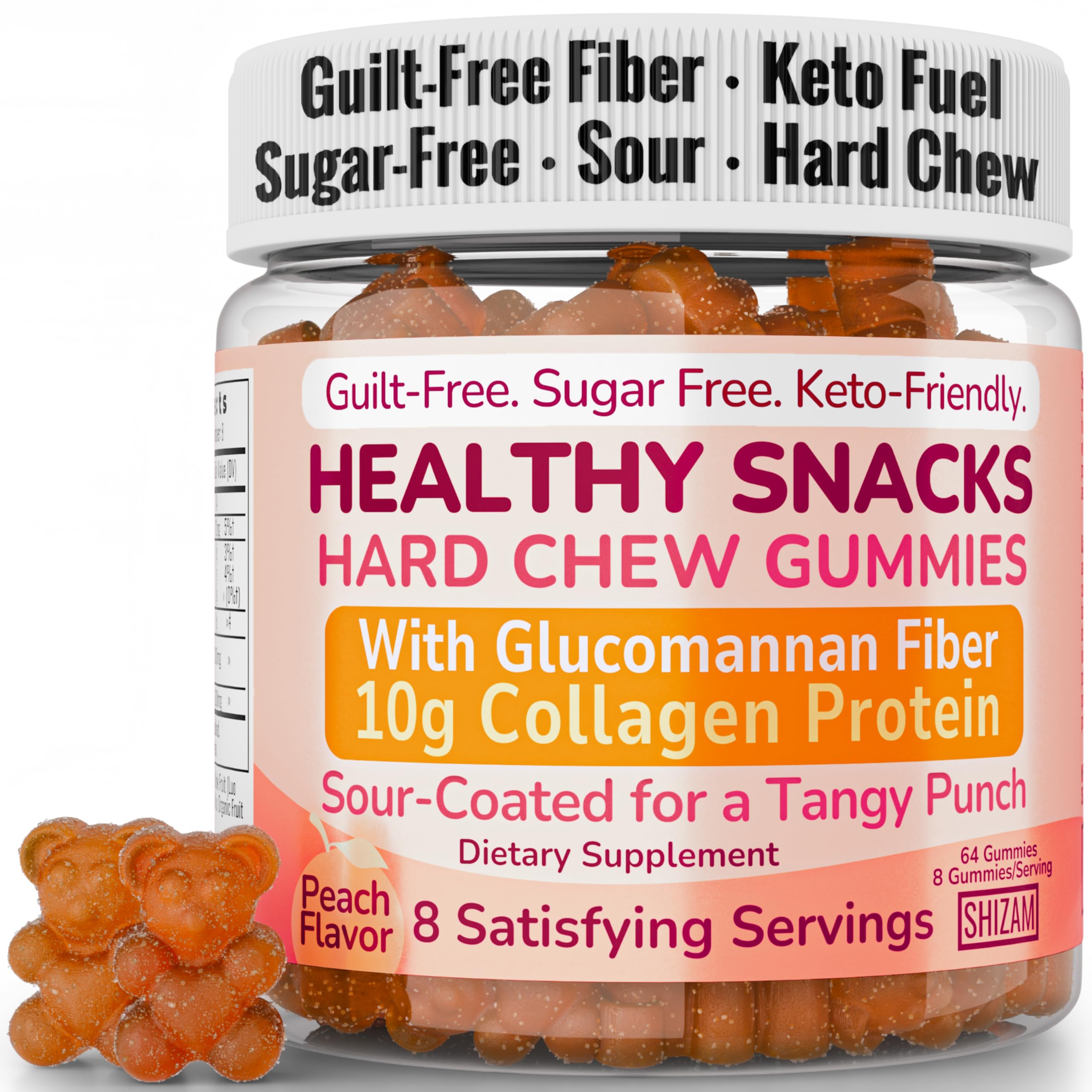
Each serving of these gummies provides bovine collagen peptides for skin and nail support alongside glucomannan prebiotic fiber for digestive health — a dual-action functional profile that stands out in the diet gummy space. The sour peach flavor is coated in a tart layer that some users find pleasantly tangy, while others describe the coating as bitter. The texture is notably firmer than standard gummies, encouraging slower, more mindful eating.
At 8 gummies per serving and only 8 servings per bottle, the daily cost per serving is moderate. The product is sugar-free, gluten-free, and keto-friendly, sweetened with monk fruit and stevia. The manufacturer produces the gummies in a GMP- and HACCP-certified facility, which adds a layer of quality assurance that budget-friendly alternatives often lack.
The biggest caveat is the labeling discrepancy reported by some customers — the online listing may not clearly indicate bovine collagen content, which is critical for vegetarians. If you are comfortable with collagen and want a fiber-forward gummy that supports hair and nail health, this is a solid mid-range pick.
Why it’s great
- Combines collagen protein with glucomannan fiber for dual functional benefit
- GMP and HACCP certifications ensure production quality
- Hard chew texture promotes portion awareness
Good to know
- Sour coating can taste bitter or unpleasant to some users
- Bovine collagen not suitable for vegetarians or vegans
5. Buck Naked Bears – Blackberry Aronia Berry (3-Pack)
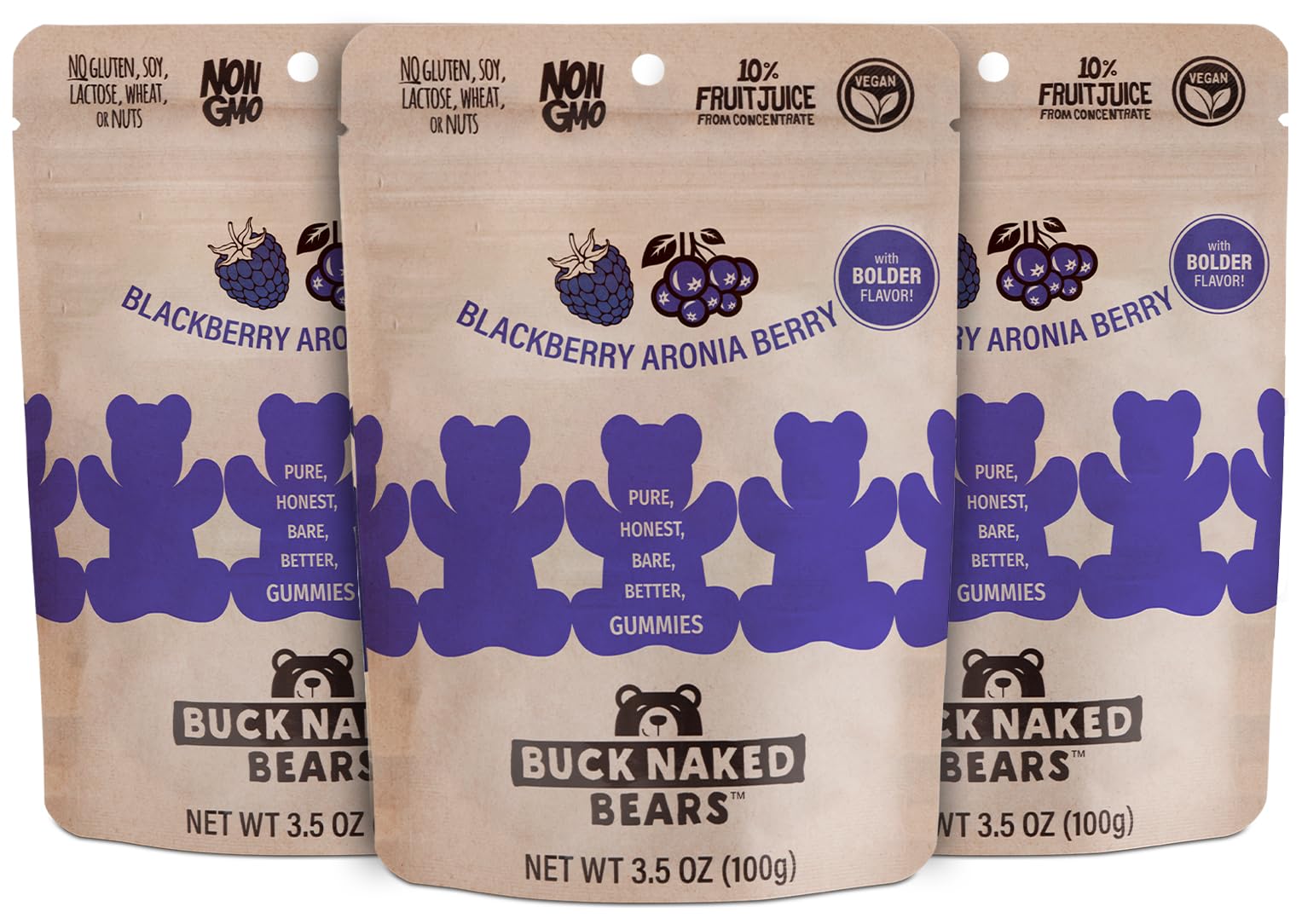
Buck Naked Bears take a back-to-basics approach: larger, softer gummy bears made with real blackberry and aronia berry juice, no artificial additives, and a vegan-friendly pectin base. Each bear is notably bigger than standard gummy candy, which makes a few pieces feel like a genuine snack rather than a tease. The texture is soft and smooth, avoiding the rubbery chew that some plant-based gummies develop.
The nutritional profile is lower in sugar and calories compared to mainstream gummy bears, but this is not a high-protein or high-fiber functional snack. It serves best as a healthier alternative to candy — a clean-label swap for when you just want something sweet without the synthetic ingredients. The 3-pack format provides three 3.5-ounce bags, which is reasonable for occasional use.
Customer feedback consistently praises the flavor balance: sweet enough to satisfy but not cloying. If your priority is a non-GMO, vegan gummy with recognizable ingredients, Buck Naked Bears delivers exactly that. However, for anyone needing significant protein or fiber from their diet gummy, this option falls short of the functional contenders higher on the list.
Why it’s great
- Made with real fruit juice for authentic flavor
- Soft, smooth texture avoids the tough chew of many plant-based gummies
- Non-GMO certification and clean ingredient list
Good to know
- Low protein and fiber content limits functional snacking role
- Small bag size may feel insufficient for regular use
FAQ
Can diet gummies replace a meal or protein shake?
Why do some sugar-free gummies cause gas and bloating?
Are konjac jelly pouches safe to eat?
Final Thoughts: The Verdict
For most users, the best diet gummies winner is the OAKA Protein Gummies because it packs 20 grams of plant-based protein into a single 85-calorie bag without sugar alcohols or digestive distress. If you want a low-calorie, high-satiety snack built on fiber and hydration, grab the Dally Variety Konjac Jelly. And for a candy-to-craving swap that tastes like the real thing without the sugar spike, nothing beats the Snack Owl Sour Gummies.

Mo Maruf
I created WellFizz to bridge the gap between vague wellness advice and actionable solutions. My mission is simple: to decode the research and give you practical tools you can actually use.
Beyond the data, I am a passionate traveler. I believe that stepping away from the screen to explore new environments is essential for mental clarity and physical vitality.