Our readers keep the lights on and my smoothie glass nicely filled. As an Amazon Associate, I earn from qualifying purchases.
A down jacket for hiking needs to balance three things: warmth-to-weight ratio, packability, and weather resistance. Pick wrong, and you are either sweating under a stationary puff or shivering in a wind-exposed alpine saddle. The fill power, shell fabric denier, and draft-proofing details separate a true trail piece from a casual commuter coat.
I’m Mohammad Maruf — the founder and writer behind WellFizz. I’ve spent countless hours dissecting insulation technologies and real-world user feedback to determine which down jackets actually hold up on multi-day approaches and summit pushes.
Whether you need a waterproof belay parka or a mid-layer for fast-and-light trips, this guide breaks down the nine best models available right now for finding your ideal best down jacket for hiking.
How To Choose The Best Down Jacket For Hiking
The hiking trail exposes every weakness in a down jacket. Fit that is too tight restricts layering. A shell denier below 20 snags on branches. Missing draft tubes leak heat when you stop for a snack. Here are the three critical factors to assess before clicking buy.
Fill Power and Down Quality
Fill power — the loft volume per ounce — is the primary warmth metric. A 700-fill jacket traps more air per gram than a 550-fill, so it feels warmer while weighing less and compressing smaller. For hiking, 700 to 800 fill represents the sweet spot. Budget jackets often use 550-600 fill, which works for casual use but adds bulk and weight you feel over miles. Always check if the down is RDS-certified (Responsible Down Standard) — this ensures ethical sourcing and, often, better quality control on quill content.
Shell Fabric and Weather Protection
A lightweight 10-denier shell saves ounces but tears easily against rock or branches. A 20D to 30D face fabric adds durability with minimal weight penalty. Look for a PFC-free DWR (durable water repellent) finish so light snow or drizzle beads off instead of soaking the down. For sustained rain, consider a piece with a waterproof membrane like Pertex Shield or Gore-Tex — these cost more but keep the insulation dry when you are caught in a storm miles from the trailhead.
Packability and Weight
Hiking jackets should compress into their own pocket or a small stuff sack. A true backpacking down jacket weighs between 10 and 16 ounces. Go heavier than 20 ounces and you are carrying a city coat, not a mountain layer. Check the packed size spec: a fist-sized bundle stows easily and leaves room for food and gear. Also verify whether the jacket includes a stuff pocket — the most convenient jackets use the internal handwarmer pocket as a compression storage pouch.
Quick Comparison
On smaller screens, swipe sideways to see the full table.
| Model | Category | Best For | Key Spec | Amazon |
|---|---|---|---|---|
| Rab Valiance Down Jacket | Premium | Wet winter mountaineering | 700-fill down, Pertex Shield waterproof shell | Amazon |
| Rab Microlight Alpine 700 | Premium | Alpine trekking & layering | 700-fill down, Pertex Quantum shell, ~12.8 oz | Amazon |
| Marmot Stockholm 700 Down | Premium | Urban-to-trail warmth | 700-fill down, 20D shell, adjustable hood | Amazon |
| Marmot Zeus 700-Fill Jacket | Mid-Range | Cold weather layering under shell | 700-fill down, packs into pocket, 10.5 oz | Amazon |
| North Face Aconcagua 3 Hooded (Men’s) | Mid-Range | Fall and shoulder-season hikes | 600-fill down blend, WindWall fabric, hooded | Amazon |
| North Face Aconcagua 3 (Women’s) | Mid-Range | Wind-resistant day hikes | 600-fill down blend, DWR finish, 100% recycled body | Amazon |
| Orolay Lightweight Packable Down | Budget | Travel and mild temps (40-60°F) | Duck down, quilted stand collar, packable | Amazon |
| Columbia Powder Lite II | Budget | Tail layering in sub-freezing temps | Omni-Heat reflective lining, synthetic/down blend, ~16 oz | Amazon |
| Columbia Voodoo Falls 590 Turbodown | Budget | Value warmth for light hiking | TurboDown blend, Omni-Heat reflective, 590 fill | Amazon |
In‑Depth Reviews
1. Rab Valiance Down Jacket
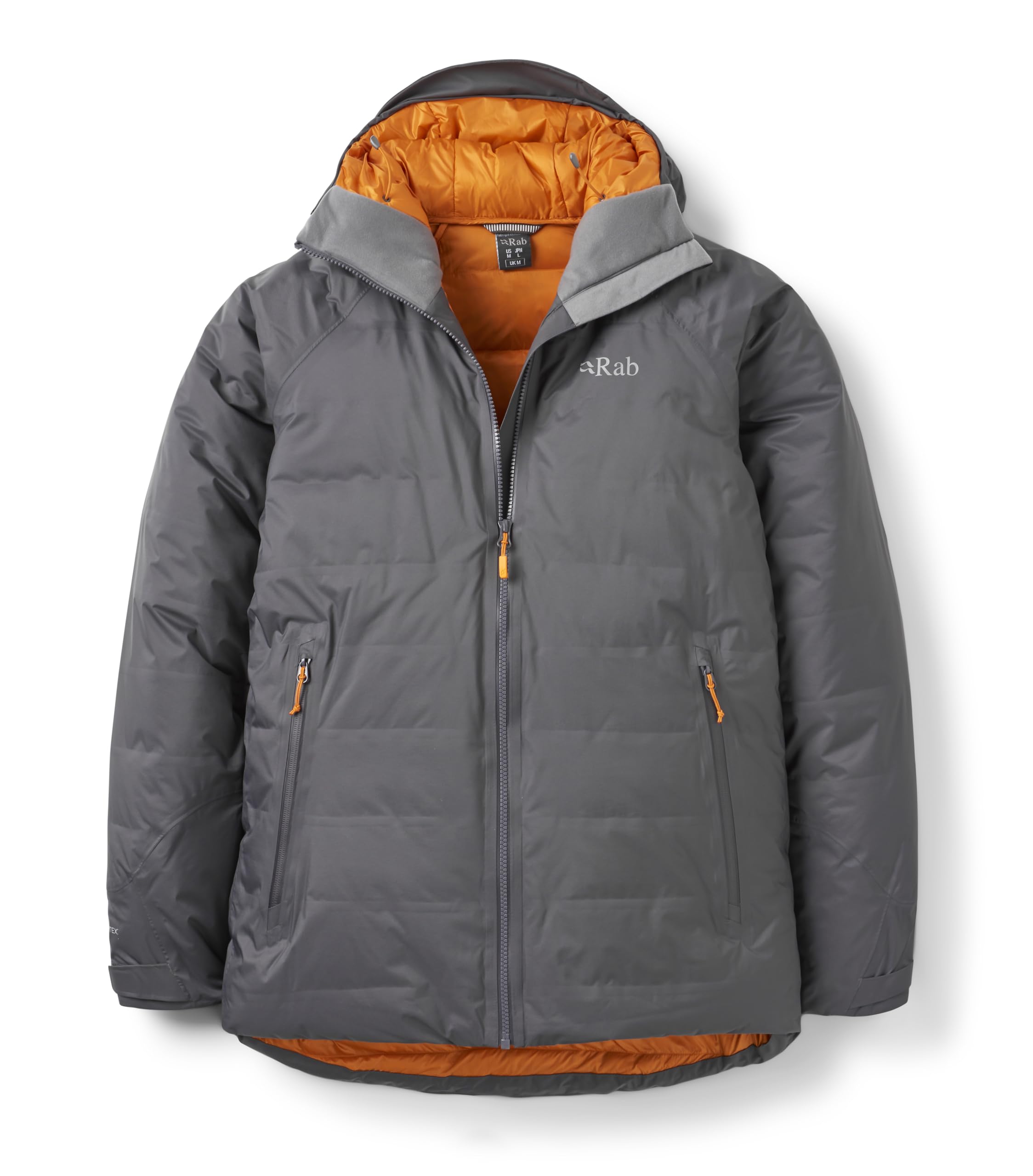
The Rab Valiance uses a fully waterproof Pertex Shield membrane bonded to a 20D face fabric, meaning you can hike through wet snow or persistent drizzle without the down collapsing. The 700-fill European goose down is treated with Nikwax hydrophobic finish, which retains loft when exposed to moisture far longer than untreated fill. At roughly 19 ounces, it is heavier than pure mid-layer jackets, but it replaces the need for a separate shell in many shoulder-season conditions.
Testers noted that the Valiance excels in wet, cold weather down to about 0°F with only a baselayer beneath. The helmet-compatible hood cinches snugly without interfering with peripheral vision, and the hem drawcords sit high enough to avoid catching on a climbing harness. The zipper runs on the left side — a European style detail — but the YKK zipper itself is robust and smooth. The internal pockets are large enough to warm a phone without adding uncomfortable bulk.
Where this jacket loses versatility is in high-output ascents; the waterproof membrane reduces breathability faster than a mid-layer puff, so you will need to vent pit zips or unzip when working hard. For the hiker who values dry insulation above all else — especially in Pacific Northwest or alpine environments — the Valiance is the definitive choice.
Why it’s great
- Fully waterproof and windproof shell eliminates need for separate rain layer
- Hydrophobic down treatment performs in sustained wet conditions
- Impressive warmth-to-weight ratio for a waterproof jacket
Good to know
- Heavier than standard down mid-layers at 19+ ounces
- Hood is non-removable and rustles against the ears
- Left-side zipper pull may feel unnatural for some users
2. Rab Microlight Alpine 700-Fill Hooded Jacket
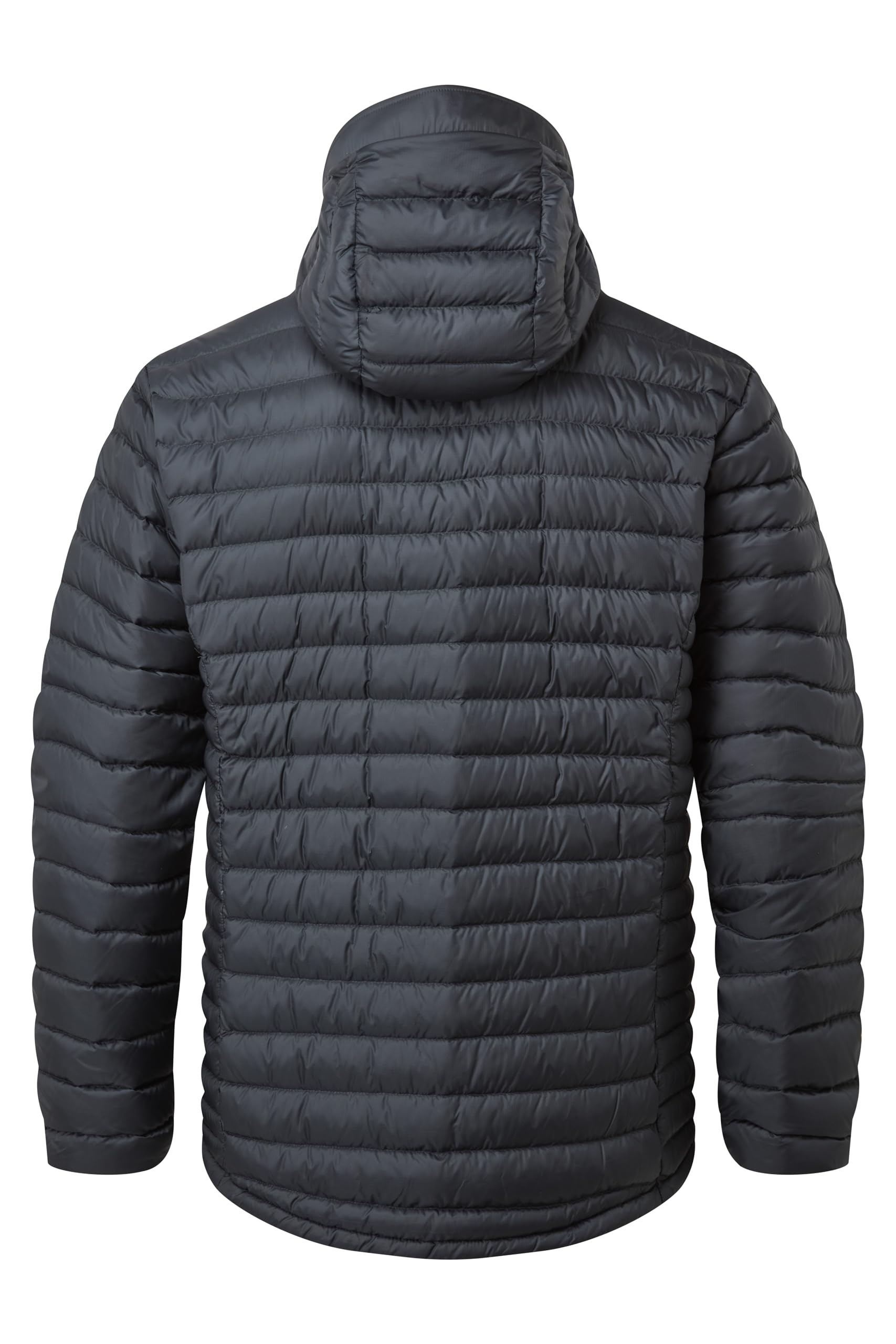
The Rab Microlight Alpine is built for active use on the trail. Its Pertex Quantum shell uses a 20D ripstop nylon that shaves weight to about 12.8 ounces while still offering enough wind resistance for exposed ridges. The 700-fill European goose down is fluorocarbon-free treated, providing moisture resistance between washes. Users consistently report that this jacket layers smoothly under a hardshell without binding at the shoulders.
The athletic fit is tailored enough to avoid flapping in wind but still accommodates a fleece or light mid-layer beneath. The hood is helmet-compatible and wired for stiffness, making it ideal for alpine use without goggles. Reviewers who tested it on multi-day treks in Patagonia noted that the jacket compresses into its own pocket to roughly the size of a Nalgene bottle, freeing critical backpack volume. The external zippered pockets are positioned high enough to stay accessible when wearing a climbing harness or backpack hip belt.
The main trade-off is water resistance: the Pertex Quantum shell beads light precipitation but soaks through under sustained rain. Hikers in dry, cold conditions will love the breathability, but those facing wet winters will want a shell over top. A few users also mentioned that the zipper feels slightly wimpy compared to heavier-duty jackets, though no failures were reported in the field.
Why it’s great
- Exceptional warmth-to-weight ratio at just 12.8 ounces
- Packs down small into its own pocket for easy stowage
- Tailored athletic fit layers well under a hardshell
Good to know
- Shell is not waterproof; requires separate rain layer in steady rain
- YKK zipper feels less robust than premium competitors
- Zipper pull located on left side (European standard)
3. Marmot Stockholm 700 Fill Down Puffer with Hood
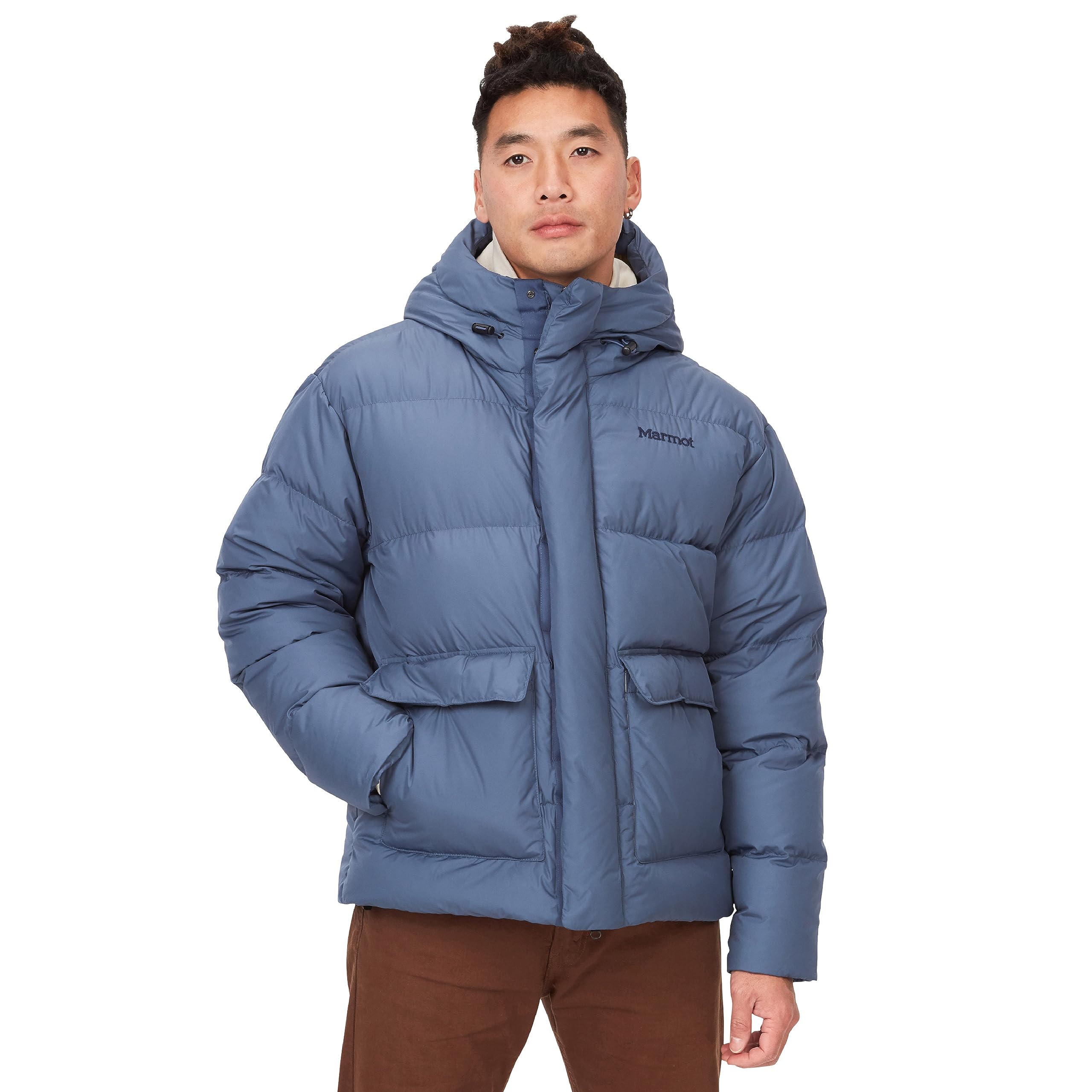
The Marmot Stockholm delivers 700-fill down in a fully featured parka-length cut that bridges the gap between trail function and city style. The 20D polyester shell is treated with a PFC-free DWR, providing reliable moisture shedding during light snow. Marmot uses recycled down and polyester in the construction, which earned it high marks among environmentally-minded hikers without sacrificing warm performance.
Testers in Anchorage and Fairbanks reported that the Stockholm stays warm during windy, subzero days when paired with a baselayer. The hood cinches with an adjustable drawcord, and the front zipper is backed by a draft flap to prevent heat loss. The two-way zipper makes it easy to access a harness or belt, and the internal stash pockets double as handwarmers. Reviewers appreciated that the jacket runs large — average builds can size down to avoid a baggy chest, while broader shoulders appreciate the extended room through the torso.
The biggest caveat is bulk: this is not a packable mid-layer. The parka length and heavier 20D shell mean it compresses less efficiently than the Rab Microlight. Movement can feel slightly restricted through the upper arms due to the boxy cut. It is the best choice for hikers who want one jacket for the trailhead, the campsite, and the post-hike dinner in town.
Why it’s great
- Warm and wind-resistant down to subzero temperatures
- Made with recycled down and fabrics for lower environmental impact
- Parka-length design covers the hips for extra warmth
Good to know
- Not very packable for stowing in a small backpack
- Boxy fit through the chest and arms limits mobility
- Runs large; sizing down is recommended for slim builds
4. Marmot Zeus 700-Fill Insulated Jacket
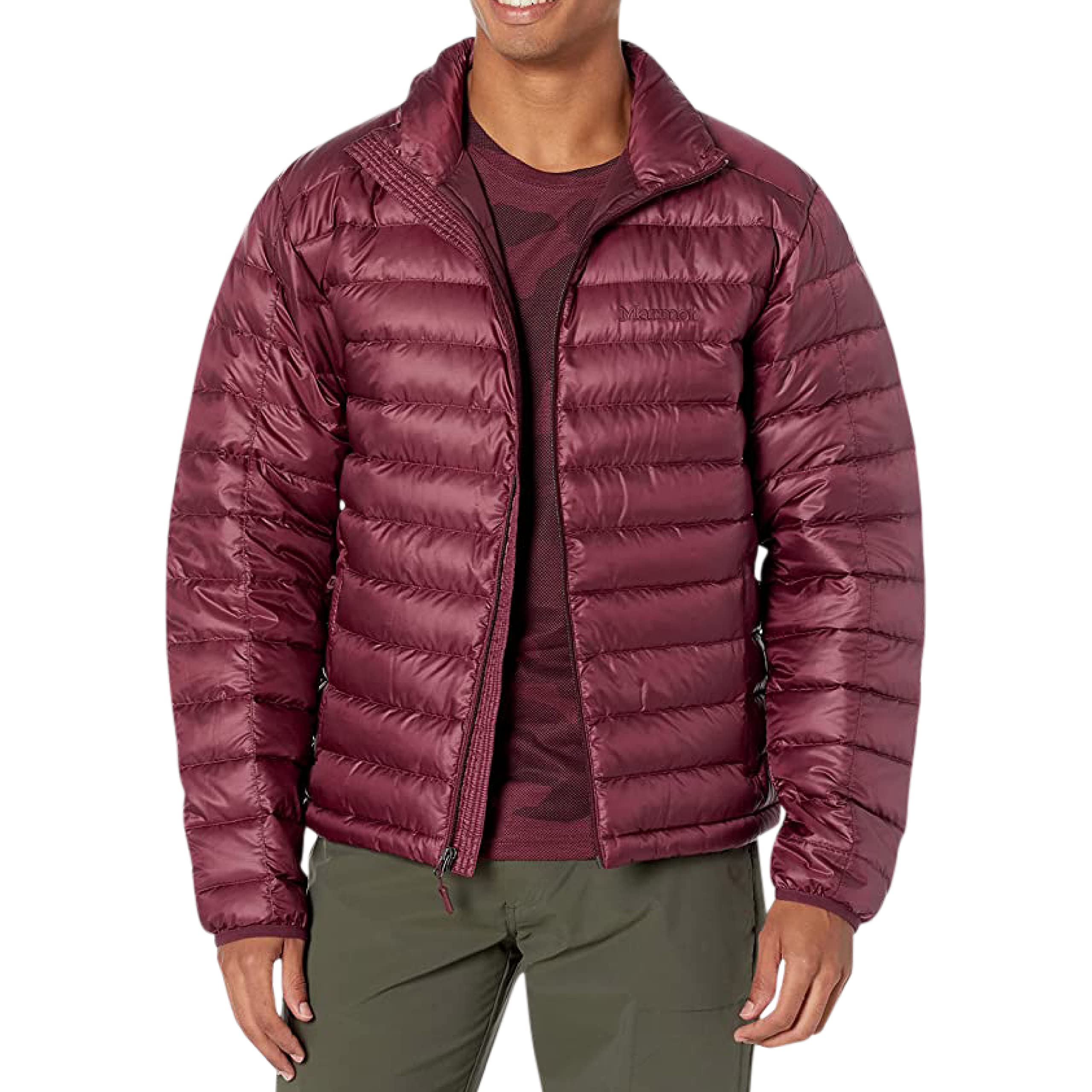
At just 10.5 ounces, the Marmot Zeus is a featherweight 700-fill down layer ideal for minimum-impact ultralight trips. The 10D nylon shell feels paper-thin but is reinforced with a DWR finish to shrug off light mist. The jacket compresses into its own hand pocket, resulting in a palm-sized bundle that weighs almost nothing in your pack. Users consistently call it surprisingly warm for its weight, with testers comfortable in single-digit Fahrenheit temperatures when layered under a wind shell.
The Zeus is designed exclusively as a mid-layer. It lacks a hood and uses a simple zip-front closure with two external hand pockets. Sizing is snug — the athletic cut fits closely to the body to maximize the warmth of a thin down layer. Tall and broad-shouldered hikers should size up for mobility. The jacket packs down into a 5x7x2-inch pouch for camp use or emergency warmth on cold summits. Reviewers noted that the zipper pockets are a bit fiddly with gloved hands, but the trade-off is accepted for the weight savings.
Durability is the Zeus’s limiting factor. The ultra-thin 10D face fabric requires careful handling around camp stoves and sharp brush. It is not meant for off-trail bushwhacking. For hikers who prioritize weight and warmth over ruggedness, the Zeus is a smart, budget-friendly addition to a layered system.
Why it’s great
- Ultralight at 10.5 ounces — barely noticeable on the trail
- Packs down to palm size for easy storage in any pack
- Impressively warm for the weight when layered correctly
Good to know
- 10D shell is fragile; snags easily on branches and gear
- Snug athletic fit may require sizing up for layering
- No hood — limits standalone use in wind or rain
5. The North Face Aconcagua 3 Hooded Jacket (Men’s)

The North Face Aconcagua 3 blends 600-fill recycled down with recycled polyester sheet insulation to create a temperature-tolerant jacket for fall hiking. The shell uses TNF’s WindWall technology, which effectively cuts cold breezes on exposed ridgelines. The attached three-piece hood cinches down with a single cord and holds in warmth without obstructing peripheral vision. Reviewers praised the jacket’s ability to handle temperatures in the 30s and 40s°F without overheating during moderate climbs.
The 100% recycled polyester body fabric has a soft hand feel that resists snags better than some lightweight shells. The fit is a standard regular cut, allowing for a fleece or light puffy underneath without binding. The zip-in compatible integration with other TNF outerwear means you can zip it into a mountain shell for extreme conditions. Users noted that the jacket is surprisingly water-resistant for its class, handling light snow and drizzle without the down wetting out.
The downside is that the 600-fill blend does not compress as well as pure 700-fill down. It also runs slightly large in the chest for some body types, and a small number of reviewers reported feather leakage through the shell seams. For a balanced, everyday hiking jacket with proven wind protection, the Aconcagua 3 is a reliable mid-range option.
Why it’s great
- WindWall fabric provides real wind blockage on exposed ridges
- 50/50 recycled down/synthetic blend performs better when wet than pure down
- Versatile warmth range for shoulder-season hiking
Good to know
- 600-fill blend does not compress as tightly as higher fill power down
- Some users reported minor feather leakage through seams
- Water resistance is adequate for light precipitation only
6. The North Face Women’s Aconcagua 3 Jacket
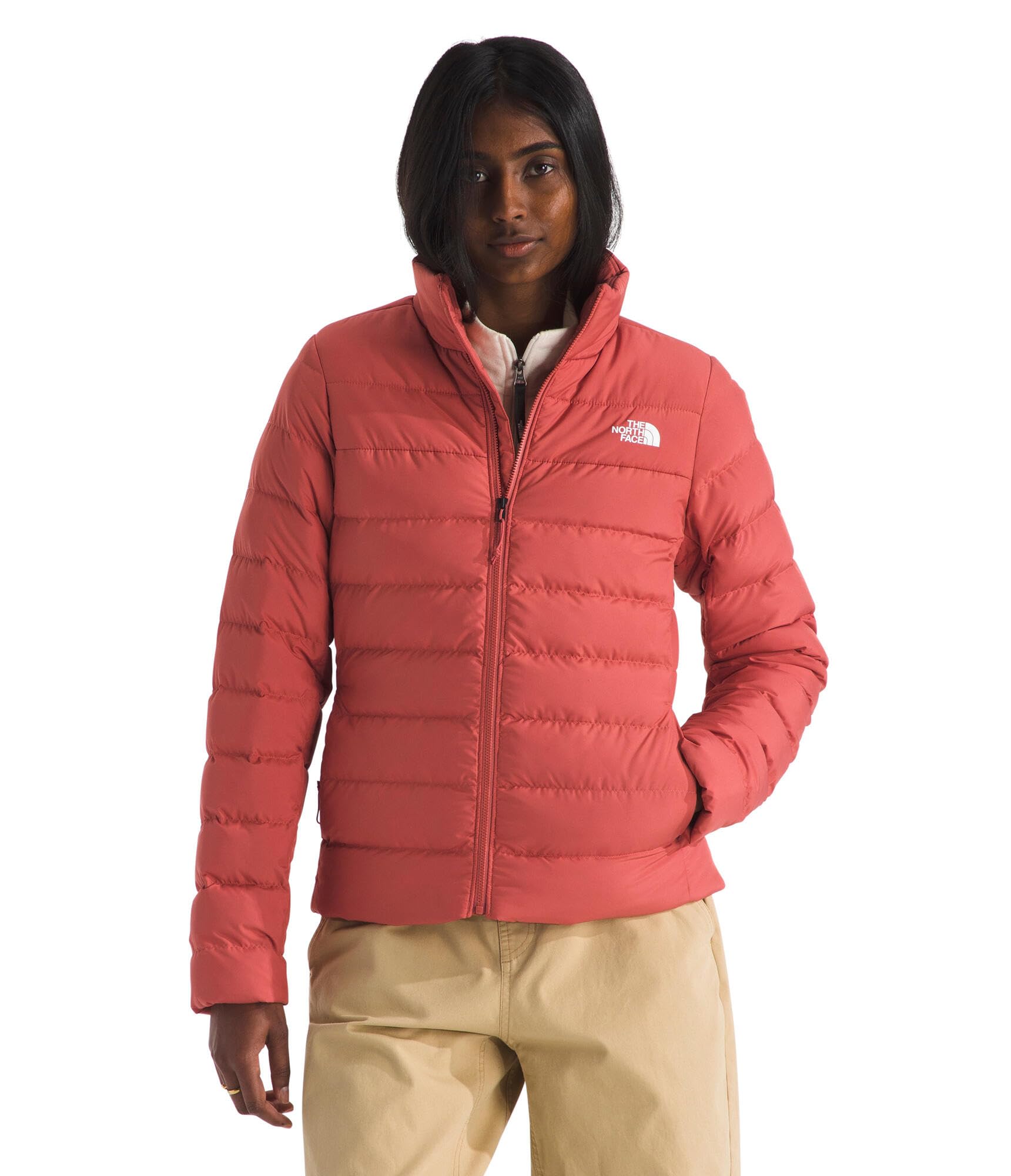
The women’s version of the Aconcagua 3 shares the same 50/50 recycled down and synthetic insulation blend, but the cut is tuned for a narrower shoulder and a more defined waist. The 600-fill recycled waterfowl down provides a warm, compressible core, while the zoned polyester sheet insulation in the arms reduces bulk during dynamic movement. The non-PFC DWR finish handles light rain and melting snow well enough for short day hikes in mixed weather.
Users who sized up for layering found the jacket comfortable for a week-long trip to Alaska, with enough warmth for sunny 20°F days without causing sweat build-up. The WindWall fabric blocks wind effectively, and the standard fit leaves room for a thin fleece. Reviewers appreciated the soft fabric hand and the fact that the jacket does not look like a typical puffy — the quilted pattern is subtle enough for daily wear. The zipper is smooth and the hood fits well over a knit hat.
The jacket’s weakness emerges during sustained wet snow or heavy rain — the DWR eventually wets out, and the down blend absorbs moisture. It is best suited to dry, cold days or as a mid-layer under a waterproof shell. A few users noted the sleeves felt long, so checking the sleeve measurement before ordering is wise.
Why it’s great
- Tailored women’s fit with less bulk through the arms
- Down and synthetic blend offers decent wet-weather performance
- Made with 100% recycled body fabric and insulation
Good to know
- Not sufficiently waterproof for heavy, sustained precipitation
- Sleeves may run long for some average-size women
- Fit-to-size sentiment is true to size, but layers require sizing up
7. Orolay Lightweight Packable Down Jacket (Women’s)

The Orolay Lightweight Packable Down Jacket is a budget-friendly option that punches above its price in the 40-60°F range. It uses duck down — a lower fill power than the goose down in premium jackets — but it stays warm and compressible for casual hikes and camp chores. The quilted stand collar traps heat without needing a hood, and the packability makes it a solid choice for hikers who want an emergency warmth layer that takes up minimal suitcase space.
Reviewers consistently praised the quality feel of the shell fabric, with several noting that the jacket looks more expensive than it is. At 5’4″ and 134 pounds, a Small fits with room for a sweater underneath. The jacket layers well under a rain shell for extra warmth on cold, damp days. The fabric is somewhat resistant to light rain and sun exposure, and the cut flatters a range of body shapes, including those with narrow shoulders and wider hips.
Duck down offers less loft than goose down, meaning the jacket is bulkier for the same warmth level. The fill power is not specified, but it is likely in the 550-600 range. The jacket is not suitable for below-freezing active use without a heavy mid-layer. Hikers who push into windy or wet alpine conditions should look to higher-end options. For budget-conscious travelers hiking in mild environments, the Orolay provides surprising value.
Why it’s great
- Excellent value for the build quality and duck down insulation
- Lightweight and packable for travel and day hikes
- Flattering shape accommodates different body types
Good to know
- Duck down has lower loft than goose down for the same weight
- Not warm enough for active use below 40°F without layering
- No hood — limited protection from wind and rain
8. Columbia Women’s Powder Lite II Jacket
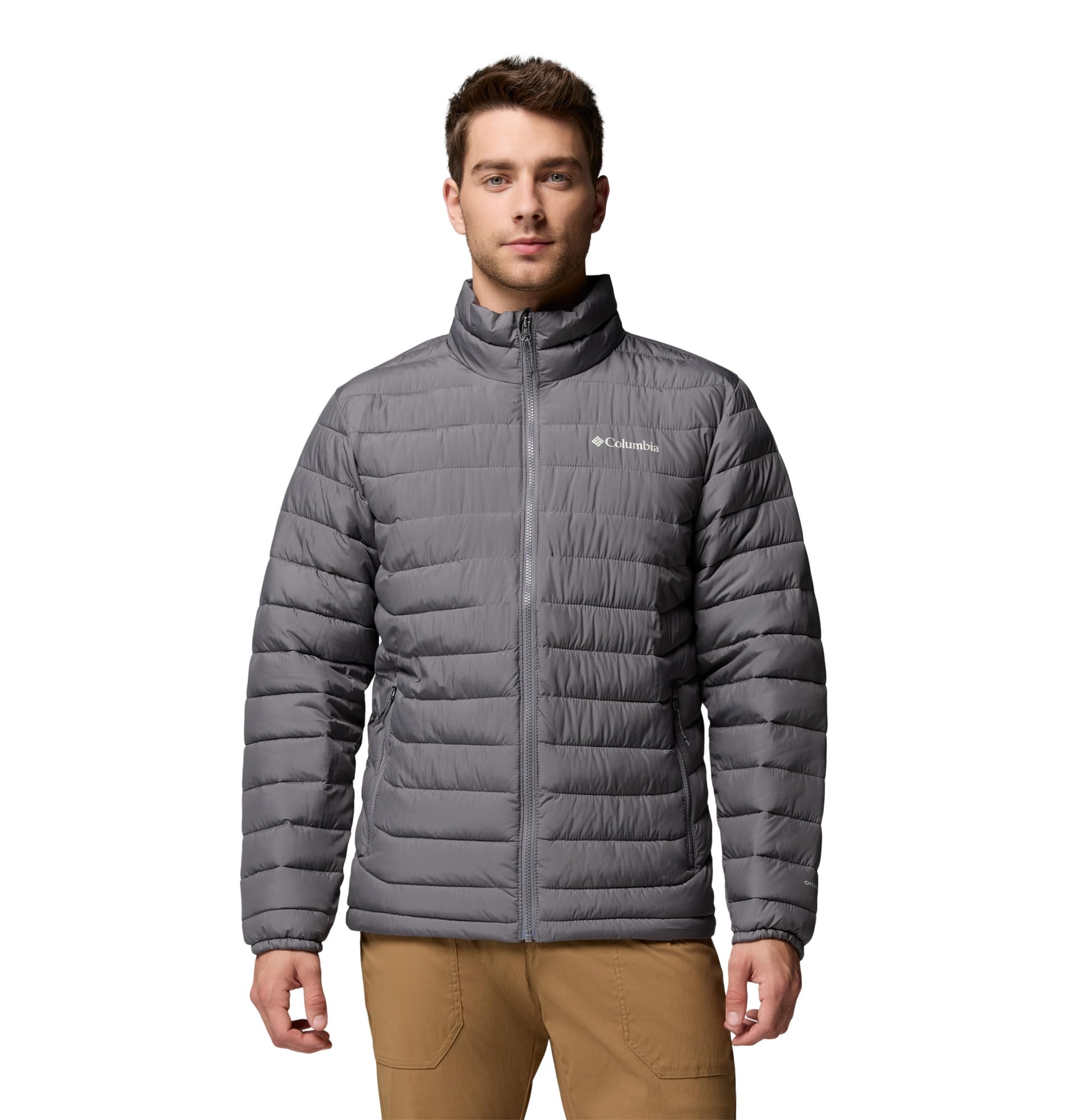
The Columbia Powder Lite II is a blend of synthetic insulation and Omni-Heat reflective dots — not pure down — but it fills the same packable, warm layer role at a budget price point. The thermal reflective lining bounces body heat back to you, making the jacket feel warmer than its 80g synthetic fill weight suggests. The shell uses a water-resistant fabric that handles light snow better than a traditional untreated down jacket. Tall hikers appreciated the long sleeves; the jacket fits true to size in a regular cut that accommodates both thin and thick layering.
The Powder Lite II is machine washable with minimal shrinkage, which is a major convenience over down jackets that require special care. Reviewers noted that after several washes, the jacket retained its shape and loft without any insulation clumping. The absence of a hood is the biggest functional limitation for hiking in wet or windy conditions — the exposed neck lets warmth escape. The powder skirt at the hem is a nice feature for snow play but adds a small amount of extra weight for pure hiking.
While the Omni-Heat technology works, it is not as compressible as down. The jacket does not pack into its own pocket, so it takes up more volume in a backpack. For hikers on a strict budget who hike primarily in dry, cold weather, the Powder Lite II delivers surprising warmth per dollar with the added benefit of easy care.
Why it’s great
- Omni-Heat reflective lining adds warmth without extra weight
- Machine washable with no special handling required
- Long sleeves are ideal for men over 6′ tall
Good to know
- Not as packable as pure down jackets
- No hood and no internal draft flap on the zipper
- Synthetic insulation has a lower warmth-to-weight ratio than down
9. Columbia Voodoo Falls 590 Turbodown II Jacket
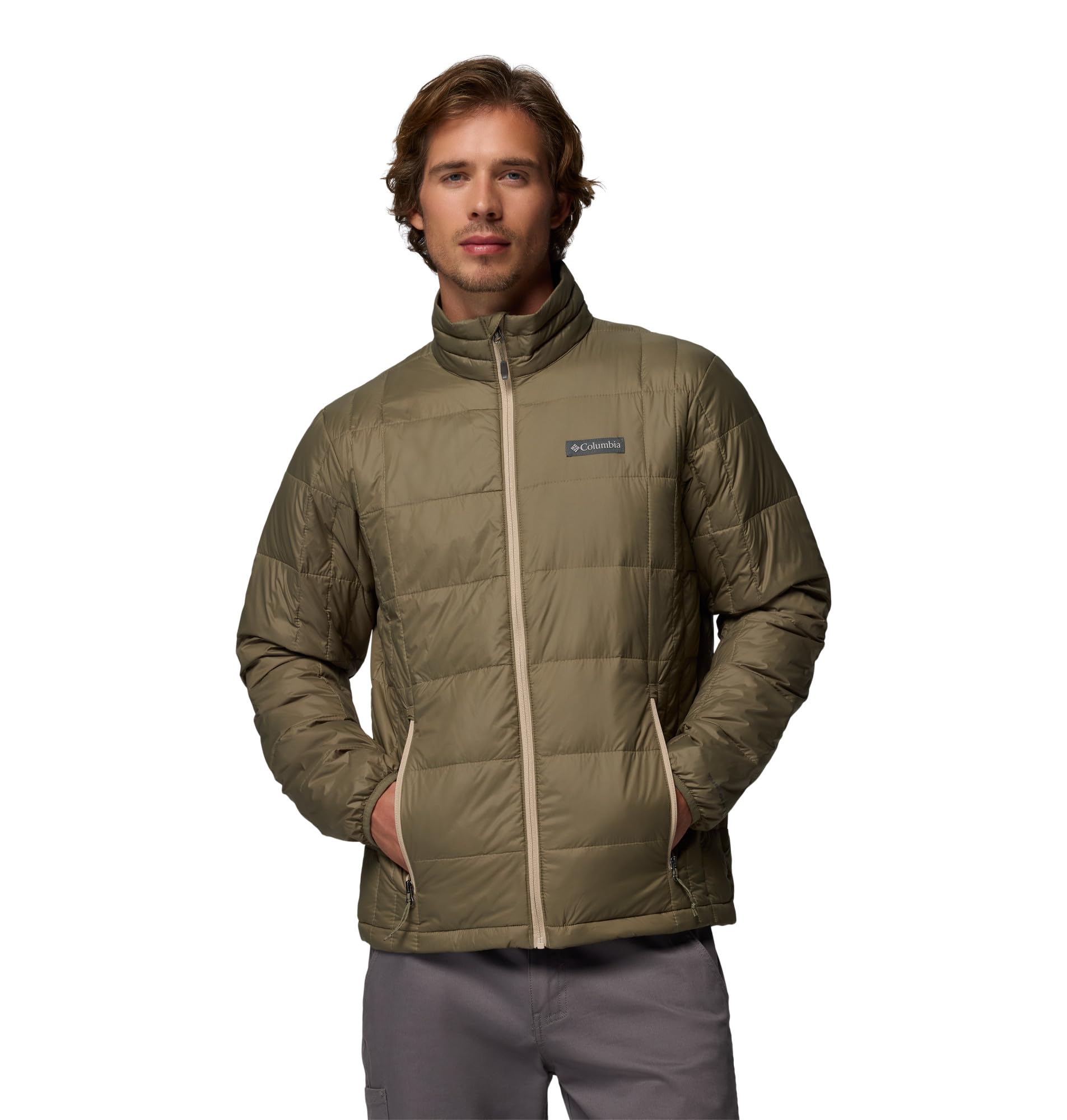
The Columbia Voodoo Falls 590 Turbodown II combines down insulation with synthetic fibers at a highly accessible price. The 590-fill power down is mixed with Columbia’s TurboDown synthetic technology, which ensures the fill stays lofty even in damp conditions. The jacket also includes Omni-Heat reflective dots across the lining, which add a noticeable warmth boost without extra bulk. Users reported that the jacket feels remarkably lightweight — almost like wearing a cloud — while still being warm enough for 40°F day hiking with just a tee. The tailored fit is trim but not restrictive, and the jacket layers easily inside a heavier shell for truly cold weather.
Hikers at 5’9” and 200 pounds found the Large fits well, and the sleeves are cut long enough to keep the wrists covered during active use. The jacket breathes well enough that users felt comfortable while moving at a moderate pace on flat terrain. The wind resistance is decent for a budget jacket, though sustained gusts do push through. The TurboDown technology helps the jacket dry faster than pure down when it does get damp from sweat or light mist.
The trade-offs are all in the details. The 590-fill down does not compress as small as higher fill options, and the jacket does not include a hood or a stuff pocket. The light colors show dirt and stains quickly, according to several owners. For entry-level hikers looking for a functional, warm, lightweight layer without spending heavily, the Voodoo Falls delivers remarkable value.
Why it’s great
- TurboDown blend resists moisture better than budget pure-down jackets
- Omni-Heat reflective lining boosts warmth for cold starts
- Ultra-lightweight and comfortable for active movement
Good to know
- No hood or internal stuff pocket for packability
- Light colors stain easily and require careful cleaning
- 590-fill down is less compressible than 700-fill or 800-fill
FAQ
Is 600-fill down warm enough for hiking above treeline?
How should I care for a down jacket after a muddy hike?
Can I wear a down jacket as my only layer for winter hiking?
What is the difference between goose down and duck down in jackets?
Final Thoughts: The Verdict
For most users, the best down jacket for hiking winner is the Rab Microlight Alpine 700-Fill because it nails the essential hiking criteria — outstanding warmth-to-weight ratio, excellent packability, and a durable shell that layers perfectly under a hardshell. If you need a fully waterproof down jacket for wet alpine seasons, grab the Rab Valiance. And for the budget-conscious hiker who wants reliable warmth without the premium price, nothing beats the Columbia Voodoo Falls 590 Turbodown II.

Mo Maruf
I created WellFizz to bridge the gap between vague wellness advice and actionable solutions. My mission is simple: to decode the research and give you practical tools you can actually use.
Beyond the data, I am a passionate traveler. I believe that stepping away from the screen to explore new environments is essential for mental clarity and physical vitality.