Our readers keep the lights on and my smoothie glass nicely filled. As an Amazon Associate, I earn from qualifying purchases.
A men’s down jacket should deliver warmth without turning you into a walking sleeping bag. The wrong one traps sweat, leaks feathers, or loses loft after a single season. I’ve spent weeks analyzing the current market, comparing fill power, shell fabrics, baffle construction, and real-world user feedback to separate the keepers from the duds.
I’m Mohammad Maruf — the founder and writer behind WellFizz. I spent hundreds of hours cross-referencing lab specs with verified buyer experiences to map out exactly which down jackets hold up in damp cold, alpine wind, and daily commutes.
The task of finding the true best men’s down jacket for your climate and budget demands more than scanning star ratings — it requires understanding how fill power interacts with shell durability and insulation density, which is exactly what this guide delivers.
How To Choose The Best Men’s Down Jacket
The insulation game is won or lost by three interlocking factors: the quality of the down, the integrity of the shell, and the precision of the fit. Here’s what separates a jacket that lasts five years from one that flattens by March.
Fill Power — The Real Measure of Loft
Fill power is the cubic inches one ounce of down occupies. A 600-fill jacket uses denser, heavier clusters — adequate for city winters. A 700-fill or 800-fill jacket traps more dead air per ounce, giving you identical warmth at significantly less weight. For a packable jacket you’ll wear active, aim for 700 or higher. For a stationary, budget-friendly layer, 600 is a solid baseline.
Shell Fabric — Down Proofing and Weather Resistance
The shell must be tight enough to prevent down migration (feathers poking through) while offering some wind and light moisture protection. Look for fabrics with a denier (D) count of 20D to 30D for packable jackets, and 40D or higher for tougher urban shells. DWR (Durable Water Repellent) coating is essential — untreated down saturated by rain loses nearly all insulating value.
Baffle Construction — Sewn-Through vs. Box
In sewn-through baffles, the inner and outer shell are stitched directly, creating thin spots at the seams where cold can seep in. Box baffles separate the layers, eliminating thermal bridges. Box construction is heavier and pricier but dramatically warmer. For below-freezing active use, box baffles are a significant upgrade. For casual wear, sewn-through is perfectly adequate.
Quick Comparison
On smaller screens, swipe sideways to see the full table.
| Model | Category | Best For | Key Spec | Amazon |
|---|---|---|---|---|
| Rab Men’s Microlight Alpine | Alpine | Backcountry & active layering | 700-Fill Down / Pertex® Shell | Amazon |
| The North Face Men’s McMurdo Bomber | Premium Urban | Harsh winter commuting | Waterproof / Waterfowl Down | Amazon |
| The North Face Aconcagua 3 Hooded | Mid-Range Hooded | All-around cold weather | 600-Fill / Attached Hood | Amazon |
| The North Face Aconcagua 3 Jacket | Mid-Range Standard | Daily warmth with style | 600-Fill / Wind & Water Resistant | Amazon |
| Columbia Men’s Powder Lite II Hooded | Value Hooded | Cold mornings with hood option | Omni-Heat Reflective / 550-Fill | Amazon |
| Columbia Men’s Powder Lite II Jacket | Value Standard | Fall layering or mild winters | Omni-Heat Reflective / Lightweight | Amazon |
| Columbia Voodoo Falls 590 Turbodown II | Entry-Level Hybrid | Budget warmth with weather resistance | TurboDown / Omni-Heat Reflect | Amazon |
| Tommy Hilfiger Packable Puffer | Style Packable | Travel & cool evenings | Real Down / Lightweight Shell | Amazon |
| Carinthia MIG 4.0 | Extreme Cold Tactical | Stationary & extreme cold | Thick Lined / Windproof Shell | Amazon |
In‑Depth Reviews
1. Rab Men’s Microlight Alpine 700-Fill Down Hooded Puffer Jacket
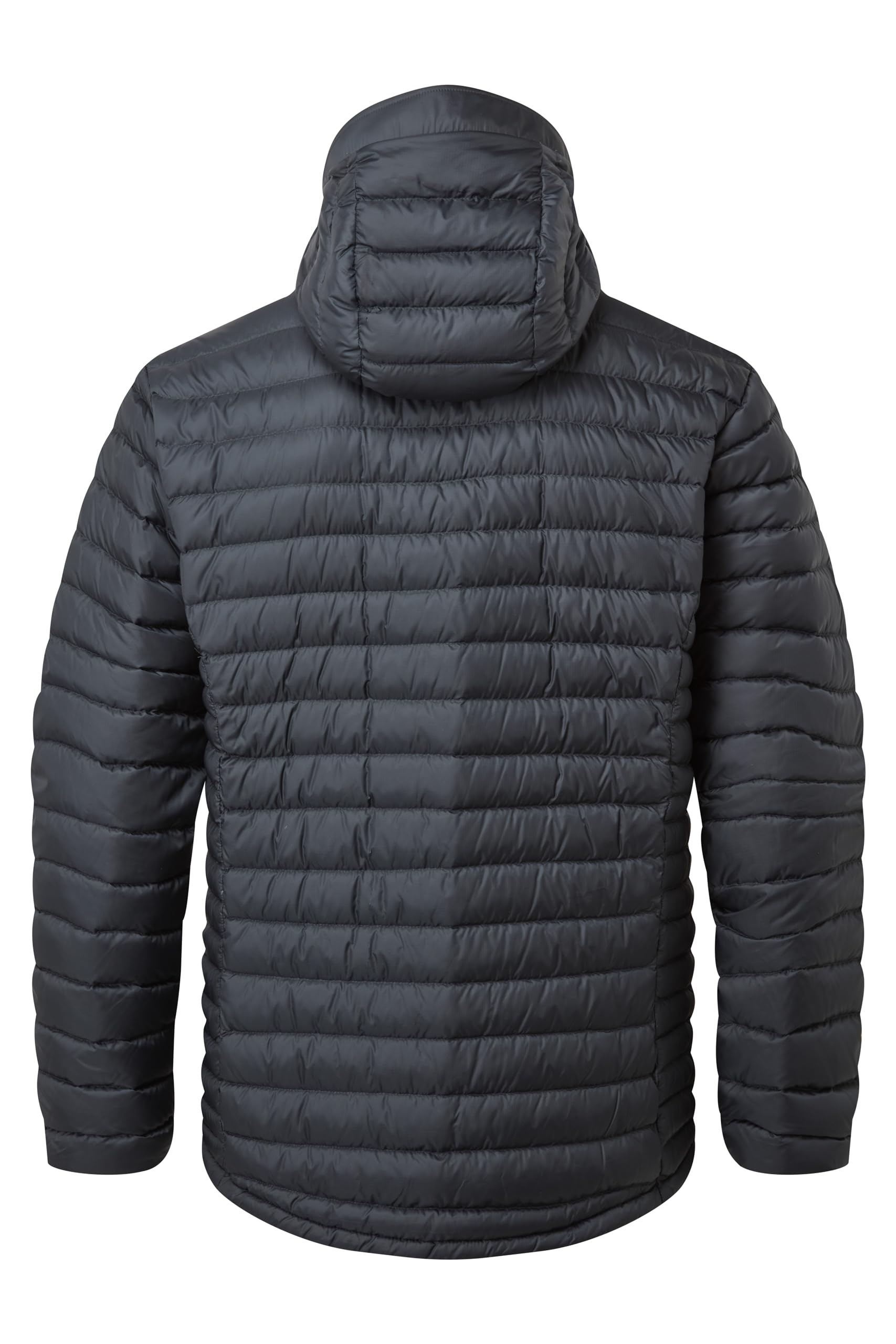
The Rab Microlight Alpine uses 700-fill European goose down with a Pertex® Microlight shell — a combination that delivers an elite warmth-to-weight ratio. At just over a pound, it packs into its own pocket and still provides enough insulation for alpine treks in sub-freezing conditions. The athletic fit layers cleanly under a shell, and the helmet-compatible hood cinches securely without blocking peripheral vision.
Field testers on the W and O circuits in Patagonia confirmed that this jacket retains loft in damp cold, thanks to the hydrophobic down treatment. The Pertex® fabric resists wind well enough to eliminate the need for a mid-layer wind shirt in most conditions. Breathability is above average for a down jacket, venting heat during active ascents without significant heat loss during rest stops.
The main trade-off is the premium price point, which reflects the advanced fabric and fill quality. Some users note that the zipper feels less robust than the rest of the jacket, and the left-side zipper pull (European standard) takes a moment to get used to. For dedicated hikers, skiers, and alpinists who demand real performance, this is the benchmark packable down jacket on the market.
Why it’s great
- Exceptional 700-fill down with hydrophobic treatment for damp conditions
- Pertex® Microlight shell offers excellent wind resistance at minimal weight
- Packs into its own pocket, making it ideal for alpine packing lists
- Helmet-compatible hood with secure one-hand adjustment
Good to know
- Premium pricing reflects its alpine-level construction
- Zipper feel is lighter than the jacket’s rugged character
- Not fully waterproof; requires an outer shell in sustained rain
- European zipper orientation may feel unfamiliar
2. THE NORTH FACE Men’s McMurdo Bomber Jacket
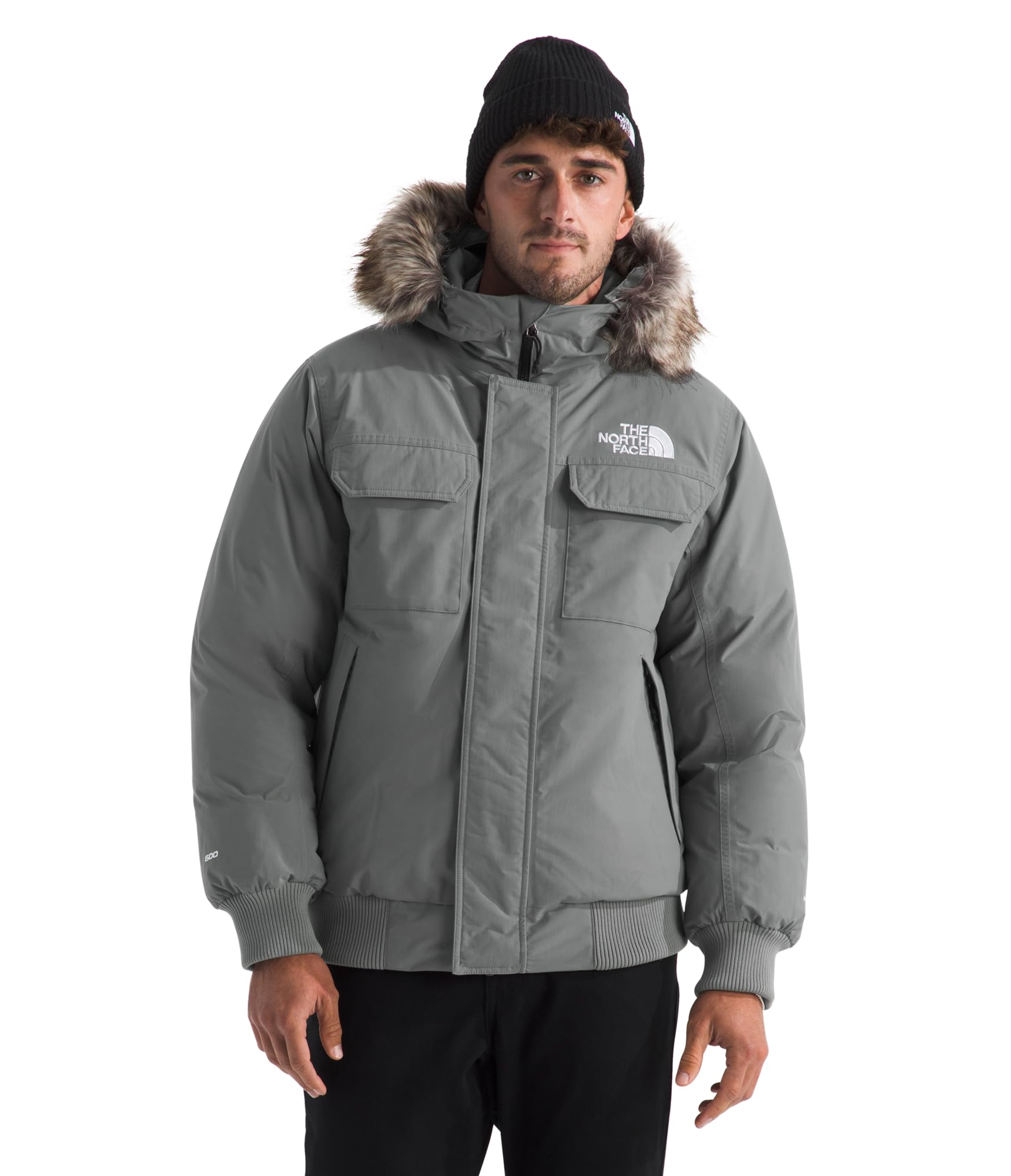
The McMurdo Bomber shifts the equation from packable warmth to urban fortress. It features a fully waterproof outer shell and waterfowl down insulation that keeps you warm even when the wind howls and the rain turns to sleet. The aviator silhouette is both stylish and functional, with a removable faux-fur ruff that seals warmth around the face and ample pocket space for gloves, phone, and wallet.
Users consistently praise its warmth at temperatures well below freezing, with several Indiana and Chicago residents reporting that it handles lake-effect snow and biting wind without needing a heavy mid-layer. The fit runs slightly large to accommodate thicker base layers, so sizing down is a consideration if you wear it over just a shirt. The build quality is dense — thick zippers, reinforced stitching, and a shell that feels tough enough for daily abuse.
The trade-off is weight and bulk. This is not a jacket you stuff into a daypack; it’s a dedicated winter coat. The lack of Velcro wrist closures (replaced by a simpler design) is a minor detail worth noting, though most users find the elastic cuffs sufficient for sealing out drafts. For anyone facing real winter and wanting a jacket that performs while looking sharp, the McMurdo is a top-tier choice.
Why it’s great
- Fully waterproof shell with sealed seams for wet snow and rain
- Thick waterfowl down insulation for extreme cold retention
- Removable faux-fur ruff provides excellent face and neck protection
- Ample pocket layout includes hand-warmer and interior zip pockets
Good to know
- Heavy and bulky — not suitable for packing or travel
- Runs large, especially in the torso, to accommodate layering
- Premium pricing reflects its heavy-duty construction
- No internal removable layer; one-piece shell design
3. THE NORTH FACE Men’s Aconcagua 3 Hooded Jacket

The Aconcagua 3 Hooded Jacket strikes a balanced midpoint between weight and warmth. It uses 600-fill down with a recycled polyester shell treated with DWR, making it wind-resistant and capable of handling light snow. The attached three-piece hood cinches with a single cord and features a quilted silhouette that looks equally at home on the trail as it does at the bus stop.
Owners consistently describe the fit as true to size, with a regular cut that accommodates a fleece underneath without ballooning. The down is responsibly sourced, and the jacket weighs just over a pound, making it a practical everyday winter layer for temperatures from just above freezing down into the teens. The “New Taupe Green” color has been particularly popular, and reviews note that the pearl grey variant is even more pleasing in person.
Down leakage remains a topic among users, with some reporting feather poking through the shell after several washes. This is a common issue with 600-fill down in thinner fabrics. The jacket is machine washable, and using a down-specific detergent and low-heat drying with tennis balls helps restore loft. For daily use in variable cold, this is a reliable, well-rounded shell that doesn’t break the bank.
Why it’s great
- Lightweight build with 600-fill down for balanced warmth
- Attached three-piece hood with cinch cord is secure and trim
- Wind-resistant DWR shell handles light precipitation well
- True-to-size regular fit accommodates mid-layers easily
Good to know
- Some users report down leakage through shell after multiple washes
- Not waterproof — requires an additional shell in heavy rain
- 600-fill is less compressible than premium 700+ fill alternatives
- Limited color palette availability
4. THE NORTH FACE Men’s Aconcagua 3 Jacket (No Hood)
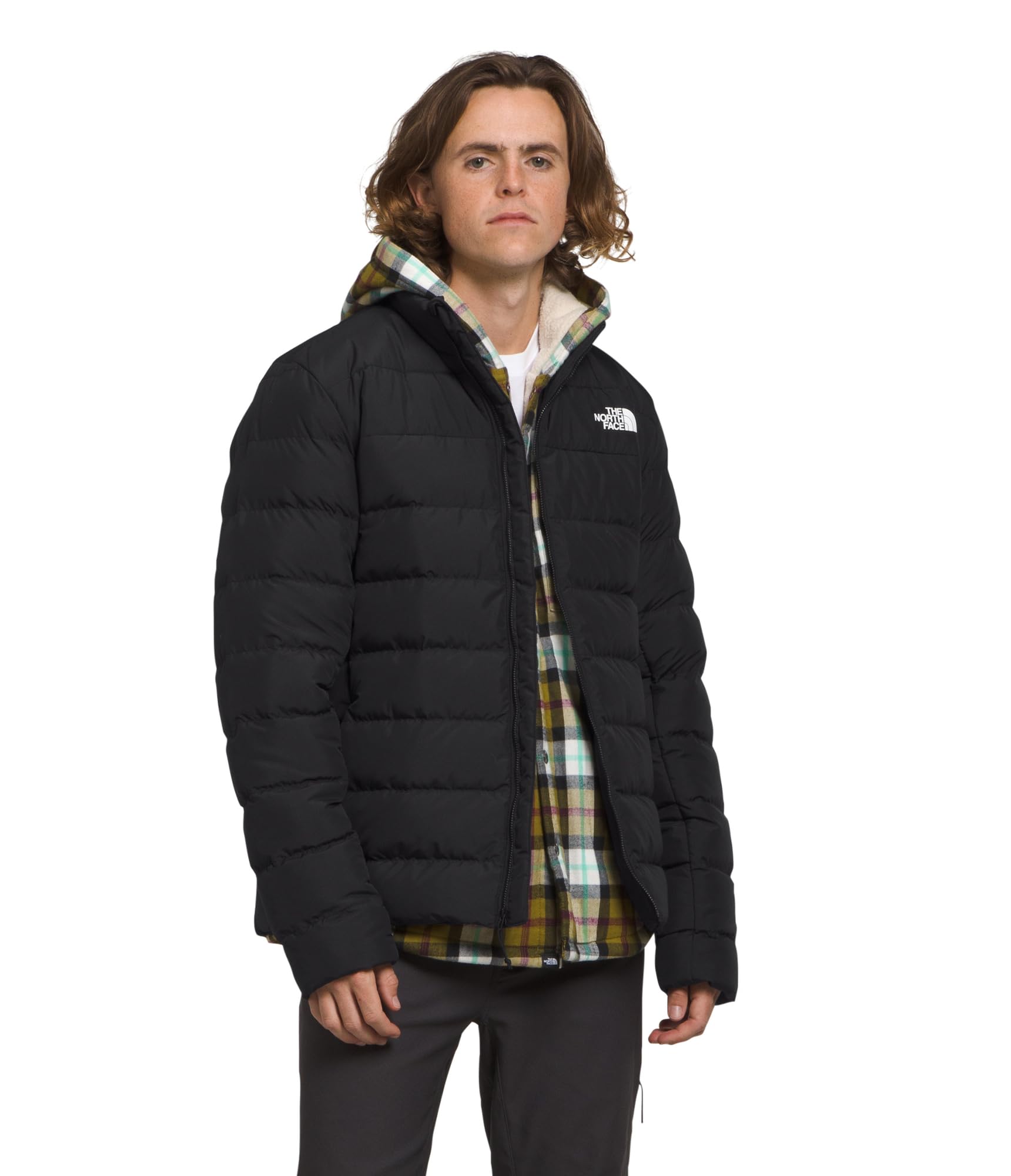
The non-hooded version of the Aconcagua 3 retains the same 600-fill down insulation and DWR shell but drops the hood to save a few ounces and create a cleaner silhouette for layering under a shell coat or wearing over a collared shirt. This makes it the better choice for commuters who prefer a city-ready look and already own a beanie or hat.
Users appreciate the even fit across the shoulders and the clean collar line. The jacket works well as a standalone piece in the 30–45°F range and layers effectively under a heavier parka for deeper cold. The teal color has drawn specific praise for its vibrancy, and the construction feels consistent with TNF’s typical standard: durable, straight-forward, and built to last several seasons with basic care.
Feather leakage is reported at a similar rate to the hooded version, which is typical for this price tier. The jacket is not cut for tall frames as generously as some alternatives — one user at 6’4” found the sleeves long enough, but others found the torso a bit short. It lacks internal pockets for secure storage. For anyone wanting a reliable, clean-looking down jacket without paying for a hood they won’t use, this is the right pick.
Why it’s great
- Sleeker, hoodless profile perfect for layering under shells
- Lightweight construction suits standing-alone use or as a mid-layer
- Wind and water resistance from DWR-treated recycled shell
- Consistent TNF build quality with vibrant color options
Good to know
- Feather leakage reported after multiple washes
- Torso fit may be shorter for taller individuals
- No hood means you lose heat around the neck and scalp
- No internal pockets for valuables
5. Columbia Men’s Powder Lite II Hooded Jacket

The Powder Lite II Hooded Jacket adds a hood to Columbia’s popular budget-friendly line, giving you the warmth of a synthetic/down blend shell with Columbia’s Omni-Heat reflective lining. The metallic interior bounces body heat back to you while keeping the jacket remarkably thin — a user at 5’7” and 140 lbs found the small fit perfectly while still providing sufficient insulation for northeast winter mornings.
The construction is straightforward: a 100% polyester shell with a water-resistant finish, a reflective layer, and added insulation that bridges the gap between down jackets and synthetic puffers. The hood is integrated and stows away neatly when not needed. Multiple users note the jacket feels “much warmer than it looks” — the Omni-Heat dots create noticeable warmth even when the jacket is compressed under a backpack strap.
The primary downsides are the lack of a wind flap behind the main zipper and the hood being less protective in high winds than a helmet-compatible design. Some users have observed that the bottom of the jacket appears more orange than tan in certain lighting conditions. Still, for the price and warmth-to-weight ratio, this is one of the strongest hooded options for budget-conscious buyers.
Why it’s great
- Omni-Heat reflective lining delivers surprising warmth in a thin package
- Integrated hood stows neatly for versatility
- Trim cut works well as a mid-layer under a shell
- Budget-friendly pricing for dependable daily warmth
Good to know
- No wind flap behind zipper, allowing some draft
- Hood is not helmet-compatible and less stable in heavy wind
- Color may appear slightly different than product images
- Not as packable as dedicated down jackets of similar warmth
6. Columbia Men’s Powder Lite II Jacket (No Hood)

The non-hooded Powder Lite II pulls the same reflective-lining trick but strips the hood to save about two ounces and produce a cleaner neckline. This version has become a favorite among tall men — one user at 6’4” in an XL confirmed the sleeves are long enough and that the jacket provides sufficient warmth for 8°F conditions when layered over a fleece. The fit is consistent across sizes, and the machine-washable fabric holds up well over repeated cycles.
Columbia’s Omni-Heat lining works well here because the jacket is cut trimly enough that the reflective dots stay close to your body, maximizing heat return. The 550-fill equivalent synthetic insulation adds durability in damp conditions where real down would clump. Users have reported that the jacket is breathable enough for walking the dog but doesn’t overheat when you pause.
The main drawbacks are the oversized neck opening when fully zipped and the lack of a hood for those that want one. The collar also sits high, which can interfere with some scarf styles. There is no internal pocket, and the zippers feel functional but not premium. For a no-frills, go-to layer that fits tall frames and washes easily, this jacket punches well above its sticker price.
Why it’s great
- Great sleeve length and torso fit for tall users (up to 6’4”)
- Omni-Heat reflective lining provides instant warmth retention
- Machine washable with easy care and durable stitching
- Affordable entry point with reliable insulation for mild winters
Good to know
- No hood requires a separate hat for head coverage
- Neck opening can be large; collar sits high
- No internal pocket for secure storage
- Zippers feel lightweight and not weather-sealed
7. Columbia Men’s Voodoo Falls 590 Turbodown II Jacket
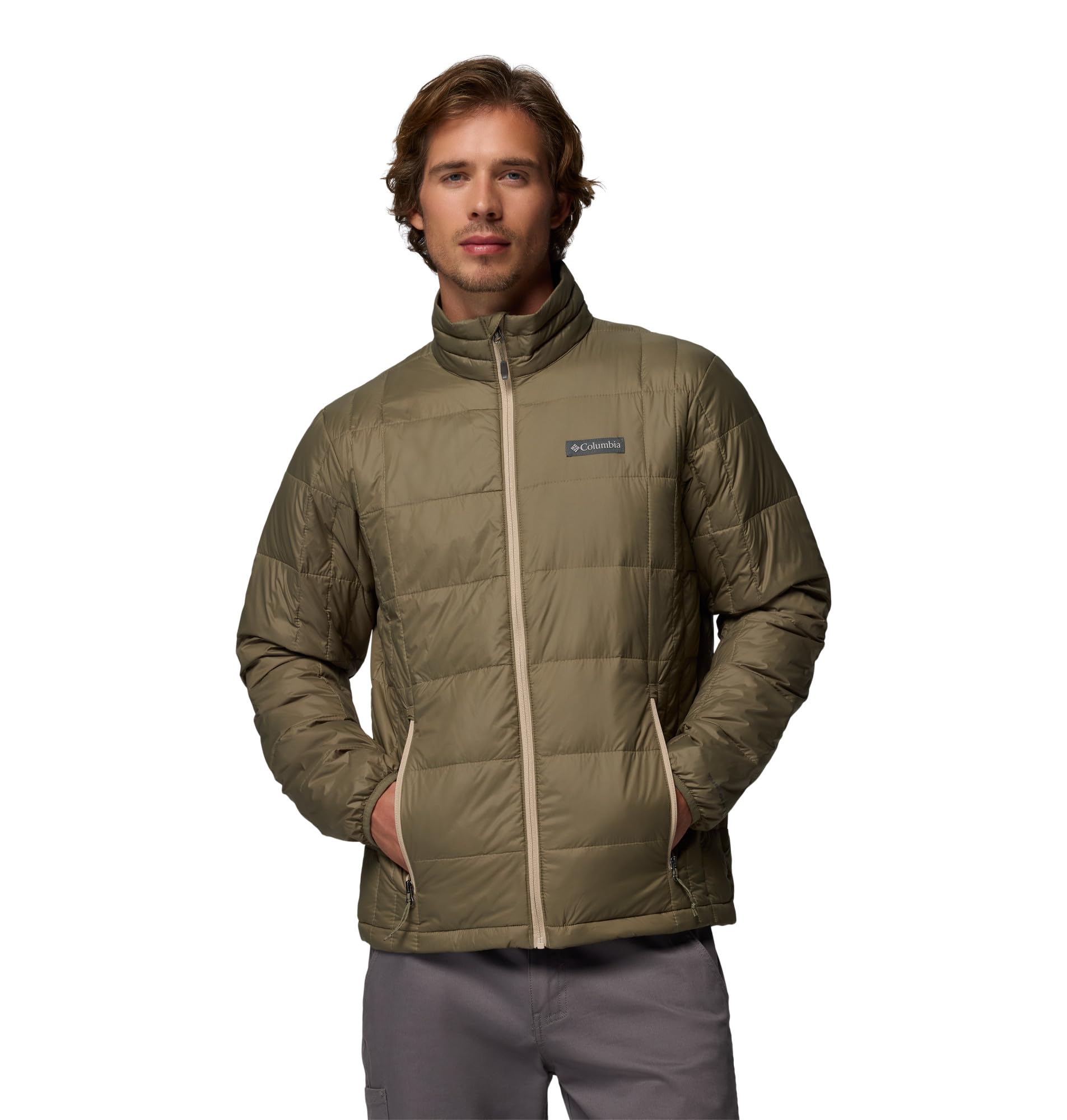
The Voodoo Falls 590 Turbodown II uses Columbia’s proprietary TurboDown — a hybrid blend that combines down clusters with synthetic fibers. The result is a jacket that feels plush and squishy like real down but resists moisture better and dries faster. Combined with Omni-Heat reflective dots, it delivers noticeable warmth for a jacket that weighs almost nothing and packs down to the size of a football.
Customer feedback highlights the incredible value — several users compared its warmth to jackets costing nearly twice as much. The tailored fit avoids the puffball look, and the insulation breathes well enough to wear over a flannel in 30-degree weather without overheating. The shell has a soft hand feel and is stain-prone in lighter colors, so consider darker shades if you plan to wear it regularly.
The downsides include visible staining on light-colored shells and a somewhat delicate fabric that may not survive heavy branches or rough use. The fit is described as true to size by most, with one 85-year-old user finding the shorter length perfect for his frame. For a daily driver that combines down warmth with synthetic durability at a budget price point, this jacket sets a new value benchmark.
Why it’s great
- TurboDown hybrid insulation blends down feel with moisture resistance
- Omni-Heat reflective dots add warmth without bulk
- Packs down extremely small for travel and storage
- Tailored cut avoids the marshmallow silhouette
Good to know
- Light-colored shells stain easily from dirt and oil
- Thin fabric may not hold up to abrasion from rough use
- Not suitable for deep cold without layering
- Zippers are standard, not waterproof or reinforced
8. Tommy Hilfiger Men’s Real Down Insulated Packable Puffer Jacket
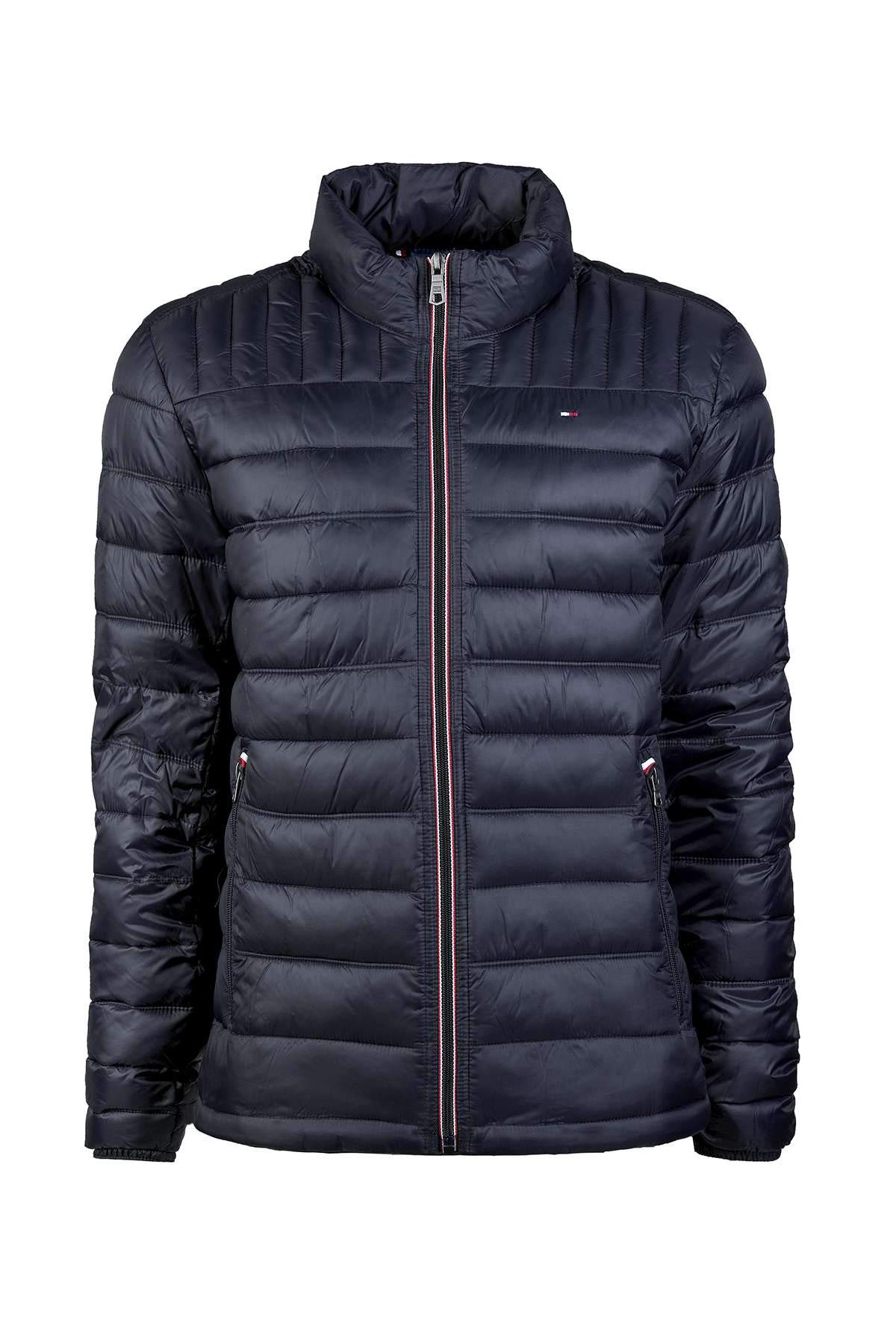
The Tommy Hilfiger Packable Puffer is designed for travel and transitional weather. It uses real down insulation in a lightweight, ripstop shell that compresses into its own carrying bag. The brand adds a clean, classic aesthetic with a subtle logo patch that works well over casual or smart-casual outfits. At just under a pound, it’s among the lightest jackets in this roundup.
Users consistently note that it fits well for tall frames — one customer at 6’5” reported decent sleeve length and torso coverage. The jacket is best suited for temperatures from the mid-30s to low 50s Fahrenheit, and it layers easily under a heavier shell for colder days. The puffy baffles are small enough to avoid the Michelin Man look, striking a refined profile.
The main limitations are the lack of any water resistance beyond the basic shell and a narrow bottom hem that can feel restrictive when sitting. The down is not hydrophobically treated, so exposure to rain will quickly reduce its insulating value. It also does not have a hood, so you’ll need a separate hat. For a lightweight travel layer with brand appeal, this jacket fits the bill, but it is not a winter warrior.
Why it’s great
- Ultra-lightweight design with real down insulation
- Packs into its own integrated stuff sack
- Classic Tommy Hilfiger styling works in casual and dressed-up settings
- Good sleeve length for taller users up to 6’5”
Good to know
- No water resistance — down loses all warmth when wet
- Narrow bottom hem restricts movement when seated
- Sizing down is recommended; runs slightly large
- Not insulated for temperatures below freezing
9. Carinthia MIG 4.0 2019 Windproof Winter Jacket
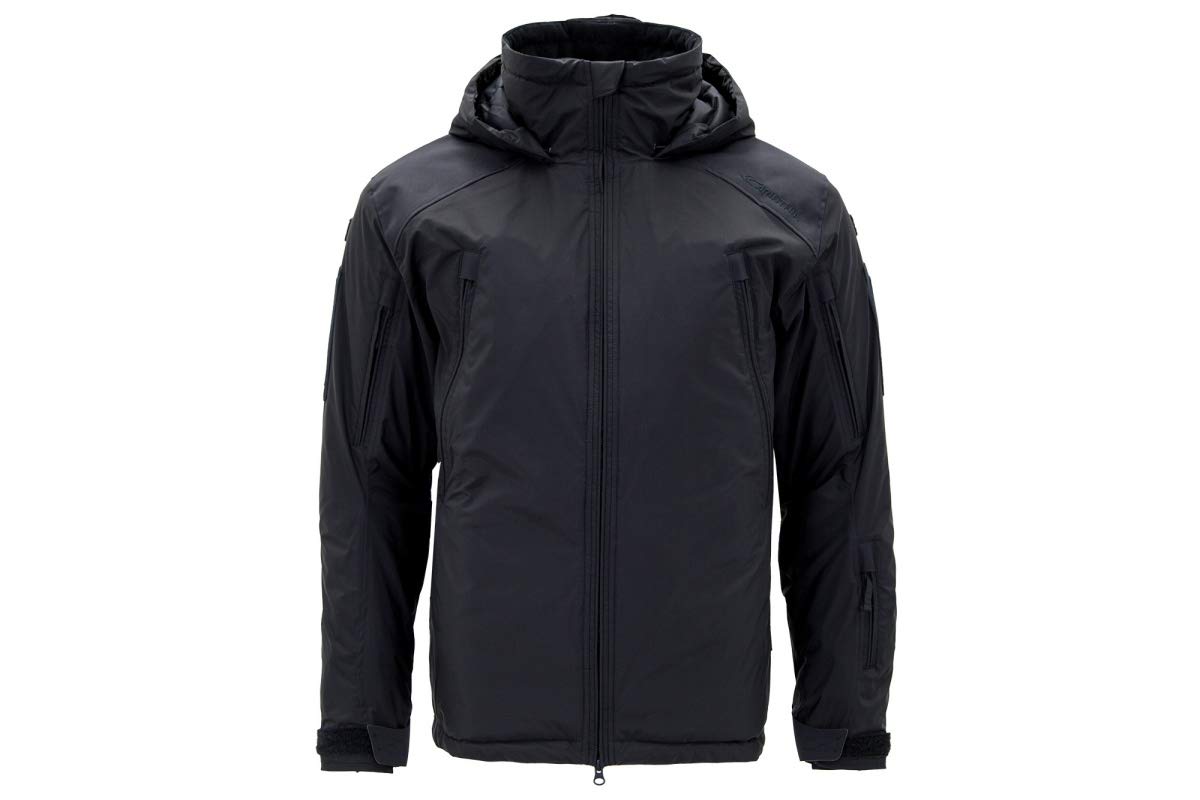
The Carinthia MIG 4.0 is not a typical consumer jacket — it’s a military-grade thermal layer designed for static use in extreme cold down to –20°F and below. It uses a thick, windproof shell paired with a high-loft synthetic insulation that remains functional even when wet. The cut is generous to accommodate thick underlayers, with features like high fleece-lined pockets that remain accessible while wearing a climbing harness or backpack hip belt.
Bushcraft and tactical users are the primary audience here. The jacket is purposely loud/crinkly — that crinkle comes from the robust windproof membrane that blocks drafts entirely. The hood is adjustable, well-baffled, and works with a helmet. A user at 179 cm and 88 kg found a size Large perfectly roomy over a fleece. The jacket arrives with a storage bag and is ready for prolonged exposure in severe environments.
The downsides are substantial for everyday wear. The MIG 4.0 is heavy, bulky, and far too warm for standard winter commuting. The zipper can be finicky, and the overall feel is that of a piece of equipment, not fashion. It costs significantly more than most down jackets, reflecting its specialized construction and extreme-performance design. For anyone who legitimately needs to stay warm while stationary outdoors in arctic conditions, this is an unmatched tool.
Why it’s great
- Extreme cold rating suitable for static use below –20°F
- Fully windproof membrane stops all drafts effectively
- Fleece-lined hand-warmer pockets remain accessible with a hip belt
- Generous cut accommodates thick mid-layers and base layers
Good to know
- Very heavy and bulky — not for travel or casual daily wear
- Loud, crinkly fabric can be distracting indoors
- Zipper feel is functional but not smooth
- Extremely high price point for specialized winter use
FAQ
Can I machine wash a down jacket without ruining it?
What fill power do I need for winter hiking versus city commuting?
Final Thoughts: The Verdict
For most users, the best men’s down jacket winner is the Rab Men’s Microlight Alpine because it combines 700-fill down with a high-performance Pertex® shell and alpine-ready hood. If you want waterproof protection and extreme cold toughness, grab the The North Face McMurdo Bomber. And for budget-conscious travelers who want a lightweight, packable down style, nothing beats the Columbia Voodoo Falls 590 Turbodown II.

Mo Maruf
I created WellFizz to bridge the gap between vague wellness advice and actionable solutions. My mission is simple: to decode the research and give you practical tools you can actually use.
Beyond the data, I am a passionate traveler. I believe that stepping away from the screen to explore new environments is essential for mental clarity and physical vitality.