Our readers keep the lights on and my smoothie glass nicely filled. As an Amazon Associate, I earn from qualifying purchases.
A down jacket for the trail isn’t a fashion statement—it’s a survival tool where every gram of loft fights the wind and every cubic inch of pack space is sacred. The wrong choice means shivering in camp or sweating under a shell that won’t breathe, so the difference between a good night and a miserable one often comes down to the specific combination of fill power, face fabric, and draft-proofing you choose.
I’m Mohammad Maruf — the founder and writer behind WellFizz. I’ve spent hundreds of hours analyzing insulation material science, weatherproofing layers, and warmth-to-weight ratios in the technical outerwear space to bring clarity to this crowded category.
Whether you need a do-everything layer for three-season treks or a expedition-ready fortress for alpine winter, finding the best down jacket for backpacking means matching fill power, fabric durability, and weather resistance to your specific terrain and climate demands.
How To Choose The Best Down Jacket For Backpacking
A backpacking down jacket must meet a stricter set of demands than casual wear does. You are trading weight, compressibility, warmth, and weather resistance against each other, and your specific trip conditions should dictate the winner. Below are the three factors that separate a trail-ready puffy from a closet jacket.
Fill Power: The Benchmark for Loft and Packability
Fill power measures how many cubic inches one ounce of down occupies. A 700-fill jacket offers better loft per ounce than a 600-fill jacket, meaning you get the same warmth from less material weight. For backpacking, a minimum of 600-fill is practical, but 700 to 800-fill provides the best warmth-to-weight ratio for multi-day carries. Jackets with 900-fill are ultralight specialists but often demand a premium price and thinner face fabrics that sacrifice durability.
Face Fabric Denier: Durability vs. Weight Tradeoff
The outer fabric is measured in denier (D), with 10D being whisper-thin and 40D being tough but heavier. A 10D or 15D shell saves grams and packs smaller, but it snags easily on branches and can tear under pack straps. For off-trail use, rocky terrain, or bushwhacking, a 20D to 30D face fabric is a safer choice. For dedicated ultralight trips on maintained trails, a 10D shell works well when layered under a wind shirt during rough sections.
Weather Protection: DWR vs. Fully Waterproof
Down loses nearly all insulating loft when wet, so weather resistance matters. A durable water repellent (DWR) coating on the face fabric sheds light snow and mist, but sustained rain will wet it out. Jackets with a fully waterproof membrane and taped seams add six to ten ounces but provide reliable protection in wet alpine conditions. For dry-cold climates, DWR alone is sufficient; for maritime or mixed precipitation, a waterproof shelled jacket is the smarter call.
Quick Comparison
On smaller screens, swipe sideways to see the full table.
| Model | Category | Best For | Key Spec | Amazon |
|---|---|---|---|---|
| Mountain Hardwear Ghost Whisperer/2 Hoody | Premium Ultralight | Gram-conscious thru-hikers and alpine travelers | 800-fill down / 10D face fabric | Amazon |
| Rab Men’s Valiance Down Jacket | Waterproof Expedition | Wet, cold alpine and winter mountaineering | 700-fill down / Pertex Shield waterproof shell | Amazon |
| Rab Men’s Microlight Alpine Hooded Puffer | Alpine Mid-Layer | Climbing and ski touring with layering | 700-fill down / Pertex Microlight fabric | Amazon |
| THE NORTH FACE Aconcagua 3 Hooded Jacket | Versatile Mid-Range | Cold-weather backpacking with wind exposure | 600-fill down / Wind-resistant shell | Amazon |
| THE NORTH FACE Aconcagua 3 Jacket | Everyday Backpacking | Three-season camping and town use | 600-fill down / DWR finish | Amazon |
| Columbia Delta Ridge II Down Jacket | Slim Fit Mid-Layer | Layering under a hardshell in cool weather | DWR-treated down / Slim athletic cut | Amazon |
| Columbia Voodoo Falls 590 Turbodown II | Hybrid Insulation | Cool-weather hikes and around camp | Turbodown blend / Omni-Heat reflective lining | Amazon |
| Columbia Powder Lite II Hooded Jacket | Budget Friendly Hooded | Casual backpacking and mild winter trips | Omni-Heat reflective / Synthetic insulation | Amazon |
| Columbia Powder Lite II Jacket | Budget Friendly Non-Hooded | Entry-level layering on a tight budget | Omni-Heat reflective / Machine washable shell | Amazon |
In‑Depth Reviews
1. Mountain Hardwear Ghost Whisperer/2 Hoody
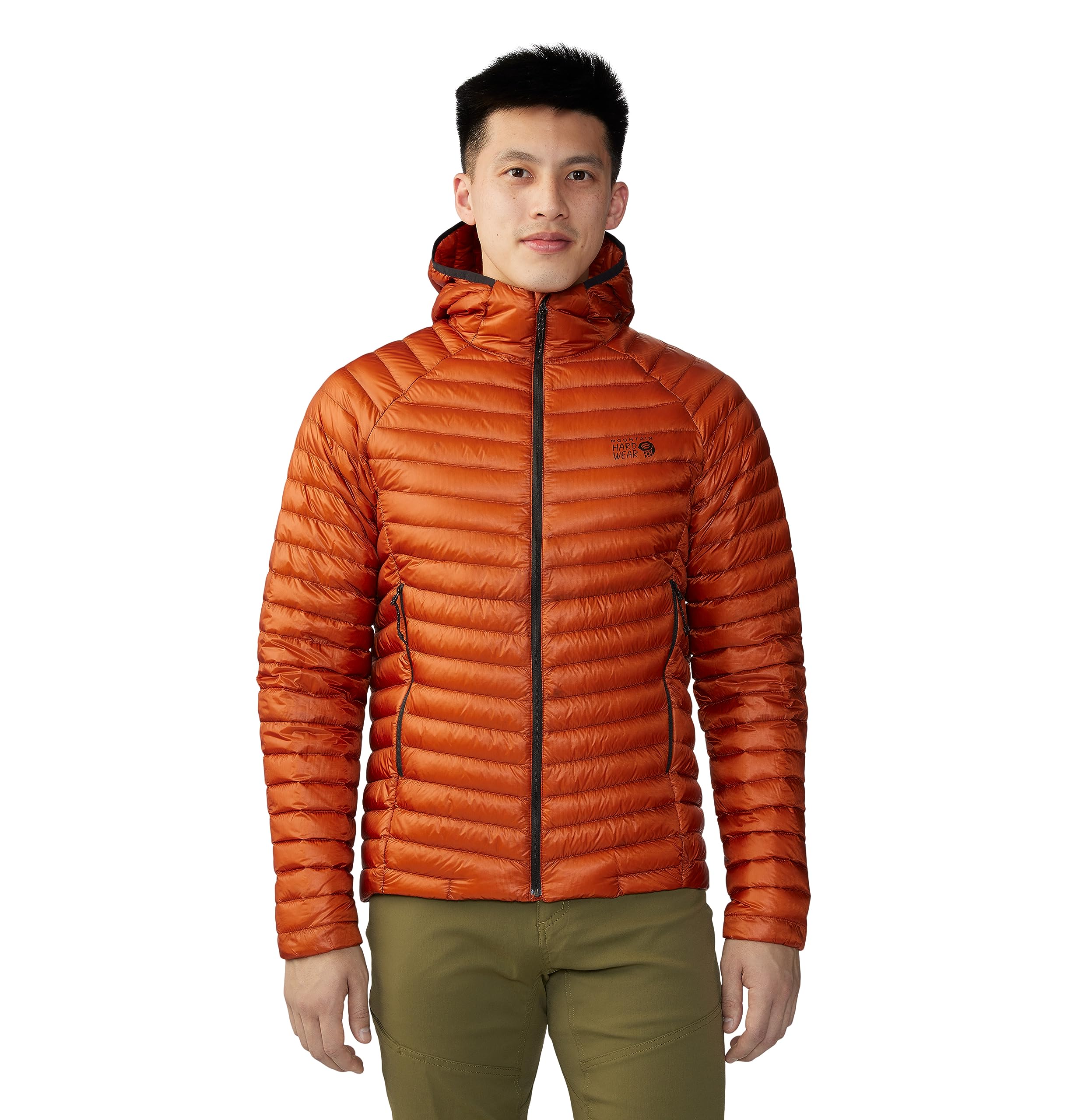
The Ghost Whisperer/2 Hoody sets the benchmark for ultralight backpacking insulation at just over eight ounces in a medium while packing 800-fill down. The 10D face fabric feels paper-thin but delivers exceptional compressibility—this jacket disappears into a stuff sack the size of a Nalgene bottle, making it ideal for thru-hikers and fast-and-light alpine missions where every gram is accounted for.
Testers report excellent warmth when layered under a shell in sub-freezing conditions, and the slim athletic cut layers cleanly without bunching. The hood is non-adjustable, which saves weight but means a snug fit over a bare head rather than over a climbing helmet. The thin face fabric requires care around sharp rocks and pet claws; snags are a real risk off-trail.
Downsides include the lack of a waterproof membrane—this jacket relies solely on a DWR coating that wets out quickly in sustained rain. Users who push into wet alpine environments often keep it packed until they reach a dry camp. For pure weight-to-warmth efficiency in dry conditions, this remains the gold standard for serious backpackers.
Why it’s great
- Industry-leading warmth for its weight with 800-fill down
- Extremely compressible; packs smaller than any other jacket here
Good to know
- Thin 10D fabric snags easily on branches and pack buckles
- Non-adjustable hood limits layering options in wind
2. Rab Men’s Valiance Down Jacket
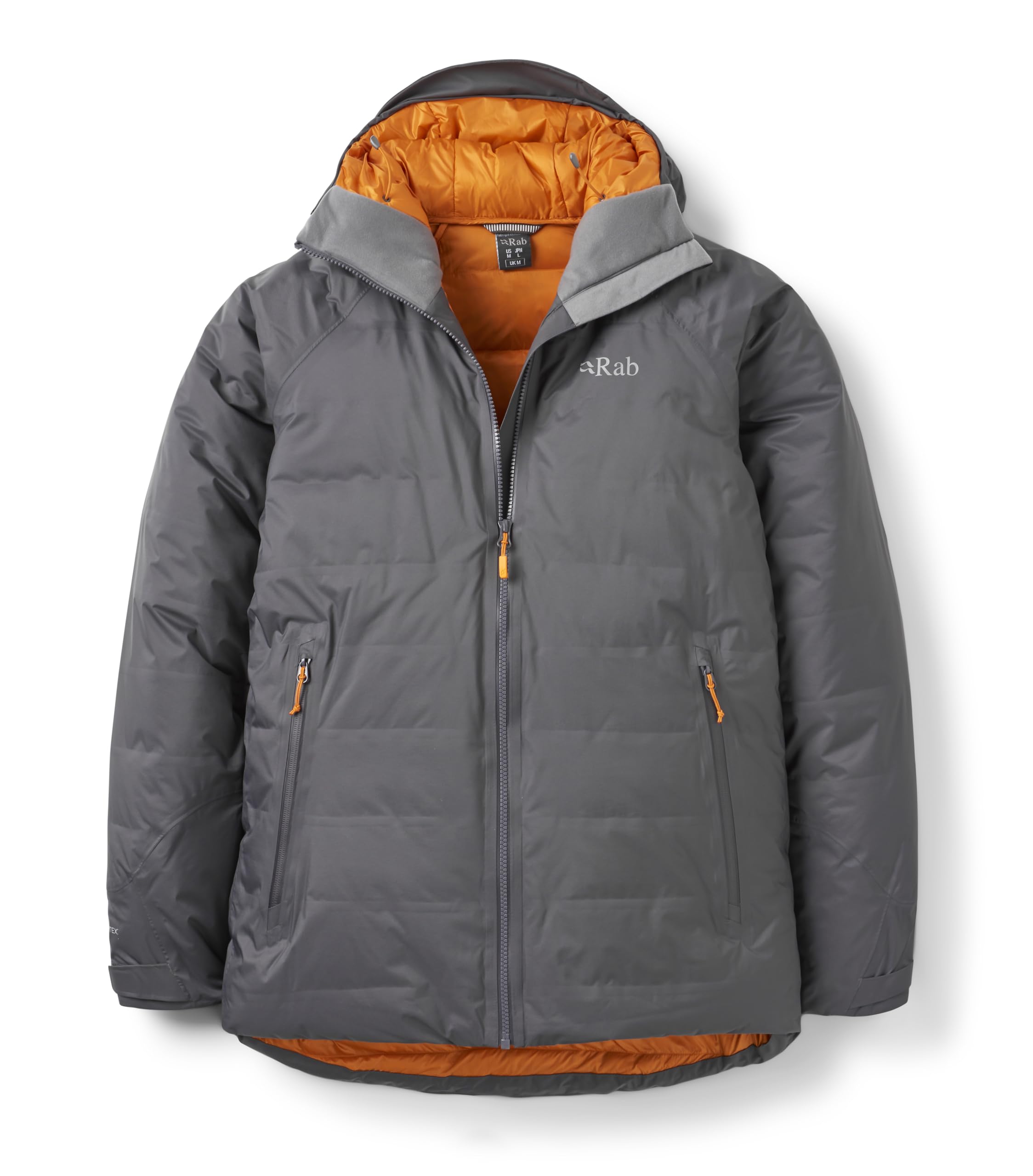
The Rab Valiance is a fully waterproof down jacket designed for the worst weather alpine environments can throw at you. It combines 700-fill hydrophobic down with a Pertex Shield outer membrane and fully taped seams, meaning this jacket keeps you warm even when rain or sleet is hammering down. Testers report comfort at zero degrees Fahrenheit with only a light base layer underneath.
The fit is intentionally generous to allow layering underneath, and the large chest pockets sit high enough to be accessible under a climbing harness. The hood is helmet-compatible but the fabric crinkles audibly near the ears, which some users find distracting. The zipper is on the left side—a European standard that takes minor adjustment for North American users.
At roughly 23 ounces, this is not a jacket for gram counters. But for winter mountaineering, ice climbing, or exposed ridge traverses in wet climates, the Valiance eliminates the need for a separate shell, simplifying your layering system. The tradeoff is weight and bulk; this jacket does not compress as small as a pure down mid-layer, but it offers complete weather protection that no other down jacket here can match.
Why it’s great
- Fully waterproof and windproof with taped seams for wet alpine use
- 700-fill down maintains loft even in damp conditions
Good to know
- Heavier and less packable than pure down mid-layers
- Hood is noisy against ears and cannot be removed or rolled away
3. Rab Men’s Microlight Alpine Hooded Puffer
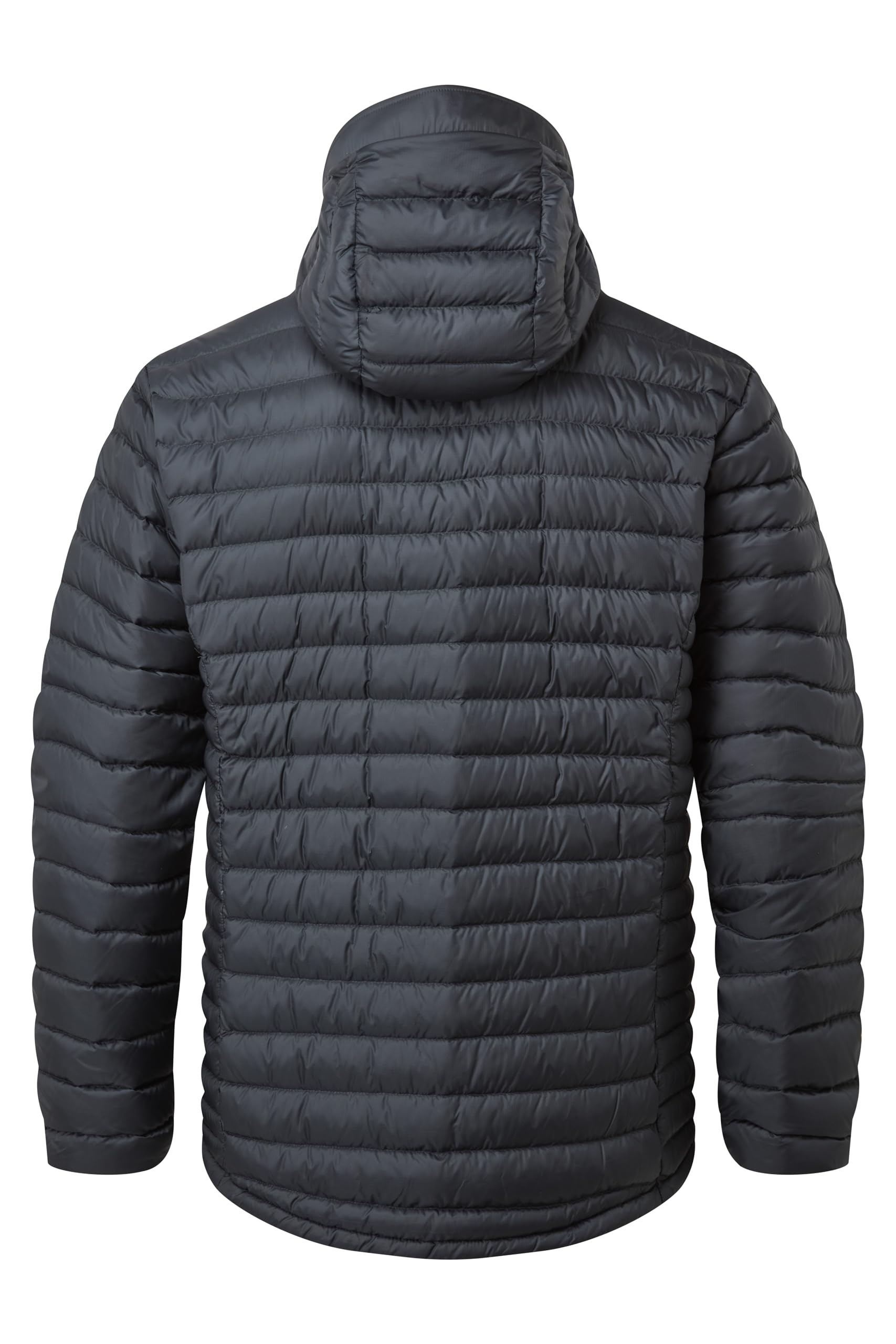
The Rab Microlight Alpine strikes the balance that many backpackers seek: a dedicated down mid-layer with a face fabric tough enough to handle regular trail use. The Pertex Microlight outer is a 20D nylon that resists abrasion far better than the 10D shells found on ultralight jackets, yet the jacket still packs down to a reasonable size. The 700-fill down provides reliable warmth for temperatures down to around 25 degrees Fahrenheit when worn over a fleece.
Testers praise the athletic fit that layers smoothly under a hardshell without feeling restrictive, and the helmet-compatible hood cinches down securely in high winds. The down is treated with a hydrophobic finish that resists moisture absorption for short periods, giving you a buffer against light precipitation. Several users noted the zipper feels lighter than expected for the price point, though no failures were reported.
The Microlight Alpine excels as a do-everything layer for climbers and skiers who need a jacket that performs during high-output approaches and keeps them warm during belays or lunch breaks. It is not fully waterproof, and sustained rain will wet it out, but as a breathable, durable mid-layer it outperforms many competitors in the same weight class.
Why it’s great
- Durable 20D face fabric handles rock and pack abrasion
- Helmet-compatible hood with secure cinch for alpine conditions
Good to know
- Zipper feels less robust than the rest of the jacket
- Not fully waterproof; relies on DWR for light moisture protection
4. THE NORTH FACE Aconcagua 3 Hooded Jacket
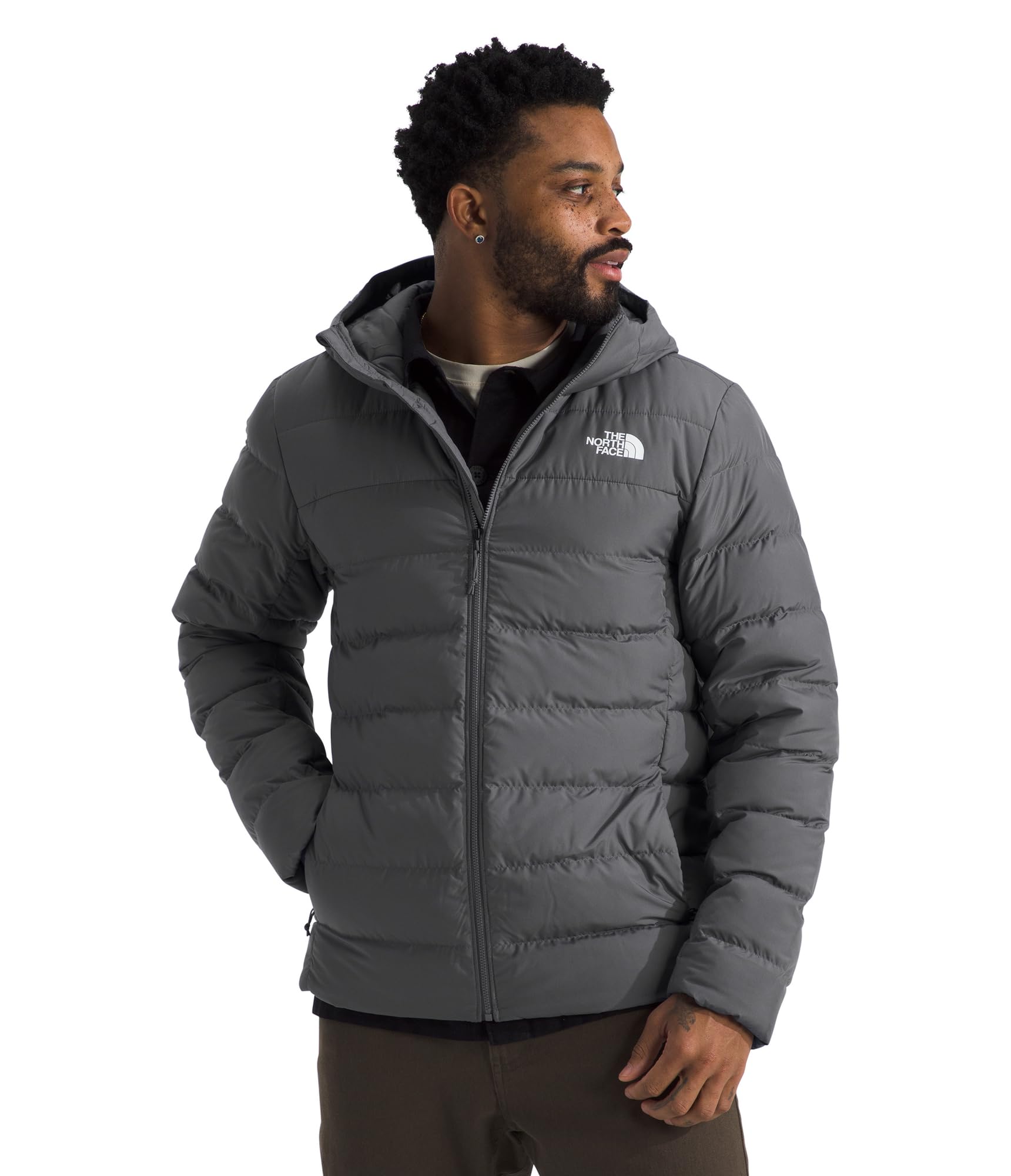
The Aconcagua 3 Hooded Jacket brings a well-rounded feature set for backpackers who need a single jacket that transitions from camp to casual town stops. The 600-fill down with a wind-resistant outer shell delivers dependable warmth for three-season use, and the attached three-piece hood cinches securely around the face to block drafts. The pearl grey color received particular praise from buyers for looking better in person than on screen.
Testers noted the innovative cuff design that seals warmth in without restricting movement, and the jacket layers well under a hardshell for colder days. Several reviews reported that feathers occasionally poke through the fabric, and the problem worsens with washing. This is a known issue with some 600-fill jackets where the downproof lining is not tight enough to contain smaller quills.
Buyers who prioritize a streamlined, stylish jacket that works as well on the trail as it does at the coffee shop will appreciate the Aconcagua 3 Hooded. The fit runs true to size with enough room for a mid-weight fleece underneath. For those willing to tolerate occasional feather leakage, this is a solid mid-range choice with broad appeal.
Why it’s great
- Wind-resistant shell blocks cold drafts effectively in open terrain
- Three-piece adjustable hood provides solid coverage in wind
Good to know
- Feathers can poke through the lining, especially after washes
- 600-fill down is heavier per unit warmth than higher fill options
5. THE NORTH FACE Aconcagua 3 Jacket
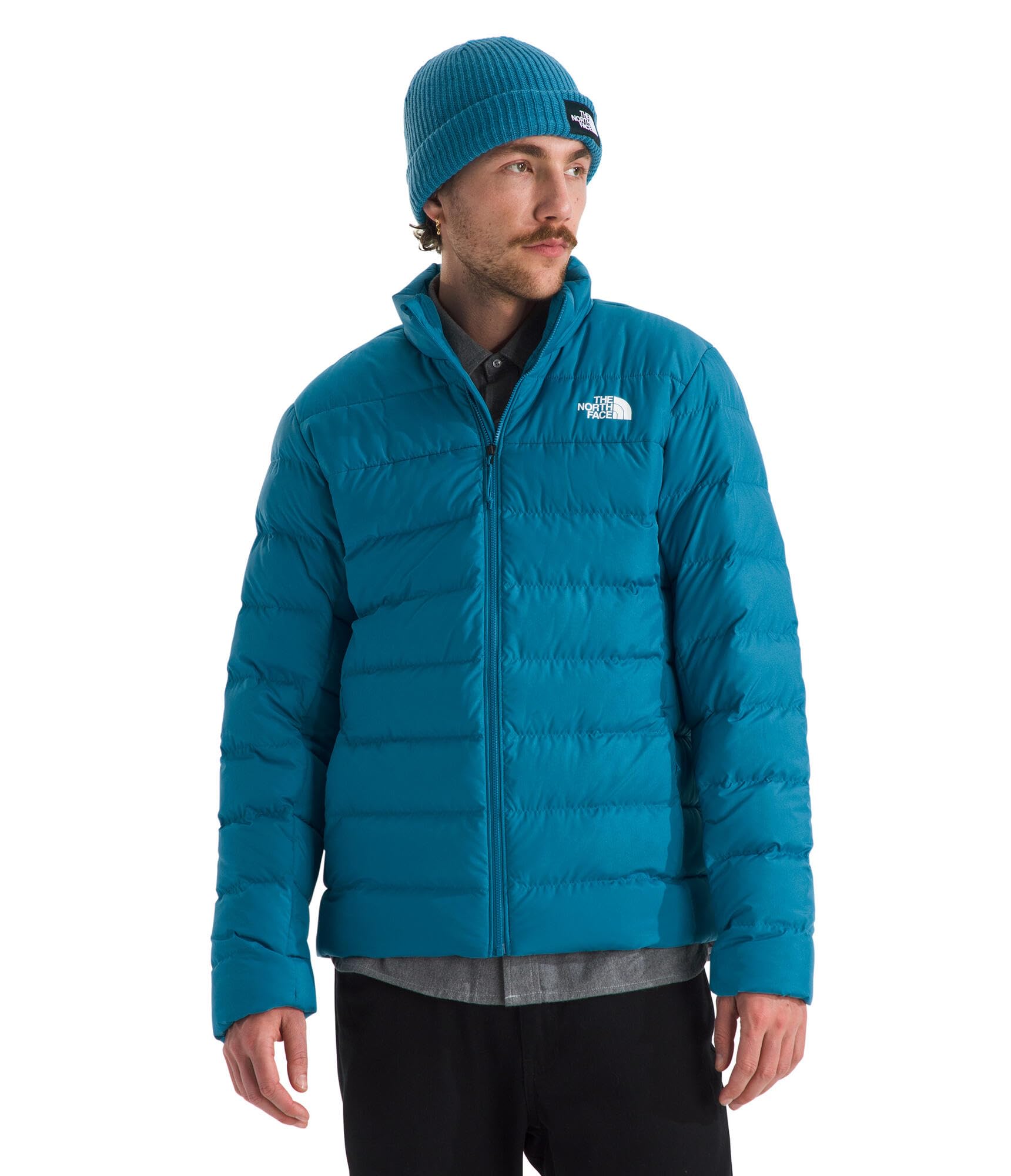
The non-hooded version of the Aconcagua 3 offers the same 600-fill down insulation and DWR finish in a cleaner package for backpackers who prefer to layer with a separate beanie or shell hood. It weighs slightly less than its hooded counterpart and packs flatter in a stuff sack, which matters when you are trying to organize gear inside a backpack. The teal color option received strong positive feedback for its visual appeal on the trail.
Testers report that this jacket is warm enough for fall camping and early winter trips when layered properly, and the durable face fabric resists abrasion better than ultralight shells. The same feather leakage issue appears here—multiple reviewers noted small quills working their way through the fabric, and the problem can worsen over time as the lining wears. The jacket washes well when following care instructions, but the leakage persists.
For backpackers who want a reliable, affordable down jacket that handles three-season duty without the premium price tag of higher-fill options, the Aconcagua 3 delivers consistent value. The lack of a hood simplifies layering for those who already own a quality rain shell or windbreaker with a hood, making it a flexible addition to a modular system.
Why it’s great
- Durable outer fabric stands up to regular trail use and pack straps
- Washes well and maintains loft after repeated cleanings
Good to know
- Feathers can protrude through the lining over time
- No hood means you need separate head insulation in wind
6. Columbia Delta Ridge™ II Down Jacket

The Columbia Delta Ridge II is cut for backpackers who want a trim-fitting down layer that sits close to the body without excess fabric flapping in the wind. The DWR-treated down resists moisture longer than untreated down, and the slim profile makes this jacket an excellent mid-layer under a rain shell or softshell for cool-weather hikes. Multiple users commented that it warms up quickly and feels comfortable against the skin.
The main complaint centers on the armpit fit—several buyers with broader shoulders found the armholes cut too high, restricting range of motion during reaching or climbing movements. The jacket looks sharp and fits true to size for average builds, but anyone with a chest measurement above 44 inches or prominent lats should check the return policy. The 600-fill down offers reliable warmth for temperatures down to freezing when active.
For value-conscious backpackers who prioritize a sleek urban-inside look that also performs on mild trails, the Delta Ridge II delivers a clean silhouette and dependable insulation. The restricted arm mobility is a real limitation for dynamic activities like scrambling or cross-country skiing, but for straightforward hiking and camp use it works perfectly.
Why it’s great
- DWR-treated down provides extra moisture resistance versus standard down
- Trim fit layers neatly under a hardshell without bunching
Good to know
- Armholes are cut tight, limiting overhead range of motion
- Not suitable for broad-shouldered or muscular builds
7. Columbia Voodoo Falls 590 Turbodown II Jacket
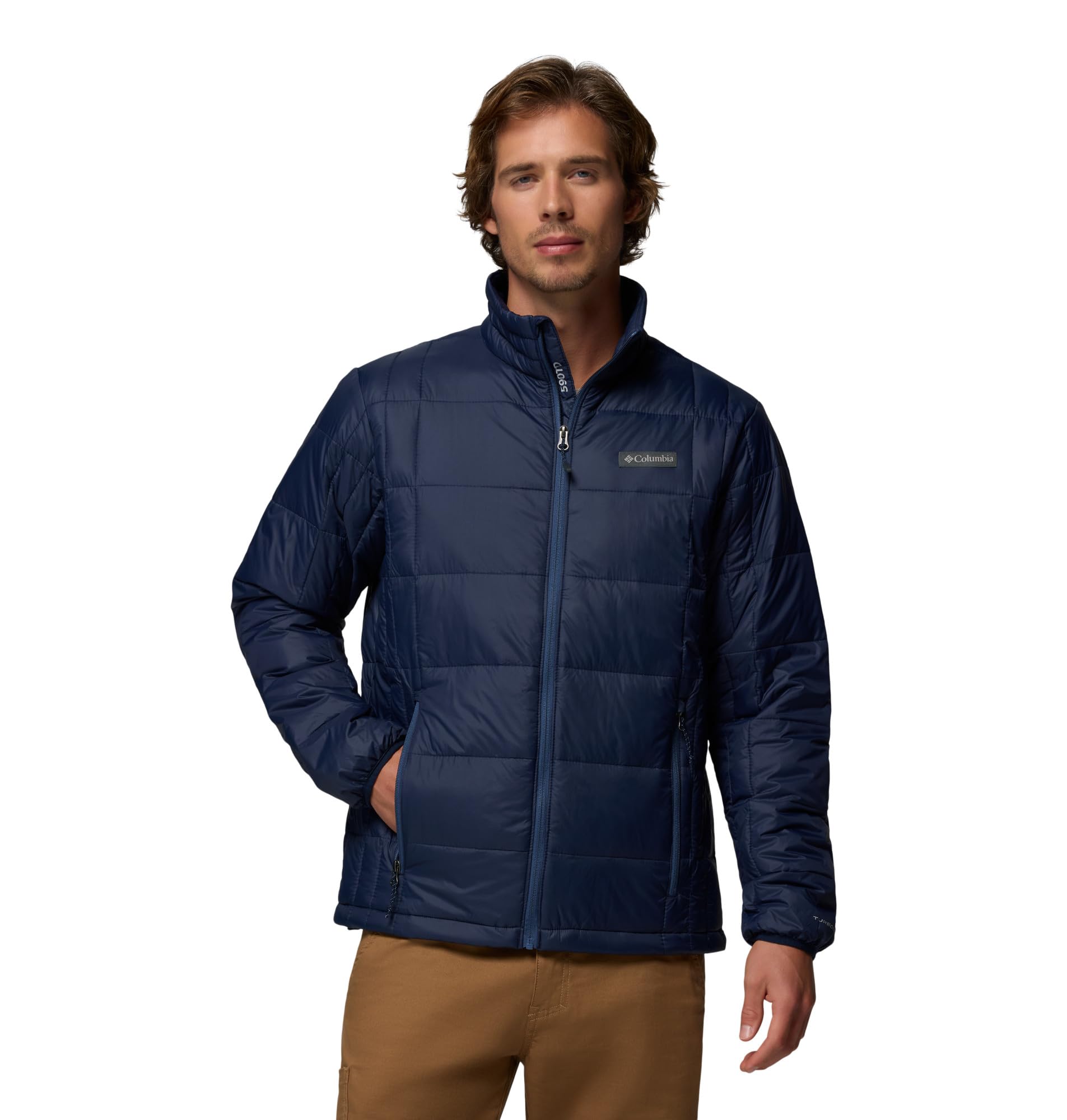
The Voodoo Falls Turbodown II uses Columbia’s proprietary blend of down and synthetic insulation layered with Omni-Heat reflective dots, creating a jacket that retains warmth even when damp. The reflective lining bounces body heat back toward the skin, which reviewers noticed as a perceptible warmth boost on chilly mornings. The fit is tailored rather than puffy, giving it a modern look that works well both on the trail and in town.
Testers report that this jacket layers effectively under a shell for temperatures in the upper 20s to low 40s Fahrenheit, and the synthetic component reduces the total weight compared to a pure down jacket of equivalent warmth. The light color options stain easily according to multiple users, so darker shades are the practical choice for backpacking. The jacket packs down reasonably small for its warmth class, though not as tight as a dedicated 800-fill puffy.
The Turbodown II is an excellent choice for casual backpackers who want a versatile jacket that handles cool, damp conditions better than pure down. The Omni-Heat lining adds a unique warmth-reflecting element that genuinely works in still air, and the value proposition at this price point is strong. Just be prepared to spot-clean light colors frequently if you take it into dusty or muddy environments.
Why it’s great
- Omni-Heat reflective lining provides noticeable warmth in still conditions
- Down-synthetic blend retains insulation better when damp than pure down
Good to know
- Light color options show stains very easily on the trail
- Not as compressible as high-fill down jackets
8. Columbia Powder Lite II Hooded Jacket
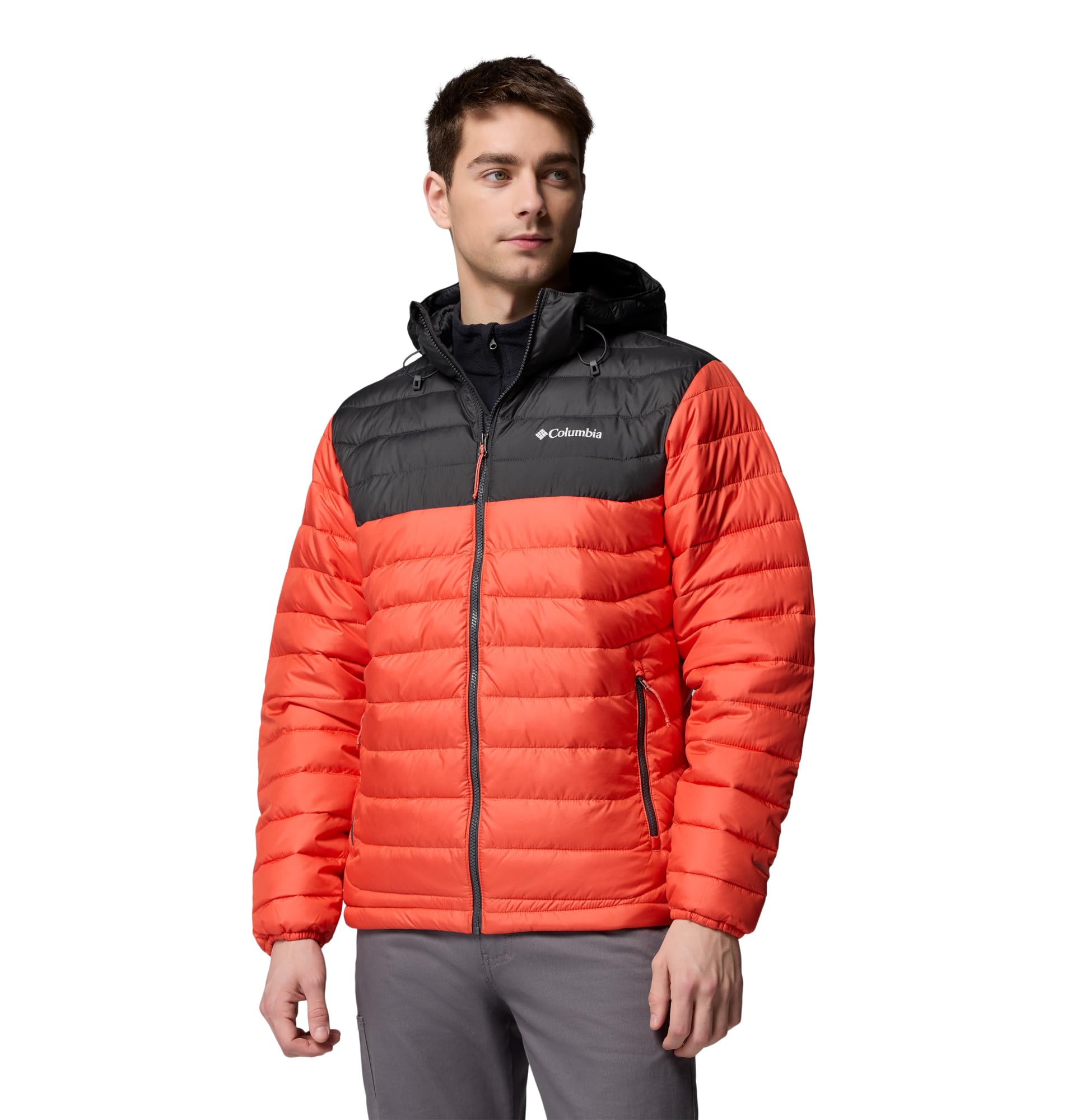
The Powder Lite II Hooded Jacket is Columbia’s synthetic-insulated answer to entry-level backpacking warmth, using Omni-Heat reflective lining instead of down to trap body heat. The metallic interior finish works well in cold, dry conditions—users in the Northeast reported satisfaction with its performance during winter walks and casual camping trips. The jacket fits true to size and the hood provides adequate coverage without being bulky.
Reviewers consistently noted that this jacket is impressively warm for its weight and thin profile, with many comparing it favorably to down jackets costing more. The synthetic insulation eliminates the feather leakage problem entirely, and the jacket is fully machine washable without worrying about clumping. The tradeoff is packability—synthetic insulation does not compress as small as down, so this jacket takes up more backpack space relative to its warmth.
For budget-conscious backpackers who want a reliable insulating layer for mild winter trips and cool-weather camping, the Powder Lite II Hooded offers genuine value. It lacks the premium materials and compressibility of higher-end options but delivers consistent warmth and a durable build that can handle regular use without the fragility concerns of ultralight shells.
Why it’s great
- Omni-Heat lining provides effective warmth for the weight
- Synthetic insulation eliminates feather leakage and is easy to wash
Good to know
- Less compressible than down insulation for packing
- No draft flap or wind block in the zipper channel
9. Columbia Powder Lite II Jacket
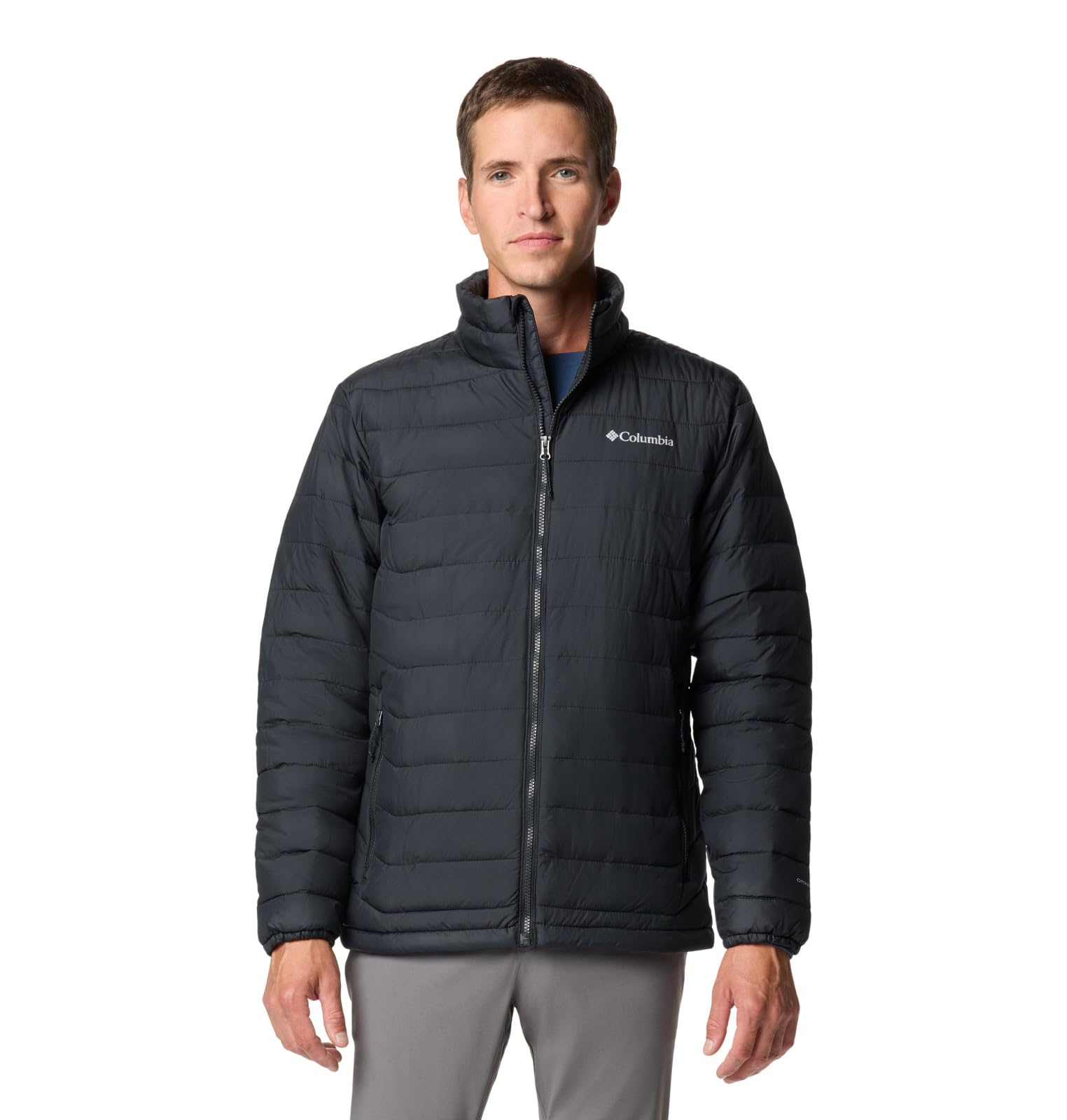
The non-hooded version of the Powder Lite II strips the jacket down to its essentials: synthetic insulation, Omni-Heat reflective lining, and a lightweight shell that compresses decently for the category. This is the jacket that reviewers describe as “true to size, great quality, perfect weight for most fall weather”—a workhorse piece that does not try to be something it is not. One user at 6’4″ confirmed that the XL offered adequate sleeve length, a detail that tall backpackers will appreciate.
Testers report that the reflective lining is noticeable in cold weather, adding a subtle warmth that helps when the temperature drops. The jacket washes easily and has held up over multiple seasons according to several long-term users. The lack of a hood and absence of a wind flap behind the zipper are the primary functional limitations—cold air can leak through the zipper channel in gusty conditions, and you will need a separate hat for head insulation.
For backpackers on a strict budget who need a synthetic insulating layer for mild three-season use, the Powder Lite II Jacket offers a low-cost entry point. It will not match the performance of premium down jackets in deep cold or wet weather, but for fair-weather camping and day hikes where weight and pack space are less critical, it gets the job done without breaking the bank.
Why it’s great
- Affordable entry point with reliable synthetic warmth
- Machine washable and durable over multiple seasons of use
Good to know
- No wind flap behind the zipper allows cold air infiltration
- Lacks hood and has a large neck opening in cold wind
FAQ
What fill power do I actually need for backpacking?
Can I use a down jacket in wet weather?
How should I wash and dry a down jacket?
Is a hooded or non-hooded jacket better for backpacking?
Why do feathers poke out of my down jacket?
Final Thoughts: The Verdict
For most backpackers, the best down jacket for backpacking winner is the Mountain Hardwear Ghost Whisperer/2 Hoody because it delivers the highest warmth-to-weight ratio in a packable form factor that disappears into any backpack. If you need reliable performance in wet alpine weather, grab the Rab Valiance Down Jacket. And for a do-everything mid-layer that handles rock contact and cold belays, nothing beats the Rab Microlight Alpine Hooded Puffer.

Mo Maruf
I created WellFizz to bridge the gap between vague wellness advice and actionable solutions. My mission is simple: to decode the research and give you practical tools you can actually use.
Beyond the data, I am a passionate traveler. I believe that stepping away from the screen to explore new environments is essential for mental clarity and physical vitality.