Our readers keep the lights on and my smoothie glass nicely filled. As an Amazon Associate, I earn from qualifying purchases.
A door takes more daily abuse than any other painted surface in a home— knuckles, pet claws, shifting light, and humidity swings all leave their mark. Choosing the wrong paint means constant touch-ups and a finish that never quite looks right. The right formula, on the other hand, delivers a hard, self-leveling shell that hides imperfections and withstands years of contact without yellowing or peeling.
I’m Mohammad Maruf — the founder and writer behind WellFizz. I’ve spent countless hours cross-referencing adhesion tests, VOC data, and real-world user accounts to identify which formulations actually hold up on doors.
After evaluating coverage, cure speed, and resistance to scuffs and moisture, I’ve narrowed the field to five standout options. This guide to the best door paint breaks down exactly what makes each one worth considering for your next project.
How To Choose The Best Door Paint
Selecting a door paint involves more than picking a favorite color. The finish directly affects how often you’ll need to clean the surface, and the formula determines how well the paint bonds to the existing material — whether that’s wood, metal, or a previously painted surface.
Finish Type: Satin vs. Semi-Gloss vs. Gloss
Doors need a finish that strikes a balance between hiding minor surface flaws and offering enough sheen to repel fingerprints. Satin provides a subtle luster that conceals imperfections better than high-gloss options. Semi-gloss offers a harder finish that wipes clean easily, making it the frequent choice for interior doors. Full gloss provides maximum durability but reveals every brush stroke and dent.
Coverage and Volume
A single interior door typically requires about 50 to 60 square feet of coverage for two coats, including both sides. A quart (32 fluid ounces) is usually sufficient for one door with moderate paint left over for touch-ups. A gallon covers roughly four to five doors, making it the smarter purchase if you’re painting multiple doors or a door plus trim.
Adhesion and Prep Requirements
Some premium formulas promise zero sanding and self-priming capabilities, saving significant labor on doors with existing glossy finishes. Other paints require light scuffing or a dedicated primer to bond properly. Check the specific use case recommendation — some paints are optimized for bare wood, while others adhere best to previously painted or primed surfaces.
Quick Comparison
On smaller screens, swipe sideways to see the full table.
| Model | Category | Best For | Key Spec | Amazon |
|---|---|---|---|---|
| Rethunk Junk Resin Paint | Premium | Heavy-use doors, no sanding | Self-sealing, 32 fl oz | Amazon |
| PRESTIGE Paints Interior Paint and Primer in One | Mid-Range | Interior doors, UV resistance | Fade resistant, 1 gallon | Amazon |
| Glidden Porch and Floor Paint | Mid-Range | Exterior/entry doors, cool surface | Scratch resistant, 1 gallon | Amazon |
| Diamond Brite Kitchen and Bath Latex Paint | Mid-Range | Interior doors in humid areas | Moisture resistant, 1 gallon | Amazon |
| DWIL Acrylic Wood Paint | Budget | Interior doors, DIY kits | Tools included, 32 fl oz | Amazon |
In‑Depth Reviews
1. Rethunk Junk Resin Paint
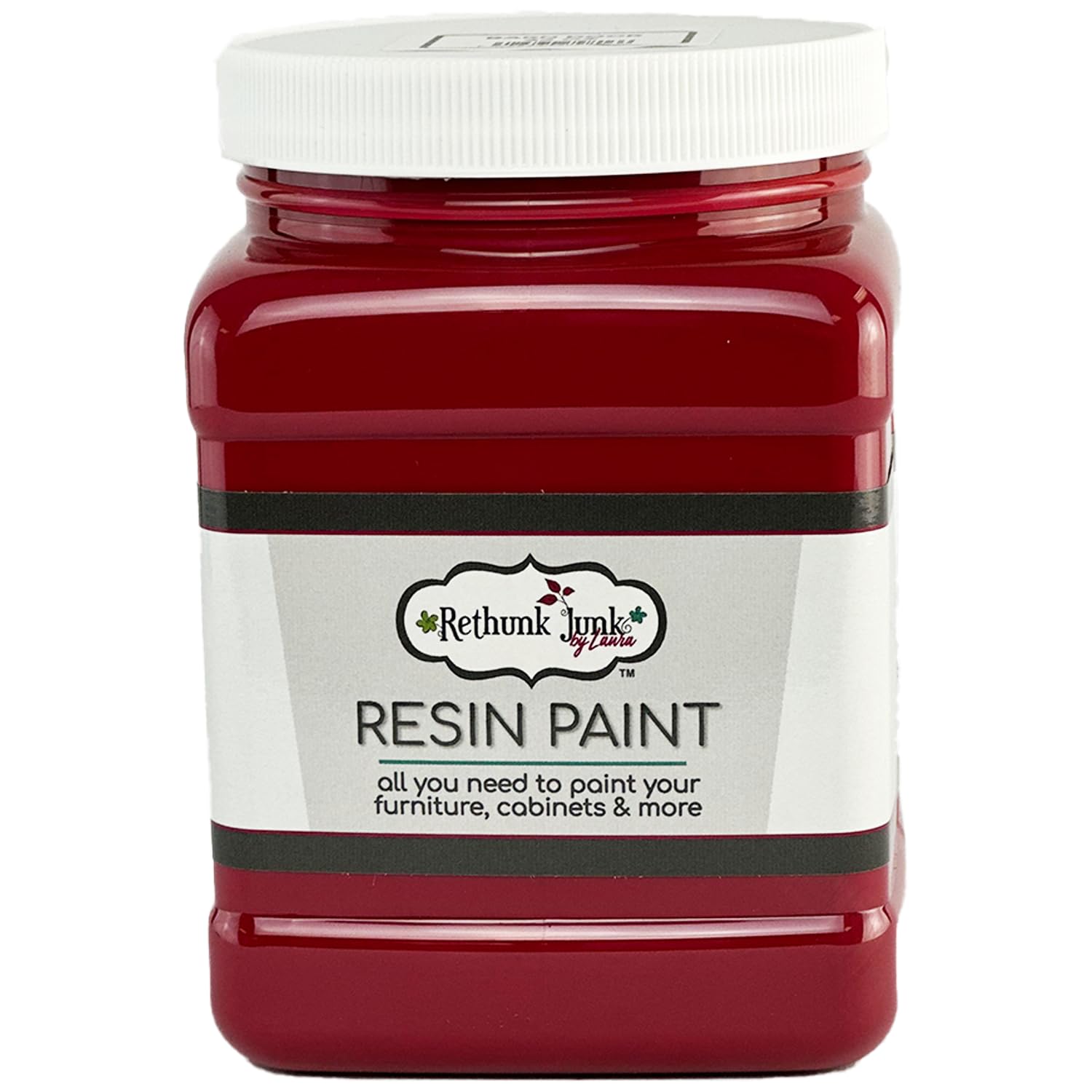
The Rethunk Junk Resin Paint stands apart because of its self-leveling, self-sealing one-step formula that eliminates the need for priming or sanding. This is a genuine time-saver on doors with existing glossy finishes or tricky old paint layers. The satin finish dries to a hard, resin-like shell that resists chips and stains remarkably well — multiple users report zero peeling even on heavily used front doors exposed to the elements.
At 32 fluid ounces, a single can covers about one door with two coats, and the low-VOC, non-toxic composition makes it safe for interior projects. The paint is slightly thinner than standard latex, which helps it self-level but also means it can drip if applied too thickly. Careful brushwork or light coats with a mini roller produce a smooth, factory-like finish that hides brush strokes.
For homeowners who want a durable, commercial-grade finish without spending a weekend on prep, this is the most practical door paint on the market. The color range is wide, and the adhesion to both wood and metal surfaces has been verified by countless users who returned to buy more for cabinets and trim after their door project.
Why it’s great
- No sanding or priming required before application
- Self-leveling formula produces a smooth, professional finish
- Excellent adhesion on both wood and metal doors
Good to know
- Thinner consistency requires careful application to avoid drips
- Small container size may require multiple units for large projects
2. PRESTIGE Paints Interior Paint and Primer in One

PRESTIGE Paints delivers a true paint-and-primer-in-one for interior doors that offers fade resistance and UV protection — a rarely advertised feature that matters for doors near windows or in sun-drenched hallways. The semi-gloss finish is hard enough to withstand repeated cleaning without wearing through, and the acrylic latex formula spreads evenly without clumping. Users consistently praise its one-coat coverage over previously painted surfaces.
Coverage is generous at 250 to 400 square feet per gallon, meaning a single gallon will handle up to four doors with two coats each. The cleanup is straightforward with soap and water, and the paint dries quickly enough to allow a second coat on the same day. The main caveat is surface compatibility — it performs best on drywall, plaster, and previously painted surfaces, not on raw or bare wood.
For those painting interior doors that already have a coat of paint, this is an efficient, high-quality choice. The UV resistance ensures the color won’t shift over time, and the washable surface makes it easy to keep door edges clean from handprints without damaging the finish.
Why it’s great
- UV and fade resistance keeps color true over time
- Paint and primer in one saves a full step
- High coverage per gallon reduces total cost per door
Good to know
- Not recommended for bare or unprimed wood
- Limited color selection compared to major brands
3. Glidden Porch and Floor with Cool Surface Technology

Glidden’s Porch and Floor paint is formulated for high-traffic horizontal surfaces, but its scratch resistance and durable acrylic base translate exceptionally well to entry doors and storm doors. The stand-out feature is the Cool Surface Technology, which limits surface temperature by up to 20 percent — a genuine comfort benefit for doors that face direct afternoon sun. The satin finish offers a subtle sheen that hides dust and smudges better than gloss.
The one-gallon can provides enough paint for four to five door-sized projects, making it the highest-value option in this lineup for exterior work. It bonds well to wood, concrete, and incidental ferrous metal, so it works on both wooden entry doors and metal storm doors. Drying time is fast in direct sunlight — roughly a few hours — though coverage consistency depends heavily on surface preparation.
A small number of users received cans with lumpy or partially dried paint, which points to batch inconsistency in a product that otherwise receives strong marks. If you inspect the can before starting and stir thoroughly, the finish is resilient enough to handle daily contact and temperature swings without cracking.
Why it’s great
- Cool Surface Technology reduces door surface heat in direct sun
- High scratch resistance protects against daily wear and tear
- Generous gallon volume offers best value per square foot
Good to know
- Some quality control issues with paint consistency reported
- Not optimized for interior doors with existing gloss finish
4. Diamond Brite Kitchen and Bath Latex Paint

Diamond Brite’s Kitchen and Bath Latex Paint targets moisture-prone environments with a formula that resists brown spotting from humidity — an ideal choice for bathroom doors and laundry room doors. The semi-gloss finish is washable and durable, handling frequent cleaning without wearing down. The one-gallon can covers approximately 300 square feet, making it a mid-range volume option that suits single-door plus trim projects.
The paint is made in the USA and arrives in recycled plastic cans, which appeals to environmentally conscious buyers. Application on wood is straightforward, and the high-hiding formula covers stains and dark colors in two coats. The paint does have a slightly thicker consistency than premium acrylic blends, which some users found sticky even after mixing — this can lead to visible brush strokes if not applied with care.
For interior doors in bathrooms, basements, or kitchens where moisture and temperature swings are constant, this is a targeted solution that outperforms standard wall paint. Just be prepared to thin slightly or use a high-quality brush to minimize texture issues.
Why it’s great
- Moisture-resistant formula prevents humidity-related spotting
- Washable semi-gloss finish withstands repeated cleaning
- Made in the USA with recycled packaging
Good to know
- Thicker consistency may show brush strokes
- Not intended for use on doors with metal or bare wood without primer
5. DWIL Acrylic Wood Paint for Furniture

DWIL’s Acrylic Wood Paint comes as a complete kit with masking film, a roller, brush, sandpaper, gloves, and masking tape — everything a first-timer needs to tackle a door without separate tool purchases. The 32-ounce pail covers roughly 50 to 60 square feet, which is enough for one door with two coats. The water-based, non-toxic formula has virtually no odor and dries to a semi-gloss finish in about 30 minutes.
The paint is thick and requires thin, even coats to prevent drips — users found that three light coats at two-hour intervals produced the best results on doors and cabinets. Adhesion to wood is strong without sanding, but the paint is not waterproof and is recommended for indoor use only. The included sandpaper is fine-grit and works well for a light scuff on existing glossy surfaces.
For the budget-conscious DIYer painting a single interior door, this kit eliminates the need to buy separate supplies. The trade-off is that the color selection is limited and the paint volume is smaller than standard gallon options, but the included tools and low fume level make it an accessible entry point for door refinishing.
Why it’s great
- Complete painting kit included (brush, roller, sandpaper, tape)
- Low odor and non-toxic, safe for indoor use without ventilation concerns
- Quick drying allows multiple coats in a single day
Good to know
- Not recommended for exterior doors or moisture-prone areas
- Limited color options and smaller container size
FAQ
Can I use regular wall paint on a door?
How long should I wait between coats on a door?
Do I need to sand my door before painting?
Final Thoughts: The Verdict
For most users, the best door paint winner is the Rethunk Junk Resin Paint because it combines zero-prep adhesion, a self-leveling satin finish, and proven durability on high-traffic interior and exterior doors. If you want maximum UV resistance and fade protection for a sun-exposed entryway, grab the PRESTIGE Paints Interior Paint and Primer in One. And for a budget-friendly DIY kit that includes all the tools you need for a single door project, nothing beats the DWIL Acrylic Wood Paint.

Mo Maruf
I created WellFizz to bridge the gap between vague wellness advice and actionable solutions. My mission is simple: to decode the research and give you practical tools you can actually use.
Beyond the data, I am a passionate traveler. I believe that stepping away from the screen to explore new environments is essential for mental clarity and physical vitality.