Our readers keep the lights on and my smoothie glass nicely filled. As an Amazon Associate, I earn from qualifying purchases.
A lush, emerald lawn that stays thick and green through summer heat waves, watering restrictions, and weeks without rain — that is the promise of a properly selected drought-tolerant grass blend. The wrong mix leads to bare patches, wilted blades, and skyrocketing water bills.
I’m Mohammad Maruf — the founder and writer behind WellFizz. I spend hundreds of hours analyzing seed genetics, germination data, and real-world reviews to identify which turf blends can genuinely survive dry conditions without sacrificing visual density.
Central to any water-wise landscaping plan is the best drought tolerant lawn seed mix — one that combines deep-rooted fescues with rapid-establishing varieties to create a self-sustaining turf.
How To Choose The Best Drought Tolerant Lawn
Picking a drought-tolerant seed mix comes down to root depth, seed coating technology, and blend composition. The deepest-rooted cool-season species is tall fescue, which can send roots down 2 to 3 feet — tapping moisture that shallow-rooted bluegrass never reaches. Kentucky bluegrass is prized for its self-repairing rhizomes, but it requires more frequent watering to stay green. A blend that marries tall fescue’s drought resistance with bluegrass’s recovery ability offers a good middle ground for northern lawns.
Seed Coatings and Germination Speed
Coatings like OptiGrowth or water-absorbing polymers improve soil contact and hold moisture around each seed during the critical first week. In dry conditions, uncoated seed can desiccate before it sprouts. A coated seed mix raises the odds of uniform germination even when rainfall is scarce — an important feature for a drought-tolerant lawn that must establish itself with minimal irrigation.
Blend vs. Single Species
A single-species lawn is vulnerable. If one pathogen or weather event attacks that species, the whole lawn suffers. A blend of two or three species — typically tall fescue, fine fescue, and perennial ryegrass — provides genetic diversity that protects against disease, pests, and drought stress. Look for blends that list exact percentages rather than vague “variety” labeling.
Mowing Frequency and Lawn Health
Lower-growing cultivars reduce mowing frequency by up to 30%. A no-mow or low-grow fescue mix stays under 4 inches tall naturally, cutting down on mower emissions, fuel costs, and labor. Shorter grass also loses less water through transpiration, making low-grow fescue an excellent fit for a lawn that needs to survive dry spells with minimal intervention.
Quick Comparison
On smaller screens, swipe sideways to see the full table.
| Model | Category | Best For | Key Spec | Amazon |
|---|---|---|---|---|
| Combat Extreme Northern Zone | Turf Blend | Dry northern zones | OptiGrowth coated | Amazon |
| Jonathan Green Black Beauty Fall Magic | Cool-Season Mix | Fall overseeding | 7-14 day germination | Amazon |
| Annual RyeGrass Seed by Eretz | Annual Rye | Quick soil cover | Oregon grown | Amazon |
| Jonathan Green Fast Grow | Temporary Mix | One-season fill | 7-10 day germination | Amazon |
| JRK 4 Fescue Low Grow No Mow | No-Mow Fescue | Zero-maintenance turf | Drought best tolerance | Amazon |
In‑Depth Reviews
1. Outsidepride Combat Extreme Northern Zone
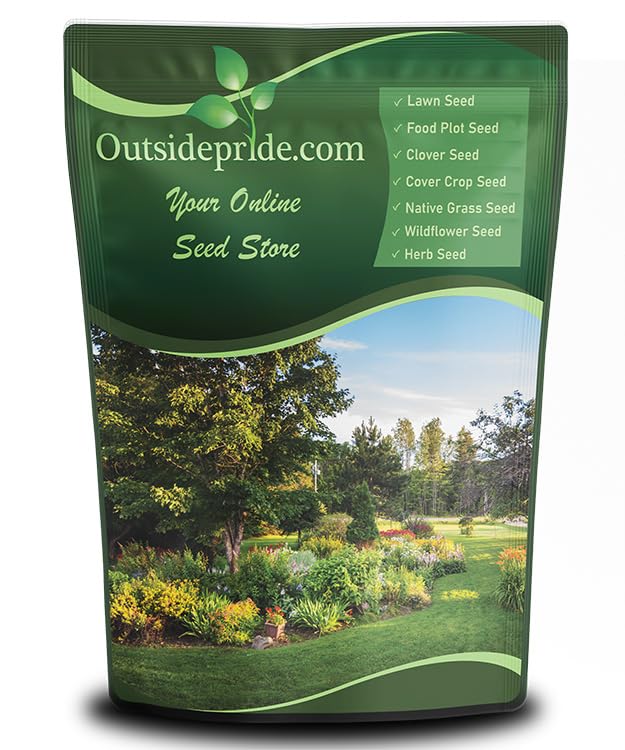
This blend pairs tall fescue with Kentucky bluegrass in a mix designed for USDA Zones 4-5 — the cold-hardy threshold where many drought-tolerant grasses struggle to overwinter. The OptiGrowth coating is a genuine differentiator: it holds moisture around each seed, giving it a survival advantage when soil is dry during the establishment window.
Real-world users report germination in about 7 days with dark green, carpet-like density. The low-growing cultivars in the blend reduce mowing frequency by up to 30%, which directly cuts water loss from transpiration. It handles full sun and partial shade evenly, a rare trait in fescue-heavy blends.
Several reviews highlight excellent performance in dry Minnesota summers with minimal watering after the first month. The only caution is that seed freshness matters — one user reported no growth after three months, likely due to old stock. Buy from a high-turnover seller to avoid this.
Why it’s great
- OptiGrowth coating improves drought survival during germination
- Reduces mowing frequency by up to 30%
- Thrives in both full sun and partial shade
Good to know
- Freshness varies by seller — check packaging date
- Higher price point than generic blends
2. Jonathan Green Black Beauty Fall Magic

Black Beauty Fall Magic is a refined cool-season blend of tall and fine fescues, Kentucky bluegrass, and perennial ryegrass. It is formulated specifically for fall planting — mid-August through mid-October — which aligns perfectly with natural rainfall patterns that reduce the need for supplemental water.
The seed composition produces a very dark green turf with good density. One user in upstate NY reported germination in just 7 days with consistent moisture from autumn showers. The mix repairs summer damage effectively and sets up the lawn to withstand winter desiccation, a common cause of spring dead spots.
A few users noted that uncovered seed attracts birds — a thin layer of straw or topsoil resolves this. The bag covers 1,750 sq. ft. for new lawns or 3,500 sq. ft. for overseeding, and the seed is free of coating filler that can reduce seed count per pound.
Why it’s great
- Exceptional dark green color after establishment
- Timed for natural fall moisture — less watering needed
- Blend of 4 species resists disease and drought
Good to know
- May need netting to protect from birds and rabbits
- Fall-specific formulation — not ideal for spring
3. Annual RyeGrass Seed by Eretz

Annual ryegrass is not a permanent solution — it lives for one season — but it is one of the fastest ways to establish soil cover in a dry stretch. This Eretz seed is grown in Oregon’s Willamette Valley and is certified weed- and filler-free, meaning you get pure viable seed rather than a bag of hulls.
Germination happens in days, even in poor clay soil. One Texas user reported 2/3 germination with minimal watering during a dry winter — a strong indicator of drought tolerance. The ryegrass forms a dense, verdant stand that suppresses weeds and stabilizes soil against erosion on slopes.
The main limitation is its annual life cycle — it dies after one season, so it is best used as a nurse crop for overseeding with perennial fescue. For quick beautification or erosion control on a budget, this is the most economical option.
Why it’s great
- Germinates in 3-5 days even in dry soil
- No weed seeds or filler material
- Excellent for erosion control on slopes
Good to know
- Annual only — must be replanted each year
- Light green color may not match established turf
4. Jonathan Green Fast Grow

Fast Grow is a temporary seed mix built for rapid establishment — it contains annual ryegrasses, tall fescues, and fine fescues designed to fill bare spots or grow a new lawn in 7 to 10 days. It works in full sun to medium shade, making it versatile for problem areas in most yards.
One user planted it with zero soil prep beyond a spreader and watering and saw growth in two weeks. Another reported 1-inch-high grass by day 7 despite temperature swings from 80°F down to 32°F. The temporary nature is intentional — the company recommends overseeding with their Black Beauty line for a permanent lawn.
The key trade-off is color. Several reviewers note the grass is a noticeably light, pale green compared to dark bluegrass blends. For a quick repair patch that will be overseeded later, this is acceptable. For a permanent lawn, consider the Combat Extreme or Black Beauty blends instead.
Why it’s great
- Fastest germination in the lineup — 7 to 10 days
- Works in poor soil with minimal preparation
- Covers 1,750 sq. ft. for new lawns per 7 lb bag
Good to know
- Light green color — creates two-tone look next to dark turf
- Temporary — dies after one season
5. JRK 4 Fescue Low Grow No Mow

JRK’s 4 Fescue blend is a true no-mow mix designed for sandy soils and low-rainfall conditions. It grows to a maximum of 4 inches naturally, eliminating mowing entirely. The fescue genetics prioritize deep root development over top growth, making it one of the most drought-tolerant options available in a home-scale bag.
Users report excellent results on clay soil when combined with starter fertilizer and consistent moisture during establishment. One Michigan user described it as “super soft” with a beautiful rolling meadow texture that pets love. The rubber seed netting is recommended for slopes to prevent washout before roots establish.
Some patchy germination has been reported — one user noted tall light green tufts mixed with shorter fescue, suggesting a small percentage of annual ryegrass contamination. For the premium price, buyers should overseed heavily in the first season to ensure full coverage. The payoff is a lawn that requires zero mowing and very little water once established.
Why it’s great
- Zero mowing required — grows to 4 inches max
- Best drought tolerance in the lineup
- Excellent for sandy or poor soils
Good to know
- Premium price — large 25 lb bag
- Some users report patchy germination
FAQ
How often should I water a drought-tolerant lawn during establishment?
Can I mix annual ryegrass with tall fescue in a drought-tolerant blend?
Final Thoughts: The Verdict
For most users, the best drought tolerant lawn winner is the Outsidepride Combat Extreme Northern Zone because its OptiGrowth coating and tall fescue/bluegrass blend deliver dense dark turf with 30% less mowing and true drought resistance. If you want a premium, no-mow solution for sandy soil, grab the JRK 4 Fescue Low Grow No Mow. And for a budget-friendly cover crop or quick erosion fix, nothing beats the Annual RyeGrass Seed by Eretz.

Mo Maruf
I created WellFizz to bridge the gap between vague wellness advice and actionable solutions. My mission is simple: to decode the research and give you practical tools you can actually use.
Beyond the data, I am a passionate traveler. I believe that stepping away from the screen to explore new environments is essential for mental clarity and physical vitality.