Our readers keep the lights on and my smoothie glass nicely filled. As an Amazon Associate, I earn from qualifying purchases.
Colorado’s semi-arid climate, intense sun, and alkaline soil make keeping a lush lawn a constant battle against the water bill. The key to winning that battle isn’t watering more—it’s choosing a grass species bred to thrive on neglect.
I’m Mohammad Maruf — the founder and writer behind WellFizz. This guide is the result of many hours spent cross-referencing turfgrass research, analyzing seed composition labels, and studying customer results across Colorado’s diverse growing zones to identify which blends actually deliver on their promises.
Whether you are starting from bare dirt or overseeding a tired patch of Kentucky bluegrass, these seven products represent your best route to a resilient, low-water lawn. Here is my complete breakdown of the best drought resistant grass for colorado.
How To Choose The Best Drought Resistant Grass For Colorado
Colorado’s unique combination of low humidity, high UV, and alkaline clay soil means not every “drought tolerant” label applies here. You need a grass that can handle cool nights, bounce back from summer heat, and survive with minimal supplemental water. The three most reliable types for this region are fine fescues, tall fescues, and cold-tolerant bermudagrass varieties.
Fine Fescue Blends for Low-Maintenance Yards
Fine fescues—creeping red, Chewings, hard, and sheep fescue—are the top choice for Colorado homeowners who want to mow less and water rarely. These grasses have a naturally slow growth habit, deep root systems, and excellent shade tolerance. They perform best under low fertility and can go dormant during extreme drought without dying, greening up again when water returns.
Tall Fescue for Durability and Self-Repair
Tall fescue varieties, especially those with rhizomes (RTF), are ideal for lawns that face foot traffic, pets, or kids. They develop root systems up to four feet deep, allowing them to pull moisture from deeper soil layers. Look for blends that include endophyte-enhanced varieties for natural insect resistance and a waxy leaf coating that reduces evaporation.
Seed Coatings and Germination Aids
Some products use a starch-based coating that can hold up to 600 times its weight in water. This is a smart feature for Colorado’s dry spring conditions because it keeps the seed hydrated longer between waterings, giving you a wider window before the seedling dries out. Coatings also help with uniform distribution and soil contact.
Quick Comparison
On smaller screens, swipe sideways to see the full table.
| Model | Category | Best For | Key Spec | Amazon |
|---|---|---|---|---|
| Jonathan Green Black Beauty Rocky Mountain | Cool-Season Blend | Colorado high-altitude lawns | 4-ft deep root system | Amazon |
| Barenbrug Turf Saver RTF | Rhizome Tall Fescue | Self-repairing high-traffic turf | Yellow Jacket water-holding coating | Amazon |
| Outsidepride Legacy Fine Fescue Mix | Fine Fescue Blend | Shade and sun flexible lawns | OptiGrowth nutrient coating | Amazon |
| Lesco All-Pro Transition Tall Fescue | Professional Tall Fescue | Large transitional zone lawns | Endophyte-enhanced insect resistance | Amazon |
| Twin City Seed Co. Eco Seed Low Grow Fescue | No-Mow Fine Fescue | Low-management, unmown areas | 12-inch height when unmown | Amazon |
| Eretz Creeping Red Fescue | Single-variety Fescue | Shaded slopes and erosion control | 99.6% pure seed, 0% weed seed | Amazon |
| Pennington Bermudagrass | Warm-Season Bermuda | Low-growing, wear-resistant turf | Penkoted cold-tolerant coating | Amazon |
In‑Depth Reviews
1. Jonathan Green Black Beauty Rocky Mountain

This is the single most targeted blend for Colorado’s high-altitude climate. Jonathan Green formulated Black Beauty Rocky Mountain specifically for the cool, semi-arid conditions of Colorado, Montana, Utah, and Wyoming. It combines Black Beauty turf-type tall fescues with Blue Panther Kentucky bluegrass and elite perennial ryegrass, creating a mix that thrives in both full sun and partial shade. The tall fescue component develops roots up to four feet deep, and the waxy leaf coating reduces moisture loss through evaporation.
Customer reports from Colorado Springs and south central Montana confirm germination between seven and ten days with consistent twice-daily watering. One user at 8,000 feet elevation reports excellent growth, validating its altitude tolerance. The bag size—seven pounds covering up to 1,750 square feet for new lawns or 3,500 square feet for overseeding—is practical for the average residential lot.
The only downside is the slower initial establishment compared to cheaper blends, but that patience pays off with a denser, more drought-hardy turf that maintains its dark green color through summer stress. If you want one seed that was literally designed for your zip code, this is it.
Why it’s great
- Specifically blended for Colorado and Rocky Mountain states
- Deep root system (up to 4 feet) for natural drought resistance
- Uniform growth habit, not clumpy like some fescues
- Dark green color retains well even in heat
Good to know
- Slower to establish than ryegrass-heavy mixes
- Requires consistent watering during germination (7-10 days)
- Smaller bag size may not suit very large properties
2. Barenbrug Turf Saver RTF
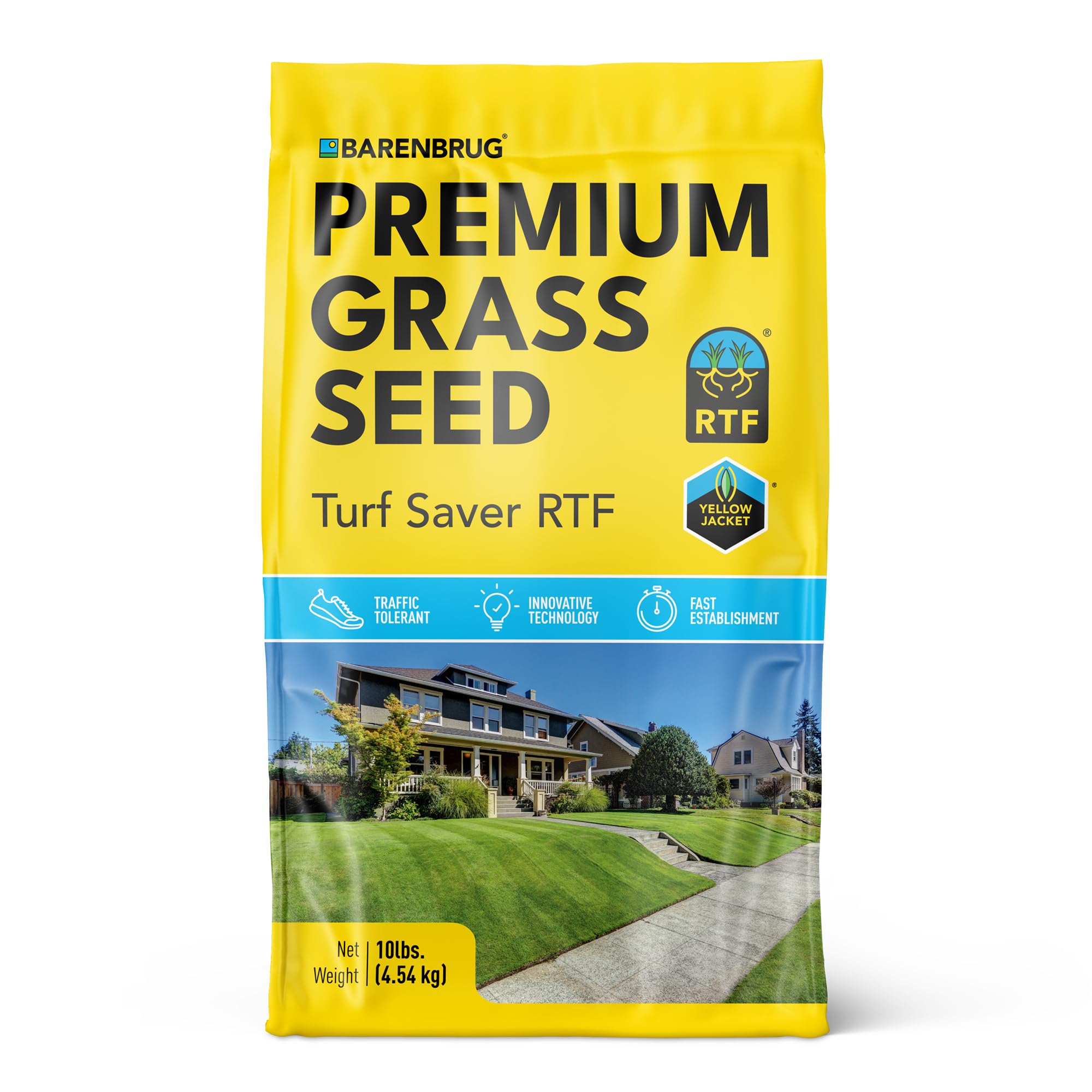
Barenbrug’s Turf Saver RTF stands out because it is the only tall fescue on the market with true rhizomes. Those underground stems allow the grass to send up new shoots to fill damaged or bare spots without reseeding—a huge advantage for Colorado lawns that take a beating from summer heat or pet traffic. The blend features 40% RTF varieties and 60% high-quality traditional tall fescues, plus BarRobusto, a variety with above-average drought tolerance and high brown patch resistance in independent trials.
The Yellow Jacket seed coating is a starch-based material that holds up to 600 times its weight in water. University of New Mexico trials showed that this coating helps seeds establish faster and require less water during the critical germination window. For Colorado’s dry spring, that means a wider safety margin if you miss a watering session. Customers report thicker, greener turf with minimal care.
The bag is ten pounds, which is a solid size for mid-size lawns. A small number of customers reported no germination at all, but the overwhelming majority saw fast, dense growth. This is the best choice if you want a self-repairing lawn that reduces future overseeding work.
Why it’s great
- True rhizomes allow self-repair of bare spots
- Yellow Jacket coating reduces water needed for germination
- BarRobusto variety offers enhanced brown patch resistance
- Tolerates missed watering better than standard fescues
Good to know
- Germination can take longer than uncoated seed
- Some batches had germination failures reported
- More expensive per pound than basic fescue mixes
3. Outsidepride Legacy Fine Fescue Mix
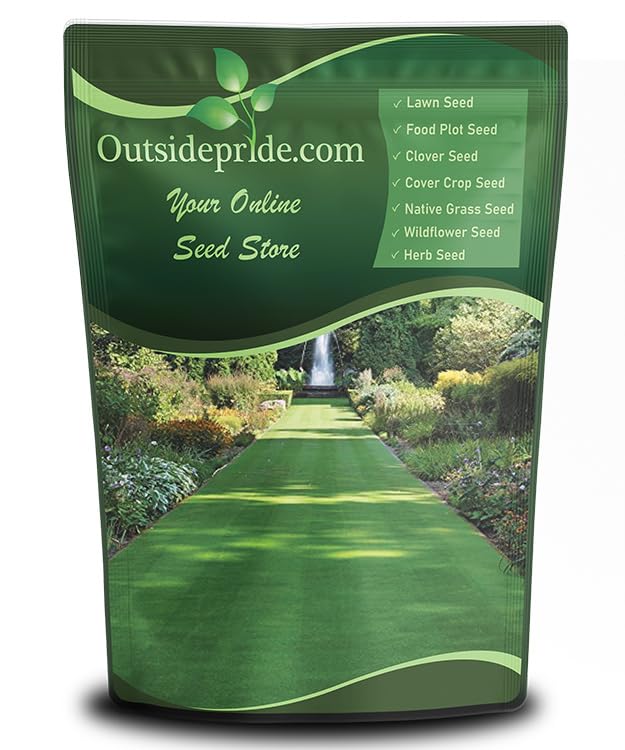
Outsidepride’s Legacy mix is a carefully balanced blend of 20% hard fescue, 40% Chewings fescue, and 40% creeping red fescue. This three-way fine fescue combination delivers a fine-textured, lush turf that thrives from full sun to dense shade—a rare flexibility that matters in Colorado yards with mature trees. The OptiGrowth coating includes zinc, phosphorus, nitrogen, and Elko kelp to support vigorous root development and faster establishment.
Customer results are mixed, which is typical for fine fescues in dry climates. Some users report beautiful, luxurious grass with minimal water after a good compost base. Others experienced slow germination or high failure rates (as low as 10% in one case). The contrasting experiences seem to depend heavily on watering consistency and soil preparation. The fine blades create a soft, almost carpet-like feel when established.
The five-pound bag is a good starter size for experimenting with fine fescues without committing to a large area. The heirloom material feature means no genetically modified varieties, which appeals to organic-minded homeowners. Just be prepared for slower initial growth compared to tall fescue blends.
Why it’s great
- Excellent shade and sun tolerance in one blend
- Nutrient-coated seed supports strong early growth
- Fine texture creates a soft, high-end turf feel
- Ideal for low-maintenance, low-water lawns
Good to know
- Germination can be inconsistent without strict watering
- Some customers reported very low germination rates
- Slower to fill in than tall fescue or ryegrass mixes
4. Lesco All-Pro Transition Tall Fescue
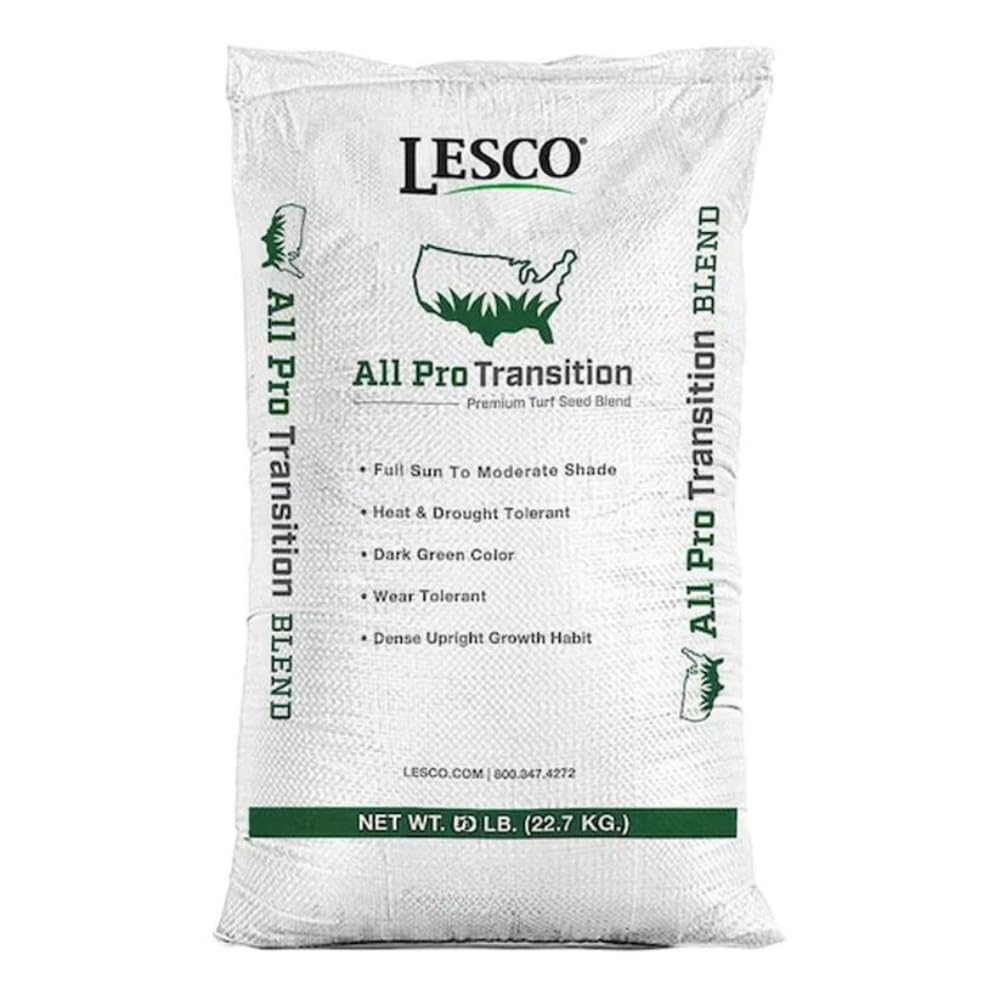
Lesco’s All-Pro Transition blend is a bulk option designed for large properties and professional-grade results. The fifty-pound bag covers up to 10,000 square feet when overseeding at five pounds per 1,000 square feet, making it the most cost-effective choice in this lineup for big lawns. The tall fescue varieties are endophyte-enhanced, meaning they naturally deter chinch bugs and sod webworms without pesticides—a real advantage in Colorado’s transition zone where insects can stress drought-weakened turf.
Customer feedback highlights fast germination—often within a week—and a dense, soft feel underfoot. The seed is described as clean with no weed contamination, and several users note it outperforms big-box brands like Scotts at a better per-pound value. The blend is designed for transition zones with hot summers and cool winters, which matches much of Colorado’s Front Range and eastern plains.
The main drawbacks are the non-returnable, non-refundable policy and the sheer size of the bag. If you only need to patch a small area, this is overkill. But for serious lawn renovation or a new build, this is the most efficient path to a thick, drought-hardy tall fescue lawn.
Why it’s great
- Endophyte-enhanced for natural insect resistance
- Excellent coverage per pound (10,000 sq ft overseeding)
- Fast germination (reported within 1 week)
- Weed-free, clean seed with no filler
Good to know
- Non-returnable / non-refundable policy
- 50-pound bag is impractical for small lawns
- Tall fescue can look clumpy if not mowed consistently
5. Twin City Seed Co. Eco Seed Low Grow Fescue
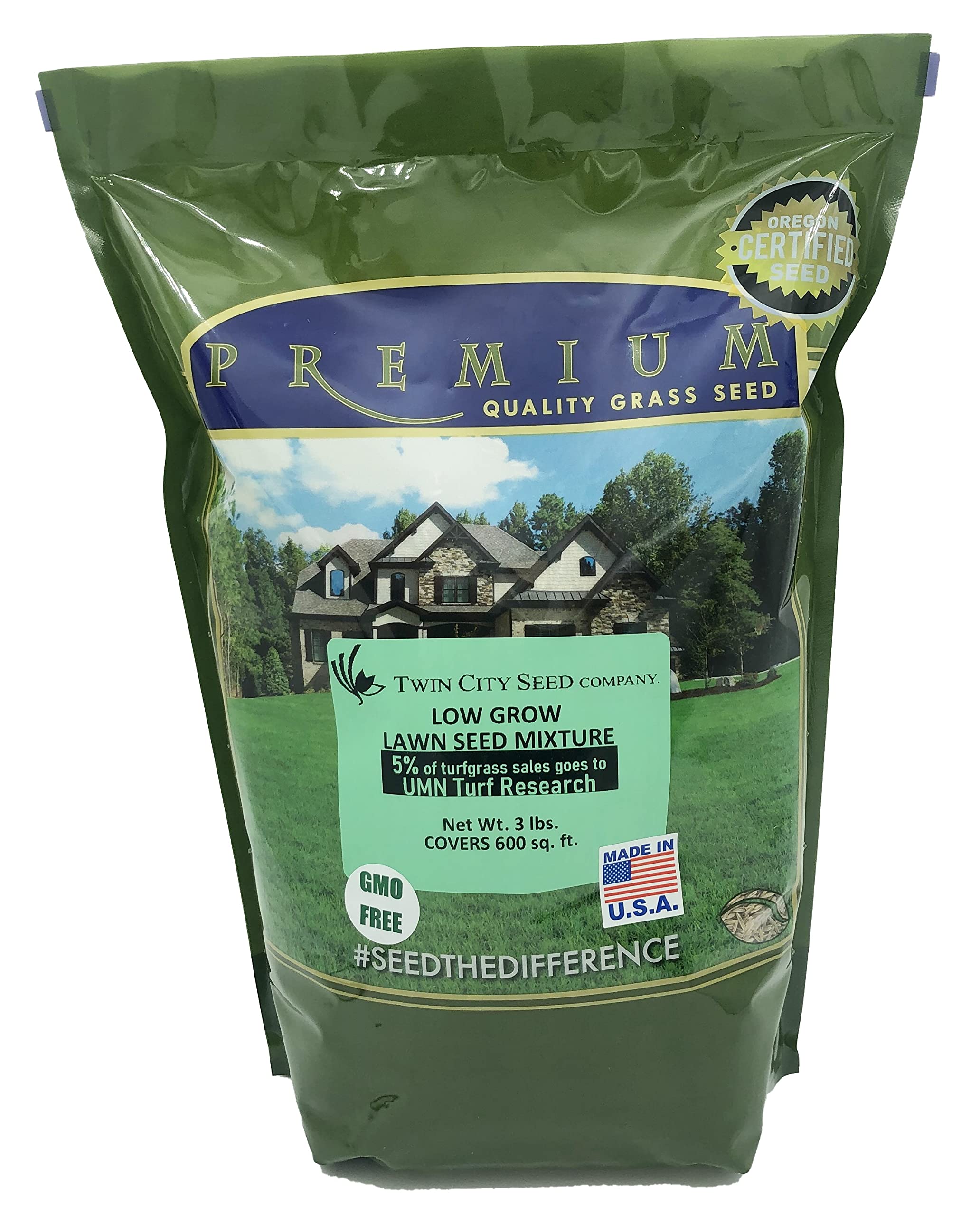
Twin City Seed Co. has created a blend that leans fully into the no-mow, low-management philosophy. The mix contains 25% each of Celestial creeping red fescue, Enchantment Chewings fescue, Viking H2O hard fescue, and Blue Mesa sheep fescue. This four-way fine fescue combination produces an attractive turf stand whether mown between two and four inches or left unmown to reach a mature height of ten to twelve inches. For Colorado homeowners with slopes, native areas, or simply a desire to reduce mowing frequency, this is a perfect fit.
The grass is described by customers as ideal for banks and hard-to-mow areas. Germination occurs in seven to twelve days under ideal conditions, but growth remains slow and low after that—exactly as advertised. The blend adapts to everything from sandy soil to heavy clay, which covers the wide variation in Colorado soil types. The three-pound bag is small but sufficient for testing (new lawn coverage of 3-5 lbs per 1,000 sq ft).
The main caveat is the small bag size and occasional fulfillment issues where customers received smaller bags than ordered. For the philosophy of “plant it and let it be,” this blend delivers water savings, time savings, and a natural meadow-like appearance that many Colorado homeowners prefer over a manicured monoculture.
Why it’s great
- True no-mow capability, reaches only 12 inches unmown
- Excellent for slopes, banks, and low-maintenance areas
- Adapts to varied soil types from sand to clay
- Shade-tolerant and drought-tolerant simultaneously
Good to know
- Small bag size (3 lb) limits coverage for large areas
- Some fulfillment issues with incorrect bag sizes
- Not ideal for a formal, manicured lawn look
6. Eretz Creeping Red Fescue
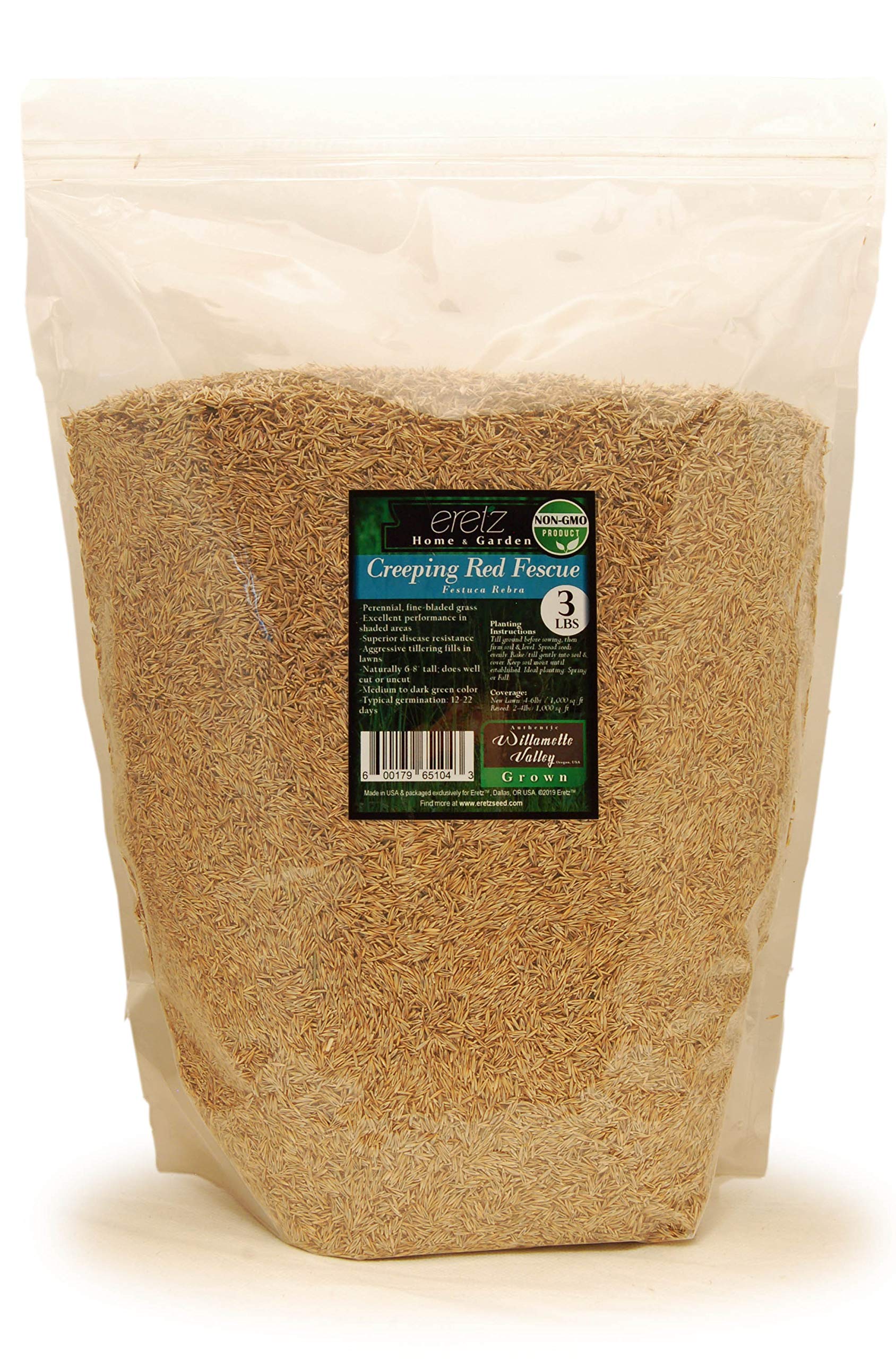
Eretz offers a single-variety creeping red fescue grown in Oregon’s Willamette Valley, guaranteed at 99.6% pure seed with no weed seeds or other crop contaminants. This is the most transparent product in the lineup—you know exactly what you are planting. Creeping red fescue is a fine-bladed perennial grass that excels in shaded areas and on slopes where erosion control is needed. It has aggressive tillering (lateral shoots) that helps it fill in bare spots over time.
Customers confirm the grass stays green through winter, unlike warm-season grasses that go dormant and turn brown. Germination takes two weeks or longer, and the initial growth is slow, but the resulting turf is fine-textured, dark green, and self-repairing. The three-pound bag size is appropriate for patch repair or small lawn areas. Several users reported success on erosion-prone slopes where the grass held soil in place without needing frequent mowing.
The premium pricing per pound compared to blends is the main trade-off. If you need a pure stand of creeping red for a specific application—shade, slopes, or a naturalized area—this is the cleanest source available. It is not the fastest option, but the purity and provenance are hard to beat.
Why it’s great
- 99.6% pure seed with zero weed seeds
- Excellent for shaded areas and erosion-prone slopes
- Stays green through winter in Colorado
- Aggressive tillering self-repairs bald spots
Good to know
- Very slow germination (2+ weeks)
- Expensive per pound compared to blended products
- Requires sharp mower blade for clean cut
7. Pennington Bermudagrass

Pennington’s Bermudagrass is a warm-season option that brings naturally high drought tolerance and aggressive self-spreading growth. It is not the obvious choice for Colorado, but the improved cold-tolerant varieties in this blend make it viable for the state’s warmer Front Range and eastern plains regions where summers are long and winters are milder. The grass goes dormant and turns brown over winter, then greens up quickly in late spring.
The seeds are extremely tiny—almost powder-like—which means multiple passes and annual overseeding are needed to build a thick stand. Customers who saw germination reported good results, but a significant minority experienced zero germination. The five-pound bag is economical, and the Penkoted coating helps protect the seed during early growth. The grown-in wear resistance makes it suitable for high-traffic areas like play zones or dog runs.
This is a niche choice for Colorado. It works best if you are in a warmer microclimate and accept a brown winter lawn. For the right situation, it offers the lowest water requirements of any grass type and the fastest recovery from wear. But for most Colorado homeowners, a cool-season fescue blend will deliver a greener lawn with less hassle.
Why it’s great
- Naturally the most drought-tolerant grass type available
- Aggressive self-spreading fills in fast
- Extremely wear-resistant for high-traffic areas
- Low-growing blend produces fewer clippings
Good to know
- Goes dormant (brown) in Colorado winters
- Tiny seeds require multiple passes for coverage
- Some batches had poor germination results
FAQ
What is the best grass type for Colorado’s dry climate?
Can I grow bermudagrass in Colorado?
How often should I water drought-resistant grass in Colorado?
Final Thoughts: The Verdict
For most users, the best drought resistant grass for colorado winner is the Jonathan Green Black Beauty Rocky Mountain because it is purpose-built for the state’s high altitude, cool nights, and dry summers. If you want true self-repairing turf, grab the Barenbrug Turf Saver RTF. And for a no-mow, low-water option on slopes or hard-to-reach areas, nothing beats the Twin City Seed Co. Eco Seed Low Grow Fescue.

Mo Maruf
I created WellFizz to bridge the gap between vague wellness advice and actionable solutions. My mission is simple: to decode the research and give you practical tools you can actually use.
Beyond the data, I am a passionate traveler. I believe that stepping away from the screen to explore new environments is essential for mental clarity and physical vitality.