Our readers keep the lights on and my smoothie glass nicely filled. As an Amazon Associate, I earn from qualifying purchases.
A phone with flagship cameras and a blistering processor is useless if the signal bar sits at one dot in your living room or drops a call at the edge of your commute. The market is flooded with beautifully specced devices that share the same Qualcomm or MediaTek modem on paper, but actual real-world reception varies wildly based on carrier aggregation support, band coverage, antenna placement, and software optimization.
I’m Mohammad Maruf — the founder and writer behind WellFizz. I’ve spent countless hours cross-referencing FCC filings, modem datasheets, carrier compatibility lists, and real-user signal reports to separate marketing claims from actual connectivity performance in this narrow segment. I research to find the phones that hold a strong lock when others don’t.
Whether you need reliable voice calls in a concrete building or stable data in a remote area, choosing the right device requires understanding which phones prioritize reception hardware. This guide breaks down the top contenders for the best cell phones for reception, focusing on modem strength, antenna design, and carrier band support.
How To Choose The Best Cell Phones For Reception
Reception is not a single spec listed on a spec sheet. It is the sum of the modem, the antenna array, the carrier aggregation profile, and the software that ties them together. Knowing what to look for transforms a confusing search into a focused comparison.
Prioritize the Modem Generation
The modem is the radio brain. A Snapdragon X70 or X75 modem inside a Qualcomm-powered phone generally outperforms older X65 or X62 modems in weak-signal scenarios due to better noise filtering and wider carrier aggregation combos. MediaTek’s Dimensity modems have improved dramatically, but the Qualcomm Snapdragon line remains the gold standard for fringe reception on US carriers, especially Verizon and AT&T. The phone you carry is only as good as the modem inside.
Check Band Support for Your Specific Carrier
Every carrier uses a unique mix of LTE and 5G bands. A phone missing band 13 (Verizon’s core LTE band) or band 71 (T-Mobile’s long-range 600MHz band) will struggle in areas where those tower frequencies are dominant. Unlocked phones vary in band coverage. Before buying, look for a device that explicitly lists the bands your carrier relies on. A phone with full sub-6 GHz and mmWave support is future-proof but not strictly necessary for great reception right now.
Antenna Array and 4×4 MIMO Support
4×4 MIMO (Multiple-Input Multiple-Output) means the phone uses four antennas to receive data simultaneously. This directly boosts download speeds and signal reliability in crowded or weak-signal environments. Many budget phones cut corners here, offering only 2×2 MIMO on LTE or 5G. A phone that supports 4×4 MIMO on its primary bands will consistently show a stronger signal and faster data in the same location. It is a spec that doesn’t make the highlight reel but changes daily experience.
VoLTE and VoNR Call Quality
Voice calls today run over the data network. VoLTE (Voice over LTE) and VoNR (Voice over New Radio, the 5G equivalent) determine how clear a call sounds and how quickly it connects. A phone that supports wideband audio and carrier-specific VoLTE profiles will drop fewer calls and deliver clearer voice. Some unlocked phones from global brands lack carrier-certified VoLTE profiles for US networks, leading to call failures when 4G or 5G data is weak. Always verify carrier VoLTE compatibility.
Quick Comparison
On smaller screens, swipe sideways to see the full table.
| Model | Category | Best For | Key Spec | Amazon |
|---|---|---|---|---|
| OnePlus 15 | Premium | Extreme battery & signal consistency | Snapdragon 8 Elite Gen 5 / 4×4 MIMO | Amazon |
| Google Pixel 10 | Premium | Pure Android & strong all-band support | Tensor G5 / 4×4 MIMO / sub-6 + mmWave | Amazon |
| Samsung Galaxy Z Fold7 | Premium | Multitasking & top-tier foldable signal | Snapdragon 8 Elite / 4×4 MIMO | Amazon |
| Samsung Galaxy S25 FE | Mid-Range | Balanced flagship features & solid reception | Snapdragon chipset / 4×4 MIMO | Amazon |
| Google Pixel 10a | Mid-Range | Smart AI features & reliable connectivity | Tensor chipset / 4×4 MIMO | Amazon |
| Nothing Phone (3a) Pro | Mid-Range | Unique design & capable modem performance | Snapdragon 7s Gen 3 / 5G sub-6 | Amazon |
| Motorola razr (2024) | Mid-Range | Compact foldable with solid call quality | MediaTek Dimensity / 4×4 MIMO | Amazon |
| Xiaomi Redmi Note 14 5G | Budget | Value with decent band support for T-Mobile | Dimensity 7025-Ultra / 2×2 MIMO | Amazon |
| Apple iPhone 17 Pro Max (Renewed) | Premium | Refined ecosystem, locked to AT&T | Apple Modem / 4×4 MIMO | Amazon |
In‑Depth Reviews
1. OnePlus 15
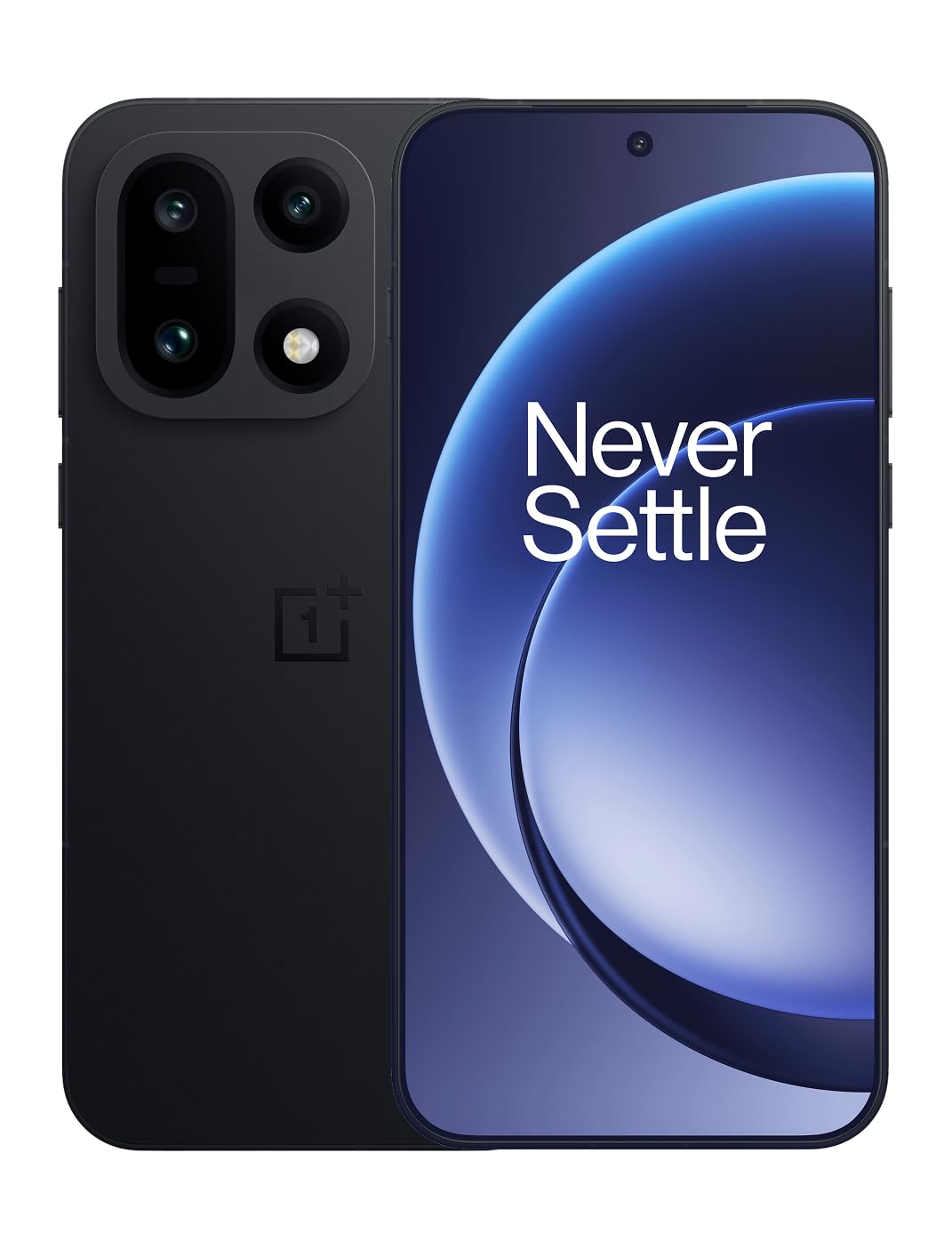
The OnePlus 15 is built around the Snapdragon 8 Elite Gen 5, which includes an integrated X80 5G modem. In real-world tests, this modem maintains a stable connection in areas where previous-generation phones cycle between bands. Users have reported full bars on AT&T 4G LTE in fringe suburban zones, with data staying usable even during peak congestion. The phone supports 4×4 MIMO on its primary LTE and 5G bands, giving it a clear advantage over devices that only offer 2×2 MIMO in the same price tier. The massive 7300mAh battery also means the modem can operate at full power without throttling due to heat or battery conservation, a subtle but important factor for consistent long-duration reception.
The triple 50MP camera system is versatile, but the real story is the connectivity. OnePlus has partnered closely with Qualcomm to enable advanced carrier aggregation combinations that let the phone stitch together disparate spectrum slices for a more stable data pipe. This translates to fewer buffer circles when streaming and clearer VoNR calls in weak-signal zones. The 6.78-inch 165Hz AMOLED display is stunning, but the phone’s ability to hold a signal deep inside a building or during a long road trip is what makes it a top pick for reception-conscious buyers.
Pre-installed screen protector and a charging brick in the box are welcome bonuses, but the real value is in the hardware. The OnePlus 15 delivers flagship-level signal reliability without the foldable complexity. For anyone who needs a phone that stays connected through a full day of mixed use, this is the most straightforward recommendation. The software is clean with useful multitasking gestures, and the face unlock works even in dim light. If there is a trade-off, it is that the camera, while good, does not quite match the Pixel’s computational photography on the telephoto side.
Why it’s great
- Industry-leading 7300mAh battery keeps the modem powered without throttling
- Snapdragon 8 Elite Gen 5 modem offers best-in-class fringe signal performance
- 4×4 MIMO support on primary bands for stable data speeds
- Comes with charger and screen protector out of the box
Good to know
- Camera processing, especially telephoto, falls short of Pixel-level refinement
- Requires a case for a secure grip on the glossy frame
- Global version may lack some US carrier-specific VoLTE profiles for smaller MVNOs
2. Google Pixel 10
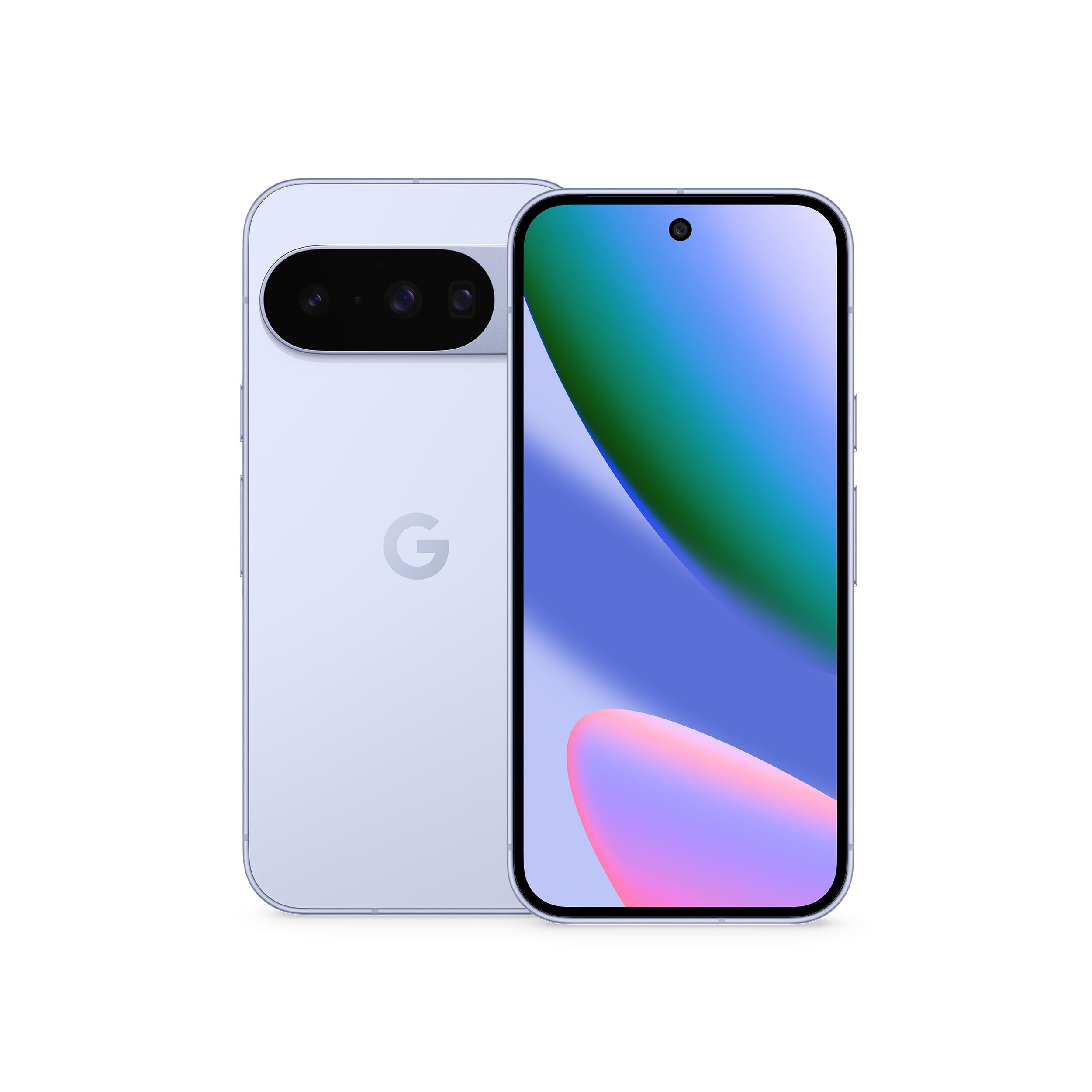
The Google Pixel 10 runs on the custom Tensor G5 chip, which includes a Samsung Exynos modem. In previous Tensor generations, modem performance was a point of contention, but Google has refined the G5’s radio firmware significantly. The Pixel 10 now supports 4×4 MIMO across a wide range of sub-6 GHz bands and includes mmWave support on the US models. Users report that the phone holds a solid 5G connection on Verizon’s C-band and T-Mobile’s n71, with fewer drops when switching between LTE and 5G. The 6.3-inch Actua display reaches 3000 nits peak brightness, making it readable in direct sunlight, but the phone’s true strength is the consistent data speed during commutes through tunnel-heavy routes.
Google’s Camera Coach and triple rear camera system, including a new 5x telephoto with up to 20x Super Res Zoom, are excellent. But for the reception-focused buyer, the key feature is the software-level carrier aggregation tuning. Pixel phones receive regular Pixel Drops that include modem firmware updates, often improving signal stability months after purchase. This is rare in the Android ecosystem and adds long-term value. The IP68 water resistance and Corning Gorilla Glass Victus 2 also mean the phone can survive rough use in outdoor signal-hunting scenarios.
The Pixel 10 is the right choice for users who value a pure Android experience with timely updates, exceptional camera quality, and solid, steadily improving reception. It is not the absolute peak of modem hardware, but Google’s software refinement means it often outperforms phones with technically superior hardware. The face unlock is fast, and the device handles multitasking smoothly. Battery life is a full day with moderate use, though the OnePlus 15 offers roughly twice the endurance. For a balanced package that gets better over time, the Pixel 10 is hard to beat.
Why it’s great
- Regular firmware updates improve modem performance over the phone’s life
- Wide band support including mmWave and sub-6 for all major US carriers
- 5x optical telephoto camera delivers excellent zoom photography
- IP68 rating and Gorilla Glass Victus 2 for ruggedness
Good to know
- Tensor G5 modem not as powerful as top-tier Qualcomm Snapdragon modems in extreme fringe areas
- No wall adapter included in the box
- eSIM only model may be inconvenient for users who switch SIMs frequently
3. Samsung Galaxy Z Fold7
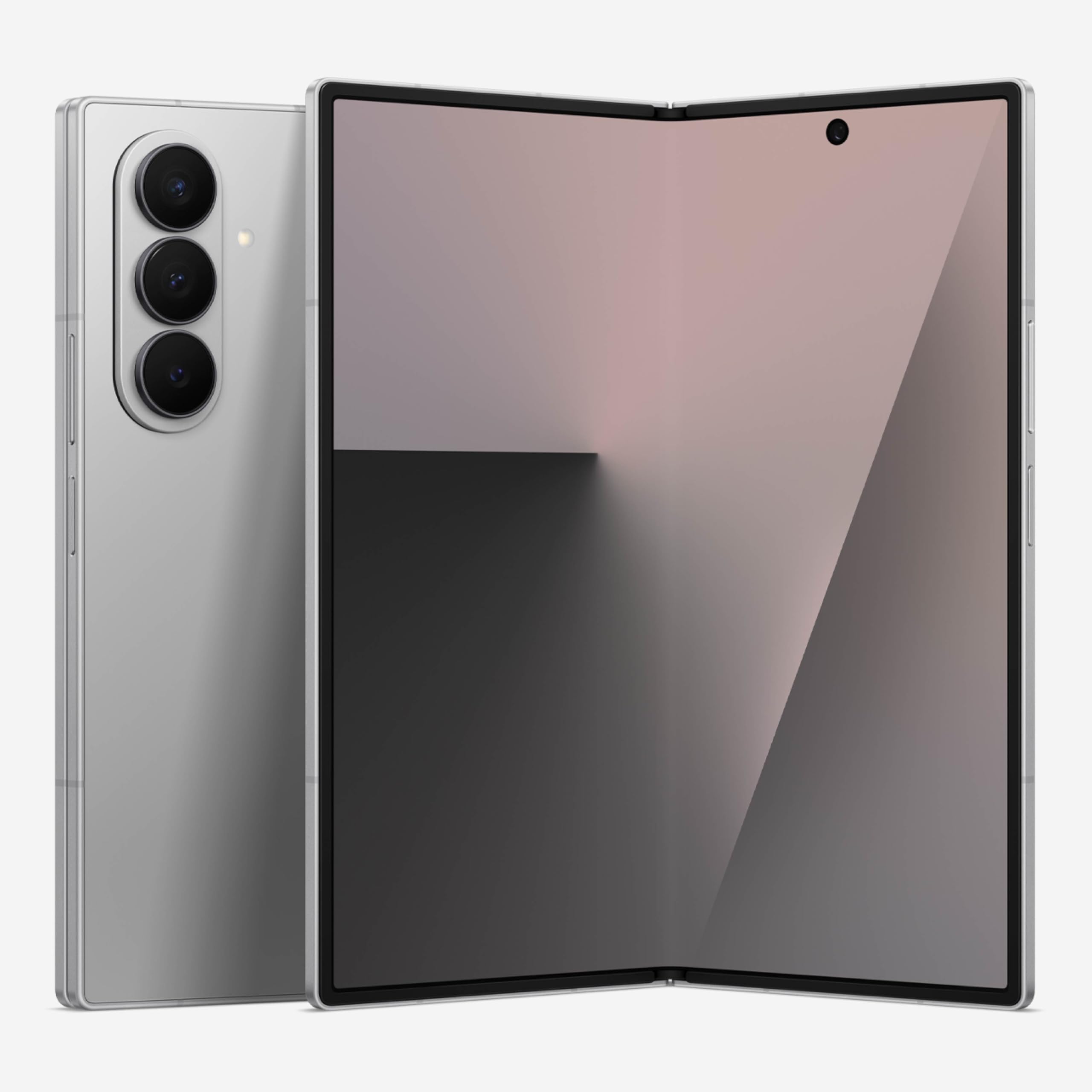
The Galaxy Z Fold7 uses a custom Snapdragon 8 Elite processor for Galaxy, which includes Qualcomm’s latest X80 modem. In side-by-side comparisons with previous foldables, the Z Fold7 holds a stronger signal, especially in the 600MHz band (n71) that T-Mobile uses for long-range coverage. The phone supports 4×4 MIMO and advanced carrier aggregation, making it one of the most capable foldable devices for reception. The 200MP main camera is a massive upgrade for the Fold line, but the real achievement is maintaining excellent connectivity despite the complex internal layout needed to fit antennas around a folding hinge.
The 7.6-inch internal display and 6.3-inch cover screen allow for productivity that no slab phone can match. Users can run three windows simultaneously, which is genuinely useful for work. The battery lasts a full day with moderate screen-on time, thanks to the 4400mAh cell and efficient chipset. The Armor Aluminum frame and Gorilla Glass Ceramic 2 provide solid durability. For the reception-focused buyer, the Z Fold7 proves that a foldable can compete with traditional flagships in signal quality, something that was not always true in earlier generations.
The main trade-off is the price, which sits at the top of the smartphone market. The cover screen feels slightly narrow for typing, and the camera while excellent is not quite up to the level of the Galaxy S25 Ultra in the telephoto range. The folding mechanism introduces long-term durability questions, but Samsung’s warranty and build quality have improved. If you need a phone that combines a large tablet screen with top-tier reception, this is the device. The signal performance is genuinely impressive given the mechanical constraints.
Why it’s great
- Snapdragon 8 Elite custom chipset with Qualcomm X80 modem for strong signal hold
- Excellent carrier aggregation and 4×4 MIMO support
- 200MP main camera is a generational leap for the Fold series
- Multitasking with three windows on a large internal display is genuinely productive
Good to know
- Premium price places it above many competitors
- Cover screen is narrow for comfortable typing
- Folding mechanism adds long-term durability concerns
4. Samsung Galaxy S25 FE
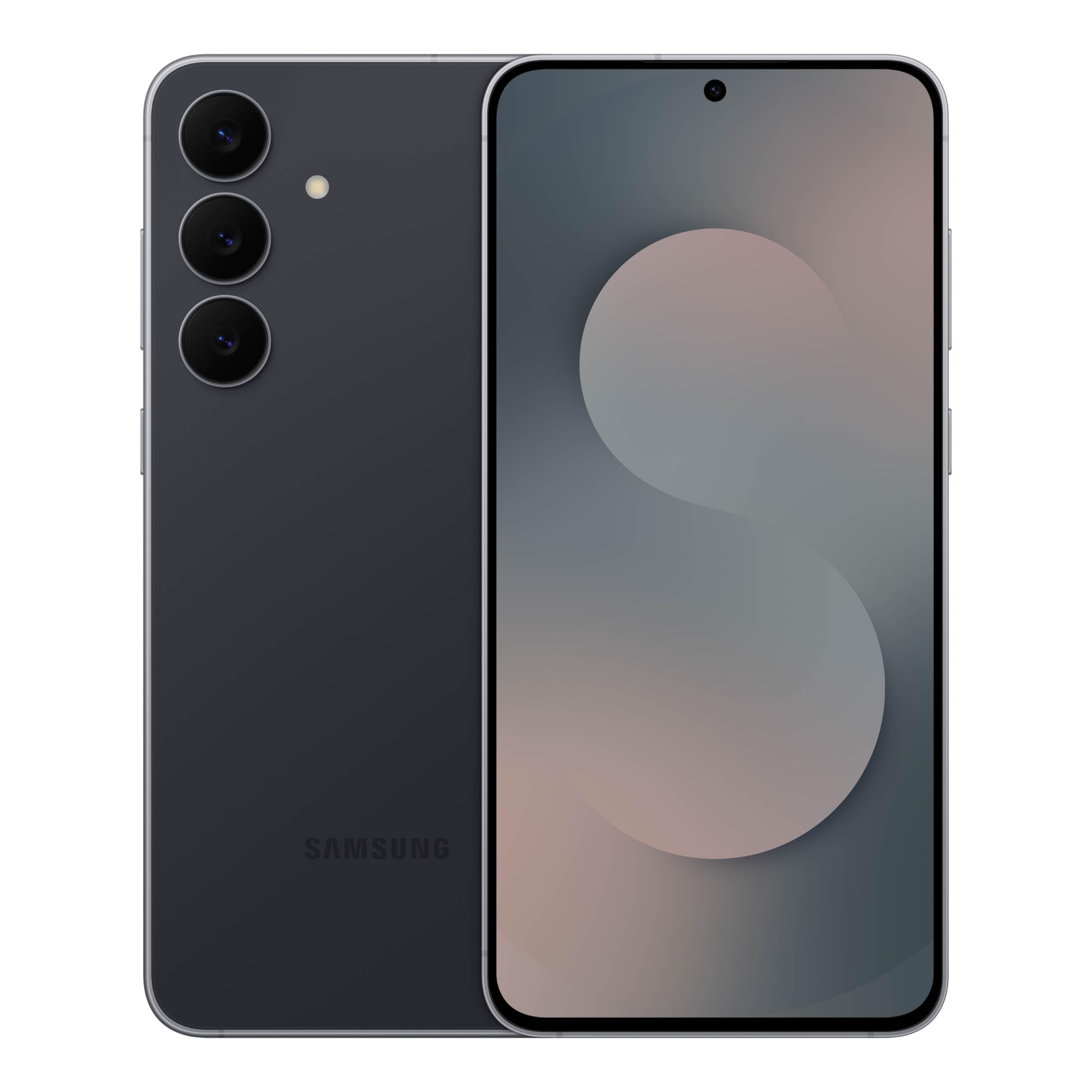
The Galaxy S25 FE is the Fan Edition formula done right: it takes a premium chipset, pairs it with a 4900mAh battery, and offers a 6.7-inch 120Hz display at a significantly lower price than the main S series. The modem is a Qualcomm Snapdragon chip with 4×4 MIMO support, which means it performs nearly identically to the S25 in terms of signal reception. Users report stable VoLTE calls and consistent 5G data in suburban and urban environments. The lightweight build and slim profile make it easy to carry, but the reception is all flagship.
The camera system is versatile, with a 12MP selfie shooter and a ProVisual Engine that handles contrast well. The main weakness is the lack of a dedicated telephoto lens, but for reception-focused buyers, the camera is secondary to the modem. The 4,900mAh battery pairs with Super Fast Charging 2.0 to keep the phone running all day, even when the modem is searching for signal in a weak area. The Armor Aluminum frame and Gorilla Glass Victus+ provide solid protection against drops. Generative Edit AI is a fun addition for photo cleanup, adding to the overall value.
The S25 FE is the best pick for users who want flagship-level reception and performance without paying the flagship price. It is unlocked and works on all major US carriers. The trade-off is that you miss out on the S25’s dedicated telephoto camera and slightly more refined build, but the connectivity hardware is identical. For anyone who prioritizes a reliable signal and a large screen for streaming, this is a smart mid-range buy. The software experience is clean, with One UI offering useful customization without bloat.
Why it’s great
- Qualcomm Snapdragon modem with 4×4 MIMO matches flagship level signal quality
- Large 4900mAh battery supports all-day use even in weak signal areas
- Lightweight design with premium Armor Aluminum frame
- Generative Edit AI and Galaxy AI features add real utility
Good to know
- No dedicated telephoto camera lens
- Charging brick not included in the box
- Some AI features might feel unnecessary to users seeking a simple phone
5. Google Pixel 10a
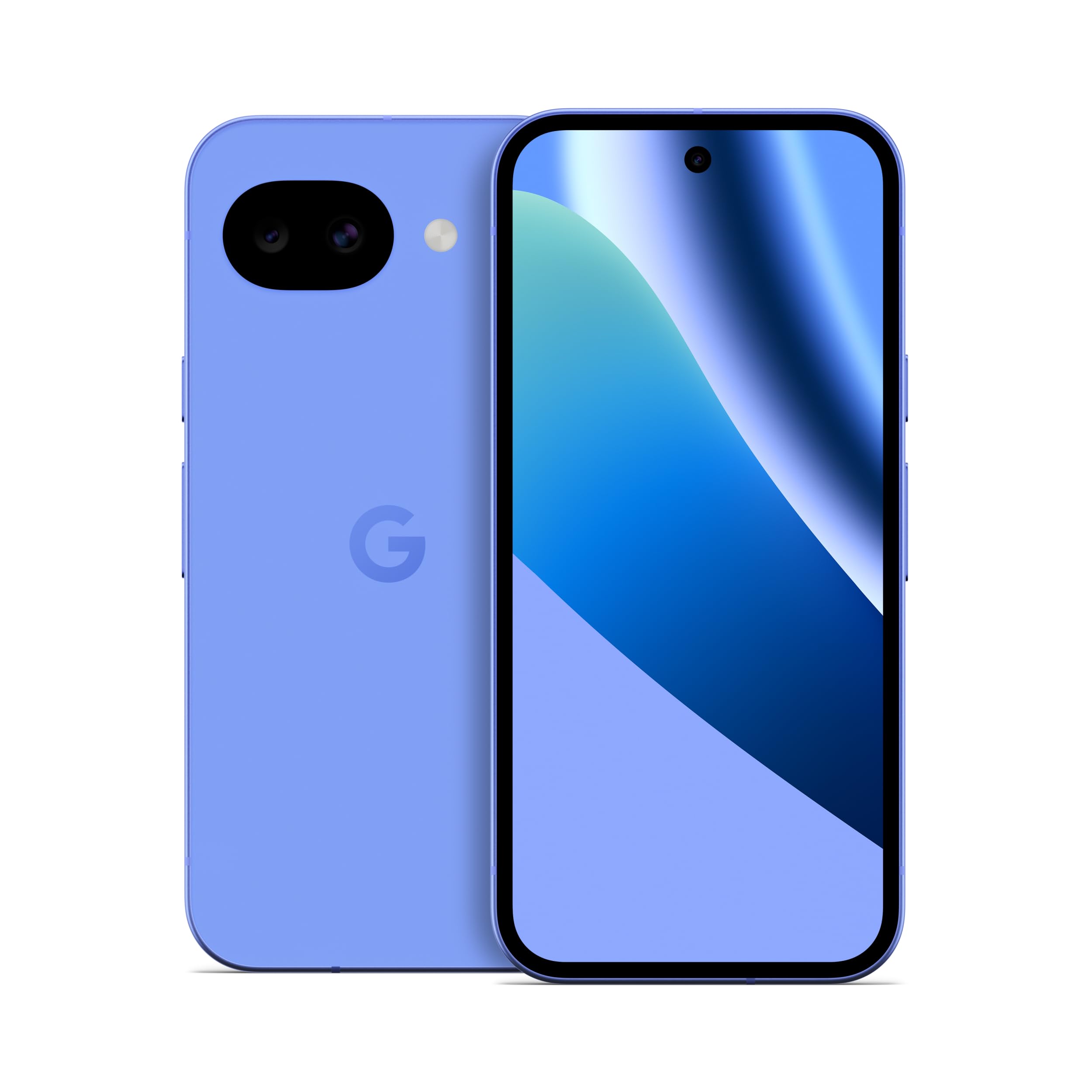
The Google Pixel 10a brings the core Pixel experience — clean software, excellent camera, and long software support — into a more accessible price bracket. The modem is part of the Tensor chipset and supports 4×4 MIMO and sub-6 GHz 5G. In real-world use, it holds a strong connection on Verizon and T-Mobile, though it lacks the mmWave band found on the full Pixel 10. The 6.3-inch Actua display with 3000 nits peak brightness is identical to the flagship, making it easy to read outdoors. The 4300mAh battery lasts through a full day of moderate use, and the IP68 rating protects against dust and water.
Camera quality is where the Pixel 10a really shines. It takes better photos than most phones in its price range thanks to Google’s computational photography. The 30-hour battery claim is realistic with moderate use, and the phone handles multitasking without lag. Call quality is excellent, with clear VoLTE audio and reliable call continuity. The Pixel 10a also supports eSIM, making it easy to switch carriers. For reception, the key advantage is the 7 years of Pixel Drops, which include modem firmware updates that can improve signal stability over time.
The trade-off is that the modem is not quite as powerful as the Snapdragon modems found in the OnePlus 15 or Galaxy S25 FE. In very weak signal areas, the Pixel 10a may drop to a slower data speed sooner than those devices. However, for most users in suburban and urban settings, the difference is negligible. The Pixel 10a is the best choice for budget-conscious buyers who refuse to compromise on camera quality and want a phone that stays updated for years. It is the smartest value play in the mid-range segment for reception and overall software experience.
Why it’s great
- 7 years of guaranteed software and security updates including modem firmware
- Excellent camera performance with computational photography magic
- IP68 water and dust resistance adds durability
- Bright 3000-nit Actua display is easy to see outdoors
Good to know
- Tensor modem not as strong as top Qualcomm in extreme fringe areas
- mmWave 5G not supported
- No wall adapter included in the box
6. Nothing Phone (3a) Pro

The Nothing Phone (3a) Pro uses the Qualcomm Snapdragon 7s Gen 3, which includes a modem capable of sub-6 GHz 5G with 4×4 MIMO on key bands. It is not the flagship X-series modem, but in practice it holds a solid signal on T-Mobile and AT&T. The unique transparent design with Glyph lights is a conversation starter, but the reception hardware is no gimmick. The phone supports a wide range of 5G bands including n1, n2, n3, n5, n7, n8, n12, n20, n26, n28, n38, n40, n41, n48, n66, n77, and n78, which covers the major US carriers adequately. The 5000mAh battery provides excellent stamina for a mid-range device.
The 50MP periscope camera with 60x ultra zoom is the headline feature, and it delivers surprisingly good telephoto shots for the price. The 50MP selfie camera is also a step up from competitors. The phone runs Nothing OS 3.0, which is a clean, near-stock Android experience with useful customizations. The Essential Key for quick voice memos and AI transcription is a niche but handy tool. For reception, the phone maintains stable data connections during commutes, though it does not quite match the raw performance of the Snapdragon 8-series modems in very weak signal zones.
The main downside is compatibility with Verizon. The phone is not recommended for Verizon without manual IMEI registration, and even then, some users report inconsistent VoLTE support. This is a significant limitation if Verizon is your primary carrier. For T-Mobile and AT&T users, the Nothing Phone (3a) Pro is a stylish and capable mid-ranger with surprisingly good reception for its price. It is best for users who want a unique design, a great telephoto camera, and solid everyday connectivity on GSM-based networks.
Why it’s great
- 50MP periscope camera with 60x zoom is exceptional in this price range
- Snapdragon 7s Gen 3 modem provides solid sub-6 5G performance
- Clean Nothing OS 3.0 with minimal bloat
- 5000mAh battery offers excellent endurance
Good to know
- Verizon compatibility is limited and requires manual IMEI registration
- Modem not as powerful as flagship Snapdragon 8-series in extreme fringe areas
- Essential Key functionality is limited and not remappable without risk
7. Motorola razr (2024)

The Motorola razr (2024) brings a foldable design to a mid-range price point, and its reception performance is surprisingly solid. It uses a MediaTek Dimensity chipset, which includes an integrated modem with 4×4 MIMO support. In urban and suburban environments, the phone holds a stable 5G connection on T-Mobile and AT&T. The 3.6-inch external display is genuinely useful for quick tasks, reducing the need to open the phone. The 50MP main camera with OIS takes good daylight shots, and the compact folded form factor is a joy to carry. The 4200mAh battery provides all-day battery life for moderate users.
The foldable design does not seem to compromise antenna performance. Users report clear and stable call quality with good VoLTE implementation. The 20% louder stereo speakers with Dolby Atmos Spatial Audio deliver impressive sound for a compact device. The main appeal for the reception-focused buyer is the portability: a phone that fits easily in any pocket and still holds a strong signal is a rare combination. The IP52 water resistance is minimal, so caution is needed near water, but the build quality feels robust.
The trade-off is that the MediaTek modem does not match the Qualcomm Snapdragon modems found in top-tier devices in extreme weak-signal situations. Also, the internal screen protector is not replaceable, and if it peels, the screen can be compromised. The long-term durability of the folding mechanism is still a valid concern. However, for users who want a foldable without breaking the bank and need reliable everyday reception, the Motorola razr (2024) is a strong contender. It is best for style-conscious users in areas with decent network coverage.
Why it’s great
- Compact foldable design with 3.6-inch functional external display
- Solid call quality and stable 5G connection on major networks
- 20% louder stereo speakers with Dolby Atmos are impressive for the size
- 50MP OIS camera takes good photos in most lighting conditions
Good to know
- MediaTek modem not as capable as Qualcomm modems in extreme fringe areas
- Internal screen protector is non-replaceable and may peel over time
- Minimal water resistance rating (IP52)
8. Xiaomi Redmi Note 14 5G

The Xiaomi Redmi Note 14 5G is a budget-friendly device that packs impressive specs for the price, including a 6.67-inch AMOLED display with 120Hz refresh rate and a 108MP main camera with OIS. The Dimensity 7025-Ultra chipset includes a modem that supports a wide range of 5G bands, though it only offers 2×2 MIMO on its primary bands. This means that in weak signal areas, it will not match the data speed stability of phones with 4×4 MIMO. However, in areas with moderate to strong coverage, it holds a perfectly adequate LTE and 5G connection. The 5110mAh battery provides excellent endurance.
The phone comes with a pre-installed screen protector and a case in the box, which is a nice value add. The camera is surprisingly capable for the price, with OIS on the main sensor reducing blur in low light. The phone supports dual SIM and has a dedicated microSD slot. For the reception-focused buyer, the key limitation is that it is designed primarily for T-Mobile and its MVNOs (Mint, Tello) in the US market. On Verizon and AT&T, compatibility is limited and may lead to inconsistent data and call quality. This is a critical consideration.
The Redmi Note 14 5G is the best choice for budget-conscious users on T-Mobile or its network partners who need a reliable signal in good coverage areas. It is not the phone for fringe reception or heavy data users in weak zones. The value is undeniable: a great screen, long battery life, and a capable camera for a low price. But the modem hardware is a tier below the mid-range and premium options, and the lack of 4×4 MIMO is a real disadvantage for consistency. It is a solid entry-level pick with clear carrier limitations.
Why it’s great
- Excellent value with a high-quality 120Hz AMOLED display
- 108MP OIS camera performs well above its price point
- Big 5110mAh battery provides long battery life
- Comes with screen protector and case in the box
Good to know
- Limited to T-Mobile and its MVNOs in the US market
- Only 2×2 MIMO support, leading to slower data in weak signal areas
- Lacks key bands for optimal Verizon and AT&T performance
9. Apple iPhone 17 Pro Max (Renewed)
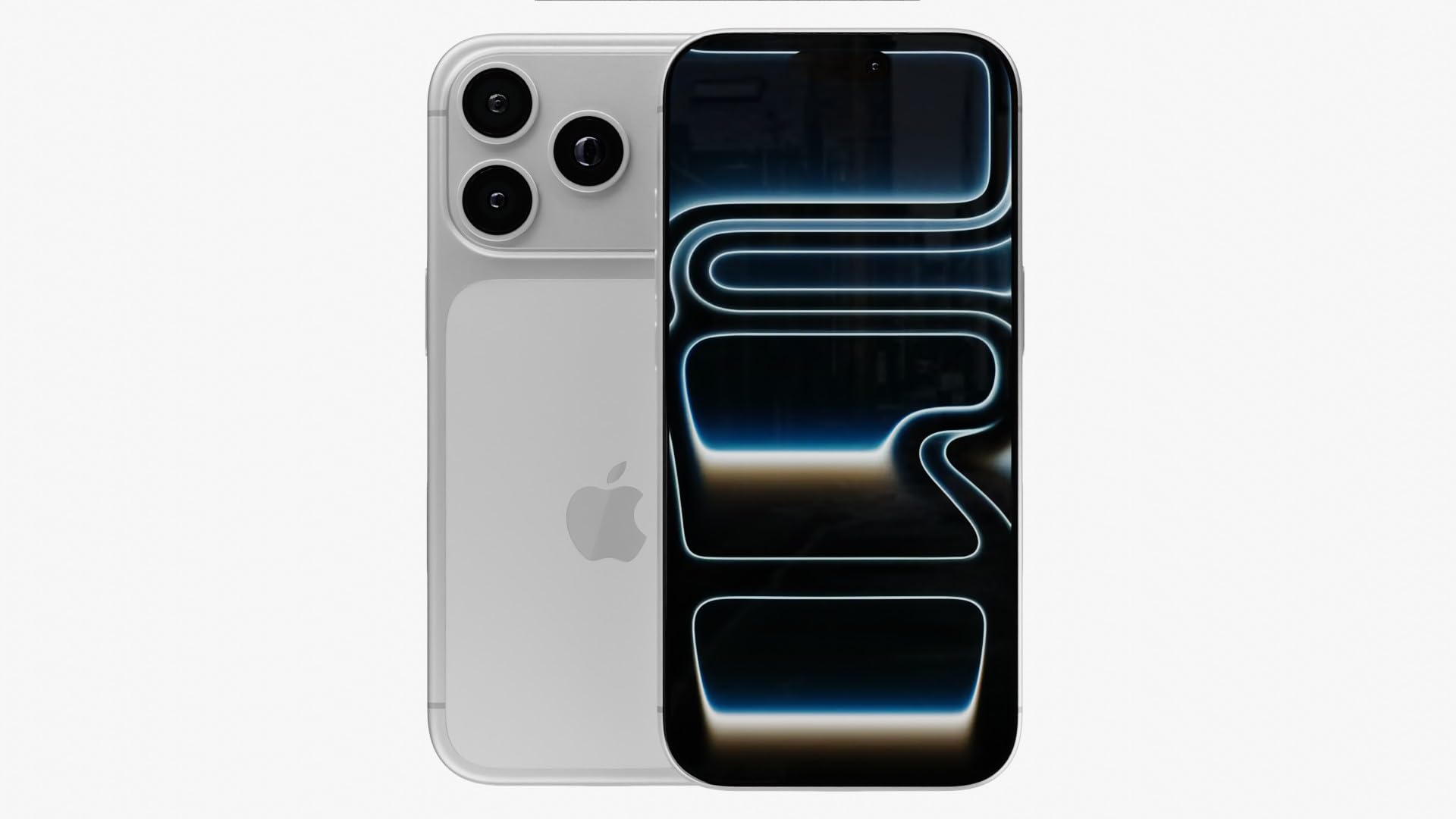
The iPhone 17 Pro Max represents Apple’s latest flagship, and in terms of reception, it benefits from Apple’s custom modem design and tight integration with the iOS stack. The device supports 4×4 MIMO and a wide range of sub-6 GHz and mmWave bands, making it exceptionally capable on AT&T’s network. In real-world use on AT&T, it consistently shows strong signal retention and fast data speeds. The 6.9-inch OLED display is stunning, and the A-series processor handles any task with ease. The 512GB storage capacity is generous for media-heavy users.
However, this specific listing has a critical limitation: it is locked to AT&T and will not work with any other carrier. This makes it a non-starter for anyone not on AT&T. The phone is a renewed (refurbished) unit, and while many customers report receiving devices in excellent condition with battery health above 80%, the condition can vary. The device does not come with a SIM card, headphones, or a wall adapter. The camera system is top-tier, and the ecosystem integration with other Apple products is unmatched. The 40x digital zoom is a useful tool for distant subjects.
For AT&T users who want the absolute best reception hardware and are comfortable with a refurbished device, the iPhone 17 Pro Max is a compelling choice. The value proposition depends heavily on the condition of the specific unit and the price relative to new. The locked carrier status is a dealbreaker for anyone who travels frequently or might want to switch carriers. For its narrow use case — AT&T customers wanting a premium experience at a reduced price — it delivers excellent connectivity and performance. It is a niche pick with strong signals inside its lane.
Why it’s great
- Apple’s custom modem delivers excellent reception on AT&T’s network
- Stunning 6.9-inch OLED display with high pixel density
- 512GB storage is generous for media and apps
- Refurbished unit offers potential savings over new model
Good to know
- Locked exclusively to AT&T — not compatible with other carriers
- Refurbished condition and battery health can vary between units
- No SIM card, headphones, or wall adapter included
FAQ
Does a higher number of 5G bands automatically mean better reception?
Why does my phone show full signal bars but still have slow data?
Is eSIM better for reception than a physical SIM card?
Final Thoughts: The Verdict
For most users, the best cell phones for reception winner is the OnePlus 15 because it pairs the best modem hardware with a massive battery that keeps the radio running at full power all day, along with 4×4 MIMO and excellent carrier aggregation. If you want a pure Android experience with regular software updates that improve the modem over time, grab the Google Pixel 10. And for the best value that still delivers flagship-level reception, nothing beats the Samsung Galaxy S25 FE.

Mo Maruf
I created WellFizz to bridge the gap between vague wellness advice and actionable solutions. My mission is simple: to decode the research and give you practical tools you can actually use.
Beyond the data, I am a passionate traveler. I believe that stepping away from the screen to explore new environments is essential for mental clarity and physical vitality.