Our readers keep the lights on and my smoothie glass nicely filled. As an Amazon Associate, I earn from qualifying purchases.
That blazing afternoon sun turns your living room into a greenhouse, fades your furniture, and makes your AC run nonstop. Standard window films block light, but they don’t stop the infrared heat that makes you uncomfortable. Ceramic tint changes that equation by targeting the invisible spectrum that causes heat buildup, without turning your windows into mirrors.
I’m Mohammad Maruf — the founder and writer behind WellFizz. I’ve spent hundreds of hours digging into window film specifications, analyzing real customer installation experiences, and comparing how different VLT levels and material compositions actually perform against infrared radiation and UV damage.
The challenge is finding a film that blocks heat without darkening your view too much, and the best ceramic tint for home windows delivers exactly that balance by using nano-ceramic particles to reject infrared energy while keeping your windows clear and natural.
How To Choose The Best Ceramic Tint For Home Windows
Selecting the right ceramic window film comes down to balancing heat rejection, visible light transmission, and privacy. Unlike metalized films that can interfere with signals or reflective films that create a mirror look, ceramic tints use non-conductive nanoparticles to block infrared and UV rays while maintaining a natural appearance. The key specs to focus on are VLT percentage, IR rejection rate, adhesive type, and film thickness.
Visible Light Transmission (VLT) — How Dark Is Too Dark
VLT measures the percentage of visible light that passes through the film. A 70% VLT film looks nearly clear and lets in most natural light while still blocking heat. A 20% VLT film gives significant daytime privacy and glare reduction, but it will darken your room noticeably. For most home windows, a VLT between 50% and 70% offers the best compromise between comfort and visibility.
Infrared Rejection — The Real Heat Fighter
Infrared radiation carries heat directly into your home. Ceramic tints excel here, typically rejecting 95% to 99% of IR rays. Compare this number on spec sheets — a film that rejects 80% IR still helps, but premium ceramic films push past 95%. That difference is what you feel when you stand near a treated window on a hot afternoon.
Adhesive vs. Static Cling — Installation and Longevity
Adhesive films bond permanently to the glass and last longer, but they require careful, bubble-free application and a heat gun to cure. Static cling films use no glue and are renter-friendly, but they often appear slightly blurry and can peel over time in direct sun. For ceramic tints with premium heat rejection, adhesive installation is standard because the bond ensures consistent performance across the glass surface.
Film Thickness — 1 Mil vs. 2 Mil vs. 4 Mil
Thicker films (2 to 4 mils) resist scratching and hold up better during installation. Thinner films (1 mil) are more prone to creasing and tearing, especially for beginners. Most DIY-friendly ceramic tints for home windows fall in the 2-mil range, giving a good balance of durability and ease of handling.
Quick Comparison
On smaller screens, swipe sideways to see the full table.
| Model | Category | Best For | Key Spec | Amazon |
|---|---|---|---|---|
| Snapguard 70% (5ft x 10ft) | Premium Ceramic | Maximum heat rejection with clear view | 99% UV, 99% IRR, 70% VLT | Amazon |
| Snapguard Ceramic 70% (3ft x 12ft) | Ceramic Value | Premium ceramic in a smaller roll | 2 mils thick, 99% UV, 95-99% IR | Amazon |
| BDF NSN70 | Clear Heat Control | Very light tint with strong adhesive | Near-clear, 99% UV, 84″ x 36″ | Amazon |
| Gila Heat Control Titanium | Titanium Hybrid | High glare reduction at mid-range cost | 72% solar energy rejection, 45 sq ft | Amazon |
| G Greenfilm Static Cling 20% | Static Cling Entry | Renter-friendly, no-glue privacy | 20% VLT, 96% UV, 120″ x 24″ | Amazon |
| KESPEN Reflective Film | Mirror Daytime | Daytime privacy and glare reduction | 12% VLT, 82% IR, 35.4″ x 98.4″ | Amazon |
| United Window Tint 15% | Nano Carbon Bulk | Large bulk roll for multiple windows | 15% VLT, 100 ft roll, 2-ply nano carbon | Amazon |
In‑Depth Reviews
1. Snapguard Solutions 70% VLT Nano Ceramic Home Window Tint
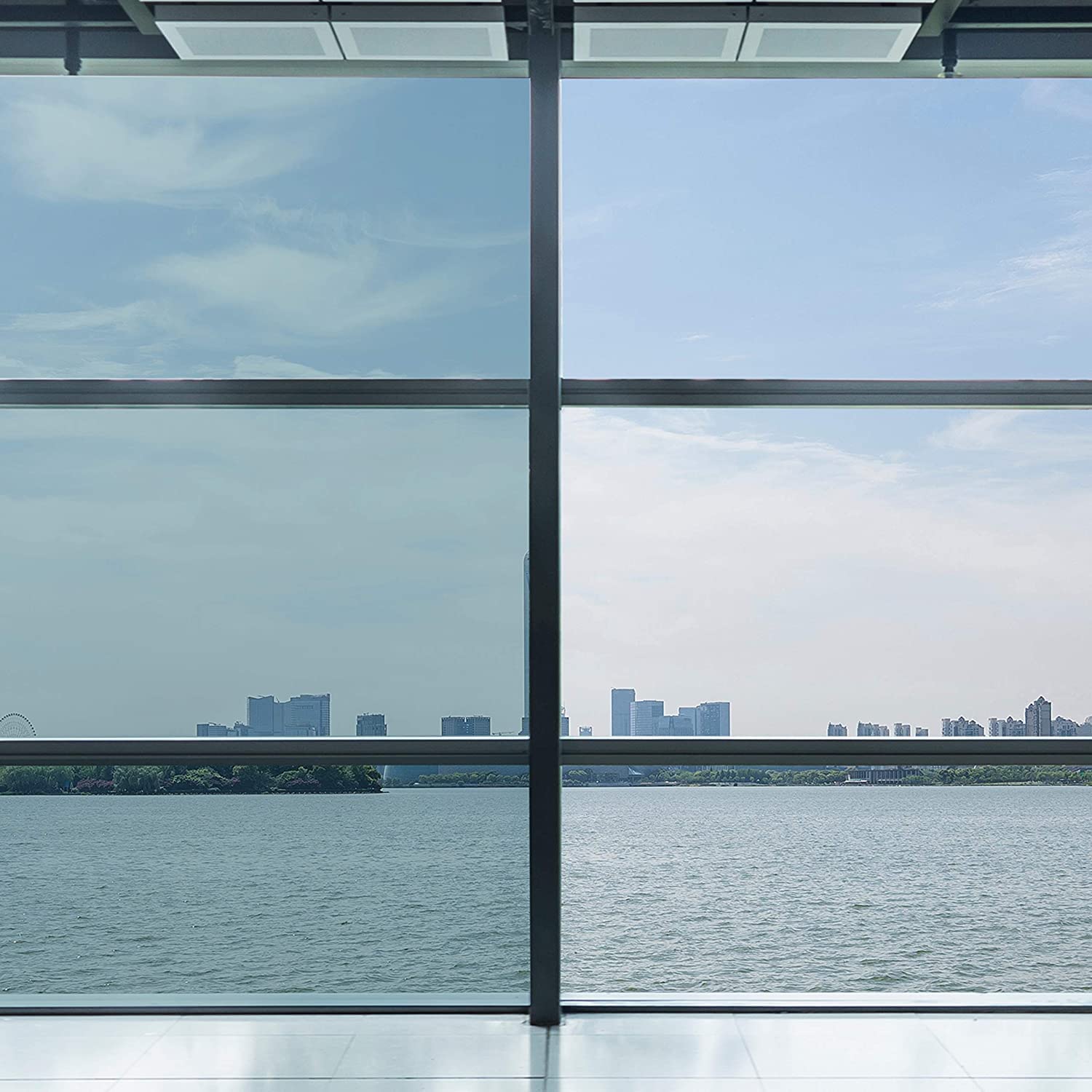
This 5-foot by 10-foot roll of nano-ceramic film offers a 70% VLT that keeps windows looking nearly clear while rejecting 99% of UV rays and up to 99% of infrared heat. Users consistently report noticeable temperature drops in rooms facing direct sun, with one reviewer noting a pantry dropping from 76°F to 71°F after installation. The film uses a peel-and-stick adhesive system that requires careful wet application, but the included instructions and YouTube guidance make it accessible for committed DIYers.
The 70% VLT means you keep your view and natural light while drastically cutting heat gain. Daytime privacy is decent because the film limits how much outsiders can see, but at night interior lights reverse the effect — curtains or blinds are still needed after dark. The film is designed for smooth single-pane glass and should not be used on double-pane or low-E glass, which is a common restriction in this category.
Installation feedback is mixed, with experienced users describing a straightforward process while some first-timers struggled with bubbles and film handling. The thin 2-mil material requires patience and a sharp blade. Overall, this is the closest you’ll get to professional-grade heat rejection in a DIY roll, making it the top pick for homeowners who want maximum performance without hiring a contractor.
Why it’s great
- Exceptional 99% IR rejection for a near-clear film
- Large 50 sq ft roll covers multiple standard windows
- Natural appearance with no mirror or metallic look
Good to know
- Adhesive installation is tricky for beginners
- Not suitable for double-pane or low-E glass
- Nighttime privacy requires curtains
2. BDF NSN70 Window Film Transparent High Heat Rejection

BDF’s NSN70 is a near-clear film that prioritizes heat rejection over privacy. With a VLT around 70%, it lets almost all visible light through while blocking 99% of UV radiation. The film uses a strong pressure-sensitive adhesive protected by a release liner, and the 36-inch by 7-foot roll is a practical size for single large windows or a pair of standard ones. Users praise its scratch-resistant surface and the fact that it doesn’t alter the look of their home from the outside.
Heat rejection performance is strong for a clear film. In real-world use, one reviewer saw a pantry temperature drop from 76°F to 71°F. The adhesive requires a generous soap-and-water mixture during application, and the film is sensitive to folding — a crease will leave a permanent mark. Two-person installation is recommended for large sliding doors because the film is less forgiving than thicker options.
The main trade-off is that this film is not ceramic-based, so its IR rejection is lower than true ceramic options. For homes where preserving the original window appearance is the top priority, this is a solid mid-range choice. But if you want the highest possible heat rejection without going dark, you’ll get better results from a dedicated nano-ceramic film.
Why it’s great
- Virtually invisible tint keeps natural light flow
- Strong adhesive bonds securely for long-term use
- Scratch-resistant surface holds up to cleaning
Good to know
- Not a true ceramic formulation
- Very easy to crease permanently during install
- Two-person job for larger windows
3. Snapguard Solutions Residential Ceramic Window Tint (3ft x 12ft)

This smaller 3-foot by 12-foot roll from Snapguard Solutions brings true nano-ceramic technology at a more accessible size for those covering fewer windows or smaller panes. With a 2-mil thickness, it is easy to handle compared to ultra-thin films, and the ceramic particles block 99% of UV rays and 95% to 99% of infrared heat. The 70% VLT version keeps windows looking clear with a very subtle blue hue that most people won’t notice.
User feedback highlights that the film makes a tangible difference in room temperature, especially on south- and west-facing windows. The adhesive system works well when installed with a heat gun, and the material won’t discolor or peel over time. However, the instructions can be confusing — some users report difficulty identifying the adhesive side, and using a hairdryer on high heat can actually melt the film. A proper tinting kit with a squeegee and sharp knife is strongly recommended.
For the price, this is the most direct entry point into true ceramic home tinting. It doesn’t offer the same coverage area as the larger Snapguard roll, but the material quality is identical. If your windows are smaller or you want to test ceramic performance on a single room before committing to a whole-house rollout, this is the smart buy.
Why it’s great
- True nano-ceramic construction for high IR rejection
- 2-mil thickness resists creasing during install
- Subtle blue tint maintains natural window appearance
Good to know
- Smaller roll limits total coverage
- Instructions can be unclear for beginners
- Not dark enough for privacy; more for heat control
4. Gila Heat Control Titanium Adhesive Residential Window Film

Gila’s Titanium film is a hybrid that combines titanium coating with adhesive backing to reject 72% of total solar energy and block 99% of UV rays. It comes in a generous 3-foot by 15-foot roll covering up to three standard windows, and the gray color gives a subtle reflective silver appearance from the outside. Users consistently report lower electric bills and cooler rooms after installation, especially on windows that get direct afternoon sun.
This film uses a peel-and-stick adhesive that requires a soapy water solution for positioning. The material is quite clingy and can crumple if mishandled, but careful squeegee work pushes out most bubbles. The mirror-like daytime privacy is a strong benefit — no one can see in during the day. At night, the privacy reverses just like other reflective films, so draw your curtains after sunset.
Downsides include a few reports of the instructions being rolled inside the film, causing crease damage, and some users finding the adhesive less sticky than expected on certain glass types. The titanium construction is not ceramic, so IR rejection is good but not elite. Still, for the coverage area and consistent user satisfaction, this is a reliable mid-range film for reducing glare and heat without breaking the budget.
Why it’s great
- Large 45 sq ft roll covers multiple windows
- Strong glare reduction up to 72%
- Daytime mirror privacy is effective
Good to know
- Not a ceramic film; lower IR rejection than ceramic
- Adhesive may not stick well to all glass types
- Film can crease permanently if not handled carefully
5. G Greenfilm Static Cling Film 20% VLT

If you rent your home or want a temporary solution that peels off without residue, G Greenfilm’s static cling option is the practical pick. The 20% VLT means it blocks 80% of visible light, creating strong daytime privacy with a dark black exterior finish. The 24-inch by 120-inch roll covers about 20 square feet, and installation requires only water — no adhesive, no chemicals, no sticky cleanup. Users describe the film as thick and easy to handle, with a paper liner that simplifies the process.
Heat rejection is decent for a static cling film, blocking 96% of UV rays and reducing infrared transmission noticeably. However, the 20% VLT is quite dark — your room will feel significantly dimmer compared to a 50% or 70% film. The static cling nature also means the film can appear slightly blurry, especially on larger windows, and it may peel at the edges over time in direct heat exposure.
Customer feedback is generally positive, with many owners using it on garage windows, rental apartments, and doors where they can’t make permanent modifications. The lack of adhesive is both a strength and a weakness: you can remove and reposition it freely, but the bond is never as tight as a glued film. For a no-commitment solution that still cuts glare and UV, this is the best entrant in the static cling tier.
Why it’s great
- Zero residue removal — ideal for renters
- Thick material with paper liner for easy handling
- Strong daytime privacy with dark exterior look
Good to know
- Can appear blurry on large windows
- 20% VLT significantly dims room light
- May peel in very hot direct sun over time
6. KESPEN Window Film One Way Daytime Privacy Heat Control

KESPEN’s reflective window film is designed specifically for daytime privacy. With a 12% VLT, it creates a strong mirror effect on the outside during the day, preventing anyone from seeing into your home while you maintain a clear view outward. The static cling installation means no glue is involved, and the 35.4-inch by 8.2-foot roll covers about 24 square feet. Users report that the thick vinyl material cuts heat noticeably through old aluminum windows, with one user’s camper staying at 74°F in 95°F weather.
The UV block is rated at 90%, and infrared rejection sits around 82%. That’s lower than ceramic films but perfectly adequate for a budget-tier reflective product. The reflective silver-black exterior gives a clean, uniform look from the street. Nighttime privacy is absent — when interior lights are on, the mirror effect reverses and people outside can see in clearly. Plan to use curtains after sunset.
Several reviews mention installation challenges due to the film being wrapped tightly on a small cardboard tube, causing curling that makes the final portion of the roll difficult to apply. The included tools are basic and many users recommend buying a separate squeegee and sharp blade. For the price, this is a functional daytime privacy and heat reduction film, but it is not a ceramic tint and shouldn’t be compared to higher-end options for long-term performance.
Why it’s great
- Strong daytime mirror privacy at an accessible cost
- No-adhesive static cling means easy removal
- Reduces heat effectively through single-pane glass
Good to know
- Not a ceramic film — lower IR and UV protection
- Nighttime privacy disappears with interior lights
- Tight rolling on tube makes end of roll hard to install
7. United Window Tint 36in x 100ft Nano Carbon Film 15%
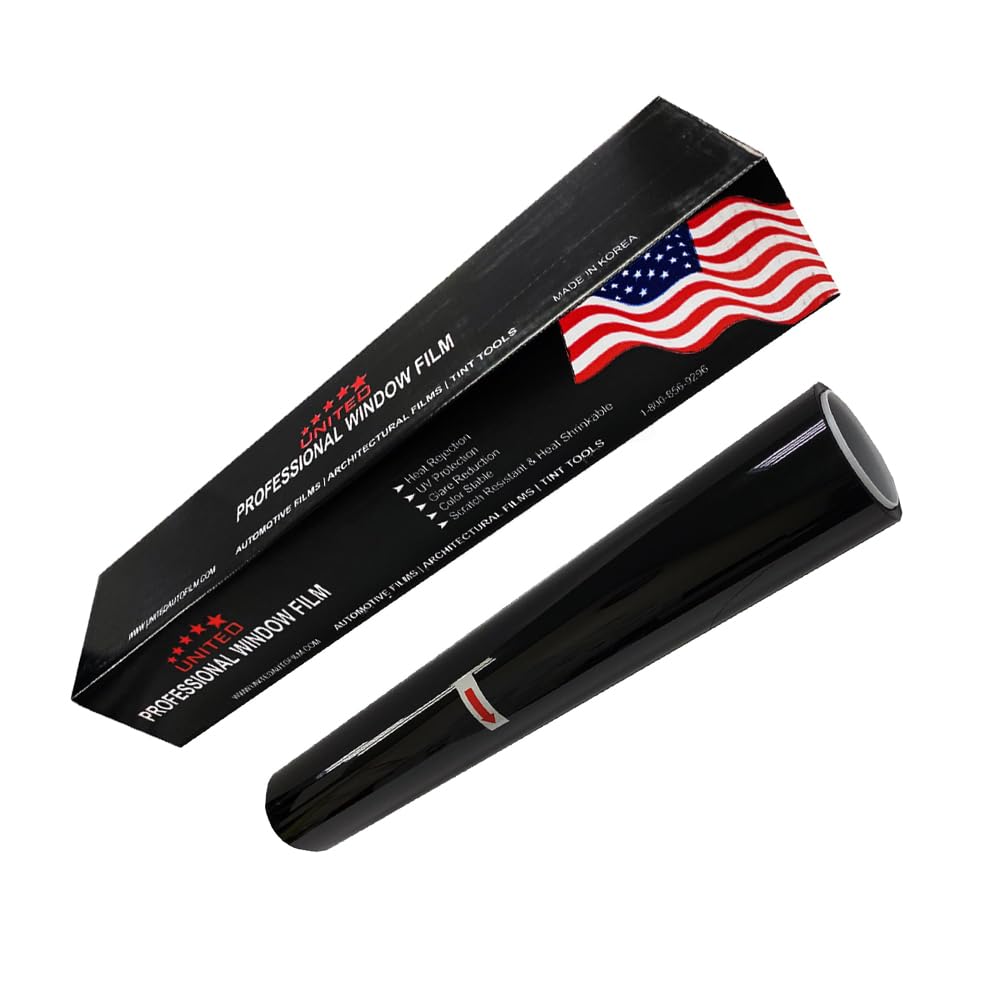
United Window Tint’s 100-foot roll is built for extensive coverage — a single roll can cover multiple rooms or even a whole small house if you have standard-size windows. The 15% VLT provides a dark, privacy-focused appearance, and the 2-ply nano carbon construction offers good UV and IR blocking. The film uses a wet/dry heat shrink installation method, making it appropriate for both flat glass windows and slightly curved automotive glass.
Users note that the film is slightly thinner than premium options like Gila, but it doesn’t crease easily and cuts cleanly with a sharp blade. Bubbles push out relatively easily during wet installation. The strong adhesive holds well over time, and the carbon layer resists fading or turning purple with UV exposure — a common issue with cheaper dye-based films.
The big consideration here is scale. If you only need to cover a couple of windows, a 100-foot roll is overkill and hard to store without creasing the remaining material. The 15% VLT also means significant light reduction — your rooms will feel quite dim during the day. This is best suited for homeowners with many windows to cover, garage workshops, or large glass doors where dark privacy and heat reduction are the priorities.
Why it’s great
- Massive 100-foot roll for whole-house coverage
- Nano carbon construction resists fading over time
- Works on both flat windows and curved automotive glass
Good to know
- 15% VLT makes rooms noticeably darker
- Hard to store leftover film without creasing
- Not a true ceramic film; uses carbon-based technology
FAQ
Can ceramic window tint be applied to double-pane windows?
What is the difference between ceramic and nano-carbon window film?
Final Thoughts: The Verdict
For most users, the best ceramic tint for home windows winner is the Snapguard Solutions 70% VLT Nano Ceramic because it delivers professional-grade heat rejection with 99% IR and UV blocking while keeping your windows looking clear. If you want a true ceramic film in a smaller, budget-friendly roll, the Snapguard Solutions 3ft x 12ft Ceramic Tint is the perfect match. And for renters seeking no-glue privacy, nothing beats the G Greenfilm Static Cling 20% for temporary, residue-free installation.

Mo Maruf
I created WellFizz to bridge the gap between vague wellness advice and actionable solutions. My mission is simple: to decode the research and give you practical tools you can actually use.
Beyond the data, I am a passionate traveler. I believe that stepping away from the screen to explore new environments is essential for mental clarity and physical vitality.