Our readers keep the lights on and my smoothie glass nicely filled. As an Amazon Associate, I earn from qualifying purchases.
A deadlift has one job—move weight from floor to lockout—and squishy running shoe soles bleed power with every rep. Lifters who chase PRs quickly discover that a stiff, flat platform underfoot is the difference between a clean pull and a grindy fight against foam compression. The wrong footwear introduces lateral instability, heel lift, and energy loss that no belt or chalk can fix.
I’m Mohammad Maruf — the founder and writer behind WellFizz. Over the past several months, I’ve analyzed dozens of weightlifting footwear models, parsing customer feedback, material specifications, and sole geometry to isolate the design traits that actually translate into heavier, safer deadlifts.
Whether you need a dedicated platform for maximal pulls or a crossover hybrid for mixed training days, this breakdown of the best deadlifting shoes on Amazon cuts through the noise to highlight what keeps your feet planted and your spine neutral.
How To Choose The Best Deadlifting Shoes
The deadlift demands a different shoe geometry than the squat. While squatters often seek an elevated heel to increase ankle dorsiflexion, deadlifters benefit from a low or zero heel that shortens the range of motion and keeps the hips in a mechanically advantageous starting position. Every feature below should be evaluated through this lens.
Sole Hardness and Stack Height
A deadlifting shoe’s sole must resist compression under several hundred pounds of force. Soft EVA midsoles common in running shoes absorb energy and create a subtle wobble that destabilizes the pull. Look for a dense rubber or TPU outsole with a stack height under approximately 15-20 millimeters at the heel. The flatter and firmer the base, the more directly force transfers from your foot into the platform.
Heel Drop Categorization
Heel-to-toe drop is the single most polarizing spec in deadlifting footwear. A zero-drop or low-drop (four millimeters or less) shoe places the foot closer to a flat-soled position, reducing the distance the bar must travel from floor to lockout. Some lifters still prefer a moderate heel (around 0.6 inches) for conventional deadlifts if they lack ankle mobility, but most raw powerlifters gravitate toward a minimal drop. Hybrid lift shoes that offer a slight heel for squats while remaining stable for pulls represent a compromise worth analyzing.
Strap System and Midfoot Lockdown
A secure midfoot prevents the foot from sliding forward inside the shoe during the pull — a common failure point that leads to improper weight distribution over the midfoot. Models with one or two Velcro straps across the instep cinch the foot down against the footbed, reducing micro-movements that can shift the bar path. Lifters with narrow feet benefit from strap adjustability, while those with wide feet should check whether the strap placement creates uncomfortable pressure points.
Outsole Traction Pattern
The rubber compound and tread design must grip a gym platform or deadlift jack without slipping, yet allow enough rotation for hip drive. Overly aggressive lugs can catch on the floor during setup, while a too-smooth outsole may slide during heavy pulls. A deadlift-specific shoe typically uses a flat, textured rubber sole that offers consistent grip across wood, rubber, and competition deadlift platforms.
Quick Comparison
On smaller screens, swipe sideways to see the full table.
| Model | Category | Best For | Key Spec | Amazon |
|---|---|---|---|---|
| Reebok Legacy Lifter III | Premium Lifter | Heavy Squat & Deadlift Specialists | 0.87-inch heel / TPU bed | Amazon |
| Reebok Nano X5 | Hybrid Trainer | Cross-training & Mixed Workouts | Low-drop / wide toe box | Amazon |
| Nordic Lifting VENJA | Mid-Range Bodybuilding | Versatile Lifting & Light Cardio | Wide toe box / moderate heel | Amazon |
| Adidas Powerlift 5 (Gen-1) | Entry-Level Oly | New Heel Lift Users | 0.6-inch heel / nylon shank | Amazon |
| Under Armour TriBase Reign 6 | CrossFit Crossover | Lifting + Short Runs | Zero-drop / flexible forefoot | Amazon |
| Generic Powerlifting Shoe | Budget Entry | First-Time Lifting Shoes | Dual straps / elevated heel | Amazon |
| Adidas Powerlift 5 (Gen-2) | Budget Oly Upgrade | Heel-Curious Conventionals | 0.6-inch heel / narrow fit | Amazon |
In‑Depth Reviews
1. Reebok Legacy Lifter III
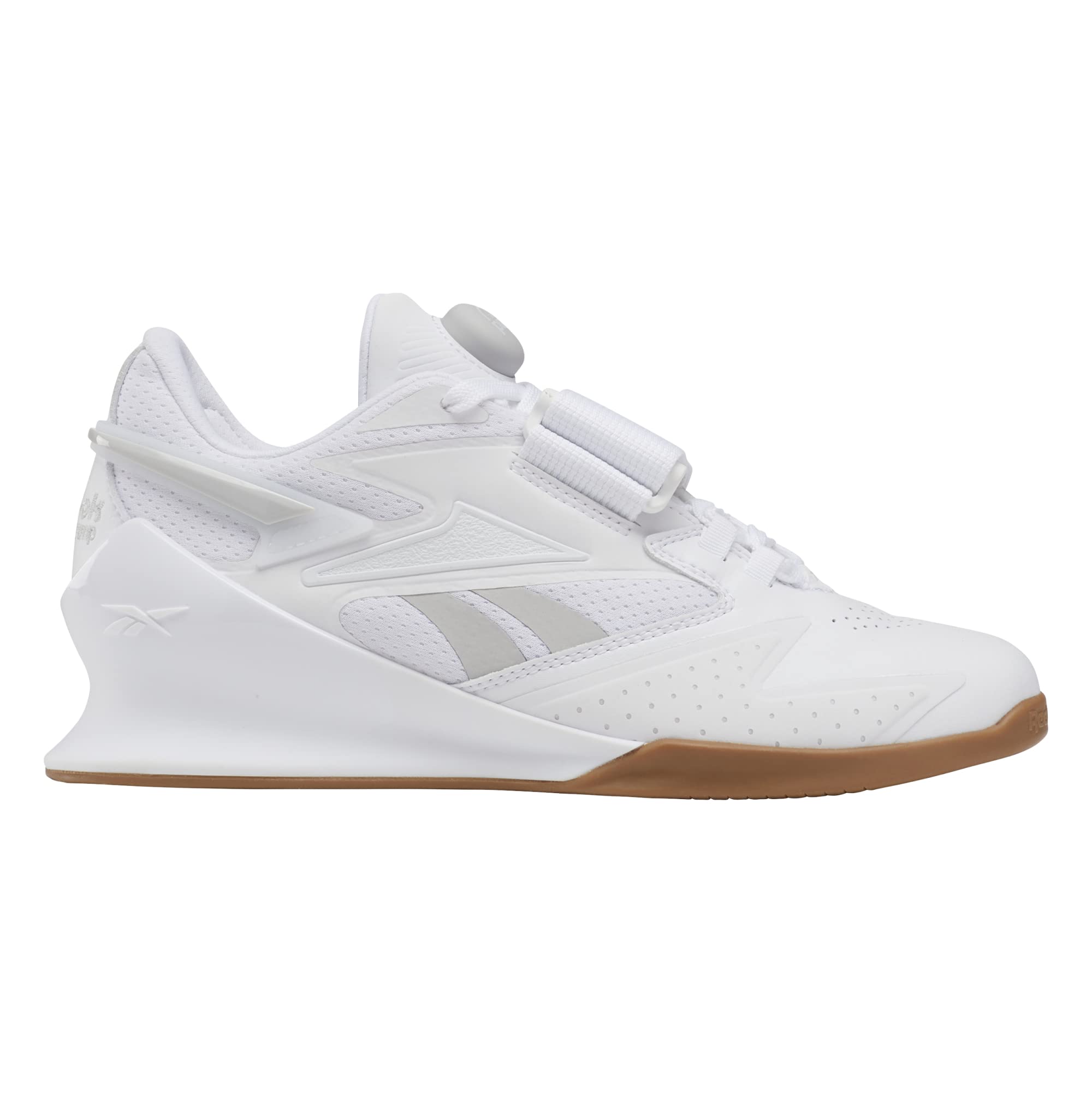
The Legacy Lifter III carries a 22-millimeter heel lift — noticeably taller than most hybrid options — which delivers exceptional stability for lifters who train both squats and deadlifts. The TPU heel bed resists compression completely, meaning you get the same solid platform whether pulling 135 or 500 pounds. The two-strap system across the midfoot eliminates any forward slide during the eccentric portion of the deadlift, a common source of lost tension and poor bar path.
The wide toe box accommodates foot splay naturally, which is critical for generating maximum ground force during a heavy pull. Multiple reviewers mention that ordering a half to full size up resolved tightness in the toe box, so factor that into your purchase planning. The outsole rubber offers excellent grip on both rubber deadlift mats and painted concrete gym floors without feeling grabby during foot repositioning.
While the elevated heel is less ideal for sumo deadlifters who want a flat sole, conventional pullers with limited ankle mobility will appreciate the extra depth this shoe enables. The Legacy Lifter III also transitions well to overhead pressing and lunges, making it a premium one-shoe solution for dedicated strength athletes who prioritize compound lifts.
Why it’s great
- Compression-proof TPU heel for consistent power transfer
- Dual-strap lockdown prevents foot migration under load
- Generous toe box encourages natural foot splay
Good to know
- Order 0.5 to 1 full size up for proper toe room
- Heel height may be too high for sumo deadlift preference
2. Reebok Nano X5
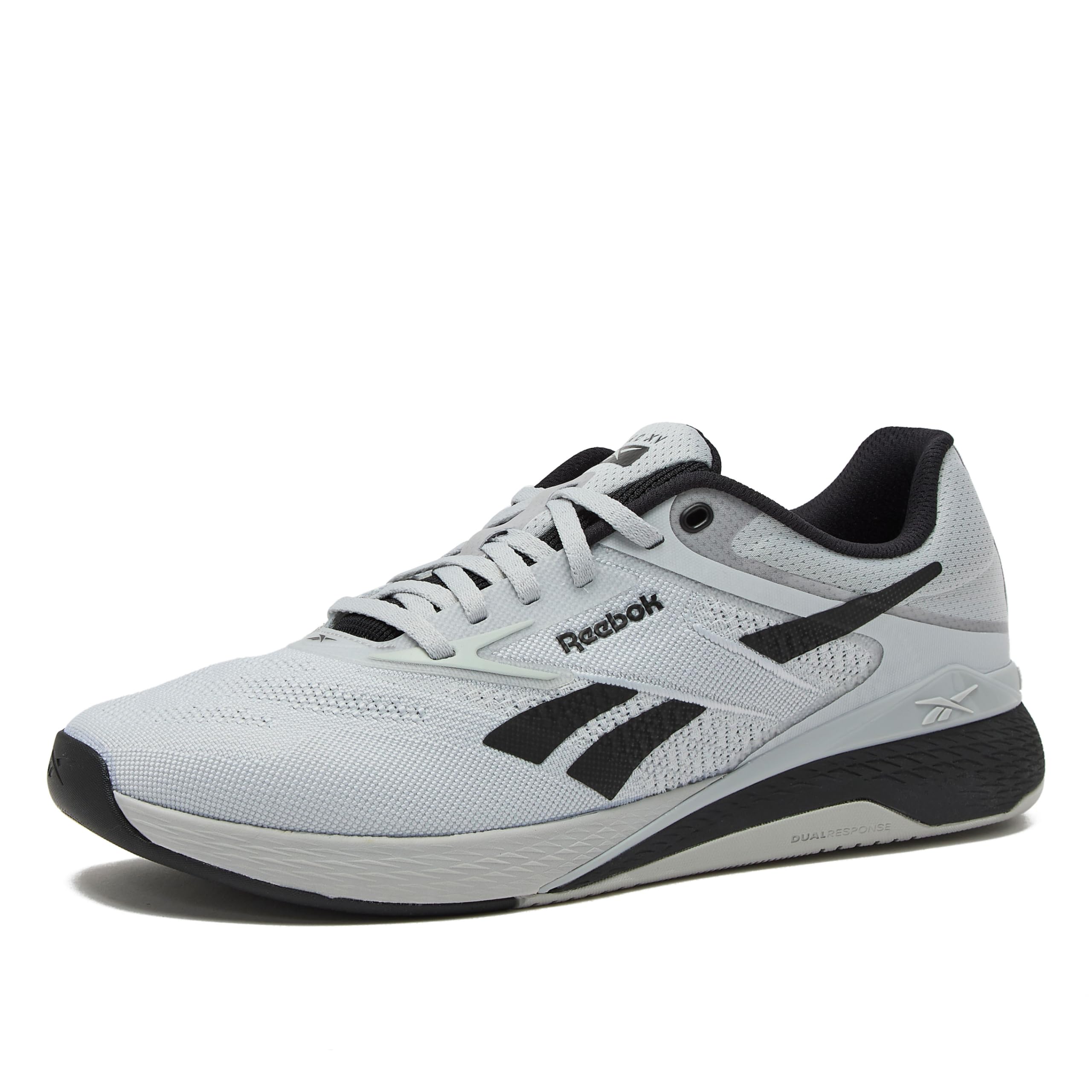
The Nano X5 represents the latest evolution of Reebok’s training franchise, blending a low-drop chassis with enough forefoot flex to handle box jumps and sprints without sacrificing deadlift stability. The outsole uses a dense, flat rubber compound that grips the platform aggressively during static pulls while still allowing natural foot movement during dynamic drills. The midfoot cage — reinforced with a TPU wrap — holds the foot in place laterally, reducing the rocking sensation that plagues softer trainers during heavy singles.
Reviewers consistently note the shoe runs about half a size small, so sizing up is recommended if you intend to wear thicker lifting socks. The wide toe box is a standout feature for lifters who need to spread their toes for balance during sumo pulls. Compared to the Legacy Lifter, the Nano X5 has a noticeably lower heel drop, which positions the body closer to a flat-soled deadlift stance ideal for raw pullers.
Where the Nano X5 truly shines is in mixed training sessions that include deadlifts, lunges, rope climbs, and short cardio intervals. It lacks the rigid heel of a dedicated lifting shoe, so maximal conventional deadlifts may still benefit from a flatter option. But for the athlete who needs one shoe to cover the entire training day, this is a top-tier choice.
Why it’s great
- Low-drop platform suits raw deadlift mechanics
- TPU midfoot cage provides lateral stability
- Wide toe box accommodates foot splay for balance
Good to know
- Runs half size small; size up
- Flexible forefoot less optimal for heavy singles
3. Nordic Lifting VENJA

The VENJA from Nordic Lifting strikes an unusual balance: a solid lifting heel that provides squat depth and deadlift stability, paired with a forefoot that has more flexibility than traditional Olympic lifters. This construction makes it comfortable for walking between stations — a rare trait in the lifting shoe world. The elevated heel is moderate, around 0.6 inches, which helps lifters with tight ankles achieve a deeper starting position for conventional pulls without excessive lower back rounding.
Reviewers who switched from Adidas Powerlift models report a wider toe box and a noticeably more comfortable fit during long training sessions. The shoe runs true to size for most foot shapes, and the two Velcro straps offer a customizable lockdown across the midfoot. The outsole has sufficient traction for deadlifting on rubber platforms but doesn’t mark floors if you walk across the gym.
Heavy deadlift purists may find the forefoot flexibility too compliant for maximal pulls — a rigid wooden or TPU sole transfers energy more efficiently. However, for bodybuilders and general strength trainees who cycle through squats, deadlifts, and accessories in the same session, the VENJA’s walkability and fit make it a compelling mid-range option that outperforms its price tier.
Why it’s great
- More comfortable for walking than rigid Oly lifters
- Wide toe box for natural foot position
- Moderate heel aids ankle mobility without over-elevating
Good to know
- Forefoot flex may feel soft under maximal deadlifts
- Not the stiffest option for elite-level pulls
4. Adidas Powerlift 5 (Gen-1)
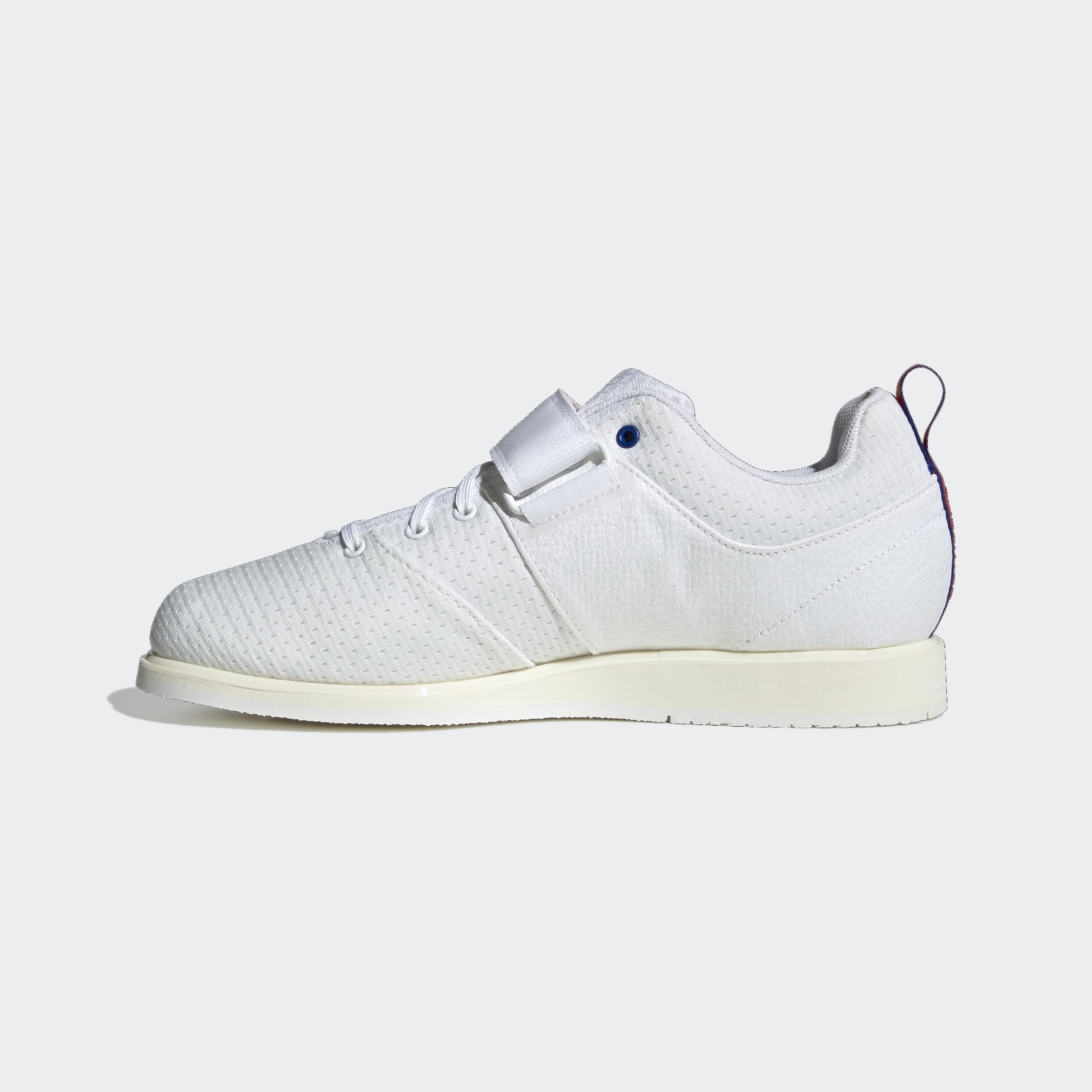
The Adidas Powerlift 5 has long been the gateway drug for lifters curious about an elevated heel. At a 0.6-inch lift, it offers a noticeable improvement in squat depth for those who normally shove plates under their heels, while still being stable enough for conventional deadlifts — especially if you’ve been pulling in mushy running shoes. The nylon shank adds rigidity to the midfoot, preventing the shoe from folding under heavy loads.
Multiple customer reviews describe a snug fit around the midfoot, which is good for stability but can feel tight for wider feet. The laces paired with a single Velcro strap give adequate lockdown, though lifters with very narrow feet may still experience some heel slip. The outsole rubber delivers reliable traction on wood deadlift platforms and rubber gym mats without excessive noise or floor marking.
Several reviewers reported these shoes lasted through years of consistent training with only the laces needing replacement — a testament to the overall build quality. If you’re seeking a dedicated weightlifting shoe that won’t break the bank and you don’t have extremely wide feet, the Powerlift 5 is a proven starting point that also works for deadlifts when you’re not competing for max singles.
Why it’s great
- Proven entry-level heel height improves squat depth
- Nylon shank resists midfoot folding under load
- Durable construction with long-term use reports
Good to know
- Narrow midfoot fit not ideal for wide feet
- Single strap system less secure than dual-strap models
5. Under Armour TriBase Reign 6
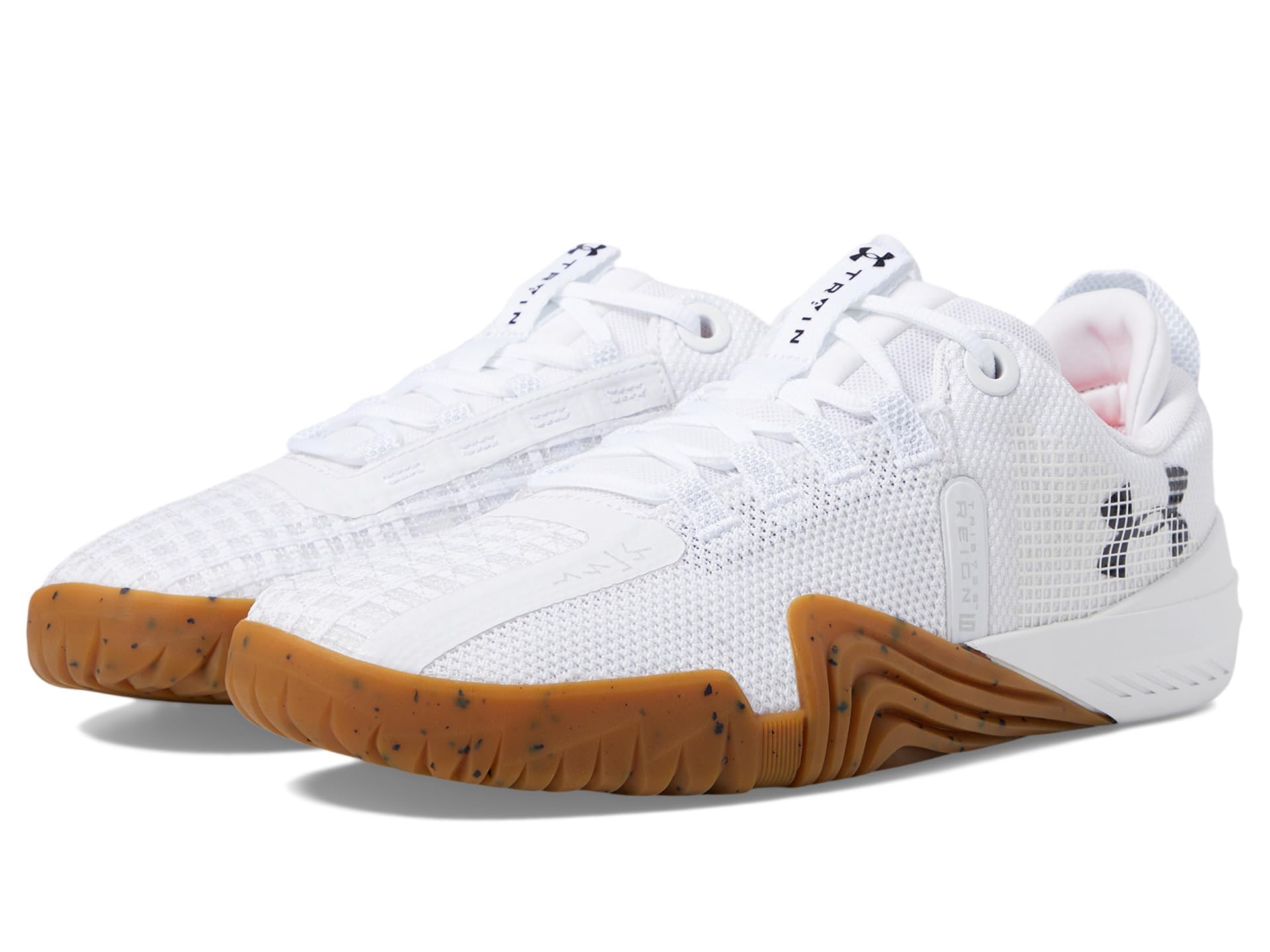
Under Armour’s TriBase Reign 6 is engineered around a zero-drop platform that positions the foot flat against the ground — a geometry highly favored by deadlifters who want a short, direct bar path. The TriBase outsole expands the contact surface area, which increases friction with the floor and reduces lateral sway during heavy pulls. The upper uses a lightweight, breathable mesh that keeps the foot cool during long CrossFit sessions or hypertrophy blocks.
Reviewers highlight the wide toe box as a relief for flat-footed lifters, allowing toes to splay naturally for a more stable base. The shoe also has enough midsole cushioning to handle short runs up to two or three miles, making it one of the few deadlift-friendly shoes that doesn’t punish you during cardio. The fit runs slightly large; several users recommend going half a size down from your normal training shoe size.
While the TriBase Reign 6 is not a dedicated deadlift slipper — the heel-to-toe drop is flat rather than elevated — it excels as a do-it-all trainer for lifters who prioritize pulling but still need versatility. The outsole grip is adequate for deadlifting on rubber platforms but may feel less secure on wooden competition platforms under maximal weights.
Why it’s great
- Zero-drop geometry promotes efficient deadlift bar path
- Wide toe box reduces foot crowding under heavy loads
- Cushioned enough for short runs and HIIT work
Good to know
- Less stable than rigid-heel lifters for max deadlifts
- Runs half size large; size down
6. Generic Powerlifting Shoe
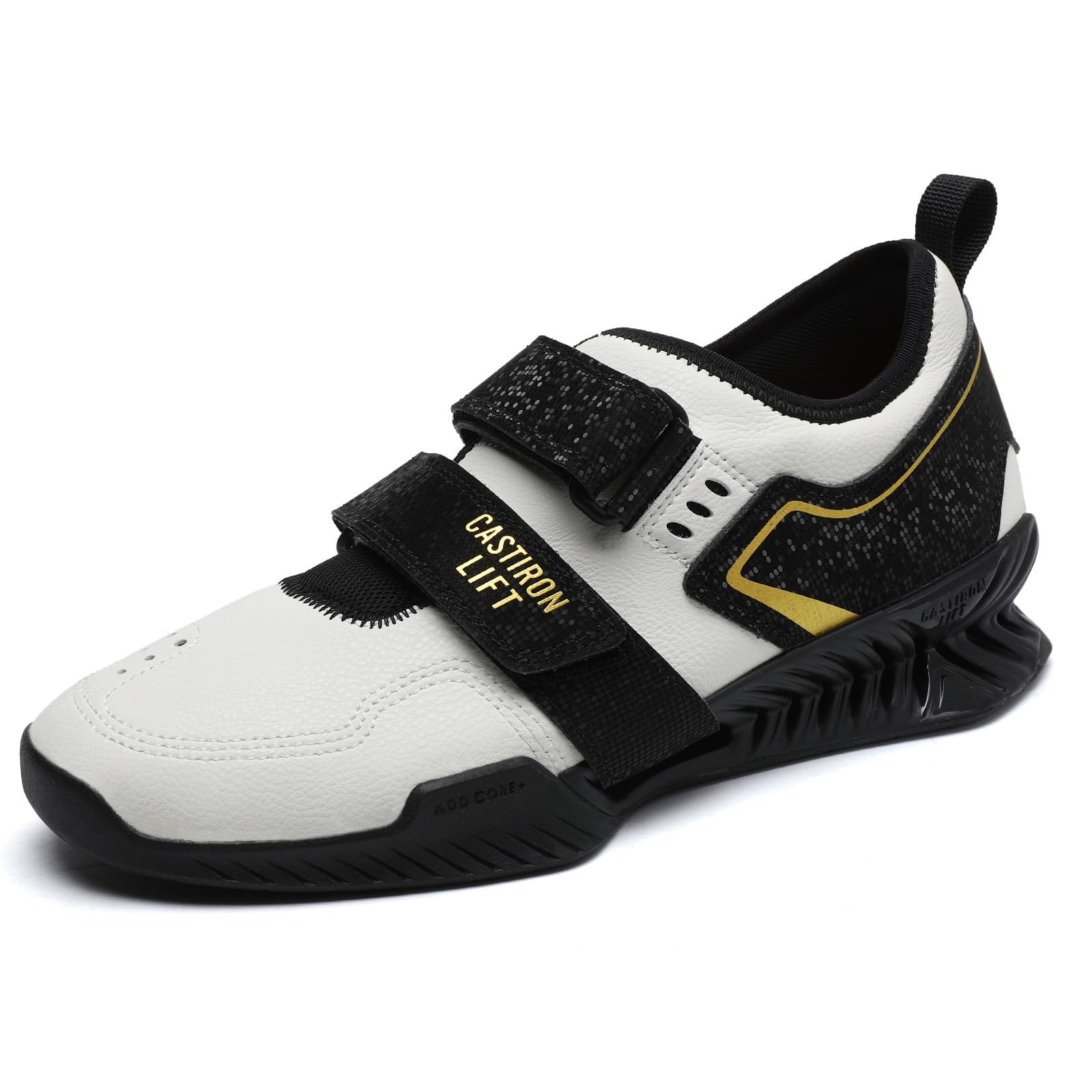
This entry-level lifting shoe from an off-brand manufacturer offers a surprisingly solid build for the price, featuring an angled outsole that provides a stable platform for both squats and deadlifts. The dual Velcro straps across the midfoot and ankle area — a design cue borrowed from premium Olympic lifters — deliver a tight lockdown that rivals some mid-range models. The outsole rubber is moderately aggressive, offering good grip on rubberized platforms without slipping during the pull.
The toe box is wider than the Adidas Powerlift 5, making this a strong alternative for lifters with wider forefeet who found the Adidas too snug. Sizing runs true for most users, though those with very narrow feet may find the shoe slightly roomy after break-in.
On the downside, the forefoot is stiffer than some competing models, which limits walking comfort between sets. The elevated heel also positions the body slightly forward compared to a flat sole, so sumo deadlifters trying this shoe should test the stance before committing to heavy loads. For beginners exploring whether a lifting shoe improves their deadlift, this budget-friendly option provides immediate feedback without a large financial commitment.
Why it’s great
- Dual-strap system rivals premium models for lockdown
- Wide toe box fits broader feet comfortably
- Durable build for a low-cost lifting shoe
Good to know
- Stiff forefoot limits walking and dynamic movements
- Elevated heel less optimal for sumo deadlift stance
7. Adidas Powerlift 5 (Gen-2)
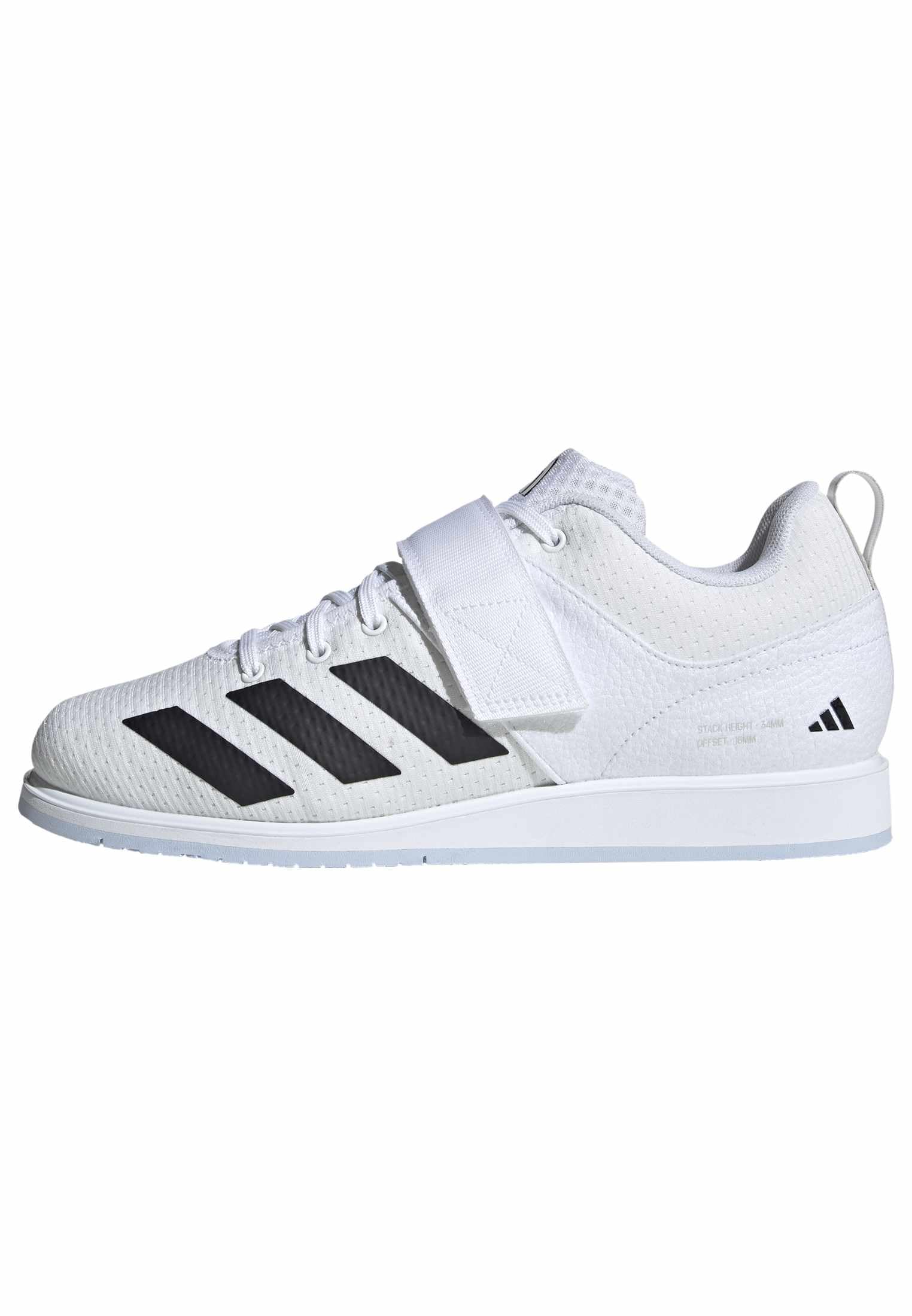
The second-generation Adidas Powerlift 5 retains the same 0.6-inch heel height and nylon shank design that made its predecessor a smart entry point into dedicated lifting footwear, but new buyers should be aware of the narrow toe box. Multiple reviews explicitly caution that the toe area runs tighter than the original, with several lifters recommending going half a size up to accommodate lateral toe space. For deadlifters with narrow to medium feet, this snug fit can actually improve midfoot stability during heavy pulls.
The outsole pattern has been slightly revised for better traction on rubber gym flooring, and the synthetic upper material feels marginally more durable than the earlier version. The simple single-strap closure over the instep is less robust than the dual-strap systems found on the Legacy Lifter III, but it still provides enough lockdown for conventional deadlifts up to moderately heavy loads. Reviewers who came from running shoes report a noticeable improvement in squat form and reduced knee pain, confirming the heel’s functional benefit.
Where this shoe falls short is its inflexibility for wide-footed lifters and its limited deadlift-specific advantages. The elevated heel adds extraneous range of motion for sumo pullers, and the narrow toe box may cause discomfort during longer training sessions. For the heel-curious lifter with a narrower foot who wants a validated lifting shoe without paying premium prices, the Gen-2 Powerlift 5 remains a worthwhile consideration.
Why it’s great
- Proven heel design improves squat depth and stability
- Revised outsole offers reliable platform traction
- Budget-friendly entry into dedicated lifting footwear
Good to know
- Toe box very narrow; order half size up
- Single strap less secure for max-effort pulling
FAQ
Can I deadlift in shoes with a raised heel?
What is the difference between a deadlift slipper and a lifting shoe?
How do I know if my lifting shoes are too narrow for deadlifting?
Final Thoughts: The Verdict
For most users, the best deadlifting shoes winner is the Reebok Legacy Lifter III because its compression-proof TPU heel and dual-strap system deliver uncompromising stability for both squats and deadlifts across all load ranges. If you want a zero-drop hybrid that transitions seamlessly between pulls and cardio, grab the Reebok Nano X5. And for a budget-friendly entry point that proves the value of a dedicated lifting shoe, nothing beats the Adidas Powerlift 5 (Gen-1).

Mo Maruf
I created WellFizz to bridge the gap between vague wellness advice and actionable solutions. My mission is simple: to decode the research and give you practical tools you can actually use.
Beyond the data, I am a passionate traveler. I believe that stepping away from the screen to explore new environments is essential for mental clarity and physical vitality.