Our readers keep the lights on and my smoothie glass nicely filled. As an Amazon Associate, I earn from qualifying purchases.
The science of grounding suggests a direct electrical connection between your body and the planet can reduce inflammation and improve sleep. But finding a shoe that actually facilitates that connection without looking like a science experiment is where the real hunt begins. Most minimalists ignore the conductive element, while mainstream grounding footwear often sacrifices comfort for gimmicks.
I’m Mohammad Maruf — the founder and writer behind WellFizz. I’ve spent hundreds of hours dissecting the material science, sole geometries, and conductive pathways in this niche footwear category to separate legitimate grounding tech from marketing fluff.
Whether you are new to reconnecting with the earth’s surface or a seasoned barefoot enthusiast ready to close the circuit, this guide cuts through the noise to help you find the best pair of earthing shoes that actually match your lifestyle and foot shape.
How To Choose The Best Earthing Shoes
Earthing shoes differ from standard barefoot footwear by including a conductive element—often a copper plug near the ball of the foot or carbon-infused rubber—that transfers the earth’s electrons through the sole. Without this conductive pathway, you are just wearing a minimalist shoe. Here is what to check before you buy.
The Conductive Mechanism
Look for a visible copper grounding plug, silver-plated threads, or a carbon-infused rubber outsole that contacts both the ground and your skin. If you cannot find a conductive path described in the specs or see it in the insole, the shoe is likely not grounding. This is the single most important differentiator in this category.
Sole Thickness and Zero Drop
A true earthing shoe sits at zero drop—meaning the heel and forefoot are the same height off the ground. Sole thickness typically ranges from 4mm to 10mm. Thinner soles offer more ground feedback but less protection from sharp surfaces. Thicker soles (still within the zero-drop constraint) work better for urban walking on concrete.
Toe Box Width
The toe box must allow your toes to splay naturally. A cramped toe box defeats the purpose of grounding by compressing the foot and altering your natural gait. Look for brands that list their toe box width in millimeters or mention “anatomical” shaping. This is especially critical if you have bunions, hammer toes, or wide forefeet.
Quick Comparison
On smaller screens, swipe sideways to see the full table.
| Model | Category | Best For | Key Spec | Amazon |
|---|---|---|---|---|
| Xero Shoes Prio Suede | Minimalist | Daily wear & athletic use | 5.5mm FeelTrue outsole | Amazon |
| Vivobarefoot Primus Lite III | Performance | Running & gym training | 3mm recycled rubber outsole | Amazon |
| Flux Adapt Graphene XT | CrossFit | HIIT & lifting | 5mm stack height | Amazon |
| Grounding Earthing Shoes with Mesh | Grounding | Daily grounding walks | Copper plug conductive system | Amazon |
| Bronoir Grounding Barefoot Shoes | Grounding | Errands & standing work | Copper plug in forefoot | Amazon |
| HOBIBEAR Leather Barefoot | Casual | Everyday stylish wear | Zero drop slip-on | Amazon |
| WHITIN Trail Runner | Trail | Dry terrain hiking | 4mm stack height | Amazon |
In‑Depth Reviews
1. Xero Shoes Men’s Prio Suede Barefoot Athletic Sneaker
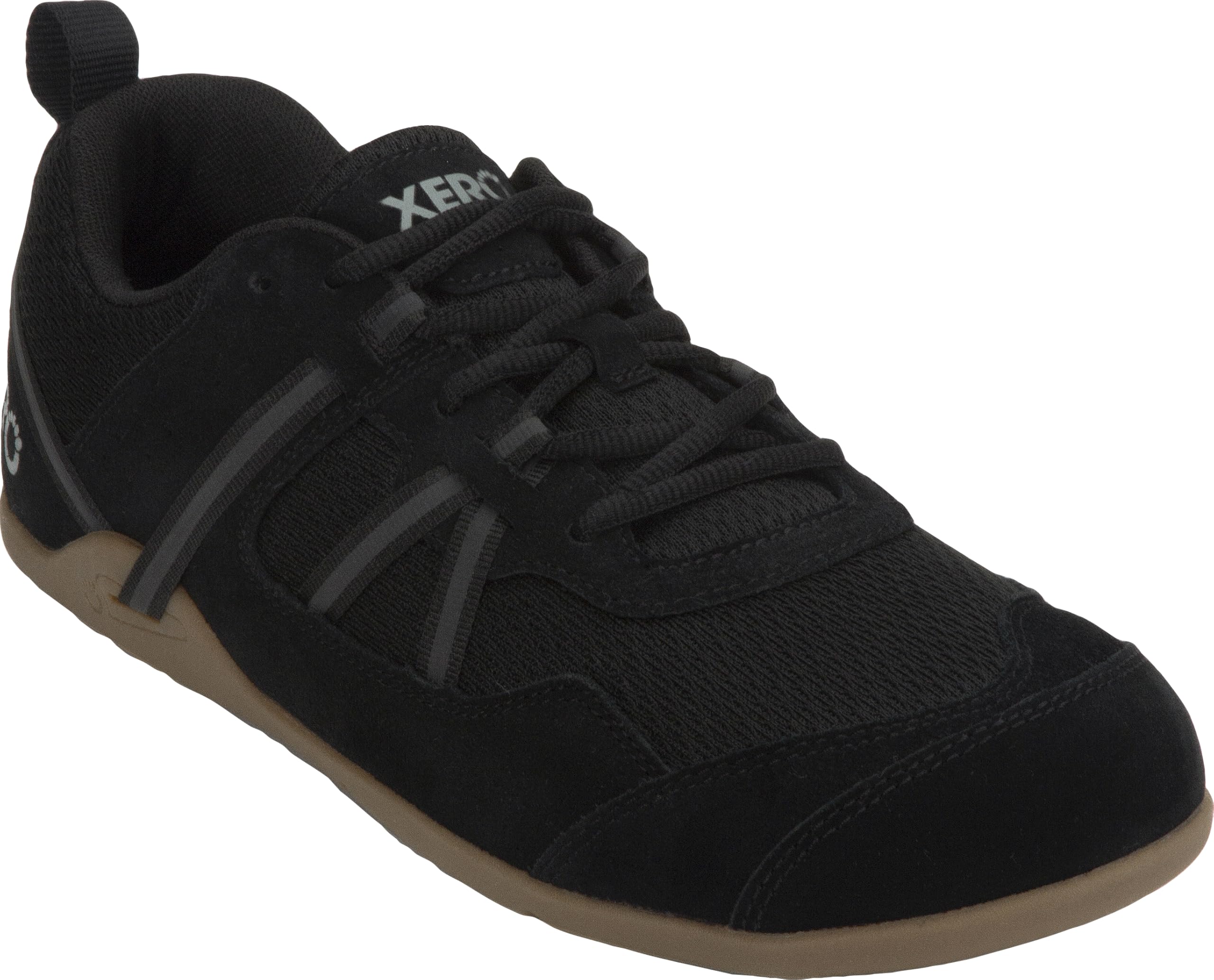
The Xero Prio Suede stands out because it merges a genuine athletic shoe platform with the barefoot experience. The 5.5mm FeelTrue sole delivers enough ground feedback to feel connected without punishing your feet on concrete. Reviewers report lasting over 100 miles of walking and running with minimal sole wear, and the suede upper provides a more refined look than the typical mesh training shoe.
Where this shoe really shines is its versatility. It handles gym sessions, deadlifts, city walks, and even lightweight hiking without needing a break-in period. The wide toe box accommodates natural splay, though users with very high-volume feet note the midfoot feels snug due to the huarache-style strap design.
One recurring trade-off is the outsole’s grip on slick surfaces. Multiple reviews mention slipping on oily floors or wet vinyl, so if your primary surface is smooth and wet, you may want a lugged alternative. For dry pavement, trails, and gym floors, the Prio Suede remains the most balanced pick in this list.
Why it’s great
- Extremely durable sole with minimal wear over hundreds of miles
- Versatile across gym, walking, and dry terrain hiking
- Refined suede upper for daily wear
Good to know
- Grip suffers on wet or oily smooth surfaces
- Midfoot strap may feel restrictive for high-volume feet
2. Vivobarefoot Primus Lite III Mens Barefoot Shoes

The Primus Lite III is a benchmark in the barefoot running world for a reason. With a 3mm recycled rubber outsole, it offers the thinnest ground feel of any shoe in this guide—essentially like wearing a protective sock. The upper is a breathable recycled mesh, which keeps weight down to under 7 ounces per shoe, making it ideal for runners who want maximum sensory feedback.
In real-world use, one reviewer logged over 750 running miles in these shoes and reported complete resolution of shin and knee pain. The wide anatomical toe box allows full splay, and the lacing system secures the heel without pressure points. These are also popular in the gym for squats and deadlifts where ground connection matters.
The trade-off is longevity at the big toe area. Multiple users note the mesh wears through at the big toe after heavy use, which is a common limitation of thin recycled uppers. If you are logging high mileage, expect 6-12 months before that area fails. Also, the thin sole transmits every pebble and crack, so transitioning from cushioned shoes requires patience.
Why it’s great
- Thinnest available sole for maximum ground feedback
- Proven durability over 750+ running miles
- Eliminates shin and knee pain for many runners
Good to know
- Mesh upper wears through at the big toe under heavy use
- Thin sole transmits sharp rocks and debris
3. Flux Adapt Graphene XT Barefoot Shoes
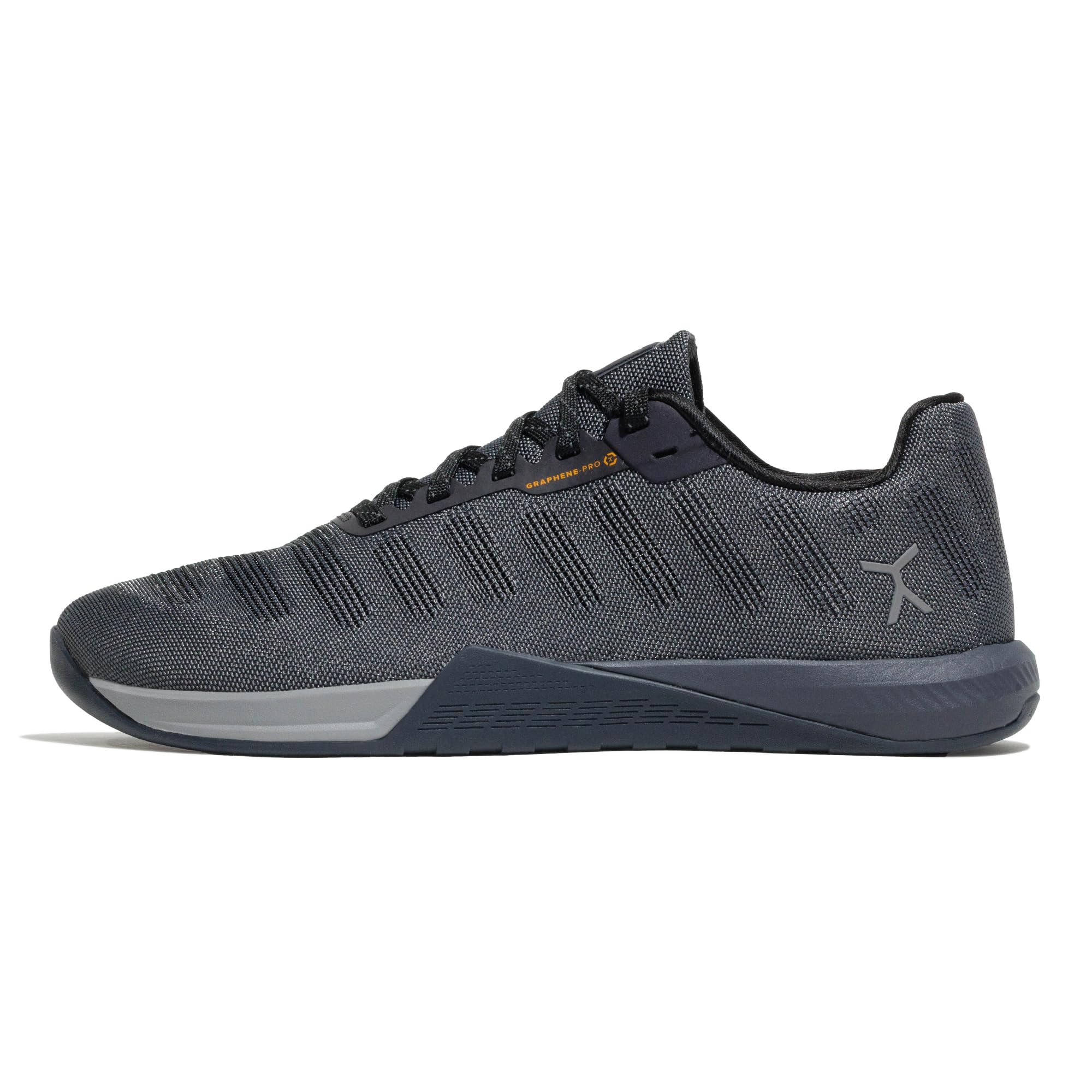
The Flux Adapt Graphene XT is the newest entry here, and it targets the CrossFit and HIIT crowd specifically. The 5mm stack height hits the sweet spot between ground feel and impact protection for dynamic movements like box jumps and burpees. The ballistic mesh upper is rugged and breathable, while the graphene-infused rubber outsole provides exceptional grip on gym floors.
Reviewers who use these 4-6 times per week for CrossFit report zero foot pain and minimal sole wear after six months. The wide toe box is generous enough for splay during squats, and the zero-drop platform keeps your hips and ankles aligned for lifting. Several users noted the shoe runs long; going up half a size usually solves the fit.
The ankle collar sits slightly higher than most barefoot shoes, which some users with prominent lateral malleoli found irritating. If you have sensitive ankle bones, check the collar height. For everyone else, this is the most durable, purpose-built training shoe in the category, built to survive high-impact, multi-directional work.
Why it’s great
- Graphene outsole shows almost zero wear after six months of CrossFit
- Ballistic mesh upper breathes well and resists tearing
- Ideal 5mm stack height for high-impact training
Good to know
- Ankle collar may irritate prominent lateral malleoli
- Size chart can be inaccurate; order half size up
4. Grounding Earthing Shoes with Breathable Mesh Upper
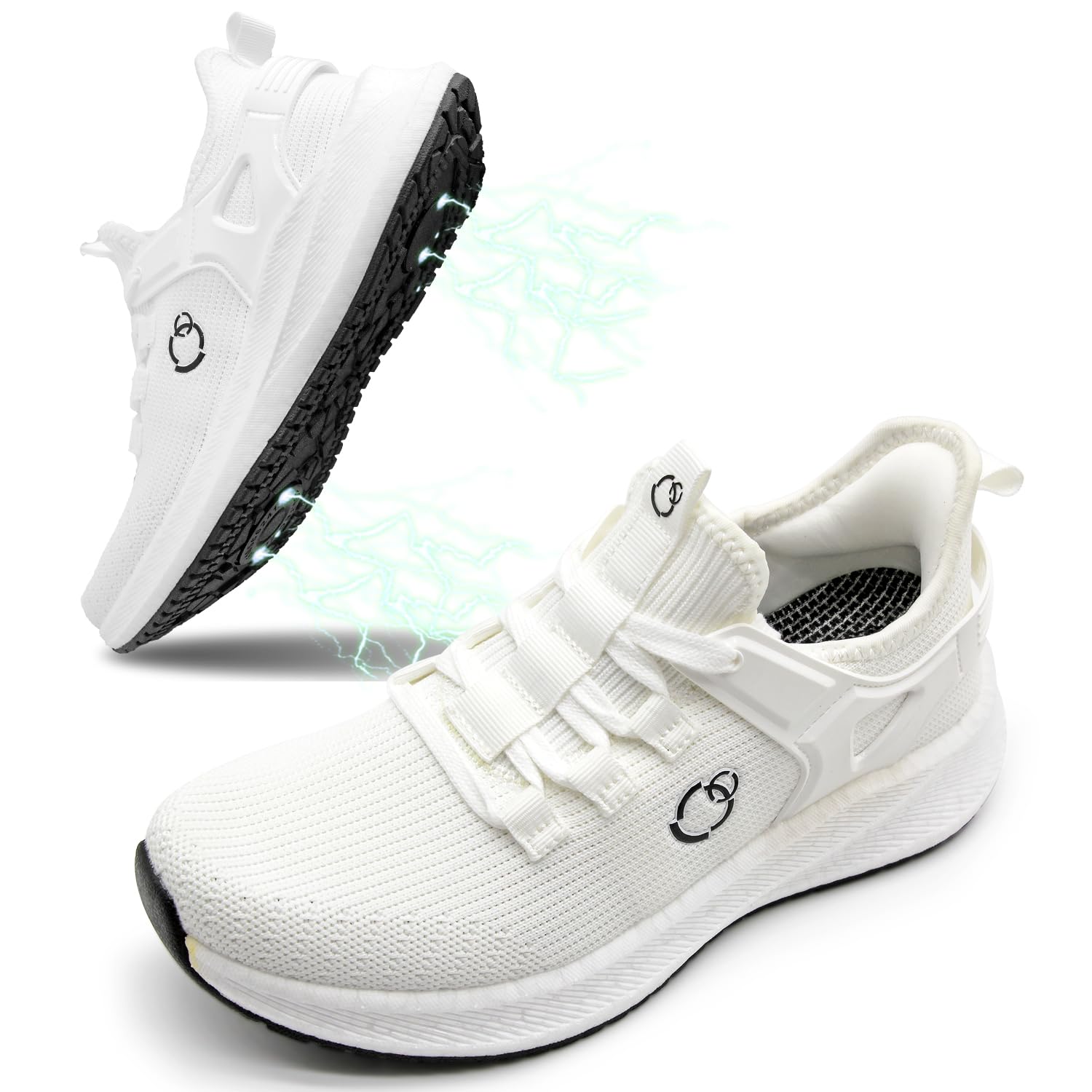
These are the only shoes in this guide that explicitly label themselves as grounding footwear with a built-in copper plug. The conductive element is located near the ball of the foot, and the mesh upper keeps them breathable and lightweight. Reviewers consistently describe them as comfortable for all-day wear, with several noting improved subjective feelings of being “more grounded” during walks and work shifts.
Fit runs slightly narrow if you wear thick socks, so half-sizing up is recommended. The mesh upper stretches over time, but initial wear can feel tight across the midfoot. The white sole is a minor design flaw—it picks up dirt quickly and is difficult to restore to its original color.
The heel counter includes a hard white back strap that some users with small or narrow heels found irritating, causing blisters. If you have a narrow heel, consider padding or a different model. For the price point, these deliver genuine conductive grounding at a fraction of the cost of premium alternatives, making them a smart entry point.
Why it’s great
- Explicit copper plug grounding system for the price
- Lightweight and breathable mesh upper for daily wear
- Noticeable improvement in comfort during long walks
Good to know
- White sole stains easily and is hard to clean
- Hard heel back strap can blister narrow heels
5. Bronoir Grounding Barefoot Shoes with Copper
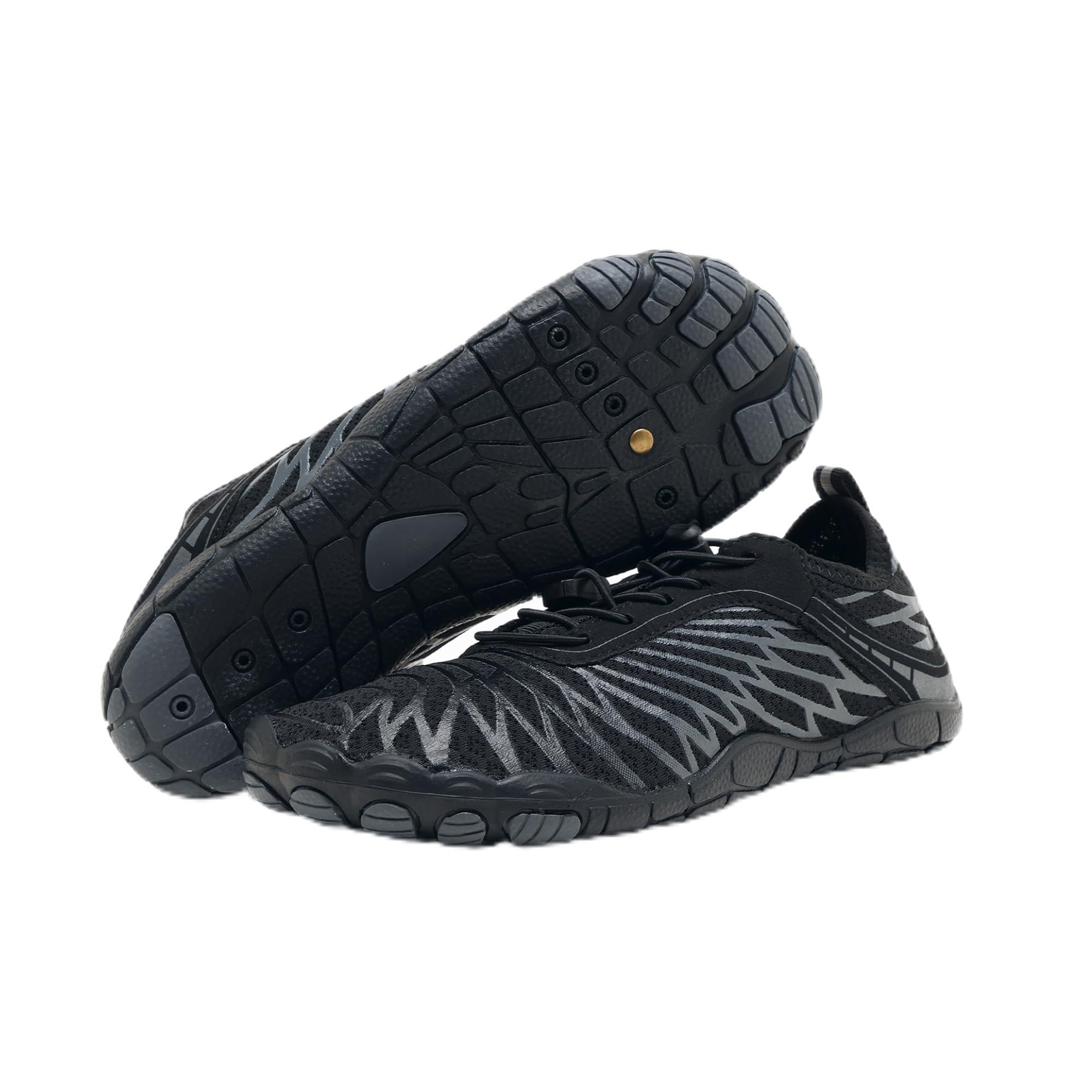
The Bronoir Grounding Shoes feature a visible copper plug in the forefoot, making the conductive path clear. The design is minimal and flexible, with a thin sole that wraps around the foot like a glove. Users with rheumatoid arthritis and malformed feet report significant relief during daily errands and standing work, which speaks to the spacious toe box and forgiving upper.
At six hours of standing on hard floors, one reviewer noted their knees, feet, and calves felt great compared to traditional footwear. The weight is barely noticeable, and the traction is adequate for paved surfaces and light dirt. The thin sole is not suitable for hiking on sharp rocks—users felt every stone.
One buyer flagged a color mismatch between the listing and the delivered product, plus a copper plug that caused a foot bruise. Customer service responsiveness was inconsistent. If you are confident in your size and color choice, the comfort-to-price ratio is strong. But the grounding claim is difficult to verify objectively, and the thin sole limits terrain options.
Why it’s great
- Visible copper grounding plug for conductive path
- Spacious toe box accommodates malformed feet and bunions
- Excellent for long periods of standing on hard floors
Good to know
- Thin sole transmits sharp rocks and debris
- Copper plug placement may cause bruising for some users
6. HOBIBEAR Leather Barefoot Shoes
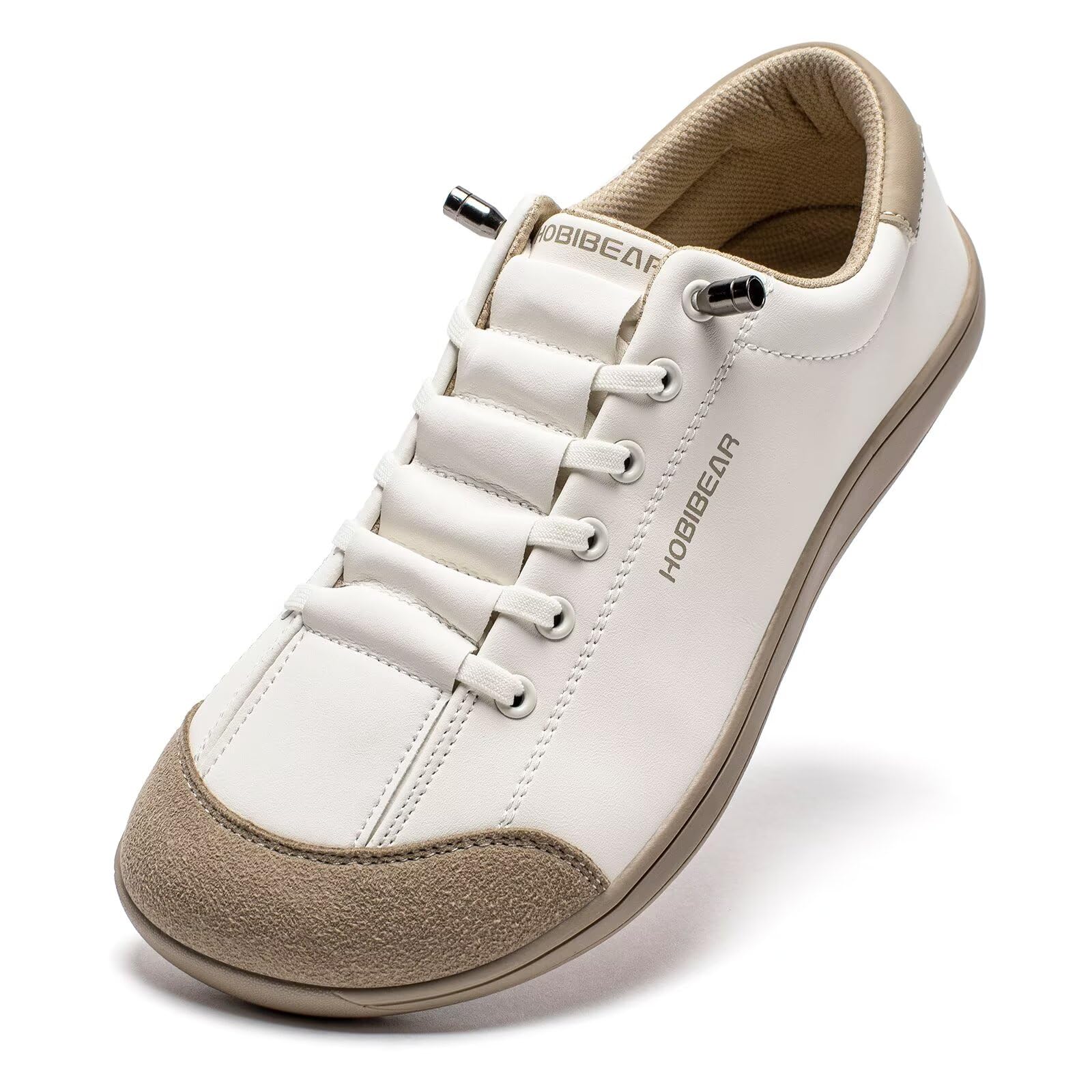
HOBIBEAR stands out for its genuine grain leather upper, which offers a more polished look than mesh or synthetic options. The zero-drop, wide-toe design is specifically appreciated by users with neuropathy who need room for toe movement without compression. The slip-on style is convenient, though the high tongue requires a slight finger assist to get the heel in.
Multiple reviewers noted these are their third pair within a year, indicating strong repeat purchase intent. The leather is easy to clean and holds up well to daily wear. The interior has minimal arch support, so users with flat feet or high arches may want to add their own orthotic insole, though this reduces the barefoot feel.
One recurring issue is heel slippage. Because the shoe lacks laces, the heel counter relies entirely on the elastic upper for retention. Some users found their heel lifts out while walking, requiring the shoe to be worn very snug. If you have narrow heels, the slip-on design may not lock your foot in securely enough for active use. These are best for casual, low-impact walks.
Why it’s great
- Genuine grain leather upper is durable and easy to clean
- Wide toe box relieves neuropathy and bunions
- Convenient slip-on design for quick wear
Good to know
- Heel slippage common due to lack of lacing
- Minimal interior support; may need added orthotic
7. WHITIN Women’s Wide Barefoot Trail Running Shoes
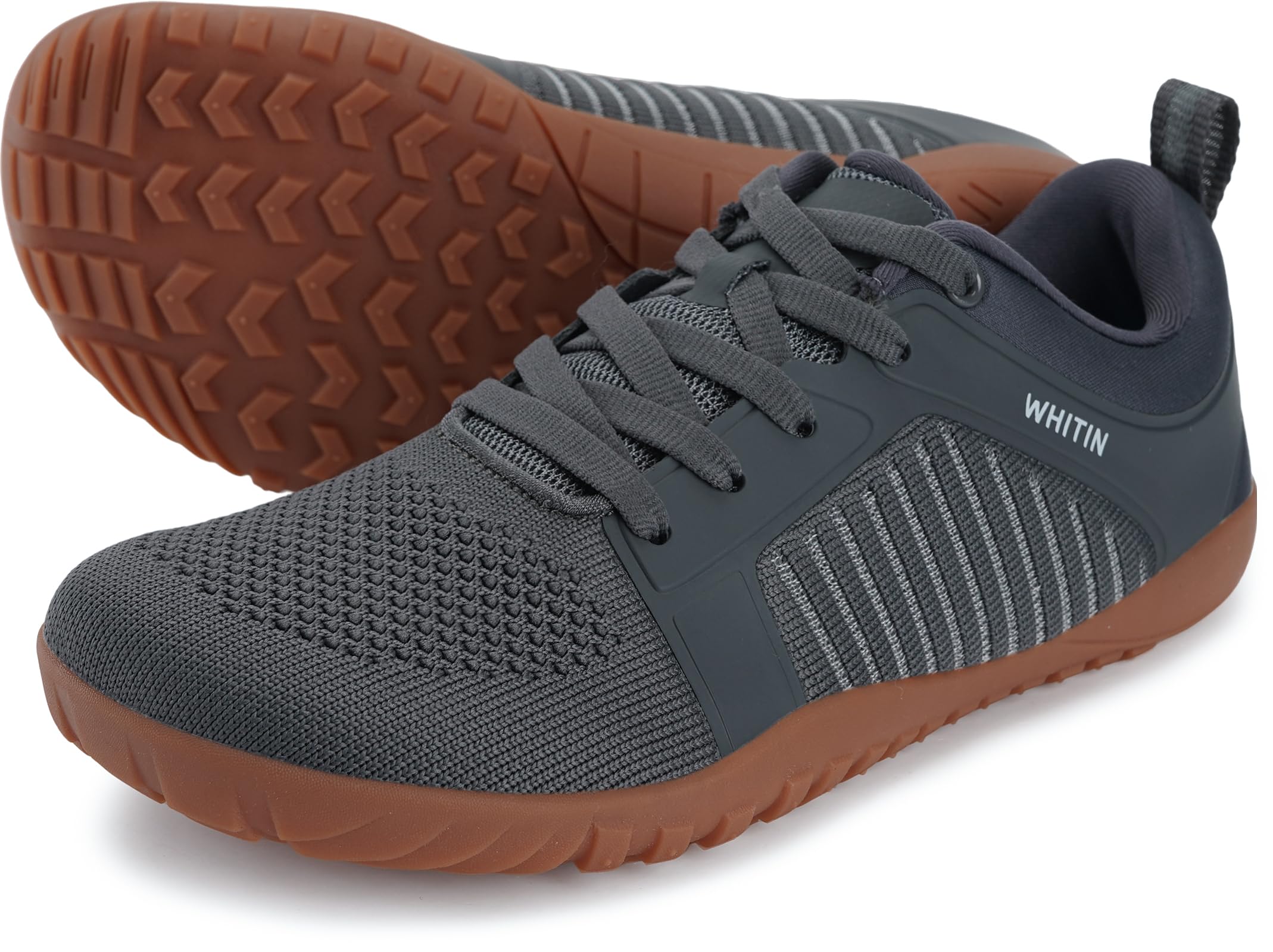
WHITIN has carved out a reputation for delivering decent barefoot geometry at a friendly price point, and this trail runner version is no exception. The extra-wide toe box is genuinely spacious—multiple reviewers with wide forefeet called it “perfect.” The 4mm stack height offers solid ground feel while the flexible rubber outsole provides traction on dry terrain, dirt paths, and grass.
One reviewer took these on a 3-mile hike at 5,600 feet altitude and reported stable footing and no discomfort. The shoes are machine washable and dry quickly, which is practical for muddy conditions. The water-repellent fabric works well in light rain and damp grass, though the outsole becomes slippery on wet rock.
A significant drawback reported by several buyers is a strong chemical odor out of the box, with one user experiencing burning throat and nose irritation. This off-gassing appears to vary by batch. Also, the shoes came with dirty soles for one reviewer, suggesting occasional returns are resold without inspection. For the price, the barefoot geometry is hard to beat, but quality control is inconsistent.
Why it’s great
- Extra-wide toe box accommodates natural splay and wide feet
- Machine washable and quick-drying fabric
- Excellent grip on dry terrain and dirt
Good to know
- Strong chemical odor reported in some units
- Slippery on wet rock surfaces
FAQ
Does the copper plug in grounding shoes actually work for earthing?
Can I wear earthing shoes with socks and still be grounded?
How often should I replace the copper plug in my earthing shoes?
Final Thoughts: The Verdict
For most users, the earthing shoes winner is the Xero Shoes Prio Suede because it balances proven construction, a wide toe box, and genuine athletic versatility without the gimmicks of a plastic grounding plug. If you want maximum ground feel for running and training, grab the Vivobarefoot Primus Lite III. And for CrossFit or gym work where durability matters most, nothing beats the Flux Adapt Graphene XT.

Mo Maruf
I created WellFizz to bridge the gap between vague wellness advice and actionable solutions. My mission is simple: to decode the research and give you practical tools you can actually use.
Beyond the data, I am a passionate traveler. I believe that stepping away from the screen to explore new environments is essential for mental clarity and physical vitality.