Our readers keep the lights on and my smoothie glass nicely filled. As an Amazon Associate, I earn from qualifying purchases.
The connection between your boot and your board defines every turn, every stop, and every landing. That connection is your bindings, and choosing the right ones can mean the difference between a day of effortless carving and a day of fighting your gear. Whether you are a weekend warrior lapping the groomers or a freeride charger hunting for powder stashes, the binding you strap into dictates your control, comfort, and safety on the mountain.
I’m Mohammad Maruf — the founder and writer behind WellFizz. My research process for this guide involved cross-referencing hundreds of verified buyer reviews and digging into the specific material compositions, baseplate geometries, and entry mechanisms that separate a premium binding from a budget compromise.
The market is crowded, which is why I set out to identify the best downhill ski bindings for a range of styles and budgets, focusing on real-world durability and performance specs.
How To Choose The Best Downhill Ski Bindings
Selecting bindings is not just about price or color. The wrong DIN range or an incompatible entry system can ruin your day or lead to premature release. Focus on three pillars: your ability level, the type of terrain you ride most, and the boot sole standard you already own. A binding that fits your boot and matches your DIN requirement will feel invisible underfoot; the wrong one will feel like a constant compromise.
DIN Range and Your Skill Level
The DIN setting determines the force required for your boot to release from the binding during a fall. Beginners and intermediate skiers typically fall into a DIN range of 3.0 to 11.0, while advanced and expert skiers who ski aggressively need a higher ceiling — up to 13.0 or even 16.0 for top-tier models. A binding with a DIN range that exceeds your needs is fine; a binding whose range is too low for your strength and speed is a real safety risk. Always have your final DIN set by a certified technician at a shop.
Entry System and Convenience
Traditional two-strap bindings remain the benchmark for power transfer and security, but step-in systems have matured dramatically. Automatic dual-entry bindings use a heel pedal and locking mechanism that let you click in without sitting down, saving significant energy on high-lap days. Hybrid hinge designs like the FASE system combine a traditional strap feel with a hinge highback that allows quick foot entry. The tradeoff is usually either a slight weight penalty or a learning curve — but the convenience gain is real for resort riders and anyone who values quick transitions.
Baseplate Construction and Flex
Baseplate materials directly affect how much vibration reaches your feet and how precisely the board edges transfer your input. Nylon baseplates with glass-fiber reinforcement offer a forgiving flex and good damping — ideal for all-mountain cruising. Carbon-reinforced or flax fiber baseplates stiffen the chassis for aggressive carving and freeride charging but transmit more chatter. Flex index ratings (typically 1 to 10) apply to both skis and snowboards; a mid-flex around 5 to 7 works for most intermediate-to-advanced riders, while a stiff 8-plus suits heavy freeride and big-mountain riding.
Quick Comparison
On smaller screens, swipe sideways to see the full table.
| Model | Category | Best For | Key Spec | Amazon |
|---|---|---|---|---|
| Nidecker Supermatic | Snowboard | All-day resort laps, convenience seekers | Dual-entry auto lock, flax highback, 6 lb | Amazon |
| Nidecker LT Supermatic | Snowboard | Performance step-in with tool-free tuning | Dual-entry, reinforced chassis, micro-adjust | Amazon |
| JONES Mercury FASE | Snowboard | Freeride power with fast entry | FASE hinge highback, 30% GF nylon base | Amazon |
| Marker Griffon 13 | Ski | Advanced freeride / all-mountain skiing | DIN 4-13, Triple Pivot Elite 3 toe | Amazon |
| Marker Squire 11 | Ski | Intermediate all-mountain, GripWalk compatible | DIN 3-11, stainless steel AFD, 820 g | Amazon |
| HEAD RX One | Snowboard | Beginner to intermediate, easy entry | Flex index 3, reclining highback, strap | Amazon |
In‑Depth Reviews
1. Nidecker Supermatic Snowboard Bindings
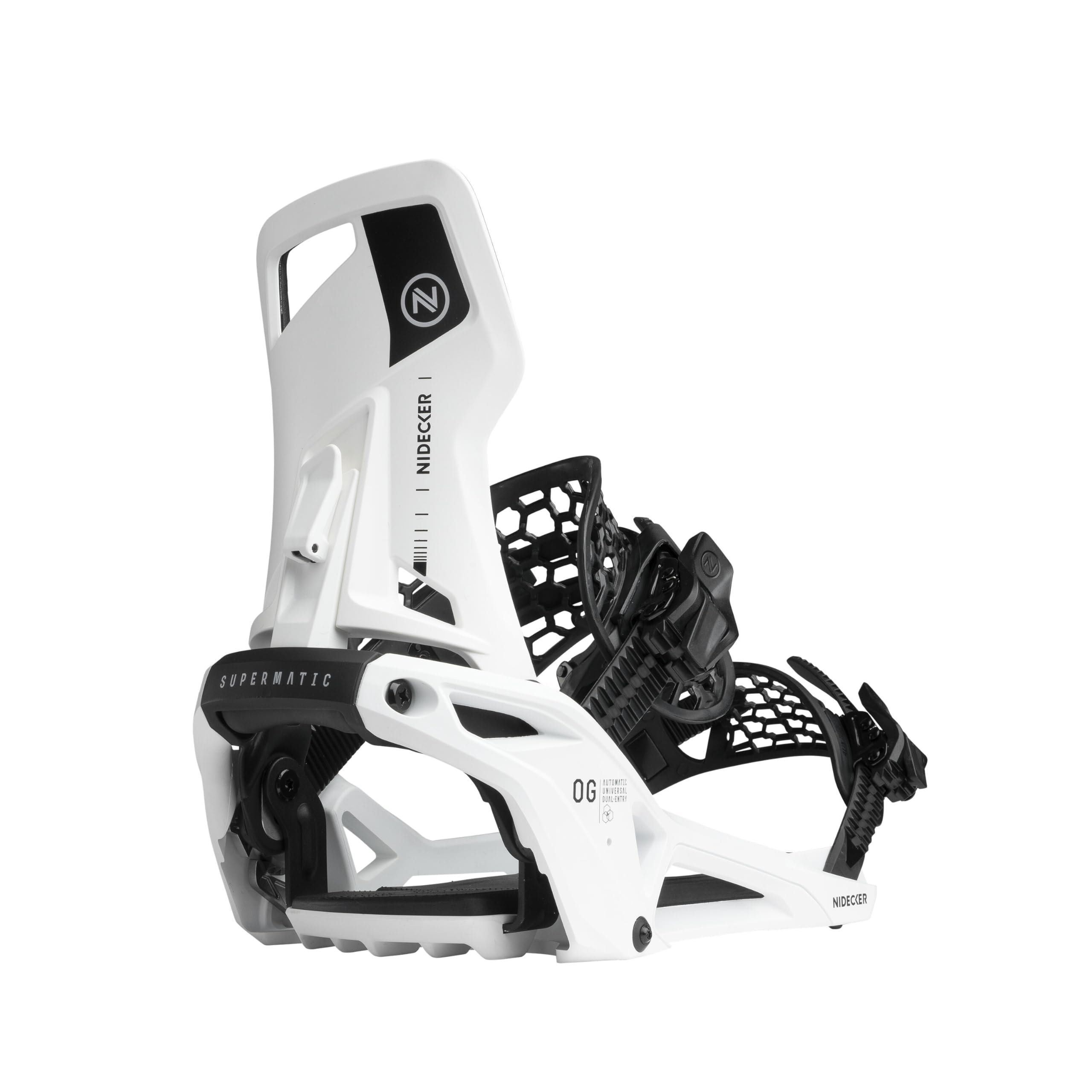
Nidecker’s Supermatic binding redefines what a step-in system can feel like. Unlike earlier generations that compromised lateral support for convenience, this automatic dual-entry binding delivers a locked-in feel that rivals premium two-strap setups. The flax fiber highback and recycled carbon hanger create a chassis that is responsive without being punishing, and the shock-absorbing footbeds tame chatter on hard pack and icy patches effectively.
Users consistently report saving serious time getting on and off the chairlift — one reviewer noted stepping in more than thirty times in a single day without needing to sit down. The learning curve is real, especially when finding the sweet spot for heel strap tension, but once dialed in, the bindings release reliably and hold securely. The weight penalty is noticeable compared to a minimalist two-strap binding, but the convenience gain outweighs it for resort riders.
Construction quality is high, with durable nylon buckles and a reinforced baseplate that channels power directly to the edge. The universal fit works with most modern snowboard boots, and the tool-free micro-adjustments let you fine-tune stance angles without a screwdriver. This binding is a genuine evolution in snowboard binding design, not a gimmick.
Why it’s great
- Hands-free step-in saves significant chairlift time
- Flax fiber highback provides responsive yet forgiving flex
- Tool-free micro-adjustments for quick on-hill tuning
Good to know
- Heavier than traditional two-strap bindings
- Learning curve to find optimal strap tension for entry
- Release lever can occasionally need a boot pull to disengage
2. Nidecker LT Supermatic Snowboard Bindings
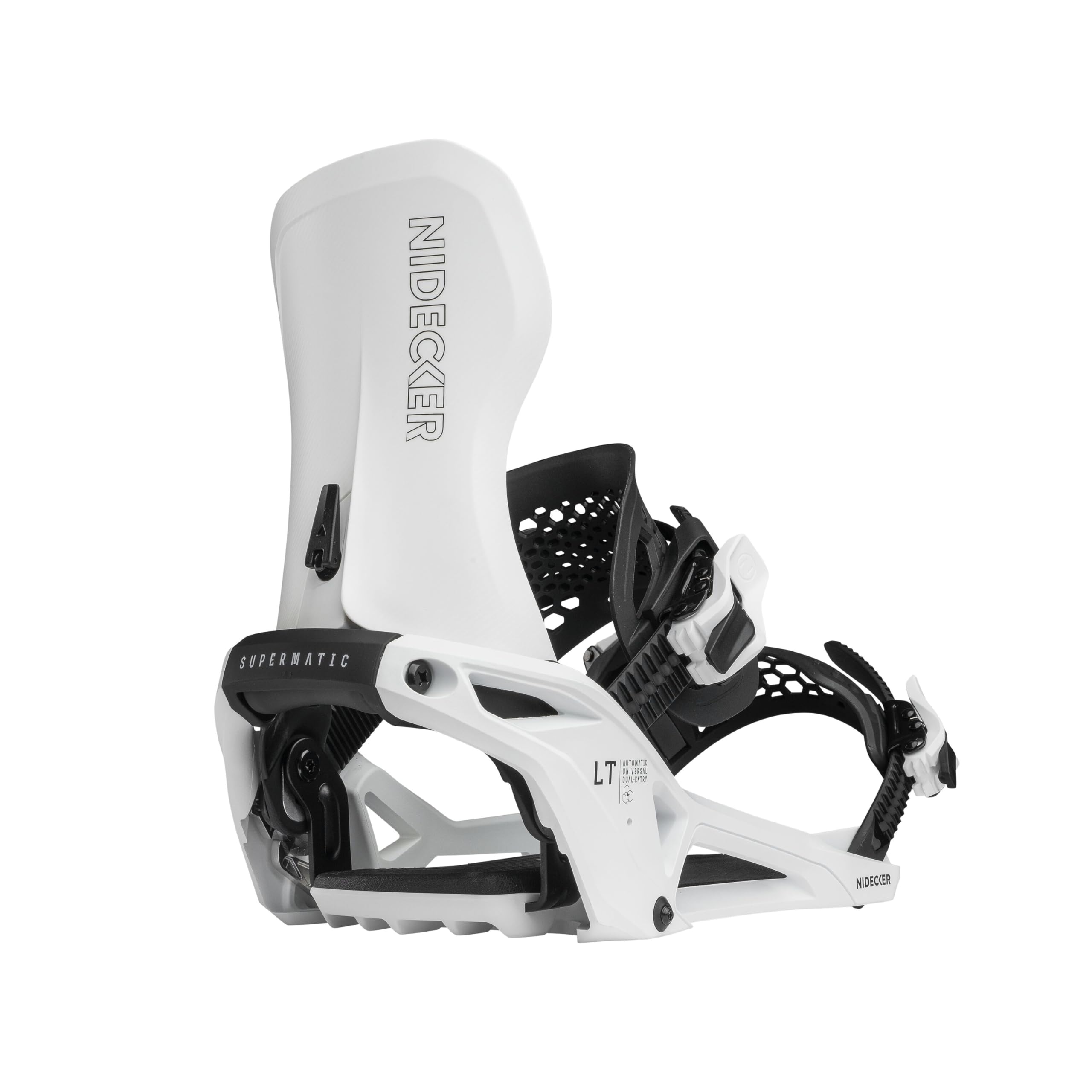
The LT Supermatic shares the same automatic dual-entry platform as the standard Supermatic but upgrades the chassis with a reinforced platform that drives even more efficient power transfer edge to edge. The even-wrap straps reduce pressure points across the top of the foot, and the damp footbeds absorb vibration noticeably better on long, choppy runs. For riders who want the step-in convenience without giving up any responsiveness, this is the top tier choice.
Real-world feedback points to the same strengths as the standard model — quick in and out, supportive ride, and secure lock — but with a slightly stiffer feel underfoot that advanced riders appreciate when carving hard. One reviewer noted the binding is heavier than a traditional strapped model but that the weight disappears while riding because the chassis is so stable. The leash included is short, so expect to buy an aftermarket longer leash if you prefer slack.
The tool-free micro-adjustments are identical to the Supermatic, making it easy to switch between different boot brands or fine-tune your stance on the fly. The recycled carbon and nylon construction keeps weight manageable despite the added reinforcement. This binding is built for the rider who spends every weekend at the resort and wants a premium, maintenance-free experience.
Why it’s great
- Reinforced chassis for superior edge-to-edge power transfer
- Even-wrap straps eliminate hot spots on long days
- Tool-free micro-adjustments for quick stance changes
Good to know
- Heavier than traditional two-strap bindings
- Included leash is too short for some preferences
- Rear entry can require practice to master
3. JONES Mercury FASE Snowboard Bindings
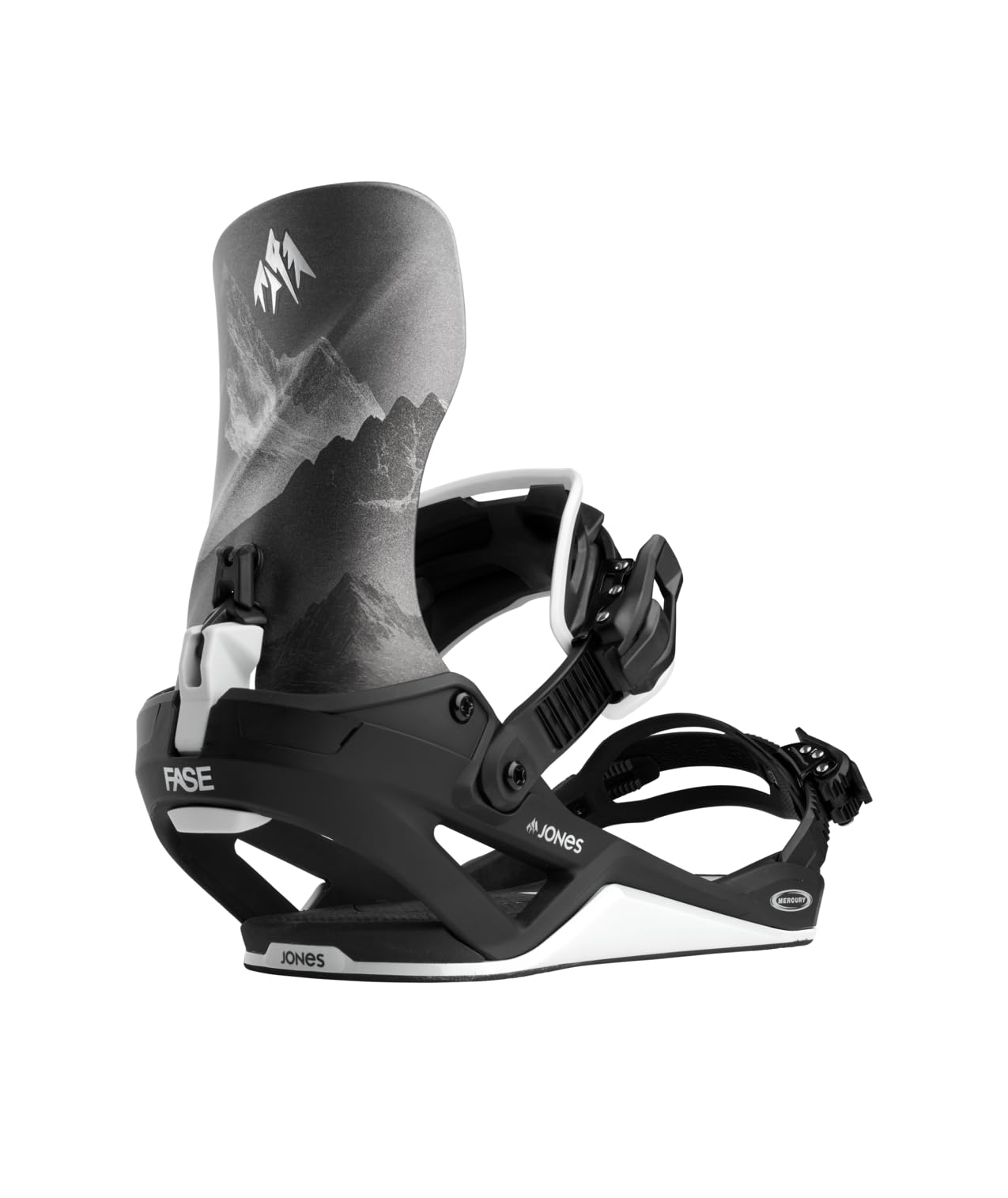
JONES took a smart approach with the Mercury FASE: they kept the performance of a traditional two-strap binding and added a hinge highback that allows quick foot entry without sacrificing lateral support. The medium-stiff flex (around 7 out of 10) delivers strong feedback for hard carving and steep chutes while remaining playful enough for freestyle sessions in the park. The 30% glass-fiber reinforced nylon baseplate provides a predictable flex pattern that dampens vibration without feeling dead.
Users who have tried both step-in and traditional bindings consistently report that the FASE system hits a rare sweet spot — it feels identical to a standard strap binding when riding, but getting in and out is noticeably faster. The system requires no toe strap adjustment after the initial setup; only the ankle strap needs tightening on the fly. One reviewer noted it is the “perfect balance between tradition and ease of entry.” The build quality is excellent, with enveloping straps that reduce fatigue even on long, hard-charging days.
The Mercury FASE is compatible with most modern snowboard boots and standard mounting patterns. The medium-stiff flex makes it a strong choice for all-mountain freeride riders who want one binding that can handle everything from groomers to trees to powder. If you have been skeptical of easy-entry bindings because of past experiences with loose-feeling hybrids, this is the binding that changes your mind.
Why it’s great
- FASE hinge provides fast entry with zero performance loss
- Medium-stiff flex suits aggressive freeride and playful freestyle
- No toe strap adjustment needed after initial setup
Good to know
- Learning curve for the hinge mechanism on first use
- Premium price point reflects the build quality
- Not designed for park-only riders who prefer a softer flex
4. Marker Griffon 13 Ski Bindings

The Marker Griffon 13 is one of the most popular ski bindings for advanced skiers for good reason. It is essentially the lighter, more versatile version of the Jester, designed for aggressive all-mountain skiers who need a DIN ceiling up to 13. The Triple Pivot Elite 3 toe system delivers a clean, predictable release in both forward and twisting falls, and the Inter Pivot 3 freeride heel provides a solid step-in feel with 30% less required force compared to older generations. This binding is GripWalk compatible, so it works with both standard alpine soles and modern walk-mode soles.
Users praise the Griffon 13 for its reliability and ease of setup. The Sole.ID technology allows the binding to adjust for different boot sole norms without requiring a shop visit — a real convenience if you own multiple boot pairs or plan to switch to touring boots later. The no-pull-out screws and centralized swing weight are thoughtful details for park and freeride skiers who spend time spinning and landing switch. One reviewer simply called it “the most popular binding ever made, and for good reason.”
The brake width options include 90mm, 100mm, and 110mm to match your ski waist width. The composite and stainless steel construction keeps weight manageable — about 8 ounces per binding — without sacrificing durability. For any advanced skier who wants a binding that balances performance, weight, and compatibility, the Griffon 13 is a proven choice.
Why it’s great
- DIN 4-13 range covers aggressive intermediate to expert skiers
- Triple Pivot Elite 3 toe provides predictable, clean release
- Sole.ID adjusts for both alpine and touring boot soles
Good to know
- Professional mounting and DIN setting still recommended for safety
- Not ideal for beginner skiers who need a lower DIN range
- Some users report the heel piece can feel stiff initially
5. Marker Squire 11 Alpine Ski Bindings
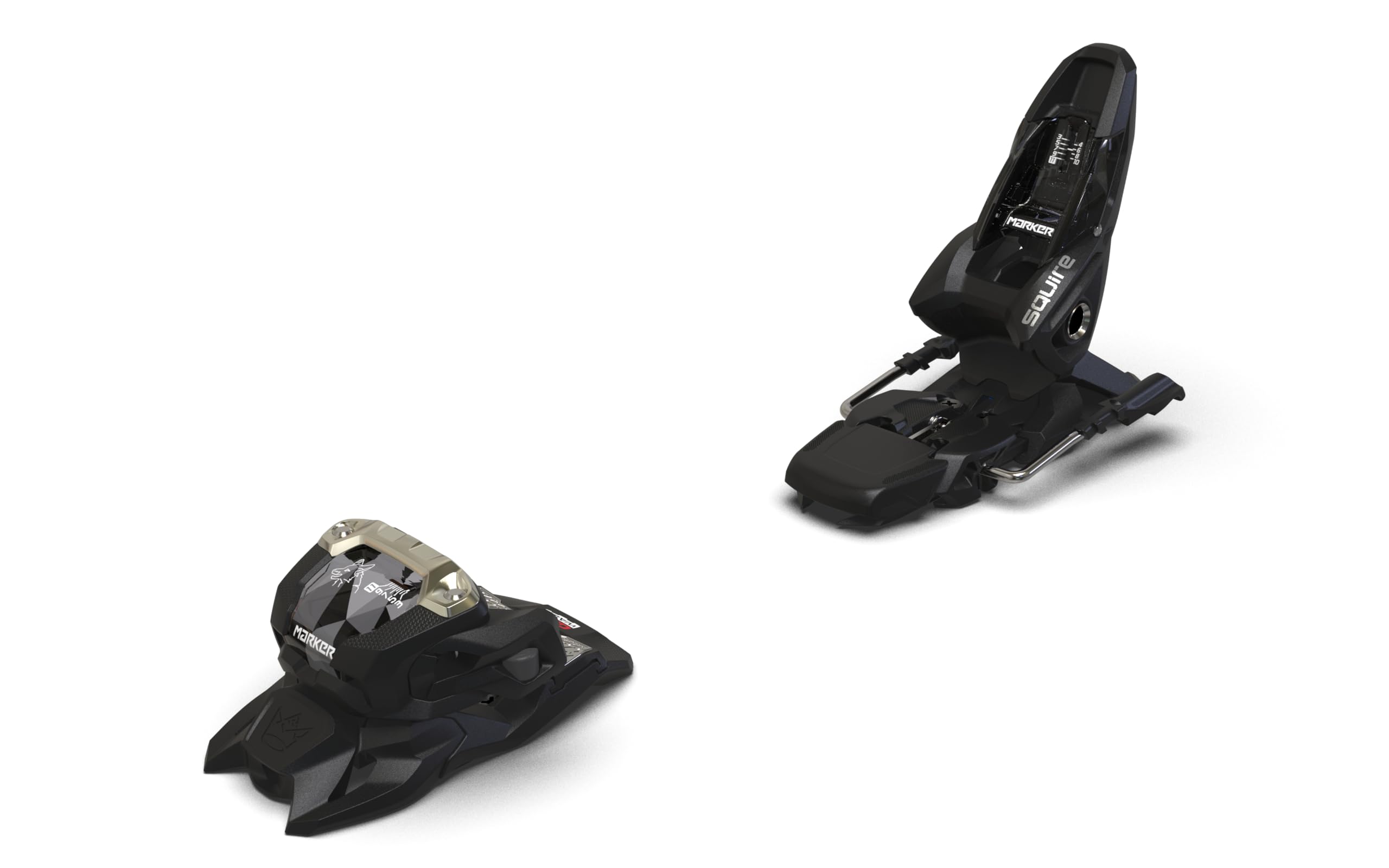
The Marker Squire 11 is the go-to binding for intermediate skiers who want a reliable, lightweight option without stepping up to premium pricing. The DIN range of 3.0 to 11.0 covers the vast majority of recreational skiers, and the hollow linkage heel reduces step-in force by 30% compared to earlier designs — a welcome improvement for skiers who struggle with stiff heel clicks in cold weather. The Triple Pivot Light 2 toe includes an Anti Ice Rail that lets you scrape snow and ice from boot soles without damaging the binding.
Real-world feedback is overwhelmingly positive: skiers report flawless performance after professional mounting, and many note the bindings look great on their skis. The stainless steel AFD (Anti-Friction Device) ensures consistent release values even after repeated use, reducing the risk of unwanted pre-release. The 820-gram weight per binding is competitive for this class, making it a good match for all-mountain skis that you plan to carry up boot packs or across flats.
GripWalk sole compatibility means the Squire 11 works with modern walk-mode boots as well as standard alpine soles. This makes the binding future-proof for skiers who might upgrade boots in the coming seasons. For the intermediate skier who charges groomers and ventures into light off-piste terrain, the Squire 11 delivers dependable performance that punches above its price class.
Why it’s great
- 30% reduction in step-in force with hollow linkage heel
- Stainless steel AFD ensures consistent release values
- GripWalk compatible for modern boot soles
Good to know
- DIN range tops out at 11 — not suitable for very aggressive expert skiers
- Professional mounting and release testing essential
- Not designed for heavy freeride or park use
6. HEAD RX One Snowboard Bindings

The HEAD RX One is designed specifically for beginner to intermediate snowboarders who need a forgiving, easy-to-use binding to build confidence. The flex index rating of 3 means these bindings are noticeably soft, which allows for easier turn initiation and a more playful feel at slower speeds. The reclining highback system reduces calf pressure when bending deep into a turn, and the toe and heel base pads add a layer of vibration damping that helps smooth out choppy resort snow.
User reviews highlight the super fast entry and exit — one rider reported cutting their strap-in time by roughly three-quarters, allowing for eight more runs per day. The construction quality is solid for this price tier, with plastic buckles and straps that feel durable enough for several seasons of moderate use. HEAD backs the bindings with a two-year warranty, provided you keep the original receipt.
It is worth noting that a small number of users reported a rear toe strap breaking on the first day on the hill, and some found the fit too tight for larger boots (size 12 or above) even on the XL setting. For beginner to intermediate riders with average boot sizes, however, the RX One offers a compelling mix of value and convenience that is hard to beat at this entry-level price point.
Why it’s great
- Extremely fast entry and exit saves significant time on the hill
- Soft flex (3) makes turn initiation easy for beginners
- Two-year warranty with receipt adds peace of mind
Good to know
- Some reports of toe strap durability issues on day one
- XL size may be tight for US boot size 12 or larger
- Heel rub reported at maximum strap setting for larger feet
FAQ
Can I mount my own ski bindings if I am handy?
What does GripWalk compatibility mean for ski bindings?
Are step-in snowboard bindings as secure as traditional strap bindings?
Final Thoughts: The Verdict
For most riders, the best downhill ski bindings winner is the Nidecker Supermatic because it combines rapid step-in convenience with a supportive, responsive ride that rivals traditional two-strap bindings. If you want a freeride-focused binding that preserves the feel of a traditional strap system while adding a fast-entry highback, grab the JONES Mercury FASE. And for advanced skiers looking for a proven, versatile alpine binding with a wide DIN range, nothing beats the Marker Griffon 13.

Mo Maruf
I created WellFizz to bridge the gap between vague wellness advice and actionable solutions. My mission is simple: to decode the research and give you practical tools you can actually use.
Beyond the data, I am a passionate traveler. I believe that stepping away from the screen to explore new environments is essential for mental clarity and physical vitality.