Our readers keep the lights on and my smoothie glass nicely filled. As an Amazon Associate, I earn from qualifying purchases.
Managing a dog’s heart condition begins at the bowl. The right prescription or therapeutic diet reduces cardiac workload by controlling sodium, optimizing taurine and carnitine levels, and providing highly digestible protein. Choose wrong, and excess fluid retention or nutrient imbalances can accelerate disease progression.
I’m Mohammad Maruf — the founder and writer behind WellFizz. I’ve analyzed veterinary standards, formulation data, and five leading cardiac-support formulas to identify which food best manages heart disease without sacrificing palatability.
After comparing phosphorus levels, omega-3 profiles, and real owner feedback from hundreds of reviews, the following is my researched guide to the best dog food for dogs with heart disease on the market today.
How To Choose The Best Dog Food for Dogs with Heart Disease
Selecting a cardiac-support diet requires more than grabbing any low-protein bag. The heart relies on specific nutrients — taurine, L-carnitine, omega-3 fatty acids — and reacts poorly to excess sodium or imbalanced minerals. Here are the critical factors to weigh when evaluating a prescription or therapeutic formula.
Taurine and L-Carnitine Content
Dilated cardiomyopathy (DCM) in certain breeds is linked to taurine deficiency. Look for foods that list supplemental taurine and L-carnitine in the guaranteed analysis. These amino acids help maintain heart muscle contractility and energy production, especially in dogs already diagnosed with cardiac disease.
Sodium Restriction Level
Moderate sodium restriction reduces the heart’s workload and helps manage fluid retention. Avoid diets that are severely sodium-depleted, as they can trigger other electrolyte imbalances in dogs on diuretics. Target formulas with a moderate rather than extreme reduction, typically under 0.3% on a dry matter basis.
Omega-3 Fatty Acids (EPA and DHA)
Long-chain omega-3s from fish oil provide anti-inflammatory benefits and can slow the progression of heart disease. A therapeutic cardiac diet should contain measurable EPA and DHA — ideally at least 0.5% on a dry matter basis — to support cardiovascular function and reduce arrhythmia risk.
Palatability and Caloric Density
Dogs with heart disease often experience reduced appetite due to medication side effects or the condition itself. A highly palatable, energy-dense formula ensures they consume enough calories without eating large volumes. Moisture content in wet foods can also help with hydration, though dry kibble is easier to measure for consistent nutrient intake.
Quick Comparison
On smaller screens, swipe sideways to see the full table.
| Model | Category | Best For | Key Spec | Amazon |
|---|---|---|---|---|
| Royal Canin Veterinary Diet Early Cardiac | Cardiac Vet Diet | Early-stage or at-risk cardiac patients | Moderate sodium + added taurine, carnitine, EPA/DHA | Amazon |
| Hill’s Prescription Diet h/d Heart Care | Cardiac Vet Diet | Advanced heart disease with fluid management | Low sodium + added potassium and magnesium | Amazon |
| Forza10 Renal Support Dog Food | Non-Rx Renal | Dogs with concurrent kidney and heart concerns | Hydrolyzed protein + cranberries, non-GMO | Amazon |
| Dave’s Pet Food Kidney Support (Tuna Pate) | Non-Rx Wet Renal | Picky eaters needing renal support without prescription | Low phosphorus (0.08% max) + omega-3 fortified | Amazon |
| Royal Canin Veterinary Diet Renal Support S | Renal Vet Diet | Dogs with kidney disease and appetite loss | Low phosphorus + high palatability crescent kibble | Amazon |
In‑Depth Reviews
1. Royal Canin Veterinary Diet Canine Early Cardiac Adult Dry Dog Food
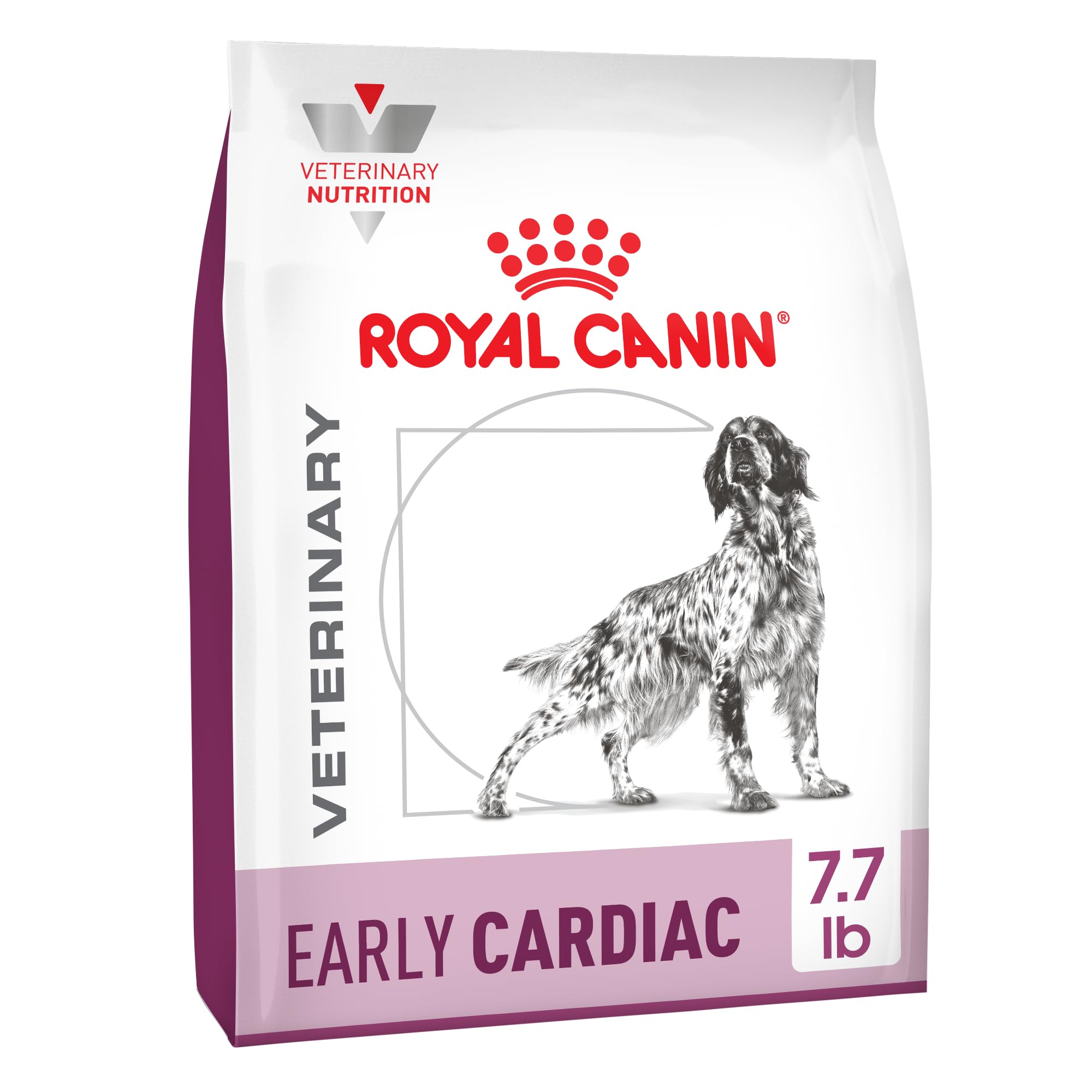
Royal Canin’s Early Cardiac formula is precisely calibrated for dogs in the early to moderate stages of heart disease. It delivers moderate sodium restriction rather than severe depletion — a key distinction that avoids triggering electrolyte disturbances in dogs not yet on diuretics. The kibble contains measurable EPA and DHA from fish oil, plus L-carnitine and taurine at therapeutic levels that support myocardial energy metabolism.
Veterinarians recommend this diet specifically because it reduces cardiac workload while maintaining high digestibility and palatability. Owners report that dogs with heart murmurs or early congestive failure maintain stable weight and energy levels when switched to this formula. The crescent-shaped kibble is sized appropriately for small and medium breeds, and it mixes well with wet cardiac diets for added moisture.
The 7.7 lb bag contains roughly 41 cups, making it a practical choice for daily feeding. Because it is a veterinary-exclusive diet, a prescription from your vet is required, which ensures proper medical oversight. Customer reviews consistently highlight improved vitality and reduced coughing episodes in dogs with confirmed cardiac diagnoses.
Why it’s great
- Moderate sodium restriction that won’t disturb diuretic therapy
- Added taurine, L-carnitine, EPA, and DHA for heart muscle support
- Highly palatable kibble that most dogs accept readily
Good to know
- Requires a veterinary prescription to purchase
- Higher per-pound cost compared to standard adult maintenance diets
2. Hill’s Prescription Diet h/d Heart Care Dry Dog Food

Hill’s h/d Heart Care is a mainstream veterinary choice for dogs with established cardiac disease, particularly when fluid retention is a concern. It features a more aggressive sodium restriction than Royal Canin’s Early Cardiac, which is beneficial for dogs already showing signs of congestive heart failure. The formula also includes added potassium and magnesium — two electrolytes commonly depleted by loop diuretics like furosemide.
Owners of senior small breeds — especially Yorkies, Pomeranians, and Maltese — report dramatic improvements. One reviewer noted their 15-year-old Yorkie maintained puppy-like activity for three years on this diet alone, eventually discontinuing heart medication. The controlled phosphorus level also supports kidney function, which is frequently compromised in older cardiac patients.
The 17.6 lb bag offers a more economical per-pound cost than the smaller bags of comparable prescription diets. Some bags arrive damaged due to shipping, but Amazon’s replacement policy covers that issue quickly. Transition slowly over 7–10 days to avoid GI upset, and always confirm with your veterinarian that the low-sodium profile is appropriate for your dog’s specific stage of heart disease.
Why it’s great
- Lower sodium content helps manage fluid retention in CHF patients
- Electrolyte profile replenishes potassium and magnesium lost to diuretics
- Controlled phosphorus offers dual heart-kidney support
Good to know
- Not ideal for early-stage dogs not yet on sodium restriction
- Some dogs find the kibble less palatable than Royal Canin alternatives
3. Forza10 Vet-Approved Renal Support Dry Dog Food
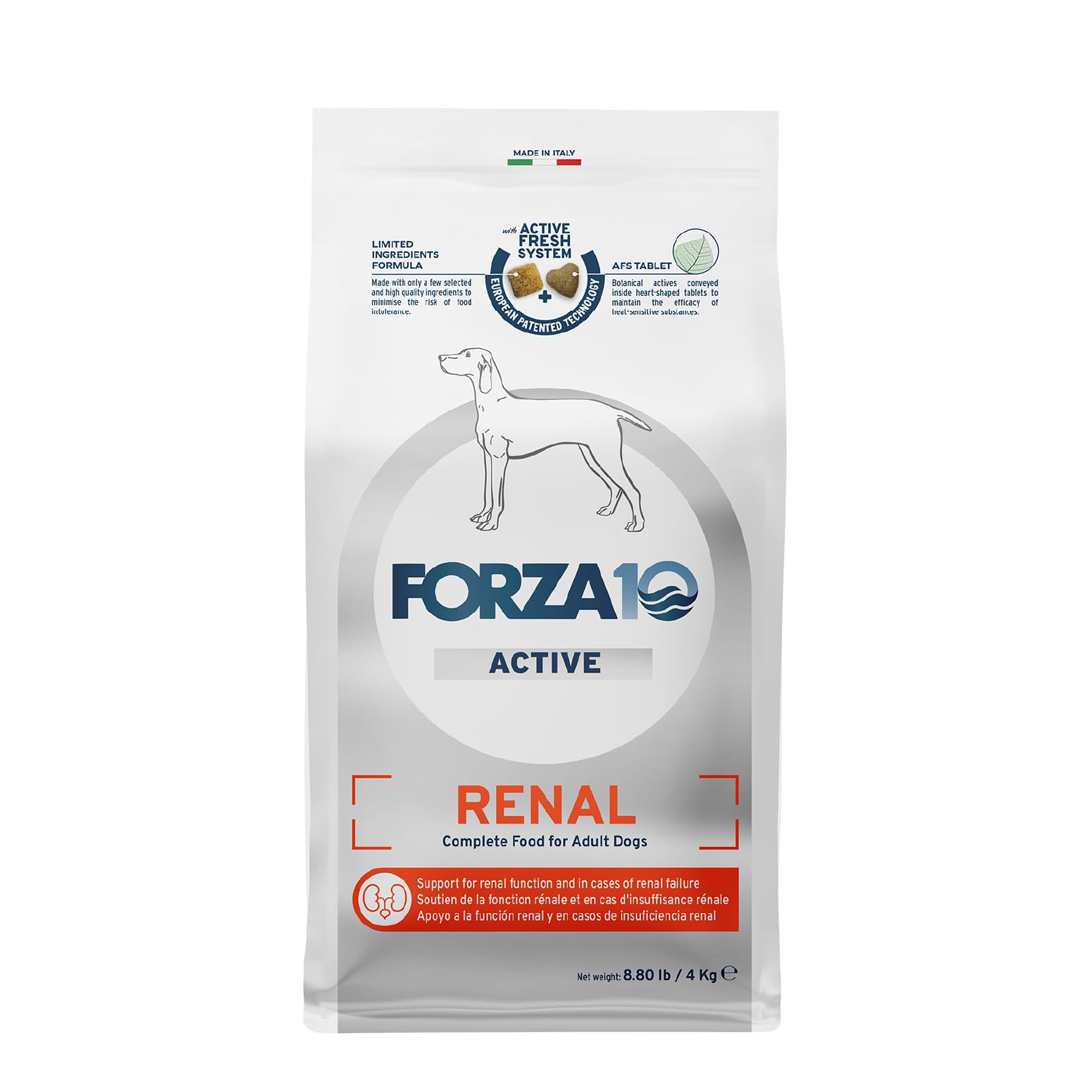
Forza10 offers a non-prescription alternative for owners who want a limited-ingredient, kidney-supportive diet that also benefits cardiac health. Made in Italy with hydrolyzed fish protein, it’s free from corn, soy, dairy, and artificial additives — a clean profile that reduces inflammatory load on the cardiovascular system. The inclusion of cranberries and dried dandelion supports renal function, which often declines alongside heart disease in senior dogs.
Customer feedback is remarkably strong for a non-Rx formula. One owner of an 11-year-old GSD with early kidney disease noted that every prescription food caused ear infections and loose stools, but Forza10 resolved all symptoms within a month and normalized blood work. A licensed vet tech praised the ingredient quality, comparing it favorably to high-end European prescription diets at a fraction of the cost.
The bag size — 8.8 lb — is smaller than typical prescription bags, meaning more frequent repurchases for multi-dog households. There is no resealable closure, so storing the kibble in an airtight container is essential. While it is not specifically formulated for cardiac patients, its low-phosphorus, high-omega approach makes it a solid bridge for dogs with concurrent renal and early cardiac concerns.
Why it’s great
- No prescription needed — accessible without a vet visit
- Hydrolyzed protein is gentle on sensitive digestive systems
- Non-GMO, no by-products, free from common allergens
Good to know
- Small bag size requires frequent reordering for larger breeds
- Not specifically designed for cardiac disease — consult your vet first
4. Dave’s Pet Food Kidney Support Dog Food (Tuna Pate)
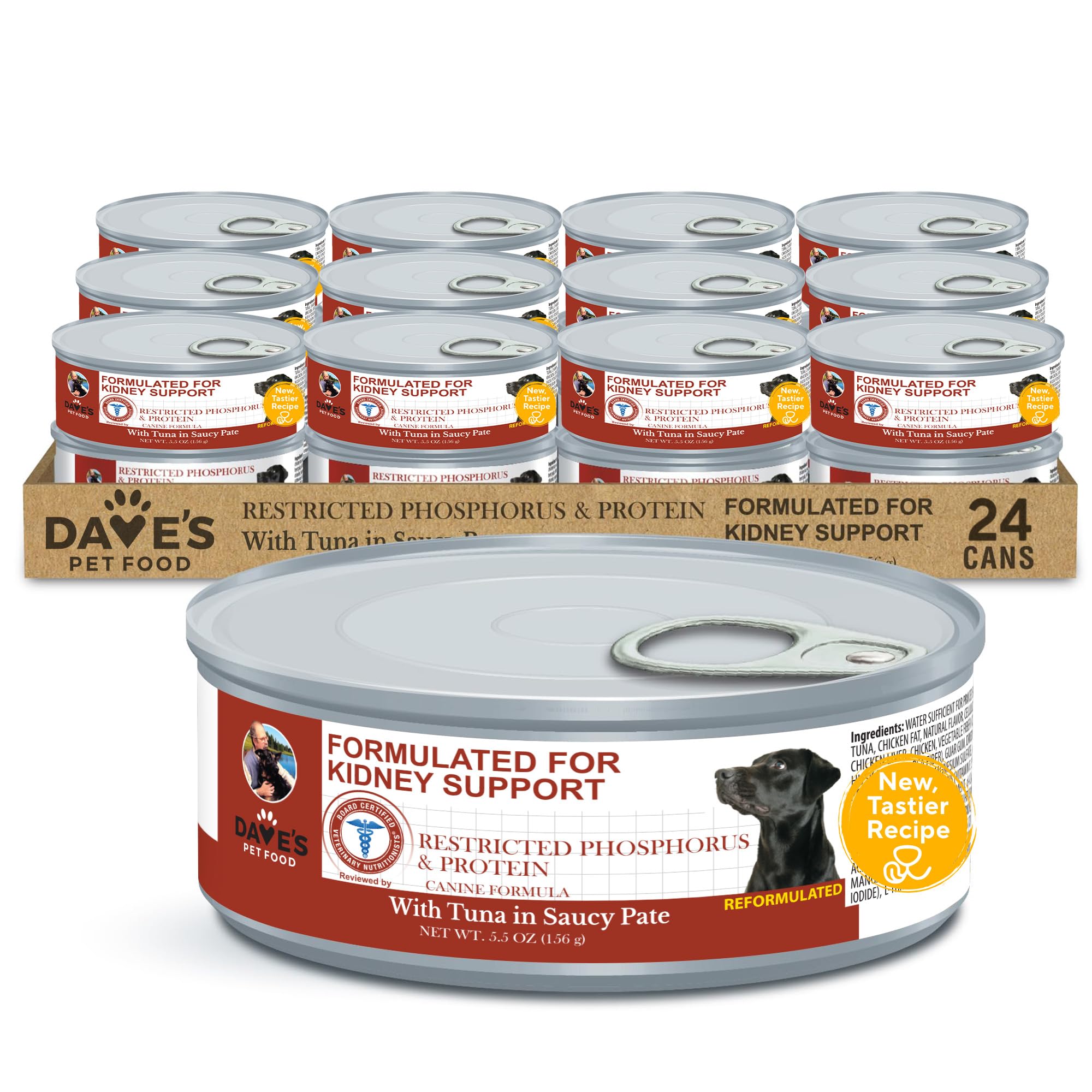
Dave’s Kidney Support Tuna Pate is a wet food option that requires no prescription, making it easy to integrate into a cardiac care plan without red tape. The formula achieves a low phosphorus content of 0.08% max, which helps protect both renal and cardiovascular function. It is fortified with omega-3 fatty acids, EPA, and DHA — the same anti-inflammatory fats found in high-end prescription cardiac diets.
Wet food texture is a genuine advantage for cardiac patients. The moisture content supports hydration, which is critical when dogs take diuretics that increase urination. The tuna pate is soft, making it ideal for seniors with dental issues. Several owners report that their picky eaters — including one 18-year-old dog with few teeth — eagerly clean their bowls, something they refused to do with dry kibble alone.
Palatability does vary, however. Some dogs find the pate’s texture unappealing, describing it as slimy. A few owners wasted multiple cans before giving up. The 24-pack provides good value for multi-dog households, but the cans are small (5.5 oz), so larger breeds may need two cans per meal. Mixing with warm broth or alternating flavors can help if your dog is hesitant at first.
Why it’s great
- Lowest phosphorus among non-Rx formulas at 0.08% max
- High moisture content supports hydration in dogs on diuretics
- Soft pate texture works well for senior dogs with dental problems
Good to know
- Some dogs reject the slimy texture of the pate
- Small 5.5 oz cans require multiple servings for large breeds
5. Royal Canin Veterinary Diet Canine Renal Support S Adult Dry Dog Food
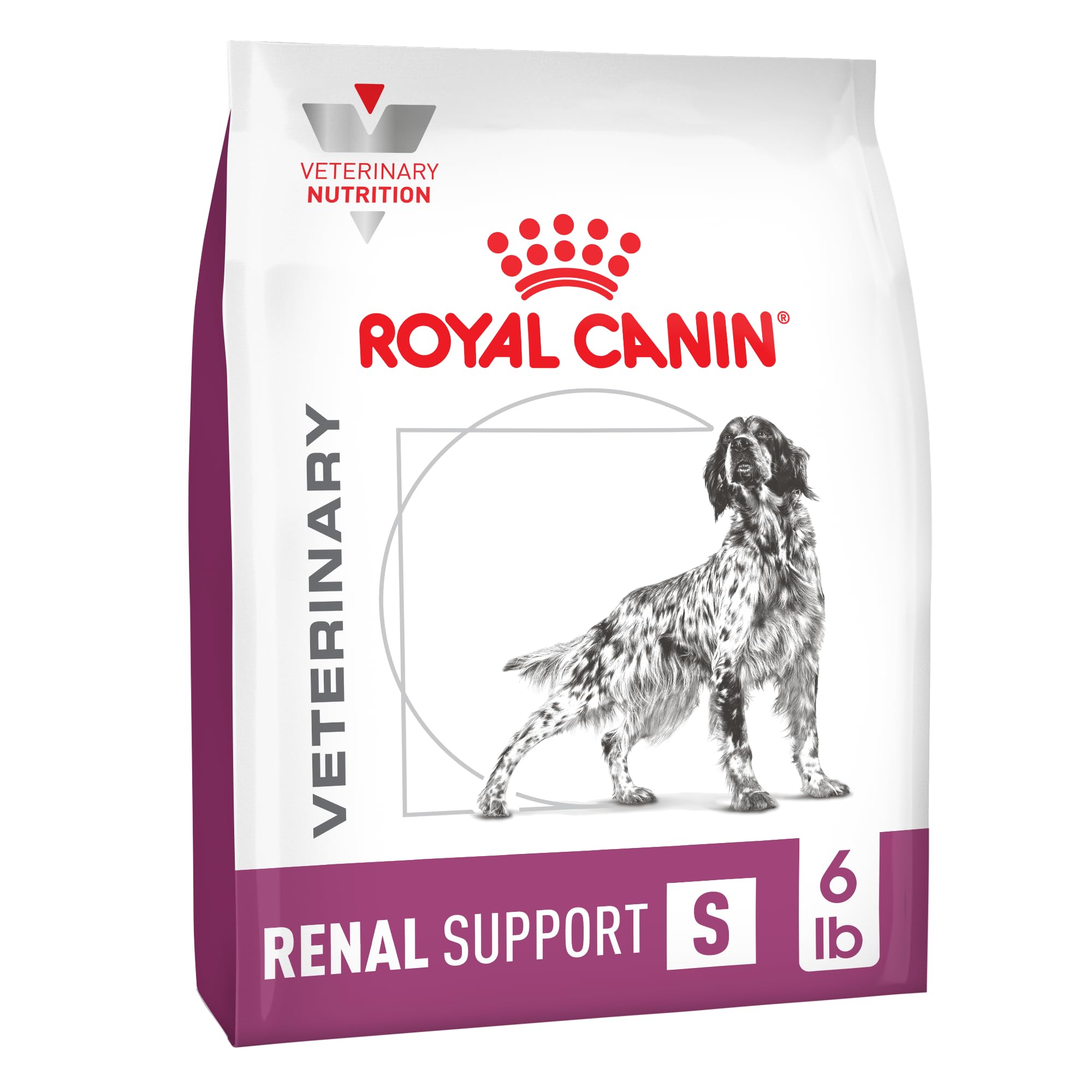
Royal Canin Renal Support S is designed primarily for dogs with chronic kidney disease, but its low-phosphorus, high-palability profile makes it a useful option for cardiac patients whose heart condition has progressed to affect renal function. The “S” stands for savory — the crescent-shaped kibble is engineered to stimulate appetite in dogs that have lost interest in eating, a common symptom in advanced heart disease.
The formula provides a precise antioxidant complex and moderate protein levels to reduce kidney workload while maintaining muscle mass. Fish oil delivers omega-3 fatty acids that support both cardiac and renal health. Owners report that mixing the kibble with warm water creates a gravy-like coating that improves acceptance even in picky eaters.
Pricing varies dramatically across sellers, with some owners reporting the same bag available for significantly less on other platforms. The 6 lb bag contains about 27 cups, which is appropriate for small to medium breeds but may require frequent reordering for larger dogs. Some dogs do refuse this formula, so it’s wise to buy a single bag before committing to a subscription — especially given that it requires a prescription.
Why it’s great
- Specialized crescent kibble improves intake in dogs with poor appetite
- Low phosphorus content supports concurrent kidney and heart health
- Antioxidant complex helps reduce oxidative stress on both organs
Good to know
- Some dogs refuse it despite the palatability design
- Price markup varies widely between sellers — shop around
FAQ
Can I feed my dog with heart disease a non-prescription diet?
How do I transition my dog from regular food to a cardiac diet?
What is the difference between Royal Canin Early Cardiac and Hill’s h/d?
Should I feed wet food or dry kibble to a dog with heart disease?
Can a dog with heart disease eat treats or human food?
Final Thoughts: The Verdict
For most users, the best dog food for dogs with heart disease winner is the Royal Canin Veterinary Diet Early Cardiac because its moderate sodium restriction, added taurine and carnitine, and high palatability make it effective for the widest range of cardiac stages. If your dog has advanced congestive heart failure requiring stricter sodium control, grab the Hill’s Prescription Diet h/d Heart Care. And for a non-prescription option that supports both renal and cardiac health without a vet visit, nothing beats the Forza10 Renal Support formula.

Mo Maruf
I created WellFizz to bridge the gap between vague wellness advice and actionable solutions. My mission is simple: to decode the research and give you practical tools you can actually use.
Beyond the data, I am a passionate traveler. I believe that stepping away from the screen to explore new environments is essential for mental clarity and physical vitality.