Our readers keep the lights on and my smoothie glass nicely filled. As an Amazon Associate, I earn from qualifying purchases.
Nothing ruins the look of clean dishes faster than finding that first orange-brown speck of rust on your flatware or dishwasher rack. Rust isn’t just an eyesore — it’s a sign that your detergent’s chemistry is actively working against your machine’s metal components. The wrong formula can accelerate corrosion on stainless steel, aluminum, and even the plastic-coated racks in your dishwasher.
I’m Mohammad Maruf — the founder and writer behind WellFizz. I’ve spent hundreds of hours researching the interaction between detergent alkalinity, water chemistry, and metal surface durability to identify which products protect instead of degrade.
This guide cuts through the marketing claims to deliver actionable intel on the best dishwasher detergent to prevent rust and keep your machine’s interior and your dinnerware looking new for years to come.
How To Choose The Best Dishwasher Detergent To Prevent Rust
Rust prevention isn’t a simple matter of avoiding one ingredient. It’s a balancing act between cleaning power, chemical aggressiveness, and machine compatibility. The following factors will guide you toward a detergent that leaves your dishes clean and your metal surfaces intact.
pH Level and Alkalinity
The pH of a detergent is the single most important spec for rust prevention. Highly alkaline formulas (pH above 10) are excellent at cutting through grease and baked-on food but can aggressively attack aluminum and strip the protective chromium oxide layer from stainless steel. Look for products with a moderate to neutral pH range — typically between 8 and 10 — for daily use. Detergents in the 3.0 to 3.5 pH range, like some commercial rinse aids, are acidic and can also cause corrosion if used as the primary wash agent.
Phosphate Content
Phosphates are powerful water softeners that bind to hard water minerals. By preventing calcium and magnesium from depositing on metal surfaces, phosphates indirectly reduce the conditions that lead to rust. However, many consumer-grade detergents are now phosphate-free due to environmental regulations. Institutional-grade powders (like Bubble Bandit) still contain high levels of phosphates and offer superior protection against hard-water-induced metal degradation in commercial or heavy-use settings.
Liquid vs. Powder Format
Liquid detergents are typically less alkaline than powders and dissolve instantly, making them gentler on dishwasher seals and metal components. Powders often contain more aggressive cleaning agents and abrasives, which can accelerate wear on protective coatings. For rust prevention, especially in older dishwashers with exposed metal racks, a quality liquid formula is generally the safer bet.
Chlorine and Oxygen Bleach Content
Chlorine-based detergents are common in commercial kitchens for sanitation but are extremely harsh on metals. They can cause pitting corrosion on stainless steel and almost always damage aluminum. Oxygen bleach (sodium percarbonate) is a much safer alternative that lifts stains without the aggressive corrosive side effects. Check the ingredient list: avoid chlorine bleach and prioritize oxygen-based bleaching agents.
Solubility and Residue
Undissolved detergent residue is a major rust culprit. Leftover powder clumps inside the dispenser or on the bottom of the machine can create localized acidic or alkaline conditions that eat away at the tub and rack coating. A detergent that dissolves completely and leaves no sticky film will dramatically reduce the risk of rust formation. This is where premium liquid concentrates and fully dissolvable powders shine.
Quick Comparison
On smaller screens, swipe sideways to see the full table.
| Model | Category | Best For | Key Spec | Amazon |
|---|---|---|---|---|
| Quality Chemical Liquid Alkaline | Liquid | Gentle daily cleaning on metal racks | pH 3.0–3.5 rinse aid, neutral detergent | Amazon |
| Bubble Bandit Powder | Powder | Hard water conditions with heavy soil | Max phosphates, 3.75 lbs powder | Amazon |
| Finish Dishwasher Cleaner | Liquid Cleaner | Monthly machine deep-cleaning to remove rust triggers | 4 x 250ml descaler | Amazon |
| GE WD12X10174 Dispenser | Part | Fixing a broken dispenser to ensure proper release | Stainless steel, 5.3 cubic inch capacity | Amazon |
| Quality Chemical 4-Pack Combo | Liquid | High-volume commercial kitchens | Low & high-temp compatible, 40 lbs | Amazon |
| Active Element Starter Pack | Liquid Concentrate | Restaurants switching to low-temp machines | 3 x 5 gallon pails, concentrate | Amazon |
| GreenFist Lybramatic | Liquid | Eco-conscious commercial use with safe chemistry | Ready-to-use, biodegradable, 5 gallons | Amazon |
In-Depth Reviews
1. Quality Chemical Liquid Alkaline Dishwasher Detergent (1 Gallon)

This 1-gallon liquid formula from Quality Chemical excels at preventing rust because of its balanced wash chemistry paired with a dedicated low-pH rinse aid. The detergent component handles grease and food residue effectively without the aggressive alkalinity that strips protective oxide layers from racks and flatware. Combined with a rinse aid at pH 3.0–3.5, it ensures spot-free drying that leaves no chemical film behind — a primary cause of localized corrosion.
Users running commercial dishwashers in home settings report spotless dishes and clean glassware without the white mineral deposits that trap moisture against metal. The liquid format dissolves instantly, eliminating the problem of undissolved powder clumps that can create acidic pockets on the dishwasher floor. For rust prevention, that instant solubility is a quiet but significant advantage.
This combo is specifically designed for commercial or high-volume residential dishwashers. The two-bottle system may feel excessive for small households, but the control it gives you over wash chemistry is unmatched for those serious about protecting their machine’s interior and cutlery from rust.
Why it’s great
- Dual-bottle system separates cleaning and rinsing for precise pH control
- Rinse aid pH of 3.0–3.5 prevents mineral spots without corroding metals
- Liquid format dissolves instantly, eliminating residue-related rust triggers
Good to know
- Two separate bottles require more under-sink storage space
- Primarily formulated for commercial machines, may be overkill for light use
- Rinse aid acidity means you must not use it as a standalone detergent
2. Bubble Bandit Dishwasher Powder with Phosphates (3.75 lbs)

Bubble Bandit takes the opposite approach to rust prevention — using high phosphate content to sequester hard water minerals before they can deposit on metal surfaces. In hard water areas, calcium and magnesium scale create a porous layer that traps moisture and initiates rust. By eliminating that mineral layer, this powder keeps both dishes and the machine’s interior free from the conditions that cause corrosion.
Users consistently report sparkling dishes and a clean dishwasher tub after regular use. Many mention needing only 2–3 tablespoons per load, which makes the 3.75-pound bag last much longer than its physical size suggests. The formula is now free of dyes and perfumes, reducing the risk of chemical reactions that can accelerate metal fatigue in older machines.
One critical caveat: the plastic resealable bags are notoriously fragile. Several users report the ziploc seals splitting, requiring transfer to a separate container. Also, because it’s a powder, you must ensure complete dissolution — a pre-wash rinse cycle or a high-temperature main wash is recommended to avoid leftover granules sitting on the tub floor.
Why it’s great
- High phosphate levels prevent hard-water scale from initiating rust
- Very economical — 2–3 tablespoons per load makes a bag last months
- Unscented and dye-free, safe for sensitive skin and delicate metal surfaces
Good to know
- Powder format requires complete dissolution; residue can trigger corrosion
- Bag packaging prone to splitting — plan for a storage container
- Price has increased significantly, making it a premium consumable
3. Finish Dishwasher Cleaner (4 x 250ml)
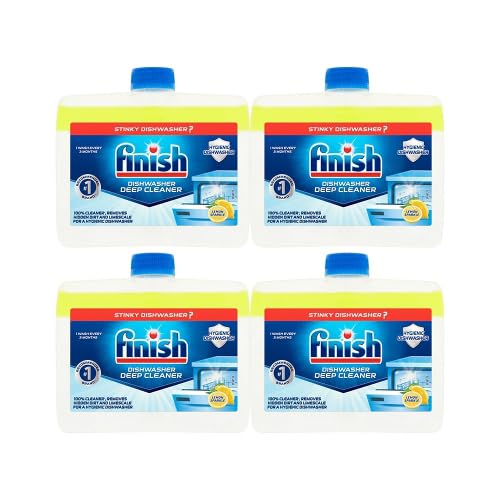
Rust isn’t always caused by the detergent itself — it often stems from mineral scale and biofilm buildup inside the machine. This Finish cleaner is a dedicated maintenance product that removes limescale, grease residue, and odors from the dishwasher tub, spray arms, and filter. A clean machine means fewer mineral deposits to trap moisture against metal surfaces.
One customer reports using this monthly for 20 years and still having a fully functional dishwasher — a strong anecdote for its protective effect on machine longevity. The liquid bottle is simple to use: empty the entire contents into the detergent cup and run an empty hot cycle. No scrubbing, no disassembly.
This is not a daily detergent and should not replace your regular wash product. It’s a monthly intervention that complements your rust-prevention routine by addressing the environmental conditions inside the machine. If you notice existing rust spots or a musty smell, this is your first line of defense before switching detergents.
Why it’s great
- Removes mineral scale and biofilm that trap moisture and cause rust
- Easy single-bottle application — no measuring or manual cleaning
- Prolongs dishwasher life by preventing deep-seated corrosion
Good to know
- Not a detergent — must be used in addition to your regular product
- Only effective if used on a consistent monthly schedule
- Does not repair existing rust, only prevents further formation
4. General Electric WD12X10174 Detergent Dispenser
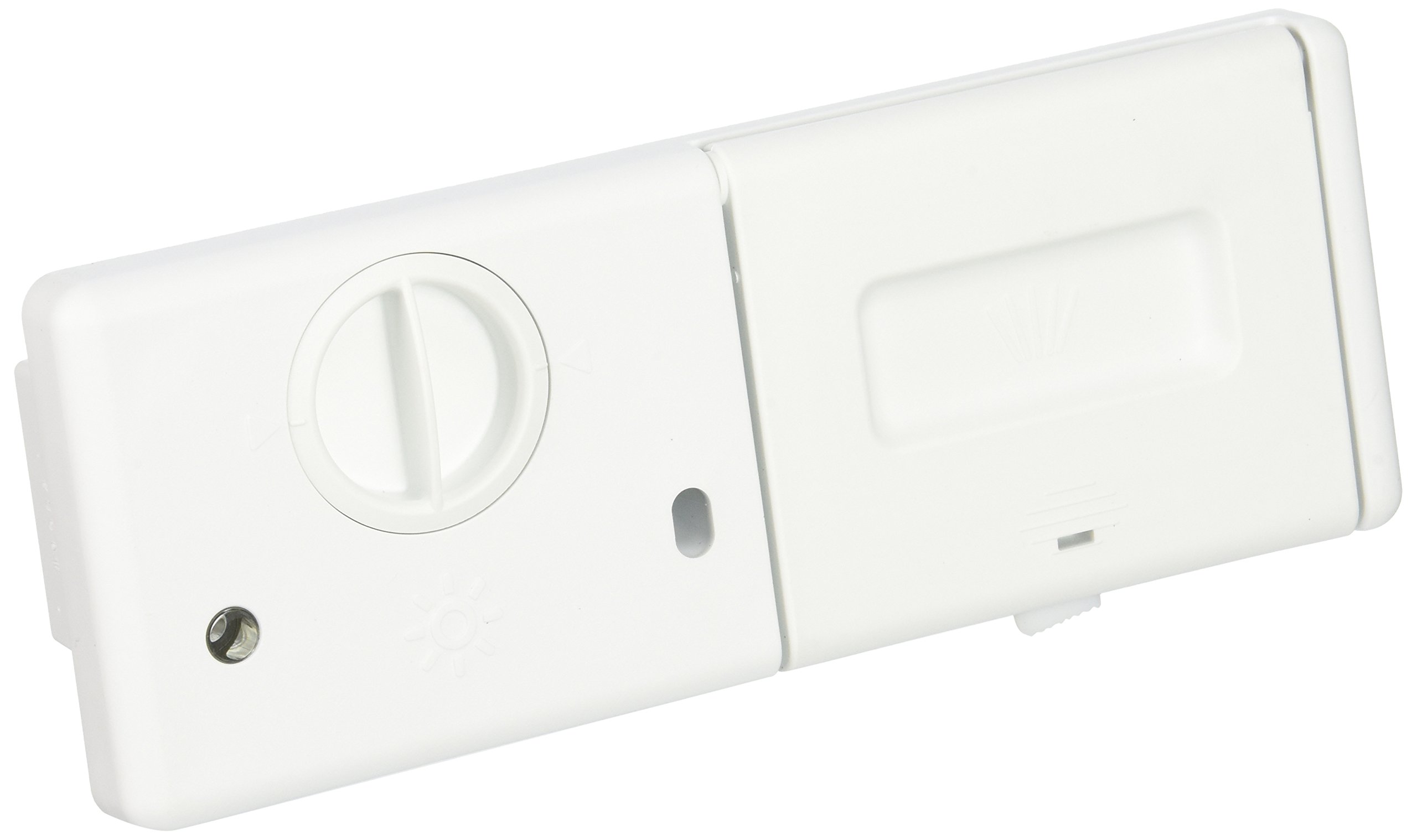
It sounds counterintuitive to call a dispenser replacement part a rust-prevention product, but here’s the logic: a broken dispenser causes detergent to release too early, clump, or not release at all. That misfire leaves food residue and chemical residues on the tub floor, creating the perfect environment for rust. The GE WD12X10174 is a genuine OEM stainless steel dispenser that restores your machine’s dispensing function to factory spec.
Customers report that replacing a cracked or sticky dispenser immediately resolved issues like soap residue on dishes and mysterious white buildup on the interior walls — both of which are rust precursors. The stainless steel construction of this part itself resists corrosion better than the plastic it replaces.
Installation requires removing the front door panel (6 screws), insulation, and bracket screws, plus careful wire disconnection. It’s a moderate DIY project. Some users note the plastic latch mechanism remains unchanged from the original design, which could fail again in the future. Still, for older GE dishwashers where rust has begun near the dispenser area, this part focuses on the root cause.
Why it’s great
- Genuine OEM part restores proper detergent release timing
- Stainless steel construction resists corrosion around the dispenser well
- Fixes residue buildup that leads to interior rust formation
Good to know
- Installation requires door disassembly — moderate skill level needed
- Plastic latch hook may still be prone to wear over time
- No included installation instructions; you may need to search online guides
5. Quality Chemical Commercial Dishwash (4-Pack Combo)
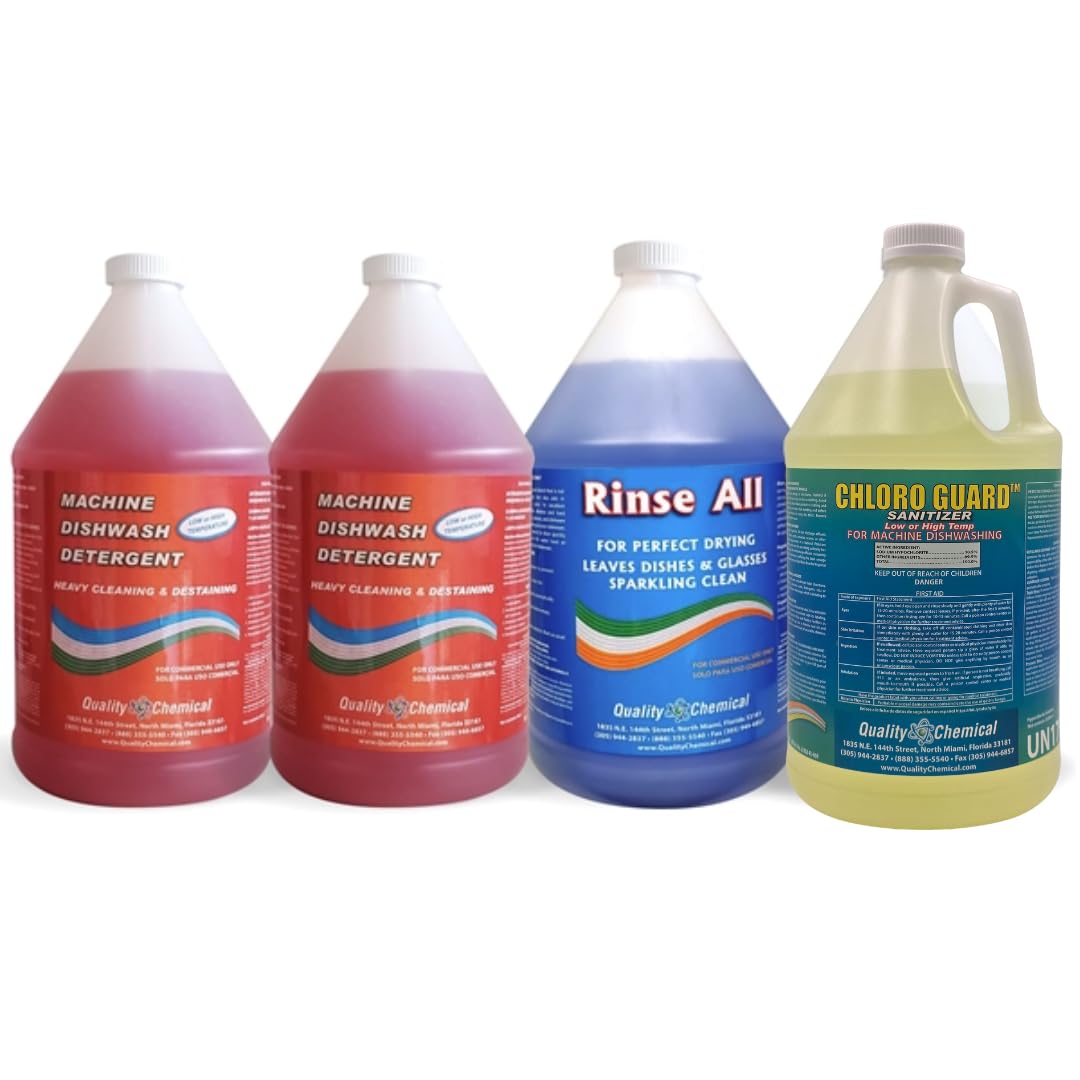
This 4-pack combo from Quality Chemical is a comprehensive solution for high-volume kitchens where rust prevention must work across hundreds of cycles per day. It includes detergents formulated for both low-temperature (120°F–140°F) and high-temperature (150°F–180°F) dishwashers. The multi-formula approach ensures that regardless of your machine’s operating temperature, the chemical mix won’t create corrosive conditions.
The heavy-duty liquid handles baked-on deposits and grease stains with aggressive surfactants, yet the rinse component helps neutralize the pH before drying. This is critical for rust prevention — if the final rinse water is too acidic or too alkaline, even stainless steel can begin to pit or stain after repeated cycles.
The 4-pack bundles are heavy (40 pounds total) and designed for restaurants, cafeterias, or community centers. For home use, the volume far exceeds what a typical household would consume before the formula degrades. The pricing makes sense for commercial operations but not for single-family kitchens.
Why it’s great
- Formulated for both low and high temperature machines
- Includes rinse aid to neutralize pH and prevent metal corrosion
- Exceptional value per ounce for high-volume commercial use
Good to know
- Extremely heavy (40 lbs) and requires significant storage space
- Too much volume for regular home use
- Aggressive formula may be overkill for lightly soiled loads
6. Active Element Starter Pack (3 Buckets: Detergent, Chlorine, Rinse)

The Active Element Starter Pack is designed for restaurant owners who want to move away from high-temperature dishwashing to low-temperature chemical sanitizing. The kit includes a concentrated detergent, a chlorine sanitizer, and a rinse aid — each in its own 5-gallon pail. For rust prevention, the key variable here is the chlorine sanitizer. Chlorine is effective at killing bacteria but is also aggressive on metals if misused.
One long-term user reports using this system for nearly a year with no rust issues on their low-temp machine’s stainless steel interior. The secret is proper dilution: the included concentrate makes 5 gallons of usable solution, and following the label instructions for chlorine levels ensures enough sanitization without the free chlorine concentration reaching corrosive levels.
This is an advanced product that requires mixing equipment (gloves and safety glasses are recommended) and a clear understanding of your machine’s chemical feed system. It’s not a pour-and-go solution. But for those who want to dial in their chemical ratios for maximum metal protection, this kit offers the highest level of customization available.
Why it’s great
- Three separate concentrates allow precise chemical ratio customization
- Designed for low-temperature machines, reducing thermal stress on metals
- Restaurant-validated: users report clean, shiny dishes with zero rust after nearly a year
Good to know
- Chlorine sanitizer must be measured precisely to avoid metal damage
- Requires mixing equipment, safety gear, and chemical handling knowledge
- Large 5-gallon pails demand dedicated storage space
7. GreenFist Lybramatic Liquid Detergent (5 Gallon Pail)

GreenFist Lybramatic is the most environmentally conscious option in this list, and it also happens to be one of the safest for aluminum and coated metal racks. The ready-to-use liquid formula has a balanced pH that effectively emulsifies animal fats, food soils, and grease without the extreme alkalinity that damages metal surfaces. The manufacturer states it is not recommended for aluminum kitchenware due to high pH — but that’s a general caution for nearly all commercial detergents.
Users appreciate that it requires no pre-rinsing, reducing the total moisture exposure of dishes before they enter the machine. Less pre-rinse handling means fewer opportunities for rust to start on cutlery edges. The biodegradable formula contains no phosphates or chlorine, making it gentler on both the machine’s internal components and the environment.
One notable complaint involves excessive foaming, which can indicate a wash water temperature that’s too low or an oversudsing issue. For rust prevention, foam itself isn’t a problem — but the extra rinse cycles needed to clear the suds could leave prolonged moisture on metal surfaces. Ensure your machine reaches at least 120°F to avoid this issue.
Why it’s great
- Biodegradable formula is gentle on machine seals and metal components
- Ready-to-use — no mixing, no measuring, no chemical handling
- Effective against grease and protein soils without aggressive alkalinity
Good to know
- Not safe for aluminum kitchenware — high pH may still cause pitting
- Some users report excessive foaming at lower wash temperatures
- Only compatible with non-front-loading commercial machines
FAQ
Does a higher rinse temperature really reduce rust risk in dishwashers?
Is it safe to use a detergent with phosphates in a modern dishwasher?
Why does my dishwasher rack have rust spots after using a gel detergent?
Can I mix oxygen bleach with chlorine-based detergent to boost rust protection?
How often should I deep-clean my dishwasher to prevent rust?
Final Thoughts: The Verdict
For most users, the best dishwasher detergent to prevent rust winner is the Quality Chemical Liquid Alkaline because it separates cleaning and rinsing into two precisely controlled pH zones — removing the guesswork from rust prevention. If you live in a hard water area and want the strongest mineral-fighting protection, grab the Bubble Bandit Powder. And for eco-conscious commercial kitchens that need a gentle yet effective ready-to-use formula, nothing beats the GreenFist Lybramatic.

Mo Maruf
I created WellFizz to bridge the gap between vague wellness advice and actionable solutions. My mission is simple: to decode the research and give you practical tools you can actually use.
Beyond the data, I am a passionate traveler. I believe that stepping away from the screen to explore new environments is essential for mental clarity and physical vitality.