Our readers keep the lights on and my smoothie glass nicely filled. As an Amazon Associate, I earn from qualifying purchases.
The difference between a great night on the floor and a frustrating one often comes down to what’s on your feet. Regular trainers grip too hard, street shoes lack the pivot point, and dress shoes offer zero lateral support for turns and spins. A proper dance sneaker sits in the sweet spot—part athletic shoe, part performance footwear, designed specifically for quick weight transfers and polished footwork.
I’m Mohammad Maruf — the founder and writer behind WellFizz. After many hours researching sole construction, shank flexibility, and cushioning density across dozens of models, I compiled the specs and user feedback that matter most for dancers choosing between practice sessions and social floor time.
This guide breaks down the top contenders so you can find the right pair of best dance sneakers for your specific style and foot needs.
How To Choose The Best Dance Sneakers
Dance sneakers sit at the intersection of flexibility and support. Unlike running shoes that prioritize forward motion or casual sneakers built for walking, dance sneakers need a split sole that lets your foot arch naturally while providing a smooth pivot point under the ball of the foot. The wrong sole material can grab the floor during a spin or leave you sliding too far during a tight turn.
Sole Material and Pivot Capability
Suede outsoles offer controlled slide on wood and vinyl floors, making them the standard for social dancing and performance. Leather soles provide a firmer slide but require breaking in. Rubber outsoles, common in fitness-focused dance sneakers, grip more—good for Zumba but bad for smooth spins in ballroom or Latin styles.
Split Sole vs. Full Sole
A split sole has a gap between the forefoot and heel, freeing the arch to flex independently. This design lets you point your foot more naturally during kicks, flicks, and heel leads. Full soles offer more stability for beginners but limit the range of motion that intermediate dancers need for clean foot articulation.
Heel Height and Shank
Ballroom and Latin styles often call for a small heel (1.5 to 2.5 inches) that shifts weight to the forefoot and improves posture. Practice sneakers may have a flatter heel with a short shank that still supports the arch without lifting the heel. Fitness dance sneakers typically use a zero-drop or low-profile heel for stability during high-impact moves.
Quick Comparison
On smaller screens, swipe sideways to see the full table.
| Model | Category | Best For | Key Spec | Amazon |
|---|---|---|---|---|
| Bloch Splitflex T-Strap | Premium | Ballroom & character dance | Suede forefoot outsole, short shank | Amazon |
| ZUMBA Air Funk Mid-Top | Premium | High-impact Zumba & cardio | Mid-top ankle support, pivot outsole | Amazon |
| Bloch Canvas Boost Split Sole | Mid-Range | Jazz, Zumba, line dance | Canvas upper, split sole sneaker | Amazon |
| TTdancewear Rhinestone Pump | Mid-Range | Latin, salsa, social dance | Rhinestone detail, low heel, elastic | Amazon |
| WUAILIM Rhinestone Pump | Mid-Range | Latin, salsa, practice | Arch support, glitter outsole | Amazon |
| Capezio Pedini Femme Jazz | Entry-Level | Jazz technique & competition | Split sole, slip-resistant outsole | Amazon |
| Calvin Klein Falconi | Entry-Level | Casual wear & light dance | Lightweight leather sneaker style | Amazon |
In‑Depth Reviews
1. Bloch Women’s Splitflex T-Strap Character Shoe

The Bloch Splitflex T-Strap is built for dancers who need a shoe that transitions from practice to performance without sacrificing foot articulation. The suede forefoot outsole provides a controlled slide on wood floors, while the short shank supports the arch without forcing a high heel position. The cushioned insole and elastic panel deliver comfort during long rehearsals or multi-hour social dances.
Multiple users note that sizing runs roughly a half to full size small—ordering up is a consistent theme across the feedback. The T-strap design offers secure midfoot hold, though some dancers with narrow feet wish for additional buckle holes. The heel bottom has a small surface area, which can feel slightly less stable for dancers newer to character shoes.
For ballroom, Latin, and character dance styles, this is the most versatile premium option in the lineup. The leather upper conforms to the foot over time, and the split sole ensures clean pointing during kicks and flicks. It’s a serious shoe for dancers who spend hours on the floor and won’t compromise on fit or pivot quality.
Why it’s great
- Suede outsole delivers ideal slide for wood dance floors
- Cushioned insole molds to foot for long-wear comfort
- T-strap and elastic panel provide secure, adjustable fit
Good to know
- Runs small—order at least a half size up
- Heel bottom small surface area may challenge balance
- Ankle strap runs long for some foot shapes
2. ZUMBA Air Funk Women’s Dance Shoes, Mid-Top Fitness Sneakers

ZUMBA’s Air Funk is purpose-built for high-impact dance fitness where you need ankle support without restricting lateral movement. The mid-top cut wraps the ankle securely while the pivot outsole lets you turn smoothly on carpet or gym mats. The upper is breathable and the fit accommodates a wide range of foot shapes, though the shoe runs consistently large—many dancers size down by a full unit.
Users report that a single pair lasts 1.5 years of 3-4 sessions per week, which puts the price in perspective for frequent Zumba or cardio dance participants. The pivot disc under the ball of the foot reduces knee and groin strain during twisting moves, making it a smart choice for dancers with previous joint issues. The mid-top design feels supportive without the rigidity of a full high-top basketball shoe.
Keep in mind that the sizing variance is significant—if you normally wear a 9.5, a 9 may still be too large. The colorways are vibrant and match Zumba branding for those who want a coordinated look. For cardio dancers who prioritize joint protection and turning ease, this is the top contender.
Why it’s great
- Pivot outsole reduces knee and groin strain during turns
- Mid-top offers ankle support without restricting movement
- Durable construction lasts over a year of regular use
Good to know
- Runs large—consider sizing down a full size
- Heel tab may rub on shorter ankles
- Premium price point compared to basic sneakers
3. Bloch Dance Women’s Canvas Boost Split Sole Dance Sneaker

The Bloch Canvas Boost has been a staple in jazz and exercise dance classes for years because it nails the combination of support and flexibility at a reasonable price. The split sole allows the foot to point naturally, and the canvas upper breathes well during high-intensity sessions. Users consistently note that this shoe glides smoothly on studio floors, reducing knee strain compared to standard trainers.
Sizing is the most common friction point—dancers almost universally recommend ordering 1 to 1.5 sizes larger than your street shoe. A size 10 fits someone who normally wears an 8.5 to 9. Once you nail the size, the shoe provides good arch support and secure heel hold. The outsole offers a balanced grip that works for Zumba, line dance, and jazz technique without sticking during pivots.
The canvas material is lightweight and easy to clean, but it won’t have the same structured feel as a leather or synthetic upper. For dancers who want a proven, no-fuss sneaker for class use, this Bloch model delivers consistent performance at a mid-range price point.
Why it’s great
- Split sole design allows natural foot pointing and arch flex
- Canvas upper is breathable and lightweight for class use
- Smooth glide outsole reduces knee impact
Good to know
- Runs very small—order 1 to 1.5 sizes up
- Canvas lacks structured support of leather sneakers
- Not ideal for formal ballroom or performance settings
4. TTdancewear Women Rhinestone Dance Shoes
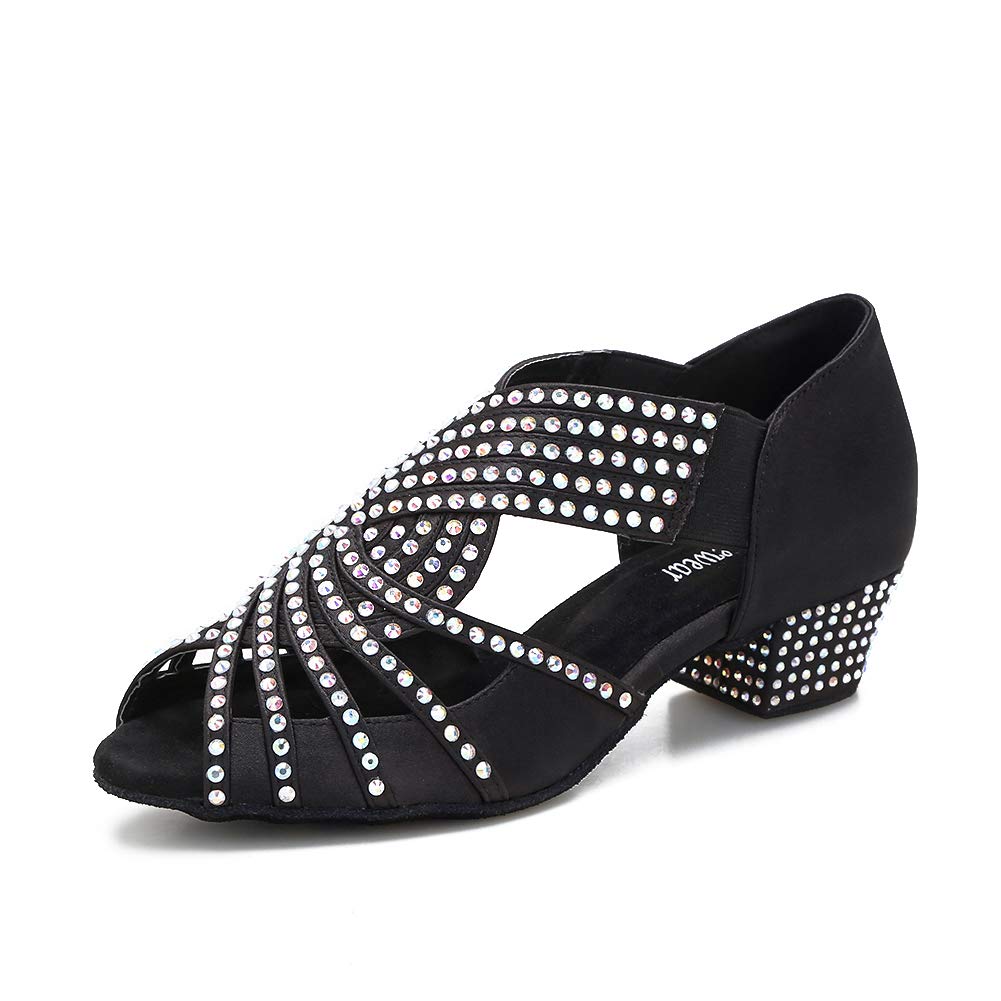
The TTdancewear Rhinestone pump brings sparkle to the social dance floor without sacrificing function. The low heel shifts weight to the forefoot for better posture in Latin and salsa patterns, while the elastic band secures the heel during fast turns. The rhinestone detailing catches light from any angle, making it a popular choice for performances and competition.
Fit feedback is generally positive—most dancers find them comfortable for extended wear. A minority note the shoes run slightly large, so if you’re between sizes, consider sizing down. The zip back closure makes them easy to put on and take off compared to traditional buckle or strap fastenings. The sole provides a reasonable slide for wood floors.
These are dance pumps, not fitness sneakers, so the cushioning is lighter than a training shoe. They’re best for dancers who spend more time on the floor than in the gym—ballroom, salsa, bachata, and social dance environments where aesthetics matter as much as function.
Why it’s great
- Rhinestone detailing stands out on performance floors
- Low heel improves weight transfer for Latin patterns
- Easy zip back closure simplifies on/off
Good to know
- Lighter cushioning than fitness dance sneakers
- Sizing may run slightly large for some foot shapes
- Not designed for high-impact cardio or Zumba
5. Women’s Ballroom Rhinestone Dance Shoes (WUAILIM)
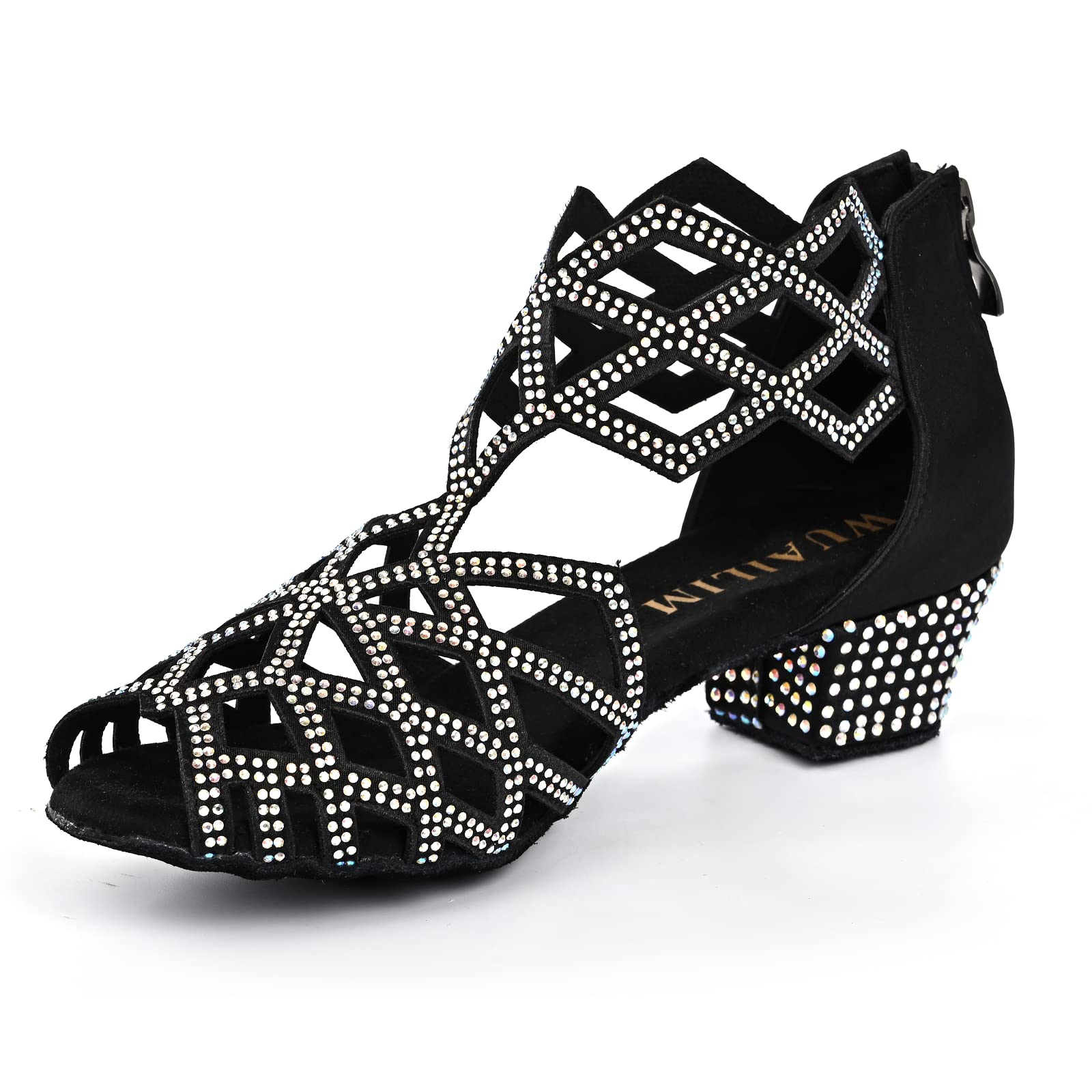
The WUAILIM rhinestone pump stands out for its comfort right out of the box—multiple dancers report no break-in period needed. The built-in arch support is a welcome feature for flat-footed dancers who often struggle with standard pumps. The glitter-covered exterior catches attention, and the shoe includes spare rhinestones for repairs.
Fit runs true to size for most, though dancers between sizes recommend sizing up for a more forgiving toe box. The shoe holds up well for 4-6 hour social dance sessions, with users noting foot fatigue only after very long nights. The ankle strap runs slightly tight for some foot shapes, particularly those with higher insteps.
This is a strong contender for dancers who want immediate comfort and a touch of flash without paying for a premium brand name. The sole provides adequate slide for wood and vinyl floors, though professional dancers may prefer a more established outsole compound for faster spins.
Why it’s great
- No break-in period needed—comfortable from first wear
- Built-in arch support benefits flat-footed dancers
- Comes with spare rhinestones for repairs
Good to know
- Ankle strap may feel tight for higher insteps
- Outsole slide less controlled than premium suede options
- Some units may show wear marks from try-ons
6. Capezio Pedini Femme Jazz Shoe

Capezio has been a reliable name in dance footwear for decades, and the Pedini Femme Jazz shoe continues that reputation with a split sole design that allows clean foot articulation. The slip-resistant outsole provides good traction for jazz technique while still allowing controlled pivots. The stretchy upper makes the shoe easy to pull on and off.
Sizing is where this shoe trips up many buyers. While some users report true-to-size fit, a significant number find it runs small—sometimes two sizes small compared to street shoes. The heel placement also takes some getting used to; proper technique helps prevent heel slip, but dancers with casual form may find the heel loose during kicks.
For competition and technique-focused jazz dancers on a budget, this shoe delivers quality materials and construction. The value is strong if you nail the sizing, but the sizing inconsistency means you should plan for potential exchanges. It’s a lower price point shoe that performs well in structured class settings.
Why it’s great
- Split sole enables clean foot pointing for jazz technique
- Slip-resistant outsole balances traction and pivot
- Stretchy upper allows easy on/off access
Good to know
- Sizing inconsistent—may run up to 2 sizes small
- Heel slip can occur without proper technique
- Not designed for high-impact or cardio dance
7. Calvin Klein Falconi
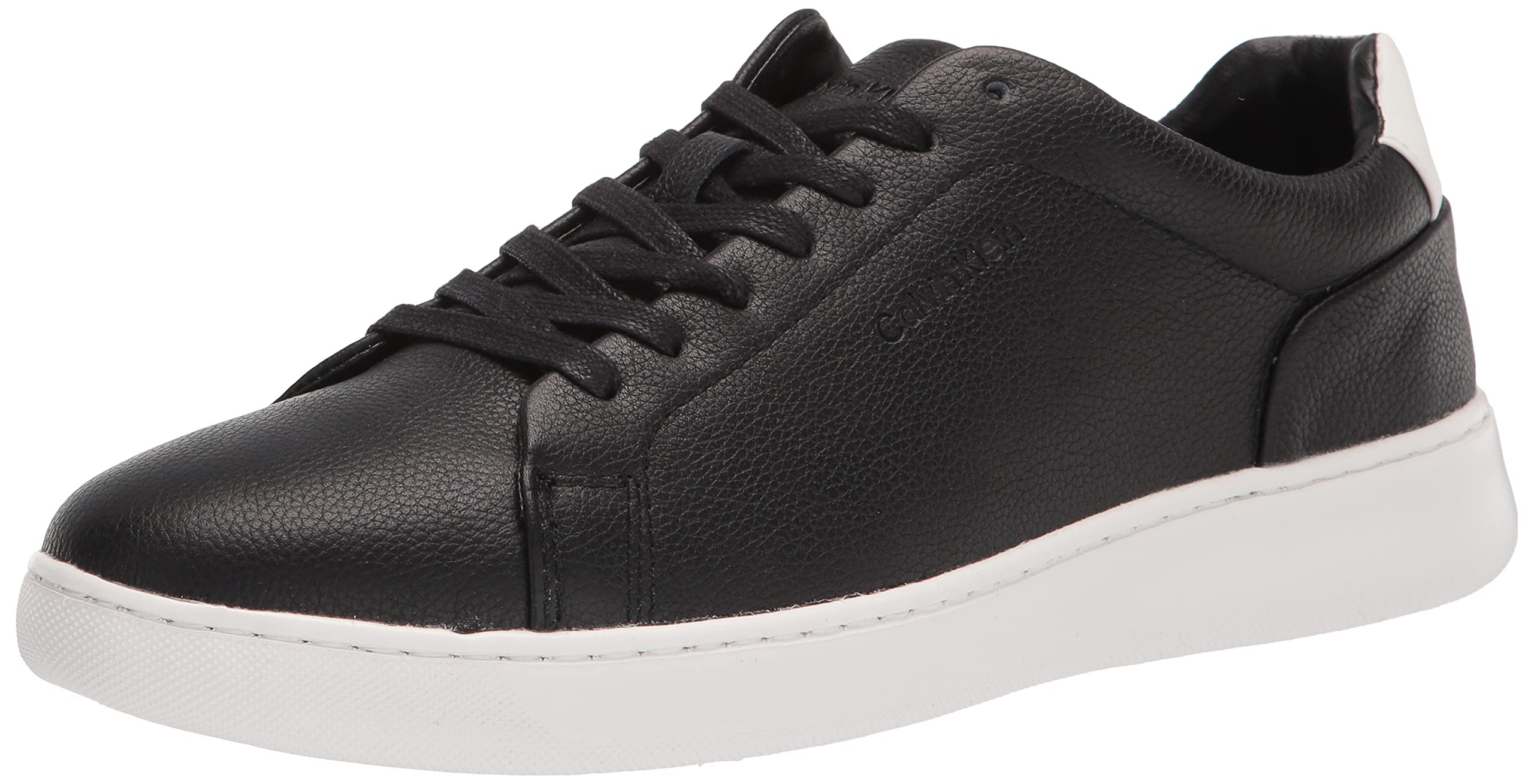
The Calvin Klein Falconi sits at the entry level of dance sneakers—it’s a lightweight leather shoe that works for casual dance settings and social events where you want to look sharp without wearing dedicated dance footwear. The outsole provides basic flexibility for light pivoting and turning on smooth floors.
Fit runs true to street shoe size according to most feedback, which makes ordering straightforward. The leather upper gives a polished appearance suitable for both dance and wear. However, durability feedback is mixed—some users report interior wear after moderate use, suggesting the construction isn’t built for heavy dance mileage.
This is the least specialized option in the roundup. If you’re an occasional social dancer who needs a shoe that transitions from work to a weekend event, the Falconi works. For regular practice, technique classes, or performance, you’ll want a dedicated dance sneaker with a split sole and better pivot outsole.
Why it’s great
- Lightweight leather construction for casual settings
- True-to-size fit for easy online ordering
- Polished look works for both dance and daily wear
Good to know
- Interior durability concerns with regular use
- No split sole or specialized pivot outsole
- Not designed for technique classes or heavy practice
FAQ
Can I wear regular sneakers for dancing?
Do I need suede soles for ballroom dancing?
How do I know what size dance sneaker to buy?
Final Thoughts: The Verdict
For most users, the best dance sneakers winner is the Bloch Splitflex T-Strap because it combines a suede forefoot outsole, short shank support, and a comfortable insole that suits both practice and performance across ballroom and Latin styles. If you want high-impact protection for Zumba and cardio dance, grab the ZUMBA Air Funk. And for a versatile split-sole sneaker that works for jazz and class settings, nothing beats the value of the Bloch Canvas Boost.

Mo Maruf
I created WellFizz to bridge the gap between vague wellness advice and actionable solutions. My mission is simple: to decode the research and give you practical tools you can actually use.
Beyond the data, I am a passionate traveler. I believe that stepping away from the screen to explore new environments is essential for mental clarity and physical vitality.