Our readers keep the lights on and my smoothie glass nicely filled. As an Amazon Associate, I earn from qualifying purchases.
A road helmet must balance three things that fight each other: weight, ventilation, and impact protection. Pick wrong, and you either roast on a climb or carry a brick on your head for 50 miles. The best options today use layered foam, rotational impact management, and channeled airflow to solve all three at once.
I’m Mohammad Maruf — the founder and writer behind WellFizz. My approach to road cycling safety gear starts by mapping every ASTM and CPSC certification against real rider feedback on long-haul comfort and cooling performance.
After comparing impact systems, vent counts, and retention dials across dozens of models, the list of best cycle helmets for road bikes narrows to a small group that actually delivers on all three promises without forcing you to compromise on one.
How To Choose The Best Cycle Helmets For Road Bikes
Road cycling places unique demands on a helmet that casual riding does not. You spend hours in an aggressive forward-lean position, generating body heat that standard commuter helmets cannot vent fast enough. The shape must be aero enough to avoid catching wind, yet open enough to let your head breathe.
Rotational Impact Systems: MIPS vs. Koroyd
MIPS uses a low-friction inner layer that allows the helmet to rotate slightly on impact, redirecting rotational forces away from the brain. Koroyd uses a honeycomb of thermally welded tubes that crush progressively to absorb both linear and rotational energy. Neither replaces the other — some helmets now combine both layers for maximum coverage. If you ride aggressively on descents or in traffic, prioritize at least one of these systems.
Vent Count and Channel Depth
More vents do not automatically mean better cooling. The critical factor is channel depth: deep channels that run front-to-back create a vacuum effect that pulls hot air out and draws cool air in. A helmet with 18 deep channels can outperform a helmet with 25 shallow vents. Look for internal channel routing that matches the forward-tilt position of road cycling.
Retention Systems and Dial Precision
A retention system that wobbles or loosens mid-ride will ruin any helmet, regardless of its safety rating. The best road helmets use a micro-adjustable dial integrated into a cradle that wraps the occipital bone. The dial should operate smoothly with one hand and hold position even after hours of sweat and vibration. A vertical adjustment band is also important — it lets you raise or lower the cradle to match the shape of your head.
Quick Comparison
On smaller screens, swipe sideways to see the full table.
| Model | Category | Best For | Key Spec | Amazon |
|---|---|---|---|---|
| Smith Persist MIPS | Premium | Long rides with eyewear | 21 vents + AirEvac system | Amazon |
| POC Omne Air MIPS | Premium | Commuting and road racing | MIPS + lightweight polycarbonate | Amazon |
| Smith Engage MIPS | Premium | Trail and aggressive road | Zonal Koroyd + 20 vents | Amazon |
| BELL Avenue MIPS | Mid-Range | Value-focused road cyclists | Mips Evolve integrated system | Amazon |
| Giro Register II MIPS | Mid-Range | First-time MIPS upgrade | 280g weight with MIPS | Amazon |
| LAZER Tempo KinetiCore | Budget-Friendly | Entry-level road cycling | Built-in KinetiCore rotational protection | Amazon |
| Thousand Heritage 2.0 | Lifestyle | Urban commuting and style | PopLock anti-theft channel | Amazon |
In‑Depth Reviews
1. Smith Persist MIPS
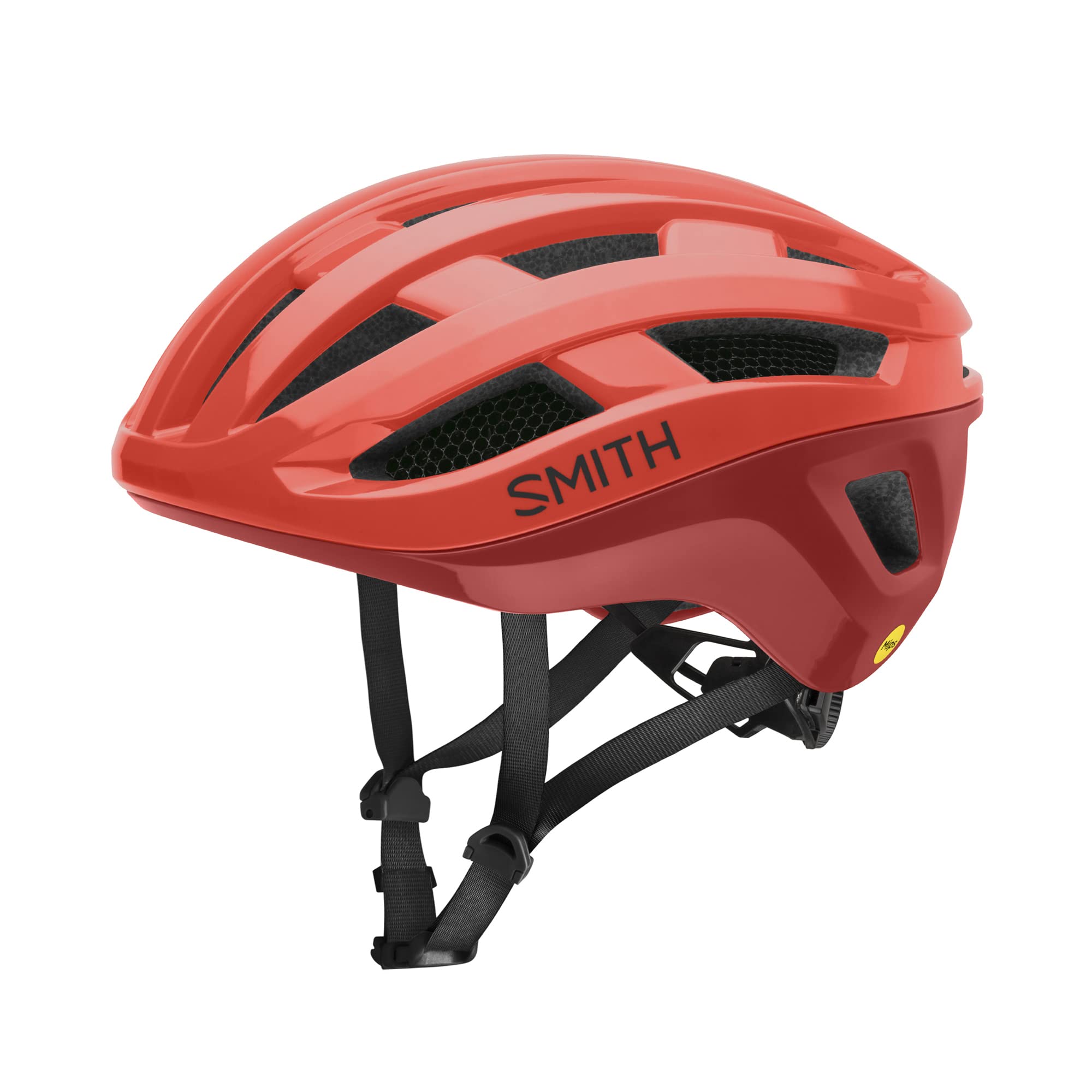
The Smith Persist is the rare helmet that gives you both MIPS and zonal Koroyd coverage at a mid-premium price point. The 21 fixed vents are not just a number — they are paired with deep internal channels that create a strong vacuum effect, pulling heat away from your scalp even during steep climbs. At 11 ounces, it is light enough to forget you are wearing it on a century ride.
The AirEvac system is a standout feature for anyone who wears cycling glasses. It integrates directly with the helmet shell to channel exhaust air across your lenses, eliminating the fog that builds up when you stop at a light or drop into a cooler descent. The adjustable dial at the back lets you fine-tune tension mid-ride without taking the helmet off.
Riders who have survived crashes in this helmet consistently report that the combination of Koroyd and MIPS absorbed impacts that would have caused serious injury. The outer polycarbonate shell held together in a high-speed slide, and the inner foam did not delaminate. For the price, you get protection that rivals helmets costing twice as much.
Why it’s great
- Dual-impact system (MIPS + Koroyd) for maximum rotational protection
- AirEvac design keeps eyewear fog-free on long rides
- 21 ventilated channels provide exceptional airflow
Good to know
- Some riders note a slightly oval shape that may not suit round head profiles
- The glossy finish shows scratches more readily than matte options
2. POC Omne Air MIPS

The POC Omne Air MIPS is built around a simple but effective philosophy: minimize bulk while maximizing impact coverage. The helmet wraps lower on the back of the head than many road-specific models, giving extra protection to the occipital region without adding the weight of a full mountain bike shell. The MIPS liner is seamlessly integrated into the retention system, keeping the overall profile streamlined.
Ventilation is handled by deep internal channels rather than a high vent count, which reduces drag and keeps the helmet quiet at speed. The bright color options — especially the vibrant orange and purple — are highly visible in traffic, a critical feature for urban road riders. The adjustment dial is large enough to operate with gloved hands, and the strap dividers are lockable to prevent slipping.
Multiple users have reported that the Omne Air saved them from head injury in crashes that split the shell. The polycarbonate outer layer is thick enough to handle impacts at higher speeds, and the EPS liner absorbs energy consistently. Note that the fit runs slightly small, so sizing up is common for riders between sizes.
Why it’s great
- Extended rear coverage protects the occipital area
- High-visibility color options improve traffic safety
- Deep ventilation channels reduce drag at speed
Good to know
- Runs small — most riders need to size up for a proper fit
- Paint finish on bright colors may fade with prolonged sun exposure
3. Smith Engage MIPS
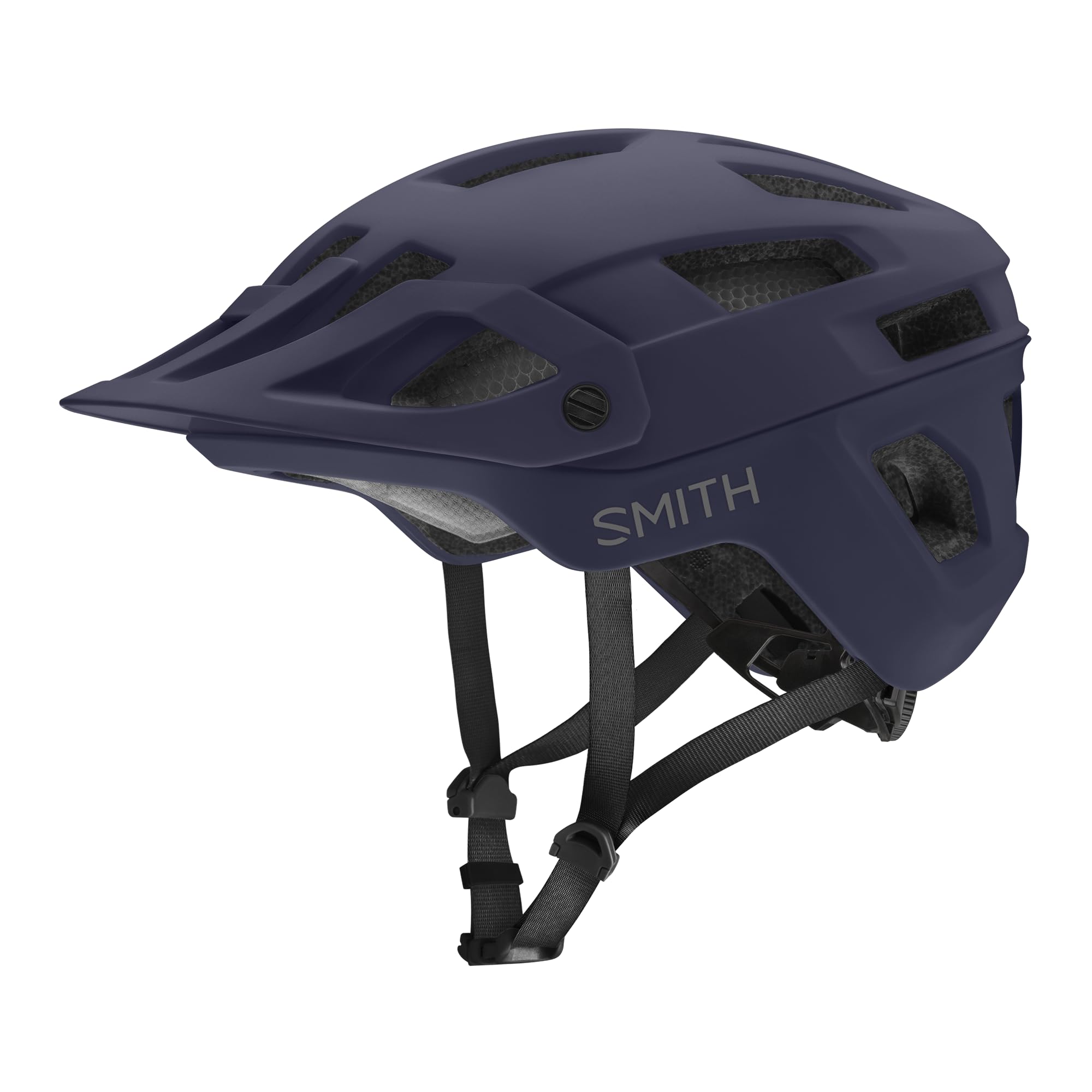
The Smith Engage is marketed as a mountain bike helmet, but its features make it an excellent choice for road cyclists who want extended coverage and a two-position adjustable visor for sun glare. The zonal Koroyd coverage is concentrated over the crown and temple areas — the most common impact zones in road crashes — while leaving the vent channels open for airflow. The 20 fixed vents are deeper than those on the Persist, designed to shed heat during high-effort climbing.
The Ionic+ lining is a thoughtful addition for long rides: it activates with sweat to control odor and wicks moisture away from the skin. The single-layer webbing is low-bulk and lays flat against the face, preventing the chafing that multi-layer straps cause on hot days. The visor adjusts into two positions and snaps into place with a positive click.
Riders note that the Engage fits deeper on the back of the head than typical road helmets, which provides extra security on rough descents. The ABS outer shell is more impact-resistant than the polycarbonate used on lower-tier models. The main trade-off is weight — the Engage is slightly heavier than pure road helmets, but the added coverage and visor versatility compensate for it.
Why it’s great
- Zonal Koroyd covers high-impact crown and temple areas
- Ionic+ lining controls odor during long, sweaty rides
- Two-position visor blocks sun without restricting airflow
Good to know
- Heavier than dedicated road helmets due to extended coverage
- The buckle can be finicky to fasten with one hand
4. BELL Avenue MIPS
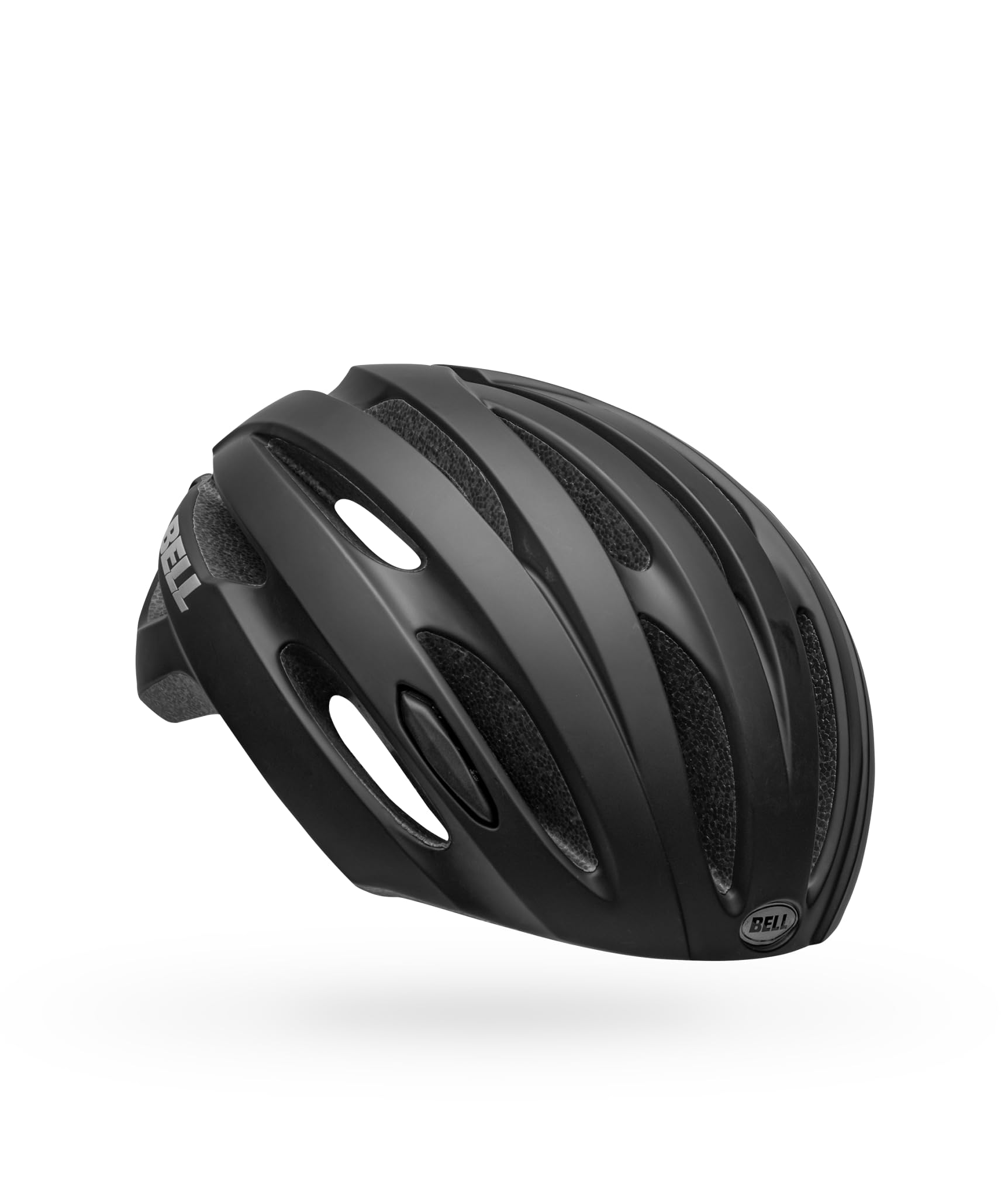
The BELL Avenue MIPS proves that effective rotational protection does not require a premium budget. This helmet uses Mips Evolve, which integrates the slip plane directly into the retention system rather than adding a separate floating liner. The result is a lower profile that sits closer to the head, reducing the mushroom look that many budget helmets create. The polycarbonate shell wraps around the EPS liner for added structural integrity.
The Sweat Guide pad design pulls moisture away from the brow and away from eyewear, addressing a common complaint among road cyclists who wear sunglasses or prescription glasses. The rubber overmolded dial is easy to grip, even when your hands are sweaty or wearing lightweight gloves. The quick-adjust strap fasteners keep the straps flat and properly positioned against the ears.
Customer crash reports are remarkable: multiple riders have survived serious impacts — including being hit by a motorcycle at speed — with the Avenue absorbing enough force to prevent head injury. The helmet cracked in multiple places as designed, dispersing energy that would have gone into the skull. For riders on a budget who refuse to compromise on safety standards, this is the benchmark model.
Why it’s great
- Mips Evolve integrates slip plane into retention for lower profile
- Sweat Guide pads keep glasses clear during effort
- Proven crash protection at a mid-range price point
Good to know
- The adjustment dial is small and hard to operate with winter gloves
- The snap connection on the strap divider feels fragile
5. Giro Register II MIPS
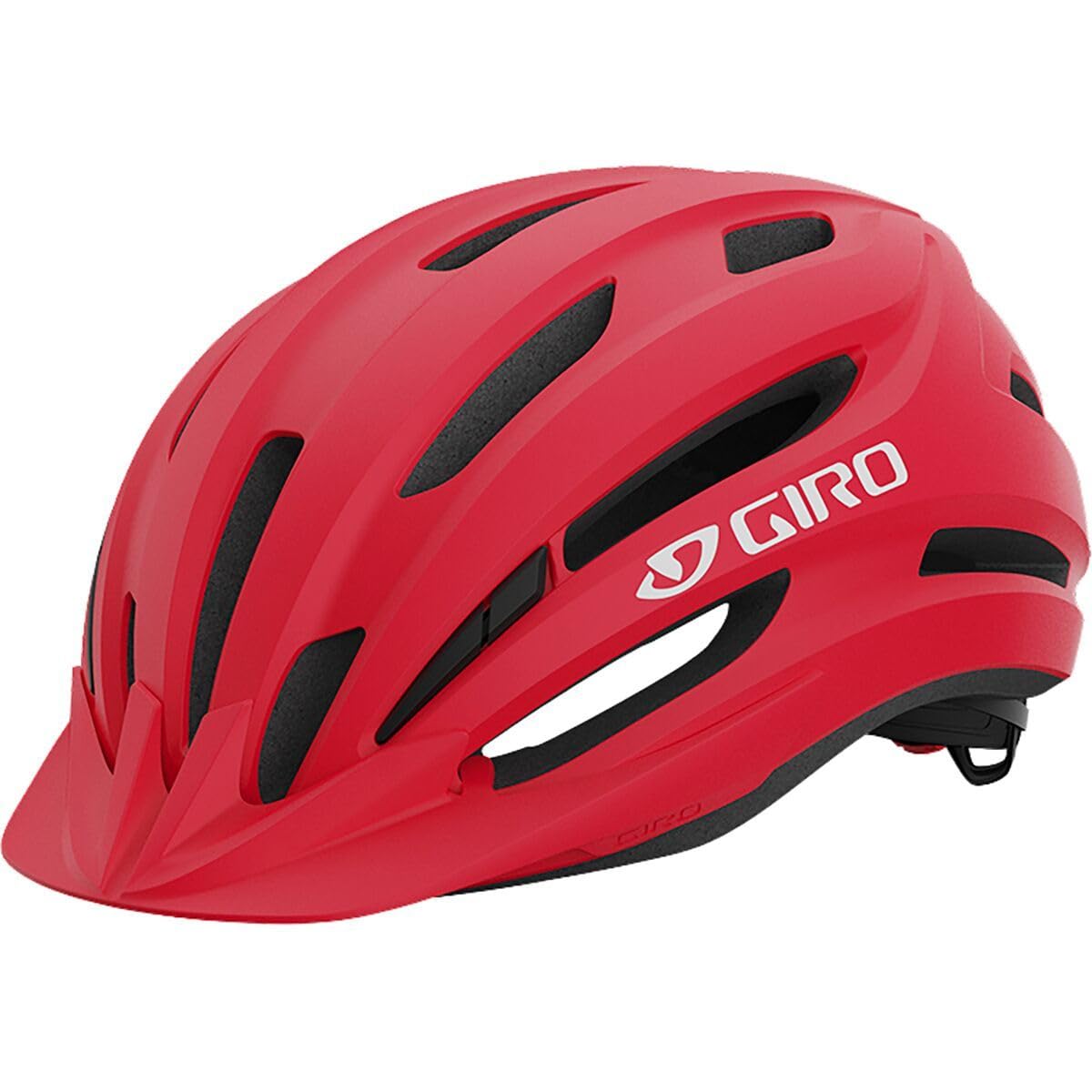
The Giro Register II MIPS is the entry point into MIPS protection from one of the most trusted names in cycling helmets. At 280 grams, it is lighter than many helmets that cost more, thanks to the in-mold construction where a polycarbonate shell is fused directly to the EPS liner. The two-piece shell design includes a hard outer shell that resists punctures and a lower polycarbonate wrap that adds durability without extra weight.
The Universal Fit sizing is generous — riders with large head shapes who struggle to find helmets that accommodate them report that the Register II fits without pressure points. The Roc Loc dial system is the standard against which other retention systems are measured: it adjusts in 1-millimeter increments and provides a secure hold even on rough pavement. The padding inside is thicker than average, which enhances comfort but also traps slightly more heat than minimalist pad systems.
Compared to the Giro Revel, the Register II is both lighter and more comfortable, with the added benefit of MIPS. The trade-off is that the Roc Loc dial feels slightly less robust than the all-metal versions on Giro’s higher-end models, and the visor attachment is not pinned, so it can feel floppy. For the price, however, you get a well-ventilated, lightweight helmet that meets CPSC and EN 1078 standards.
Why it’s great
- Lightest MIPS option at 280 grams for reduced neck fatigue
- Universal Fit sizing accommodates larger head shapes
- Roc Loc dial provides precise micro-adjustments
Good to know
- Roc Loc dial may loosen over time with daily use
- Visor attachment lacks pins and can wobble
6. LAZER Tempo KinetiCore

The LAZER Tempo KinetiCore is the most accessible way to get rotational impact protection without paying for a MIPS license. LAZER’s proprietary KinetiCore system uses strategically placed crumple zones molded directly into the EPS foam, eliminating the need for a separate plastic slip plane. This keeps the weight remarkably low — the Tempo weighs just 2.47 ounces — and reduces the overall height of the helmet.
The TurnSys retention system is simple but effective: a single dial at the back tightens or loosens the cradle, and the mechanism is designed to be operated while the helmet is on your head. The one-size-fits-all approach works for heads between roughly 20.5 and 24 inches, though riders at the extremes may find the fit less precise than a multi-size model. The ventilation is surprisingly good for such a low-profile helmet, with deep channels that run from front to back.
The Tempo is also compatible with the LAZER Universal LED light, which clips into a dedicated mount at the rear. This is a useful feature for road cyclists who commute in low-light conditions or want extra visibility on dusk rides. The polycarbonate outer shell is thin but adequate for the price tier, and the foam inner material meets CPSC standards.
Why it’s great
- KinetiCore crumple zones provide rotational protection without extra weight
- Ultra-lightweight at 2.47 ounces reduces neck strain
- Compatible with rear LED light for improved visibility
Good to know
- One-size design may not fit very small or very large heads precisely
- Polycarbonate shell is thinner than premium-tier models
7. Thousand Heritage 2.0
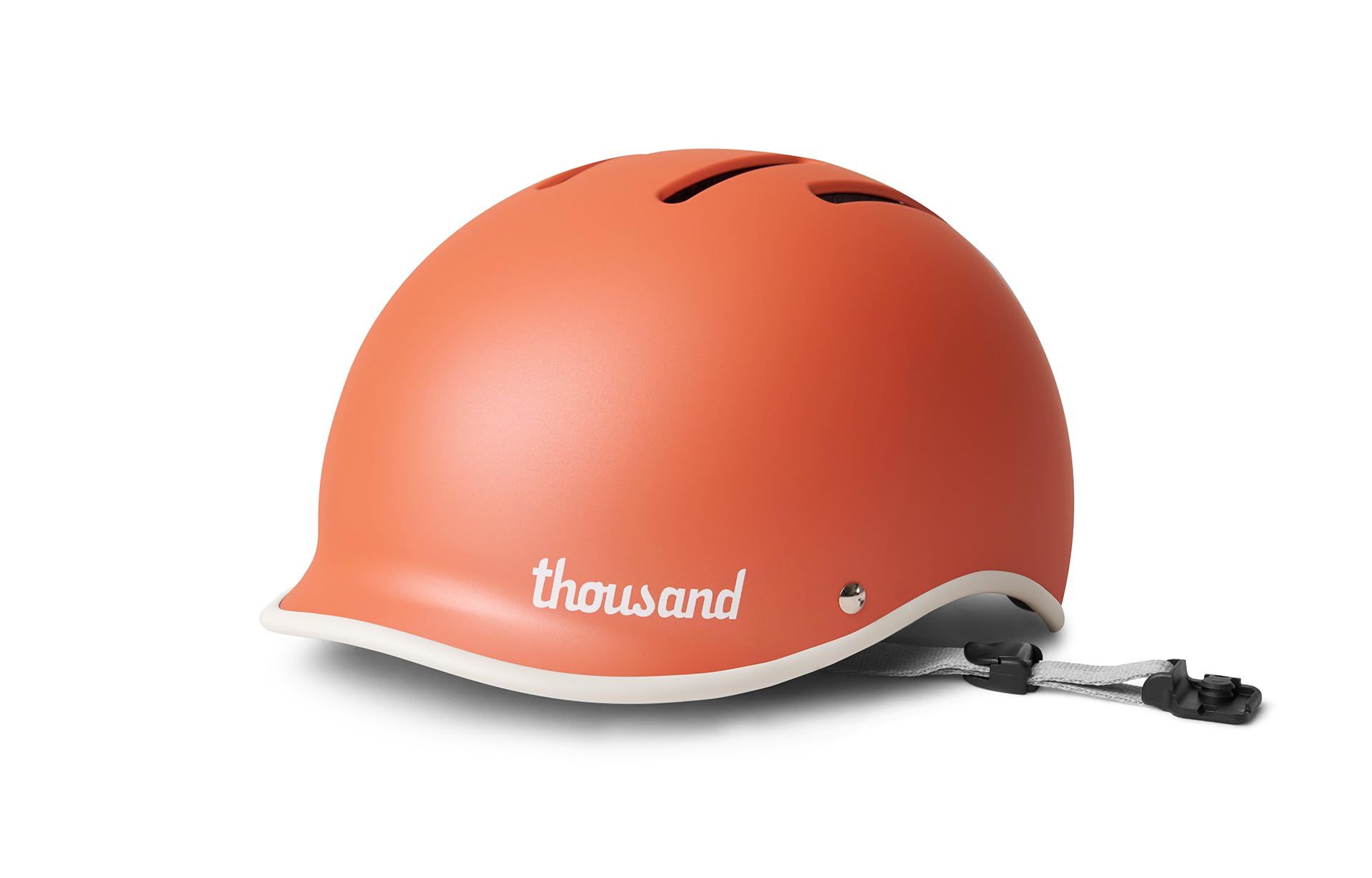
The Thousand Heritage 2.0 is built for the rider who values aesthetics as much as safety. Its low-profile retro shape avoids the aerodynamic teardrop look of pure road helmets, making it equally at home on a road bike, commuter bike, or skateboard. The vegan leather inner material adds a premium tactile feel that sets it apart from the foam-and-fabric interior of traditional cycling helmets.
The PopLock is the signature feature: a hidden channel behind the front logo that lets you thread a U-lock or chain lock through the helmet. This allows you to lock the helmet to your bike frame instead of carrying it around, which is a meaningful convenience for commuters and urban riders. The Dial Fit System provides a secure adjustment range, and the magnetic clasp on the chin strap is much easier to fasten than traditional buckle clips — especially with one hand.
Ventilation is handled by a combination of top vents and internal channeling that creates a steady airflow. Riders in hot climates report that the Heritage 2.0 feels like a mini air conditioner even in 90-degree heat, though the deeper coverage means it runs slightly warmer than ultralight road-specific helmets. The brim provides shade for the eyes and helps block sun and bugs, which is appreciated on long commutes.
Why it’s great
- PopLock anti-theft channel lets you secure helmet with a U-lock
- Magnetic clasp is easier to fasten than traditional buckles
- Stylish low-profile design that works for cycling and skating
Good to know
- Fewer vents than dedicated road helmets; runs warmer on hot days
- The brim may limit upward visibility for riders in aggressive aero positions
FAQ
Do I need MIPS for road cycling or is standard EPS sufficient?
How many vents should a road bike helmet have for hot weather?
Can I use a mountain bike helmet for road cycling?
Final Thoughts: The Verdict
For most users, the best cycle helmets for road bikes winner is the Smith Persist MIPS because it combines MIPS and Koroyd dual-impact protection with exceptional 21-vent airflow and an eyewear-friendly AirEvac system at a mid-premium price. If you want maximum affordability without sacrificing a rotational protection system, grab the LAZER Tempo KinetiCore. And for urban commuters who need style, ventilation, and the convenience of the PopLock system, nothing beats the Thousand Heritage 2.0.

Mo Maruf
I created WellFizz to bridge the gap between vague wellness advice and actionable solutions. My mission is simple: to decode the research and give you practical tools you can actually use.
Beyond the data, I am a passionate traveler. I believe that stepping away from the screen to explore new environments is essential for mental clarity and physical vitality.