Our readers keep the lights on and my smoothie glass nicely filled. As an Amazon Associate, I earn from qualifying purchases.
Whether you call it bloating, indigestion, or just a heavy feeling after eating, the search for gentle relief often leads to one place: the tea aisle. But not every bag labeled “digestive” actually delivers the specific carminative or soothing action your digestive tract needs. The wrong blend can taste medicinal, fall flat on efficacy, or even aggravate symptoms.
I’m Mohammad Maruf — the founder and writer behind WellFizz. My research here focuses on matching specific herbal compounds like volatile oils, mucilage, and bitters to the most common digestive complaints, using verified customer feedback as a real-world performance check.
After reviewing dozens of formulas and narrowing the field to five standout options, this guide to the best digestive tea identifies the blends that combine proven ingredients with genuinely pleasant taste for daily use.
How To Choose The Best Digestive Tea
A digestive tea’s effectiveness depends less on marketing claims and more on which specific herbs are present and how fresh they are. Volatile oils—the compounds that give peppermint and fennel their characteristic aromas and antispasmodic action—degrade over time, so packaging and harvest matter. The wrong herb for your specific gut sensitivity can backfire; for example, strong peppermint can relax the esophageal sphincter and worsen acid reflux for some people.
Match the Herb to Your Symptom
Fennel seeds target gas and bloating through their carminative oils. Peppermint works best for cramping and general indigestion but may trigger heartburn in prone individuals. Chamomile and lemon balm are milder choices suited to stress-related stomach upset. Licorice root adds natural sweetness and coats the stomach lining, making it a strong candidate for heartburn or nausea, though those avoiding glycyrrhizin should seek deglycyrrhizinated versions or use it sparingly.
Bagged vs. Loose-Leaf Freshness
Bagged tea is convenient and consistent but often contains crushed leaves (fannings) that lose volatile oils faster. Loose-leaf teas from brands that frequently rotate their stock—like Calming Blends and Worldwide Botanicals—typically deliver a more aromatic cup with higher essential oil content. The tradeoff is extra steeping gear and a slight prep step.
Organic Certification & Additives
The best digestive teas are caffeine-free (caffeine can stimulate acid production), USDA Organic (avoids pesticide residues that may irritate sensitive guts), and Non-GMO Project Verified. Artificial flavors or “natural flavors” in blends can sometimes mask stale herbs or cause reactions in people with chemical sensitivities. Look for blends where the ingredient list is short and includes whole herbs you recognize.
Quick Comparison
On smaller screens, swipe sideways to see the full table.
| Model | Category | Best For | Key Spec | Amazon |
|---|---|---|---|---|
| Yogi Stomach Ease | Bagged | General stomach soothe & heartburn | 64 tea bags per pack | Amazon |
| Yogi Egyptian Licorice Mint | Bagged | Naturally sweet digestion aid | 64 tea bags per pack | Amazon |
| Calming Blends Feel Better | Loose Leaf | IBS & diverticular support | 2 oz resealable pouch | Amazon |
| Worldwide Botanicals Peppermint | Loose Leaf | Pure peppermint for cramping | 4 oz resealable pouch | Amazon |
| Traditional Medicinals Fennel | Bagged | Budget-friendly gas & bloating | 32 tea bags (2 packs) | Amazon |
In‑Depth Reviews
1. Yogi Tea Stomach Ease
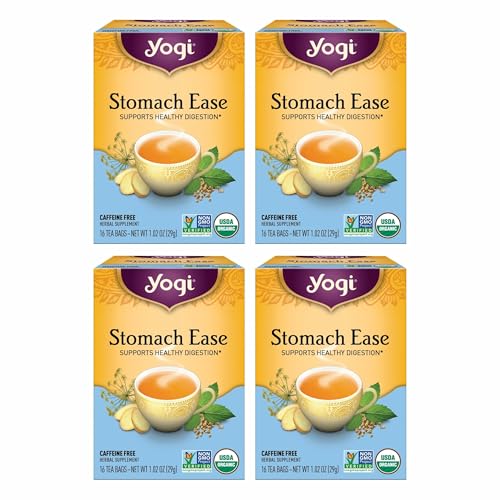
Yogi’s Stomach Ease incorporates a five-herb Ayurvedic profile—fennel, licorice, peppermint, cardamom, coriander, and ginger—making it one of the most comprehensive single-blend formulas reviewed here. The 7-minute steep time is longer than average, but it allows the warming spices and carminative seeds to fully release their volatile oils. Multiple customer reports specifically mention relief from heartburn and persistent bloating, which points to the licorice root and ginger providing mucosal coating and anti-inflammatory action.
The organic certification and non-GMO verification add confidence for those with chemical sensitivities. The flavor is mildly sweet from the licorice, which balances the peppermint’s coolness without requiring added sugar or honey. The 64-count box offers a respectable value for a daily-drinker formula, and the individually wrapped bags preserve freshness between uses.
One caveat: the same licorice that soothes heartburn contains glycyrrhizin, which can raise blood pressure if consumed in very large quantities over extended periods. For most people drinking one to two cups per day, this is rarely an issue, but individuals with hypertension should consider alternating with a licorice-free blend.
Why it’s great
- Comprehensive 6-herb blend targeting multiple digestive complaints
- USDA Organic and Non-GMO, no artificial flavors
- Positive user feedback for heartburn and general stomach ease
Good to know
- Licorice root contains glycyrrhizin, a concern for those with hypertension
- 7-minute steep time is longer than most bagged teas
2. Yogi Tea Egyptian Licorice Mint
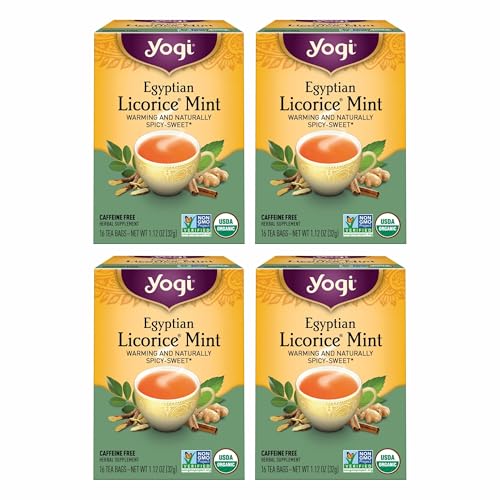
This blend leans heavily on the natural sweetness of licorice root combined with the cooling notes of peppermint, then adds warmth from cinnamon, cardamom, and ginger. The result is a cup that tastes distinctly like the famous Aveda tea, with zero need for sweeteners. Many reviewers mention that they or their families avoid actual licorice candy yet love this tea—the flavor profile is more complex than a single-note licorice, with the spices rounding out the sweetness.
As a digestive aid, the combination of peppermint and ginger targets gas, mild cramping, and post-meal heaviness. The licorice adds soothing mucosal support, making this a solid alternative to the Stomach Ease if you prefer a more mint-forward taste with less ginger heat. It is also caffeine-free and organic, matching the standard set by the Yogi lineup.
The same glycyrrhizin caution applies here: daily heavy consumption could affect blood pressure. Additionally, the 7-minute steep instruction, while standard for Yogi, may feel excessive for those accustomed to 3-4 minute bag teas. Some users may find the flavor too sweet if they prefer astringent or grassy herbal teas.
Why it’s great
- Naturally sweet, no added sugars or sweeteners needed
- Complex flavor profile reminiscent of salon-style herbal tea
- Effective for gas and post-meal digestion
Good to know
- Licorice root again carries hypertension considerations
- Longer steep time required for full flavor extraction
3. Calming Blends Feel Better Digestive Tea

Calming Blends takes a different approach by including marshmallow leaf and lemon balm alongside the expected chamomile, peppermint, and fennel. Marshmallow leaf is a demulcent—it contains mucilage that coats the intestinal lining, making this blend particularly well-suited for those with IBS, diverticular discomfort, or inflammatory gut conditions. Multiple verified reviews cite significant relief from IBS symptoms and diverticular flare-ups, which is a more specific therapeutic claim than general “bloating relief.”
The loose-leaf format is a double-edged sword. On the one hand, the whole-leaf ingredients retain their volatile oils far better than crushed bagged fannings, and the resealable pouch protects freshness between uses. On the other hand, you’ll need a tea infuser or strainer, and the two-ounce pouch yields roughly 36 cups—a shorter supply than bagged competitors. Some users have noted an occasional stem piece from the herbs, which is a natural artifact of whole-leaf processing rather than a quality defect.
The flavor is milder than the Yogi blends, offering a gentle floral-chamomile base with subtle peppermint. This makes it an excellent evening choice for stress-related digestive upset, as chamomile and lemon balm both have mild anxiolytic properties that complement the digestive action.
Why it’s great
- Demulcent marshmallow leaf targets IBS and diverticular conditions
- Whole-leaf ingredients for higher volatile oil content
- Calming chamomile and lemon balm suit evening use
Good to know
- Loose-leaf format requires a strainer or infuser
- Smaller pouch size yields fewer cups than bagged options
4. Worldwide Botanicals Organic Peppermint Loose Leaf Tea

This is a single-herb tea with a specific focus: high-quality peppermint leaves grown in the Pacific Northwest, which the brand claims contains the highest essential oil content of any peppermint cultivated globally. The aroma upon opening the resealable pouch is noticeably more intense than bagged peppermint teas, and the leaves are large enough to work well in basket-style tea makers without excessive sediment. Users consistently describe the flavor as “strong” and “concentrated,” noting that a smaller leaf quantity suffices per cup compared to standard peppermint bags.
For digestive purposes, peppermint’s menthol content acts as an antispasmodic, relaxing the smooth muscle of the gastrointestinal tract. This makes it particularly effective for cramping, gas, and the abdominal pain associated with IBS. The higher essential oil concentration in this loose-leaf version means you get a more potent dose of these active compounds per cup. The four-ounce pouch provides a substantial volume that will outlast most bagged options when used sparingly.
The downside is minimal variety: this is pure peppermint and nothing else. If you find peppermint too cooling or if it triggers your acid reflux (a known issue for some), this blend will not work. The loose-leaf format also demands a brewing vessel, though the leaf size is forgiving enough for a simple mesh strainer.
Why it’s great
- Exceptionally high essential oil content for potent antispasmodic action
- Large leaf size works well in standard tea baskets
- Generous 4 oz pouch offers long supply per purchase
Good to know
- Pure peppermint may aggravate acid reflux in sensitive individuals
- Loose-leaf brewing gear required
5. Traditional Medicinals Organic Fennel Herbal Tea
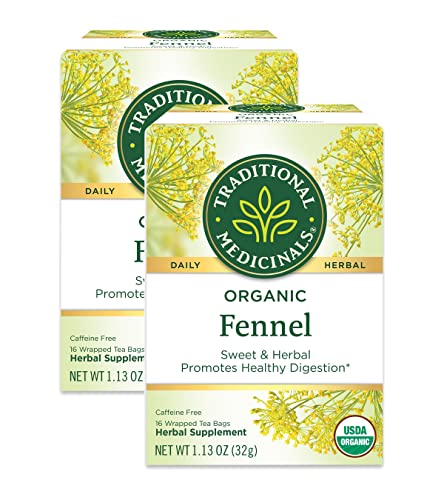
Traditional Medicinals offers a focused fennel-only tea that relies on the carminative properties of fennel seeds—specifically anethole and fenchone—to reduce gas and ease bloating. The flavor is mildly sweet with a licorice-like undertone (despite containing no actual licorice root), making it approachable for those who find straight peppermint too aggressive. Many users mention drinking it after dinner to settle the stomach, and the individually wrapped bags help maintain freshness despite the bagged format.
This is the entry-level price tier of the group, making it an accessible starting point for anyone new to digestive teas. The 32-count pack (two boxes of 16) provides a modest supply, though you can purchase larger quantities if you find it effective. The organic certification and non-GMO status align with the quality standards of the pricier options.
The main shortcoming is that some users report significant heartburn after drinking this tea, which seems counterintuitive for a digestive aid. The likely cause is the anethole content relaxing the lower esophageal sphincter, similar to how peppermint can trigger reflux. If you are prone to acid reflux or GERD, this fennel-only blend may not be the best choice, though many without that sensitivity find it perfectly soothing.
Why it’s great
- Budget-friendly entry into digestive teas
- Mildly sweet flavor without added sugars
- Good for targeted gas and bloating relief
Good to know
- Anethole content can trigger heartburn in reflux-prone individuals
- Smaller tea bag count than competing multi-pack options
FAQ
Can digestive tea help with IBS symptoms?
How long should I steep digestive tea for full benefit?
Is loose-leaf digestive tea better than bagged?
Can drinking digestive tea before meals prevent bloating?
Final Thoughts: The Verdict
For most users, the best digestive tea winner is the Yogi Stomach Ease because its multi-herb blend covers gas, bloating, heartburn, and general indigestion with a pleasant, naturally sweet flavor suitable for daily use. If you want a targeted solution for IBS or inflammatory gut conditions, grab the Calming Blends Feel Better loose-leaf tea. And for a pure, potent antispasmodic option ideal for cramping, nothing beats the Worldwide Botanicals Organic Peppermint.

Mo Maruf
I created WellFizz to bridge the gap between vague wellness advice and actionable solutions. My mission is simple: to decode the research and give you practical tools you can actually use.
Beyond the data, I am a passionate traveler. I believe that stepping away from the screen to explore new environments is essential for mental clarity and physical vitality.