Our readers keep the lights on and my smoothie glass nicely filled. As an Amazon Associate, I earn from qualifying purchases.
Chronic ear infections in dogs often trace back to one root cause: a food allergy or sensitivity that triggers inflammation and yeast overgrowth inside the ear canal. Switching to a limited-ingredient or hydrolyzed protein diet is the single most effective dietary change you can make to stop the recurring itch, odor, and discharge.
I’m Mohammad Maruf — the founder and writer behind WellFizz. I’ve spent hundreds of hours analyzing ingredient panels, customer reports, and veterinary nutritional data to identify the exact formulations that help quiet chronic ear inflammation from the inside out.
This guide breaks down the five top-rated options, from budget-friendly limited-ingredient kibble to premium hydrolyzed protein formulas, to help you find the right dog food for chronic ear infections for your pup.
How To Choose The Best Dog Food for Chronic Ear Infections
Chronic ear infections are rarely an ear problem — they are almost always an immune or allergic reaction to something your dog is eating. The wrong protein, carbohydrate, or additive triggers inflammation that shows up as red, yeasty, smelly ears. Choosing the right food means understanding which ingredient categories are most likely to be the culprit and which formulations are designed to avoid them.
Single Novel Protein vs. Hydrolyzed Protein
A single novel protein diet uses one animal protein source your dog has likely never eaten before — lamb, salmon, pork, or even venison — to avoid triggering an existing allergy. Hydrolyzed protein, by contrast, breaks the protein molecules into pieces so small the immune system does not recognize them as an allergen. Hydrolyzed diets are the more aggressive approach for dogs that react even to novel proteins, though they often cost more and may have a less palatable texture.
Fatty Acid Profile and Omega-3 Content
Omega-3 fatty acids, especially EPA and DHA from fish or flax sources, directly support the skin barrier and reduce inflammatory cascades that lead to yeast overgrowth in the ear canal. Look for a guaranteed minimum of 0.3% EPA or higher. Dry kibble with higher fat content from quality animal sources also helps maintain coat condition, which correlates with lower ear infection frequency.
Carbohydrate Source and Glycemic Load
Yeast feeds on sugar, and carbohydrates break down into simple sugars during digestion. Lower-glycemic carbohydrate sources — sweet potato, lentils, chickpeas, pumpkin — produce a slower glucose release than white potatoes, rice, or corn. For dogs prone to yeast-driven ear infections, a carbohydrate source with a low glycemic index can make a noticeable difference in flare-up frequency.
Quick Comparison
On smaller screens, swipe sideways to see the full table.
| Model | Category | Best For | Key Spec | Amazon |
|---|---|---|---|---|
| Instinct Limited Ingredient Diet Salmon | Single Protein | Dogs with chicken sensitivity | Single animal protein, freeze-dried raw coating | Amazon |
| Farmina N&D Lamb & Blueberry | Low Glycemic | Sensitive stomachs & grain allergies | Low-glycemic carbs with glucosamine | Amazon |
| Natural Balance LID Salmon & Sweet Potato | Limited Ingredient | Transitioning to an elimination diet | Wet loaf texture with single protein | Amazon |
| ACANA Singles Beef & Pumpkin | Single Protein | Budget-friendly limited ingredient | 65% beef ingredients with pumpkin | Amazon |
| SquarePet Hydrolyzed Protein Pork | Hydrolyzed | Severe multiple protein allergies | Hydrolyzed pork protein, no prescription needed | Amazon |
In‑Depth Reviews
1. Instinct Limited Ingredient Diet Salmon
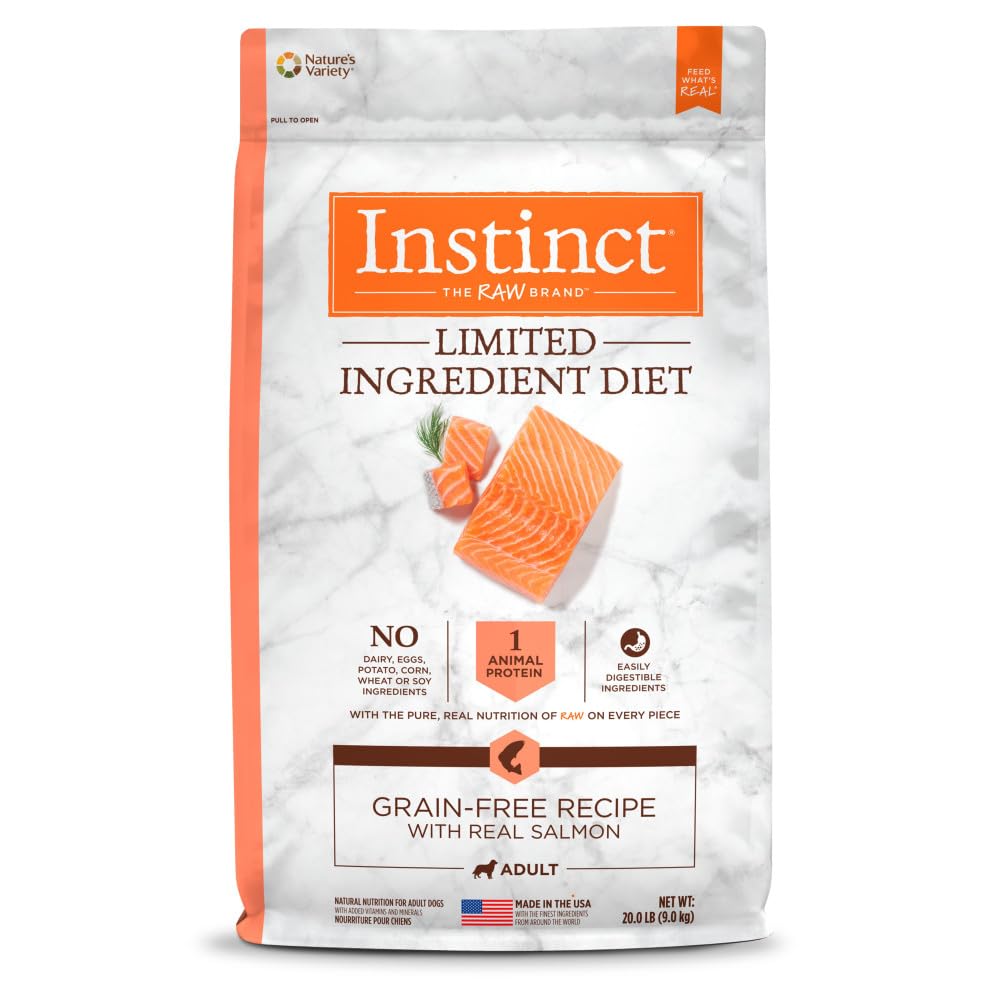
This formula uses wild-caught salmon as the single animal protein source, which makes it a standout choice for dogs with chicken or beef sensitivities that often manifest as chronic ear infections. The freeze-dried raw coating enhances palatability without introducing multiple protein sources that could confuse an elimination diet. With guaranteed omega-3 and omega-6 fatty acids, it directly supports skin barrier function and reduces the inflammatory response in the ear canal.
Customer reports consistently note that this food cleared up ear gunk, reduced overall itching, and produced smaller, firmer stools — a sign that the digestive tract is no longer fighting a food allergen. The kibble size is small enough for toy breeds but the formula is high-calorie, so active large breeds maintain muscle without needing excessive volume. The 20-pound bag lasts a month for a 70-pound dog, making it a solid value for a premium single-protein diet.
One caveat: the large bag is heavy to store and some batches have shown slight variation in color and smell, though nutritional consistency remains stable. The minimum processing philosophy means the kibble is less shelf-stable than heavily processed brands, so buy from high-turnover sellers.
Why it’s great
- Single animal protein eliminates common triggers
- Freeze-dried raw coating boosts flavor without fillers
- High omega-3 content directly fights ear inflammation
Good to know
- Large bag is heavy and awkward to store
- Some batch variability in kibble appearance
2. Farmina N&D Lamb & Blueberry Mini

Farmina takes a European approach to formulation, using fresh grass-fed lamb as the first ingredient and pairing it with low-glycemic carbohydrates that do not spike blood sugar — a critical detail for dogs whose yeast-driven ear infections feed on sugar. The recipe contains no legumes, peas, or grains, which reduces the total carbohydrate load compared to many grain-free alternatives. The small kibble size is ideal for toy and small breeds with delicate mouths.
This formula is fortified with glucosamine and chondroitin for joint support, but the real win for ear infection dogs is the combination of omega-3 and omega-6 fatty acids from lamb fat and added vitamins. Multiple customers report that this was the only food that stopped their dog from eating grass, vomiting, and having runny stools — all signs of a resolved digestive inflammatory response that directly correlates with fewer ear infections. The European ingredient standards are stricter than US guidelines, which gives an extra layer of quality assurance.
The bag is on the smaller side at 2.5 kilograms, and the price per pound places it firmly in the premium tier. Some dogs may need a slow transition because the dense nutrition can initially cause looser stools in sensitive digestive systems. It is also marketed as an all-breed food, but the kibble size is genuinely best for smaller jaws.
Why it’s great
- Low-glycemic carbs help limit yeast-feeding sugar spikes
- Grass-fed lamb is a novel protein for many dogs
- European production standards exceed US requirements
Good to know
- Small bag size for the premium price point
- Kibble size best suited for small to medium breeds
3. Natural Balance LID Salmon & Sweet Potato Wet
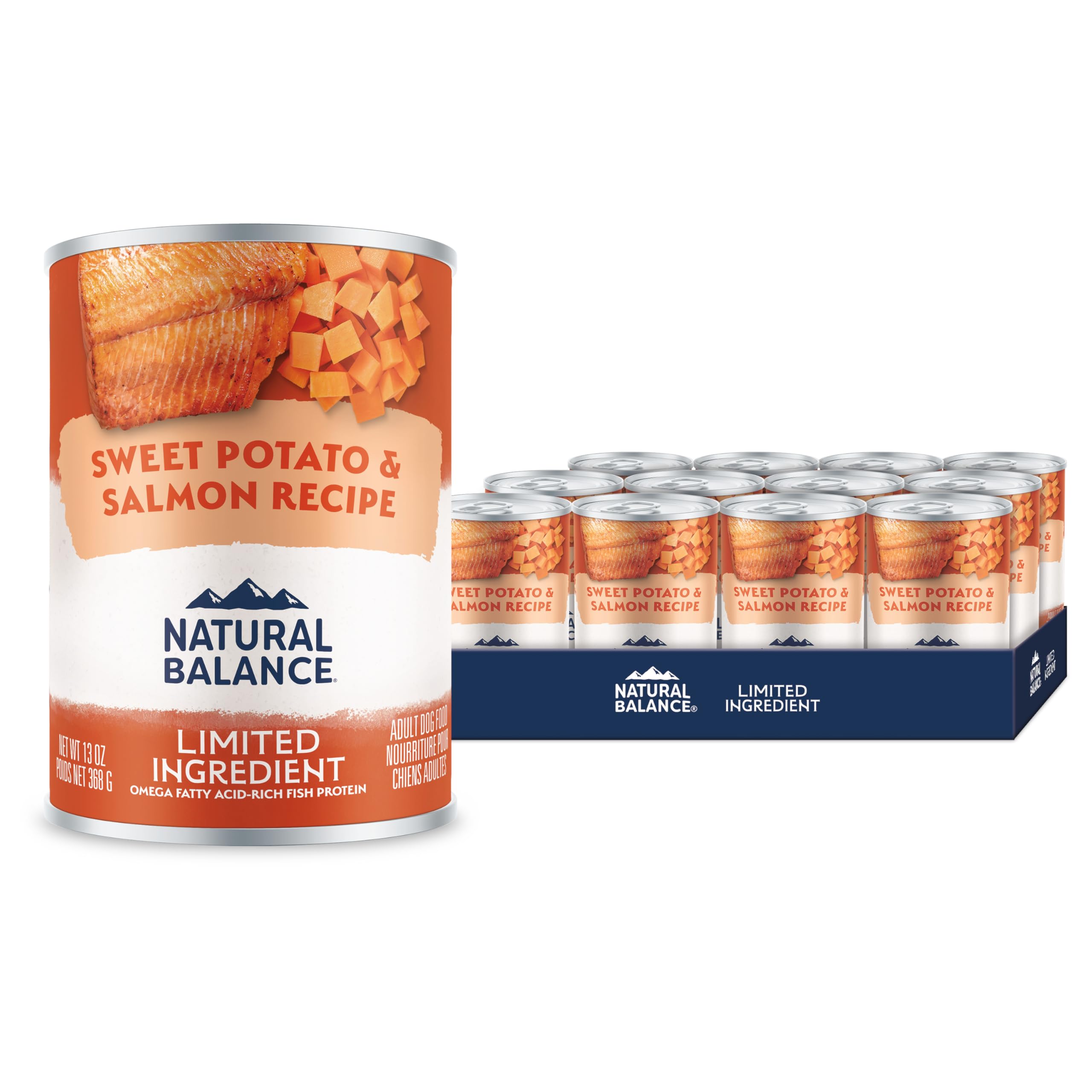
This canned wet food uses salmon as the single animal protein with sweet potato as the carbohydrate, making it a clean, simple formula for dogs that need to start an elimination diet without the variable of dry kibble processing. The loaf texture provides moisture that supports kidney function and hydration — especially important for dogs with chronic inflammation who may not drink enough water on a dry-food-only regimen. Each 13-ounce can provides roughly four servings for a small to medium dog, and the 12-pack covers two to three weeks of meals.
Customer reports highlight that this food resolved skin irritation and digestive upset in dogs with severe chicken allergies, including miniature schnauzers and other breeds prone to chronic ear infections. The limited ingredient list — essentially salmon, sweet potato, vitamins, and minerals — leaves no room for mystery fillers that could trigger an immune response. The grain-free, soy-free, and gluten-free formulation means it works as a complete meal or a topper for picky eaters who refuse dry kibble during an elimination trial.
The shipping packaging is a recurring weak point — multiple customers report severely dented cans even when the factory case arrives intact. Also, the wet food texture can be messy to portion and store once opened. It also costs more per serving than dry kibble, so it works best as a targeted transition tool rather than a long-term sole source for large breeds.
Why it’s great
- Extremely simple limited ingredient list reduces allergen risk
- High moisture content supports kidney and ear health
- Works as a complete meal or kibble topper for fussy dogs
Good to know
- Cans frequently arrive dented despite intact packaging
- Higher cost per serving than dry kibble options
4. ACANA Singles Beef & Pumpkin
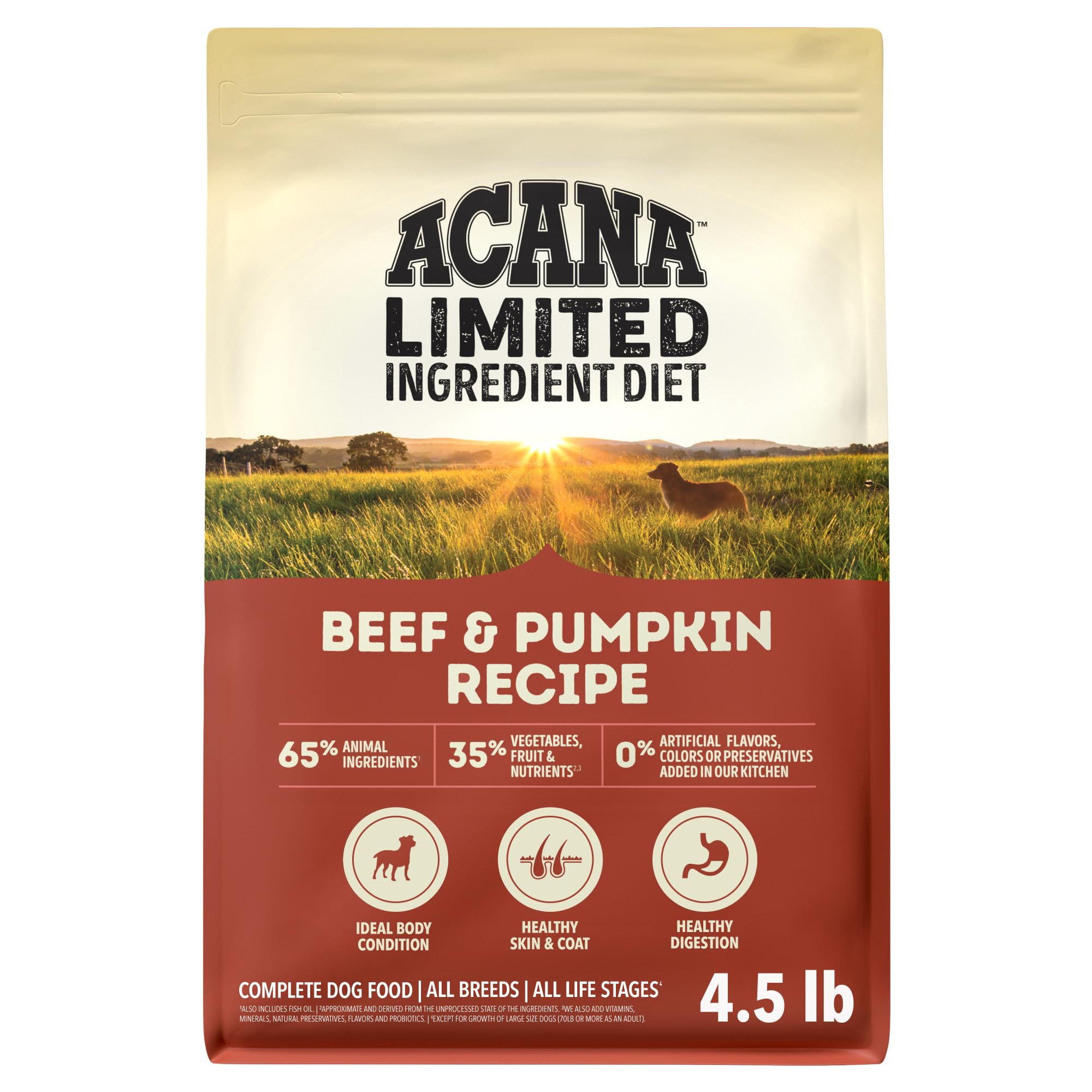
ACANA’s Singles line uses 65 percent beef ingredients with pumpkin as the primary carbohydrate source, creating a high-protein, limited-ingredient dry food at a price point that undercuts many competitors. The pumpkin provides soluble fiber that supports digestive regularity and acts as a prebiotic — important for maintaining a healthy gut microbiome that can suppress yeast overgrowth. The grain-free formula avoids corn, wheat, and soy, which are common triggers for food sensitivities.
Customer reports show that this food helped reduce scratching, indigestion, and skin issues in dogs that previously reacted to chicken-based diets. The kibble is dense and slightly hard, which may be challenging for dogs with soft gums or poor dental health — one reviewer noted their 11-pound Maltese struggled with the texture despite loving the taste. The 4.5-pound bag is a good trial size, and the limited ingredient approach makes it a low-risk starting point for owners who want to test a beef-based elimination diet without investing in a large bag.
The beef and pumpkin combination is not ideal for dogs with known beef allergies, and the higher protein content (around 34 percent) may be too rich for dogs with kidney issues. Some dogs that are picky eaters may need a rotation of flavors to stay interested, though the freeze-dried coating helps with palatability.
Why it’s great
- High meat content provides novel beef protein source
- Pumpkin supports gut health and yeast suppression
- Budget-friendly entry point for limited ingredient trial
Good to know
- Hard kibble texture may be tough on dogs with dental issues
- Not suitable if beef is a suspected allergen
5. SquarePet Hydrolyzed Protein Pork

SquarePet offers a hydrolyzed protein formula that does not require a veterinary prescription, making it the most accessible option for dogs with severe, multi-protein allergies that have failed standard limited-ingredient diets. The hydrolyzed pork protein molecules are broken down small enough that the immune system does not recognize them as allergens, bypassing the inflammatory cascade that leads to chronic ear infections. This formula also includes omega-3 and omega-6 fatty acids from DHA and EPA sources to support skin barrier repair and coat quality.
Customer reports are mixed but instructive: some dogs with chronic digestive issues resolved immediately, with one owner reporting that four years of raspberry-jelly stool cleared up within a day. However, another customer noted that after 15 days on the food, their dog still had reddened skin, yeasty ears, and paw licking — suggesting that hydrolyzed protein alone may not resolve every case, especially if the dog has secondary yeast or bacterial infections that require topical treatment. The kibble size is larger than a dime, which some small dogs find challenging to chew.
The pork flavor is a relatively novel protein for most dogs, but pork itself is a common allergen in some populations — hydrolyzation reduces but does not guarantee zero reactivity. The 4.4-pound bag is small and the price per pound is high, but the company offers a satisfaction guarantee. Some owners report concern about vitamin D levels in the formula, though SquarePet uses a small-batch production approach with rigorous quality control.
Why it’s great
- Hydrolyzed protein reduces allergen recognition by the immune system
- No prescription required for a true hydrolyzed diet
- Omega-3s support skin barrier and ear canal health
Good to know
- May take longer than 2 weeks to see improvement in ear symptoms
- Kibble size is large for toy breeds
FAQ
How long should I wait before seeing ear infection improvement after switching food?
Can I use grain-free dog food to treat chronic ear infections?
Should I choose dry kibble or wet food for a dog with chronic ear infections?
What does hydrolyzed mean in dog food and does it help ear infections?
Final Thoughts: The Verdict
For most users, the dog food for chronic ear infections winner is the Instinct Limited Ingredient Diet Salmon because it combines a single, novel animal protein with high omega-3 content and a freeze-dried raw coating that even picky eaters accept. If you want a low-glycemic formula that limits yeast-feeding sugar spikes, grab the Farmina N&D Lamb & Blueberry. And for dogs with severe multi-protein allergies that have failed every other diet, nothing beats the SquarePet Hydrolyzed Protein Pork.

Mo Maruf
I created WellFizz to bridge the gap between vague wellness advice and actionable solutions. My mission is simple: to decode the research and give you practical tools you can actually use.
Beyond the data, I am a passionate traveler. I believe that stepping away from the screen to explore new environments is essential for mental clarity and physical vitality.