Our readers keep the lights on and my smoothie glass nicely filled. As an Amazon Associate, I earn from qualifying purchases.
The difference between a good race and a great one often starts at your feet. Distance track shoes must balance featherlight weight with enough cushion to absorb thousands of foot strikes, all while delivering the energy return that keeps your turnover sharp from the first lap to the final kick.
I’m Mohammad Maruf — the founder and writer behind WellFizz. I’ve spent hundreds of hours analyzing foam compounds, plate geometries, outsole durability patterns, and real-runner feedback across the entire distance-shoe spectrum to build this guide.
Whether you’re eyeing a carbon-plated racer or a plush daily trainer for high mileage, finding the right pair can transform your training. This guide covers your search for the best distance track shoes with deep dives into what actually matters for performance over longer efforts.
How To Choose The Best Distance Track Shoes
Distance track shoes occupy a unique space between flat-out speed spikes and bulky road trainers. You need lateral stability for banked turns, a rocker profile that encourages forward momentum, and a midsole that won’t pack out after mile ten. Prioritize these factors before you click buy.
Midsole Foam and Stack Height
The foam compound dictates feel more than any other variable. Supercritical foams like PEBA or TPU-based blends offer high energy return without the weight penalty of traditional EVA. Stack height (measured in millimeters from foot to ground) influences cushioning depth: taller stacks protect joints on long sessions but can reduce ground feel. Most distance shoes hover between 30mm and 42mm in the heel.
Plate Integration
Carbon-fiber plates provide snap and a propulsive toe-off, ideal for race-day efforts. Nylon or composite plates offer a gentler flex pattern that suits tempo runs and interval sessions. If your primary use is daily training rather than racing, a shoe without a rigid plate often delivers a more forgiving ride that adapts better to varied paces.
Drop and Stride Dynamics
Heel-to-toe drop affects where your foot lands. A drop of 8mm to 10mm suits heel-strikers and provides calf relief on long miles. Midfoot strikers often prefer 4mm to 6mm drops that encourage a more natural gait cycle. Zero-drop shoes like the Altra Escalante engage the Achilles and calves more, which can be great for strengthening but requires an adjustment period.
Quick Comparison
On smaller screens, swipe sideways to see the full table.
| Model | Category | Best For | Key Spec | Amazon |
|---|---|---|---|---|
| Saucony Endorphin Pro 4 | Carbon Racer | Race day & speed work | PEBA foam + full carbon plate | Amazon |
| ASICS SUPERBLAST 2 | Daily Trainer | High-mileage training | FF BLAST Turbo foam, 40mm heel stack | Amazon |
| New Balance FuelCell Supercomp Trainer V3 | Super Trainer | Long runs & recovery | FuelCell + Energy Arc plate, 42mm stack | Amazon |
| New Balance FuelCell Rebel V5 | Versatile Trainer | Everyday tempo & intervals | FuelCell foam, 36mm heel stack | Amazon |
| ASICS GT-2000 14 | Stability Trainer | Overpronation support | LiteTruss stability, 30mm heel stack | Amazon |
| ALTRA Escalante 4 | Zero Drop | Natural foot strike & toe splay | Zero drop, 24mm stack, wide toe box | Amazon |
| Saucony Endorphin Speed 3 | Nylon-Plate Trainer | Half-marathon training | SPEEDROLL rocker, PWRRUN PB foam | Amazon |
| Brooks Launch 10 | Neutral Daily | Structured daily miles | DNA Flash foam, 28mm heel stack | Amazon |
| ASICS Hyper MD 8 | Event Spike | 400m–1500m track events | Nylon plate, spike pins, synthetic upper | Amazon |
In‑Depth Reviews
1. Saucony Men’s Endorphin Pro 4
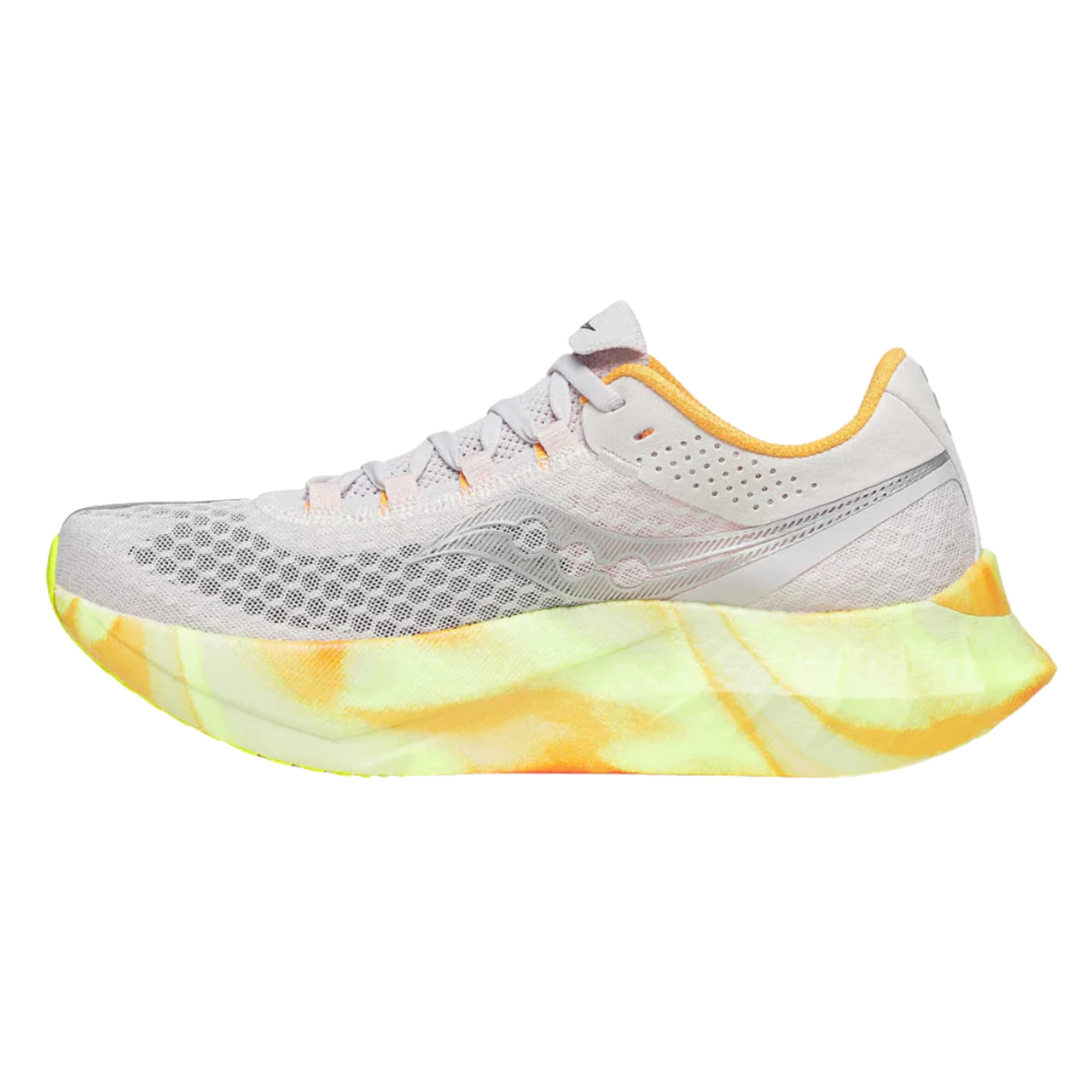
The Endorphin Pro 4 is a purpose-built race weapon that combines a full-length carbon-fiber plate with Saucony’s PWRRUN HG PEBA foam. The SPEEDROLL rocker geometry creates a continuous forward motion that reduces energy loss through the gait cycle, making it a genuine competition-grade option for 5K through marathon distances.
Reviewers consistently note the lightweight fit and stable platform even at faster paces. The upper uses a breathable mono-mesh that locks the midfoot without pressure points. The outsole adds durable rubber in high-wear zones, which extends its life beyond pure race day use into hard tempo sessions.
One trade-off is the aggressive plate stiffness, which feels less friendly for easy recovery runs. The heel wing tips have been reported to show cosmetic wear over time. For runners seeking a PR-focused shoe with genuine snap, this delivers mile after mile.
Why it’s great
- Propulsive rocker plus carbon plate delivers race-ready speed
- PEBA foam retains bounce even beyond 400-mile thresholds
- True-to-size fit with secure heel lock
Good to know
- Stiff ride not ideal for easy or recovery runs
- Heel wing tips can show early cosmetic wear
2. ASICS SUPERBLAST 2
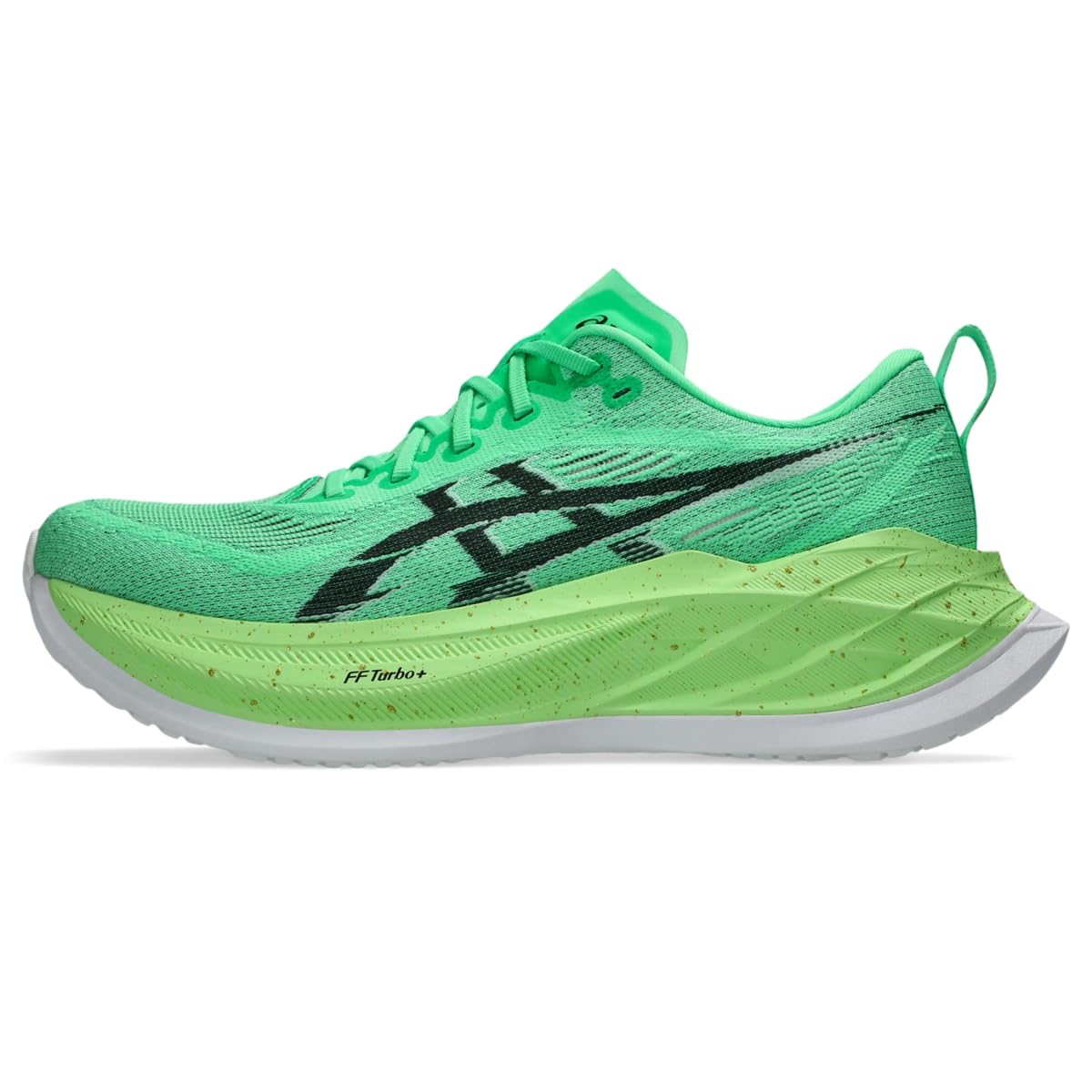
The SUPERBLAST 2 is the most versatile option in this lineup. Its FF BLAST Turbo midsole, derived from ASICS’s premium racing foam, delivers a high-rebound ride that feels soft on easy days but responsive when you push the pace. The 40mm heel stack sits at the USATF competition limit, providing massive impact protection for high-mileage runners.
Reviewers praise the combination of soft landing and energetic toe-off, often describing it as a daily trainer that performs like a racer. The upper uses a Jacquard mesh that breathes well and adapts to foot shape. Heavier runners note the stability is excellent for a shoe with this much stack, with a wide base that prevents wobble on turns.
Some users with wider feet recommend sizing up half a size. The outsole uses a grid-like pattern that holds up well on both asphalt and rubberized track. It has no internal plate, which makes the ride more forgiving than carbon-plated alternatives.
Why it’s great
- Supercritical foam delivers bounce across all paces
- High stack height protects joints on long runs
- Stable enough for neutral and mild overpronation
Good to know
- Narrow fit requires half-size up for wide feet
- No race plate limits top-end snap compared to carbon shoes
3. New Balance FuelCell Supercomp Trainer V3
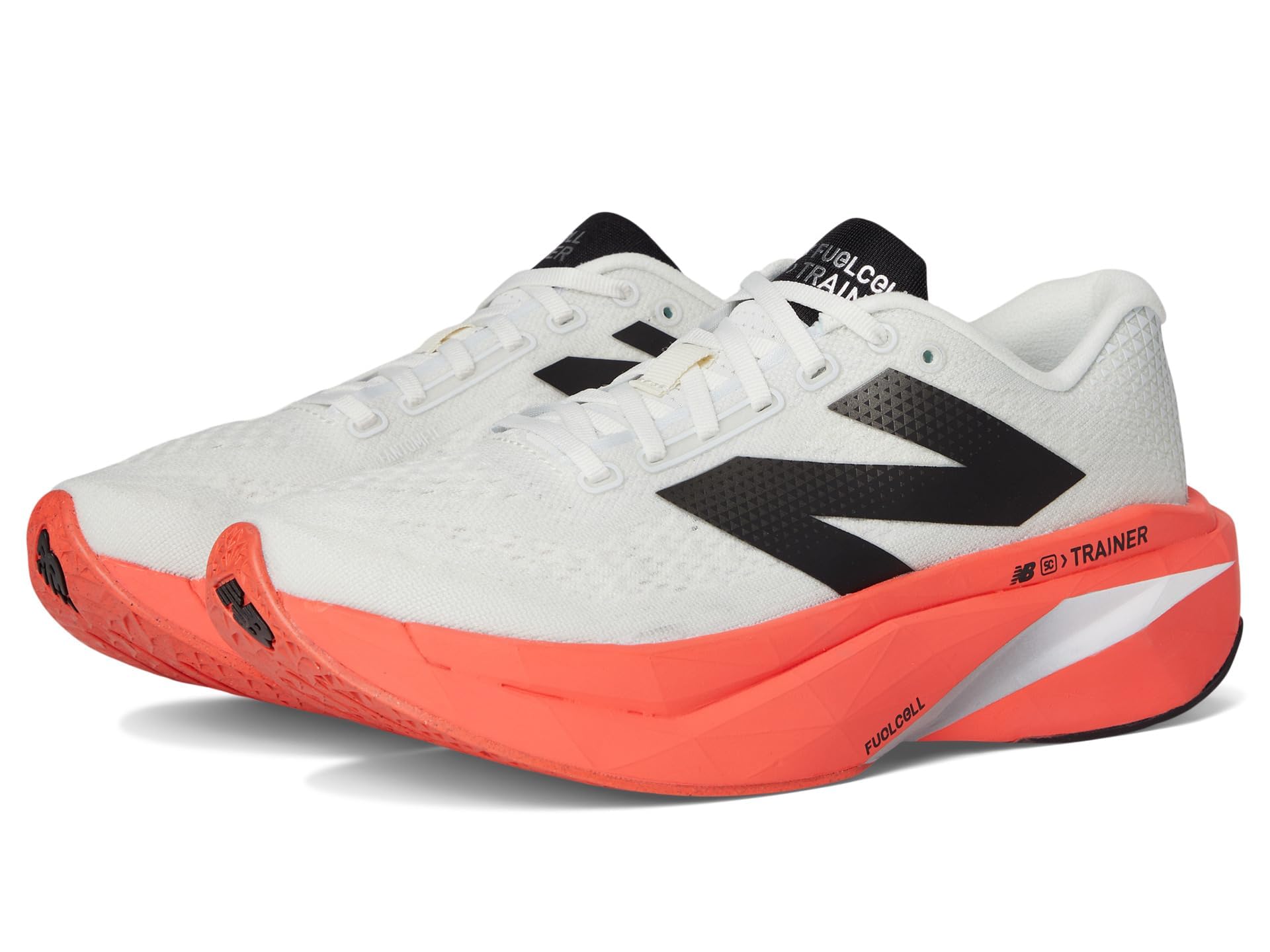
The Supercomp Trainer V3 sits at the top of the stack height chart with 42mm of FuelCell foam paired with an Energy Arc plate. Despite its generous cushion, the rocker shape keeps transitions smooth. The plate is less aggressive than a full carbon unit, offering a forgiving flex that suits long runs and recovery days without sacrificing bounce.
Reviewers describe the ride as both plush and responsive. The upper uses a soft engineered mesh that accommodates wider feet without rubbing. The heel counter is structured enough for a confident lock-in, and the heel-to-toe drop sits at a moderate 6mm, encouraging a midfoot strike pattern.
The weight is noticeable compared to sleeker racers, but the trade-off is exceptional shock absorption. Runners heavier than 200 pounds report that this shoe handles load without bottoming out. The outsole rubber is generous, which adds durability, though the shoe feels best at moderate paces rather than all-out sprinting.
Why it’s great
- 42mm stack delivers maximum impact protection
- Energy Arc plate provides a forgiving, smooth transition
- Wide platform offers impressive stability for a max-cushion shoe
Good to know
- Runs half a size large for some users
- Higher weight compared to carbon-plate racers
4. New Balance FuelCell Rebel V5
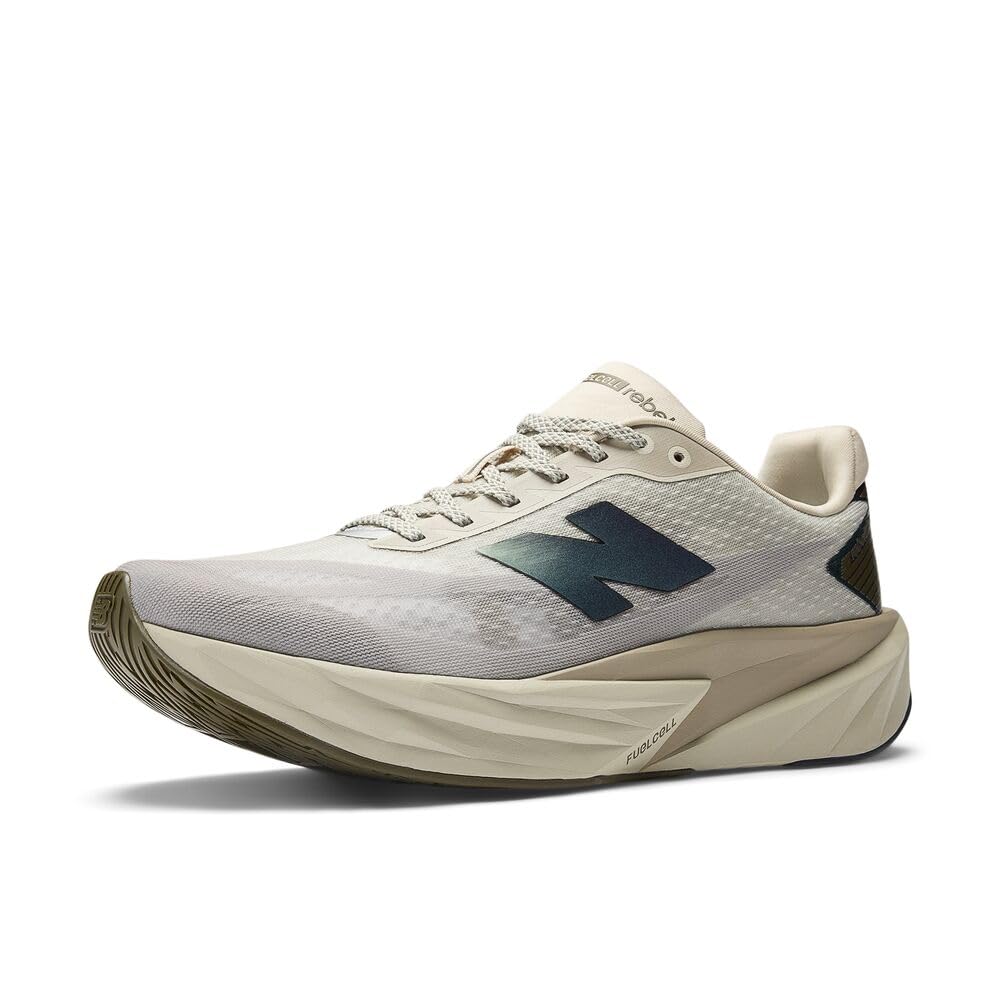
The FuelCell Rebel V5 trims weight and stack compared to its Supercomp sibling, settling into a 36mm heel height with a 6mm drop. The FuelCell foam is the same supercritical blend used in New Balance’s top-tier shoes, providing a lively, springy feel that works beautifully for tempo runs, intervals, and everyday distance training.
Multiple reviewers confirm the shoe fits true to size and feels noticeably lighter than the Supercomp Trainer V3. The upper uses a thin, breathable mesh with minimal overlays, which improves ventilation on warm days. The outsole layout is strategic rather than full coverage, keeping weight down while covering the key impact zones.
The midsole does not have a rigid plate, so the ride is more flexible and natural compared to carbon-plated alternatives. This makes it a better choice for runners who want a single shoe for varied paces. Some testers reported the outsole showing wear around the 75-100 mile mark, but the foam retains its responsiveness significantly longer.
Why it’s great
- Lightweight build and responsive FuelCell foam
- Versatile for tempo, intervals, and daily training
- Flexible ride without a plate works for varied paces
Good to know
- Outsole rubber thin in some zones, showing early wear
- Break-in period for the snug tongue fit
5. ASICS GT-2000 14
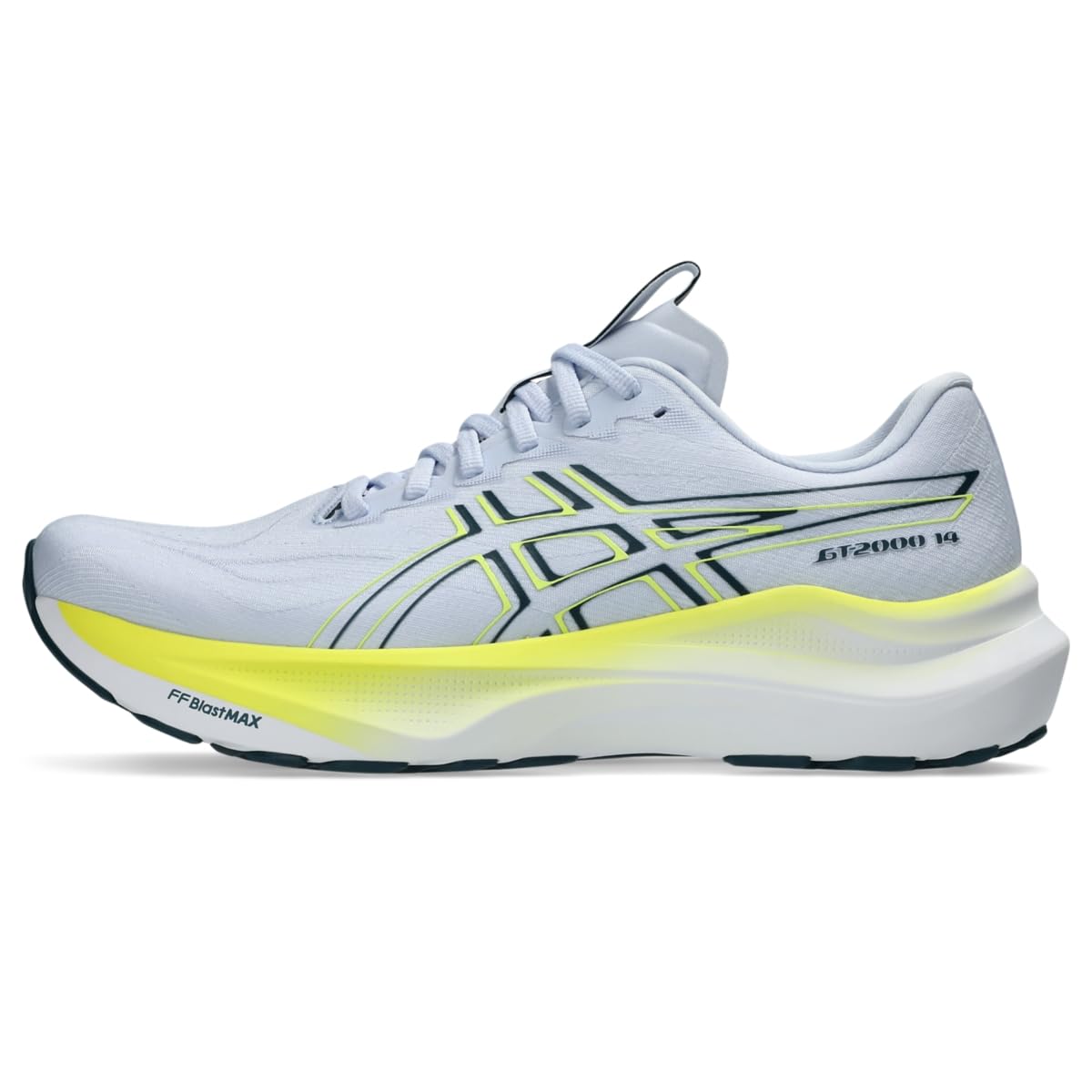
The GT-2000 14 is ASICS’s longstanding stability workhorse, now updated with LiteTruss technology that replaces traditional medial posts. The 30mm heel stack offers a moderate cushion depth, while the dual-density foam structure guides the foot through a more efficient gait cycle without feeling intrusive. This is a go-to for runners whose arches collapse during longer distances.
Regular buyers of the GT-2000 series report consistent fit and durability across models. The engineered mesh upper provides structure without excessive weight, and the heel cup includes internal support to prevent slippage. The outsole uses ASICS High Abrasion Rubber in the heel, which extends longevity for heel-strikers.
The midsole feel in version 14 leans firmer than the Kayano series, offering better ground feel for those who want guidance without plushness. Some runners with wider feet found the toe box narrower than the previous version, suggesting the wide variant for those who need extra room.
Why it’s great
- Reliable stability for overpronation during long runs
- LiteTruss technology offers guidance without stiffness
- Durable outsole rubber extends shoe life
Good to know
- Toe box runs narrower than GT-2000 13
- Firmer ride compared to premium cushioning shoes
6. ALTRA Escalante 4
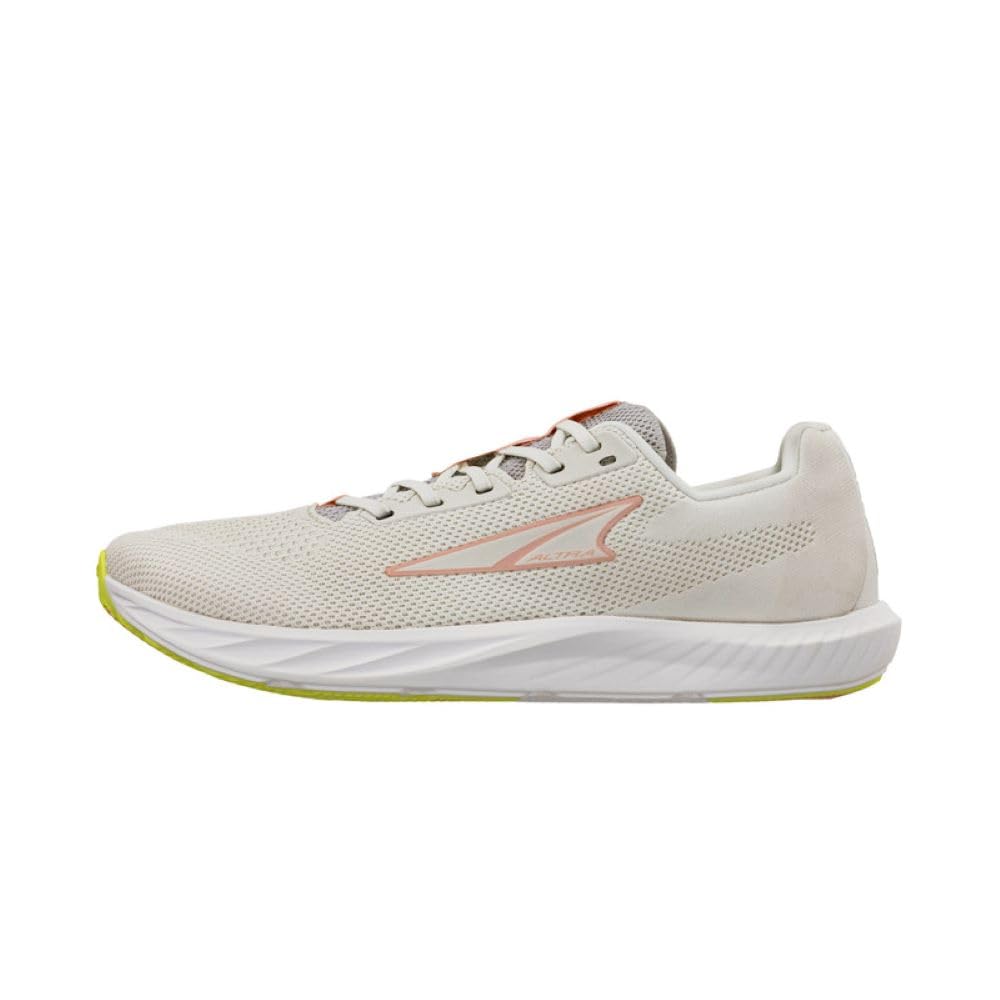
The Escalante 4 is Altra’s most road-friendly zero-drop shoe. With a 24mm stack height and EGO foam midsole, it offers a low-to-the-ground feel that maximizes ground feedback. The FootShape toe box allows the toes to splay naturally, which is a major advantage for runners who experience bunions, overlapping toes, or simply want a more anatomical fit.
Reviewers with forefoot issues consistently highlight the relief provided by the wide toe box. The zero-drop platform engages the calves and Achilles more than traditional shoes, which can improve running economy over time but requires a gradual transition for runners used to 8-10mm drops. The mesh upper is soft and flexible, reducing hot spots across the midfoot.
The EGO foam is moderately firm compared to supercritical foams, offering a stable platform for strength work and daily mileage. The outsole uses a segmented rubber layout that provides traction without adding weight. Laces are noted to be short and slippery, which some users replace with no-tie alternatives for a better lockdown.
Why it’s great
- Wide toe box alleviates bunion and toe crowding
- Zero drop encourages natural foot strike and calf engagement
- Lightweight and flexible for daily training
Good to know
- Zero drop requires gradual transition from traditional shoes
- Laces are short and may need replacement
7. Saucony Endorphin Speed 3
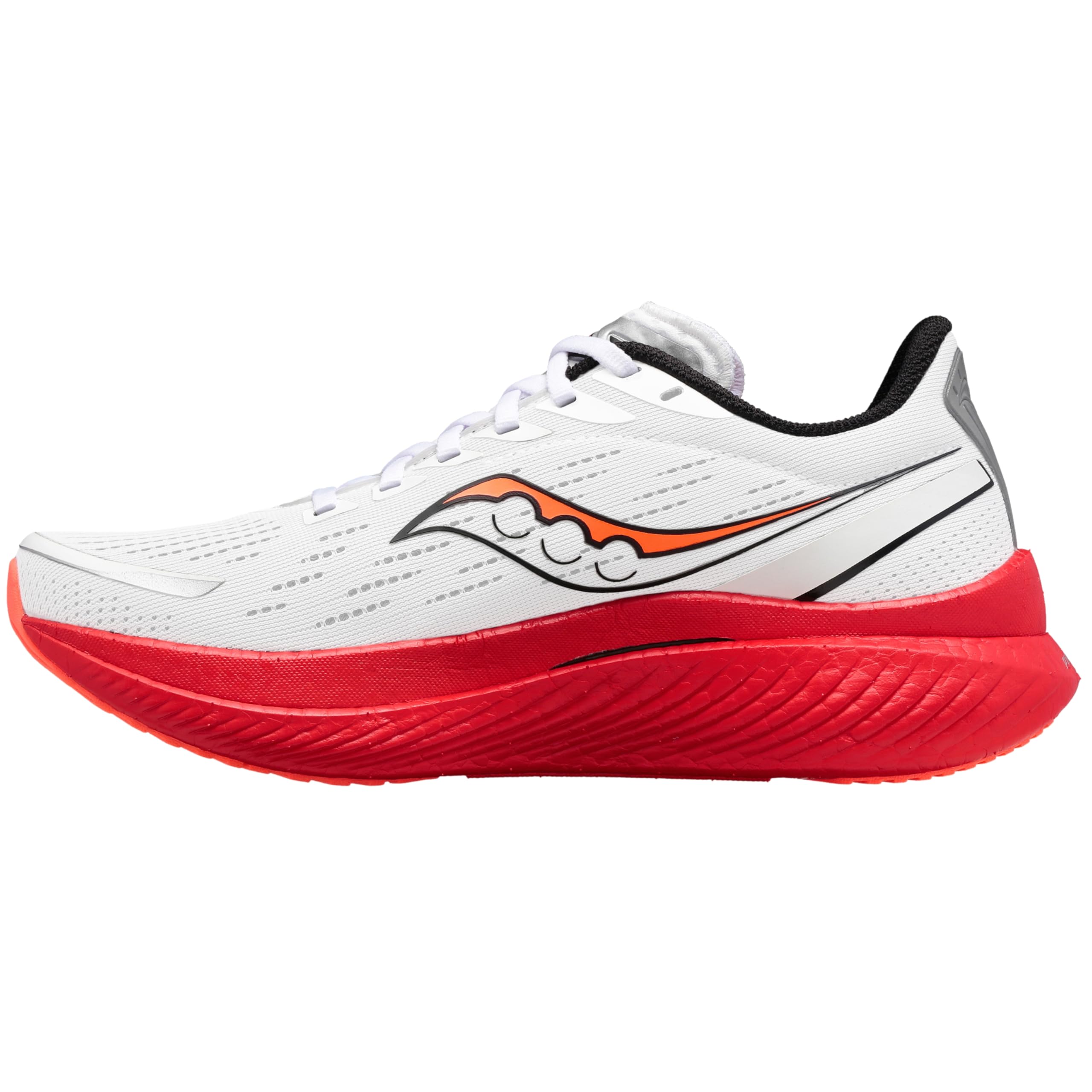
The Endorphin Speed 3 uses a nylon plate instead of carbon fiber, which softens the forefoot stiffness and makes the shoe more accommodating for a wider range of paces. The PWRRUN PB foam, a supercritical PEBA compound, delivers a lively bounce that reviewers consistently describe as comfortable and energetic for half-marathon training.
The SPEEDROLL rocker profile is the defining design feature. It creates a curved sole shape that reduces ankle flexion effort, particularly noticeable at faster paces. The mesh upper is breathable and flexible, adapting well to different foot volumes. Women’s testers with wide feet report that the toebox accommodates them without sizing up.
Compared to the Endorphin Pro 4, the Speed 3 trades some snap for everyday versatility. It works for easy runs, strides, and uptempo workouts without feeling unstable. The outsole rubber coverage is generous, and users report the durability is strong enough to handle up to 350-400 miles before noticeable foam degradation.
Why it’s great
- Nylon plate provides propulsive feel without excessive stiffness
- SPEEDROLL rocker reduces ankle effort on long runs
- Versatile for easy, tempo, and interval training
Good to know
- Not as race-ready as the carbon-plated Pro 4
- Some users prefer the bouncier PWRRUN HG foam of the Pro
8. Brooks Launch 10

The Brooks Launch 10 is a straightforward neutral daily trainer with DNA Flash foam, which provides a responsive yet firm ride. The 28mm heel stack places it on the lower end of the cushioning spectrum, offering more ground feel than the max-stack shoes. This makes it a strong choice for runners who want a lightweight shoe for daily mileage without excessive padding.
Loyal Brooks users appreciate the consistent fit and build quality across generations. The Launch 10 fits true to size and accommodates mild pronation through its structured medial sidewall. The engineered mesh upper is durable and breathable, while the internal heel counter provides a secure wrap without rubbing.
The outsole design uses segmented rubber with flex grooves that allow the foot to move naturally through the gait cycle. Some reviewers noted that the outer sole wore down to the midsole by 180 miles, which is a shorter lifespan than some competitors. However, the low price point offsets the reduced durability for budget-focused runners.
Why it’s great
- Responsive DNA Flash foam with a lightweight feel
- Structured design offers mild pronation support
- Consistent Brooks fit for loyal return buyers
Good to know
- Outsole durability is lower than average
- Firmer ride may feel harsh for those used to max cushioning
9. ASICS Hyper MD 8
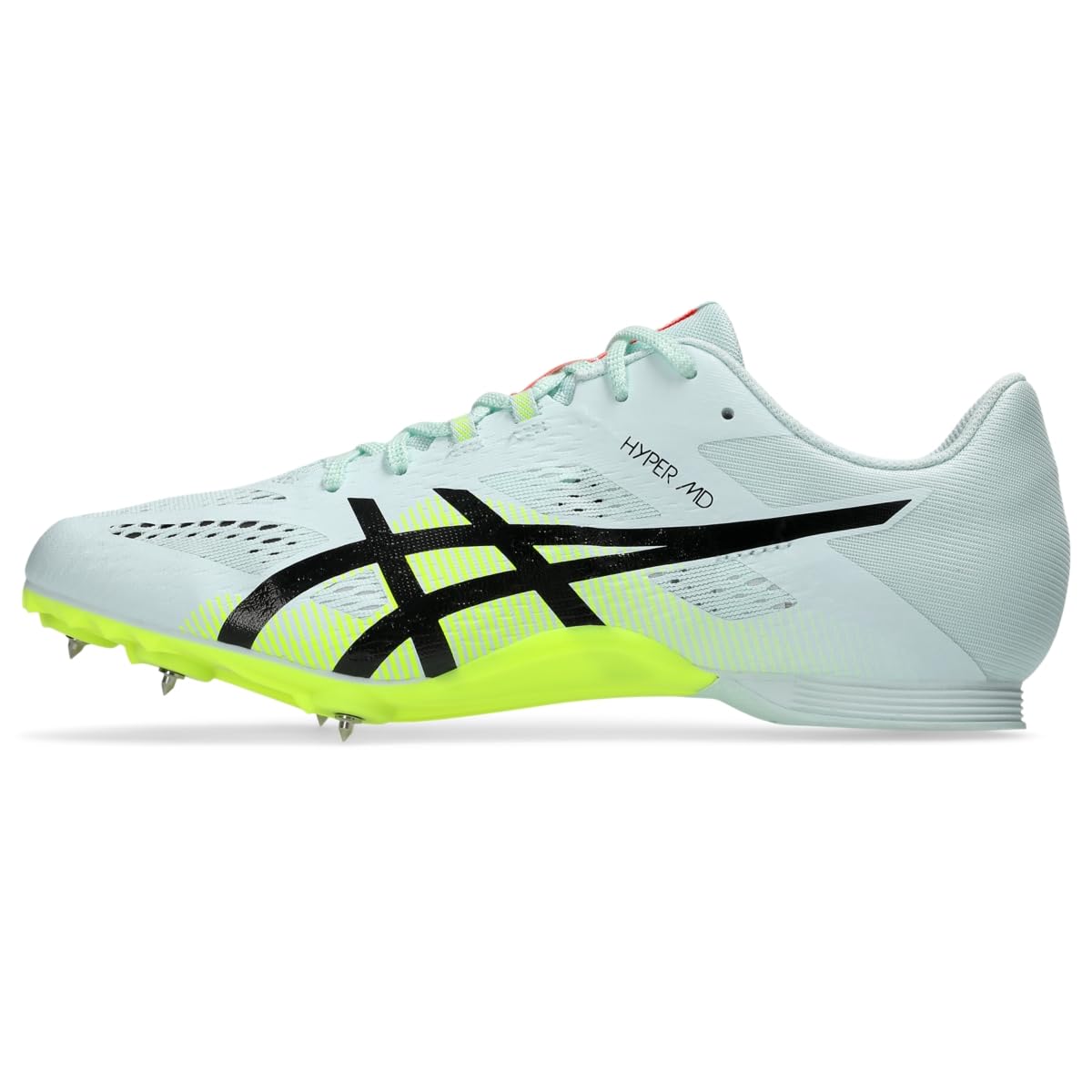
The Hyper MD 8 is a traditional track spike designed specifically for middle-distance events from 400 meters through 1500 meters. Unlike the road shoes on this list, it features a rigid nylon plate with removable spike pins that dig into the track surface for maximum traction. The synthetic upper is minimalist, weighing significantly less than any trainer on this list.
Younger athletes and their families highlight the accurate sizing and lightweight feel. The shoe fits true to size and provides a snug heel lock that prevents heel slip during aggressive toe-off. The spike plate offers good stiffness for efficient energy transfer into the track, which is critical for hitting PRs in events like the 800m.
This is not a shoe for casual laps or road running — the spikes are specifically for rubberized tracks. The cushioning is minimal, with only a thin sockliner separating the foot from the plate, so it prioritizes speed over comfort. For dedicated track athletes focusing on middle-distance events, the Hyper MD 8 delivers race-ready performance at an accessible price point.
Why it’s great
- Lightweight construction with efficient spike plate
- Secure heel lock for aggressive toe-off on turns
- True-to-size fit for young athletes
Good to know
- Minimal cushioning limits use to race day only
- Not suitable for road running or casual wear
FAQ
Is a carbon fiber plate necessary for distance track racing?
What stack height should I target for half-marathon training?
How do zero-drop shoes like the Altra Escalante affect running form?
Final Thoughts: The Verdict
For most users, the best distance track shoes winner is the ASICS SUPERBLAST 2 because it delivers exceptional cushioning, stability, and responsiveness in a single package that works for daily training and race-day efforts alike. If you want a carbon-plated race shoe with genuine snap, grab the Saucony Endorphin Pro 4. And for those prioritizing natural foot mechanics and toe splay, nothing beats the ALTRA Escalante 4.

Mo Maruf
I created WellFizz to bridge the gap between vague wellness advice and actionable solutions. My mission is simple: to decode the research and give you practical tools you can actually use.
Beyond the data, I am a passionate traveler. I believe that stepping away from the screen to explore new environments is essential for mental clarity and physical vitality.