Our readers keep the lights on and my smoothie glass nicely filled. As an Amazon Associate, I earn from qualifying purchases.
Store-bought window sprays leave behind a film of ammonia, alcohol, and artificial fragrances that attract dust and make glass look hazy hours after you clean. A well-crafted DIY recipe strips grease, lifts hard water spots, and dries to a brilliant optical clarity using ingredients you already have in your pantry.
I’m Mohammad Maruf — the founder and writer behind WellFizz. I’ve analyzed dozens of concentrated vinegar solutions, soap formulations, recipe collections, and plant-derived cleaners to find the formulas that actually outperform conventional glass sprays on real-world smudges, fingerprints, and mineral buildup.
After comparing acidity levels, surfactant profiles, and customer-reported results across five distinct products, the best diy window cleaner is the one that combines the highest usable concentration of acetic acid with a design that fits your specific cleaning routine.
How To Choose The Best DIY Window Cleaner
A DIY window cleaner is only as effective as its acid concentration and surfactant balance. Pure white vinegar at standard 5% acidity works for light dust, but tough mineral deposits and road grime require a higher acetic acid percentage or a dedicated soap that suspends dirt off the glass. The right choice depends on whether you want to mix your own concentrate or buy a pre-diluted, squeegee-ready solution.
Acetic Acid Percentage
This is the single metric that separates a maintenance spray from a degreasing, hard-water-busting cleaner. Standard household vinegar sits at 5% acidity. Cleaning vinegar ranges from 6% to 30%. Concentrations above 10% can be diluted 3-to-1 or 4-to-1 with water and still outperform undiluted 5% vinegar. Higher percentages also kill mold spores and break down soap scum faster, making them the smarter base for any DIY recipe.
Surfactant and Soap Compatibility
Plain vinegar on glass often leaves a hydrophobic film that beads up and dries into streaks. A small amount of dish soap, Castile soap, or a dedicated squeegee soap changes the surface tension so water sheets off evenly. Pre-formulated window-cleaning soaps like Ettore’s Squeegee-Off include professional surfactants that suspend dirt and allow the squeegee blade to glide without skipping, which is critical for large panes and commercial-grade results.
Residue and Safety Profile
Ammonia-based cleaners etch certain window tints and produce fumes that are irritating for sensitive households. Plant-derived cleaners with organic extracts provide a streak-free finish without VOCs, phthalates, or phosphates. If you have pets or children, a formula that lists “safe after drying” or “no rinsing required” gives you the confidence to spray liberally without worrying about chemical exposure on floors or countertops near windows.
Quick Comparison
On smaller screens, swipe sideways to see the full table.
| Model | Category | Best For | Key Spec | Amazon |
|---|---|---|---|---|
| Ettore 30116 Squeegee-Off | Pre-Mixed Soap | Streak-free squeegee work | Ammonia-free, biodegradable | Amazon |
| Originally Yellow 1 Gallon | Plant-Derived | Gentle, no-smell cleaning | 1 gallon, lavender or lemon | Amazon |
| 75% Concentration Vinegar | Raw Concentrate | Maximum DIY dilution control | 75% acetic acid | Amazon |
| The Organically Clean Home (Book) | Recipe Collection | Learning foundation ratios | 224 pages, 150 recipes | Amazon |
| Tillbrook 6% Cleaning Vinegar | Lemon-Infused | Mild multi-surface cleaning | 6% acidity | Amazon |
In‑Depth Reviews
1. Ettore 30116 Squeegee-Off Window Cleaning Soap, 16 Fl Oz (Pack of 2)

Ettore is a professional-grade brand trusted by window washers who make their living pulling squeegees across storefronts. This concentrated soap is designed specifically to suspend dirt and allow a rubber blade to glide without chatter or skipping. The 16-ounce bottle makes multiple gallons of ready-to-use solution, so a single two-pack covers a full season of window cleaning for the average home.
Customers consistently report zero streaks when used with a proper squeegee and microfiber edge towel. The formula contains no ammonia, making it safe for tinted windows, painted frames, and household pets. The fragrance is mild and industrial — no fake citrus or floral notes — which means it rinses clean without leaving a residue that attracts pollen or dust.
For the DIY window cleaner who owns or plans to buy a squeegee, this is the most predictable, repeatable product on the list. It removes the guesswork of mixing your own surfactant ratio and delivers the same result every time: flat, crystal-clear glass.
Why it’s great
- Engineered specifically for professional squeegee use, producing a flawless sheet of water that dries streak-free
- Highly concentrated — a single 16-ounce bottle yields multiple gallons of cleaning solution
- Ammonia-free and biodegradable, so it is safe on tinted windows, painted sills, and septic systems
Good to know
- Requires a squeegee and microfiber towel setup to achieve the advertised results; not ideal for spray-and-wipe use
- The industrial scent is not unpleasant, but it lacks the essential-oil appeal of plant-based alternatives
2. Originally Yellow Lemon White Vinegar For Cleaning Purpose, 1 Gallon in 2 pack
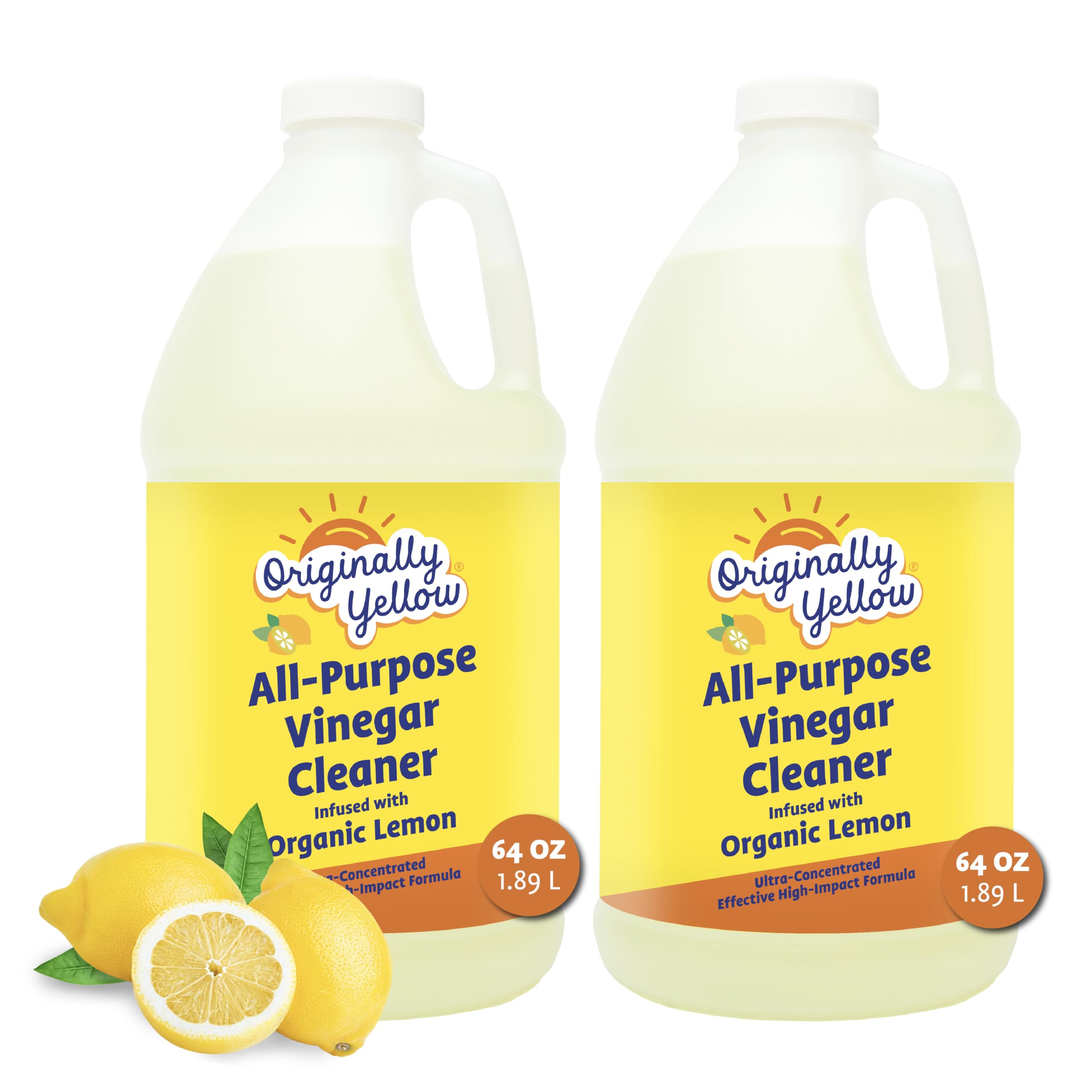
Originally Yellow distinguishes itself by eliminating the strong, acidic odor that turns most people off from using vinegar indoors. The formula relies on plant-derived vinegar paired with organic lavender or lemon extract, producing a cleaning solution that smells fresh rather than pickled. Despite the gentle scent profile, the cleaning power holds up on glass, luxury vinyl plank floors, and sealed stone without leaving a film.
Users report that this product works beautifully in steam mops and floor sprayers without causing streaks on tile or hardwood. The 1-gallon jug provides a generous supply, and because the formula is already diluted to a safe strength, you can pour it directly into a spray bottle without any mixing math. The packaging is BPA-free and recyclable, which aligns with the environmental ethos behind DIY-style cleaning.
This option works best for households where both the humans and the animals are sensitive to chemical fumes. The switch from conventional all-purpose sprays to this vinegar base resolved skin irritation for several customers’ dogs, and the lack of volatile organic compounds means you can clean windows with the kids in the room.
Why it’s great
- No lingering vinegar odor — the lavender or lemon scent is fresh and dissipates quickly
- Pre-diluted and ready to use straight from the jug, making it the most convenient entry point into vinegar-based window cleaning
- Free of bleach, alcohol, VOCs, parabens, phthalates, and phosphates
Good to know
- At a mid-range price point, it costs more per ounce than raw concentrate that you dilute yourself
- The lower concentration is less effective on thick, baked-on hard water scale compared to higher-acid options
3. 75 Percent Concentration Vinegar, All-Natural Multipurpose General Cleaner, 32 Fl Oz
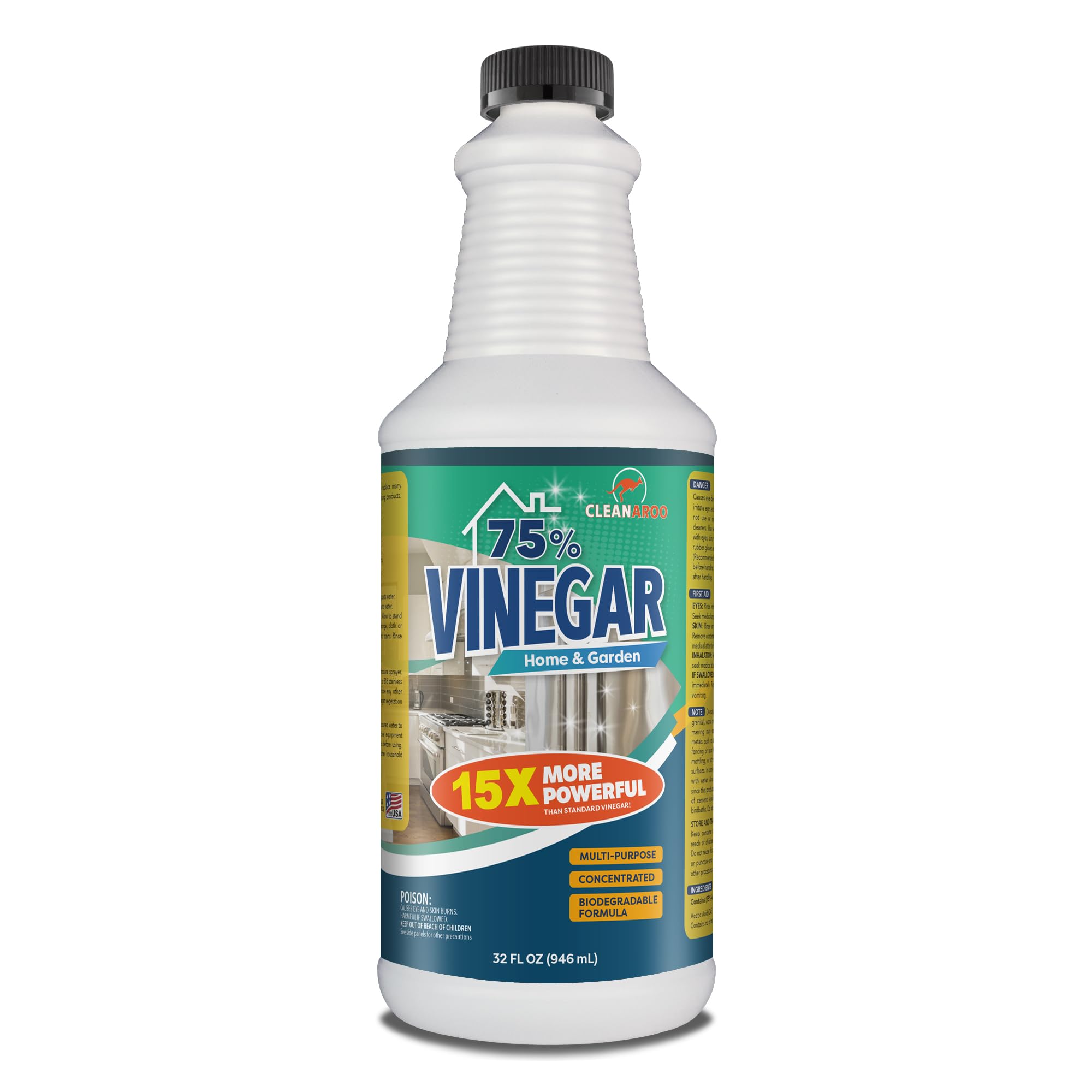
At 75% acetic acid, this product is roughly 15 times stronger than standard grocery-store vinegar. It is not a ready-to-use window spray — it is a raw industrial concentrate that must be diluted before application. A ratio of one part this vinegar to three or four parts water produces a solution that dissolves soap scum, hard water deposits, and road film faster than any pre-mixed product on this list.
Customers use this concentrate for a wide range of tasks beyond window cleaning, including rust removal from tools, weed killing in driveways, and laundry brightening. The vinegar smell is intense during application but fades quickly once the surface dries. The 32-ounce bottle lasts for months because you use so little per batch.
This is the best choice for the serious DIY enthusiast who wants total control over dilution strength. You can fine-tune the recipe for different cleaning jobs: a mild 10:1 ratio for daily glass misting, a stronger 3:1 ratio for stripping mineral deposits off shower doors, and an even stronger mix for outdoor surfaces. The flexibility is unmatched.
Why it’s great
- Extremely high acidity (75%) allows you to create custom dilution ratios for every surface and soil level
- One 32-ounce bottle replaces dozens of store-bought cleaners when diluted properly, saving both money and storage space
- Contains no dyes, additives, or preservatives — just pure vinegar and water
Good to know
- Requires careful handling and accurate dilution; undiluted contact may damage unsealed stone, wood, or sensitive surfaces
- The strong acetic odor during mixing is off-putting for some users, even though it dissipates quickly
4. The Organically Clean Home: 150 Everyday Organic Cleaning Products You Can Make Yourself
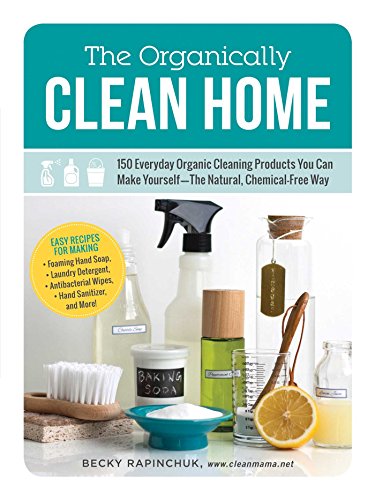
This 224-page paperback by Becky Rapinchuk (Clean Mama) is a reference book, not a cleaning product. It teaches you the exact ratios for mixing vinegar, baking soda, Castile soap, borax, and essential oils into effective window, glass, and surface cleaners. Unlike buying a pre-mixed bottle, this book gives you the foundational knowledge to tweak each recipe based on your water hardness, climate, and personal scent preferences.
Customer feedback highlights that the recipes actually outperform commercial chemical cleaners once you dial in the proportions. The book dedicates entire chapters to glass and mirror cleaning, explaining why certain surfactants cause streaking and how to avoid it. It also covers cleaning schedules and organizational tips, making it a complete household management resource rather than just a recipe pamphlet.
For the lifelong DIY enthusiast who wants to understand the chemistry behind streak-free glass rather than just buy a bottle, this book pays for itself after the first three or four batches. The startup cost for the ingredients — vinegar, Castile soap, and spray bottles — is modest, and the knowledge is reusable indefinitely.
Why it’s great
- Teaches the science behind each ingredient, so you can troubleshoot streaks, residue, and suds issues on your own
- Organized by room with specific recipes for glass, mirrors, window tracks, and screens
- Recipes are made from pantry staples and cost pennies per batch compared to store-bought sprays
Good to know
- Requires an upfront purchase of multiple base ingredients (vinegar, borax, Castile soap, essential oils) which costs roughly the same as two bottles of pre-mixed cleaner
- Not a grab-and-go solution — you must mix each batch yourself, which adds a few minutes to your cleaning routine
5. Tillbrook Cleaning Vinegar – Extra Strength 6% Acidity, 32 oz Fresh Lemon
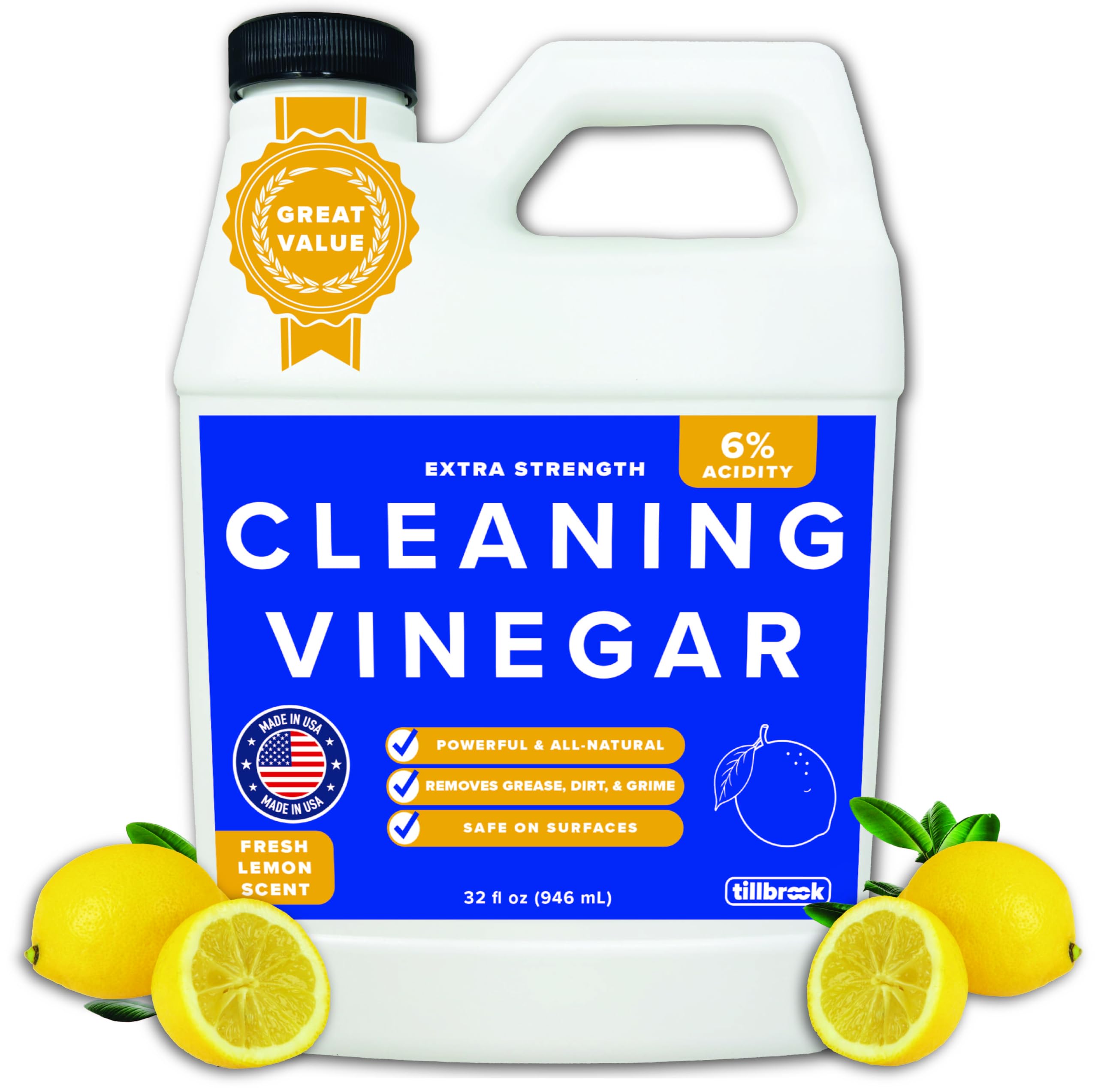
Tillbrook’s cleaning vinegar sits at 6% acidity — just one percentage point above standard white vinegar — but the addition of fresh lemon extract makes it significantly more pleasant to use on indoor glass surfaces. The citrus note masks the sharp acetic edge without adding synthetic fragrance oils, and the formula is designed to rinse clean with no leftover tackiness or film on windows or mirrors.
Customers have used this vinegar effectively to remove rust from metal surfaces, kill fungus in plant areas, and freshen laundry, but its primary strength is as a mild, daily-use window and surface cleaner. It is safe on sealed stone, stainless steel, grout, porcelain, and painted wood. Because the acidity is relatively low, you can use it full-strength without worrying about damaging finishes, and it deodorizes as it cleans.
This option is ideal for households that clean windows frequently — every week or every few days — and need a gentle, non-aggressive spray that won’t irritate skin or lungs with repeated use. It is also the best choice for renters who are unsure about the tolerance of their window seals and frames to high-acid chemicals.
Why it’s great
- Pleasant lemon scent makes indoor window cleaning feel less like a chore with harsh odors
- Low 6% acidity is safe for frequent use on most sealed surfaces without risk of etching or discoloration
- Versatile enough to use as a fabric rinse, rust remover, and general surface cleaner beyond windows
Good to know
- At 6% concentration, it is not strong enough to dissolve thick calcium deposits or baked-on hard water scale without repeated applications
- The 32-ounce bottle is on the smaller side for the price compared to bulk gallon options or concentrated alternatives
FAQ
Can I use standard 5% white vinegar for streak-free windows?
Why does my DIY window cleaner leave a white film on the glass?
How do I safely dilute a 30% or 75% cleaning vinegar for windows?
Final Thoughts: The Verdict
For most users, the best diy window cleaner winner is the Ettore 30116 Squeegee-Off because it eliminates the mixing guesswork and produces professional-grade, streak-free results with every use. If you want total control over dilution strength and a single bottle that handles windows, rust, and weeds, grab the 75% Concentration Vinegar. And for a gentle, pet-safe option that smells pleasant and works straight from the bottle, nothing beats the Originally Yellow 1-Gallon Lemon Vinegar Cleaner.

Mo Maruf
I created WellFizz to bridge the gap between vague wellness advice and actionable solutions. My mission is simple: to decode the research and give you practical tools you can actually use.
Beyond the data, I am a passionate traveler. I believe that stepping away from the screen to explore new environments is essential for mental clarity and physical vitality.