Our readers keep the lights on and my smoothie glass nicely filled. As an Amazon Associate, I earn from qualifying purchases.
Brushing a dog’s teeth is a battle most owners lose—wriggling muzzles, snapped toothbrushes, and a lingering stench that toothpaste cannot mask. A targeted spray bypasses the struggle entirely, depositing active ingredients directly onto the gum line where plaque hardens into tartar. The right formula breaks down biofilm, neutralizes volatile sulfur compounds, and supports gum health without requiring your dog to cooperate.
I’m Mohammad Maruf — the founder and writer behind WellFizz. I’ve spent countless hours cross-referencing active ingredients, reading veterinary dermatology abstracts on oral microbiome management, and analyzing user-reported outcomes across dozens of dog dental sprays for tartar.
This guide cuts through the marketing noise to compare the top contenders. Whether you need a daily maintenance spray or a heavy-duty plaque remover, you’ll find a clear winner after reading our analysis of the best dog dental spray for tartar on the market today.
How To Choose The Best Dog Dental Spray for Tartar
Not all dental sprays are created equal. Some simply mask odors with mint or spearmint oil, providing zero tartar-fighting action. Others contain enzymatic compounds that actively break down the polysaccharide matrix holding plaque to enamel. To pick a spray that actually reduces calculus buildup, you need to look past the front-label claims and study the ingredient deck.
Enzyme vs. Surfactant: The Active Ingredient Divide
Enzymatic sprays use glucose oxidase or lactoperoxidase to create an environment hostile to odor-causing bacteria while disrupting biofilm. Surfactant-based sprays, like those containing sodium lauryl sulfate or proprietary blends such as Biotrate Technology, physically weaken the plaque structure so it flakes off during eating or drinking. If your dog has heavy brown tartar, a surfactant-based formula typically delivers faster visible results. For maintenance of already-clean teeth, an enzymatic approach offers gentler daily support.
Delivery Mechanics Matter More Than You Think
A well-formulated spray is useless if your dog hates the application process. Pump-style sprays produce a loud hiss that spooks sensitive pets, while squeeze-bottle droppers sneak in without noise. The nozzle pattern also matters: a wide fan covers multiple teeth in one spritz, whereas a narrow stream forces you to aim at individual molars. Before committing to a 4-ounce bottle, check whether the spray head delivers a consistent, quiet mist that your dog tolerates.
Alcohol, Xylitol, and Other Red-Flag Ingredients
Many budget sprays contain alcohol as a preservative or drying agent, which stings inflamed gums and discourages future application. Xylitol, though common in human oral care, is toxic to dogs even in small amounts. Safe tartar sprays are alcohol-free, xylitol-free, and chlorhexidine-free, relying instead on colloidal silver, sea kelp, or baking soda for antimicrobial action. Always scan the materials-free section of the label before purchasing.
Quick Comparison
On smaller screens, swipe sideways to see the full table.
| Model | Category | Best For | Key Spec | Amazon |
|---|---|---|---|---|
| NuLife Natural Pet Health Kelp Powder | Food Powder | Dogs that refuse mouth sprays | USDA organic Icelandic kelp | Amazon |
| Oxyfresh Water Additive | Water Additive | Multi-pet households | Odorless, tasteless formula | Amazon |
| Bodhi Dog Breath Spray | Direct Spray | Instant odor relief | Baking soda + honey + clove | Amazon |
| SILVER GRADE Colloidal Spray | Direct Spray | Long-term tartar prevention | Colloidal silver + deionized water | Amazon |
| Vetradent Dental Spray | Direct Spray | Veterinary-recommended protocol | Biotrate Technology | Amazon |
In‑Depth Reviews
1. NuLife Natural Pet Health Kelp Powder
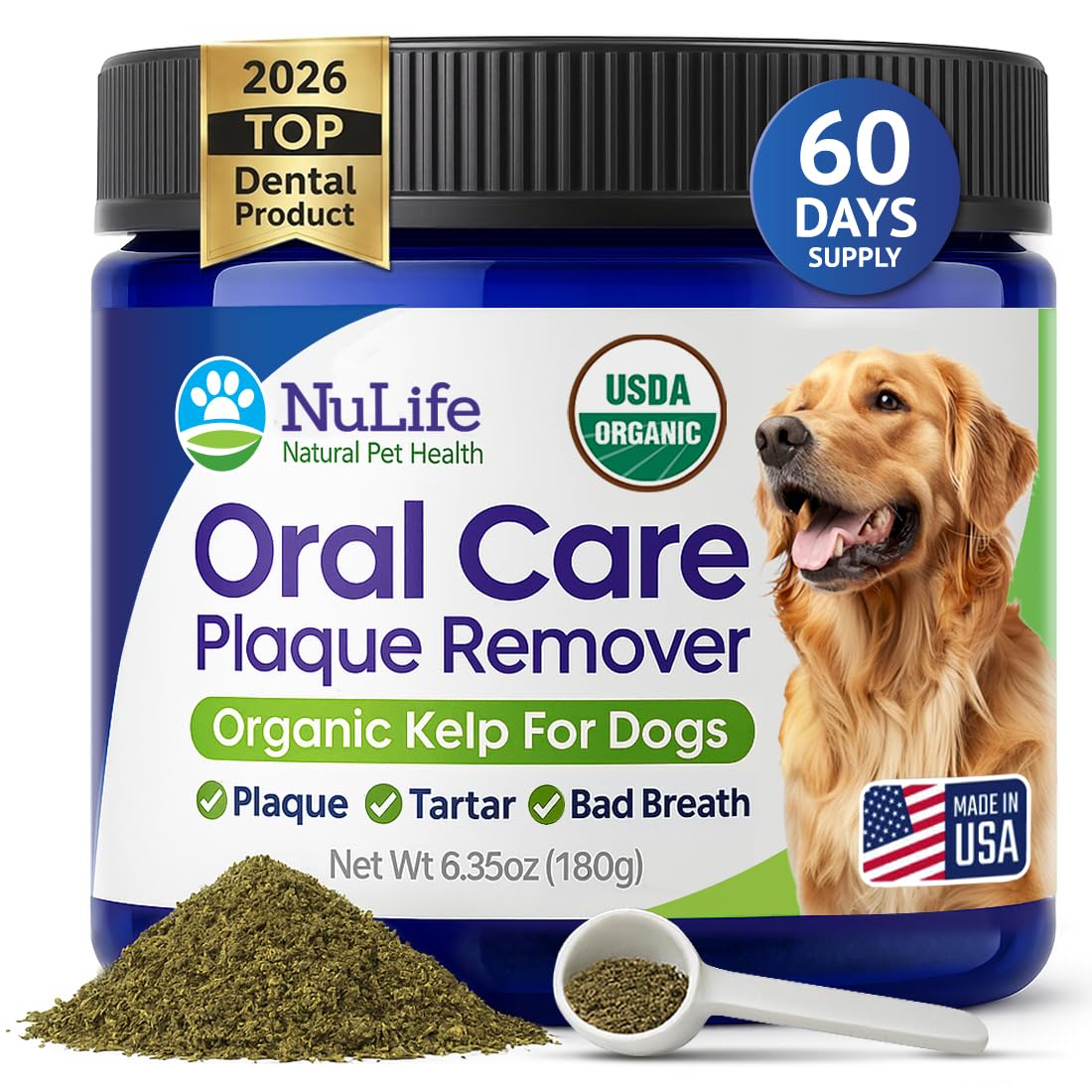
This isn’t a spray at all—and that is precisely its superpower. The USDA organic Icelandic sea kelp powder targets tartar from the inside out. When sprinkled onto food daily, the kelp’s natural enzymes and iodine content alter the saliva chemistry, making it harder for plaque to mineralize into hard calculus. Owners of senior dogs with heart conditions who cannot undergo dental anesthesia report that half a scoop per day virtually eliminated dark brown buildup within weeks.
The powder dissolves easily into wet food and clings to kibble, so even picky eaters consume it without suspicion. Because the active ingredient works systemically rather than topically, it reaches all surfaces of the teeth—including the back molars that sprays often miss. The 6-ounce bag lasts roughly two months for a medium-sized dog, making it a low-effort, high-compliance solution for long-term tartar management.
One caveat: the powder does nothing for immediate bad breath. If your dog’s mouth smells foul right now, you will need a direct spray or water additive to handle the volatile sulfur compounds while the kelp works on the underlying calculus. Also, a small subset of dogs saw no breath improvement even after finishing the entire bag, suggesting individual microbiome variation affects efficacy.
Why it’s great
- USDA organic certification guarantees purity and no pesticide residue.
- Zero application struggle—dogs eat it without noticing.
- Works on hard-to-reach posterior teeth that sprays often cannot coat.
Good to know
- Does not provide immediate breath freshening effect.
- Results depend on consistent daily serving over weeks.
- Not suitable for dogs with thyroid conditions due to high iodine content.
2. Oxyfresh Premium Pet Dental Care Water Additive
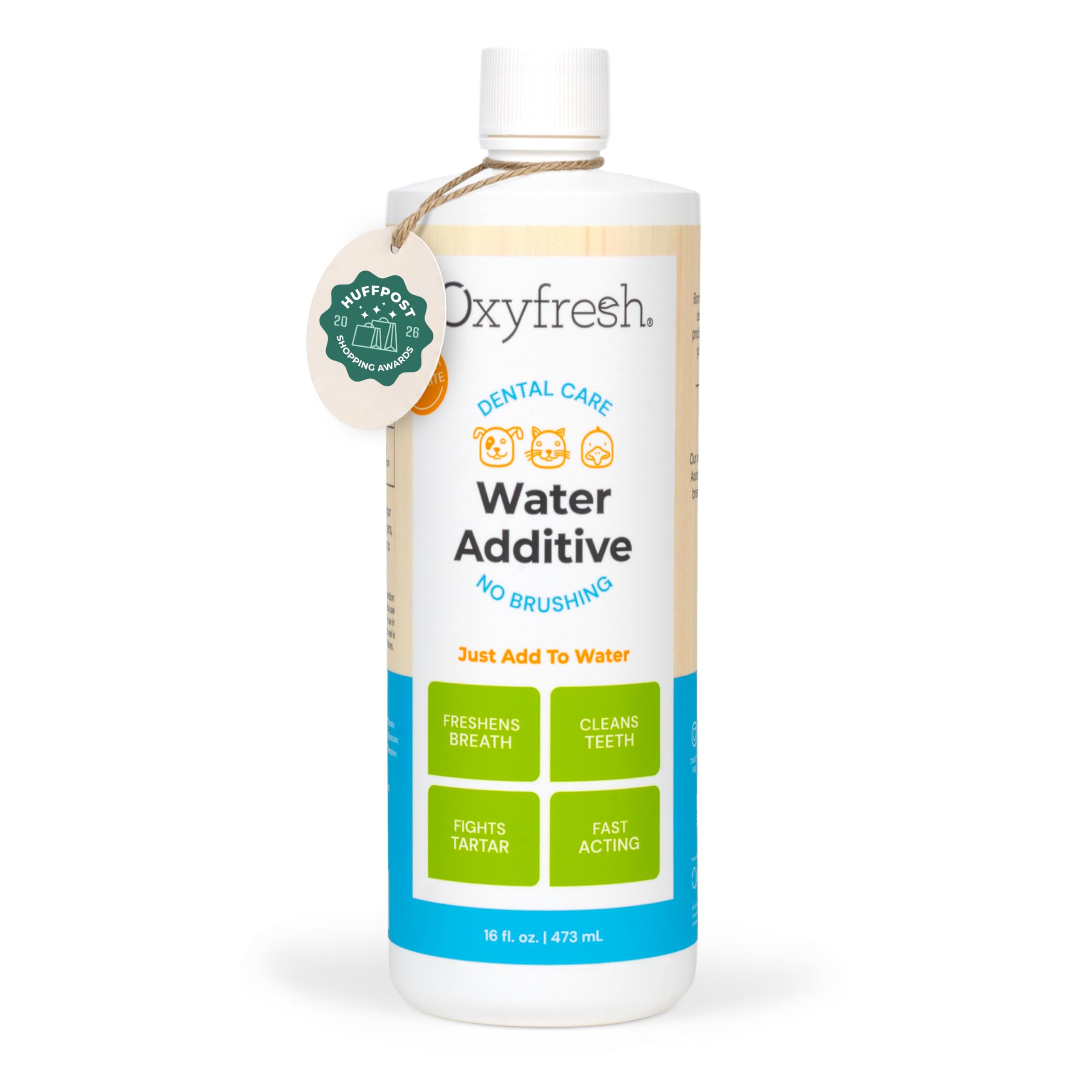
Oxyfresh takes a completely different approach: rather than spraying directly onto the teeth, you add one capful to the water bowl each day. The formula contains a proprietary oxy-chlorine compound that breaks down biofilm and neutralizes the volatile sulfur compounds responsible for bad breath. Because the water additive is odorless and tasteless, dogs drink it without hesitation—no minty aftertaste, no suspicious flavor. Owners report overnight improvement in breath odor, with visible tartar reduction appearing over the following weeks.
The 16-ounce bottle stretches impressively far: at the standard dosage (half a teaspoon per 16 ounces of water), a single bottle lasts five to six months for most homes. This makes it one of the most cost-efficient options for multi-dog households. Multiple owners report that their veterinarians noticed measurably healthier gums and less calculus accumulation during annual checkups after three months of use, potentially saving hundreds of dollars on professional dental cleanings.
The drawback is that water additives depend entirely on your dog drinking enough. If you have a cat or dog with kidney disease who drinks excessively, you may need to adjust the concentration to prevent the taste from becoming detectable. A few owners reported that their dog temporarily refused the water after an accidental overdose, though switching to plain water for a day and restarting at the correct dose resolved the issue.
Why it’s great
- Five to six months of supply per bottle is exceptional value.
- No application hassle—dogs self-administer through drinking.
- Vet-recommended ingredients that have shown measurable tartar reduction in long-term use.
Good to know
- Dependent on adequate water intake; sick or dehydrated dogs receive zero benefit.
- Overdosing can cause temporary taste aversion.
- Does not provide the mechanical disruption that a direct spray or powder might.
3. Bodhi Dog Natural Breath Freshener Spray

Bodhi Dog is the kind of spray that solves an immediate crisis. The blend of baking soda, honey, clove, and spearmint works on contact to neutralize the worst dog breath—the kind that follows a rotten carcass roll or a week of neglected oral care. Owners of large breeds with notoriously stinky mouths report that 15 to 20 sprays eliminate the smell entirely within minutes. The sweet, honey-forward taste is a major acceptance driver; even dogs that have historically run from oral care products tolerate this spray without resistance.
For tartar control, the spray functions as a maintenance tool rather than a heavy-duty remover. The baking soda provides mild abrasive action that can loosen early-stage plaque, but the formula lacks the enzymatic compounds or surfactant technology needed to dissolve established calculus. This makes it ideal for owners who want to keep clean teeth clean and want an instant breath fix after meals or outdoor adventures.
The 8-ounce bottle is generous, but the application guidance—20 sprays for a 75-pound dog—means you will go through it faster than you might expect if you treat multiple times daily. Some owners also note that the alcohol-free formula leaves a sweet residue that attracts dirt and debris if applied immediately before outdoor play, so timing matters.
Why it’s great
- Instantly neutralizes even extreme bad breath from decaying matter.
- Sweet honey-clove flavor is highly palatable across breeds.
- Made in the USA with locally sourced, sustainable ingredients.
Good to know
- Not formulated to dissolve established tartar; primarily a breath refresher.
- Requires multiple daily applications for persistent odor.
- Sweet residue may attract dirt if applied before outdoor time.
4. SILVER GRADE Teeth & Gum Dog Breath Spray
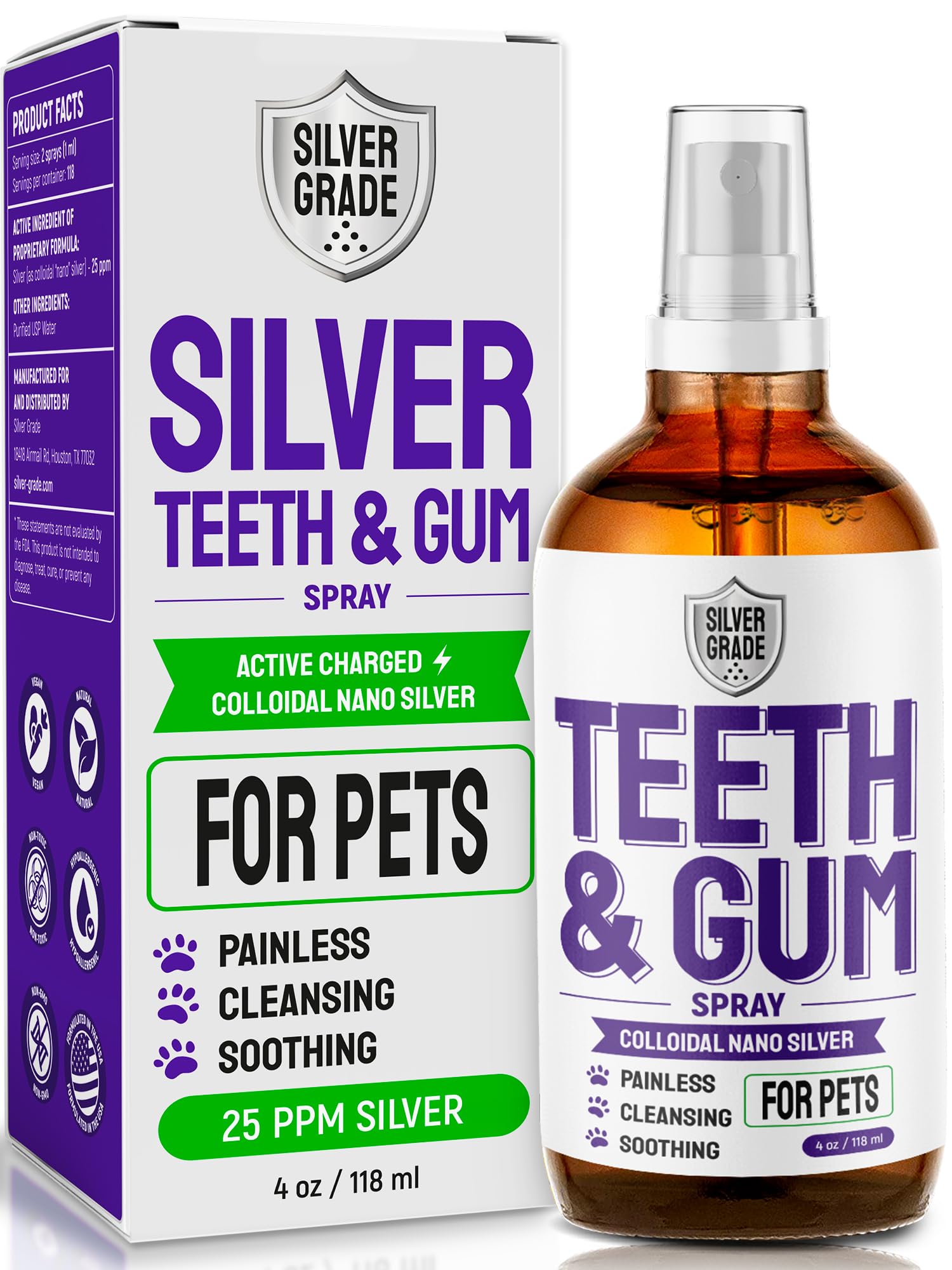
SILVER GRADE’s spray relies on colloidal silver as its active antimicrobial agent. Silver ions bind to bacterial cell walls, disrupting their metabolism and preventing the biofilm formation that leads to tartar. This mechanism is particularly effective for dogs with chronic gingivitis or early-stage periodontal disease. Owners of elderly toy breeds who were losing teeth to decay report that consistent use over three to four months stopped further tooth loss and visibly reduced gum inflammation.
The formula is minimal—no additives, artificial colorants, or GMOs—which makes it safe for multi-pet households where a single product might be sprayed into the mouths of dogs, cats, rabbits, and even horses. The 4-ounce bottle lasts about a month with twice-daily application on a medium-sized dog. Users note that the pump-style spray nozzle produces a faint hiss that can startle noise-sensitive dogs, though the taste itself is well-tolerated.
The primary limitation is the pump mechanism. Several owners report that the nozzle delivers droplets rather than a fine mist, making it harder to coat the entire gum line in one go. A few also mention that after four days of use they saw no visible tartar flaking, suggesting that the formula works more as a preventive than a remover of existing calculus.
Why it’s great
- Colloidal silver provides a broad-spectrum antimicrobial action without antibiotics.
- Safe for cats, rabbits, and horses—ideal for multi-species households.
- Clean ingredient list with no alcohol, xylitol, or artificial additives.
Good to know
- Pump nozzle can startle sensitive dogs with its noise.
- Works best as a tartar preventive, not a remover of existing calculus.
- Shorter shelf life than powder or water additive formats.
5. Vetradent Dental Spray

Vetradent comes from Dechra Veterinary Products, a manufacturer that supplies veterinary clinics directly. The formula uses Biotrate Technology, a patented surfactant blend designed to disrupt the bacterial biofilm that anchors plaque to tooth surfaces. When sprayed onto the gum line twice daily, the solution penetrates the sticky matrix and causes it to loosen, allowing microscopic food particles and bacteria to be washed away by saliva. The addition of zinc chloride neutralizes the sulfur compounds responsible for halitosis.
The vanilla flavor is a deliberate choice—mint can irritate sensitive gums, and many dogs associate mint with bad-tasting toothpaste. Owners report that their dogs actively seek out the spray, licking their lips after application. The dosage is weight-based: one spray on each side for dogs under 20 pounds, two sprays for dogs over 20 pounds. The 2-ounce bottle lasts roughly a month with twice-daily use on a medium-sized dog.
Where Vetradent falls short is its spray nozzle quality. Multiple users describe the mechanism as “bad,” delivering a weak drip rather than a forceful stream. This makes it difficult to coat the back molars without dribbling product onto the floor. The small bottle size also means you pay more per ounce compared to other sprays in this guide, though the clinical-grade formula justifies the premium for owners seeking a veterinary-level protocol at home.
Why it’s great
- Biotrate Technology actively disrupts biofilm rather than just masking odor.
- Veterinary-grade formula from a trusted manufacturer (Dechra).
- Vanilla flavor improves acceptance over mint-based alternatives.
Good to know
- Poor spray nozzle quality makes application imprecise and messy.
- Higher cost per ounce compared to other sprays.
- Requires twice-daily consistency for noticeable tartar reduction.
FAQ
How long does it take for a dental spray to remove tartar?
Can I use a dental spray instead of professional cleaning?
Is colloidal silver safe for dogs to swallow daily?
My dog gags when I spray into their mouth. What am I doing wrong?
Final Thoughts: The Verdict
For most users, the best dog dental spray for tartar winner is the NuLife Natural Pet Health Kelp Powder because it bypasses all application resistance and targets tartar through saliva chemistry—no wrestling, no noise, no taste aversion. If you want a hands-off water additive that freshens breath and helps gums, grab the Oxyfresh Water Additive. And for a direct-action spray that stops halitosis instantly while supporting long-term oral hygiene, nothing beats the Bodhi Dog Breath Spray.

Mo Maruf
I created WellFizz to bridge the gap between vague wellness advice and actionable solutions. My mission is simple: to decode the research and give you practical tools you can actually use.
Beyond the data, I am a passionate traveler. I believe that stepping away from the screen to explore new environments is essential for mental clarity and physical vitality.