Our readers keep the lights on and my smoothie glass nicely filled. As an Amazon Associate, I earn from qualifying purchases.
Managing a dog with seizures means every meal is a potential trigger or a tool for stability. The wrong ingredient — a high-glycemic starch, a hidden preservative, or an artificial flavor — can destabilize neural activity, while the right nutritional profile can support mitochondrial function and neurotransmitter balance. This guide cuts through the marketing to find foods that deliver measurable neurological support.
I’m Mohammad Maruf — the founder and writer behind WellFizz. My research into canine nutrition for seizure management focuses on the interplay between medium-chain triglycerides, amino acid profiles, and the glycemic load of each recipe.
After evaluating ingredient panels and veterinary guidelines, these five formulas represent the most targeted options for owners researching the absolute best dog food for dogs with seizures.
How To Choose The Best Dog Food for Dogs with Seizures
Seizure management through diet is not about a single miracle ingredient — it is about controlling the fuel that reaches the brain. Dogs prone to seizures benefit from a low-glycemic, high-fat, moderate-protein macronutrient split that mimics a ketogenic state. When evaluating any bag or can, look for three pillars: the source and level of MCTs, the glycemic load of the carbohydrate content, and the absence of excitotoxins like artificial flavors and BHA/BHT.
Prioritize MCTs and Ketogenic Potential
Medium-chain triglycerides (MCTs) bypass normal fat digestion and travel directly to the liver, where they are rapidly converted into ketones. Ketones serve as an alternative, stable fuel for brain cells, reducing the volatility that can trigger seizure activity. Check the ingredient list for coconut oil, palm kernel oil, or specific MCT oil — these are the molecules that actually raise blood ketone levels. A food with less than 6% total fat on a dry matter basis is unlikely to have enough MCTs to make a difference.
Eliminate High-Glycemic Carbs and Fillers
Starches like white rice, potatoes, and sweet potatoes spike blood sugar quickly, causing an insulin surge that can drop glucose hours later — a hypoglycemic swing that may provoke a seizure. Choose foods that use low-glycemic sources such as chickpeas, lentils, or green peas in small quantities, or grain-free options that keep total carbohydrate content under 30% on a dry matter basis. Every gram of carbohydrate that could be replaced by fat is a gram that supports neural stability.
Choose Limited Ingredients to Reduce Triggers
A dog with seizures may have an undiagnosed food sensitivity that manifests as neurological inflammation. Limited-ingredient diets with a single novel protein (kangaroo, lamb, venison) and a single carbohydrate source reduce the chance of an immune-mediated trigger. Avoid foods with more than ten recognizable ingredients before the vitamin and mineral premix — complexity increases the odds of an inflammatory response.
Quick Comparison
On smaller screens, swipe sideways to see the full table.
| Model | Category | Best For | Key Spec | Amazon |
|---|---|---|---|---|
| Pro Plan Vet NC NeuroCare | Veterinary Diet | Direct cognitive & urinary support | MCT oil as primary fat; 6 lb bag | Amazon |
| Zignature Kangaroo Formula | Limited Ingredient | Novel protein & allergy-sensitive dogs | 100% kangaroo protein; 25 lb bag | Amazon |
| Farmina N&D Lamb & Blueberry | Grain-Free | Low-glycemic & joint support | Grass-fed lamb; 5.5 lb bag | Amazon |
| Vital Essentials Freeze Dried Beef | Freeze Dried Raw | Lowest carbohydrate & minimal processing | 96% beef, organs, bone; 14 oz bag | Amazon |
| Hill’s i/d Low Fat Digestive Care | Veterinary Wet | Post-seizure digestive recovery & low fat | Low fat; 5.5 oz cans (24-pack) | Amazon |
In‑Depth Reviews
1. Pro Plan Veterinary Diets NC NeuroCare

Purina’s NC NeuroCare is the only formula in this lineup specifically engineered to support canine cognitive health through MCT vegetable oil — a concentrated source of medium-chain triglycerides that the brain preferentially uses for energy. Each piece of kibble delivers a macronutrient ratio that helps maintain a stable neural environment, with chicken as the primary protein to keep the amino acid profile complete. The 6-pound bag is compact, but the caloric density means a 50-pound dog gets roughly a week’s supply.
Multiple verified reviews confirm this food reduced disorientation and confusion in senior dogs within two weeks, suggesting that the ketogenic effect translates into real behavioral improvement. It is also formulated to promote a urinary environment unfavorable to struvite and calcium oxalate crystals — a secondary benefit for dogs who may have concurrent health issues. The high protein content (minimum 30% on a dry matter basis) helps maintain lean muscle mass even when seizure activity suppresses appetite.
The primary drawback is palatability: some dogs initially refuse the food due to the distinct smell of MCT oil. Transitioning slowly over 7-10 days and adding warm water to release aroma can help. This is a prescription diet, so a veterinary consultation is required before purchase — but for seizure management, that oversight is a feature, not a flaw.
Why it’s great
- Formulated with MCT oil specifically for brain energy
- High protein supports muscle mass during seizure recovery
- Also reduces risk of urinary crystals
Good to know
- Requires veterinary prescription
- Some dogs find MCT smell unappealing at first
- Small 6-pound bag may be expensive for large breeds
2. Zignature Kangaroo Limited Ingredient Formula

Zignature’s Kangaroo Formula is a limited-ingredient dry food that uses kangaroo as the sole animal protein — a lean, novel source that is low in fat and naturally rich in Omega-3 fatty acids. For seizure-prone dogs with suspected food allergies, this formula eliminates the eight most common allergenic proteins (chicken, beef, lamb, pork, fish, dairy, egg, and soy) and replaces them with a single, highly digestible marsupial protein that most dogs have never encountered. The 25-pound bag is also the most economical per-pound option for owners feeding a large breed.
The carbohydrate load comes from peas and chickpeas, which have a lower glycemic index than white rice or potatoes. Each serving is also fortified with probiotics to support gut health — important because a healthy gut-brain axis can modulate seizure thresholds. Verified reviews note that this food resolved chronic diarrhea and skin infections in dogs with extreme allergies, suggesting that removing dietary inflammation has a systemic effect that includes neurological stability.
Because kangaroo is so lean (crude fat minimum of 9% on a dry matter basis), this food does not provide the high fat content ideal for a true ketogenic diet. Owners aiming for MCT-driven seizure control may need to supplement with MCT oil or coconut oil. The small-bite kibble size works well for all breed sizes, but the hard, crumbly stool some reviewers mention can be a sign that the protein is being absorbed very efficiently — not a health concern, but a change to monitor.
Why it’s great
- Novel kangaroo protein eliminates common allergy triggers
- Limited ingredients reduce inflammation risk
- Large 25-pound bag offers strong value
Good to know
- Lower fat content — may need MCT oil supplementation
- Some dogs produce very hard stool
- Not a veterinary prescription diet
3. Farmina N&D Lamb & Blueberry Grain-Free

Farmina’s N&D line is formulated with a distinctly European approach to canine nutrition, using grass-fed lamb as the first ingredient and limiting carbohydrates through the exclusion of grains, legumes, and peas. The low-glycemic profile is achieved by relying on spelt and oats in small quantities — but this specific formula is grain-free, making it suitable for dogs with grain sensitivities. Blueberries add a measured dose of antioxidants, which may help reduce oxidative stress in the brain following a seizure event.
Each serving is fortified with glucosamine and chondroitin for joint support — a practical feature for dogs who may injure themselves during a seizure. The kibble size is notably small, which helps slower eaters and makes the food easy to use as training rewards in a mid-range budget. Verified reviews consistently mention that picky eaters who refused other high-end brands eagerly finished this formula, suggesting that the lamb fat content (crude fat minimum 18%) provides a palatability advantage over chicken-based foods.
The 5.5-pound bag is small, and the per-pound cost sits firmly in the mid-range category, meaning a large breed will go through it quickly. While this food supports general neurological health through its macronutrient profile, it was not specifically designed for seizure management — it lacks the concentrated MCT content of the NeuroCare formula. It also contains a moderate amount of pea starch, which some specialists recommend limiting in epileptic dogs due to its glycemic effect.
Why it’s great
- Grass-fed lamb provides high-quality animal protein
- Small kibble size suitable for slow eaters
- Added glucosamine supports post-seizure joint recovery
Good to know
- Small bag — expensive for large breeds
- No added MCTs for direct ketogenic support
- Contains pea starch, a potential glycemic concern
4. Vital Essentials Freeze Dried Raw Beef Mini Nibs
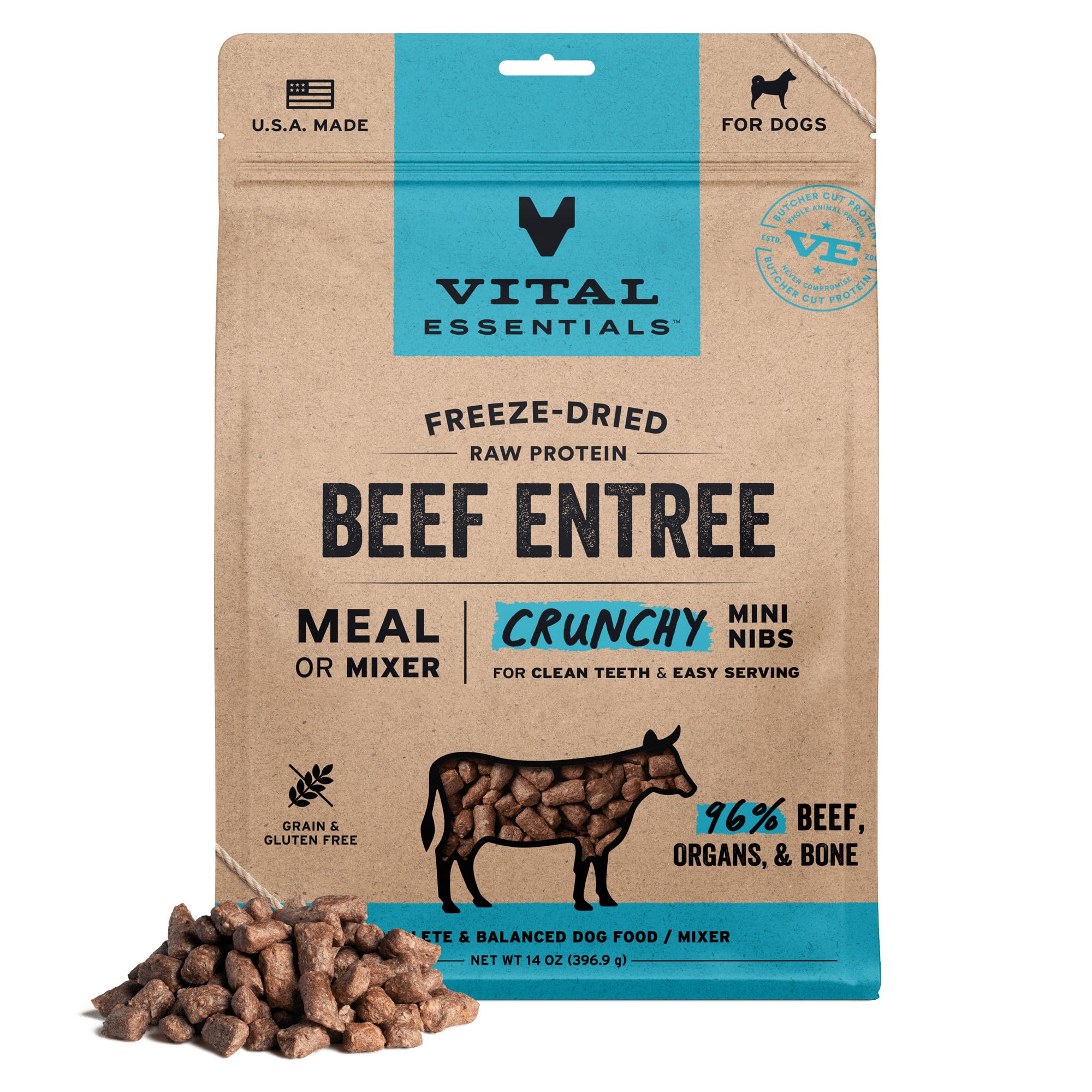
Vital Essentials Freeze Dried Raw Beef Mini Nibs contain 96% beef, organs, and bone — the highest animal-to-plant ratio in this lineup. By eliminating virtually all carbohydrates (no fruits, vegetables, or grains), this food provides the closest approximation to a true ketogenic macronutrient split. The freeze-drying process preserves the natural enzymes and nutrients found in raw muscle meat and organ tissue without the cooking degradation that destroys heat-sensitive amino acids crucial for neurotransmitter synthesis.
The absence of binders and fillers means each nibble delivers a high-protein, high-fat, zero-carb energy source that keeps blood glucose levels flat. Veterinarians who advocate for the ketogenic diet in epileptic dogs often recommend this exact format because it mimics the natural prey model diet that canines evolved to metabolize. Verified reviews from owners of picky eaters and small breeds confirm that the crunchy but not rock-hard texture makes it easy to chew, and the flavor is strong enough to entice dogs who have lost their appetite post-seizure.
The 14-ounce bag is small — at the recommended serving size, it may last only a few days for a medium-sized dog. The price per pound places it in the premium tier, and using it as a complete meal for a large breed becomes expensive quickly. It also lacks added MCT oil, relying instead on the natural fat content of beef. For owners who need a more economical option, using these nibs as a topper (20-30% of the meal) can provide the low-carb metabolic boost without emptying the wallet.
Why it’s great
- Near-zero carbohydrate content supports ketosis
- Freeze-dried preserves natural enzymes and nutrients
- Strong flavor helps post-seizure appetite recovery
Good to know
- Very expensive as a full meal for large breeds
- No added MCTs — relies on beef’s natural fat
- 14 oz bag is small, requires frequent repurchase
5. Hill’s Prescription Diet i/d Low Fat Digestive Care Wet Food
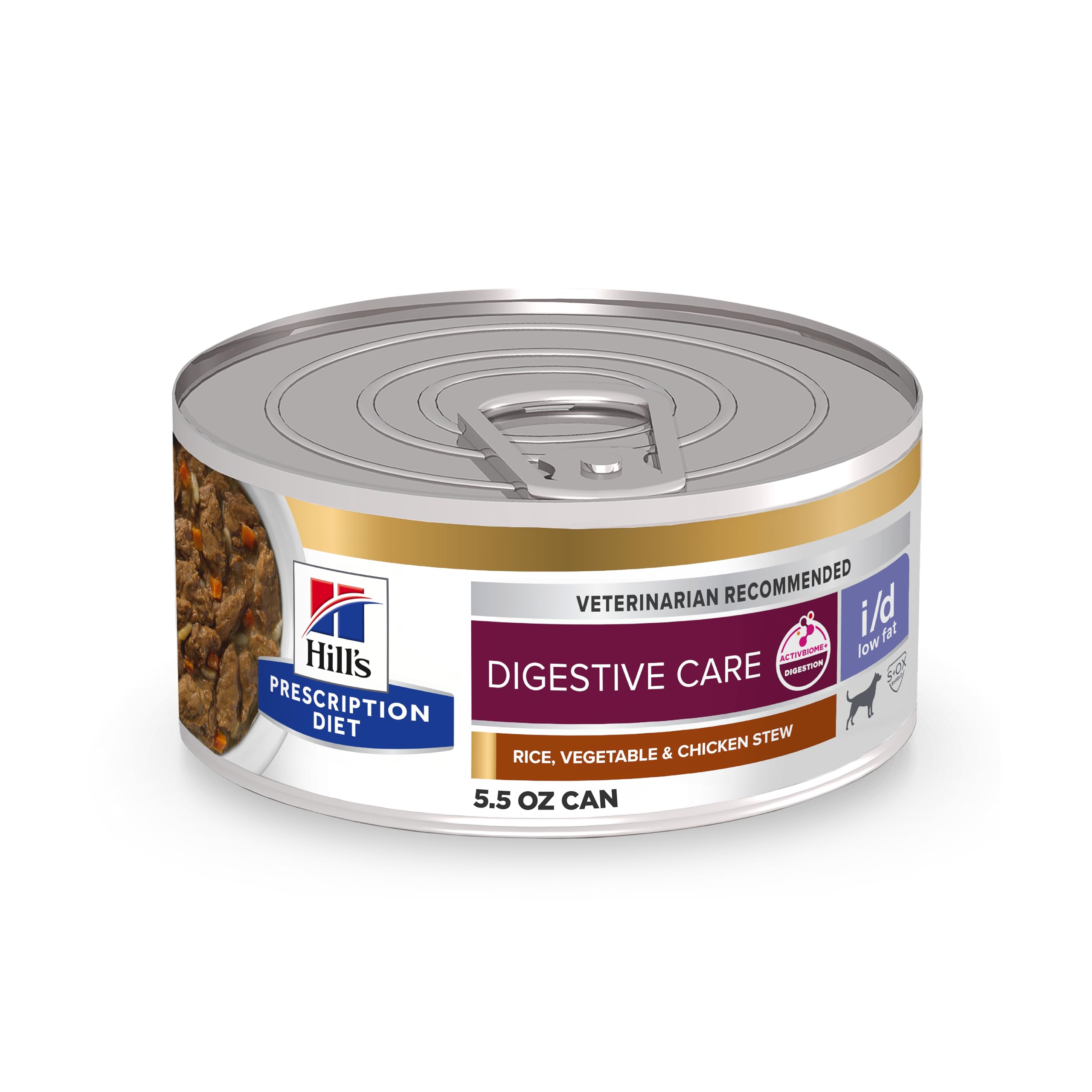
Hill’s Prescription Diet i/d Low Fat is a veterinary therapeutic wet food designed for dogs with digestive sensitivity — a common comorbidity in dogs who experience seizure-related vomiting or gastric distress. The formula uses highly digestible protein and a controlled fat content to support absorption while reducing pancreatic strain. Its ActivBiome+ technology delivers prebiotic fibers that rapidly shift the gut microbiome toward beneficial bacteria, which is clinically relevant for seizure management through the gut-brain axis.
Each 5.5-ounce can provides a moisture-rich meal that hydrates the dog naturally — important because some anticonvulsant medications increase water needs. The low-fat profile (less than 2.5% crude fat on an as-fed basis) makes this one of the safest options for dogs who also suffer from pancreatitis or fat metabolism issues. Verified reviews highlight that even dogs who were vomiting or refusing food eagerly ate this stew, and owners of dogs with pancreatitis reported zero flare-ups after switching to this formula as the base of their meal plan.
This food is not designed for MCT-driven ketogenic seizure control — its fat content is deliberately low to protect the pancreas. Dogs with active seizures who eat only this food may not get enough fat to stabilize neural membranes. For that reason, it works best as a digestive recovery meal alongside a high-fat base or as a temporary option when the dog is transitioning between medications or recovering from a cluster of seizures. The 24-pack is bulky but shelf-stable, making it easy to store.
Why it’s great
- Clinically proven to settle digestive upset
- High moisture content supports hydration
- Safe for dogs with concurrent pancreatitis
Good to know
- Very low fat — not ketogenic for seizure control
- Requires veterinary prescription
- Best used as part of a rotation, not standalone
FAQ
Can a ketogenic diet really reduce seizure frequency in dogs?
What ingredients should I avoid in dog food for a dog with seizures?
Should I switch my dog’s food immediately after a seizure?
Final Thoughts: The Verdict
For most owners, the dog food for dogs with seizures winner is the Pro Plan Veterinary Diets NC NeuroCare because it is the only formula engineered with MCT oil specifically for canine cognitive health, backed by veterinary prescription assurance. If you need a novel protein diet to eliminate allergy triggers, grab the Zignature Kangaroo Formula. And for a near-zero-carb, raw-like option that mimics a true ketogenic state, nothing beats Vital Essentials Freeze Dried Beef Mini Nibs.

Mo Maruf
I created WellFizz to bridge the gap between vague wellness advice and actionable solutions. My mission is simple: to decode the research and give you practical tools you can actually use.
Beyond the data, I am a passionate traveler. I believe that stepping away from the screen to explore new environments is essential for mental clarity and physical vitality.