Our readers keep the lights on and my smoothie glass nicely filled. As an Amazon Associate, I earn from qualifying purchases.
When a routine blood panel returns with flagged ALT and ALP values, the first question isn’t about medication—it’s about the bowl. Elevated liver enzymes in dogs often trace back to diet, making food the single most powerful lever owners can pull alongside veterinary guidance. This guide isolates the nutritional science behind hepatic support and evaluates five products that directly target liver function through controlled protein levels, added antioxidants, and specific mineral management like low copper.
I’m Mohammad Maruf — the founder and writer behind WellFizz. I’ve spent hundreds of hours cross-referencing veterinary nutritional guidelines against ingredient panels and real owner bloodwork results to map which formulations genuinely support hepatic recovery rather than just marketing a liver-friendly label.
A dog’s liver processes every nutrient absorbed, so the wrong macronutrient balance can keep enzyme levels elevated indefinitely. The following guide cuts through the noise to identify the best dog food for dogs with high liver enzymes, comparing prescription dry foods against targeted supplements that work alongside any diet.
How To Choose The Best Dog Food for Dogs with High Liver Enzymes
Selecting a diet for a dog with elevated liver enzymes requires understanding hepatic metabolism. The liver processes nearly every nutrient, so protein quality, copper content, and vitamin levels directly impact the organ’s workload. General “healthy” dog foods can worsen the condition by overloading the liver with high-protein, moderate-copper recipes designed for active adults rather than compromised organs.
Low Copper and Controlled Protein Levels
Copper accumulates in the liver over time, triggering oxidative damage and inflammation in dogs prone to copper storage disorders. Therapeutic hepatic diets deliberately limit copper concentrations to around 5 mg per 1,000 kcal. Protein must be highly digestible (egg, soy isolate, chicken meal with low biological ash) and kept at moderate levels to reduce ammonia production, which a damaged liver struggles to clear.
Antioxidant Density and B-Vitamin Support
Antioxidants like vitamin E, selenium, and beta-carotene neutralize free radicals generated during hepatic stress. B-vitamins—especially B2, B6, and B12—are critical cofactors in the liver’s detoxification pathways and energy metabolism. A diet or supplement deficient in these nutrients forces the liver to work harder, slowing recovery.
Prescription Kibble vs. Targeted Supplements
Veterinary-formulated kibble (Hill’s l/d, Royal Canin Hepatic) offers a complete, nutritionally balanced approach that controls every macronutrient and mineral. Supplements like milk thistle or B-complex products (Hepato Support) can be layered on top of an existing diet but lack the strict copper and protein modulation that severe cases require. The right choice depends on the dog’s specific diagnosis—a copper-toxicosis gene recommends the kibble route, while mild enzyme elevations in a senior dog often respond to supplementation alone.
Quick Comparison
On smaller screens, swipe sideways to see the full table.
| Model | Category | Best For | Key Spec | Amazon |
|---|---|---|---|---|
| Hill’s l/d Liver Care Dry Dog Food | Prescription Kibble | Daily hepatic maintenance | Low copper (5 mg/1000 kcal) | Amazon |
| Royal Canin Hepatic Dry Dog Food | Prescription Kibble | Copper storage management | Low copper, vegetable proteins | Amazon |
| Vet Classics Liver Support Soft Chews | Supplement Chew | Mild enzyme elevation support | Milk thistle + glutathione per chew | Amazon |
| Rx Vitamins Hepato Support Capsules | Supplement Capsule | Senior pet liver detox | Milk thistle + 90 capsule count | Amazon |
| Hill’s r/d Weight Reduction Dry Dog Food | Weight Management Kibble | Weight-related hepatic stress | L-carnitine for fat metabolism | Amazon |
In‑Depth Reviews
1. Hill’s Prescription Diet l/d Liver Care Dry Dog Food

Hill’s l/d is the veterinary gold standard for managing chronic liver conditions in dogs, formulated with controlled levels of highly digestible protein to reduce hepatic workload. Its low copper concentration—around 5 mg per 1,000 kcal—directly addresses the accumulation issue that drives secondary liver damage in breeds predisposed to copper toxicosis. Each kibble delivers clinically proven antioxidants (vitamin E, beta-carotene) that support the immune system in dogs whose compromised livers leave them vulnerable to secondary infections.
The recipe uses chicken as the primary protein source but processes it to achieve a digestibility profile that minimizes undigested nitrogen reaching the colon, reducing ammonia production. Owners of dogs with liver shunts report normalization of liver function tests within eight weeks of exclusive feeding, with notable improvements in appetite, stool quality, and energy levels. The 17.6-pound bag supplies roughly 56 cups of kibble, making it cost-competitive against smaller veterinary diet bags despite its premium-tier positioning.
One real limitation is palatability—several dogs initially reject the small, uniform kibble (5-7mm diameter) because the low-fat, low-protein profile lacks the intense aroma of standard maintenance foods. Transitioning slowly over a week with a small amount of warm water helps acceptance. This diet is prescription-only, so veterinary authorization is mandatory, ensuring a proper diagnosis before committing to a nutritional protocol that may not suit dogs with other concurrent diseases.
Why it’s great
- Low copper formula directly targets liver enzyme stabilization
- Controlled, highly digestible protein reduces hepatic ammonia load
- Clinically proven antioxidant blend supports weakened immunity
Good to know
- Requires veterinary prescription for purchase; cannot self-select
- Some dogs find the reduced-fat kibble less palatable than standard food
- Larger bag size may be excessive for toy breeds without proper storage
2. Royal Canin Veterinary Diet Canine Hepatic Adult Dry Dog Food
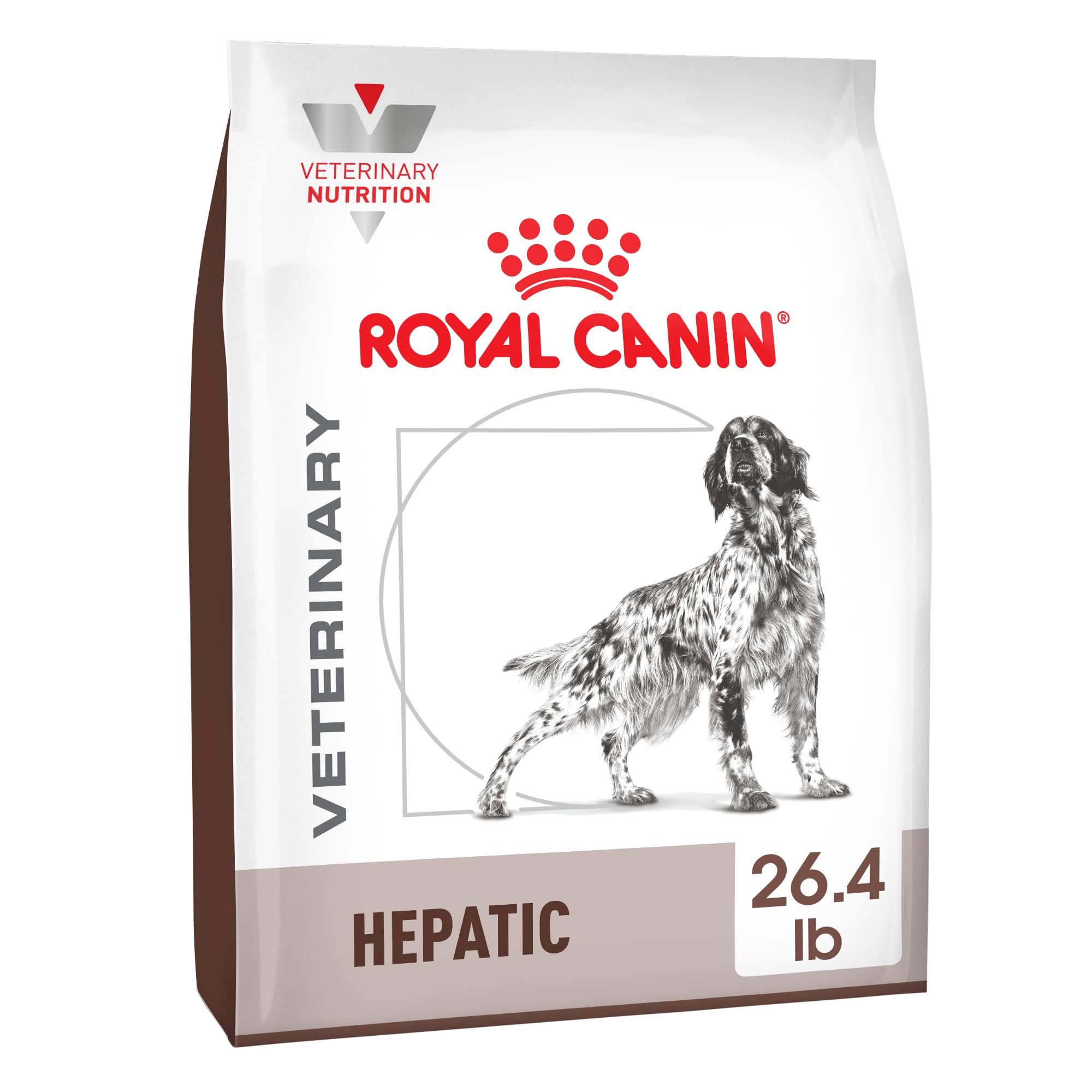
Royal Canin Hepatic takes a distinct approach to liver support by using highly digestible vegetable proteins (soy protein isolate) instead of animal-based sources, minimizing the production of mercaptans and other nitrogenous waste that stress the diseased liver. Its copper content is meticulously controlled to the low side of the therapeutic range, making it a go-to recommendation for dogs with confirmed copper storage disease who need the absolute lowest copper load available in a complete kibble. The 26.4-pound bag delivers approximately 131 cups of food, offering a lower per-serving cost than many smaller veterinary diets.
The adapted energy density reduces meal volume, which decreases intestinal load and the metabolic burden on the portal vein—key for dogs with hepatic microvascular dysplasia or portosystemic shunts. A precise blend of prebiotics (FOS, MOS) supports a healthy gut microbiome, which is crucial because hepatic encephalopathy can be triggered by bacterial production of ammonia in the colon. Owners tracking bloodwork note that ALT values trend downward over three to six months when this food replaces a standard adult maintenance kibble.
The kibble is noticeably larger (approximately 10-12mm in diameter) than Hill’s l/d, which can be a challenge for small-breed dogs under 15 pounds who struggle to chew. The soy protein base also produces a different stool consistency—firmer and slightly larger volume—which some owners misinterpret as digestive upset. Dogs without confirmed copper issues may not benefit from the extremely low copper formulation, and the vegetable protein source may not be ideal for dogs with concurrent kidney concerns where phosphorus control is also needed.
Why it’s great
- Vegetable protein base minimizes nitrogenous waste for compromised livers
- Extremely low copper formulation ideal for copper storage disease
- Prebiotic blend supports microbiome and reduces encephalopathy risk
Good to know
- Large kibble size is difficult for small breeds to manage
- Requires veterinary authorization before purchase
- Soy-based protein may conflict with certain renal management plans
3. Vet Classics Liver Support Pet Health Supplement for Dogs & Cats

Vet Classics Liver Support bridges the gap between prescription kibble and basic supplementation by delivering a blend of milk thistle, glutathione, dandelion root, and B-vitamins in a chicken-flavored soft chew format that most dogs accept readily. This formulation is designed to be added to any existing diet, making it a practical option for owners who need to manage mild-to-moderate ALT/ALP elevations without switching their dog’s primary food source. The glutathione content is a standout inclusion—this tripeptide is the liver’s primary endogenous antioxidant, and oral supplementation helps replenish depleted stores in dogs undergoing chronic hepatic stress.
Real-world data from owners shows that dogs with initially elevated liver enzymes (ALT in the 200-400 range) often normalize within four to six months when the supplement is used alongside a moderate-protein, low-copper maintenance food. The 60-count bottle provides a two-month supply for a medium-sized dog at the standard dosing of one chew per 30 pounds of body weight. Veterinarians formulated this supplement in 1994, and the recipe benefits from decades of real-case feedback, resulting in a practical balance of herbal and enzymatic support.
The soft chews have a tendency to harden into rock-like consistency if the bag is exposed to air or shipped in hot conditions, requiring careful storage in an airtight container. Some dogs, particularly those with picky palates, strongly dislike the artificial liver scent, making administration difficult. Breaking the chew in half for dogs under 10 pounds is necessary, but the texture can be crumbly when cold, creating a mess. This is a supplement, not a complete diet—dogs with severe hepatic disease or copper toxicosis require the precise mineral control of a prescription kibble rather than a supplement overlay.
Why it’s great
- Glutathione and milk thistle dual-action supports detoxification pathways
- Chicken flavor improves compliance for most dogs
- Can be added to existing food without requiring a complete diet change
Good to know
- Soft chews harden quickly if not stored in an airtight container
- Must break in half for small breeds; picky dogs may refuse the liver scent
- Not a substitute for prescription kibble in severe hepatic cases
4. Rx Vitamins Hepato Support for Dogs & Cats
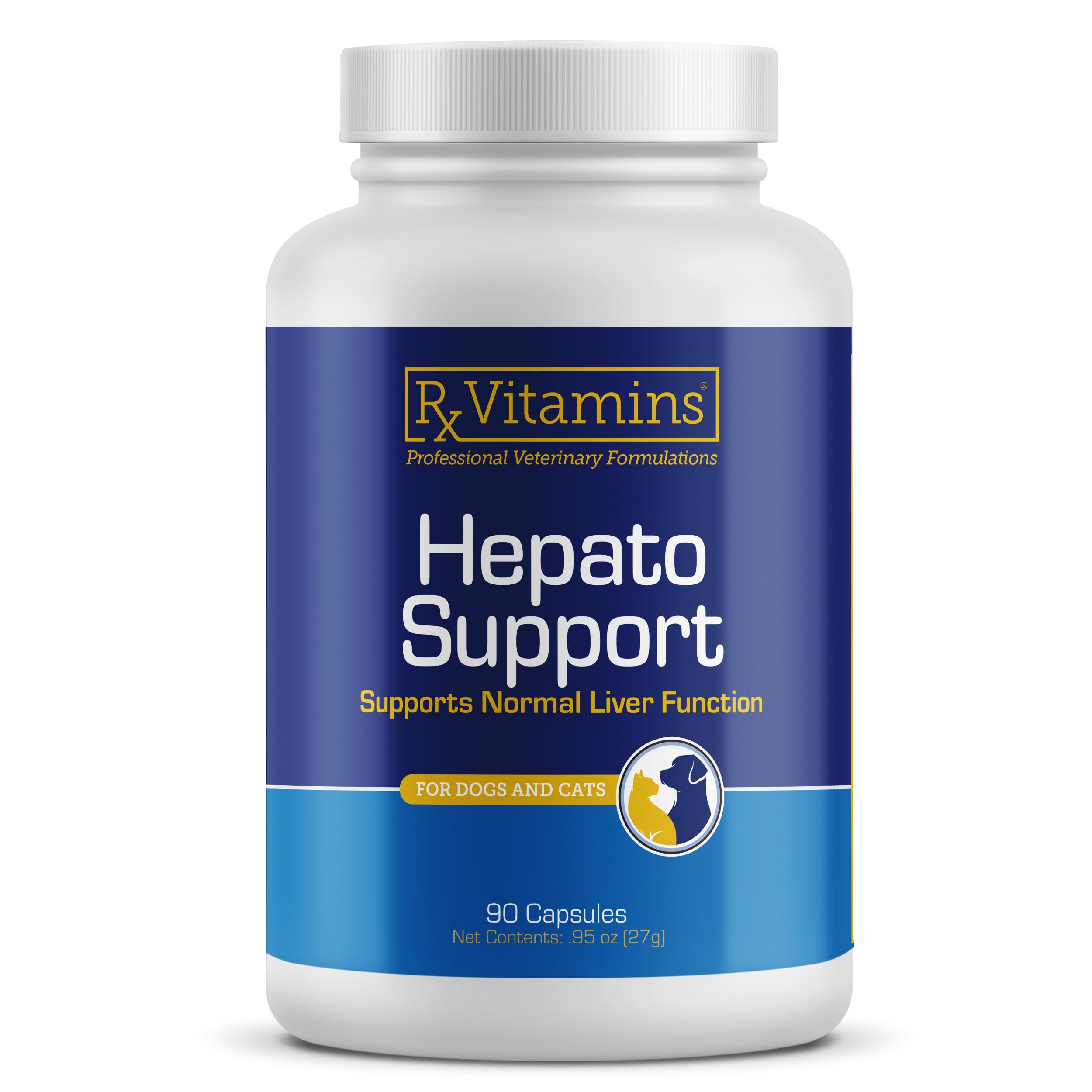
Rx Vitamins Hepato Support focuses on gentle, consistent liver detoxification through a concentrated milk thistle extract standardized to 80% silymarin, combined with vitamin B2 (riboflavin) to support the liver’s phase I and phase II detoxification pathways. The capsule format (unflavored) allows precise dosing—open the capsule and sprinkle the yellow powder over food, giving owners complete control over the amount administered per serving. This flexibility is especially useful for cats and small dogs where chewable tablets often require splitting. The 90-count supply provides a three-month course for a 20-pound dog at the standard dose of one capsule daily.
Owner-reported bloodwork shows normalization of elevated liver enzymes in dogs taking Hepato Support for two to four months, with particular effectiveness in senior pets whose enzyme elevations stem from age-related metabolic slowdown rather than acute disease. The formula is intentionally simple—milk thistle and B2 without additional herbal ingredients that might interact with concurrent medications. This makes it a safe adjunct for dogs already on Denamarin, antibiotics, or NSAIDs. Manufactured in the USA with GMP compliance, each batch offers consistent silymarin content, avoiding the potency variability seen in less expensive herbal supplements.
The unflavored capsule means the powder has a mildly bitter taste that some dogs detect even when mixed into wet food; owners report that coating the powder in a small amount of cream cheese or peanut butter masks the bitterness effectively. Capsules are larger than some competing brands, which can be an issue for owners who prefer to administer the whole capsule by hiding it in a treat. The formula lacks glutathione or SAMe, so dogs with advanced liver disease may benefit from a more comprehensive supplement stack rather than this standalone product.
Why it’s great
- Standardized 80% silymarin ensures consistent liver detox support
- Powder format allows precise dose adjustment for small pets
- Simple ingredient profile minimizes medication interaction risk
Good to know
- Bitter powder taste requires a strong-flavored food or binder to mask
- Large capsule size is impractical for oral administration to toy breeds
- Lacks glutathione and SAMe for advanced hepatic disease management
5. Hill’s Prescription Diet r/d Weight Reduction Dry Dog Food
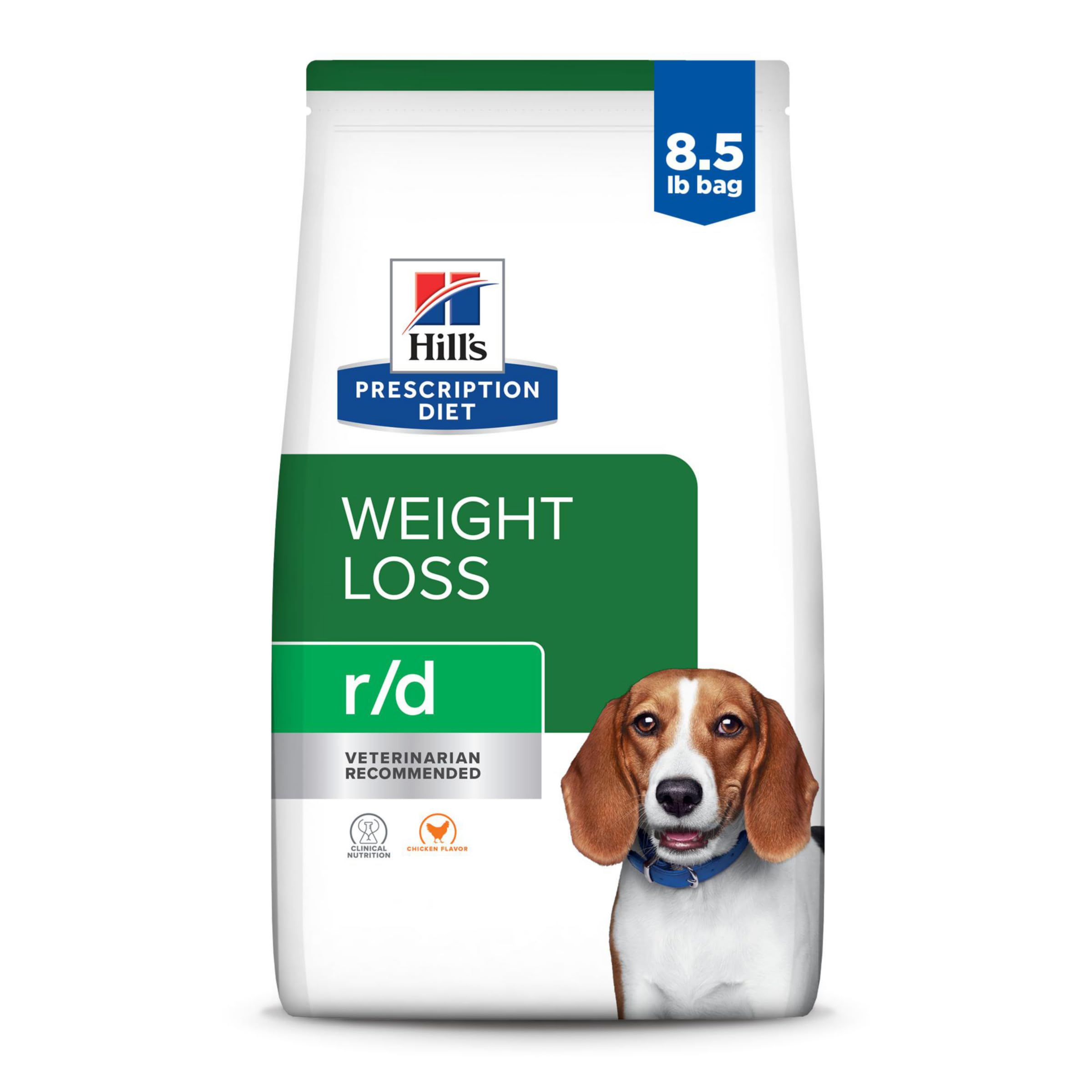
Hill’s r/d Weight Reduction Dry Dog Food addresses a specific subset of the elevated liver enzyme population: dogs whose high ALT/ALP values are secondary to obesity-induced hepatic lipidosis. The formula provides therapeutic levels of L-carnitine to shuttle fatty acids into the mitochondria for oxidation, directly reducing fat accumulation in the liver parenchyma. Clinically proven to achieve healthy weight loss in eight weeks, this diet indirectly lowers liver enzyme levels by reducing overall metabolic stress on the organ. The chicken-flavored kibble uses an optimal blend of soluble and insoluble fiber to maintain satiety, preventing counterproductive counter-surfing between meals.
Each 8.5-pound bag provides a controlled caloric density that forces the body to mobilize fat stores, which simultaneously reduces liver triglyceride content. Owners consistently report that bloodwork drawn after three months on this diet shows significant reductions in both ALT and ALP, with weight loss of 1-2% per week. The Velcro-style resealable top keeps kibble fresh longer than standard bags, a practical touch for a food that is typically fed in smaller portion sizes. This is a veterinary therapeutic diet, so it requires prescription authorization to confirm that the elevated enzymes are weight-related rather than from primary liver disease.
This food is not designed for dogs with diagnosed primary liver disorders like chronic hepatitis, copper toxicosis, or portosystemic shunts. Its protein content, while controlled, is not as low or as digestible as the hepatic-specific l/d or Royal Canin Hepatic formulas, and its copper level is standard maintenance rather than reduced. Dogs with concurrent pancreatitis or hyperlipidemia may need additional monitoring, as the moderate fat content could exacerbate those conditions. The bag size is relatively small, requiring frequent repurchases for larger breeds.
Why it’s great
- Therapeutic L-carnitine reduces hepatic fat accumulation
- Clinically proven 8-week weight loss trajectory lowers enzyme load
- High-fiber satiety blend prevents hunger-related behavioral issues
Good to know
- Not suitable for primary liver disease; designed only for weight-related enzyme elevation
- Standard copper content may worsen copper storage conditions
- Requires prescription and may not suit dogs with concurrent pancreatitis
FAQ
Can a dog’s high liver enzymes be lowered by diet alone?
What is the difference between Hill’s l/d and Royal Canin Hepatic?
Should I use a supplement like milk thistle if my dog is already on prescription liver food?
Can a weight management diet lower liver enzymes in an overweight dog?
Final Thoughts: The Verdict
For most owners managing a dog with elevated liver enzymes, the dog food for dogs with high liver enzymes winner is the Hill’s l/d Liver Care Dry Dog Food because it combines the lowest copper profile with clinically proven antioxidant support in a highly palatable kibble that small breeds can manage. If your dog requires the absolute lowest copper load for copper storage disease, grab the Royal Canin Hepatic Dry Dog Food for its vegetable protein base and prebiotic gut support. And for dogs whose enzyme elevation is driven by obesity rather than primary liver disease, nothing beats the Hill’s r/d Weight Reduction Dry Dog Food with its therapeutic L-carnitine and proven eight-week weight loss.

Mo Maruf
I created WellFizz to bridge the gap between vague wellness advice and actionable solutions. My mission is simple: to decode the research and give you practical tools you can actually use.
Beyond the data, I am a passionate traveler. I believe that stepping away from the screen to explore new environments is essential for mental clarity and physical vitality.