Our readers keep the lights on and my smoothie glass nicely filled. As an Amazon Associate, I earn from qualifying purchases.
When your dog receives a liver diagnosis, every kibble decision becomes a high-stakes calculation. The liver filters toxins, metabolizes nutrients, and regulates copper levels — meaning the wrong protein source or mineral profile can accelerate damage rather than support healing. The science of hepatic nutrition hinges on two non-negotiable factors: highly digestible protein that reduces ammonia production, and precisely controlled copper content to prevent accumulation in liver cells. Overlooking either forces an already stressed organ to work harder.
I’m Mohammad Maruf — the founder and writer behind WellFizz. I’ve spent hundreds of hours cross-referencing veterinary nutritional guidelines with ingredient disclosures and owner-reported outcomes to understand exactly which formulations align with current hepatology research for dogs.
This guide breaks down five veterinary diets that prioritize low copper, moderate high-quality protein, and antioxidant support for compromised livers. Whether managing copper storage disease or chronic hepatitis, understanding these specs is the difference between supporting recovery and feeding the problem. My goal is to help you identify the dog food for liver issues that actually matches your dog’s specific blood work and mineral tolerance.
How To Choose The Best Dog Food for Liver Issues
Selecting a hepatic diet involves more than scanning for low protein percentages. The liver’s role in metabolizing ammonia, storing vitamins, and regulating copper means every macro and micro nutrient requires scrutiny. The wrong calcium-to-phosphorus ratio or an overlooked copper-containing ingredient can negate the benefits of the core formula.
Copper Content and Accumulation Risk
For dogs with copper storage disease or copper-associated hepatitis, the dietary copper concentration is the decisive spec. Veterinary hepatology guidelines recommend formulas with less than 1.5 mg of copper per 100 grams of food on a dry matter basis. Both Hill’s l/d and Royal Canin Hepatic explicitly engineer low copper levels, often using vegetable proteins that naturally contain less copper than animal-based meals. Avoid lamb, liver, and sweet potato blends — these are naturally high in copper and common in non-prescription foods.
Protein Source and Digestibility
The liver breaks down protein into ammonia, which healthy livers convert to urea. In hepatic failure, ammonia accumulates and can trigger encephalopathy. The solution is not simply low protein — it’s highly digestible, high-biological-value protein. Hydrolyzed soy protein (used in Royal Canin HP) breaks protein into small peptides that minimize allergenic response and reduce colonic ammonia production. Hill’s l/d uses egg and chicken protein that is controlled for digestibility. The goal: provide enough amino acids for tissue repair without flooding the liver with metabolic waste.
Antioxidant and B Vitamin Fortification
A compromised liver is vulnerable to oxidative stress. Clinical trials show that vitamin E, selenium, and beta-carotene supplementation supports hepatocyte membrane integrity. Additionally, B vitamins — particularly B12, folate, and pyridoxine — are often depleted in liver disease because the damaged organ cannot store them efficiently. Prescription hepatic diets include elevated levels of these nutrients to compensate. Check the guaranteed analysis for omega-3 fatty acid content as well, since EPA and DHA reduce hepatic inflammation and fibrosis.
Quick Comparison
On smaller screens, swipe sideways to see the full table.
| Model | Category | Best For | Key Spec | Amazon |
|---|---|---|---|---|
| Hill’s l/d Liver Care Dry | Dry Kibble | Copper storage disease & chronic hepatitis | Low copper (<1.0 mg/100g DM) | Amazon |
| Royal Canin Hepatic Dry | Dry Kibble | Long-term copper accumulation control | Vegetable proteins, low copper | Amazon |
| Royal Canin HP Hydrolyzed | Dry Kibble | Food sensitivities with liver concerns | Hydrolyzed soy protein, low molecular weight | Amazon |
| Hill’s i/d Wet Digestive Care | Wet Food | Digestive upset with hepatic support needs | ActivBiome+ prebiotic fibers | Amazon |
| Pet Wellbeing Blood Sugar Gold | Liquid Supplement | Metabolic support alongside liver care | Gymnema, Fenugreek, Dandelion | Amazon |
In‑Depth Reviews
1. Hill’s Prescription Diet l/d Liver Care Dry Dog Food

Hill’s l/d is the benchmark prescription diet for liver management, engineered with controlled levels of highly digestible protein to reduce hepatic workload while maintaining muscle mass. The formula uses chicken as its primary protein source but restricts total protein content to a moderate 14.5% on a dry matter basis — low enough to minimize ammonia production yet sufficient for tissue repair. Copper content is kept well below 1.0 mg per 100 grams, making it a first-line choice for dogs diagnosed with copper storage disease or copper-associated hepatitis.
Clinical antioxidant support comes from elevated vitamin E and beta-carotene, which help counteract the oxidative stress that damages hepatocytes in chronic liver disease. The kibble size is approximately 5-7 mm in diameter, which owner reports indicate works well for small to medium breeds, though some picky eaters may need a gradual transition. Multiple verified owners report significant improvements in liver enzyme values and reduced vomiting frequency after switching to this diet exclusively.
It is a veterinary-exclusive therapeutic diet, meaning a prescription from your veterinarian is required. The 17.6-pound bag offers good value for the premium formulation, though owners of very small dogs may find the bag size too large for the four-week freshness window. Hill’s maintains NASC certification and GMP compliance, ensuring batch-to-batch consistency critical for a medical diet.
Why it’s great
- Copper content engineered below 1.0 mg/100g for storage disease management
- Controlled highly digestible protein reduces hepatic ammonia burden
- Elevated vitamin E and beta-carotene for antioxidant hepatocyte protection
- Clinically proven to improve liver enzyme values in chronic cases
Good to know
- Requires veterinarian prescription — not available over the counter
- Large 17.6 lb bag may exceed freshness window for single small dogs
- Some picky eaters reject the chicken flavor during initial transition
2. Royal Canin Veterinary Diet Canine Hepatic Dry Dog Food
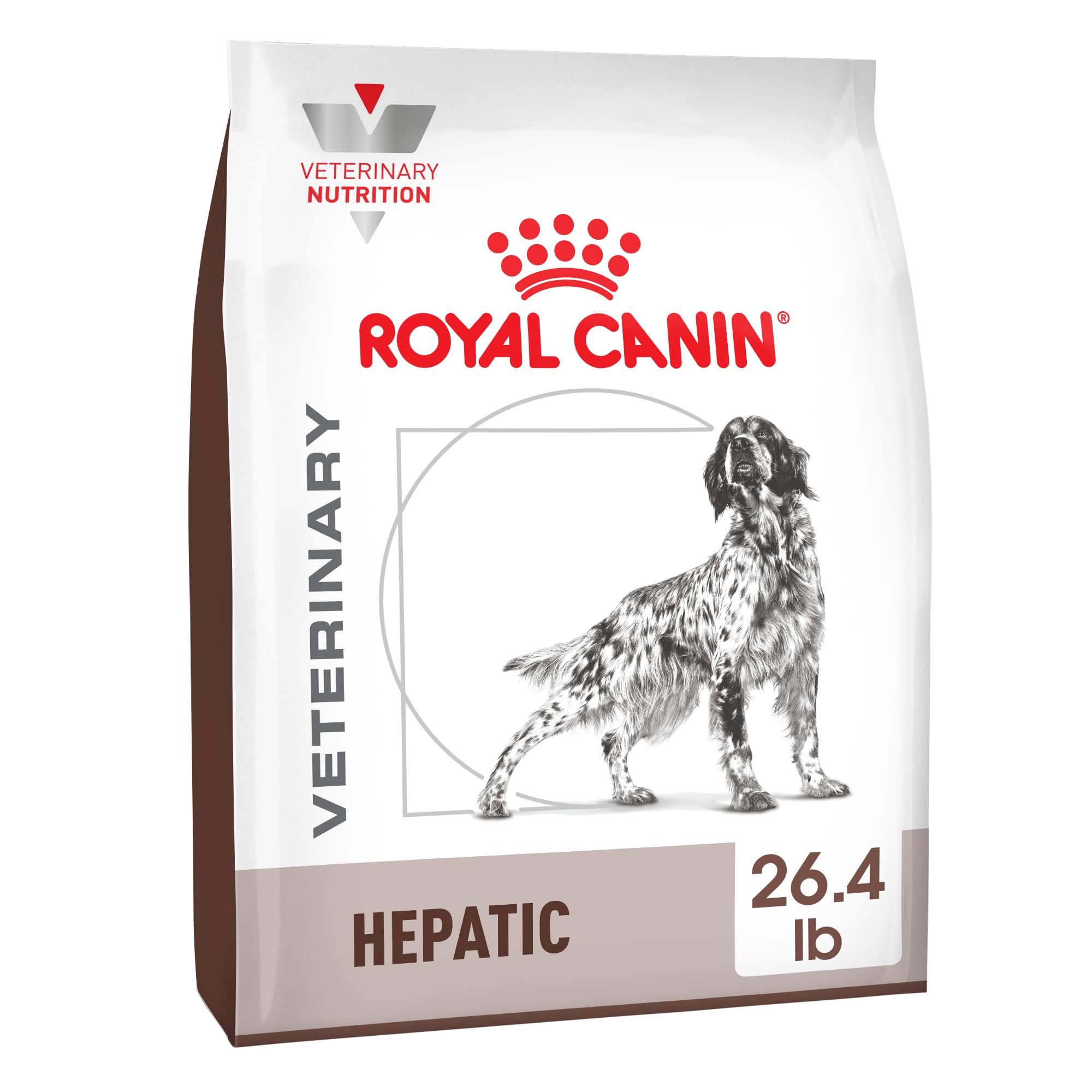
Royal Canin Hepatic takes a unique approach by relying primarily on highly digestible vegetable proteins — soy protein isolate — rather than animal-based meals. This inherently reduces the copper concentration because plant proteins naturally contain less copper than muscle meat or organ tissue. Owner reports consistently note that dogs with copper storage disease show better tolerance to this formula compared to chicken-based hepatic diets, with one verified review mentioning that switching from Hill’s l/d to Royal Canin Hepatic resolved ongoing copper accumulation issues.
The formula is fortified with a precise blend of antioxidants, including vitamin E and selenium, to support immune function in dogs whose livers are under oxidative siege. Prebiotics such as fructooligosaccharides help maintain a healthy gastrointestinal microbiome, which is often disrupted in hepatic patients due to medication and altered bile acid flow. The 26.4-pound bag provides 131 cups of food, making it the most cost-effective option per cup among premium hepatic diets — a meaningful factor for long-term chronic management.
One caveat: the kibble size is relatively large at roughly 10-12 mm in diameter, which small breed owners report as problematic. Some owners of toy breeds have had to crush or moisten the kibble to make it palatable. Like all therapeutic diets, it requires a veterinary prescription. Royal Canin’s manufacturing adheres to GMP standards and the brand is widely recommended by internal medicine specialists for copper-related hepatopathies.
Why it’s great
- Vegetable protein base provides naturally lower copper content than animal proteins
- Prebiotic blend supports microbiome balance compromised by liver disease
- Largest bag size offers best per-cup value for long-term feeding
- Antioxidant blend targets hepatic oxidative stress
Good to know
- Large kibble size may require crushing for small breed dogs
- Requires veterinary prescription
- Some dogs dislike the soy protein taste compared to chicken-based diets
3. Royal Canin HP Hypoallergenic Hydrolyzed Protein Dog Food
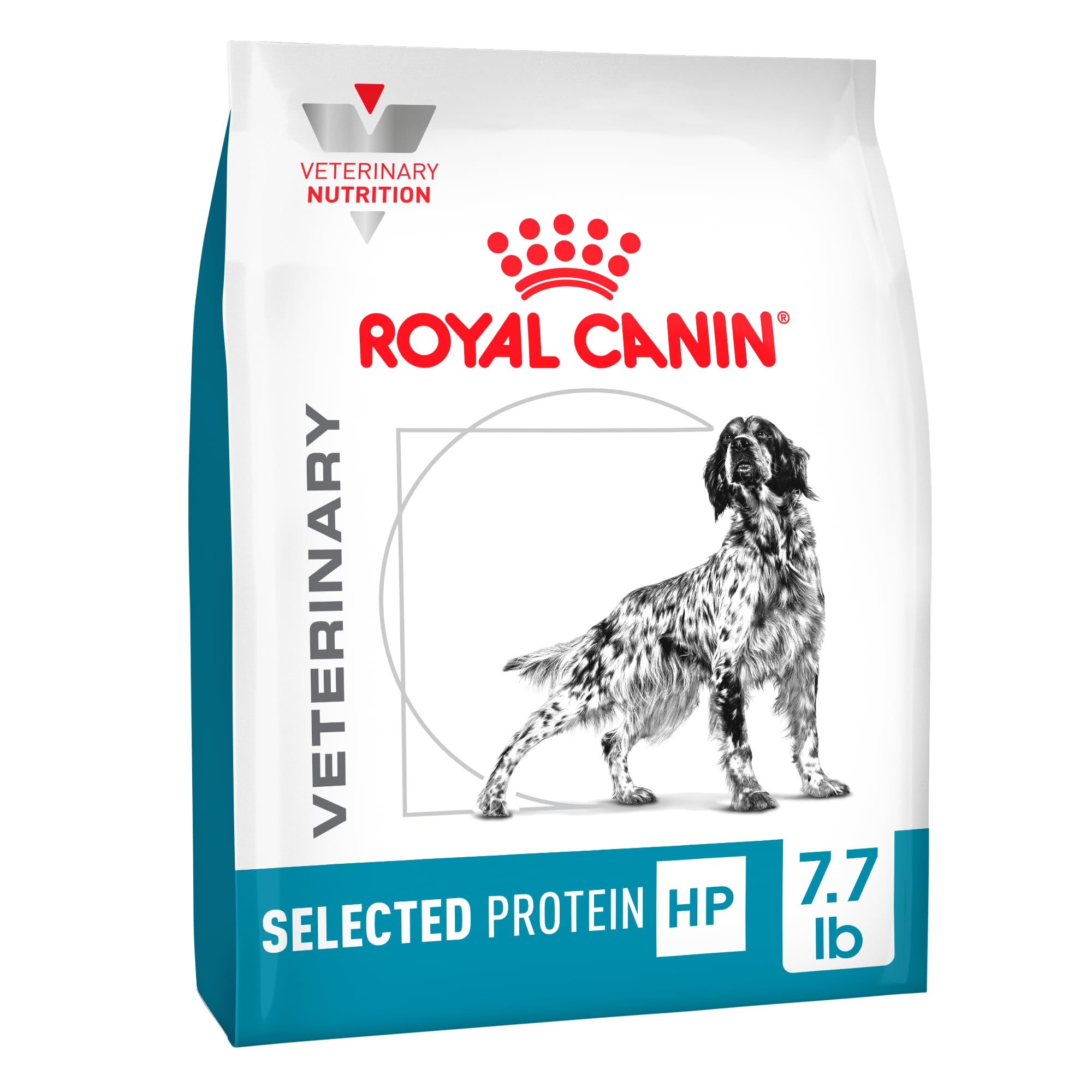
Royal Canin HP is not a dedicated hepatic diet, but its hydrolyzed soy protein formula makes it an excellent option for dogs with liver issues complicated by food sensitivities. The hydrolysis process breaks protein into low molecular weight peptides — below 10,000 Daltons — that are too small to trigger an immune response and are rapidly absorbed without generating excessive ammonia in the colon. This dual mechanism reduces both allergic inflammation and hepatic ammonia load simultaneously.
Owner reviews are emphatic about its effectiveness for chronic ear infections and skin irritation that stem from dietary allergens, with one report noting complete resolution of ear infections after six months on this diet. The EPA and DHA fatty acid profile supports both skin barrier function and, critically, has anti-inflammatory effects on hepatic tissue. For dogs with suspected inflammatory bowel disease or pancreatitis alongside liver dysfunction, this hydrolyzed formula addresses multiple organ systems without introducing novel proteins.
The primary limitation is copper content — Royal Canin HP does not specifically engineer low copper levels like the Hepatic or l/d formulas. For dogs with confirmed copper storage disease, this should not be used as the sole diet. The 7.7-pound bag is smaller than standard kibble bags, and multiple owners note that the price per pound is high relative to volume. It does require a veterinary prescription but is widely stocked at specialty pet pharmacies.
Why it’s great
- Hydrolyzed soy protein reduces both allergenic response and colonic ammonia production
- EPA/DHA blend provides anti-inflammatory support for hepatic tissue
- Ideal for dogs with concurrent food allergies and liver disease
- Low molecular weight peptides minimize metabolic burden on the liver
Good to know
- Not engineered for low copper — unsuitable as sole diet for copper storage disease
- Small bag size (7.7 lb) means frequent reordering
- High cost per pound compared to other therapeutic diets
4. Hill’s Prescription Diet i/d Digestive Care Wet Dog Food
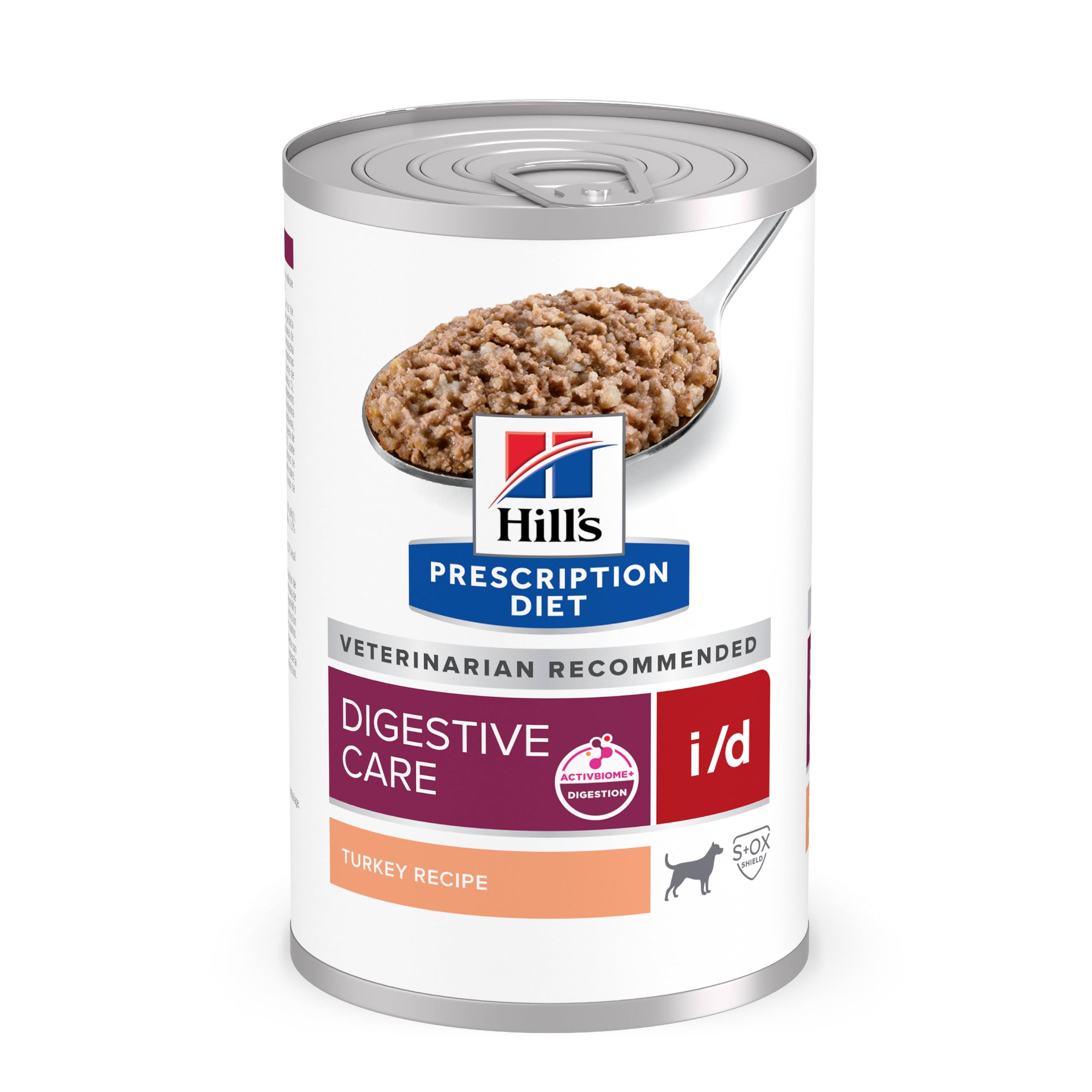
Hill’s i/d is primarily a digestive health formula, but its high digestibility and ActivBiome+ prebiotic fiber blend make it a valuable transitional or supportive food for dogs whose liver dysfunction causes concurrent gastrointestinal symptoms such as vomiting, diarrhea, or poor nutrient absorption. The formula provides high levels of B vitamins — B12, riboflavin, and niacin — which are often depleted in hepatic patients because the damaged liver cannot store or activate them efficiently.
The wet food format offers two specific advantages for liver patients: higher moisture content supports hydration in dogs with reduced water intake due to nausea, and the softer texture is easier to consume for dogs experiencing hepatic encephalopathy-related appetite loss. The turkey protein source is single-animal and highly digestible, reducing the likelihood of food intolerance that could further stress an already compromised digestive system. Added electrolytes help replace losses from vomiting or diarrhea.
However, i/d is not a true hepatic diet. Copper content is not specifically restricted, and the protein level (approximately 6.5% crude protein as-fed) is moderate but not specifically balanced for ammonia management. This formula is best used as a supplemental or rotation diet under veterinary guidance, not as a primary liver disease diet. The 13-ounce cans are relatively large, and owners report occasional can damage during shipping. A veterinary prescription is required for purchase.
Why it’s great
- High moisture wet format aids hydration and appetite in nauseated dogs
- B vitamin fortification compensates for hepatic storage deficiencies
- ActivBiome+ prebiotics support gut health disrupted by liver disease
- Single-animal turkey protein minimizes food intolerance risk
Good to know
- Not a dedicated liver diet — copper and protein not specifically restricted
- Requires veterinary prescription
- Shipping damage reported with multi-pack cans
5. Pet Wellbeing Blood Sugar Gold for Dogs

Blood Sugar Gold is a veterinarian-formulated liquid supplement that targets metabolic health, with secondary benefits for pancreatic and liver function. The herbal blend includes Gymnema leaf, which has been studied for its ability to support healthy glucose metabolism and reduce sugar cravings, and Dandelion, a cholagogue herb traditionally used to stimulate bile flow and support hepatic detoxification pathways. Fenugreek and Devil’s Club round out a formula designed to help the liver process glucose more efficiently.
Owner reports indicate that this supplement has helped pre-diabetic senior dogs reduce excessive drinking and urination, and several reviewers note improved energy and alertness within weeks. The liquid dropper format allows precise dosing based on body weight — typically 1.5 droppers per 20 pounds, twice daily — and the natural vegetarian bacon flavor makes it palatable for most dogs. Pet Wellbeing holds NASC certification, which means the formula undergoes third-party quality audits.
Crucially, this is not a standalone treatment. It explicitly states it does not replace insulin and should be used alongside veterinary-prescribed dietary management. A small percentage of dogs experienced vomiting, indicating individual sensitivity to the herbal constituents. For dogs with advanced liver disease, the glycerin base may be a concern because the liver must metabolize glycerol — consult your veterinarian before adding any herbal supplement to a hepatic diet. The 2-ounce bottle lasts roughly 10-14 days for a medium-sized dog, so recurring cost adds up.
Why it’s great
- Dandelion and Gymnema support hepatic bile flow and glucose metabolism
- NASC certified for quality assurance in supplement manufacturing
- Liquid dropper allows precise weight-based dosing without pills
- Positive owner reports for reducing pre-diabetic symptoms in seniors
Good to know
- Not a replacement for prescription hepatic diets or insulin therapy
- Glycerin base may be contraindicated in advanced liver failure
- Some dogs experience GI upset from herbal ingredients
- Short bottle duration increases monthly supplement cost
FAQ
Can I feed my dog a homemade diet for liver disease instead of prescription food?
How do I know if my dog needs a low-copper diet?
Is hydrolyzed protein food safe for dogs with liver shunts?
Final Thoughts: The Verdict
For most users, the dog food for liver issues winner is the Hill’s Prescription Diet l/d Liver Care Dry because it combines the lowest copper content with controlled highly digestible chicken protein and clinically proven antioxidant support. If you want the absolute lowest copper concentration and prefer a vegetable protein base, grab the Royal Canin Veterinary Diet Canine Hepatic Dry. And for dogs with food sensitivities alongside liver concerns, nothing beats the Royal Canin HP Hydrolyzed Protein for reducing both allergic inflammation and hepatic ammonia load simultaneously.

Mo Maruf
I created WellFizz to bridge the gap between vague wellness advice and actionable solutions. My mission is simple: to decode the research and give you practical tools you can actually use.
Beyond the data, I am a passionate traveler. I believe that stepping away from the screen to explore new environments is essential for mental clarity and physical vitality.