Our readers keep the lights on and my smoothie glass nicely filled. As an Amazon Associate, I earn from qualifying purchases.
Struggling to catch your breath after climbing a flight of stairs or feeling your stamina plateau during a workout is a clear signal your respiratory muscles need targeted attention. While many focus on lifting heavier or running faster, the diaphragm and intercostal muscles—the engine of every breath—are often neglected, leading to shallow breathing that limits both athletic output and daily energy. A dedicated device for inspiratory and expiratory resistance training directly addresses this weakness, rebuilding the strength and endurance of your breathing musculature through progressive overload, the same principle that builds any other skeletal muscle.
I’m Mohammad Maruf — the founder and writer behind WellFizz. I’ve spent countless hours analyzing the mechanical design, resistance ranges, material safety certifications, and clinical applicability of respiratory training devices to deliver a guide that separates effective lung conditioning tools from gimmicks.
Whether you’re a competitive athlete seeking VO2 max gains, a vocal professional requiring breath control, or someone recovering respiratory function post-illness, finding the best breathing trainer for your specific needs requires understanding how adjustable resistance, valve construction, and portability intersect with your personal physiology and training goals.
How To Choose The Best Breathing Trainer
Selecting the right respiratory training device comes down to three interconnected factors: the type of resistance offered, the build quality of the airflow path, and whether the device matches your specific physiological need—athletic performance, post-illness recovery, or mucus management. Ignoring any of these can result in wasted effort or a device that fails to deliver meaningful respiratory load.
Resistance Type and Adjustability
A quality breathing trainer must offer progressive resistance, typically measured in arbitrary dial settings or numbered levels. Devices with a single resistance setting are effectively useless for long-term conditioning; your respiratory muscles, like biceps, require increasing load to grow stronger. Look for a device that separates inspiratory resistance (breathing in) from expiratory resistance (breathing out), as training both phases of the respiratory cycle yields more balanced diaphragm and accessory muscle development.
Valve Material and Hygiene
Every breath you pull through the device passes over the internal valve mechanism. Stainless steel valves resist corrosion and microbial buildup far better than plastic or aluminum alternatives, especially in humid environments or when used multiple times daily. Additionally, premium silicone mouthpieces are critical over hard plastic—they create a better seal, reduce jaw fatigue during extended sessions, and are easier to sanitize with boiling water or mild soap without degrading.
Clinical Need vs. Performance Goal
Athletes chasing faster recovery and higher VO2 max benefit most from full-cycle resistance trainers that challenge both inhalation and exhalation with adjustable dials. Patients recovering from pneumonia, COPD exacerbations, or thoracic surgery often need an incentive spirometer that provides visual feedback on volume, not just resistance. Those dealing with mucus retention require a flutter valve design that creates oscillatory positive expiratory pressure (PEP) to loosen secretions. Know your primary goal before selecting a device type.
Quick Comparison
On smaller screens, swipe sideways to see the full table.
| Model | Category | Best For | Key Spec | Amazon |
|---|---|---|---|---|
| Expand-A-Lung (2-Pack) | Full-Cycle Trainer | Athletes & Stamina Building | Single-knob inhale/exhale adjustment | Amazon |
| Tilcare Respiratory Trainer | Performance Trainer | 6-Level Strength Progression | 6-level dial for inhale and exhale | Amazon |
| Oxy Respiratory Trainer | Portable Trainer | Daily Convenience & Portability | Stainless steel valve, silicone body | Amazon |
| Flutter Valve Lung Exerciser | Mucus Clearance | Congestion & COPD Recovery | Three steel balls for PEP resistance | Amazon |
| Incentive Spirometer | Volume Feedback | Post-Op & Visual Volume Tracking | Vertical piston & target slider | Amazon |
In‑Depth Reviews
1. Expand-A-Lung (2-Pack) Breathing Exercise Fitness Trainer
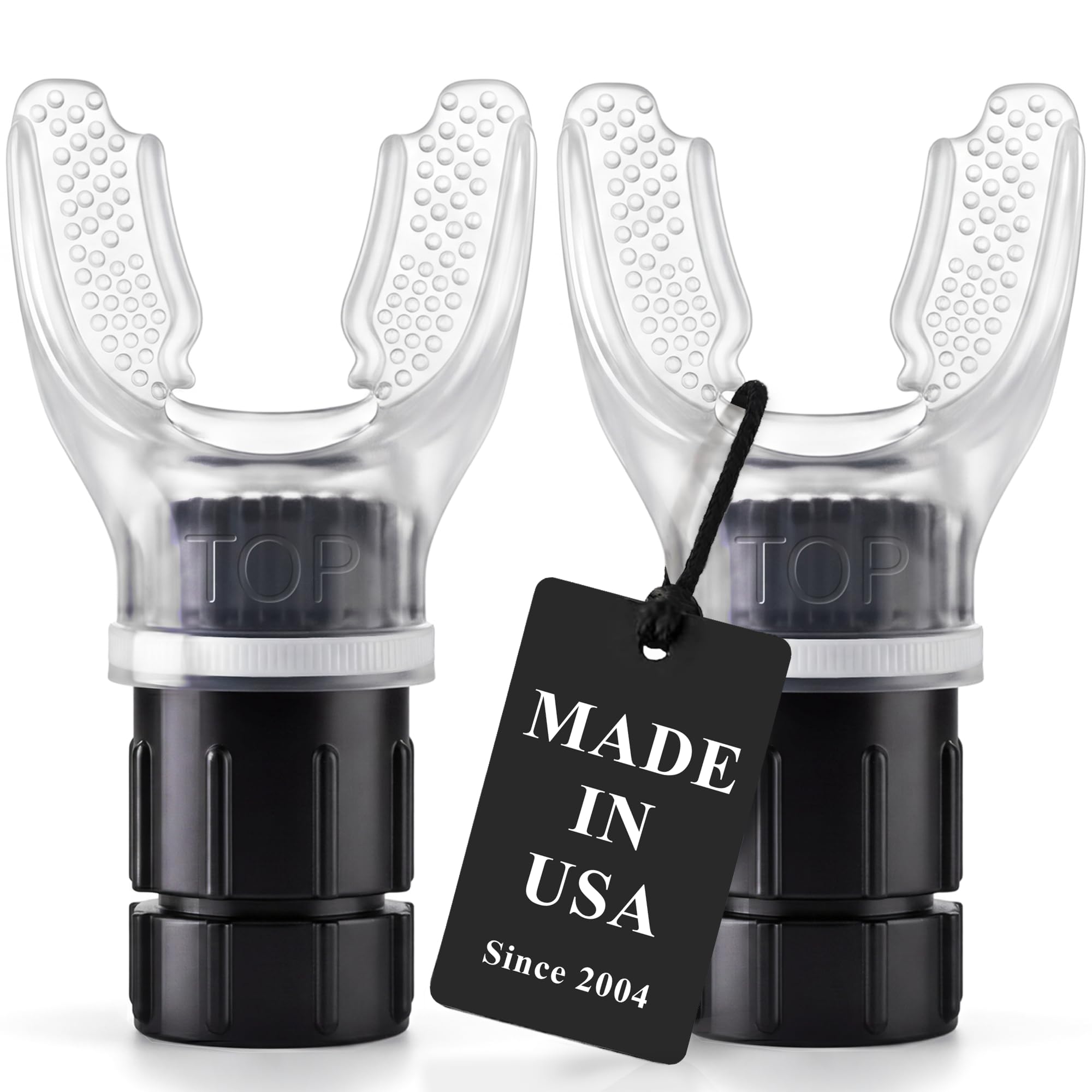
The Expand-A-Lung stands apart because it targets both inhalation and exhalation through a single adjustment knob, offering full-cycle respiratory conditioning without requiring separate devices. Since 2004, this USA-designed trainer has built a reputation among competitive athletes, and the 2-pack configuration means you can keep one at home and one in your gym bag without skipping a session. Its wide resistance range accommodates beginners seeking light diaphragmatic work and advanced users pushing toward peak endurance, while the food-grade silicone mouthpiece eliminates the metallic taste common with hard plastic alternatives.
Reviewers consistently report noticeable improvements in stamina within two to four weeks of consistent use, with several citing its effectiveness for post-injury respiratory therapy and blood pressure reduction through resistance breathing. The low-tech, purely mechanical design means zero reliance on batteries, digital sensors, or fragile components—just pure airflow resistance. The absence of numbered markings on the resistance dial is a minor trade-off for the freedom of infinite fine-tuning, and the requirement for routine rinsing is standard hygiene practice for any oral-contact device.
For the athlete or wellness seeker who wants a proven, durable, and scientifically sound respiratory conditioning tool, the Expand-A-Lung delivers the most versatile training stimulus per dollar. Its ability to train both respiratory phases with one knob, combined with a track record spanning nearly two decades, makes it the definitive choice for progressive lung strength development.
Why it’s great
- Full-cycle training (inhale and exhale) from a single device
- Infinite resistance adjustment without numbered steps encourages natural progression
- Compact 4-inch length and silicone mouthpiece make travel effortless
Good to know
- Resistance dial lacks click-stops or numbered indicators for precise repeatability
- Requires regular rinsing with warm water to maintain hygiene and prevent mold
2. Tilcare Respiratory Trainer & Lung Trainer
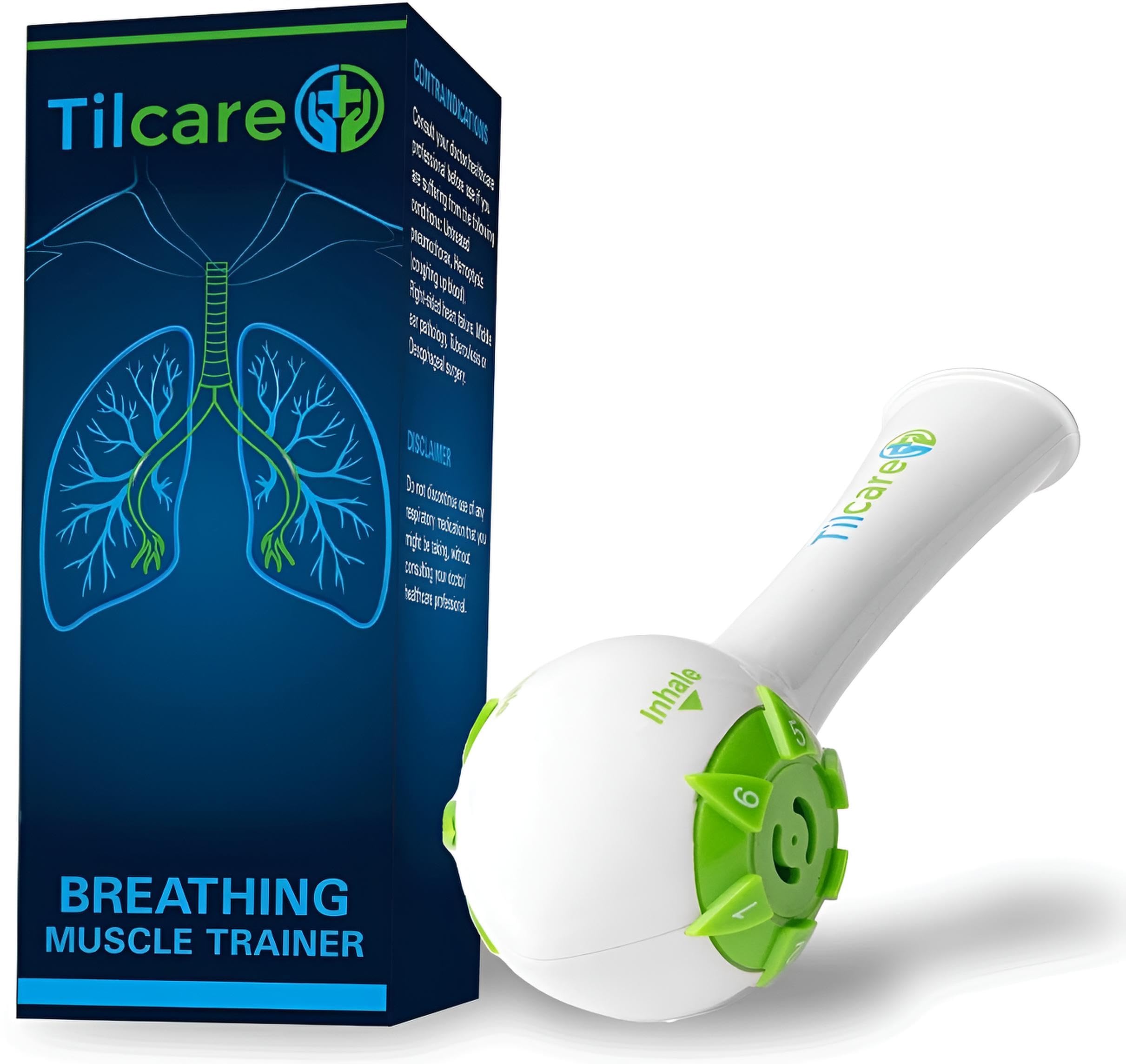
The Tilcare Respiratory Trainer earns its place among top performers through a clear, numbered 6-level dial that allows users to methodically progress their inspiratory and expiratory resistance with repeatable precision. This is the trainer you reach for when you want to track your exact level week over week, logging improvement the same way you log weights on a barbell. Its construction from food-grade, medical-grade materials reassures users who prioritize hygiene and long-term durability, especially those with compromised immune systems or chronic respiratory conditions like COPD.
Users recovering from chest congestion report that consistent use clears phlegm and improves overall respiratory comfort, while athletes and musicians appreciate the deep-breathing focus that strengthens the diaphragm for sustained performance. The lightweight design—just over an ounce and a half—slips into a pants pocket without creating a bulge, making it genuinely portable. Multiple customer reviews highlight that this device delivers identical features to trainers costing significantly more, positioning it as a value proposition for cost-conscious buyers who refuse to compromise on adjustability.
Where the Tilcare truly excels is in its balance of structured progression and material safety. The 6-level system removes the guesswork of resistance selection, making it ideal for beginners who need a clear path forward and for rehab patients whose clinicians require measurable load increments. The dual adjustment for inhale and exhale at independent levels is a rare feature at this price point, enabling truly customized training.
Why it’s great
- Six distinct resistance levels provide reproducible, trackable progression
- Independent adjustment for inhalation and exhalation resistance
- Ultra-lightweight and pocket-friendly for on-the-go training
Good to know
- Some users find the plastic construction feels less substantial than metal-bodied trainers
- Requires consistent daily use over weeks to see measurable gains
3. Oxy Respiratory Trainer
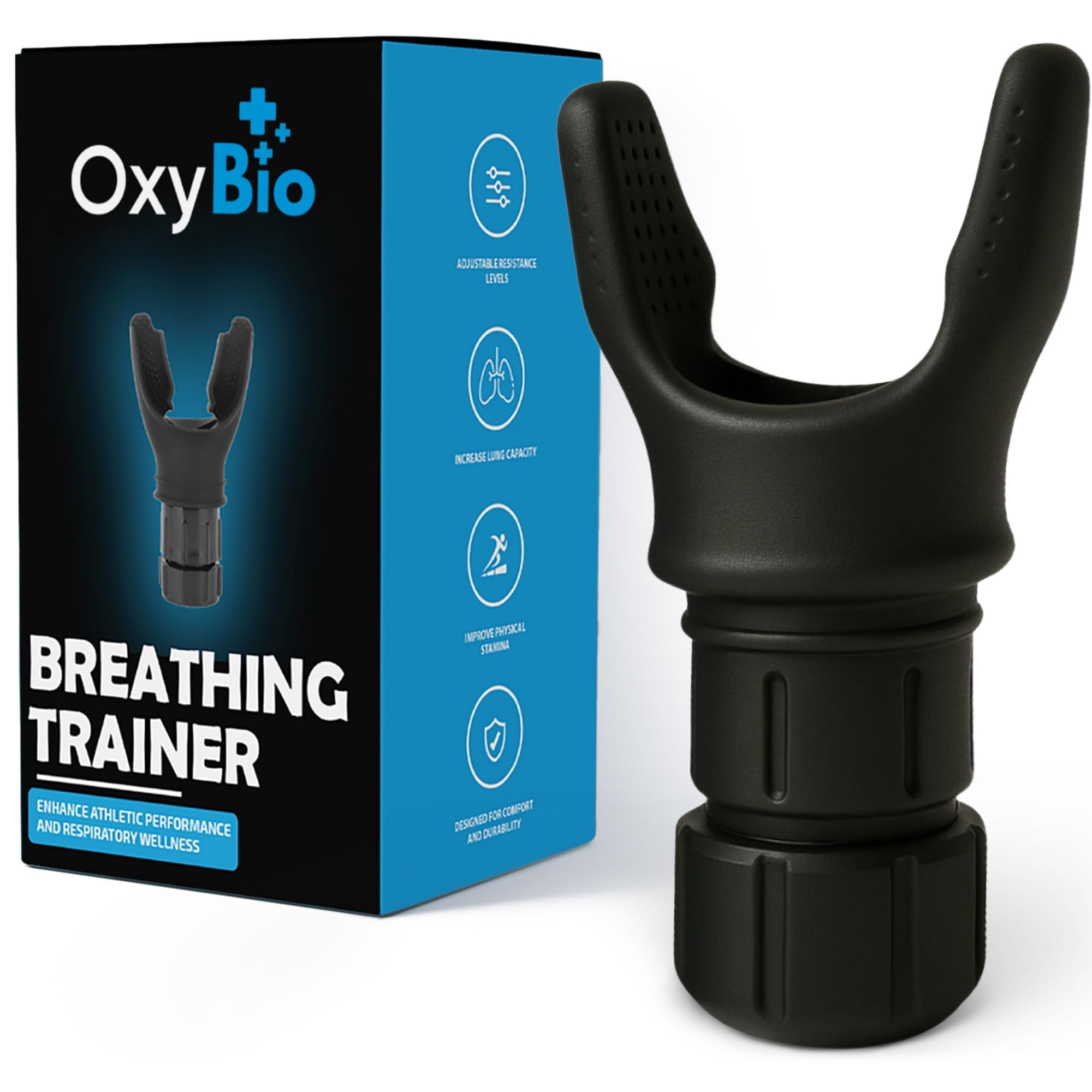
The Oxy Respiratory Trainer differentiates itself through material choices that directly impact longevity: a corrosion-proof stainless steel valve paired with a premium silicone body. This combination means the internal airflow mechanism will not degrade from moisture exposure over months of daily use, a failure point common in all-plastic trainers where valve components can warp or develop micro-cracks. The fully adjustable resistance accommodates both beginners and experienced users, and the device’s sub-2-ounce weight makes it the most travel-friendly full-cycle trainer in this lineup.
Customer feedback highlights noticeable improvements in stair-climbing endurance and overall breathing control within a short period of daily 5-to-10-minute sessions. The silicone body provides a comfortable grip and is easier to clean than rigid plastic housings, while the lack of batteries, refills, or liquids simplifies the training ritual to just breathing. Some users report that the resistance range may feel limited for advanced athletes seeking very high load, but for the vast majority of fitness enthusiasts and recovery users, the adjustment range is more than sufficient.
The Oxy’s real strength lies in its construction philosophy: build a trainer that outlasts the user’s motivation to train. The stainless steel valve ensures consistent resistance even after hundreds of sessions, and the silicone body can withstand boiling for deep sanitization. For someone who values a premium-feeling tool that prioritizes durability without adding bulk, this trainer represents a smart long-term investment.
Why it’s great
- Stainless steel valve resists corrosion and maintains performance over time
- Ultra-compact and lightweight for truly effortless portability
- Premium silicone body offers comfortable grip and easy sanitation
Good to know
- Resistance ceiling may not satisfy advanced strength athletes seeking extreme load
- Daily consistency is essential for visible results in breathing control
4. Flutter Valve Breathing Exercise Device for Lungs

The Flutter Valve device operates on a fundamentally different principle than standard resistance trainers. Instead of simply creating airflow resistance, its three stainless steel balls generate oscillatory positive expiratory pressure (PEP) during exhalation, causing vibrations that travel through the airways to break up and mobilize thick mucus. This mechanism is clinically validated for patients with cystic fibrosis, bronchiectasis, chronic bronchitis, and post-smoking lung congestion, making it a therapeutic tool rather than just a fitness accessory.
Medical professionals frequently recommend this exact type of device for patients needing to clear airways without relying solely on medications. The three included balls of different diameters allow users to select their resistance level, and the dual mouthpiece configuration supports shared use between family members or patients and caregivers. Reviews from long-term smokers and COPD patients describe immediate relief in coughing and mucus clearance, with several users noting their pulmonologist approved the device for daily home use. The transparent medical-grade PC housing lets you observe ball movement and track your exhalation force in real time.
This is not a device for athletes seeking VO2 max improvements or diaphragm strength. It is a specialized respiratory therapy tool designed for one primary mission: reducing mucus retention and improving airway clearance efficiency. If your breathing difficulties stem from congestion, chronic cough, or post-infectious sputum production, the Flutter Valve addresses that specific pathology better than any general resistance trainer can.
Why it’s great
- Creates oscillatory PEP vibrations that physically mobilize mucus from airways
- Three steel ball sizes offer graduated resistance for different lung capacities
- Doctor-recommended design with proven clinical track record
Good to know
- Primarily an expiratory device—does not train inspiratory muscles
- Requires proper technique and consistent sessions for mucus clearance benefits
5. Incentive Spirometer, Breathing Exercise Device for Lungs
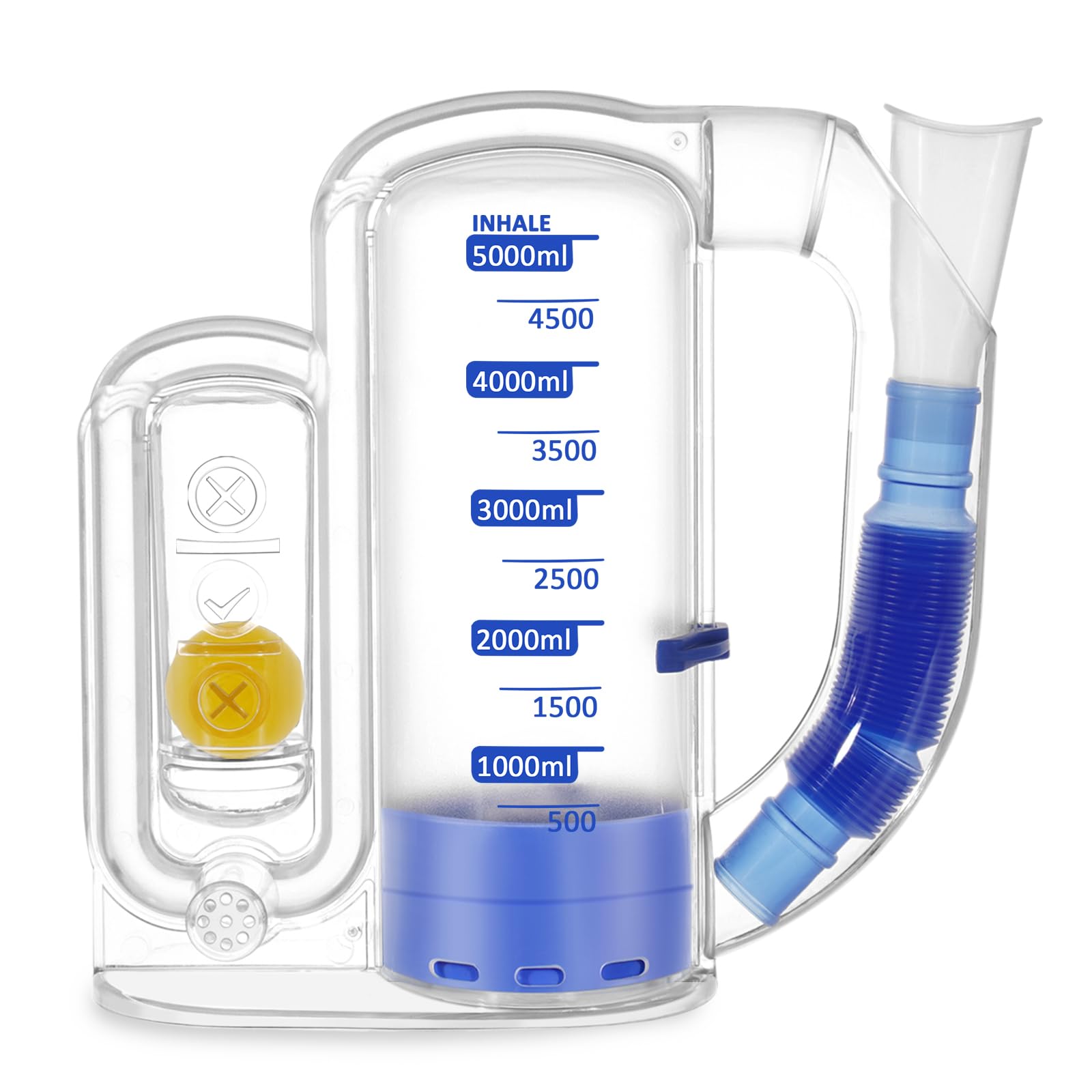
The Incentive Spirometer provides a completely different training feedback loop: rather than resisting your breath, it measures the volume of air you can inhale by lifting a piston inside a calibrated column. This visual metric is invaluable for post-surgical recovery, pneumonia rehabilitation, and for elderly patients who need objective proof that their lung volume is improving day by day. The adjustable target slider lets users set daily volume goals, turning respiratory exercise into a measurable, trackable activity.
Made from shatterproof medical-grade PC material, this spirometer is built to survive drops and regular cleaning without cracking. Customer reviews consistently mention its ease of use for COPD patients and seniors recovering from bronchitis, with several noting it was recommended by their doctor or urgent care physician. The lightweight 7-ounce design makes it easy to hold during bedside or seated sessions, and the clear scale markings eliminate confusion about how deep each breath needs to be. One reviewer recovering from a traumatic brain injury reported that this spirometer was instrumental in their physical therapy progress.
The limitation is that this device only trains inhalation volume, not respiratory muscle strength or exhalation power. It does not provide adjustable resistance for progressive overload—it simply shows you how deeply you can inhale. For patients whose primary goal is maintaining or recovering lung volume after illness or surgery, this visual incentive is exactly what is needed. For athletes or those seeking respiratory strength gains, a resistance trainer remains the better choice.
Why it’s great
- Provides real-time visual feedback on inhaled air volume through a rising piston
- Adjustable goal slider helps track daily progress and stays motivating
- Shatterproof medical-grade PC construction withstands drops and cleaning
Good to know
- Only trains inhalation volume, not inspiratory or expiratory muscle strength
- Not designed for progressive resistance loading like a dial-based trainer
FAQ
How many minutes per day should I use a breathing trainer?
Can a breathing trainer help with COPD or asthma?
How do I clean my breathing trainer properly?
Why does my breathing trainer make a whistling sound during use?
Can I use a breathing trainer if I have a deviated septum or nasal congestion?
Final Thoughts: The Verdict
For most users, the best breathing trainer winner is the Expand-A-Lung (2-Pack) because it delivers full-cycle inspiratory and expiratory training with infinite resistance adjustment in a proven, USA-made package that has been trusted by athletes since 2004. If you want structured, numbered progression for precise load tracking, grab the Tilcare Respiratory Trainer. And for mucus clearance and airway congestion relief following illness or chronic respiratory conditions, the Flutter Valve Breathing Exercise Device provides the clinically validated oscillatory PEP mechanism no basic resistance trainer can replicate.

Mo Maruf
I created WellFizz to bridge the gap between vague wellness advice and actionable solutions. My mission is simple: to decode the research and give you practical tools you can actually use.
Beyond the data, I am a passionate traveler. I believe that stepping away from the screen to explore new environments is essential for mental clarity and physical vitality.