Our readers keep the lights on and my smoothie glass nicely filled. As an Amazon Associate, I earn from qualifying purchases.
Choosing the wrong fabric for your next multi-day hike can turn a memorable summit into a miserable slog. Backpacking clothes need to manage moisture, regulate temperature, and compress down to nothing in your pack — all while surviving branches, rocks, and repeated wear without washing.
I’m Mohammad Maruf — the founder and writer behind WellFizz. I’ve spent countless hours cross-referencing fabric technologies, weight specs, and real-world user feedback to separate the gear that works from the gear that just looks the part.
This guide breaks down the five essential layers every hiker needs, from quick-dry base layers to waterproof shells, so you can confidently build your kit around best backpacking clothes that perform when the trail gets steep.
How To Choose The Best Backpacking Clothes
Backpacking clothes are a layered system, not individual fashion items. The wrong base layer traps sweat and chills you at camp. A jacket that lacks pit zips turns a warm climb into a sauna. Understanding the interaction between fabric properties, weight, and trail duration is how you avoid buying gear that only works in a parking lot.
Fabric Weight and Packability
Every ounce counts when you carry everything on your back. Look for garments that compress to fist‑size or smaller — typically nylon or polyester blends under six ounces for tops, and pants that fold into a pocket. Merino wool offers natural odor resistance but weighs more per warmth than a comparable synthetic. Prioritize items with claimed packability in their specs.
Moisture Management and Drying Speed
Wet clothes cause hypothermia in minutes above treeline. The best backpacking fabrics wick sweat away from skin and dry in under two hours when hung from a branch. Avoid cotton at all costs — it absorbs 27 times its weight in water and dries slowly. Look for quick‑dry labels on synthetic shirts and convertible pants, and sealed seams on rain shells to keep water out entirely.
UPF Ratings and Sun Protection
On exposed ridgelines, sunscreen washes off with sweat and reapplying is impractical. Garments carrying a UPF 50 rating block 98 percent of UV rays without any lotion. Convertible pants and lightweight long sleeves with this rating eliminate the need to reapply, saving both weight and pack space. A shirt that boasts UPF 50 also tends to have a tighter weave that resists snagging on brush.
Quick Comparison
On smaller screens, swipe sideways to see the full table.
| Model | Category | Best For | Key Spec | Amazon |
|---|---|---|---|---|
| Little Donkey Andy Women’s Convertible Pants | Convertible Pants | Versatile leg coverage | UPF 50, zip-off legs | Amazon |
| TBMPOY Men’s Lightweight Puffer Jacket | Insulated Jacket | Packable warmth for camp | Detachable hood, 12 oz estimate | Amazon |
| Little Donkey Andy Men’s Quick Dry Shirt | Hiking Shirt | Hot climate hiking | UPF 50, zippered pockets | Amazon |
| NORDIC OUTLAND Men’s Waterproof Rain Jacket | Rain Shell | Heavy rain protection | Waterproof seams, pit zips | Amazon |
| Merino Wool Base Layer Men’s 250 | Base Layer | Cold weather insulation | 100% merino, 250 gsm | Amazon |
In‑Depth Reviews
1. Little Donkey Andy Women’s Hiking Pants Lightweight Convertible Zip-Off Pants Quick Dry UPF 50
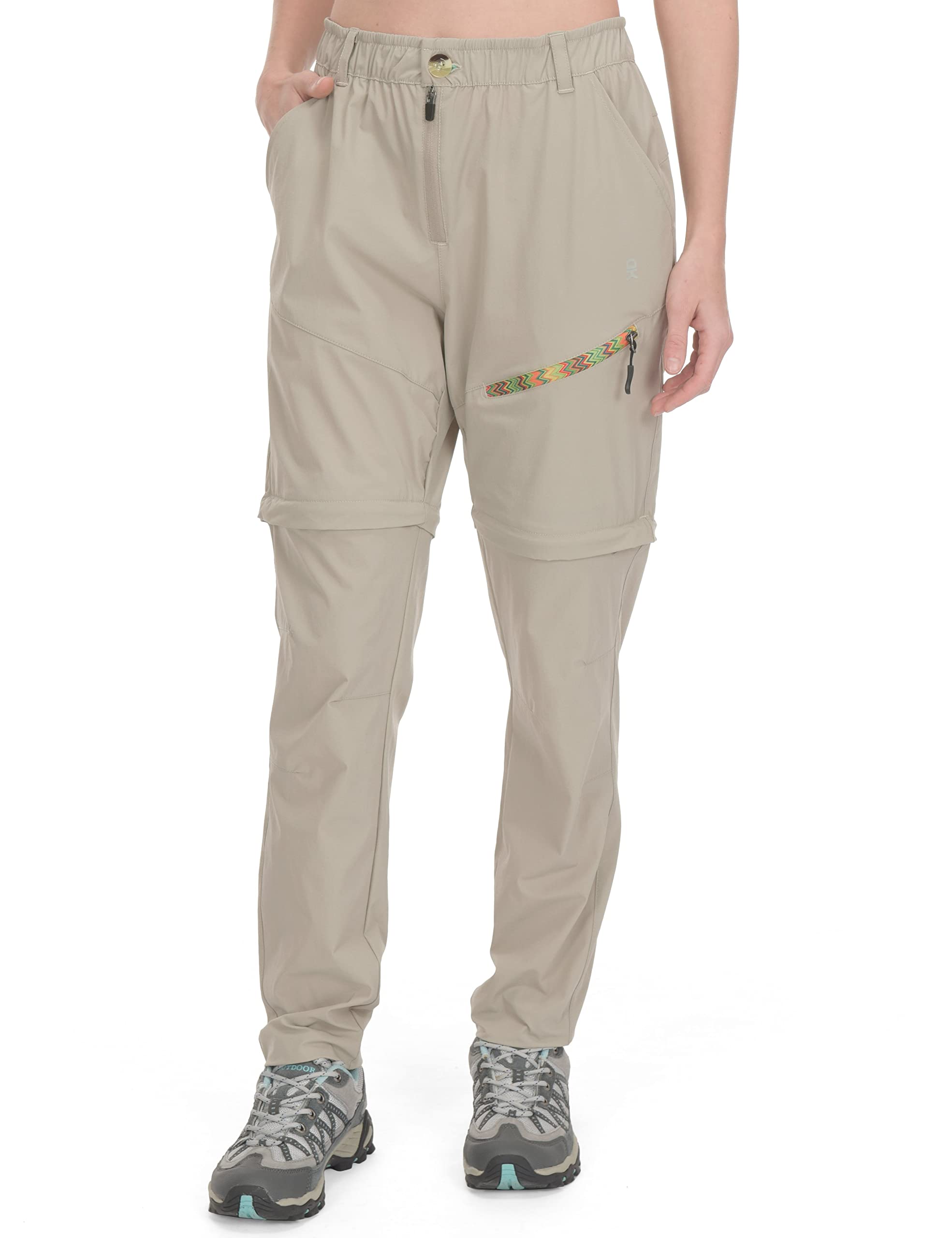
These convertible pants solve the classic backpacker dilemma of fluctuating temperatures with a single pair of legs. The UPF 50 fabric blocks harmful rays while the zip-off design lets you switch between pants and shorts mid-hike without unpacking anything. Multiple reviews confirm the fabric is quiet, soft, and breathes well even under a heavy pack load.
The high waist sits above the belly button, which keeps drafts out when you bend to tie boots, and the tapered styling avoids the baggy parachute look. Side pockets are deep enough for sunscreen and lip balm. Owners note the durable synthetic blend dries noticeably faster than cotton after a stream crossing or sudden shower.
The main trade-off is the absence of ankle zippers — you must remove your boots to zip the legs back on after converting to shorts. Some users report the zip-off section at the thigh fits snugly on curvier builds compared to premium REI equivalents. Color consistency across options also varies slightly.
Why it’s great
- UPF 50 and quick-dry fabric handle sun and moisture
- Convertible design reduces pack weight by replacing two garments
- High waist and tapered cut improve comfort under hipbelt
Good to know
- No ankle zips means boots off to convert
- Zip-off thigh section can be tight for some body types
- Color may differ from product photos
2. TBMPOY Men’s Lightweight Puffer Jackets Detachable Hood Water-Resistant Casual Winter Coat Hooded Insulated for Travel Ski
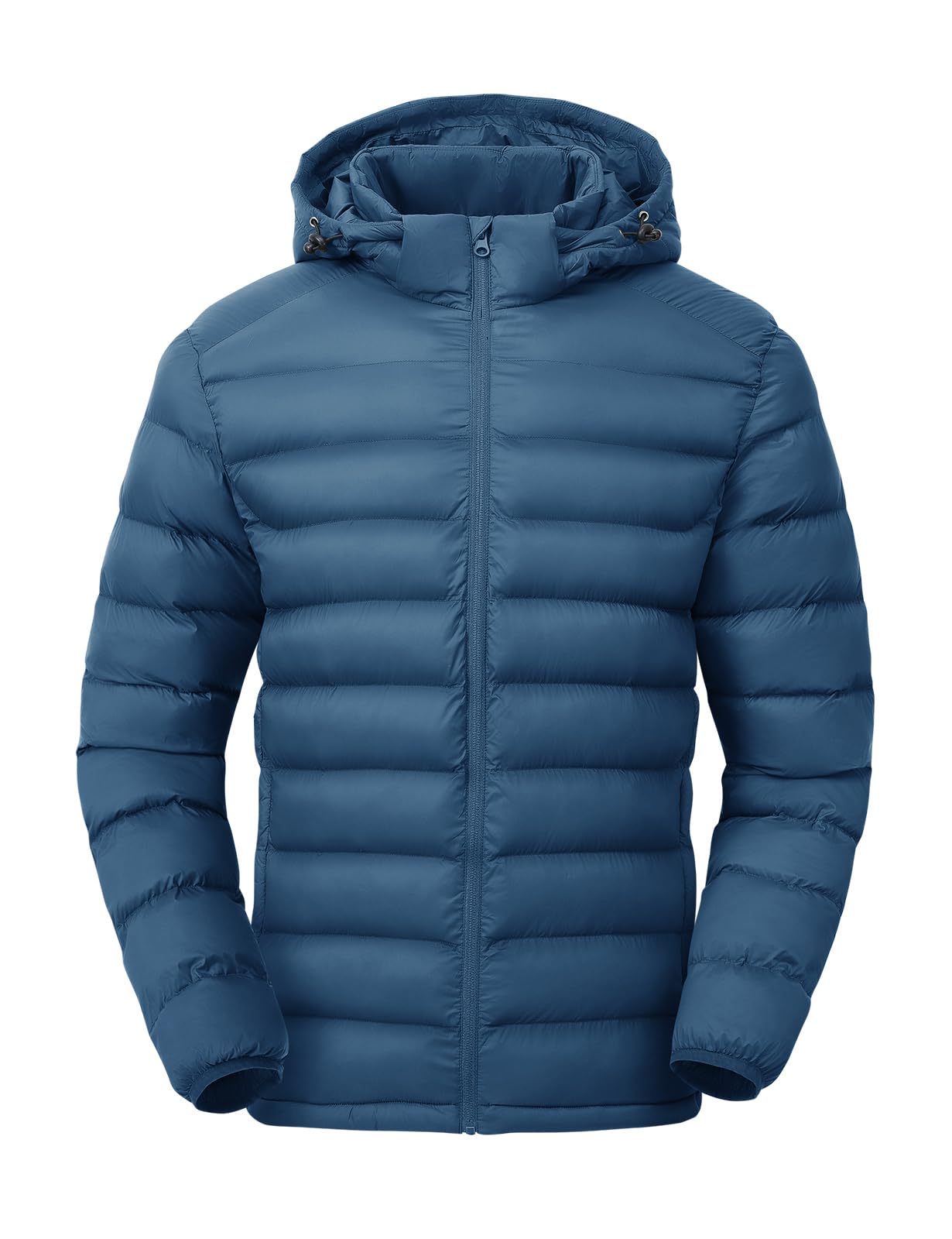
This puffer jacket earns its place in a backpacking kit because it compresses small and punches above its weight in warmth. Testers report feeling comfortable in temperatures ranging from the high teens to mid-thirties Fahrenheit. The detachable hood and large zippered pockets add versatility without adding significant bulk. At roughly 12 ounces, it’s light enough to toss in a pack as a camp-only layer.
The water-resistant shell handles light drizzle and snow flurries, though it is not a replacement for a dedicated rain jacket in sustained downpours. The nylon zippers are small-toothed but functional, and the inner pocket is deep enough for a phone or wallet. Users praise the mobility it allows — one ramp agent noted he could still move freely while working outdoors.
Taller hikers should note the sleeves run about 1.5 inches short, and the fit is best described as athletic. Static cling when removing the jacket is a minor nuisance, and long-term durability of the fill is still being tested by early adopters. For the weight and warmth it delivers, this is a strong mid-layer or camp insulator.
Why it’s great
- Surprisingly warm for its weight in sub-freezing conditions
- Detachable hood and deep pockets improve trail usability
- Compresses easily for pack storage
Good to know
- Sleeves are short for users over 6’1″
- Not fully waterproof in sustained rain
- Nylon zippers feel less sturdy than metal equivalents
3. Little Donkey Andy Men’s Lightweight Short Sleeve Shirt Quick Dry Stretch Shirt for Hiking Travel, UPF50

This is the shirt you reach for on hot, exposed sections of trail where a breeze is your only air conditioning. The polyester fabric is lightweight, stretchy, and dries rapidly when soaked through — critical for humid approaches or stream-side lunch stops. Reviewers consistently highlight the two vertical zippered chest pockets that securely hold a large Pro Max phone without flopping while walking.
The straight hem and sharp collar give it a cleaner look than typical hiking shirts, making it suitable for transitioning from trail to town without changing. The UPF 50 rating means you can skip reapplying sunscreen on your arms for most of the day. Owners who ordered a size up report a relaxed fit that still stays tucked under a hipbelt.
Some users note the synthetic material can feel warm in shoulder seasons, and the waist measurement varies slightly between identical sizes. Loose threads around buttonholes snag occasionally, though overall construction holds up well for the price. If you run hot on climbs, this shirt moves moisture better than a cotton tee and weighs half as much.
Why it’s great
- UPF 50 eliminates need for arm sunscreen on long days
- Zippered pockets keep phone and keys secure
- Quick-dry fabric recovers fast from sweat or stream splash
Good to know
- Runs small — order one size up for relaxed fit
- Can feel warm in cool spring conditions
- Minor loose thread issues at buttonholes
4. NORDIC OUTLAND Mens Lightweight Hooded Waterproof Rain Jacket Breathable Raincoat Shell for Outdoor Mountain Hiking
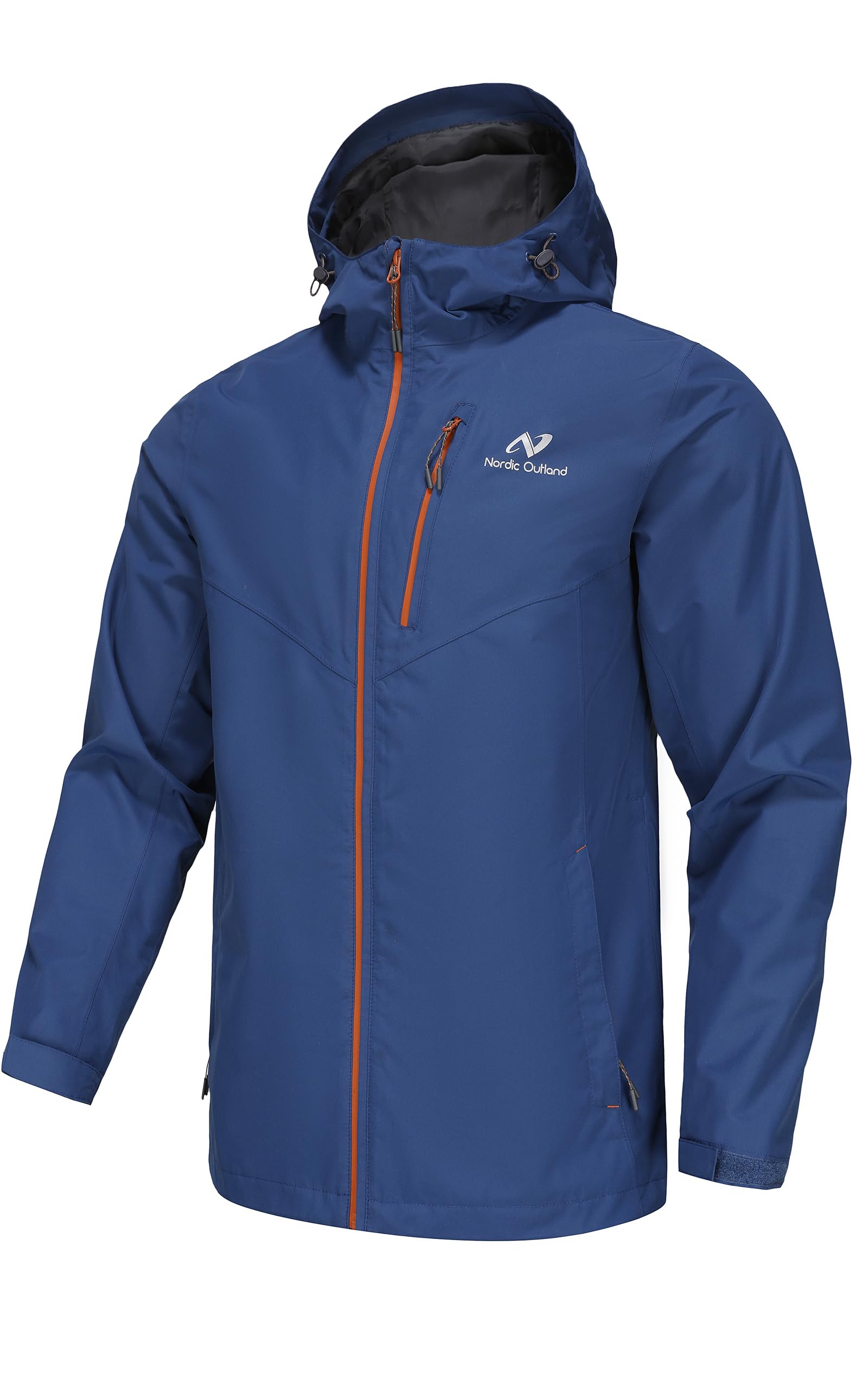
When the sky opens up above treeline, this shell provides confidence that your base layers will stay dry. The waterproof seams and taped zippers prevent moisture intrusion even under a heavy rain, as confirmed by a reviewer who held the jacket under a faucet for ten minutes and found the inner sweatshirt completely dry. Pit zips allow critical airflow during strenuous climbs when a standard rain jacket turns into a personal sauna.
The longer back hem offers additional coverage when bending over to adjust gaiters or set up a tent in the rain. A mesh liner adds comfort against bare arms, and the generously sized hood fits over a baseball cap or helmet. Testers note the jacket blocks wind effectively, which extends its utility to cold, breezy summits even without heavy insulation underneath.
The cut is roomy by design, accommodating a mid-layer fleece or puffer underneath — one 6-foot, 180-pound reviewer found a medium perfect with a light shirt, while a large felt too baggy. The extended torso length means shorter hikers may find the hem sits below their waist. For the weight and price, this shell competes with jackets costing multiples more in pure weather protection.
Why it’s great
- Fully waterproof seams and zippers withstand heavy rain
- Pit zips prevent overheating on uphill sections
- Longer back hem improves coverage during movement
Good to know
- Cut is long in the torso — may feel oversized for shorter hikers
- Not insulated; requires a mid-layer underneath for cold weather
- Sizing differs from typical large — size down if between sizes
5. Merino Wool Base Layer Mens – 100% Merino Wool Shirts for Men Thermal Underwear Long Sleeve T-Shirt for Hiking Hunting

For multi-day trips where washing is impossible, 100 percent merino wool remains the gold standard for odor resistance. This 250 GSM base layer provides substantial warmth without the bulk of a fleece, making it ideal as a standalone top for cool mornings or as a next-to-skin layer under a shell in freezing conditions. The jersey weave stretches comfortably during high-stepping rock scrambles.
Owners consistently report zero itch — a common concern with wool — and excellent breathability that keeps you comfortable across a wide temperature range. One reviewer noted wearing this shirt from cold offices to warm hikes without feeling clammy or chilled. The Henley collar option adds versatility for venting without unzipping a jacket.
The 4.8-ounce weight is light enough to carry as an emergency layer, though the 250 GSM density means it is noticeably thicker than 150-weight summer merino shirts. Color representation can be slightly inaccurate in photos, with some buyers receiving a darker shade than expected. Sleeve length approaches but does not fully cover very long arms. For a natural fiber base layer that handles sweat and stink better than any synthetic, this is a strong value.
Why it’s great
- 100 percent merino wool resists odor through days of wear
- 250 GSM provides mid-weight insulation without bulk
- Soft, itch-free weave comfortable against skin all day
Good to know
- Product color may differ from listing photos
- Sleeves slightly short for very long arms
- Thicker than lightweight summer baselayers
FAQ
Can I wear cotton on a short backpacking trip?
How many sets of clothes do I need for a week-long hike?
Are convertible zip-off pants worth the weight?
Final Thoughts: The Verdict
For most users, the best backpacking clothes winner is the Little Donkey Andy Women’s Convertible Pants because they deliver UPF 50 protection, quick‑dry fabric, and zip‑off versatility in a single lightweight garment. If you need a moisture‑wicking top for sweaty climbs, grab the Little Donkey Andy Men’s Quick Dry Shirt. And for reliable rain protection that won’t weigh you down, nothing beats the NORDIC OUTLAND Waterproof Rain Jacket.

Mo Maruf
I created WellFizz to bridge the gap between vague wellness advice and actionable solutions. My mission is simple: to decode the research and give you practical tools you can actually use.
Beyond the data, I am a passionate traveler. I believe that stepping away from the screen to explore new environments is essential for mental clarity and physical vitality.