Our readers keep the lights on and my smoothie glass nicely filled. As an Amazon Associate, I earn from qualifying purchases.
The sharp sting when you open your mouth to yawn, eat, or even smile is a uniquely frustrating kind of pain. Angular cheilitis turns the corners of your mouth into inflamed, cracked, and often weepy zones that can take weeks to clear with the wrong treatment. The category demands a specific blend of antifungal action, moisture barrier protection, and gentle ingredients because the skin there is thin, constantly in motion, and exposed to saliva and food particles.
I’m Mohammad Maruf — the founder and writer behind WellFizz. My research into this narrow category involves cross-referencing clinical antifungal efficacy, user-reported healing timelines for perioral dermatitis and candidal infections, and formulation safety for the delicate lip-skin transition zone.
After analyzing dozens of products, I’ve narrowed the field to five combatants specifically formulated for the unique needs of this condition. This guide walks you through the mechanics, ingredients, and healing profiles that define the best antifungal for angular cheilitis on the market right now.
How To Choose The Best Antifungal For Angular Cheilitis
Angular cheilitis is rarely a simple fungal infection — it often involves Candida albicans overgrowth paired with bacterial colonization and a compromised moisture barrier. The right product must address all three without irritating the already inflamed skin. Here are the core factors to evaluate.
Active Ingredient: Clotrimazole vs. Natural Oils
Clotrimazole 1% is the gold-standard OTC antifungal for Candida species. It is clinically proven and works quickly within days. Natural alternatives like tea tree oil, peppermint oil, and Thuja also show antifungal activity but are slower and less predictable. For angular cheilitis, an antifungal with a barrier-building base (zinc oxide, shea butter, or jojoba oil) outperforms a plain cream because it protects the crack from moisture and friction while the antifungal works.
Texture and Occlusivity
The corners of the mouth are high-movement zones. A greasy ointment or thick cream that stays put through eating and talking heals faster than a lightweight lotion that wipes off in minutes. Look for bases that mention moisture barrier, skin protectant, or occlusive — these are designed to seal the wound from saliva, which is a constant irritant and re-infection source.
Fragrance, Steroids, and Dyes
Inflamed perioral skin reacts badly to added fragrances, dyes, alcohols, and steroids. Steroids thin the skin over time and can worsen fungal infections. The best products for angular cheilitis are fragrance-free, steroid-free, and hypoallergenic. Many effective options also exclude parabens and dyes, which reduces the risk of contact dermatitis on top of the fungal rash.
Quick Comparison
On smaller screens, swipe sideways to see the full table.
| Model | Category | Best For | Key Spec | Amazon |
|---|---|---|---|---|
| Terrasil Skin Repair for Angular Cheilitis | Antifungal Ointment | Direct angular cheilitis treatment | Activated Minerals + Jojoba Oil | Amazon |
| Baza Moisture Barrier Antifungal Cream | Barrier Cream | Moisture protection + antifungal | 5 oz tube with zinc oxide | Amazon |
| Roycederm Antifungal Bar Soap | Medicated Soap | Daily cleansing routine | Clotrimazole 1% bar | Amazon |
| Tea Tree Therapy Antiseptic Ointment | Antiseptic Ointment | Mild cases & prevention | Tea tree, lavender, eucalyptus | Amazon |
| Terrasil Antifungal Ringworm Soap | Antifungal Soap | Body fungal prevention | Activated Minerals + coconut oil | Amazon |
In‑Depth Reviews
1. Terrasil Skin Repair for Angular Cheilitis
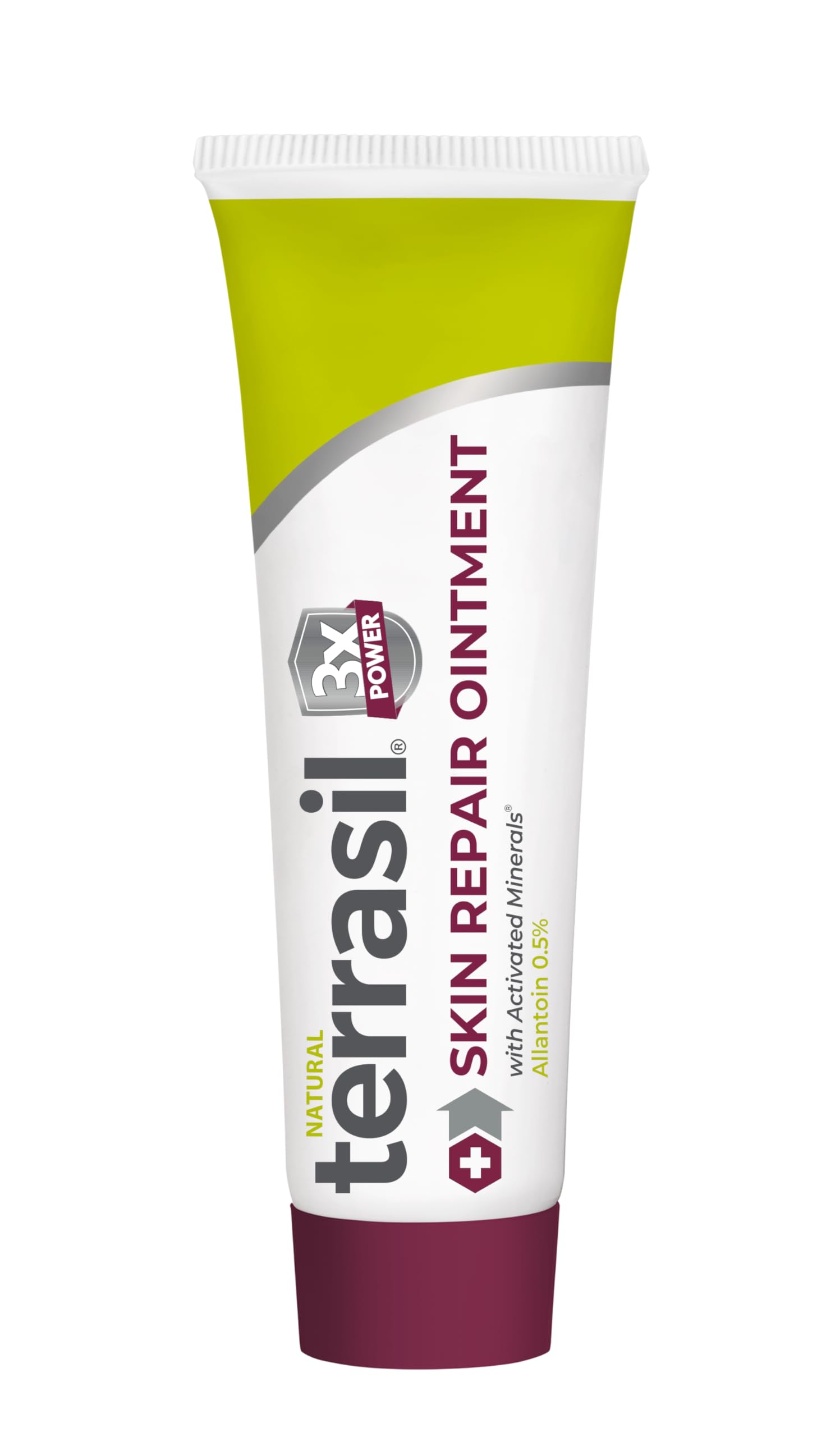
This is the only product in this roundup specifically named for angular cheilitis, and it earns the spot with a formulation that combines antifungal, antibacterial, and moisture-barrier properties in a single 1-ounce tube. The patented Activated Minerals technology uses a proprietary blend of micronized minerals that create an electrostatic bond with the skin, targeting Candida and bacteria simultaneously without stripping the fragile perioral tissue. Jojoba oil provides deep, non-comedogenic hydration while peppermint oil delivers immediate cooling relief to the burning sensation that defines angular cheilitis.
User reports are striking: one reviewer saw visible improvement the next day after a prescription-strength antifungal failed, and another cured a 12-year case of perioral dermatitis that had resisted Accutane. The hypoallergenic, steroid-free, fragrance-free profile makes it safe for repeated application around the mouth, and the thick, occlusive texture stays in place even through talking and eating. The main drawback is the tube size — at 1.13 ounces, heavy users may need to reorder monthly, and the premium cost per ounce is higher than barrier creams.
For direct, targeted treatment of angular cheilitis, this is the most complete formula available. It heals the fungal component, calms inflammation, and physically seals the crack from saliva and food debris — a triple action that shorter-spectrum products cannot match.
Why it’s great
- Specifically formulated for angular cheilitis, not a general antifungal
- Activated Minerals technology targets Candida and bacteria
- Steroid-free, fragrance-free, hypoallergenic for delicate perioral skin
Good to know
- Small tube may require frequent reordering for some users
- Higher cost per ounce than general barrier creams
2. Baza Moisture Barrier Antifungal Cream

Baza is a clinical-grade barrier cream that combines antifungal protection with the powerful occlusive properties of zinc oxide and dimethicone. It comes in a two-pack of 5-ounce tubes — roughly ten times the volume of the dedicated angular cheilitis ointment — making it the best value choice for users who need continuous, heavy-coverage protection across multiple body areas or for long-term management. The texture is thick and white, similar to diaper rash cream, and it creates a physical seal that keeps moisture, saliva, and friction away from the cracked corners.
User feedback is uniformly positive: one customer reported that skin breakdown around a port site healed overnight, and another used it successfully as a replacement for a discontinued INZO antifungal barrier. The cream builds efficacy with repeated application, making it ideal for a consistent daily routine rather than spot treatment. Because it was designed for incontinent skin care and hospital use, it tolerates long wear times without washing off, which is a major advantage for angular cheilitis sufferers who cannot reapply every hour.
The trade-off is packaging: the tube dimensions are bulkier, and the cream’s heavy texture may feel greasy or awkward for daytime use under makeup or sunscreen. It also lacks the targeted Activated Minerals technology of the Terrasil option, so it is best used as a complement to a more specific antifungal rather than as a standalone cure.
Why it’s great
- Very high value with 10 total ounces in the two-pack
- Clinical-grade zinc oxide barrier seals out moisture and friction
- Fast user-reported results, often overnight
Good to know
- Thick, heavy texture may not be cosmetically elegant
- Not a dedicated angular cheilitis formulation
3. Roycederm Antifungal Bar Soap (Clotrimazole 1%)
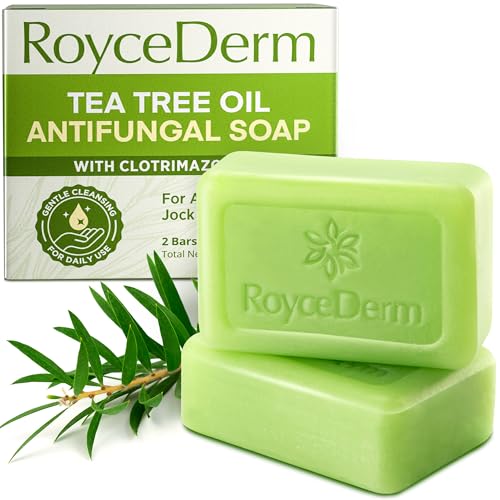
Roycederm’s medicated bar is the only product in this lineup that uses clotrimazole 1% — the same active ingredient found in leading prescription and OTC antifungal creams — in a soap format. This makes it an excellent adjunct to a leave-on ointment, because it allows you to gently cleanse the affected area twice daily with an antifungal agent without adding an extra cream layer. The bar produces a rich lather that rinses clean, and the tea tree oil scent is refreshing without being overpowering — a welcome feature for the sensitive perioral zone.
Multiple users report that the soap cleared facial folliculitis and breakouts when antibiotics and prescription gels failed, suggesting that the clotrimazole penetrates effectively even in a wash-off format. The bar is also versatile: you can use it for athlete’s foot, jock itch, or ringworm elsewhere on the body, making it a smart multipurpose purchase. The 8.78-ounce bar is large and long-lasting, and users consistently mention that it feels gentle and non-drying despite its antifungal power.
However, a wash-off soap cannot replace a leave-on ointment for angular cheilitis. The contact time is short, and the product does not provide the moisture barrier or occlusive protection that the cracked skin needs to heal. It works best as a complementary hygiene step — use it every morning and evening to reduce fungal load, then apply a dedicated ointment or cream for the healing phase.
Why it’s great
- Contains clinically proven clotrimazole 1% active ingredient
- Gentle enough for daily facial cleansing
- Large bar lasts for several weeks of use
Good to know
- Wash-off format cannot replace a leave-on treatment
- No occlusive barrier to protect cracked skin
4. Tea Tree Therapy Antiseptic Ointment
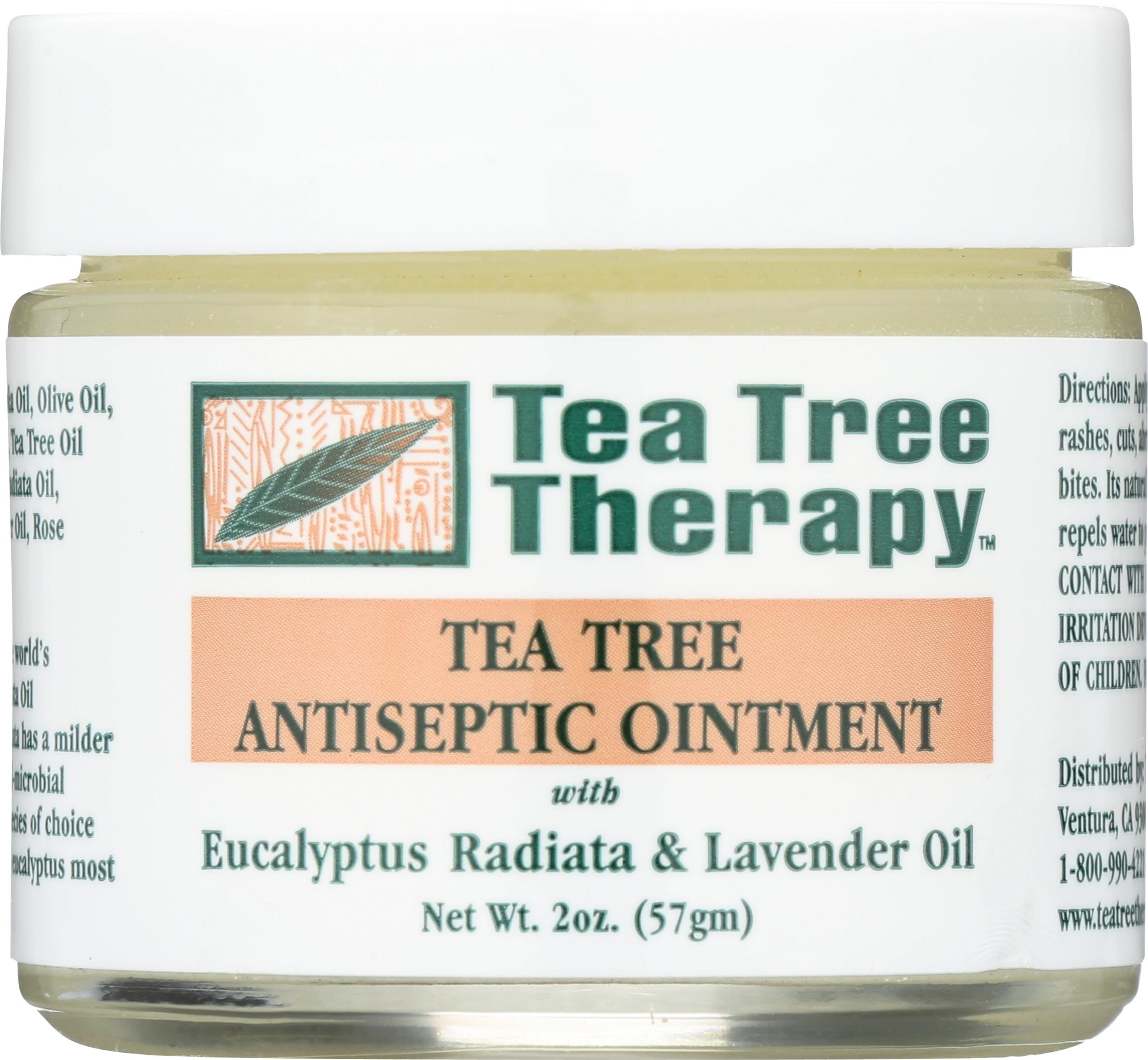
For mild or early-stage angular cheilitis, this blend of tea tree, lavender, eucalyptus, and rose geranium oils offers a natural antiseptic alternative to synthetic antifungals. The oils work synergistically: tea tree provides broad-spectrum antifungal and antibacterial activity, lavender calms inflammation, eucalyptus opens pores and improves penetration, and rose geranium supports skin regeneration. The 2-ounce jar is small but highly concentrated — a tiny dab covers both corners, and even heavy users report that the jar lasts for months.
User reviews are enthusiastic: one calls it multipurpose magic for burns, bug bites, bruises, and age spots, while another says it stops bug bite itching and prevents scarring. The cooling sensation is immediate and provides noticeable relief from the burning of angular cheilitis. However, the strong botanical scent — though pleasant to many — can be off-putting for those with fragrance sensitivities, and the product lacks a numbered SPF or barrier component. It is also slower than clotrimazole-based treatments; users report needing multiple applications over several days for full resolution.
This is a good first-line option for those who prefer natural ingredients or who want a multipurpose ointment for the whole family. For severe, deep cracks or chronic angular cheilitis, it may not be potent enough on its own and should be paired with a medicated product.
Why it’s great
- All-natural blend with proven antifungal oils
- Immediate cooling sensation for pain relief
- Multipurpose use beyond angular cheilitis
Good to know
- Strong botanical scent may irritate sensitive skin
- Slower healing than clotrimazole-based products
5. Terrasil Antifungal Ringworm Soap

Terrasil’s ringworm soap uses the same patented Activated Minerals technology as the Skin Repair ointment but in a wash-off bar format. The formula hydrates with coconut oil and shea butter while delivering antifungal and antibacterial action through Thuja and peppermint oil. It is designed for ringworm, athlete’s foot, and jock itch, but its gentle, steroid-free, paraben-free profile makes it safe for perioral use as a facial cleanser.
User feedback is mixed: one reviewer saw visible improvement within a week, while another reported it did not fully clear the infection for their family. The soap is best viewed as a supportive hygiene step rather than a standalone cure for angular cheilitis. It can help reduce the fungal load and prevent the infection from spreading to other parts of the body, especially if the cheilitis is part of a broader fungal overgrowth. The bar is smaller than the Roycederm option (2.7 ounces), and some users note it can be drying if used too frequently.
For angular cheilitis specifically, this soap is the least targeted product in the roundup. It lacks leave-on occlusivity and is not formulated for the mouth corners. Use it as a body wash if you have concurrent ringworm or jock itch, but rely on a leave-on treatment for the angular cheilitis itself.
Why it’s great
- Activated Minerals technology targets multiple fungal types
- Hydrating natural oils reduce dryness during cleansing
- Hypoallergenic and safe for sensitive skin
Good to know
- Mixed user results for full fungal clearance
- Not formulated specifically for angular cheilitis
FAQ
What causes angular cheilitis to keep coming back after treatment?
Can I use a regular athlete’s foot cream for angular cheilitis?
How do I know if my angular cheilitis is fungal or bacterial?
Final Thoughts: The Verdict
For most users, the antifungal for angular cheilitis winner is the Terrasil Skin Repair because it is the only product specifically formulated for this condition, combining patented Activated Minerals with a moisture-retaining base that stays on the cracked corners through daily activity. If you want maximum value and heavy-duty moisture barrier protection for chronic or whole-body fungal coverage, grab the Baza Moisture Barrier Antifungal Cream two-pack. And for a daily cleansing routine that reduces fungal load without drying the face, nothing beats the Roycederm Clotrimazole 1% Bar Soap — just make sure to pair it with a leave-on treatment for actual healing.

Mo Maruf
I created WellFizz to bridge the gap between vague wellness advice and actionable solutions. My mission is simple: to decode the research and give you practical tools you can actually use.
Beyond the data, I am a passionate traveler. I believe that stepping away from the screen to explore new environments is essential for mental clarity and physical vitality.