Our readers keep the lights on and my smoothie glass nicely filled. As an Amazon Associate, I earn from qualifying purchases.
Fashion photography is a discipline where the margin between a good image and a great one lives in the subtleties of skin tone rendering, shadow detail, and how fabric texture resolves under strobe or natural light. A camera that delivers flat, lifeless color profiles or struggles with accurate eye autofocus during a fast-paced shoot will cost you time in post-production and, more importantly, lose the raw emotion of the garment and the model. The right body doesn’t just capture a scene — it interprets the light, preserves the designer’s intent, and gives your editing workflow a head start.
I’m Mohammad Maruf — the founder and writer behind WellFizz. Over countless hours spent analyzing sensor architecture, autofocus algorithms, dynamic range measurements, and color science across the full spectrum of interchangeable-lens cameras, I’ve built this guide to cut through the noise for serious fashion shooters.
Whether you are building a studio kit for campaign work or seeking a run-and-gun companion for street-style editorial, finding the right camera for fashion photography means matching resolution, autofocus intelligence, and lens ecosystem to your specific lighting and workflow demands.
How To Choose The Best Camera For Fashion Photography
Fashion photography places unique demands on a camera system: you need faithful color reproduction under mixed studio and natural light, fast and reliable eye-autofocus to nail focus on a moving model, and enough resolution to crop or print large without sacrificing detail. The sensor size, the autofocus architecture, and the lens ecosystem you buy into will define your creative ceiling far more than any single marketing stat.
Sensor and Dynamic Range: The Foundation of Skin and Texture
Full-frame sensors with at least 24 megapixels are the baseline for professional fashion work because they offer superior shadow recovery and highlight roll-off when lighting is imperfect. A sensor with 14 stops of dynamic range lets you pull detail from a black silk dress without introducing noise, or retain subtle highlights on shiny accessories. Crop-sensor cameras can work for lookbooks or web content, but when a designer wants a 40-inch print for showroom walls, you want the depth of a larger sensor.
Autofocus Intelligence: Keeping Eyes Sharp
During a live shoot, a model moves through poses quickly. A camera with reliable real-time eye and face detection — particularly with animal detection for pet fashion — saves you from micro-adjusting focus points. Phase-detection systems with hundreds of points covering over 80% of the frame are ideal. Look for cameras that track the eye even when the model turns her head sideways or wears heavy eye makeup that obscures the iris contrast.
Lens Ecosystem and Portrait Primes
Your lens choice often matters more than the camera body. A 50mm f/1.2, 85mm f/1.4, or 70-200mm f/2.8 allows you to separate the subject from the background and create that three-dimensional pop. Before buying a body, consider whether the brand offers the specific fast primes and tilt-shift lenses you need. Canon RF and Sony E-mount currently offer the widest native selection of high-end portrait glass for fashion.
Quick Comparison
On smaller screens, swipe sideways to see the full table.
| Model | Category | Best For | Key Spec | Amazon |
|---|---|---|---|---|
| Sony Alpha 7 IV | Premium | Pro hybrid fashion | 33MP full-frame, 4K 60p 10-bit | Amazon |
| Canon EOS R6 Mark II | Premium | Fast-action editorial | 24.2MP, 40fps electronic shutter | Amazon |
| Sony a7 III | Mid-Range | Budget full-frame portrait | 24.2MP, 693 AF points, 10fps | Amazon |
| Canon EOS R8 | Mid-Range | Lightweight full-frame entry | 24.2MP, 4K 60p oversampled | Amazon |
| Nikon D780 | Mid-Range | DSLR with live-view video | 24.5MP, 4K UHD, 51 AF points | Amazon |
| Sony A6100 | Mid-Range | Budget fast-AF crop sensor | 24.2MP, 425 phase AF, 11fps | Amazon |
| Nikon Z fc | Mid-Range | Stylish retro travel | 20.9MP, 209 phase detect, 4K | Amazon |
| Canon EOS R50 | Mid-Range | Versatile kit for beginners | 24.2MP, Dual Pixel CMOS AF | Amazon |
| Canon EOS 7D Mark II | Mid-Range | Action and sports fashion | 20.2MP, 65 cross-type AF, 10fps | Amazon |
| Panasonic LUMIX S5II | Premium | Video-first fashion content | 24.2MP, Phase Hybrid AF, Active I.S. | Amazon |
| Nikon Z 9 | Premium | Flagship resolution & speed | 45.7MP, 8K/30p, 120fps stills | Amazon |
| Fujifilm X100VI | Mid-Range | Street-style editorial | 40.2MP, 23mm f/2 fixed, IBIS | Amazon |
| Leica Q3 | Premium | Discreet luxury editorial | 60MP, 28mm f/1.7, hybrid AF | Amazon |
In‑Depth Reviews
1. Sony Alpha 7 IV

The Sony a7 IV has become a reference point for hybrid fashion photography thanks to its 33MP full-frame back-illuminated sensor and BIONZ XR processor that deliver class-leading dynamic range for recovering shadow detail in black fabrics and retaining highlights on metallic accessories. The 693-point phase-detection autofocus with Real-time Eye AF for humans and animals tracks a model’s eye with sticky precision, even during fast pose transitions.
The 7K oversampled 4K 30p video with 10-bit 4:2:2 internal recording and S-Cinetone color profile gives fashion filmmakers a deep color palette straight out of camera, reducing grading time for campaign reels. The dual card slots (CFexpress Type A / SD) provide backup security during critical paid shoots, and the weather-sealed body handles outdoor location work without hesitation.
Battery life that often exceeds 2,000 shots per charge means one battery can carry you through a full studio day without panic. The 33-megapixel resolution also gives you generous cropping flexibility for tight editorial crops while maintaining enough file size for 20×30-inch prints.
Why it’s great
- Impeccable skin-tone rendering and S-Cinetone for video
- Real-time Eye AF works with models even in tricky side profiles
- Dual card slots for reliable backup on paying jobs
Good to know
- 4K 60p suffers a 1.5x crop
- Menu system remains dense despite improvements
2. Fujifilm X100VI

The Fujifilm X100VI uses a 40.2MP X-Trans CMOS 5 HR sensor in a compact rangefinder-style body with a fixed 23mm f/2 lens (35mm equivalent). The in-body image stabilization provides up to 6 stops of correction, allowing handheld shooting in dimly lit backstage or pre-show environments without a tripod. The 20 film simulations, including the new REALA ACE, produce stunning out-of-camera JPEGs that many fashion editors use directly for mood boards and social previews.
The built-in 4-stop ND filter is invaluable for shooting wide open in bright studio light to achieve the signature f/2 shallow depth of field on flowing fabrics. While the fixed 35mm focal length is restrictive for full-body comp card shots, it forces a deliberate compositional discipline that many street-style and documentary fashion photographers find deeply creative.
Battery life is modest with IBIS active, but the hybrid viewfinder (optical + electronic) is a joy for candid editorial work. It is not a studio main body, but it excels as a secondary camera for behind-the-scenes content and personal style documentation.
Why it’s great
- Built-in ND filter eliminates additional glass in studio bag
- Film simulations reduce post-processing for rapid client delivery
- Compact size fits into small clutch for on-location prep
Good to know
- Fixed 23mm lens requires you to physically zoom with your feet
- Autofocus can hunt in very low contrast studio backgrounds
3. Canon EOS R6 Mark II
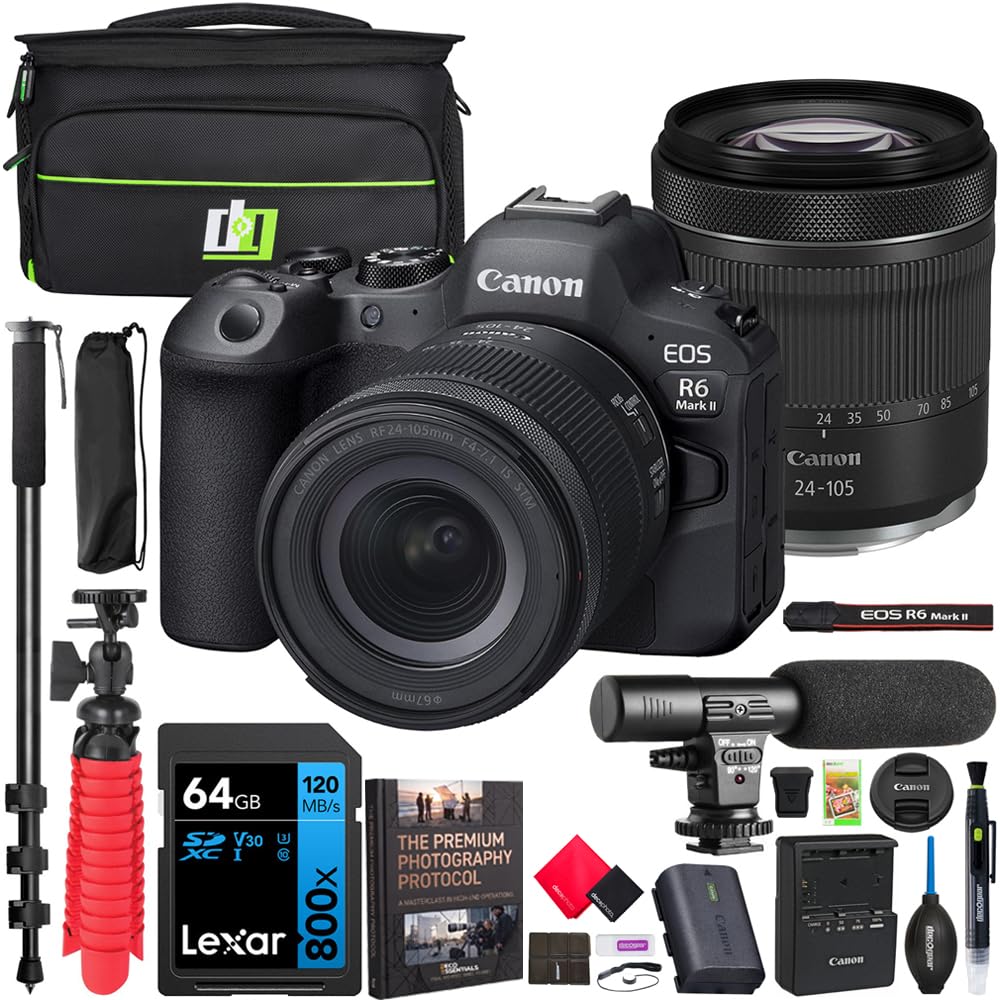
The Canon EOS R6 Mark II pairs a 24.2MP full-frame sensor with the DIGIC X processor to deliver lightning-fast 40fps electronic shutter with full AF/AE tracking — ideal for capturing the exact moment a model’s dress flares or a hair flip happens. The Dual Pixel CMOS AF II with deep-learning-based subject detection now recognizes horses, trains, and aircraft alongside people and animals, which is useful for equestrian or automotive fashion shoots.
The 6K oversampled uncropped 4K 60p video can record for up to 6 hours in full HD without overheating, making it a reliable workhorse for long studio days and fashion film productions. The RF lens mount gives you access to the superb RF 85mm f/1.2L for portraiture and the RF 28-70mm f/2L for versatile editorial work.
The 24.2MP resolution is conservative compared to rivals, but the combination of subject acquisition intelligence and ergonomic handling makes it one of the most confidence-inspiring cameras for paid fashion assignments. The deep grip is comfortable even with heavy telephoto lenses for runway coverage.
Why it’s great
- 40fps electronic shutter catches perfect peak action
- Head and face detection adjusts with side-turn tracking
- RF lens ecosystem includes dedicated fashion portrait primes
Good to know
- Single SD card slot limits backup redundancy
- Battery life is average compared to rivals of the same class
4. Sony a7 III

The Sony a7 III remains a cornerstone of budget-conscious fashion photography for good reason. Its 24.2MP back-illuminated full-frame sensor delivers 15 stops of dynamic range, allowing you to preserve dark silk textures while keeping white background highlights from blowing out. The 693-phase detection points covering 93% of the frame give you reliable zone coverage for off-center model compositions.
Shooting at up to 10fps with mechanical or silent shutter, it captures movement without distracting the subject during editorial sets. The battery life is exceptional — rated for about 710 shots per charge — letting you shoot through long lookbook sessions without interruption. The kit 28-70mm lens is adequate for general work, but the ecosystem of affordable third-party FE-mount primes from Sigma and Tamron makes this the most lens-friendly value platform for fashion portraiture.
While the menu system is not as polished as newer bodies and 4K video lacks the 10-bit color depth of current-gen cameras, the still image quality still competes with options costing significantly more. For photographers prioritizing raw image fidelity over video features, this is a wise entry point.
Why it’s great
- 15-stop dynamic range outstanding for fabric detail retention
- Wide lens ecosystem with budget-friendly f/1.4 primes
- Excellent battery life for long studio days
Good to know
- Menus are deep and can be frustrating to navigate quickly
- 28-70mm kit lens is only adequate for outdoor work
5. Canon EOS R8

The Canon EOS R8 is Canon’s lightest full-frame RF-mount body at just 461 grams, making it an ideal second camera for run-and-gun editorial or travel fashion work. Despite the compact form, it shares the core 24.2MP sensor and DIGIC X processor from the R6 II, delivering uncropped 4K 60p oversampled from 6K with Canon Log 3 for flexible color grading. The Dual Pixel CMOS AF II covers 100% x 100% of the frame with 1,053 AF zones and automatic subject detection for people, animals, and vehicles — including horses for equestrian editorial.
The vari-angle 1.62-million-dot LCD and built-in 0.39-inch OLED EVF with 120fps refresh rate give you clear framing in bright studio or outdoor conditions. It can capture up to 40fps in electronic shutter mode with full AF tracking, useful for catching flowing fabric and hair moments. The body is not weather-sealed as thoroughly as the R6 II, so rain cover is advised for outdoor shoots.
Battery life is weaker than its larger siblings, and there is only a single SD card slot. However, for the price, this full-frame entry gives you most of the autofocus performance and video quality of a flagship body in a packable size.
Why it’s great
- Full-frame quality in a sub-500g body for travel convenience
- Uncropped 4K 60p with C-Log 3 for video productions
- Same AF intelligence as far more expensive Canon bodies
Good to know
- Single SD card slot — no backup during critical shoots
- LP-E17 battery needs spares for full-day coverage
6. Canon EOS 7D Mark II

The Canon EOS 7D Mark II is a rugged 20.2MP APS-C DSLR built for high-speed action, with a 65-point all-cross-type autofocus system and 10fps continuous shooting that tracks moving subjects effectively during fast-paced runway shows. The magnesium-alloy body is weather-sealed against dust and moisture, making it reliable for outdoor street-style fashion shoots in unpredictable weather. The 100-16000 ISO range handles the variable lighting of backstage or outdoor venues without immediate noise intrusion.
The Dual Pixel CMOS AF makes live-view video and focus tracking smoother than most DSLRs of its generation, supporting custom Movie Servo AF speed and sensitivity adjustments for film. It supports Full HD video at 60fps, which remains useful for social media fashion clips. The optical viewfinder offers instant responsiveness without any EVF blackout, which some photographers still prefer for capturing peak action.
Resolution is low by modern standards, and the APS-C crop means you lose some of the full-frame depth-of-field control that editorial portraiture demands. Battery life is approximately 350-800 shots per charge, which is below average for a DSLR. It remains a niche option for sports/action fashion but is overshadowed by mirrorless competitors for studio work.
Why it’s great
- 65 cross-type AF points lock on fast runway movement
- Rugged weather-sealed body for outdoor location reliability
- Optical viewfinder provides instant, blackout-free reaction
Good to know
- 20.2MP APS-C sensor limits cropping and larger prints
- Battery life is below average for a DSLR body
7. Nikon D780

The Nikon D780 remains a compelling choice for fashion photographers who prefer the optical viewfinder of a DSLR but want modern live-view autofocus technology. Its 24.5MP full-frame sensor combined with the EXPEED 6 engine delivers the renowned Nikon color science that renders skin tones with warmth and accuracy straight out of camera. The 51-point phase-detection AF system in viewfinder shooting is fast, and the live-view mode uses contrast/phase detection for better video focusing.
Low-light performance is exceptional, with usable images at ISO 22,000 showing minimal noise — critical for shooting evening runway shows or dimly lit backstage areas without flash. The dual SD card slots provide backup flexibility, and the large F-mount lens ecosystem gives you access to decades of Nikkor portrait glass at various price points. The 4K UHD video with full-pixel readout delivers clean footage for campaign films and social media content.
The body is heavier than a mirrorless alternative, and the 51-point AF is less coverage-dense than modern 693-point mirrorless systems. Live-view autofocus is improved but still not as responsive as native mirrorless phase detection. For those invested in F-mount glass and preferring a traditional shooting experience, it remains a strong contender.
Why it’s great
- Excellent high-ISO performance down to ISO 22,000
- Dual SD card slots for instant shot backup
- Rich Nikon color science for skin tones
Good to know
- Heavier body compared to mirrorless counterparts
- 51 AF points cover less frame than newer mirrorless systems
8. Nikon Z fc

The Nikon Z fc is a mirrorless DX-format camera built around a 20.9MP CMOS sensor and EXPEED 6 processor, housed in a retro-styled body with mechanical dials for shutter speed, ISO, and exposure compensation. For fashion bloggers and content creators, the vari-angle touchscreen and eye-detection autofocus in video mode provide an straightforward experience for self-recording and live streaming. The 209-point phase-detection autofocus covers a wide area and captures sharp images quickly in good light.
The compact body with the 16-50mm kit zoom lens is lightweight enough to slip into a small crossbody bag for street-style scouting, and the analog controls encourage a more deliberate approach to exposure — a nice creative break from menu-diving. The SnapBridge app facilitates wireless transfer of images to your phone for rapid social media posting, though users note the transfer speed can be frustrating.
Resolution at 20.9MP is lower than competing APS-C sensors, and the DX crop makes it less ideal for shallow depth-of-field portraiture compared to full-frame cameras. It is best suited for casual fashion content, lookbook shots for small brands, or as a daily carry camera. Durability is solid but the body materials are not fully weather-sealed.
Why it’s great
- Retro dials make exposure control intuitive and tactile
- Lightweight, compact form for easy daily carry
- Eye-detection AF works well for video and stills
Good to know
- 20.9MP is low compared to modern APS-C sensors
- DX crop sensor limits background separation effects
9. Canon EOS R50
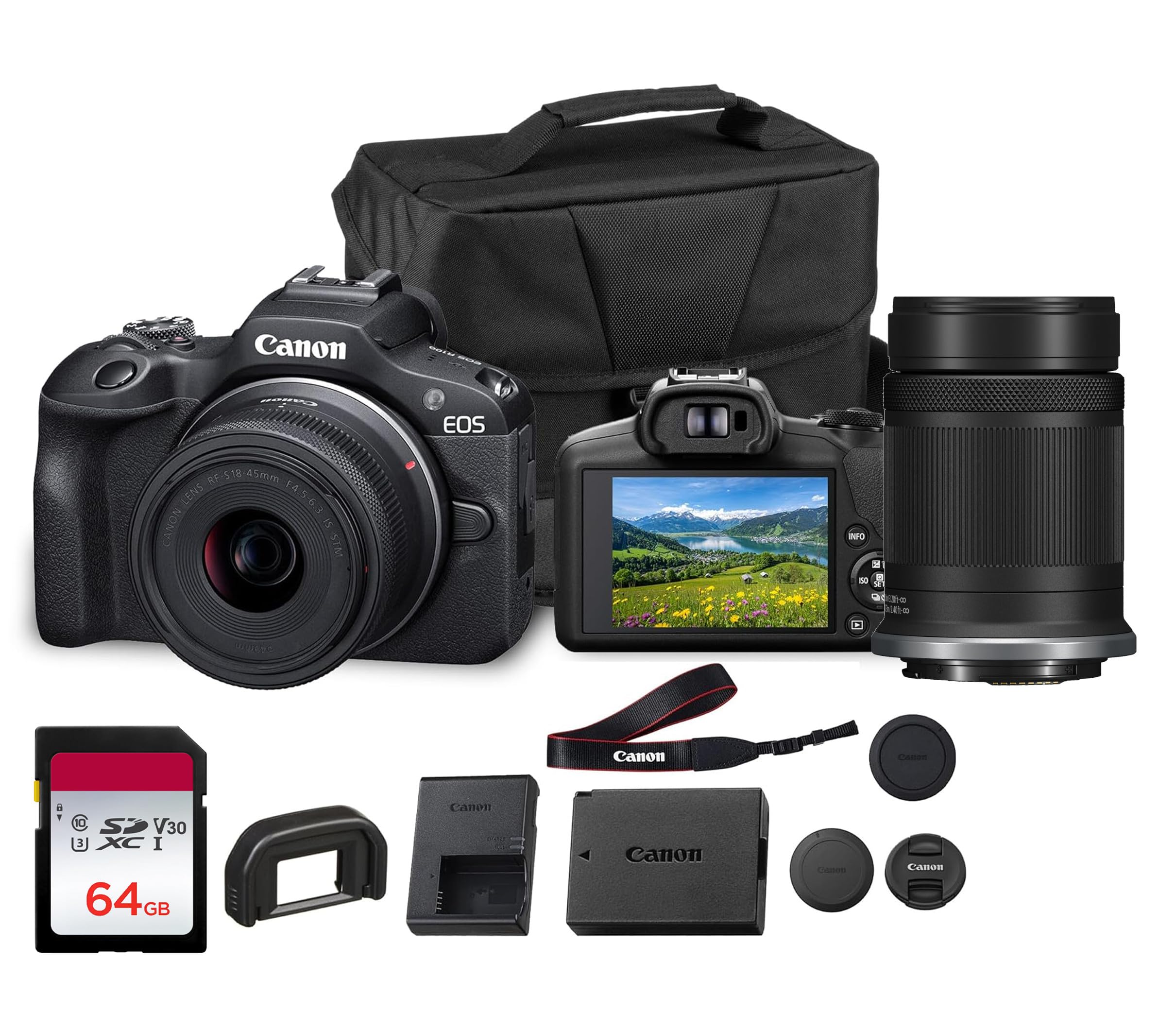
The Canon EOS R50 is a compact, lightweight mirrorless APS-C body packaging 24.2 megapixels and Canon’s Dual Pixel CMOS AF in an entry-level price tier. It arrives as a kit with two zoom lenses — an 18-45mm standard and a 55-210mm telephoto — giving a beginner fashion photographer enough range for full-body outfit shots, head-and-shoulders portraits, and detail close-ups of accessories without buying additional glass immediately. The kit also includes a memory card and shoulder bag.
The R50’s scene presets and guided UI make exposure easy for those new to fashion photography. It supports wireless downloads to a smartphone and even iPhone shutter control, which is useful for self-guided solo shoots in front of a mirror. The 4K video (likely at 24p or 30p) and vari-angle touchscreen support vlogging and behind-the-scenes content creation.
The kit lenses are optically adequate but have narrow maximum apertures that struggle to produce the creamy background separation typical of fashion editorial. The camera lacks in-body stabilization and a hotshoe flash, relying on the lens for stabilization. It is a solid training tool but will be outgrown as the user’s lighting and lens demands evolve.
Why it’s great
- Two-lens kit covers wide to telephoto for versatile fashion shots
- Guided menus and presets help beginners learn exposure
- Compact body with wireless smartphone connectivity
Good to know
- Kit lenses lack wide apertures for depth isolation
- No in-body stabilization; relies entirely on lens IS
10. Sony Alpha A6100

The Sony A6100 is an APS-C mirrorless camera that claims the world’s fastest autofocus at 0.02 seconds with 425 phase-detection and contrast-detection points covering 84% of the sensor. This speed translates directly to catching a model’s sudden pose change or fluttering fabric dead in focus. The Real-time Eye AF works for both humans and animals, making it a capable tool for pet-inclusive fashion shoots. It shoots up to 11fps with continuous AF/AE tracking.
The kit two-lens set (16-50mm and 55-210mm) gives you telephoto reach for candid street-style shots at distance, and the 180-degree tilting touchscreen aids self-recording for fashion vlogging and tutorial content. The Exmor sensor and BIONZ X processor deliver clean images up to ISO 6400, adequate for indoor natural-light editorial. The compact body fits into small camera bags or even large pockets.
The APS-C crop factor means you lose some background separation compared to full-frame, and the menu interface is classic Sony — dense and not beginner-friendly. The kit lenses are slow variable-aperture zooms that will be the first upgrade a serious shooter makes. It is an outstanding value for fast autofocus at a budget.
Why it’s great
- 0.02 sec autofocus locks consistently on moving subjects
- 11fps burst captures the best of spontaneous poses
- Two zoom lenses provide wide and telephoto options
Good to know
- APS-C sensor limits depth of field vs full-frame
- Menu system is complex for quick adjustments on set
11. Panasonic LUMIX S5II
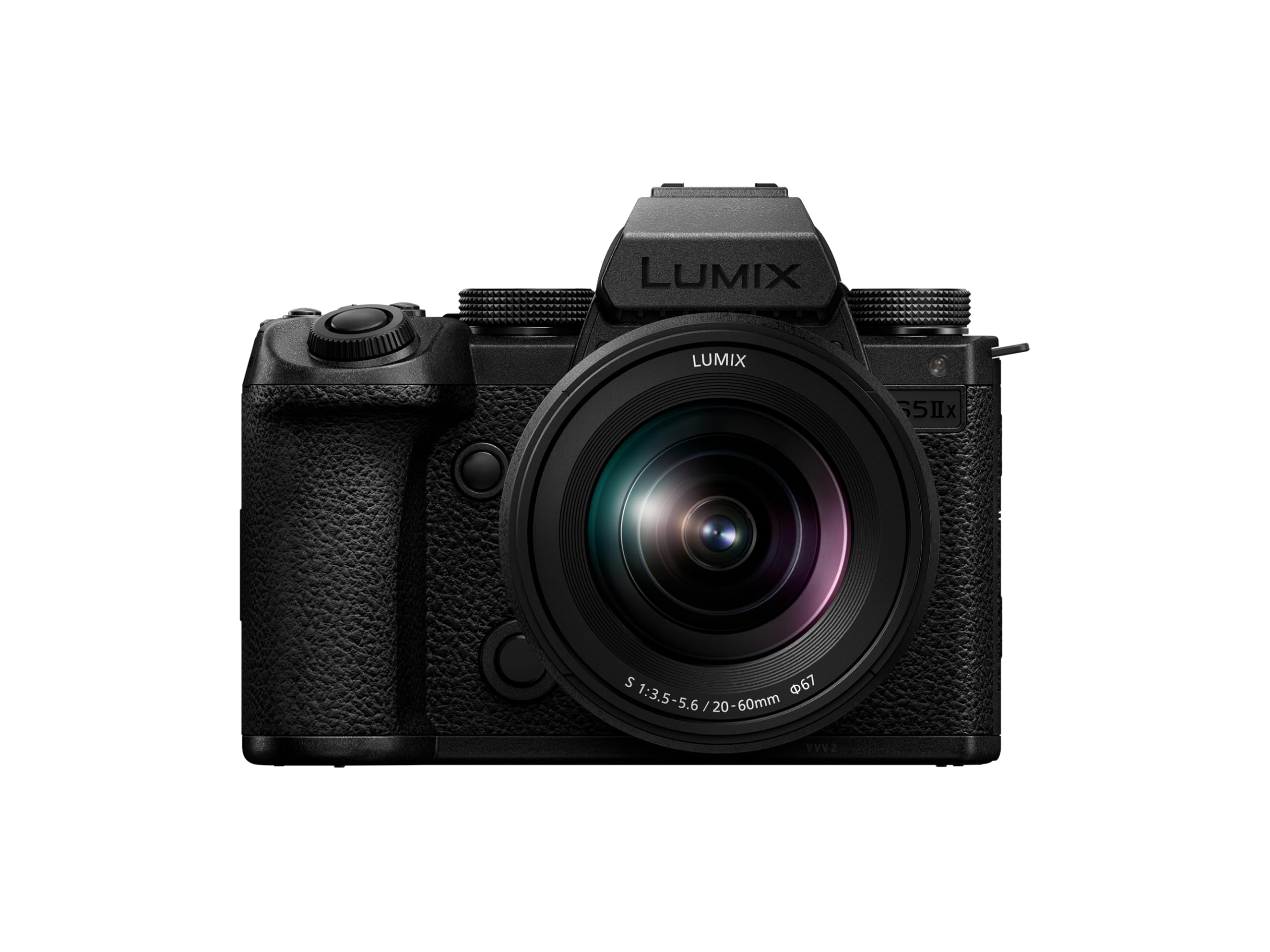
The Panasonic LUMIX S5II is a compact full-frame mirrorless body with a 24.2MP sensor and a crucial upgrade: Phase Hybrid Autofocus, solving the brand’s prior contrast-detect limitations. It offers 779 phase-detection points for fast, reliable subject detection, even in adverse lighting. The 14+ stop V-Log/V-Gamut capture and REAL TIME LUT feature allow in-camera color grading, which is a massive time-saver for fashion film editors who want to preview the final look immediately on set.
The camera excels in video: unlimited recording is enabled by a built-in fan and heat-sink system that prevents overheating — a known problem with some competitors. The 6K 30p open-gate recording provides flexible cropping for vertical social formats. Active I.S. stabilizes walking shots for gimbal-free behind-the-scenes content. The 20-60mm kit lens covers wide to standard focal lengths with near-macro focusing for accessory detail shots.
Battery life is notably poor, requiring a spare pack for a full studio day, and the L-mount lens ecosystem is smaller than Sony E or Canon RF. For photographers who prioritize hybrid video with reliable autofocus and in-camera grading tools, it is a powerhouse.
Why it’s great
- Unlimited 4K 10-bit recording with no overheating
- REAL TIME LUT for immediate color grading on set
- Phase Hybrid AF finally solves Panasonic’s focus tracking gap
Good to know
- L-mount ecosystem is narrower than Sony or Canon RF
- Battery drains quickly; spare purchase is almost necessary
12. Nikon Z 9
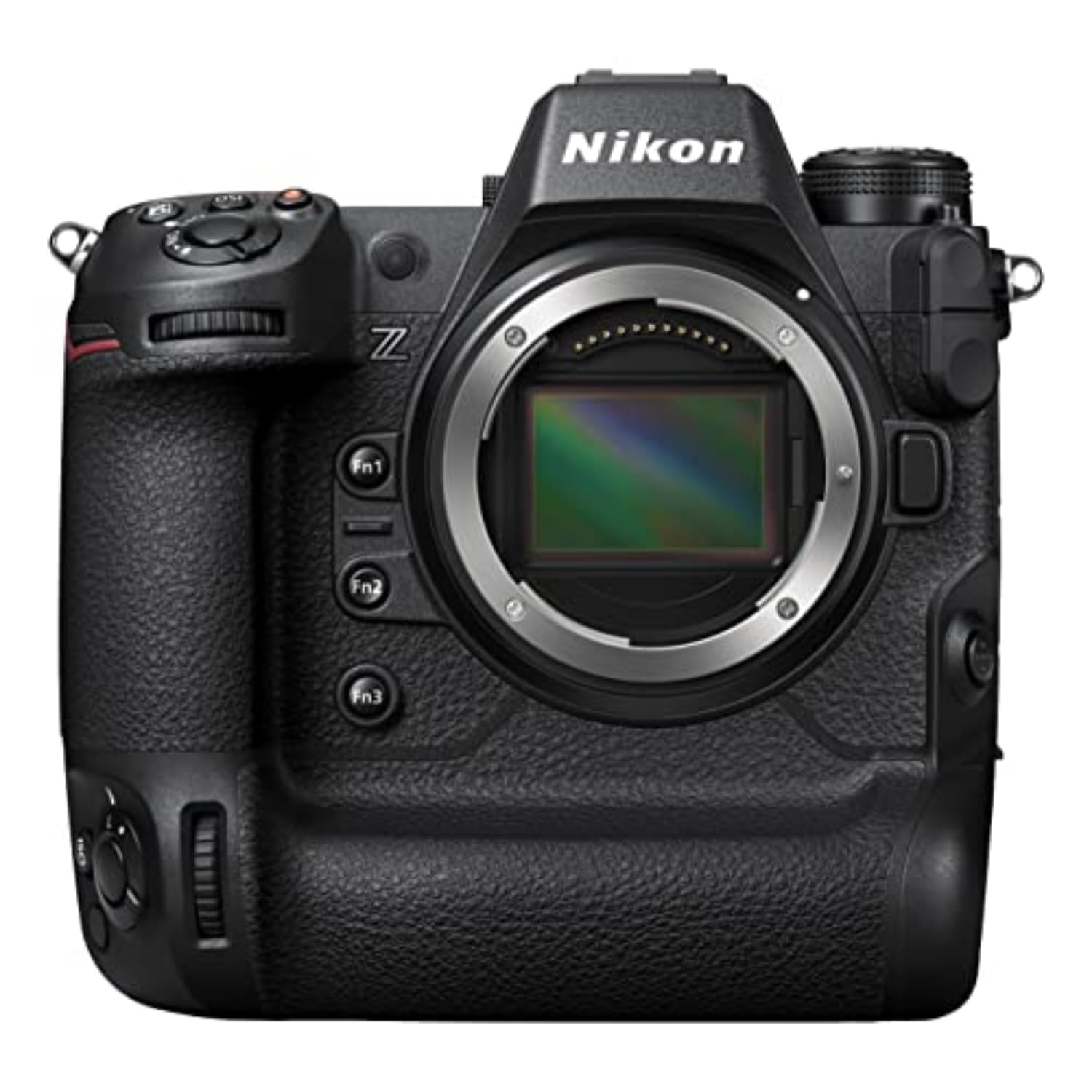
The Nikon Z 9 is a flagship professional full-frame mirrorless camera built around a 45.7MP stacked CMOS sensor and the EXPEED 7 processor, delivering best-in-class resolution for fashion advertising that requires billboard-sized prints. Its deep-learning subject detection recognizes people, dogs, cats, birds, cars, motorcycles, bicycles, trains, and planes — automatically tracking a model’s eye through a crowded runway set or a moving car fashion shoot without any menu switching. It shoots 45.7MP stills at 20fps or 30fps with full AF/AE and zero viewfinder blackout.
Video capabilities are equally extreme: internal 8K/30p recording for over two hours, 4K 120p slow motion, and internal ProRes 422 HQ or H.265. The new high-efficiency RAW format is about one-third the size of uncompressed RAW while retaining all dynamic range, saving significant drive space on extended campaign shoots. The integrated vertical grip and battery deliver between 1,800 and 4,000 shots per charge.
This camera’s weight and size are substantial, and the Z-mount lens ecosystem — while growing — does not yet offer the same breadth as F-mount. It is a specialist tool for the highest tier of commercial fashion work. For most mid-range editorial needs, it is expensive overkill; for premium ad campaigns, it is the benchmark.
Why it’s great
- 45.7MP resolution for large-format prints and aggressive crops
- AI subject tracking switches detection type automatically
- No overheating in 8K recording with long-duration stability
Good to know
- Heavier and bulkier than most mirrorless bodies
- Z-mount native lens library is still maturing
13. Leica Q3
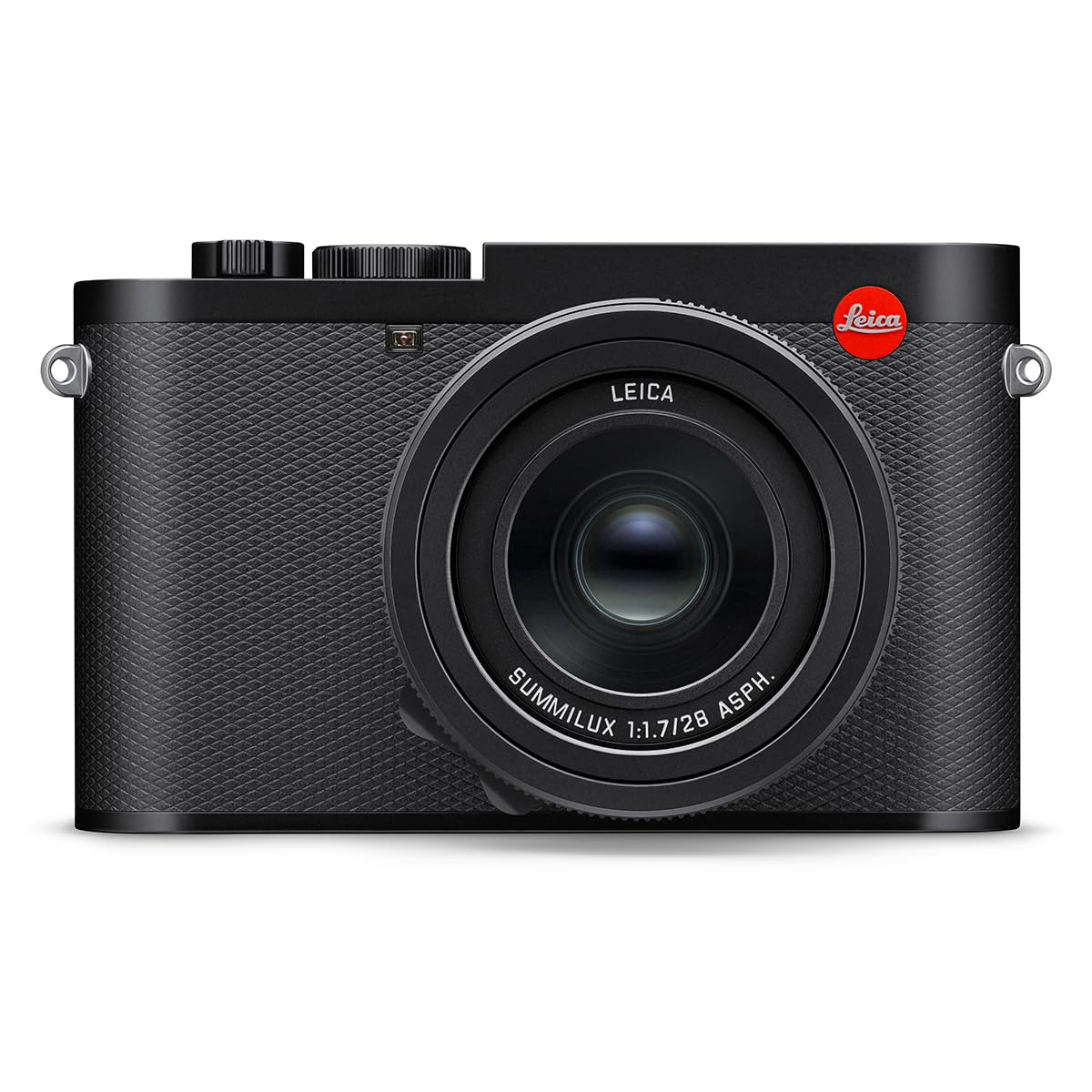
The Leica Q3 is a compact full-frame camera with a first-ever 60MP BSI CMOS sensor and Triple Resolution Technology, paired with the Maestro IV processor and 8GB of memory. The fixed Summilux 28mm f/1.7 ASPH. lens is one of the sharpest standard wide-angles ever made, producing images with three-dimensional micro-contrast that is unmistakably Leica. The hybrid autofocus blends contrast and phase detection with tracking, achieving accurate focus even in dim ambient light.
Digital zoom options up to 90mm (at reduced resolution) give framing flexibility within the small body. The 28mm f/1.7 equivalent is a classic fashion photo-journalistic focal length, encouraging the photographer to engage directly with the subject and environment rather than shooting from a distance. The optical quality of the lens is so high that many users report no need for other gear for location editorial.
The fixed focal length is creative but restrictive for studio comp-card work where a 50mm or 85mm equivalent is often preferred. The 60MP files are huge and require significant storage and processing power. This is a luxury purchase driven by lens character, build prestige, and the desire for an uncompromising compact system, not a practical studio workhorse. It excels as a sophisticated everyday carry for fashion directors and stylists.
Why it’s great
- 60MP full-frame captures extraordinary fine detail in textiles
- Outstanding micro-contrast and color from the 28mm Summilux
- Compact, discreet body ideal for location and street-style work
Good to know
- Fixed 28mm lens restricts close-ups and compression shots
- Large file sizes demand high-capacity storage and fast workflows
FAQ
Can I use a crop-sensor camera for professional fashion photography?
Do I need a 45MP+ sensor for quality fashion prints?
What lens should I buy first for fashion photography?
Is in-body image stabilization important for fashion shoots?
Should I choose mirrorless or DSLR for fashion photography?
Final Thoughts: The Verdict
For most users, the camera for fashion photography winner is the Sony Alpha 7 IV because it offers the best overall balance of 33MP resolution, excellent dynamic range for skin and fabric, reliable Real-time Eye AF, and dual card slots for work security at a mid-range price. If you want a camera that feels more alive for creative street-style editorial with film-like color science, grab the Fujifilm X100VI. And for the highest-resolution commercial studio work that demands billboard-quality prints, nothing beats the Nikon Z 9.

Mo Maruf
I created WellFizz to bridge the gap between vague wellness advice and actionable solutions. My mission is simple: to decode the research and give you practical tools you can actually use.
Beyond the data, I am a passionate traveler. I believe that stepping away from the screen to explore new environments is essential for mental clarity and physical vitality.