Our readers keep the lights on and my smoothie glass nicely filled. As an Amazon Associate, I earn from qualifying purchases.
Wedding photography is the ultimate stress test for a camera — unpredictable lighting, split-second emotional cues, and zero room for error. A body that hunts for focus during the first kiss or drops frames during the first dance can turn a once-in-a-lifetime event into a disappointing gallery.
I’m Mohammad Maruf — the founder and writer behind WellFizz. I’ve sorted through hundreds of hours of spec sheets, AF point counts, dual-slot configurations, and real-world reviews to determine exactly which cameras survive the grueling pace of a wedding day.
Whether you are building a kit from scratch or upgrading your backup body, this guide reveals the best camera for wedding photography by matching each model to the specific demands of ceremony, reception, and portrait workflows.
How To Choose The Best Camera For Wedding Photography
Selecting a wedding camera requires prioritizing reliability and speed over headline-grabbing specs. A body that overheats during the ceremony or locks up mid-reception is a liability, not a tool. Focus on the build quality, the autofocus system, and the file management workflow rather than chasing the highest megapixel count.
Dual Card Slots Are a Hard Requirement
Memory cards fail with no warning. If you are shooting a wedding with a single slot and that card corrupts, you lose an entire gallery. Dual slots allow instant backup — one card writes RAW files while the second mirrors them or records JPEGs. Every body on this list that earns a spot for professional use includes two slots.
Autofocus Confidence in Low Light
Reception lighting is notoriously brutal: candle-lit tables, dim dance floors, and strobes. A camera needs phase-detection autofocus points that work down to at least -3 EV. The number of AF points matters less than their coverage across the frame and the tracking logic that locks onto subjects moving through crowds.
Full-Frame Sensor for Dynamic Range
A white wedding dress against a dark church interior is a dynamic-range nightmare. Full-frame sensors deliver roughly two stops more usable shadow and highlight recovery than APS-C bodies. That extra latitude lets you pull detail from the groom’s black tuxedo without blowing the bridal veil.
Quick Comparison
On smaller screens, swipe sideways to see the full table.
| Model | Category | Best For | Key Spec | Amazon |
|---|---|---|---|---|
| Canon R6 Mark II | Premium | Hybrid stills–video weddings | 40 fps silent burst | Amazon |
| Nikon Z6II | Mid-Range | All-day event reliability | 24.5 MP BSI full-frame | Amazon |
| Sony a7 IV | Premium | Fast-paced ceremony coverage | 33 MP full-frame sensor | Amazon |
| Nikon D850 | Premium | High-resolution portrait work | 45.7 MP BSI sensor | Amazon |
| Canon EOS 5D Mark IV | Premium | Classic DSLR reliability | 61-point AF system | Amazon |
| Sony a7 III | Mid-Range | Entry-level full-frame | 693 phase-detect AF points | Amazon |
| Panasonic S5IIX | Premium | Video-first wedding work | 5.8K ProRes internal | Amazon |
| Sony a6400 | Mid-Range | Compact second body | 0.02 sec AF speed | Amazon |
| Nikon D7500 | Mid-Range | Budget-friendly main body | 51-point AF system | Amazon |
| Nikon D610 | Mid-Range | Affordable full-frame DSLR | 24.3 MP full-frame | Amazon |
| Nikon D7000 | Budget | Second shooter, tight budget | 16.2 MP DX sensor | Amazon |
| Nikon D700 | Budget | Vintage backup body | 12.1 MP full-frame | Amazon |
| Leica Q3 | Luxury | Street-style detail shots | 60 MP full-frame BSI | Amazon |
In‑Depth Reviews
1. Canon EOS R6 Mark II

The Canon R6 Mark II is the top-tier hybrid body for wedding photographers who need both stills and video from a single camera. Its 24.2 MP full-frame CMOS sensor paired with the DIGIC X processor delivers 40 fps silent electronic shutter — plenty of frames to catch the exact moment a couple locks eyes during vows. The Dual Pixel CMOS AF II tracks human heads, faces, and eyes with a tenacity that low-light reception halls cannot break.
This body includes dual SD card slots, a 3.69-million-dot electronic viewfinder, and in-body stabilization rated at 8 stops, which lets you shoot handheld during the recessional without blur. The 6K oversampled 4K60p video is uncropped, giving you the option to edit 8.3 MP still frames from video clips — a useful tool for candid moments you missed on burst.
The downside is the lack of a built-in flash (typical for mirrorless bodies at this tier). But with a hot shoe flash and an RF 24-70mm f/2.8 lens, the R6 Mark II becomes an all-day wedding workhorse that handles everything from the first look to the after-party.
Why it’s great
- 40 fps burst with full AF tracking captures every emotional peak
- 8-stop IBIS eliminates tripod need for most reception shots
- Dual card slots write redundant backups during the entire ceremony
- Excellent low-light ISO performance up to 102,400
Good to know
- No built-in flash requires an external unit for fill
- Battery life is adequate but carry at least two spares for all-day work
2. Nikon Z6II

The Nikon Z6II strikes the ideal balance between resolution and speed for wedding coverage. Its backside-illuminated 24.5 MP sensor delivers clean files at ISO 6400 with minimal noise, and the 273 phase-detection AF points cover 90 percent of the frame. The 14 fps burst rate is slower than the competition but still fast enough for bouquet toss sequences.
The real selling point for wedding photographers is the dual card slot layout: one CFexpress/XQD slot for primary RAW writing and a second UHS-II SD slot for overflow or backup. The Z6II also supports a vertical battery grip, extending endurance through ten-plus-hour event days. The in-body image stabilization works with adapted F-mount lenses via the FTZ adapter, making this a seamless upgrade from older Nikon DSLR systems.
Video shooters can capture 4K60p using the full pixel readout without cropping, and the 3.5x larger buffer over the original Z6 means fewer pauses during extended bursts. The body weighs just 705 grams with battery, keeping fatigue low during long handheld work.
Why it’s great
- Excellent high-ISO performance preserves detail in dim reception halls
- Dual card slots of different types offer flexible redundancy
- Vertical battery grip supports all-day shooting without swapping packs
- Compatible with hundreds of F-mount lenses via FTZ adapter
Good to know
- AF tracking can occasionally lose fast-moving subjects
- Screen does not flip forward for self-filming or vlogging
3. Sony Alpha 7 IV

The Sony a7 IV brings a 33 MP Exmor R back-illuminated sensor and the BIONZ XR processor into a body that excels at real-time subject tracking. The 693 phase-detection AF points coupled with Real-time Eye AF for humans, animals, and birds means you can track the bride through a crowd of guests and never lose focus on her face. The 10 fps burst rate is conservative but reliable for most moving subjects.
Hybrid shooters will appreciate the 7K oversampled 4K30p video with S-Cinetone color science, which delivers cinematic skin tones without heavy grading. The dual card slots support CFexpress Type A and SD cards, giving you fast write speeds for the 33 MP RAW files. The battery life exceeds 2,000 shots per charge in real-world use, meaning you can go through an entire ceremony without a swap.
The weather-sealed magnesium alloy body handles outdoor ceremonies in light rain or dusty conditions. The fully articulating screen is useful for low-angle shots of the cake cutting or high-angle perspectives during the ceremony from a balcony.
Why it’s great
- 33 MP resolution allows cropping for tight portraits without losing print quality
- Real-time Eye AF sticks to moving subjects through dense crowds
- Long battery life supports full-day coverage without mid-day charging
- Weather sealing protects against outdoor ceremony conditions
Good to know
- Menu system remains dense despite improvements
- Kit lens is good but upgrading to f/2.8 glass is recommended for low light
4. Nikon D850

The Nikon D850 remains the DSLR benchmark for wedding portrait work. Its 45.7 MP backside-illuminated sensor with no optical low-pass filter delivers files that rival medium-format systems in detail and dynamic range. The 153-point AF system (99 cross-type sensors) provides robust low-light acquisition, and the 9 fps burst rate with full AF tracking covers the first dance without breaking a sweat.
The tilting touchscreen is a practical tool for waist-level compositions during the ceremony, and the illuminated buttons make after-dark adjustments easy. The D850 also includes a focus shift shooting mode for detail shots of rings or table settings, stacking multiple frames for perfect depth of field. The buffer handles roughly 51 RAW frames before slowing, enough for a 10-second burst sequence.
One slot is CFexpress/XQD and the other is UHS-II SD — fast writing for the hefty 45.7 MP files. The lack of an infrared remote is a minor nuisance for group shots, but the in-camera 4K time-lapse feature adds value for reception ambiance sequences.
Why it’s great
- 45.7 MP resolution enables heavy cropping for detail shots
- Exceptional dynamic range recovers highlights from white dresses
- 153-point AF is fast and accurate in low reception light
- Focus shift mode creates stacked macro shots of rings and flowers
Good to know
- Large RAW files require fast memory cards and large storage
- Heavier than mirrorless alternatives for handheld all-day work
5. Canon EOS 5D Mark IV

The Canon 5D Mark IV is the DSLR that defined wedding photography for a generation. Its 30.4 MP full-frame CMOS sensor delivers approximately 12 stops of dynamic range, which is enough to hold texture in a white dress while keeping shadow detail in a dark church aisle. The 61-point AF array with 41 cross-type sensors provides reliable tracking across the frame, and the 7 fps burst rate is adequate for paced sequences.
The body includes both CF and SD card slots, allowing RAW+JPEG backup during the entire event. The touchscreen LCD makes navigation fast, and the customizable buttons let you map frequently used functions — like AF area selection or ISO — for quick access during chaotic moments. The built-in GPS geotags every image, useful for remembering the specific ceremony site years later.
Video is limited to 4K30p with a 1.7x crop, but for the wedding photographer focused primarily on stills, the 5D Mark IV remains a rugged, proven platform with access to Canon’s vast EF lens lineup.
Why it’s great
- 30.4 MP sensor with 12 stops of dynamic range handles high-contrast scenes
- Versatile EF lens library includes classic wedding primes like 50mm f/1.2 and 85mm f/1.2
- Dual card slots (CF + SD) ensure redundant storage
- Built-in GPS geotags each image automatically
Good to know
- Video mode has a heavy 1.7x crop at 4K
- Battery drain is higher when using live view and touchscreen
6. Sony a7 III

The Sony a7 III is the entry-level full-frame mirrorless body that changed the game for wedding photographers on a budget. Its 24.2 MP back-illuminated sensor delivers 15 stops of dynamic range and clean ISO up to 204,800. The 693 phase-detect AF points cover 93 percent of the sensor, and the real-time tracking keeps subjects locked in even during erratic movement.
The silent shutter mode is invaluable during the ceremony — no clicking to distract the couple during vows. At 10 fps with AE/AF tracking, you can capture the ring exchange with confidence. The battery life is exceptional for mirrorless: Sony rates it at 710 shots per charge, but real-world users report over 1,000 images before the indicator drops below half. The dual card slots support UHS-II SD cards for fast writing.
The kit 28-70mm f/3.5-5.6 lens is a capable walk-around zoom for daylight work, but upgrading to f/2.8 glass unlocks the low-light potential of the sensor. The a7 III is lighter than DSLR competition, reducing shoulder fatigue during multi-hour events.
Why it’s great
- 15 stops of dynamic range recovers highlight and shadow detail reliably
- Long battery life handles full-day events without mid-day charging
- Silent shutter allows unobtrusive ceremony coverage
- Small body weight reduces fatigue during extended handheld use
Good to know
- Menu system is complex and takes time to learn
- Kit lens aperture limits low-light performance until you upgrade glass
7. Panasonic LUMIX S5IIX
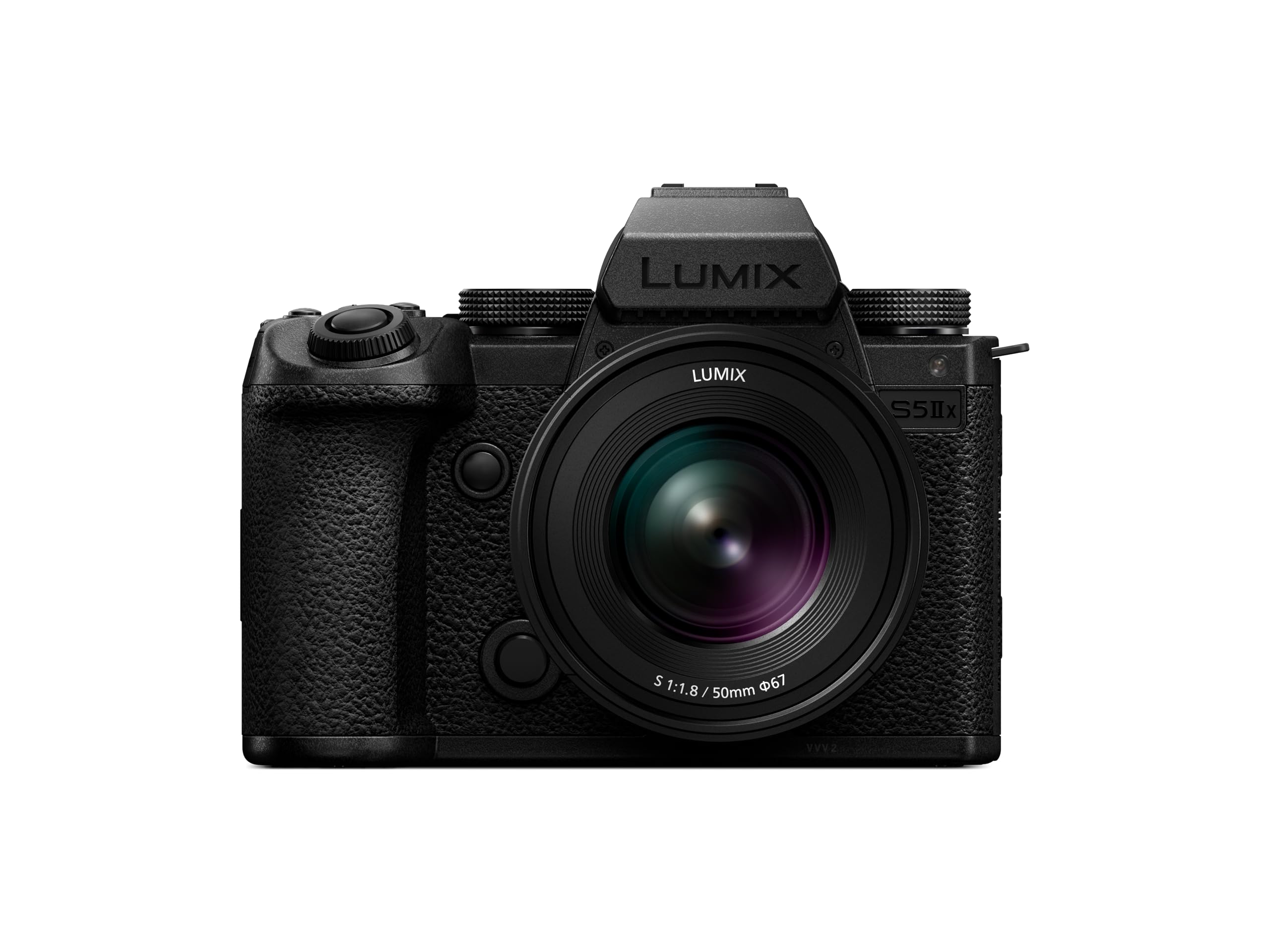
The Panasonic S5IIX is the ultimate hybrid for wedding videographers who also need stills. The active cooling system runs continuously without overheating, supporting unlimited 4K60p and 5.8K ProRes RAW recording — critical for long reception speeches. The 24.2 MP sensor with phase hybrid AF is a huge upgrade from previous Panasonic bodies, delivering smooth subject transitions during walking shots.
The kit includes both the 20-60mm f/3.5-5.6 and the 50mm f/1.8 lenses, covering wide-angle dance floor shots and shallow-depth-of-field portraits right out of the box. The 14+ stop V-Log/V-Gamut profile captures the full dynamic range of a candlelit reception, and the in-body stabilization is good enough to replace a gimbal for most walking sequences.
The body is compact for a full-frame with active cooling, and the L-mount alliance offers growing lens options from Sigma and Leica. The dual SD card slots give you overflow and backup flexibility for long recording sessions.
Why it’s great
- Unlimited video recording times with active cooling for reception coverage
- Phase hybrid AF finally matches competitors for speed and accuracy
- Dual lens kit covers wide and portrait focal lengths immediately
- Active I.S. replaces gimbal for many walking reception shots
Good to know
- L-mount lens selection is smaller than Sony E or Nikon Z ecosystems
- Firmware updates have changed advertised streaming features
8. Sony a6400

The Sony a6400 is a smart second body for wedding photographers who already own a full-frame main camera. Its APS-C 24.2 MP sensor with 425 phase-detection points and 0.02-second autofocus speed makes it a fast companion for detail shots — rings, bouquet details, table settings — where the 1.5x crop factor adds telephoto reach without changing lenses. The 11 fps burst captures moving bridesmaids during the getting-ready session.
The tiltable LCD screen flips up 180 degrees for self-framing, useful for quick self-portraits or low-angle garter toss shots. The 4K video is oversampled from 6K, delivering sharp clips for highlight reels. The camera is small enough to fit in a secondary vest pocket, freeing your primary hand for the main body.
The single card slot (UHS-I SD) is the limiting factor — use a fast, reliable card and format it before each event to mitigate risk. The 18-135mm kit lens covers a practical range for reception candids without swapping glass.
Why it’s great
- 0.02-second AF speed locks focus instantly on moving subjects
- Compact size fits easily into a vest pocket for quick access
- Tiltable LCD supports overhead and low-angle compositions
- 4K oversampled video produces sharp highlight clips
Good to know
- Single card slot is a risk for paid wedding work
- APS-C sensor has less dynamic range than full-frame alternatives
9. Nikon D7500

The Nikon D7500 is a dependable step-up for wedding shooters who cannot justify a full-frame investment yet. Its 20.9 MP DX sensor uses the same metering and processing engine as the flagship D500, delivering class-leading image quality for an APS-C body. The 51-point AF system with 15 cross-type sensors and Group Area AF tracks moving subjects well during a crowded reception.
The 8 fps burst rate is fast enough to catch flower toss sequences without missing frames. The 3.2-inch tilting touchscreen enables easy waist-level composition for formal portraits. The body is weather-sealed, so an outdoor ceremony in unexpected drizzle will not shut down your shoot. The 18-140mm kit lens covers a useful all-in-one range for most daylight wedding scenarios.
Battery life is excellent for a DSLR — Nikon rates it at 950 shots per charge, enough for most single-day coverage. The single SD card slot is a limitation, but the high buffer capacity (50+ RAW frames) keeps the camera responsive during bursts.
Why it’s great
- D500-derived image processing delivers class-leading DX quality
- Weather-sealed body handles outdoor ceremonies confidently
- 8 fps burst is fast enough for most reception action
- Excellent battery life supports extended shooting days
Good to know
- Single card slot requires careful card management
- 4K video quality is good but lacks advanced video features
10. Nikon D610

The Nikon D610 remains an affordable entry point into full-frame wedding photography. Its 24.3 MP FX-format sensor produces excellent image quality with usable ISO up to 6400 — enough for dimly lit churches without excessive noise. The 39-point AF system includes 9 cross-type sensors, which are adequate for moderate subject movement, though the system can hunt in very low light.
The dual SD card slots are the feature that keeps the D610 relevant for budget-conscious wedding shooters. Writing redundant cards eliminates the single-point-of-failure risk present in many cameras at this price tier. The quiet shutter mode is useful during ceremony moments, and the 100 percent viewfinder coverage ensures accurate composition.
The 6 fps burst rate is modest, but paired with a fast lens like a 50mm f/1.8, the D610 produces portfolio-caliber portraits and reception candids. The body is heavier than mirrorless competitors but benefits from a deep grip that handles large telephoto zoom lenses well.
Why it’s great
- Dual SD card slots provide redundancy at a budget-friendly price
- Full-frame sensor delivers shallow depth-of-field portrait quality
- Quiet shutter mode is respectful during ceremony coverage
- Deep grip handles large lenses comfortably
Good to know
- 39-point AF struggles with low-light subject tracking
- 6 fps burst may miss the exact frame of action sequences
11. Nikon D7000

The Nikon D7000 is a veteran DX-format DSLR that still works as an affordable backup body for a second shooter. The 16.2 MP sensor is noticeably dated by modern standards, but the dual SD card slots are a feature many newer budget bodies lack. The 6 fps burst rate is fine for paced sequences like the walk down the aisle or group formals.
The 39-point AF system includes 9 cross-type sensors, performing best in daylight or well-lit reception halls. The built-in intervalometer is useful for creating time-lapse sequences of the reception setup or venue decoration. The body is sturdy with a magnesium alloy top and rear cover, surviving the occasional bump during event transitions.
The 18-105mm kit lens covers a practical range for daytime outdoor ceremonies, but the sensor struggles at ISO 3200 and above. For a beginning wedding photographer learning the craft on a strict budget, the D7000 provides a functional platform with basic reliability.
Why it’s great
- Dual SD card slots provide backup at an entry-level price
- Built-in intervalometer enables venue time-lapse sequences
- Sturdy magnesium construction withstands event wear and tear
- Affordable entry point for learning the wedding photography workflow
Good to know
- 16.2 MP sensor limits cropping ability and print size
- High-ISO performance is weak past ISO 1600
12. Nikon D700

The Nikon D700 is the classic full-frame DSLR that many veteran wedding photographers still keep as a sentimental backup. Its 12.1 MP FX-format sensor produces images with excellent color and contrast, and the 51-point AF system remains capable in moderate light. The large 8.45-micron pixel pitch gives this camera a signal-to-noise ratio that holds up surprisingly well at ISO 6400.
The body is built like a tank with extensive weather sealing, making it a reliable choice for outdoor ceremonies in adverse conditions. The lack of video mode means no distractions — this is a pure stills machine for photographers who do not need video capability. The optical viewfinder shows 100 percent coverage, and the 5 fps burst (8 fps with battery grip) is adequate for paced sequences.
The single CF card slot is a risk for professional use, and the 12.1 MP resolution limits print sizes and cropping flexibility. For the nostalgic photographer who wants a backup body for creative bokeh shots with classic Nikkor glass, the D700 delivers a timeless look.
Why it’s great
- 12.1 MP full-frame sensor produces creamy color and contrast
- Robust weather sealing handles unpredictable ceremony conditions
- 51-point AF system is still capable for many wedding scenarios
- No video mode means 100 percent focus on still photography
Good to know
- Single CF card slot is risky for paid event work
- Resolution is low for large prints or heavy cropping
13. Leica Q3
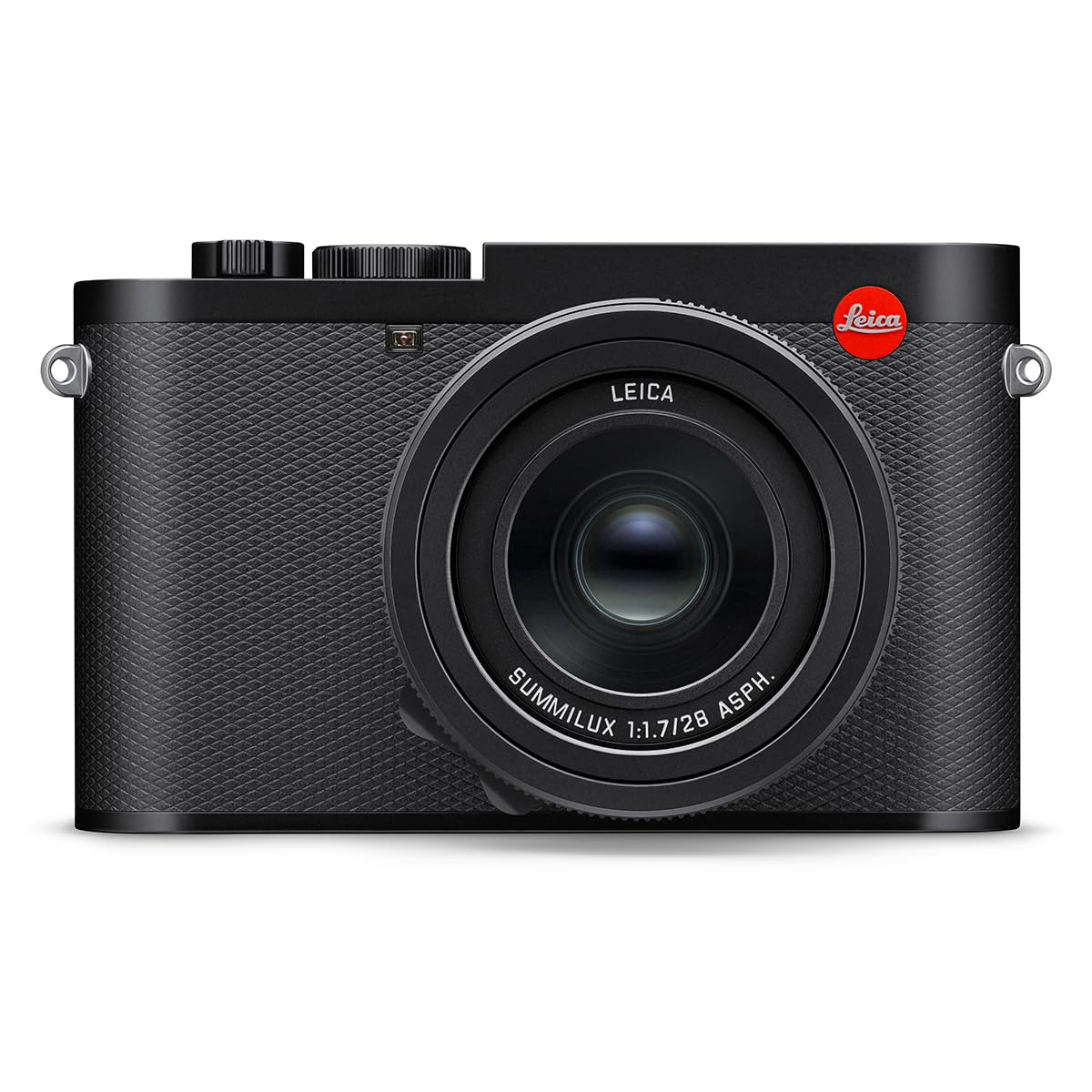
The Leica Q3 is a luxury compact companion for wedding photographers who want a discreet walk-around camera for detail shots and environmental portraits. Its 60 MP BSI CMOS sensor with Triple Resolution Technology delivers immense cropping power, and the fixed Summilux 28mm f/1.7 ASPH lens is among the sharpest wide-angle lenses ever mounted on a compact body. The 3-stop digital zoom extends the effective focal length to 35mm, 50mm, and 90mm in-camera without losing the 60 MP resolution.
The Maestro IV processor provides fast operation and clean ISO up to 6400, and the hybrid autofocus with phase detection locks onto subjects quickly for street-style candids during the cocktail hour. The Leica Q3 is small enough to slip into a jacket pocket, giving you a second perspective alongside your main camera without adding bulk.
For the price, you are buying build quality and lens character more than spec sheet numbers. The fixed 28mm lens limits your framing options compared to interchangeable systems, and the single card slot is a compromise for event work. But for the detail photographer who values ergonomics and image rendering, the Q3 delivers an unmatched sensory experience.
Why it’s great
- 60 MP sensor with Triple Resolution Technology supports aggressive cropping
- Summilux 28mm f/1.7 lens delivers legendary Leica image character
- Compact body fits in a jacket pocket for discreet coverage
- Digital zoom to 90mm provides flexible framing options
Good to know
- Fixed 28mm lens limits versatility for portrait or telephoto needs
- Single card slot and premium price make it a risky main body for events
FAQ
Is a full-frame sensor mandatory for wedding photography?
Should I choose a DSLR or mirrorless body for weddings?
How many megapixels do I need for wedding prints?
Final Thoughts: The Verdict
For most users, the best camera for wedding photography winner is the Canon EOS R6 Mark II because it combines blazing-fast 40 fps burst speed, reliable Dual Pixel AF II tracking, and dual card slots in a weather-sealed body — everything a wedding photographer needs. If you want the highest-resolution files for heavy cropping and large prints, grab the Nikon D850. And for a hybrid stills–video shooter who needs unlimited recording and internal ProRes, nothing beats the Panasonic LUMIX S5IIX.

Mo Maruf
I created WellFizz to bridge the gap between vague wellness advice and actionable solutions. My mission is simple: to decode the research and give you practical tools you can actually use.
Beyond the data, I am a passionate traveler. I believe that stepping away from the screen to explore new environments is essential for mental clarity and physical vitality.