Our readers keep the lights on and my smoothie glass nicely filled. As an Amazon Associate, I earn from qualifying purchases.
For the ADHD brain, a pile of dirty laundry or a sink full of dishes isn’t just a chore—it’s a wall of executive dysfunction that shuts down the whole day. Standard to-do lists feel like a personal attack, and the guilt cycle that follows makes it even harder to start tomorrow. The right tool for this job doesn’t try to force a neurotypical structure onto your brain; it works with your dopamine needs, your hyperfocus bursts, and your absolute need for a “brain dump” space to catch the spinning thoughts before they derail your momentum.
I’m Mohammad Maruf — the founder and writer behind WellFizz. I dig through thousands of customer reviews and spec sheets to find the planners that actually understand how the ADHD brain approaches a mess, from task initiation to the reward hit that keeps you going.
This guide breaks down the top-tier options for the best adhd cleaning planner, helping you match a structured system to your unique brand of neurodivergence so housework becomes manageable, not monumental.
How To Choose The Best ADHD Cleaning Planner
Choosing a cleaning planner when you have ADHD is about matching the tool to your specific cognitive bottlenecks. A generic organizer will feel like a weapon against you, while one designed for the ADHD brain becomes a genuine ally in the fight against clutter.
Layout and Structure: Daily vs. Weekly vs. Monthly
Daily pages offer the smallest, most achievable chunk of work, perfect for someone who gets overwhelmed by a whole week staring at them. Weekly spreads work better for those who need to see the forest for the trees and can handle a moderate load. Monthly sections are useful for recurring deep cleans but can look like a barren wasteland that triggers guilt. Many of the best planners offer a hybrid approach—daily action with weekly and monthly overviews—so you can use what your brain allows on any given day.
Brain Dump and Priority Triage
The “brain dump” is the single most critical feature for an ADHD cleaning planner. Your brain is a pinball machine of random thoughts, reminders, and ideas that will side-track any cleaning mission. A dedicated space to vomit all that noise onto paper frees up mental RAM. After the dump, you need a priority triage section—often labeled “First,” “Later,” and “Not Today”—to filter the chaos into a single, non-negotiable action item.
Reward Systems and Motivation Hooks
ADHD brains are dopamine-driven, so a planner that incorporates rewards, checkboxes, and “finished” symbols can literally make the chemical difference between abandoning a task and finishing it. Look for planners that ask you to set a reward for completing a block—like a ten-minute scroll on your phone or a sip of your favorite iced coffee. These small dopamine hits are the engine that keeps the cleaning train on the tracks.
Quick Comparison
On smaller screens, swipe sideways to see the full table.
| Model | Category | Best For | Key Spec | Amazon |
|---|---|---|---|---|
| Empowering ADHD Organization | Workbook & Planner | 28-day guided cleanout | 174 pages with NICE goals framework | Amazon |
| Ultimate ADHD Workbook | Workbook | Dopamenu & hack-based approach | 101 hacks with MAGIC Method | Amazon |
| ADHD Cleaning Planner (Bloomost) | Durable Planner | Daily/weekly/monthly physical charts | 11″ x 8.5″ letter size with glossy pages | Amazon |
| ADHD Daily Planner (Templatables) | Compact Daily | Portable daily structure on the go | A5 size with reward and brain dump sections | Amazon |
| Inattentive ADHD Workbook | Therapy Workbook | Deep cognitive restructuring | CBT, DBT, ACT, Somatic tools inside | Amazon |
In‑Depth Reviews
1. Empowering ADHD Organization and Cleaning
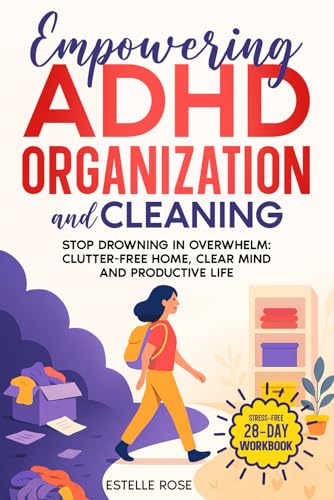
This workbook is the closest thing to a personal ADHD coach you can buy off the shelf. The 28-day plan is built on the NICE goals framework—Non-negotiable, Interesting, Concrete, and Energizing—which directly targets the executive dysfunction that makes you walk in circles around a messy room. Each day introduces microtasks so small they barely register as a chore, gradually building momentum and killing the binge-cleaning cycle that leads to burnout.
The 174 pages include weekly check-ins, chapter recaps, and exercises designed to validate that your system, not you, is the problem. Reviewers consistently mention the judgment-free tone and the way it tackles digital clutter alongside physical mess, covering the full landscape of a cluttered life. The flexibility to discard tools that don’t work is baked right into the philosophy, making it adaptable for any living situation.
For someone who needs a structured, step-by-step program to break the cycle of overwhelm and clutter, this premium option delivers the most comprehensive toolkit. The research-backed strategies married to a compassionate voice make it feel like a breakthrough rather than another chore on the list.
Why it’s great
- NICE goals framework reduces task initiation paralysis
- 28-day microtask structure prevents burnout and builds habit chains
- Includes strategies for digital clutter and involving kids in cleaning
Good to know
- At 174 pages, it’s more of a workbook than a quick-reference planner
- Pairing with the audiobook version helps maintain focus through the exercises
2. The Ultimate ADHD Workbook for Cleaning and Organizing
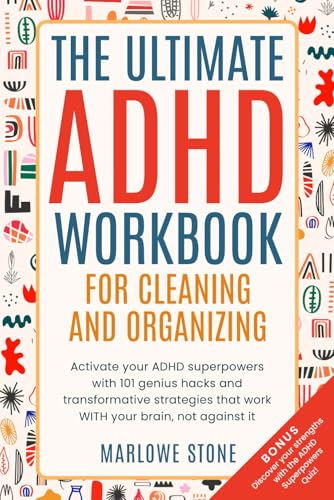
If you are skeptical of standard ADHD advice that feels like it was written by someone who has never lost their keys inside the refrigerator, this workbook flips the script. The author brings a personal ADHD perspective, which reviewers consistently cite as the reason the advice lands differently—it feels like a peer, not a parent, telling you to clean your room. The 101 hacks range from the “Drawer of Deferred Decisions” to gamification tricks that turn scrubbing a counter into a mental competition.
The standout feature is the “Dopamenu” printable—a menu of quick dopamine hits you can order from to reward yourself for completing a microtask. The MAGIC Method (which helps you follow through on intentions) is built specifically for the dopamine-seeking brain, and the “Auditory Allies” chapter includes Spotify playlists that create an audio environment conducive to a cleaning hyperfocus session. The book is browsable by chapter, letting you skip to what your brain needs right now.
At 120 pages with a 6 x 9 inch format, it’s a mid-range option that punches well above its weight in actionable, fresh ideas. The humorous, engaging writing style makes it an easy read for someone who normally abandons books by page three. It’s built for the person who wants to work with their ADHD traits, not against them.
Why it’s great
- Dopamenu printables deliver immediate reward structure
- Browsable chapters let you skip to what your brain needs
- Author’s lived ADHD experience creates a resonant, non-judgmental tone
Good to know
- More of a hack collection than a daily structured planner
- Some tips may feel familiar to those deep in ADHD research
3. ADHD Cleaning Planner (Bloomost)
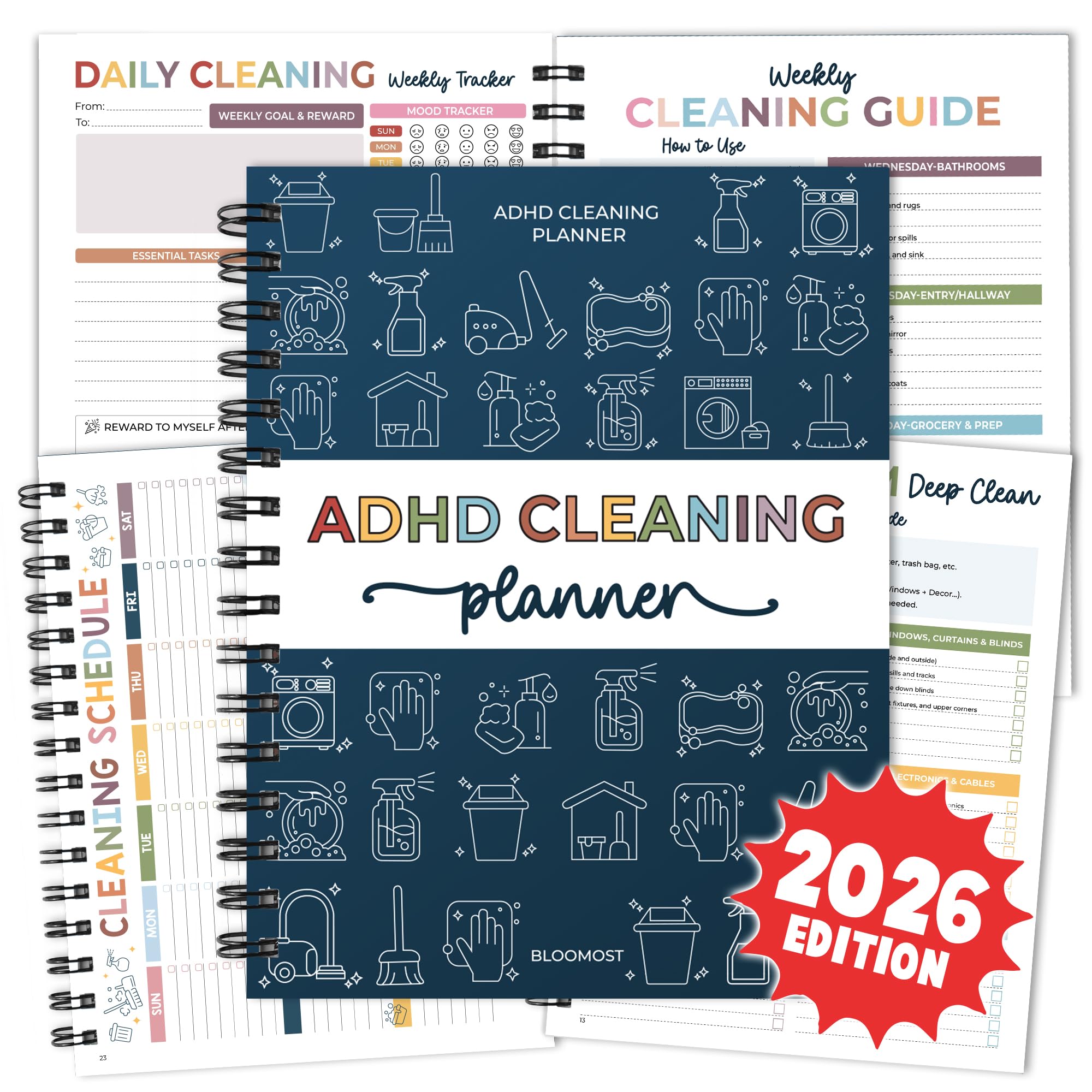
For the person who needs a physical chart they can laminate and stick on the refrigerator, this 11 x 8.5 inch letter-size planner delivers. The large format provides ample writing space, which is a common pain point with smaller planners—reviewers with bigger handwriting (or less patience for precision) appreciate not having to cram their tasks into tiny boxes. The glossy, durable pages allow you to write tasks and wipe them clean, making the daily and weekly checklists reusable and reducing the guilt of a half-finished page.
The planner breaks cleaning into daily, weekly, and monthly sections, which helps create a sustainable routine without overwhelming you with everything at once. The brain dump space is present, along with a “Top 3” priority section that forces you to triage the chaos. The clean, high-contrast layout with shading and consistent spacing reduces visual noise—a detail that matters enormously for ADHD brains that get distracted by cluttered page designs.
One significant caveat: the refrigerator chart advertised in some images is not a separate, removable page but printed inside the book. If that was your primary reason for buying, it’s a genuine disappointment. However, as a standalone durable planner for tracking household chores, it delivers on the core promise of making executive dysfunction less of a barrier to a clean home.
Why it’s great
- Large letter-size pages offer generous writing room for big handwriting
- Glossy, wipeable pages make sections reusable and reduce date-specific guilt
- High-contrast, clean layout reduces visual overwhelm
Good to know
- Refrigerator chart advertised in images is not a removable page
- Many daily/weekly/monthly steps can feel overwhelming for some users initially
4. ADHD Daily Planner for Neurodivergent Adults (Templatables)

This compact A5 daily planner is built for portability and minimal friction. The one-page daily layout includes priority triage (First, Later, Not Today), a brain dump space, and a goals/timeline section that helps you plot your cleaning burst. The end-of-day mood, energy, and productivity meters provide a tiny hit of self-reflection without turning into a therapy session. The undated format means there is no penalty for skipping a week—you just pick up where you left off.
The reward sections are a particular highlight: checkboxes for task completion and a dedicated space to write what reward you earned. This gamification loop is a proven dopamine pump for the ADHD brain. The 5.8 x 8.3 inch size fits in most bags, making it easy to pull out during a five-minute downtime window. The spiral binding allows the book to fold flat, which reduces the physical annoyance of wrestling with a bound spine while you try to write.
It is a quarterly planner (about 90 days), which means it won’t last a full year if you use it daily. Some reviewers noted the rubber-like cover texture and wished for a larger page size to accommodate bigger handwriting. For a budget-friendly entry-level daily system, it delivers exactly the right structure without the overhead of a full year’s commitment.
Why it’s great
- Daily priority triage (First, Later, Not Today) reduces decision fatigue
- Built-in reward prompts create a natural dopamine cycle
- Undated format eliminates guilt over missed days
Good to know
- Quarterly format (90 days) means you’ll need to reorder frequently
- Small A5 size may feel cramped for those with larger handwriting
5. The Inattentive ADHD Workbook for Adults
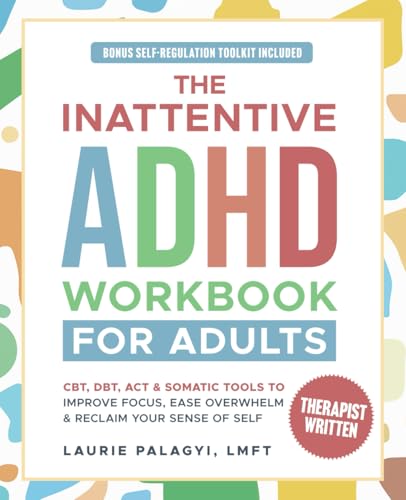
This workbook takes a different route to cleaning: it targets the core cognitive patterns that sabotage your ability to start and finish tasks. Based on CBT, DBT, ACT, and Somatic Therapy tools, it goes beyond simple checklists to address masking behaviors, shame cycles, and the underlying anxiety that makes a dirty kitchen feel like a crisis. The “Life Domains Inventory” helps you map where your executive dysfunction hits hardest, so you can build a customized cleaning strategy around your specific weak points.
The 101 pages include beautiful, vibrant design work—bold typography and illustrations that simplify complex concepts around inattention and overwhelm. Reviewers highlight how the workbook helps rewrite the internal narrative from “I’m lazy” to “My brain operates on a different system.” The first three chapters cover coping mechanisms and thriving strategies, while Chapter 4 dives into value mapping and understanding your ADHD strengths, which helps reframe cleaning from a punishment into an act of self-care.
The aesthetic leans toward floral designs and playful doodles, which some users may find juvenile, but the content is deeply substantive. For anyone newly diagnosed or looking for the “why” behind their resistance to cleaning, this workbook provides the missing link between executive function theory and a messy kitchen. It’s less of a daily planner and more of a foundational toolbox.
Why it’s great
- Integrates CBT, DBT, ACT, and somatic tools for deep cognitive change
- Life Domains Inventory helps pinpoint specific executive function blocks
- Beautiful, engaging design holds the attention of the ADHD brain
Good to know
- Design and doodles may feel geared toward a younger female audience
- Chapter 4 on values feels rushed compared to the depth of earlier chapters
FAQ
Why do I need a special planner for ADHD cleaning instead of a normal one?
What does a “brain dump” section do for cleaning?
How many pages should a good ADHD cleaning planner have?
Can a workbook really replace a therapist for cleaning issues?
Final Thoughts: The Verdict
For most users, the best adhd cleaning planner winner is the Empowering ADHD Organization and Cleaning because its 28-day NICE goals framework provides both structure and flexibility, directly targeting the binge-cleaning cycle with microtasks that build momentum without burnout. If you want a dopamine-driven system with a heavy dose of actionable hacks, grab the Ultimate ADHD Workbook for its 101 hacks and Dopamenu printables. And for someone who needs a daily, portable system to keep the cleaning habit alive long-term, nothing beats the compact, guilt-free layout of the Templatables ADHD Daily Planner.

Mo Maruf
I created WellFizz to bridge the gap between vague wellness advice and actionable solutions. My mission is simple: to decode the research and give you practical tools you can actually use.
Beyond the data, I am a passionate traveler. I believe that stepping away from the screen to explore new environments is essential for mental clarity and physical vitality.