Our readers keep the lights on and my smoothie glass nicely filled. As an Amazon Associate, I earn from qualifying purchases.
When your milk supply is lower than expected, every drop counts and finding a pump that actually empties you fully becomes the single most important factor. Wearables promise freedom, but many lack the raw suction power to stimulate a second letdown or drain the breast completely, leading to a frustrating cycle of diminishing output.
I’m Mohammad Maruf — the founder and writer behind WellFizz. I’ve spent hundreds of hours analyzing pump specifications, motor strength, flange compatibility, and real-world user feedback to identify which models genuinely support low supply rather than just marketing the word “hospital-grade.”
This guide filters out the noise to present only the pumps that have earned trust from mothers actively managing low supply, so you can confidently choose the best breast pump for low supply that fits your life and your body.
How To Choose The Best Breast Pump For Low Supply
Low supply pumping demands a different set of priorities than general pumping. A pump that works fine for an oversupply mother may completely fail someone who needs maximum stimulation and efficient emptying. Focus on these three areas.
Suction Power and Cycle Control
Look for a pump with a motor that reaches at least 250 mmHg of vacuum strength, but pay equal attention to the cycle speed — the number of suction cycles per minute. Low supply often responds better to a longer, slower suction pattern that mimics a baby’s deeper nursing rhythm rather than rapid shallow pulls. Pumps that offer separate controls for vacuum level and cycle speed give you the ability to dial in stimulation and expression phases independently.
Flange Fit Is Non-Negotiable
An improperly sized flange is the number one cause of poor output and nipple damage. A flange that is too large pulls in areolar tissue, reducing suction efficiency. A flange that is too small restricts milk ducts. Many pumps now include multiple flange inserts or sizing guides. For low supply, investing in a pump that accommodates custom sizing — or at minimum offers inserts down to 17mm — can mean the difference between ounces and drops per session.
Closed System and Hygiene
A closed-system pump prevents milk from entering the tubing or motor housing, which is critical for maintaining suction efficiency over time. Open systems allow moisture and milk residue to accumulate, degrading motor performance and creating mold risks. Low supply requires consistent motor performance, making closed-system designs a practical necessity for long-term reliability.
Quick Comparison
On smaller screens, swipe sideways to see the full table.
| Model | Category | Best For | Key Spec | Amazon |
|---|---|---|---|---|
| Medela Sonata Smart | Hospital-Strength | Low supply needing clinical-grade suction | ~250 mmHg hospital performance | Amazon |
| Spectra S1 Plus | Hospital-Strength | Building supply with a rechargeable wall pump | Natural Nursing Technology cycles | Amazon |
| BabyBuddha 2.0 | Portable Power | Hospital-grade suction in a compact body | ~300 mmHg max vacuum | Amazon |
| eufy Heated S1 | Wearable Premium | Heat-assisted letdown for low supply | 300 mmHg + HeatFlow tech | Amazon |
| Elvie Stride 2 | Wearable Premium | Quiet hands-free with hospital-grade motor | -300 mmHg suction | Amazon |
| Momcozy M6 | Wearable Mid-Range | Strong suction in a discreet wearable | 295 mmHg max suction | Amazon |
| Lansinoh Discreet Duo | Wearable Mid-Range | Reliable wearable with hospital-strength suction | 9 levels hospital-strength suction | Amazon |
| Medela Swing Maxi | Hands-Free Value | Lightweight hands-free for on-the-go | 76g per cup | Amazon |
| MomMed S33 | Wearable Budget | Entry-level wearable with strong suction | <45 dB noise level | Amazon |
In‑Depth Reviews
1. Medela Sonata Smart Breast Pump
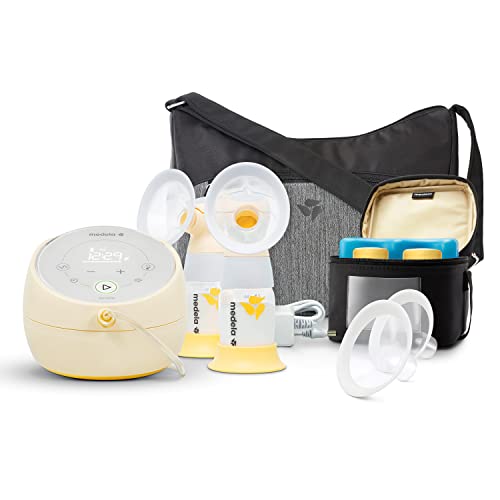
The Medela Sonata delivers hospital-grade performance in a package weighing under 2.5 pounds. Its responsive vacuum technology adjusts suction to maintain consistency, which is critical for low supply mothers who need reliable emptying every session. The Flex breast shields with soft rims reduce discomfort during longer pumps, and the closed system prevents milk from entering tubing, keeping motor performance steady over months of use.
Users consistently report that the Sonata empties as effectively as the Medela Symphony found in NICUs, making it a go-to for mothers transitioning from hospital pumps. The rechargeable battery supports approximately 1.5 hours of pumping — enough for two full sessions — and the motor is quiet enough to pump without waking a sleeping baby in the same room.
The Sonata’s strength lies in its combination of proven hospital suction, portability, and comfort engineering. For low supply, the ability to maintain vacuum pressure even when unplugged and the inclusion of smaller flange sizes straight out of the box make this a premium choice that prioritizes output above all else.
Why it’s great
- Hospital-grade suction comparable to Symphony
- Comfortable Flex breast shields with soft rims
- Closed system prevents motor degradation
Good to know
- Some users report occasional glitchy touch screen or power connection issues
- Not wearable; requires tubing and a tabletop
2. Spectra Baby S1 Plus Premier

The Spectra S1 has earned a near-cult following among mothers managing low supply, and for good reason. Its Natural Nursing Technology uses a two-phase expression pattern — first a fast, light stimulation cycle to trigger letdown, then a slower, deeper suction for removal. This pattern directly addresses the needs of low supply by encouraging multiple letdowns per session, which is often where under-producers lose the most volume.
The S1 is a closed-system pump with a rechargeable battery that holds power for several sessions, freeing you from being tethered to a wall outlet. Users praise its quiet operation, built-in night light for late-night pumps, and the ability to adjust both vacuum level and cycle speed independently. The included grey tote makes it easy to transport the whole kit, including bottles and accessories.
While the S1 is not a wearable pump, its performance in fully emptying the breast is consistently rated higher than most wearables on the market. For low supply, the S1 is often the pump that turns the tide — the one mothers credit with rebuilding production after other pumps failed to drain them.
Why it’s great
- Two-phase expression encourages multiple letdowns
- Rechargeable battery for true portability
- Very quiet motor, ideal for night pumping
Good to know
- Only includes 24mm and 28mm flanges; smaller sizes sold separately
- Bulkier than modern wearable pumps, not hands-free
3. BabyBuddha Breast Pump 2.0
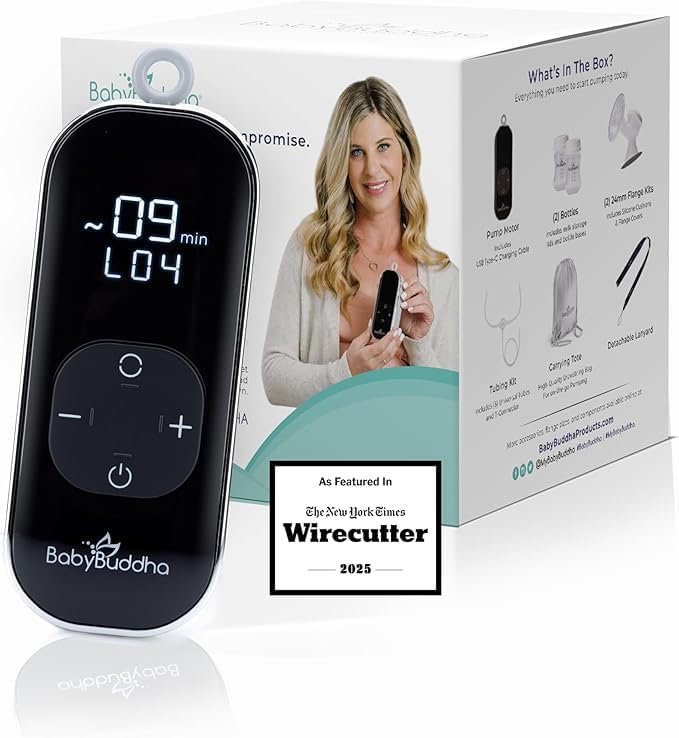
The BabyBuddha 2.0 packs a surprisingly strong motor into a palm-sized unit that can be worn with a lanyard or clipped to a waistband. Its maximum vacuum approaches 300 mmHg, placing it in the same territory as full-size hospital pumps, and the new soft stimulation mode helps ease sensitive nipples during the letdown phase. For low supply, the ability to pair the motor with BabyBuddha’s wearable cups turns this into a hands-free system that still delivers hospital-grade suction.
Real-world reviews highlight major output increases — some users report jumping from 4 ounces to over 6 ounces per session after switching from a Spectra S1. The motor is noticeably louder than the Spectra, but the trade-off is raw power. The pump includes 21 adjustable suction levels, giving you fine control to find the exact setting that maximizes output without causing discomfort.
The pump ships with multiple flange sizes, soft massage inserts, duckbill valves, tubing, a USB-C charger, and a travel tote. For low supply mothers who need the freedom to move but refuse to compromise on suction strength, the BabyBuddha 2.0 represents the best balance of portability and clinical-grade capability available today.
Why it’s great
- Very strong suction, rivals full-size hospital pumps
- Can be used with wearable cups for true hands-free
- USB-C charging, compact for travel bag
Good to know
- Motor is louder than Spectra or Medela
- May need to buy direct to guarantee latest version
4. eufy Security Heated Breast Pump S1
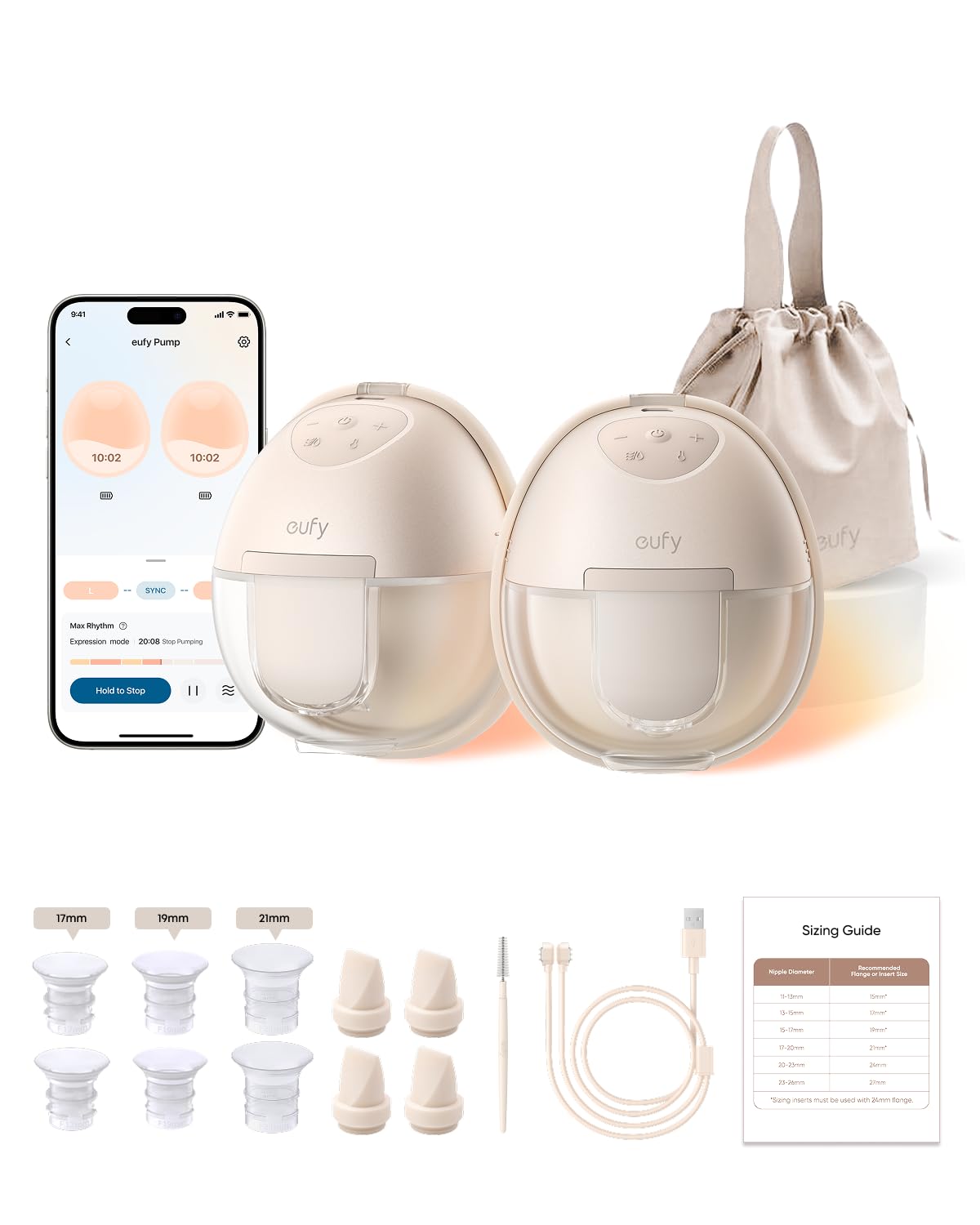
The eufy S1 stands alone in the wearable category thanks to its HeatFlow technology, which warms the flange to body temperature during pumping. Heat can help trigger letdown faster and reduce the likelihood of clogged ducts, both of which are common challenges for low supply mothers. With a maximum suction of 300 mmHg and app-controlled OptiRhythm cycles, the S1 offers customization that goes beyond typical wearable presets.
Users report a noticeable output increase when using the heat function — some cite 30% more milk based on internal studies. The pump’s 105° ergonomic flange angle and soft silicone skin contact parts reduce discomfort during extended sessions. The design is slim, quiet at 46 dB, and leakproof with a double-seal structure, making it practical for wearing under clothing in public.
Battery life with heat active drops to about 1.5 hours, and the cups max out at a modest capacity that may require emptying mid-session for heavy producers. But for low supply mothers who struggle with slow letdowns, the heat-assisted stimulation of the eufy S1 provides a unique advantage that no other wearable pump currently replicates.
Why it’s great
- Heat function helps trigger letdown and reduce clogs
- Strong 300 mmHg suction in a wearable form
- App-controlled rhythms for customized pumping
Good to know
- Heat drains battery faster — about 1.5 hours
- Cups have limited capacity; may overflow on high-output sessions
5. Elvie Stride 2
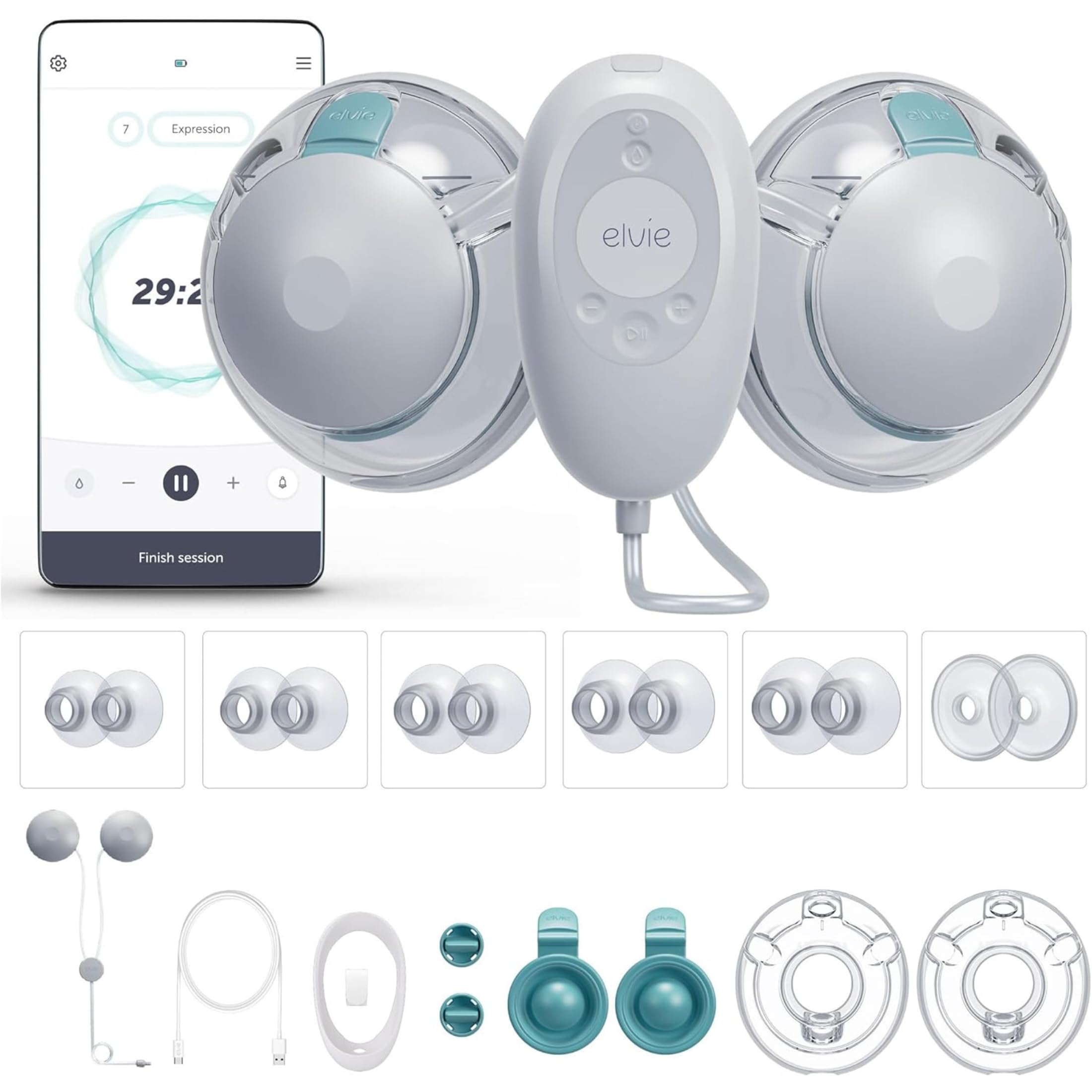
The Elvie Stride 2 brings a hospital-grade motor into a fully wearable format with ultra-soft silicone cups that contour to the breast. Its motor generates up to -300 mmHg of suction, placing it among the strongest wearables available. The cups are lightweight at 158 grams each, and the closed system prevents milk from entering the motor, preserving suction performance over time — a key concern for low supply mothers who pump multiple times daily.
Users transitioning from a Spectra plug-in report that the Stride 2 empties them just as effectively while offering the freedom to move, drive, or hold a baby during sessions. The app provides remote control of suction levels and tracks pumping history, though some users note the app can be glitchy. The pump ships with flange inserts to fit 99% of nipple sizes, reducing the need to buy aftermarket parts.
A significant drawback for long-term use is the current unavailability of replacement parts directly from Elvie. Silicone components wear out over months of frequent use, and without a reliable source for spare duckbills and diaphragms, the pump risks becoming non-functional. For short-term pumping or exclusive use during the early months, however, the Stride 2 delivers impressive output with minimal noise.
Why it’s great
- Hospital-grade -300 mmHg suction in a wearable
- Ultra-lightweight silicone cups, comfortable for all-day wear
- Very quiet, discreet for public or work use
Good to know
- Replacement parts difficult to obtain at launch
- Can leak if bending over during a session
6. Momcozy M6 Hands Free

The Momcozy M6 offers a compelling mix of strong suction and wearable convenience at a mid-range price point. Its 2nd generation motor delivers 295 mmHg of vacuum with three modes — stimulation, expression, and mixed — plus nine adjustable levels. The DoubleFit flange uses a dual-seal silicone design that improves comfort and reduces the air leaks that plague cheaper wearables, making it more effective for low supply mothers.
Users consistently compare its output favorably against the Spectra S1, noting that it drains the breast completely in a 20- to 30-minute session when used with a properly fitting pumping bra. The stand-up milk bowl design makes pouring into storage bags or bottles cleaner and less wasteful. The cups are discreet under clothing, enabling pumping during commutes, chores, or work.
The trade-off is bulk — the M6 cups are larger than some competitors, and the motor units protrude noticeably, requiring a snug nursing tank or bra to stay in place. Some users also note that bending over can cause spillage from the top vent. For low supply mothers who prioritize suction power and output over total invisibility, the M6 delivers exceptional value without sacrificing performance.
Why it’s great
- Strong 295 mmHg suction, drains as well as Spectra S1
- DoubleFit flange design reduces leaks and improves comfort
- Stand-up milk bowl simplifies pouring and reduces spills
Good to know
- Cups are bulkier and may not fit smaller busts discreetly
- Risk of spillage from top vent when bending
7. Lansinoh Discreet Duo
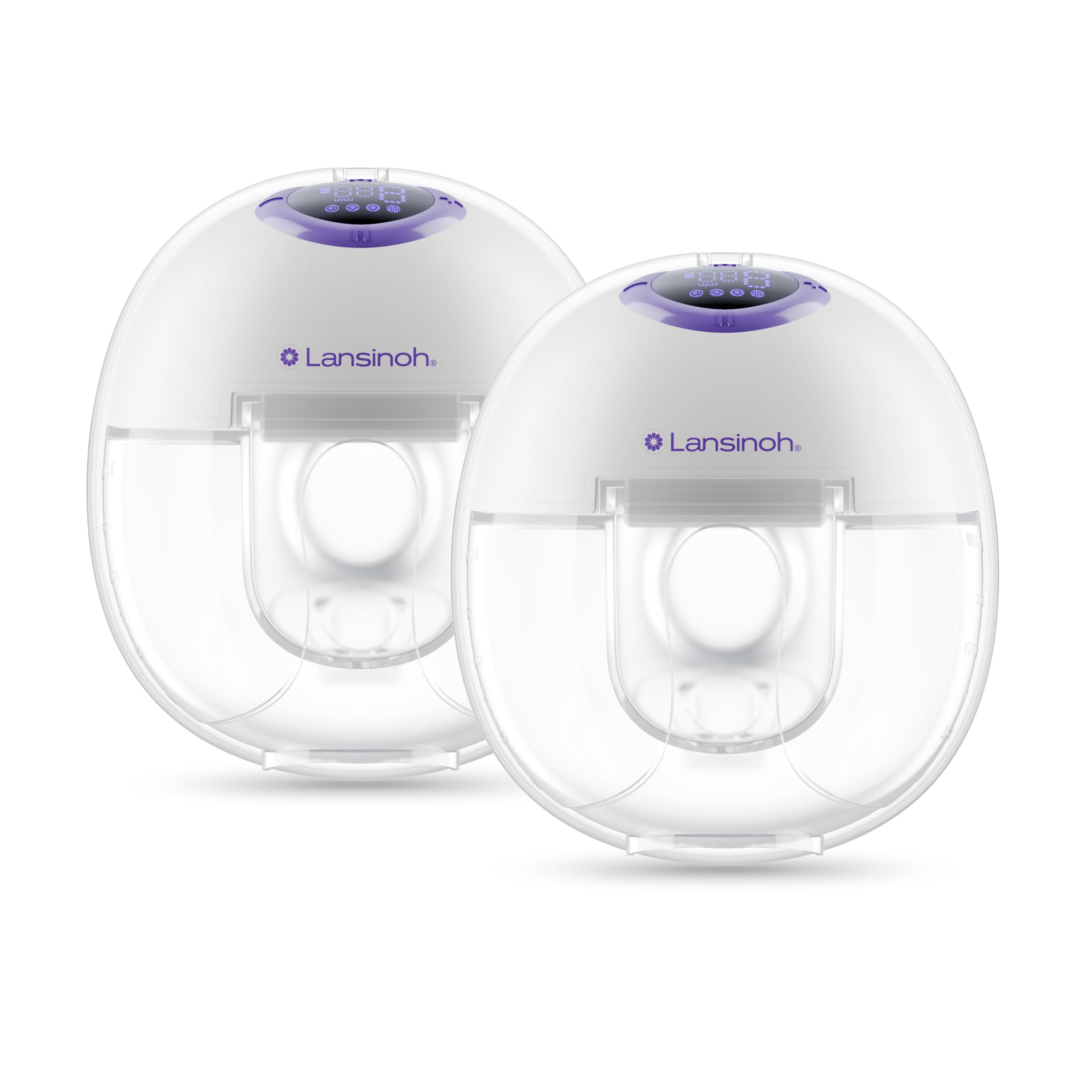
Lansinoh brings decades of breastfeeding expertise to the wearable market with the Discreet Duo. It offers four pumping modes and nine levels of hospital-strength suction, with a closed system that prevents milk backflow — a design choice that protects motor integrity and is essential for low supply mothers who cannot afford declining performance. The pump operates under 45 dB and provides up to 100 minutes of pumping time on a full charge.
Users report that the Discreet Duo outperforms more expensive wearables like the Willow and original Elvie in terms of emptying efficiency, with many noting reliable minimum output even when their supply was low. The pump includes 24mm and 21mm flanges along with a sizing guide, and all skin-contact parts are BPA- and BPS-free. The automatic shut-off after 20 minutes is a practical safety feature for multitasking mothers.
Potential buyers should know that the pump is not as discreet as the name suggests — the cups create noticeable bulk under clothing, and the motor noise, while quiet, is still audible in a quiet room. Some users also report that the seal can be finicky if parts are not perfectly dry during assembly. For the price, however, the Discreet Duo’s suction quality and ease of cleaning make it a strong contender for low supply pumping.
Why it’s great
- Hospital-strength suction that empties reliably
- Closed system prevents milk backflow into motor
- Easy to assemble and clean with few parts
Good to know
- Not truly discreet — noticeable bulge under clothing
- Seal may leak if parts are not fully dry
8. Medela Swing Maxi Hands-Free

The Medela Swing Maxi is one of the lightest hands-free pumps on the market at just 76 grams per cup. Its key design feature is the patented 105° angled collection cup, which Medela claims results in 11.8% more milk output compared to standard vertical cups. The pump uses the same 105° angle found in Medela’s hospital-grade Symphony, making it a familiar choice for mothers transitioning from NICU pumping.
The pump consists of only three parts per cup, making cleanup straightforward. It connects to the Medela Family app for tracking and personalized pumping tips. Users report that the suction is comfortable and effective, with many noting output that matches or exceeds their Spectra wall pump. The cups are transparent, allowing you to visually confirm nipple alignment and milk flow during sessions.
Battery life is the primary drawback — many users report getting only two to three sessions per full charge, requiring daily recharging. The controls are also sensitive to accidental presses when the pump is in a pocket or bag. For low supply mothers who prioritize extreme portability and proven Medela engineering, the Swing Maxi is a capable secondary or travel pump, but it may not replace a primary wall pump for building supply.
Why it’s great
- Extremely lightweight, comfortable for all-day wear
- 105° angle cup design boosts output
- Easy 3-part assembly, dishwasher-safe
Good to know
- Battery lasts only 2-3 sessions per charge
- Sensitive buttons can change settings accidentally
9. MomMed S33 Wearable Breast Pump
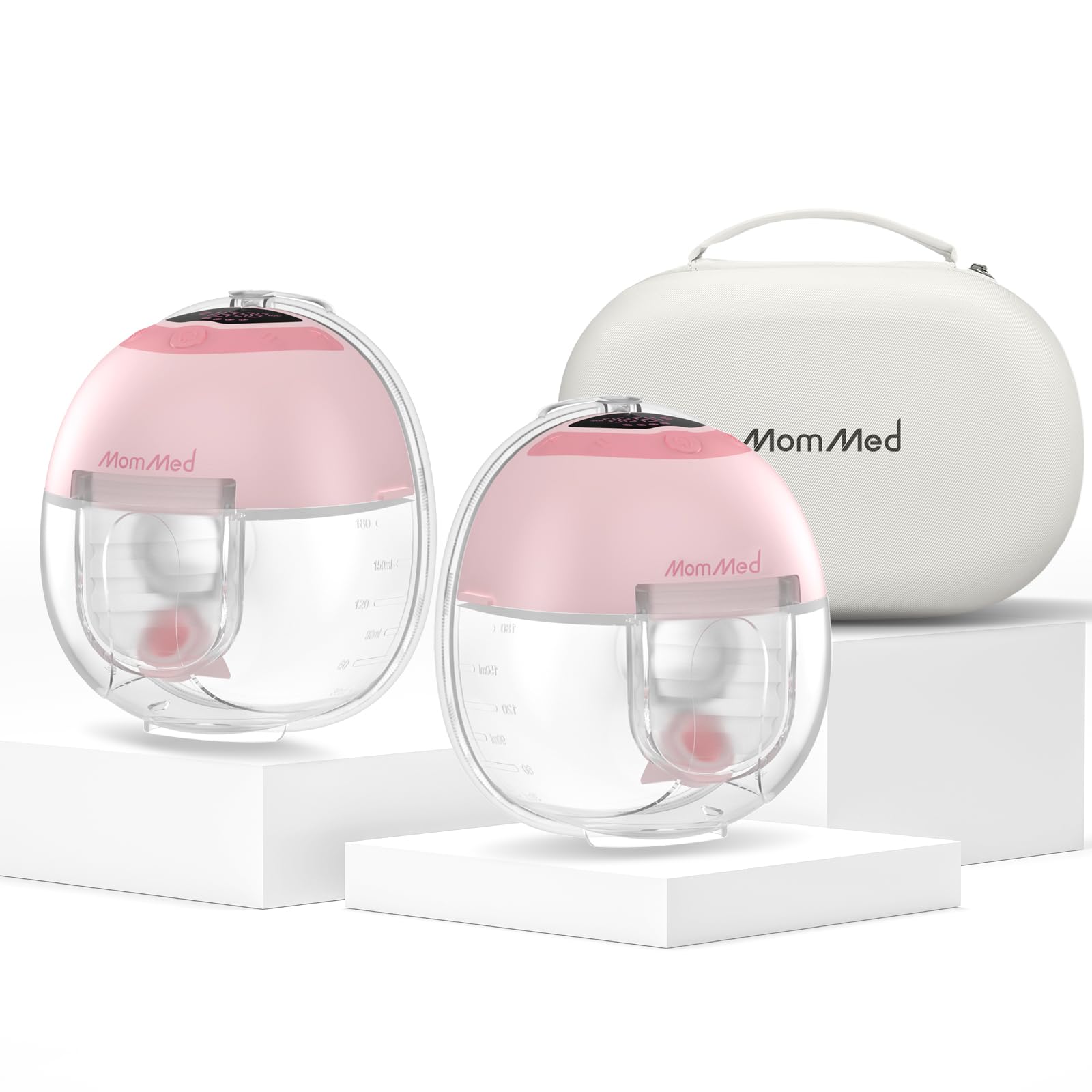
The MomMed S33 enters the market as a budget-conscious wearable that still delivers solid suction and thoughtful features. It operates below 45 dB — quiet enough for discreet pumping at work or during night sessions — and includes a built-in night light that is genuinely useful for middle-of-the-night pumps. The double-seal design is marketed as leakproof, and early user reports confirm it handles movement and bending well without spills.
The pump offers four modes and nine adjustable suction levels, and the kit includes 17mm, 19mm, and 21mm flange inserts plus a nipple sizing card — a level of sizing support rarely seen at this price point. Users describe the suction as strong and effective, with several noting it empties them completely and is easy to disassemble for cleaning. The included case, cleaning brush, and milk storage bags add practical value out of the box.
The main limitation is battery longevity — the pump requires recharging every three uses, which is manageable for occasional use but may be frustrating for exclusive pumpers who need multiple daily sessions. Some users also note that pouring milk from the collection cup can be tricky due to the spout design. For low supply mothers seeking an affordable wearable as a secondary pump, the S33 offers surprising capability without the premium price tag.
Why it’s great
- Strong suction that empties effectively for the price
- Includes 17mm/19mm/21mm inserts for custom fit
- Built-in night light and quiet operation
Good to know
- Battery requires charging every 3 sessions
- Pour spout design can make milk transfer messy
FAQ
Can a wearable breast pump be effective for low supply?
How do I know if my flange size is correct?
Is a double electric pump better than a single for low supply?
Final Thoughts: The Verdict
For most users, the best breast pump for low supply winner is the Medela Sonata Smart because it combines proven hospital-grade suction, a closed system, and the ability to maintain consistent vacuum power even on battery. If you want the freedom of a wearable without sacrificing suction, grab the eufy Heated S1. And for unmatched value in a compact package that can travel with you anywhere, the BabyBuddha 2.0 delivers power that rivals pumps three times its size.

Mo Maruf
I created WellFizz to bridge the gap between vague wellness advice and actionable solutions. My mission is simple: to decode the research and give you practical tools you can actually use.
Beyond the data, I am a passionate traveler. I believe that stepping away from the screen to explore new environments is essential for mental clarity and physical vitality.