Our readers keep the lights on and my smoothie glass nicely filled. As an Amazon Associate, I earn from qualifying purchases.
Wrist-based optical heart rate sensors are convenient, but they often struggle during high-intensity interval training, weightlifting, or any activity where grip pressure and arm flexion distort the reading. An armband heart rate monitor solves this by placing the optical sensor against the stable, well-perfused tissue of the upper forearm or bicep, delivering far more consistent beat-to-beat data without the discomfort of a chest strap.
I’m Mohammad Maruf — the founder and writer behind WellFizz. I spend hundreds of hours analyzing optical sensor accuracy, battery endurance, Bluetooth stability, and strap ergonomics across dozens of armband heart rate monitors to give you the clearest possible buying decision.
Whether you need reliable zone tracking for Peloton, Zwift, or open-road running, the right best armband heart rate monitor will eliminate skipped beats, false spikes, and the hassle of re-pairing before every ride.
How To Choose The Best Armband Heart Rate Monitor
Not all optical armbands deliver the same quality of data. The most important factors are sensor accuracy during movement, how the device connects to your existing ecosystem, and whether the strap stays put when you sweat. Here are the three deal-making specifications to evaluate.
Optical Sensor Accuracy and Placement Stability
The sensor uses photoplethysmography (PPG) to measure blood volume changes. On the arm, where the tissue is denser and less prone to motion artifact than the wrist, a well-designed optical sensor can approach chest-strap accuracy within a few beats per minute. Look for models that include a secure, textured strap that prevents shifting during dynamic movement like burpees, rowing, or mountain biking. A sensor that lifts off the skin even briefly will produce a dropout or a false spike.
Bluetooth and ANT+ Dual Connectivity
If you use a cycling computer like a Wahoo ELEMNT or Garmin Edge, an ANT+ connection is essential for reliable low-latency data. Bluetooth 5.0 matters for smartphone apps like Zwift, Peloton, and Strava. The best armband heart rate monitors offer both protocols simultaneously, allowing you to broadcast to a bike computer and a smartwatch or phone at the same time without having to re-pair.
Battery Life and Charging Convenience
Battery life ranges from 24 hours on entry-level models to over 65 hours on mid-range picks. A unit that needs charging every few days can become a friction point if you train daily. Also check the charging connector — magnetic USB-C or pogo-pin chargers are far more durable than proprietary cables that can fail or become lost. Auto-wear detection that powers the sensor on and off when you put it on can extend battery life significantly without requiring manual button presses.
Quick Comparison
On smaller screens, swipe sideways to see the full table.
| Model | Category | Best For | Key Spec | Amazon |
|---|---|---|---|---|
| Polar Verity Sense | Premium | Multi-sport with swim goggle clip | Dual Bluetooth + internal memory | Amazon |
| Scosche Rhythm+ 2.0 | Mid-Range | Reliable HRV and R-R interval data | 24hr battery, IP68, HRV mode | Amazon |
| COOSPO HW9 | Mid-Range | Zone training with LED and vibration | ±1BPM accuracy, 35hr battery | Amazon |
| iGPSPORT HR70 | Mid-Range | Long battery for multi-week use | 65hr battery, Type-C magnetic | Amazon |
| HandPlus | Premium | Offline storage and SpO₂ tracking | 72hr offline storage, shake to start | Amazon |
| CATEYE OHR-31 | Entry | Simple cycling HR data to phone | 11g weight, 24hr battery, IPX7 | Amazon |
| Powr Labs | Budget | Auto-wear detection for Peloton | Ultralight 20g, auto on/off | Amazon |
In‑Depth Reviews
1. Polar Verity Sense
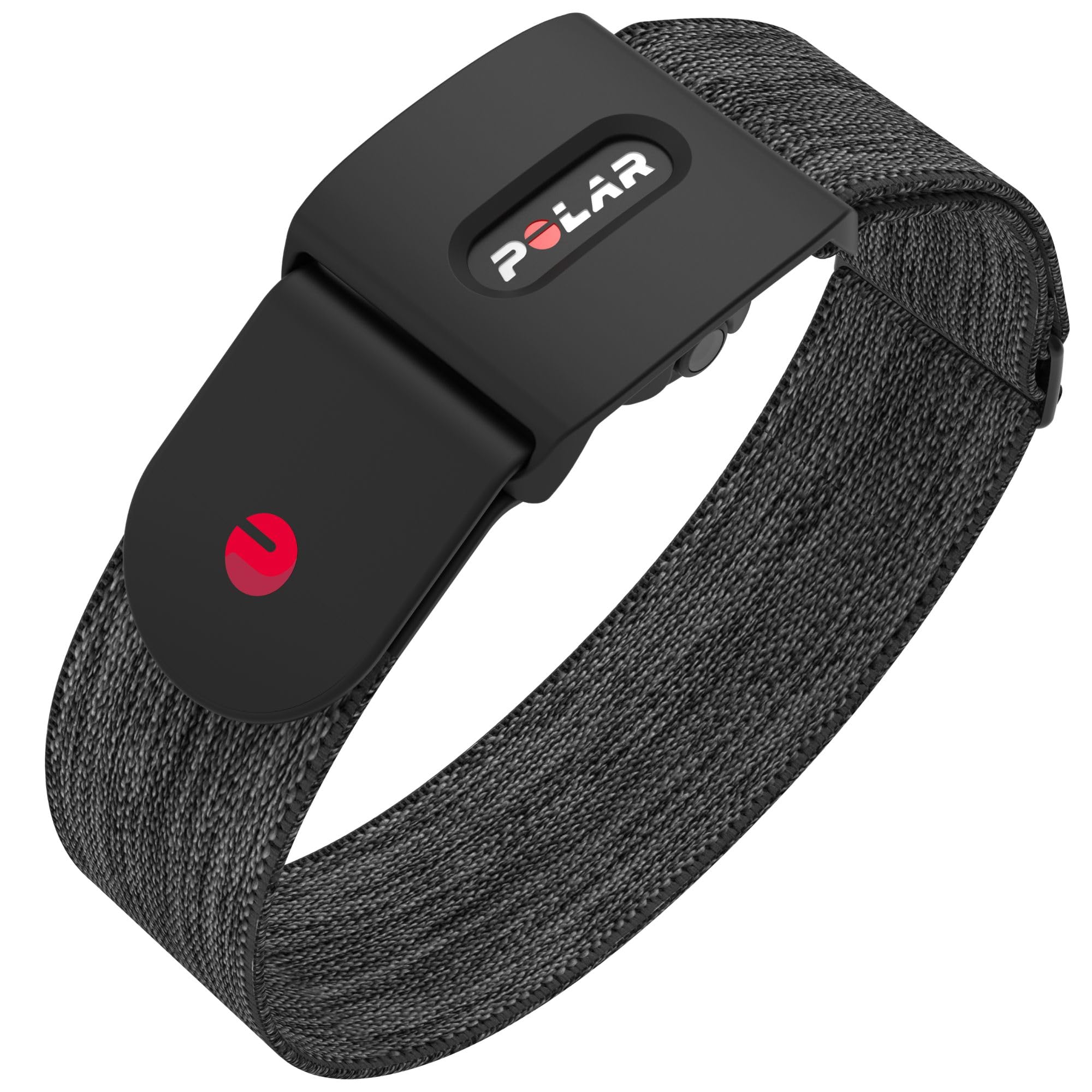
The Polar Verity Sense is the most versatile armband heart rate monitor in this lineup. Its optical sensor sits on a 71% polyester, 29% spandex strap that wraps securely around the upper arm, forearm, or even clips to swim goggles for pool sessions. The sensor supports two simultaneous Bluetooth connections and ANT+, so you can stream to a Garmin cycling computer and an iPhone running Polar Beat at the same time. Users consistently report sub-5% accuracy deviation compared to chest-strap EKG readings during steady-state runs, though the optical lag during rapid interval changes is slightly longer than a wired chest strap.
One standout feature is internal memory — the Verity Sense stores up to 600 hours of session data, which means you can train without a phone nearby and sync later. The single-button operation makes powering on and starting a session nearly effortless, and the battery lasts through roughly three weeks of daily one-hour workouts before needing a recharge via the included proprietary clip charger. A small frustration is the Polar Flow app, which some users find less intuitive than third-party options like Strava, but the device itself pairs seamlessly with Wahoo, Zwift, and Echelon platforms.
The included goggle clip is a unique differentiator for triathletes and lap swimmers. When the sensor is clipped to goggle straps and pressed against the temple, it maintains optical contact through underwater intervals without losing the signal. The strap is machine-washable, and the 19-gram sensor is light enough that you forget it is there. The proprietary charger is easy to misplace, so keep the cable in your gym bag permanently. For athletes who want one device for road, trail, bike, and pool, the Verity Sense is the clear choice.
Why it’s great
- Swim-ready goggle clip for lap pool HR tracking
- Internal memory for untethered session recording
- Two simultaneous Bluetooth connections for multi-device setups
Good to know
- Proprietary clip charger is easy to lose
- Polar Beat app interface feels dated compared to Strava or Wahoo
2. Scosche Rhythm+ 2.0

The Scosche Rhythm+ 2.0 stands out for its HRV and R-R interval data capture, which is critical for athletes who monitor recovery, sleep quality, and daily autonomic nervous system balance. The optical sensor streams RRi data to apps like HRV4Training and Morpheus, giving you insights that most armband monitors simply cannot provide. The IP68 rating means it survives total submersion, not just sweat splashes, making it a serious tool for open-water swimmers and wet-weather cyclists who cannot risk water damage.
The adjustable polyester strap wraps around the forearm, bicep, or tricep and stays locked in even during high-intensity intervals and kettlebell swings. Battery life hits 24 hours of continuous use, which translates to roughly two weeks of daily training before charging. The proprietary charger is a minor inconvenience, but Scosche includes lifetime tech support and a one-year warranty that covers defects. Some users on darker skin tones report occasional dropout during high-cadence indoor cycling, but this issue is less frequent than on wrist-based optical sensors.
Connectivity is rock-solid via both Bluetooth and ANT+, and the Rhythm+ 2.0 pairs instantly with Wahoo, Peloton, Strava, and nearly every major fitness platform. The 1.5-inch display shows real-time heart rate, so you can glance down without reaching for your phone. The biggest limitation is the lack of internal memory — the sensor must stay connected to a device during your session or the data is lost. If HRV analysis and recovery tracking are your priorities, this is the best armband heart rate monitor for that specific use case.
Why it’s great
- Captures HRV and RRi data for recovery and sleep analysis
- IP68 fully waterproof for swimming and heavy rain
- Lifetime tech support and proven build reliability
Good to know
- No internal memory for offline session recording
- Proprietary charger required, not USB-C
3. COOSPO HW9

The COOSPO HW9 delivers optical heart rate monitoring with a claimed ±1BPM accuracy, a specification that holds up well in real-world testing against chest straps during steady-state runs and gym sessions. The five-color LED indicator on the sensor face changes color based on your current heart rate zone — blue for recovery, green for fat burn, yellow for aerobic, orange for threshold, and red for maximum. This visual feedback eliminates the need to glance at a phone or bike computer mid-exercise.
The strap comes in two sizes and uses a soft, breathable nylon material that resists slipping even when fully saturated with sweat. A vibration alert triggers if your heart rate exceeds your customized maximum, which is a useful safety feature for high-intensity training. Battery life is rated at 35 hours, but real-world use with daily one-hour rides plus an LED always on stretches that to roughly two weeks before a recharge. The magnetic charger is convenient but uses a proprietary pogo-pin connector rather than USB-C, which means you need to keep the cable handy.
The HW9 supports Bluetooth 5.0 and ANT+ with two simultaneous Bluetooth connections, so it pairs effortlessly with an Apple Watch and a Zwift-running laptop at the same time. The accompanying Coosporide and Heartool apps allow you to customize your max heart rate and view detailed session graphs. Some users have reported the strap loses elasticity after several months of heavy use, and the sensor lacks an auto-shutoff feature, so you need to remember to long-press the button to turn it off after each session. For the price, the feature set is hard to beat.
Why it’s great
- Real-time zone display with 5-color LED indicator
- Vibration alert for exceeding max heart rate
- Dual Bluetooth connections for multi-device streaming
Good to know
- No auto shutoff — must manually power off after sessions
- Strap may lose elasticity after months of daily use
4. iGPSPORT HR70
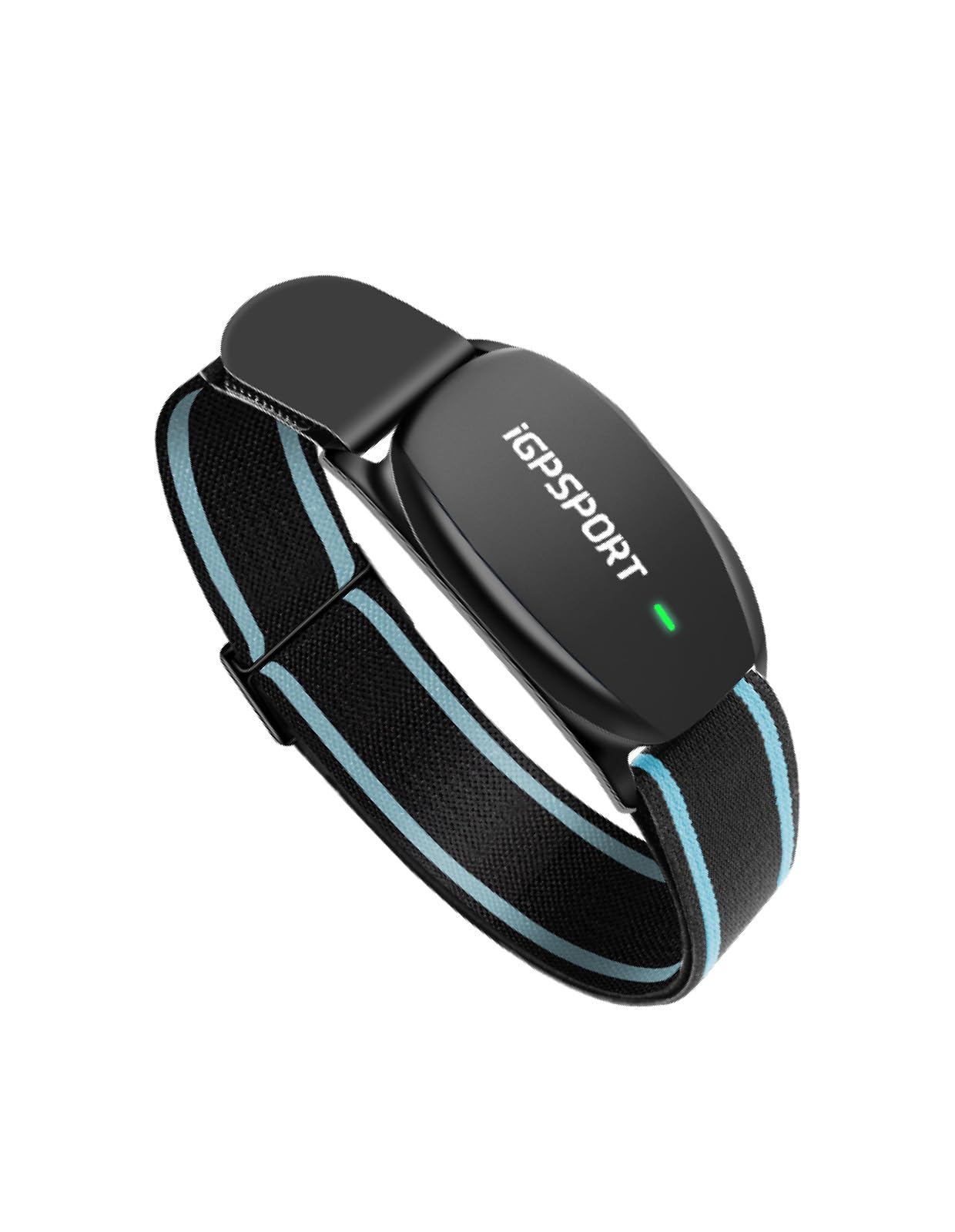
The iGPSPORT HR70 is the battery champion of this group, offering a claimed 65 hours of continuous operation from its lithium-ion cell. Real-world reports put it at two to three weeks of daily training before needing a charge, which is roughly double what most competitors deliver. The Type-C magnetic charging port is a welcome upgrade over proprietary connectors — you can charge with a standard phone cable, though the magnetic alignment still requires the specific magnetic end.
The optical sensor achieves ±1BPM accuracy in controlled conditions, and the polyester strap is soft, breathable, and stays stable during running and indoor cycling. The sensor includes a heart rate zone LED indicator and a haptic vibration alert when you cross your chosen zone threshold. The companion iGPSport app allows you to customize zone values and syncs with Strava, Wahoo, and TrainingPeaks. The automatic shutoff after five minutes of inactivity helps preserve battery if you forget to power off manually.
A small number of users have reported that the magnetic charging polarity can reverse over time, preventing the unit from charging after roughly a year of use. This appears to be a manufacturing tolerance issue rather than a widespread failure. The sensor weighs only 13.3 grams, making it one of the lightest on this list, and its compact form factor fits easily under tight sleeves. For ultra-endurance athletes who want to minimize charging logistics, the HR70 is the most practical daily choice.
Why it’s great
- Class-leading 65-hour battery life for long training blocks
- Type-C magnetic charger, easier than proprietary cables
- Haptic vibration and LED zone alerts for real-time feedback
Good to know
- Reported charging polarity issues after extended use
- Strap can leave pressure marks during long sessions
5. HandPlus Heart Rate Monitor
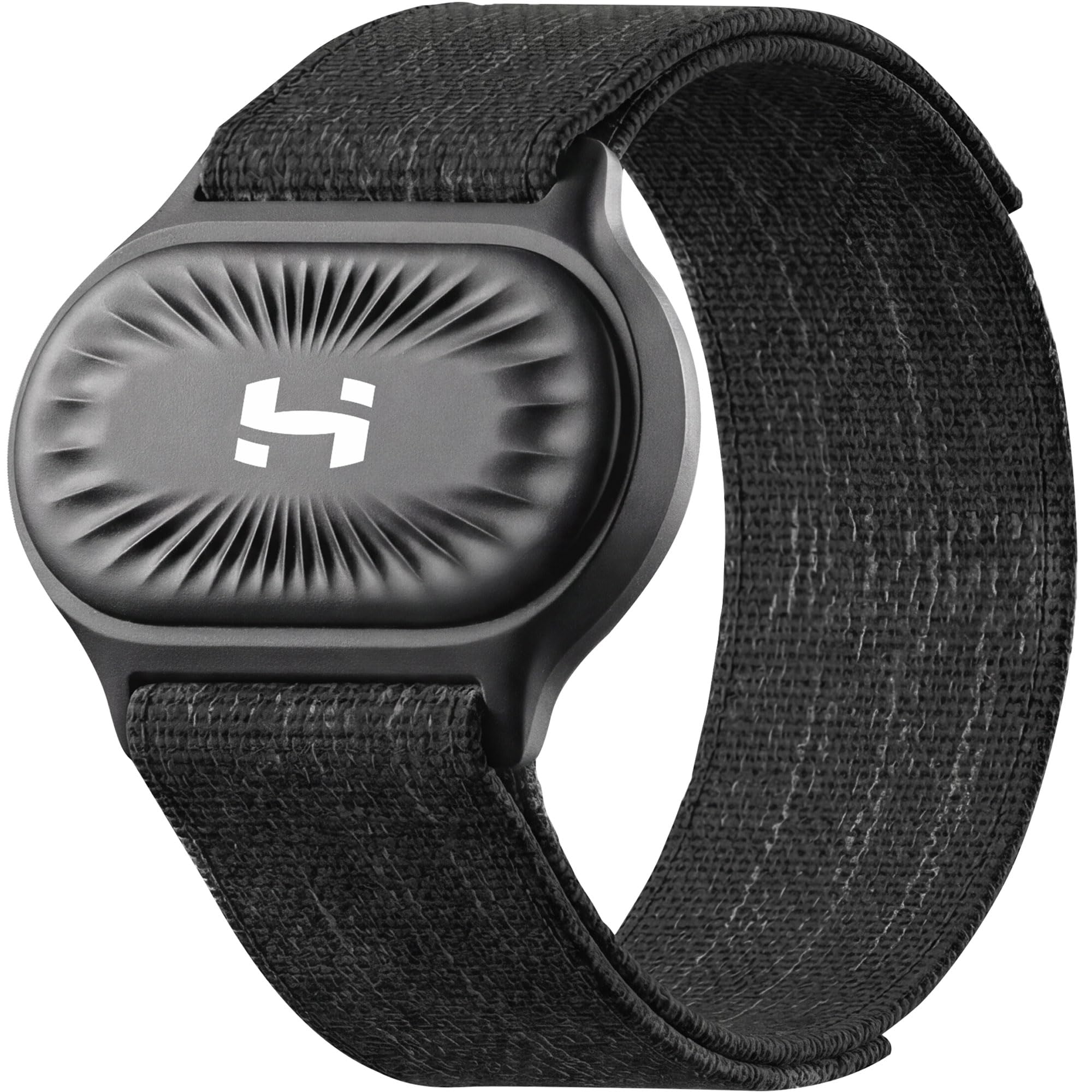
The HandPlus takes a training-focused approach with shake-to-activate sensors that eliminate the need for button pressing. Just pick it up and shake it, and it starts recording. It stores up to 72 hours of data offline, meaning you can leave your phone at home for a week of sessions and sync everything later. The optical sensor captures heart rate zones with accuracy claims within 0.2% of chest-strap monitors, plus it adds SpO₂ and skin temperature readings for a more complete picture of recovery and exertion.
The plastic sensor housing is lightweight and the strap is comfortable for long runs and gym sessions, though the band lacks the rigid grip of some competitors — users report occasional slippage during intense burpee or box jump sets. The Bluetooth and ANT+ connectivity pairs seamlessly with most fitness devices and platforms, including HOLOSWIM AR systems for pool training. The battery life hits 72 hours, which is on par with the iGPSPORT HR70 and significantly longer than the Polar Verity Sense.
The HandPlus does not include a display, so you rely on paired devices for real-time feedback. The accompanying app is functional but feels less polished than Polar Flow or Coosporide. The 30-day return policy and one-year limited warranty provide some peace of mind, but the device is the most expensive non-Polar option here. If offline storage and multi-day data logging are critical to your training style, the HandPlus is a strong contender, but the band stability and app experience trail the top picks.
Why it’s great
- 72 hours of offline data storage for phone-free training
- SpO₂ and skin temperature sensors for holistic recovery data
- Shake-to-start activation removes pairing friction
Good to know
- No onboard display for real-time HR glances
- Band may slip during high-intensity dynamic movement
6. CATEYE OHR-31
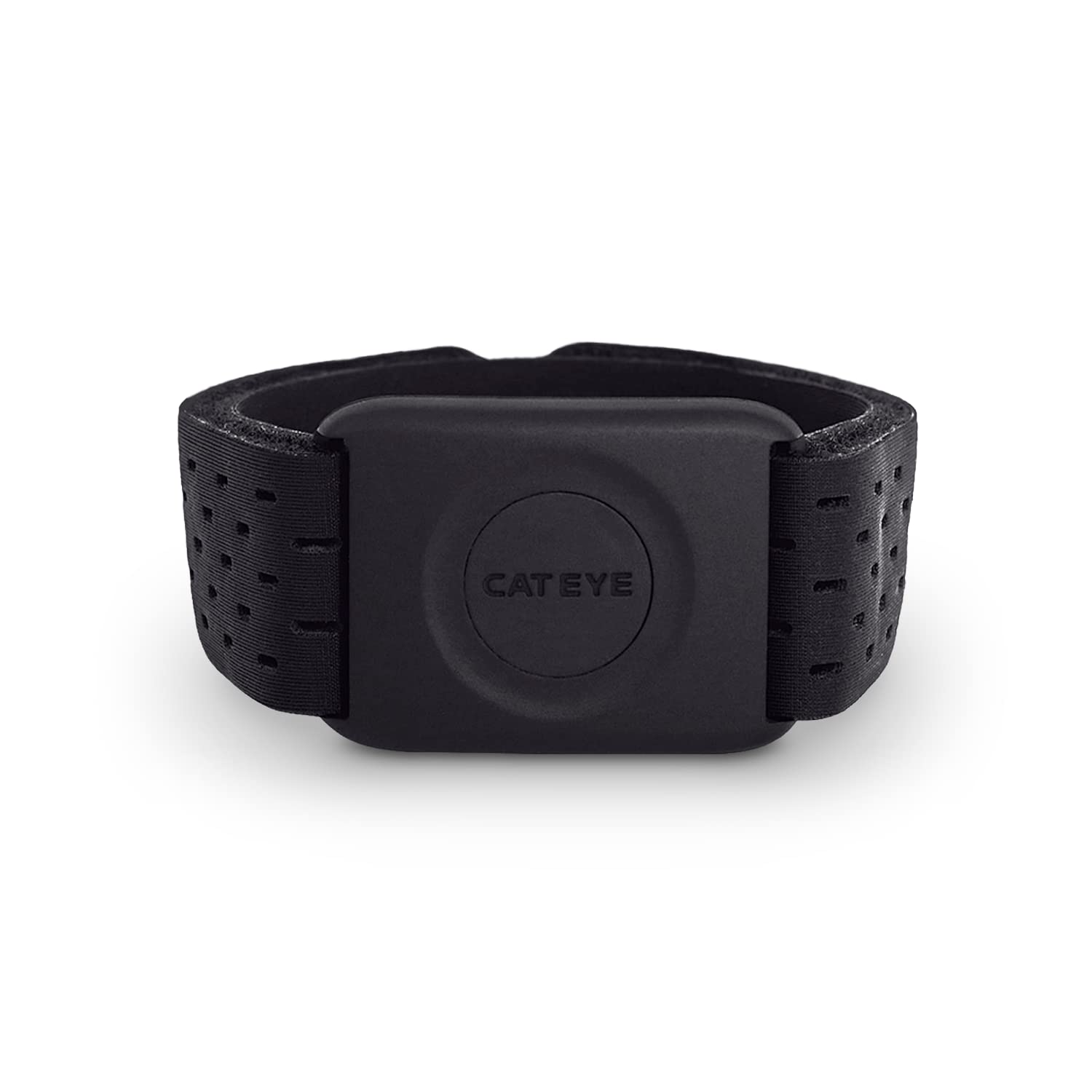
The CATEYE OHR-31 is the lightest armband heart rate monitor in this review at just 11 grams, making it virtually imperceptible on the arm during long rides. It uses a pulse oximetry-style optical LED to measure heart rate and pairs via Bluetooth 5.0 and ANT+ to cycling computers and smartphones. The strap comes in two sizes to accommodate different arm circumferences, and the IPX7 waterproof rating protects against rain and sweat splashes, though it is not rated for full submersion like the Scosche Rhythm+ 2.0.
Battery life reaches 24 hours per charge, and a low-battery indicator plus auto shutdown help you avoid dead-sensor surprises mid-ride. The proprietary USB-A charger takes about 2.5 hours for a full charge, which is slower than magnetic chargers on competing models. Some users report that the OHR-31 has a 7-10 second lag in heart rate response compared to chest-strap sensors, which is noticeable during high-intensity interval training where beat-to-beat responsiveness matters more than average zone tracking.
The included instructions are minimal — setup relies on a QR code that leads to an online guide. The Cateye Cycling app stores data locally and does not share directly with third-party platforms, so you will need to manually export or use a paired bike computer for Strava integration. A segment of users reported unit failure after four to six months, which raises durability questions. If you need a featherweight sensor for casual cycling and short rides, the OHR-31 works, but its limited accuracy and app ecosystem make it a niche pick.
Why it’s great
- Incredibly light at only 11 grams
- IPX7 waterproofing for wet-weather protection
- Two strap sizes for a custom fit
Good to know
- 7-10 second HR response lag during interval training
- Reported durability issues after 4-6 months of use
7. Powr Labs Rechargeable Heart Rate Armband
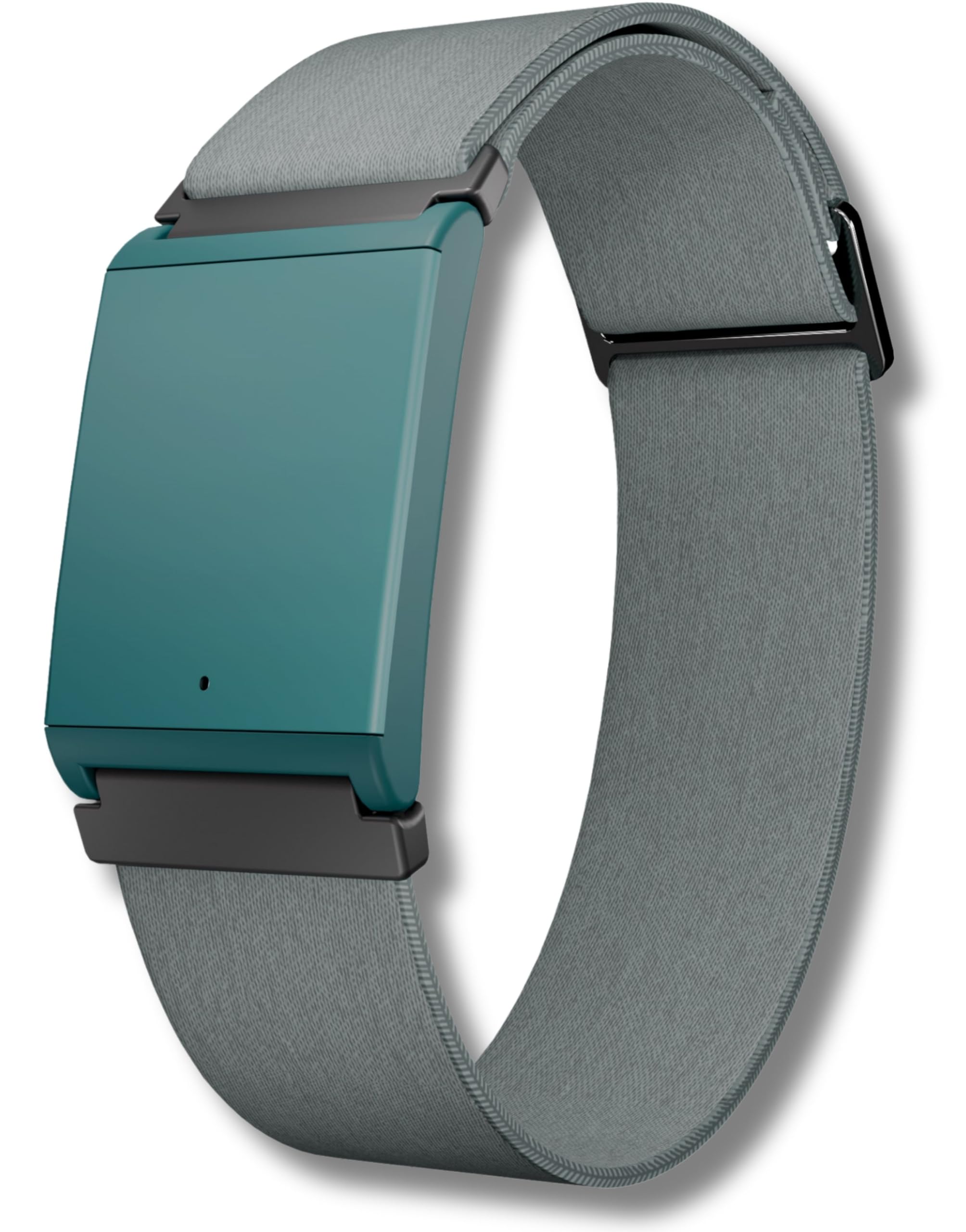
The Powr Labs armband focuses on reducing setup friction with its auto-wear detection — intelligent sensors activate when the strap touches your skin, so there are no power buttons to press and no pairing rituals before each workout. It connects to up to three devices simultaneously via dual-band Bluetooth and ANT+, which is useful if you want data flowing to a Peloton bike, an Apple Watch, and a Wahoo computer all at once. The optical sensor delivers consistent readings for steady-state exercise, and the medical-grade silicone strap feels soft against the skin without pinching.
At 20 grams, it is lightweight enough for most athletes, and the strap material (polyamide 66 reinforced with glass fibers) feels more durable than standard polyester. Battery life in real-world testing lands around four to five days of daily training, which is shorter than the iGPSPORT HR70 but adequate for most users. The proprietary charger is a USB-A cable with an odd connector, not USB-C, and losing it means a replacement order.
The main downsides are occasional Bluetooth conflicts when an iPhone is nearby and the requirement to maintain consistent skin contact — if the strap shifts and the sensor lifts, the signal drops. The companion Heartool app is functional but has a poorly designed interface with spelling errors, and some users report difficulty identifying the Bluetooth device name. The auto-wear convenience is genuine, but the software experience and proprietary charging hold this back. It is a solid entry-level option for Peloton riders who want a chest-strap alternative without overthinking setup.
Why it’s great
- Auto-wear detection removes the need to power on and pair each session
- Medical-grade silicone strap is soft and non-irritating
- Connects to up to 3 devices simultaneously
Good to know
- Proprietary USB-A charger, not USB-C
- Heartool app has a poor interface and spelling issues
FAQ
Can I wear an armband heart rate monitor during swimming?
How does armband accuracy compare to a chest strap during interval training?
What does heart rate zone LED feedback actually help with?
Do I need ANT+ or is Bluetooth alone sufficient?
Why does my armband heart rate monitor show random spikes or dropouts?
Final Thoughts: The Verdict
For most users, the best armband heart rate monitor winner is the Polar Verity Sense because it combines swim-ready versatility, dual Bluetooth, internal memory, and proven Polar optical sensor accuracy in a single lightweight package. If you want heart rate variability data for recovery analysis and don’t need a goggle clip, grab the Scosche Rhythm+ 2.0. And for extended off-grid training where battery life matters most, nothing beats the iGPSPORT HR70 with its 65-hour endurance and Type-C magnetic charging.

Mo Maruf
I created WellFizz to bridge the gap between vague wellness advice and actionable solutions. My mission is simple: to decode the research and give you practical tools you can actually use.
Beyond the data, I am a passionate traveler. I believe that stepping away from the screen to explore new environments is essential for mental clarity and physical vitality.