Our readers keep the lights on and my smoothie glass nicely filled. As an Amazon Associate, I earn from qualifying purchases.
Adding more antioxidants to your daily routine shouldn’t mean forcing down a bitter, muddy brew that tastes like punishment. A true antioxidant tea balances potent polyphenol content with a flavor profile you actually look forward to sipping — and that subtle distinction separates the daily ritual from the dusty cabinet afterthought.
I’m Mohammad Maruf — the founder and writer behind WellFizz. I analyze dozens of herbal and green tea formulations to surface which blends deliver measurable antioxidant density without sacrificing taste or brewing consistency.
The right choice depends on your caffeine tolerance, flavor preference, and serving style. This guide breaks down the top contenders for the best antioxidant tea across budget and premium tiers, with objective specs and real buyer feedback baked into every pick.
How To Choose The Best Antioxidant Tea
Antioxidant teas vary wildly in ORAC value, caffeine load, and flavor profile. Shopping blind often leads to a box of stale, lackluster bags that oxidize in the pantry. Focus on three decision points to land on the right match.
Match the Tea Base to Your Caffeine Tolerance
Green tea delivers EGCG, the most studied catechin for cellular health, but contains about 25mg of caffeine per cup — less than coffee but enough to cause jitters in sensitive drinkers. Herbal bases like hibiscus and rooibos provide anthocyanins and flavonols with zero caffeine, making them suitable for evening consumption. Decaffeinated green tea, processed via CO2 rather than chemical solvents, retains most of its polyphenol content while removing over 99 percent of caffeine.
Inspect the Bag Construction
Standard paper tea bags often contain epichlorohydrin, a plastic bonding agent that can leach into hot water. Premium brands use unbleached, compostable plant-fiber sachets or nylon-free mesh that allow water to circulate freely around the leaves. A tag secured with a staple rather than heat-sealed plastic is a minor but telling sign of overall material integrity.
Examine the Antioxidant Source Profile
Not all antioxidants behave the same in the body. Green tea catechins are water-soluble and peak in concentration after 2–3 minutes of steeping at 160–175°F. Hibiscus anthocyanins require slightly hotter water (200°F) and a longer steep — about 5–7 minutes — to fully extract. A blend that layers multiple antioxidant families provides a broader spectrum of polyphenol coverage than a single-source tea.
Quick Comparison
On smaller screens, swipe sideways to see the full table.
| Model | Category | Best For | Key Spec | Amazon |
|---|---|---|---|---|
| Rishi Matcha Super Green | Premium | Highest EGCG density | 50 compostable sachets | Amazon |
| Yogi Pure Green Decaf | Premium | Certified organic decaf | 96 bags, USDA Organic | Amazon |
| Republic of Tea Pomegranate Green | Mid-Range | Fruity green tea blend | 50 bags, green tea + hibiscus | Amazon |
| Republic of Tea Hibiscus Pineapple Lychee | Mid-Range | Sweet caffeine-free herbal | 36 bags, superflower base | Amazon |
| TeeLux Decaf Green Tea | Budget | High-count value decaf | 100 bags, CO2 decaf process | Amazon |
In‑Depth Reviews
1. Rishi Tea Matcha Super Green Japanese Tea

The Rishi Matcha Super Green sits at the top of the antioxidant ladder because it combines two premium leaf forms — powdered matcha and whole-leaf sencha — inside a single biodegradable sachet. Each bag delivers a fine, suspended green tea powder that releases catechins into the water immediately rather than requiring a separate whisking ritual. The result is a vibrantly emerald cup with a clean, savory umami finish and zero bitterness, even when steeped slightly past the recommended two-minute mark.
Brewing at 160°F preserves the delicate L-theanine content that green tea drinkers seek for calm alertness, and the sachet construction avoids plastic binding agents entirely. The entire tag, string, and bag are compostable — a meaningful detail for anyone who brews multiple cups daily and wants to minimize waste. A single sachet produces 8 ounces of tea that can stand up to a second brief infusion without losing its characteristic sweet-grass character.
This is not a budget option, but the concentration of antioxidant polyphenols per bag exceeds most green tea offerings by a noticeable margin. Buyers who prioritize maximum EGCG intake per sip and appreciate a clean, transparent ingredient origin should place this at the top of their shortlist.
Why it’s great
- Matcha + sencha dual-leaf blend maximizes antioxidant density
- Fully compostable sachet with no plastic or metal staples
- Vibrant green color and clean umami taste with minimal bitterness
Good to know
- Premium price point relative to conventional bagged teas
- Bags produce a fine sediment typical of matcha blends
2. Yogi Tea Green Tea Pure Green Decaf
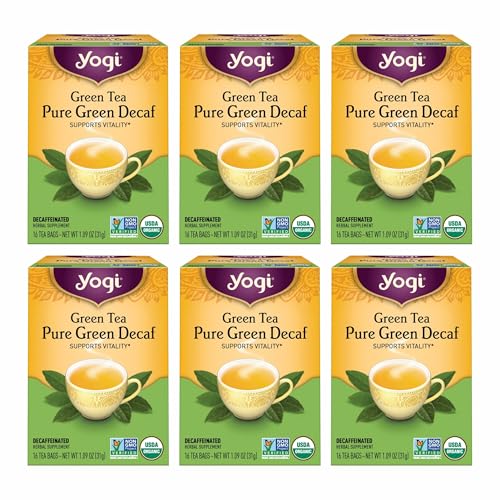
Yogi’s Pure Green Decaf earns its spot through uncompromising organic certification and a consistent decaffeination process that uses only water and CO2. The resulting cup delivers a clean, full-bodied green tea taste without the chemical aftertaste that cheaper decaffeination methods leave behind. Each bag is oxygen-bleached and compostable, addressing a persistent concern among tea drinkers who prefer to avoid chlorine-bleached paper in their brew.
The caffeine removal process preserves a meaningful level of catechins, so you still get antioxidant benefits without the stimulant load that can interfere with sleep or trigger anxiety. Independent lab reports cited by regular buyers confirm the tea maintains freshness and polyphenol integrity across multiple batches. The tag uses a small metal staple to secure the string — a minor detail that some users note but does not affect the brewing quality.
At a total count of 96 bags across the six-pack, the per-cup cost lands comfortably in the mid-range while delivering premium sourcing standards. This is an excellent everyday option for drinkers who want a reliable, organic decaf green tea that tastes bold enough to rival full-caffeine alternatives.
Why it’s great
- USDA Organic with Non-GMO Project Verification
- CO2 decaffeination preserves antioxidant content and flavor
- Compostable, oxygen-bleached tea bags
Good to know
- Metal staple on each tea bag tag
- Some users prefer a sweeter green tea profile
3. Republic of Tea Pomegranate Green SuperFruit Tea

This blend layers organic green tea with hibiscus and natural pomegranate flavor to create a ruby-hued cup that bridges the gap between straight green tea and a sweet tisane. The pomegranate note is present but not overpowering — subtle enough that tea purists won’t feel like they’re drinking juice, but bold enough to mask the grassy edge that turns some drinkers away from plain green tea. The caffeine content remains low at roughly 25mg per cup, comparable to a standard green tea infusion.
Customers consistently highlight this tea as an excellent iced tea base, and the hibiscus component contributes anthocyanins — a flavonoid class known for cardiovascular support that complements the EGCG from the green tea leaves. Brewing four bags in two quarts of spring water with a splash of lemon creates a naturally sweet, sugar-free cold brew that appeals to former soda drinkers looking for a healthier replacement. The bags are free of gluten and artificial additives, and the round tea bag shape allows full water circulation during steeping.
The 50-count box offers solid value for a flavored green tea that performs equally well hot and cold. Drinkers who find standard green tea too astringent will appreciate the fruit-forward balance that makes daily hydration feel more like a treat than a chore.
Why it’s great
- Organic green tea base with complementary hibiscus antioxidants
- Sweet-tart flavor profile works hot or as cold brew
- No added sugars or artificial sweeteners
Good to know
- Subtle pomegranate flavor may be too mild for some
- Contains caffeine from green tea
4. Republic of Tea Pineapple Lychee Hibiscus
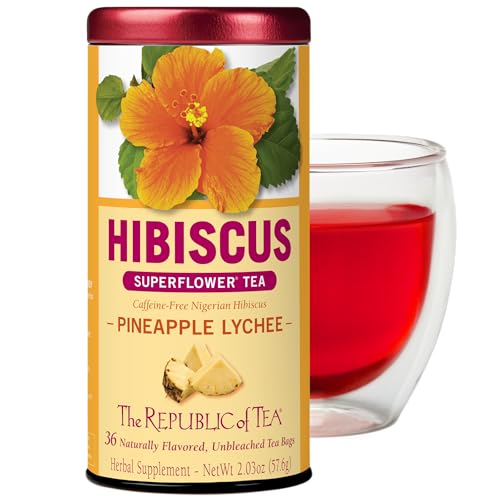
This caffeine-free herbal infusion relies on hibiscus as its antioxidant backbone, delivering a high concentration of anthocyanins — the pigments responsible for the tea’s vibrant red color and its reputation for supporting healthy blood pressure. The addition of pineapple and lychee flavors, along with stevia leaf, creates a naturally sweet cup that requires no added sweetener. Multiple verified reviewers report measurable improvements in both blood sugar and blood pressure markers after consistent twice-daily consumption.
Steeping for 5–7 minutes in freshly boiled water extracts the full polyphenol profile, and the tea bags are sturdy enough to hold up to a long steep without tearing. The absence of caffeine makes this suitable for evening sipping, and the flavor profile is sweet enough to serve as a healthy alternative to sugary fruit punches. The round bag design and sturdy container help preserve freshness between uses, which matters for an herbal tea that can lose volatile flavor compounds faster than green teas.
Note that the manufacturer advises against use during pregnancy or lactation without professional consultation, due to the concentrated herbal ingredients. For anyone else seeking a sweet, caffeine-free antioxidant option that actually tastes like a treat, this is the strongest contender in the mid-range tier.
Why it’s great
- Naturally sweet with stevia — no added sugar needed
- Vibrant hibiscus anthocyanin content for antioxidant support
- Multiple health marker improvements reported by real buyers
Good to know
- Not recommended during pregnancy or lactation
- Sweetness level may be intense for unsweetened tea drinkers
5. TeeLux Decaf Green Tea Bags

TeeLux delivers the highest bag count in this roundup — 100 individually sealed tea bags at a price that undercuts most premium organic competitors. The CO2 decaffeination process used here is the same solvent-free method favored by higher-end brands, meaning the green tea retains a meaningful level of catechins and theanine without chemical residue. The flavor profile leans slightly thinner than full-caffeine green tea, which is typical of decaffeinated products, but the lack of bitterness and absence of paper aftertaste are clear wins at this price tier.
The bags are made from non-GMO plant fiber, unbleached, and compostable — no strings or tags attached, which reduces packaging waste. This minimalist design works well for bulk brewing but requires some adjustment for drinkers accustomed to a dangling tag for easy removal. The tea is versatile enough to serve hot or iced, and a brief 2–3 minute steep produces a light golden cup that pairs well with lemon or honey without masking the tea’s natural character.
For drinkers who consume multiple cups of green tea per day and want a decaf option that doesn’t compromise on antioxidant potential, TeeLux offers the best cost-per-cup ratio in this guide. It is not the most complex or vibrant green tea available, but it delivers consistent, clean flavor at a volume that makes daily consumption genuinely affordable.
Why it’s great
- 100 bags at a low per-cup cost
- CO2 decaffeination retains antioxidant content
- Unbleached, compostable plant-fiber bags
Good to know
- Flavor is thinner than full-caffeine green tea
- No strings or tags on individual bags
FAQ
Does steeping time really affect antioxidant extraction?
Can I drink antioxidant tea while pregnant?
How does matcha’s antioxidant density compare to regular green tea?
Final Thoughts: The Verdict
For most users, the best antioxidant tea winner is the Rishi Matcha Super Green because its dual-leaf matcha-sencha blend delivers the highest measurable polyphenol density per cup in a fully compostable sachet. If you want a clean, certified organic decaf option, grab the Yogi Pure Green Decaf. And for a sweet, caffeine-free herbal that drinkers report actually moved real health markers, nothing beats the Republic of Tea Pineapple Lychee Hibiscus.

Mo Maruf
I created WellFizz to bridge the gap between vague wellness advice and actionable solutions. My mission is simple: to decode the research and give you practical tools you can actually use.
Beyond the data, I am a passionate traveler. I believe that stepping away from the screen to explore new environments is essential for mental clarity and physical vitality.