Our readers keep the lights on and my smoothie glass nicely filled. As an Amazon Associate, I earn from qualifying purchases.
The frustration of a great landscape shot ruined by camera shake or a fleeting street moment lost to slow autofocus is the specific pain every travel photographer knows. The perfect travel camera must balance portability against image quality, zoom range against low-light capability, and durability against weight—a compromise no smartphone can fully solve.
I’m Mohammad Maruf — the founder and writer behind WellFizz. I’ve spent hundreds of hours analyzing sensor formats, stabilization systems, autofocus algorithms, and real-world travel use cases to separate marketing specs from genuine field performance for this guide on cameras for travel photography.
After rigorous analysis of over a dozen models across multiple price tiers, this guide presents the definitive breakdown of the best cameras for travel photography to help you invest in the right system for your journeys.
How To Choose The Best Cameras For Travel Photography
Choosing a travel camera requires balancing five critical factors against your specific style of travel. Sensor size determines image quality and low-light performance but directly impacts body and lens size. Stabilization technology separates sharp handheld shots from blurry failures in dim cathedrals or evening streets. Autofocus capability dictates whether you capture spontaneous moments or miss them entirely. Zoom range defines your versatility from wide landscapes to compressed telephoto details. Weather sealing determines whether a sudden downpour ends your shoot or merely changes your perspective.
Sensor Size and Portability Trade-Off
Micro Four Thirds cameras like the OM SYSTEM OM-5 Mark II offer the smallest body and lens combinations for multi-day hiking or urban all-day carry, but their smaller sensor sacrifices some dynamic range and high-ISO performance compared to APS-C or full-frame alternatives. APS-C sensors in cameras like the Nikon Z50 II or Fujifilm X-E5 provide an excellent middle ground with noticeably better low-light performance than phone sensors while remaining packable. Full-frame sensors in the Sony a7 III or Canon EOS R8 deliver maximum image quality and depth of field control but demand larger lenses and heavier bags—a trade-off worth making only if image quality is your absolute priority over comfort.
Stabilization: Lens vs In-Body
In-body image stabilization (IBIS) is the single most valuable feature for travel photography because it stabilizes every lens you mount, including vintage or third-party glass. Cameras like the Panasonic LUMIX G85 and OM SYSTEM models offer class-leading IBIS that allows sharp handheld shots at shutter speeds four to seven stops slower than normally possible without a tripod. Lens-based stabilization alone, found in many kit zooms, helps but stops working when you switch to a prime lens without stabilization. For travel photographers shooting in museums, temples, or twilight cityscapes without a tripod, IBIS is not optional—it is essential.
Autofocus and Subject Detection
Fast, accurate autofocus with subject detection separates cameras that capture decisive travel moments from those that miss them. Modern cameras like the Canon EOS R8 and Sony a7 III offer phase-detection autofocus systems with hundreds of points covering nearly the entire frame, paired with deep-learning algorithms that detect and track people, animals, and vehicles. For street photography, human eye detection lets you compose freely while the camera handles focus. For wildlife or action travel, dedicated bird, airplane, and animal tracking modes in cameras like the Nikon Z50 II ensure sharp results even with fast-moving subjects. Lower-tier systems with fewer autofocus points or contrast-only detection will frustrate you in dynamic travel environments.
Zoom Range for Versatility
Travel demands a lens that covers wide-angle landscapes and moderate telephoto reach without forcing lens swaps in dusty or crowded conditions. Compact cameras like the Sony RX100 VII pack a 24-200mm equivalent zoom into a pocketable body—an unmatched all-in-one solution for minimalist travelers. Interchangeable lens systems require choosing a kit lens range carefully: the 16-50mm on the Nikon Z fc provides a useful wide to short telephoto range, while the 12-60mm on the Panasonic LUMIX G85 adds extra reach at both ends. For maximum flexibility without changing lenses, a standard zoom covering approximately 24-70mm equivalent paired with a compact telephoto zoom like 50-250mm covers almost every travel scenario.
Weather Sealing and Build Durability
Travel cameras face rain, dust, sand, humidity, and temperature extremes that indoor-only cameras cannot handle. Models with weather-sealed bodies, such as the OM SYSTEM OM-5 Mark II and Panasonic LUMIX G85, allow shooting confidently in light rain or dusty trails. Cameras without weather sealing, like the Fujifilm X-E5 or Sony RX100 VII, require careful protection and limit your shooting conditions. For adventure travelers, hiking photographers, or anyone visiting unpredictable climates, a weather-sealed camera body paired with a sealed lens is not a luxury—it is a reliability requirement that prevents a ruined trip.
Quick Comparison
On smaller screens, swipe sideways to see the full table.
| Model | Category | Best For | Key Spec | Amazon |
|---|---|---|---|---|
| Canon EOS R8 | Premium Full-Frame | Hybrid photo/video travelers | 24.2MP full-frame, 4K 60fps uncropped | Amazon |
| Fujifilm X-E5 | Premium APS-C | Style-conscious image purists | 40.2MP X-Trans 5 HR, 7-stop IBIS | Amazon |
| Sony a7 III | Premium Full-Frame | Battery life and low-light mastery | 24.2MP full-frame, 693 AF points | Amazon |
| Sony RX100 VII | Premium Compact | Pocketable all-in-one travel zoom | 20.1MP 1-inch, 24-200mm zoom | Amazon |
| OM SYSTEM OM-5 Mark II | Premium MFT | Weather-sealed outdoor adventures | 20MP MFT, 7.5-stop IBIS | Amazon |
| Nikon Z50 II | Mid-Range APS-C | Dual-lens kit versatility | 20.9MP APS-C, 2-lens kit | Amazon |
| Canon EOS RP | Mid-Range Full-Frame | Entry to full-frame travel | 26.2MP full-frame, RF 24-105mm | Amazon |
| Nikon Z fc | Mid-Range APS-C | Retro design with modern performance | 20.9MP APS-C, vari-angle LCD | Amazon |
| OM SYSTEM E-M10 Mark IV | Mid-Range MFT | Entry-level mirrorless with IBIS | 20MP MFT, 4.5-stop IBIS | Amazon |
| Panasonic LUMIX ZS99 | Budget Compact | Pocket superzoom for concerts | 30x zoom, 24-720mm equivalent | Amazon |
| Panasonic LUMIX G85 | Budget MFT | Budget IBIS and weather sealing | 16MP MFT, 5-axis IBIS | Amazon |
In‑Depth Reviews
1. Canon EOS R8

The Canon EOS R8 packs a 24.2-megapixel full-frame sensor and the same DIGIC X processor found in Canon’s high-end R6 Mark II into a body that weighs only 461 grams with battery and card. This combination delivers full-frame image quality with 6K oversampled 4K video at 60fps—an unprecedented spec-to-weight ratio for travel photographers who refuse to compromise on sensor performance while keeping their carry-on bag light. The Dual Pixel CMOS AF II system covers 100% of the frame with 1,053 AF zones and uses deep learning to detect people, animals, and vehicles including aircraft and trains, which matters when shooting moving subjects in foreign environments where you cannot stage a second take.
The 40fps electronic shutter with full autofocus tracking captures split-second travel moments like street performers mid-jump or birds taking off from a temple roof. Canon Log 3 gamma provides wide dynamic range for color grading travel videos, while the vari-angle 1.62-million-dot LCD touchscreen makes vlogging and overhead shooting comfortable. However, the R8 omits in-body image stabilization, so you must rely on stabilized RF lenses for handheld video and low-light stills—a significant limitation for travel photographers who prefer compact non-stabilized prime lenses. The LP-E17 battery delivers roughly 500 shots per charge, requiring at least one spare for a full day of shooting.
For travel photographers who want full-frame quality in a body that weighs less than many APS-C cameras, the EOS R8 is the most compelling value in the mid-range category. Pair it with the RF 24-105mm f/4-7.1 IS STM kit lens for a versatile travel walk-around combo, or invest in a bright prime like the RF 35mm f/1.8 for low-light street photography. The lack of IBIS is the only real compromise—one that lens selection can mitigate for stills, though video shooters should budget for a stabilized lens from the start.
Why it’s great
- Full-frame sensor in a lightweight sub-500g body
- Uncropped 4K 60fps oversampled from 6K with C-Log 3
- 40fps electronic shutter with full AF tracking
- Deep learning subject detection for people, animals, and vehicles
Good to know
- No in-body image stabilization
- Small LP-E17 battery requires spare for full-day shooting
- Single UHS-II SD card slot
- Electronic shutter can exhibit rolling shutter with fast pans
2. Fujifilm X-E5
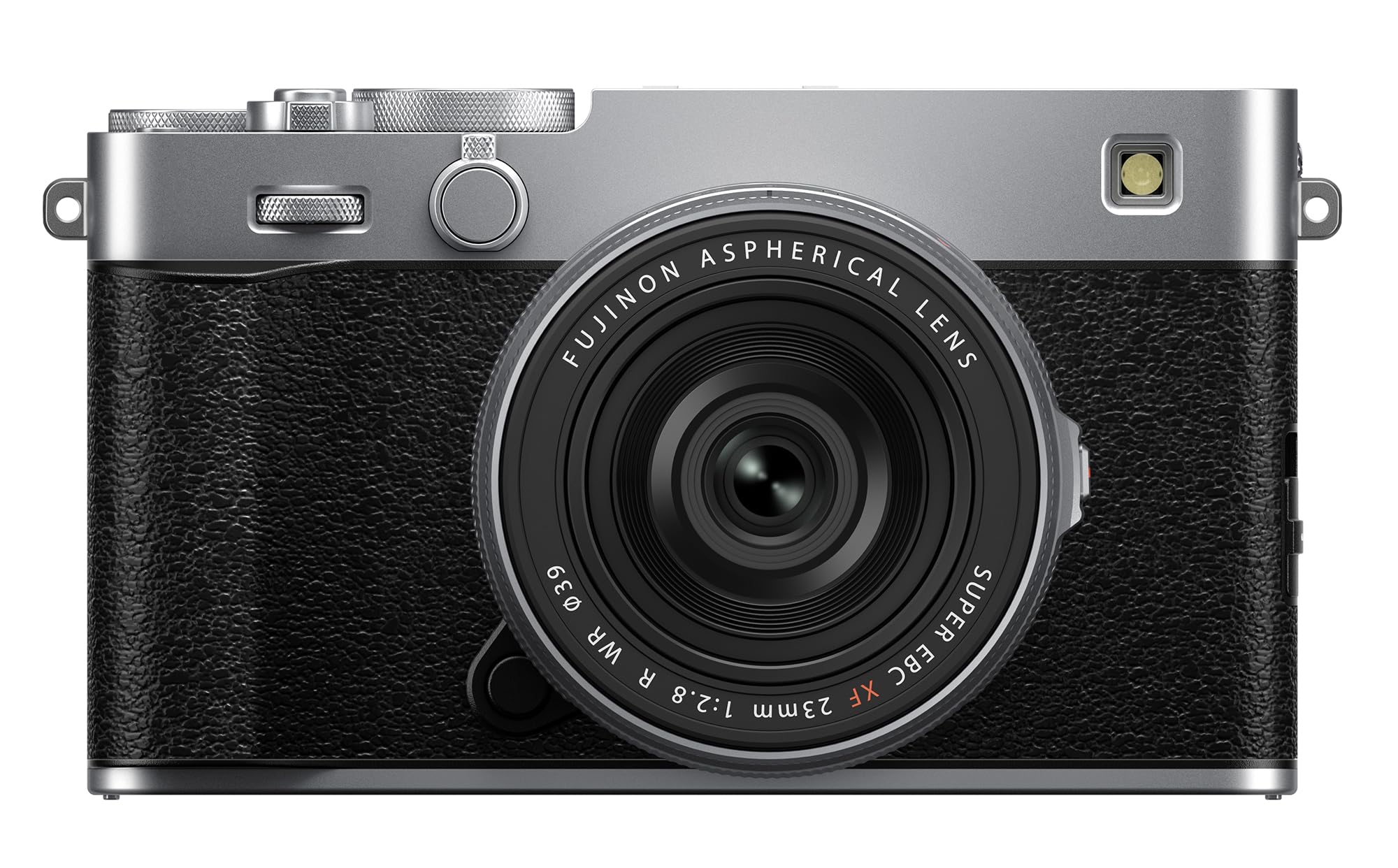
The Fujifilm X-E5 brings the 40.2-megapixel X-Trans 5 HR sensor and X-Processor 5 from the flagship X-T5 into a compact rangefinder-style body with analog dials for shutter speed, ISO, and exposure compensation. The new customizable Film Simulation dial under the top plate gives instant access to Fujifilm’s legendary color profiles and three custom recipe slots—a feature that transforms travel photography by eliminating the need for post-processing on the road. The machined aluminum top plate and premium build quality make it a camera you want to carry and use, which matters more for travel than any spec sheet suggests.
The 7-stop in-body image stabilization system with a new algorithm allows handheld shooting in dimly lit temples and evening markets without a tripod. The 425-point phase-detection autofocus with AI-based subject detection for animals, birds, cars, motorcycles, airplanes, and trains ensures sharp focus across diverse travel subjects. The XF 23mm f/2.8 R WR pancake lens included in the kit creates a pocketable package perfect for street and travel photography, with equivalent full-frame video of roughly 35mm—the classic travel focal length. The two-step digital teleconverter crops to 1.4x and 2x for extra reach when you cannot physically move closer.
The X-E5 is not weather-sealed, limiting its use in rain, dust, or sea spray without protective covers. The battery is small for a 40MP sensor, requiring careful power management or spares. The Film Simulation dial, while innovative, defaults to changing simulations when bumped—some users report needing to lock it. For photographers who prioritize out-of-camera color, compact size, and interchangeable lenses over weather resistance and high burst speeds, the X-E5 delivers the most satisfying shooting experience in this list when paired with a compact pancake lens.
Why it’s great
- 40.2MP X-Trans 5 HR sensor with outstanding color science
- Customizable Film Simulation dial with three recipe slots
- 7-stop IBIS for handheld low-light shooting
- Compact rangefinder body with premium aluminum top plate
Good to know
- Not weather-sealed
- Film Simulation dial can be bumped accidentally
- Small battery relative to sensor resolution
- Slower burst rate than class competitors
3. Sony a7 III

The Sony a7 III remains the gold standard for full-frame travel photography because of its 24.2-megapixel back-illuminated full-frame sensor that delivers 15 stops of dynamic range and usable image quality up to ISO 204,800. The 693 phase-detection autofocus points covering 93% of the frame with Real-time Eye AF for humans and animals provide reliable subject tracking across diverse travel scenarios—street portraits, wildlife encounters, and fast-moving children in unfamiliar environments. The NP-FZ100 battery achieves approximately 710 shots per charge, which means a single battery can last a full day of heavy travel shooting without carrying spares.
The 5-axis in-body image stabilization provides 5 stops of correction, working with any mounted lens for sharp handheld stills in low light. The 10fps continuous shooting with mechanical or silent shutter captures decisive moments without shutter shock. The 4K video with full pixel readout and no pixel binning delivers excellent quality for travel videography, and the S-Log gamma profiles allow color grading flexibility. The dust and moisture-resistant magnesium alloy body provides durability for varied travel conditions. The 28-70mm f/3.5-5.6 kit lens included offers a useful standard zoom range for walk-around travel shooting.
The menu system remains Sony’s complex legacy interface that requires familiarity to navigate quickly in the field. The 28-70mm kit lens is adequate but lacks the optical quality the sensor deserves, so upgrading to brighter glass like the FE 24-105mm f/4 G OSS or a compact prime is recommended for serious travel photography. The camera body is larger and heavier than APS-C competitors, though still compact for a full-frame system. For travel photographers who demand maximum image quality, outstanding battery life, and a mature lens ecosystem, the a7 III is a proven workhorse that has earned its reputation through years of field use.
Why it’s great
- Outstanding 710-shot battery life for all-day travel
- 15-stop dynamic range and ISO up to 204,800
- 693-point phase-detection AF with Eye AF
- 5-axis IBIS works with all lenses
Good to know
- Complex menu system requires learning curve
- Kit lens does not match sensor quality
- Larger and heavier than APS-C travel options
- No USB-C charging in original model
4. Sony RX100 VII

The Sony RX100 VII packs a 20.1-megapixel 1-inch stacked CMOS sensor and a Zeiss Vario-Sonnar T 24-200mm f/2.8-4.5 zoom lens into a body that fits entirely into a jeans pocket. This is the only camera in this list that eliminates the camera bag entirely—you can carry it in a coat pocket or small purse and gain a 200mm telephoto reach that no smartphone can match. The 357 phase-detection AF points with 425 contrast-detection points achieve a 0.02-second autofocus speed, and the Real-time Eye AF for humans and animals works for both stills and video, providing professional-grade tracking in a compact body.
The 20fps blackout-free continuous shooting with AF/AE tracking captures fast action without losing visual contact with your subject. The 4K video with Active Mode image stabilization reduces walking shake significantly for travel vlogging, and the microphone jack allows external audio for higher quality travel videos. The pop-up electronic viewfinder with 2.36 million dots provides bright composition even in harsh sunlight. The 24-200mm equivalent zoom range covers wide landscapes, compressed street portraits, and distant architectural details without changing lenses or carrying additional gear—a crucial advantage for travelers who value minimal kit.
The 1-inch sensor cannot match the image quality of APS-C or full-frame cameras in low light, with noticeable noise above ISO 1600. The fixed lens limits creative flexibility—you cannot switch to an ultra-wide or bright prime for specific situations. The body is slippery and small, requiring an accessory grip for comfortable handling during extended shooting sessions. The menu system is Sony’s dense interface, though the camera’s fixed lens eliminates the need for lens-related menu navigation. For the minimalist traveler who prioritizes pocketability and zoom range over maximum image quality, the RX100 VII is the ultimate compact travel companion.
Why it’s great
- Pocketable body with 24-200mm zoom range
- 0.02-second autofocus with Real-time Eye AF
- 20fps blackout-free continuous shooting
- 4K video with microphone jack and Active Stabilization
Good to know
- 1-inch sensor limits low-light performance
- Fixed lens cannot be swapped or upgraded
- Slippery body requires accessory grip
- Not weather-sealed
5. OM SYSTEM OM-5 Mark II
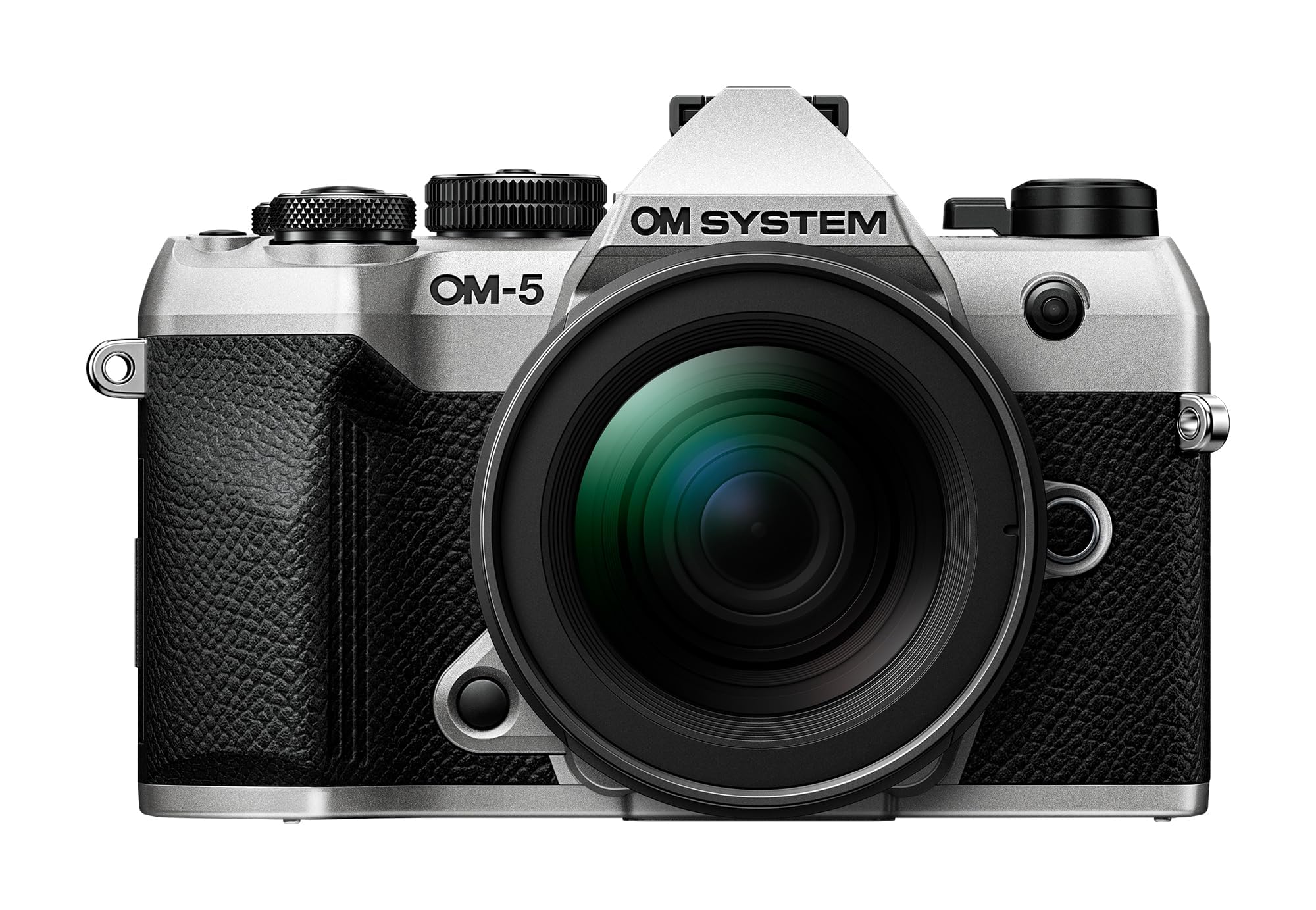
The OM SYSTEM OM-5 Mark II is purpose-built for outdoor travel photographers who shoot in rain, dust, freezing conditions, and rugged terrain. The weather-sealed magnesium alloy body with IP53-rated dust and splash resistance allows confident shooting in downpours and dusty trails where other cameras would fail. The 20-megapixel Micro Four Thirds sensor pairs with a 7.5-stop in-body image stabilization system that makes tripods optional for most travel scenarios—you can shoot sharp handheld exposures at shutter speeds exceeding one second, which is transformative for indoor museum photography, twilight cityscapes, and waterfall long exposures.
The computational photography button provides instant access to high-res shot mode (50MP handheld), focus bracketing for macro work, and Live ND simulation that eliminates the need for physical neutral density filters for long exposure travel photography. The 4K Unlimited video recording and 4K 60fps capability cover cinematic travel footage without time limits. The bundled M.Zuiko Digital ED 12-45mm f/4.0 PRO lens is a constant aperture weather-sealed zoom that covers 24-90mm equivalent—a versatile travel range with professional optical quality in a compact package. The updated menu system from the OM-1 provides intuitive navigation compared to earlier Olympus generations.
The Micro Four Thirds sensor inherently has more noise at high ISO than APS-C or full-frame cameras, which shows in very low-light scenarios without stabilization—though the superior IBIS often compensates by allowing slower shutter speeds instead of higher ISO. The included battery is small, requiring at least one spare for all-day shooting. The body grip is compact and may feel small for users with larger hands, though the Mark II version has a slightly improved grip over its predecessor. For adventure travelers, hikers, and outdoor photographers who prioritize durability, stabilization, and size over ultimate low-light sensor performance, this is the most reliable travel camera you can buy.
Why it’s great
- IP53 weather-sealed for rain and dust
- 7.5-stop IBIS for handheld long exposures
- Computational features: 50MP HR, Live ND, focus stacking
- Compact, lightweight build for hiking and all-day carry
Good to know
- MFT sensor shows more noise at high ISO
- Small battery requires spares for full-day use
- Compact grip may feel small for larger hands
- No built-in flash
6. Nikon Z50 II

The Nikon Z50 II brings the 20.9-megapixel DX-format APS-C sensor with EXPEED 7 processing into a compact body that includes a built-in flash and an electronic viewfinder. The dual-lens kit includes the NIKKOR Z DX 16-50mm f/3.5-6.3 VR and the NIKKOR Z DX 50-250mm f/4.5-6.3 VR, covering 24-375mm equivalent focal lengths in two compact lenses—enough range for landscapes, portraits, wildlife, and compressed telephoto shots on a single trip. The 231 autofocus points with subject detection for people, dogs, cats, birds, and vehicles ensure accurate tracking across diverse travel subjects.
The 4K UHD 60p video capability and in-camera 120p slow-motion in Full HD provide flexible video options for travel content creation. The built-in electronic VR and product review mode enhance video quality for vlogging and product shots. The Picture Control button offers 31 built-in presets with real-time preview, allowing you to create custom looks for subtle imagery without post-processing—valuable for travel photographers who want to share images directly from the camera. The Nikon SnapBridge app provides seamless wireless photo sharing to your phone for social media updates during trips.
The dual-lens kit is excellent value but requires carrying two lenses, which increases total weight and bulk compared to a single superzoom. The kit lenses have variable apertures that limit low-light performance—indoor and evening shooting requires higher ISO or stabilization assistance. The EN-EL25 battery provides moderate runtime, and the flip-out LCD screen drains it faster when used for vlogging. For travelers who want a complete camera system with two lenses covering an enormous focal range without spending on separate glass, the Z50 II dual-lens kit is unmatched in its price tier for versatility.
Why it’s great
- Covers 24-375mm equivalent with dual-lens kit
- Built-in flash for fill-light in travel portraits
- 31 Picture Control presets for straight-out-of-camera images
- Subject detection for nine categories including birds and vehicles
Good to know
- Variable aperture kit lenses limit low-light performance
- Carrying two lenses adds weight and bulk
- Battery life moderate for all-day shooting
- Not full-frame, sensor smaller than some competitors
7. Canon EOS RP

The Canon EOS RP offers the most affordable entry point into full-frame mirrorless photography with a 26.2-megapixel full-frame CMOS sensor paired with the RF 24-105mm f/4-7.1 IS STM lens. The full-frame sensor provides noticeably better low-light performance, depth of field control, and dynamic range than APS-C or phone cameras, making it an excellent upgrade path for travelers who have outgrown their crop-sensor or smartphone camera. The RF 24-105mm kit lens includes up to 5 stops of optical image stabilization, compensating for the EOS RP’s lack of in-body stabilization and providing sharp handheld shots in most travel conditions.
The Dual Pixel CMOS AF with phase-detection autofocus provides reliable face and eye tracking for portrait photography, and the 4K UHD video capture covers basic travel videography needs. The vari-angle touchscreen LCD allows flexible composition from high and low angles, and the compact body weight of only 440 grams makes it one of the lightest full-frame mirrorless cameras available. The compatibility with Canon’s RF lens mount and EF lenses via adapter provides access to a wide ecosystem of glass for future upgrades. The simple menu system is intuitive for photographers transitioning from Canon DSLRs or beginners stepping up to full-frame.
The 24-105mm f/4-7.1 kit lens has a slow variable aperture that limits low-light performance and depth of field control compared to constant aperture lenses. The 4K video is cropped from the sensor, reducing the effective field of view and limiting wide-angle video options. The battery life is modest, requiring at least one spare for a full day of shooting. The electronic viewfinder has a lower resolution than newer competitors. For travel photographers on a budget who want full-frame sensor benefits and a versatile zoom range in the kit, the EOS RP delivers the most value for accessing the RF lens ecosystem.
Why it’s great
- Most affordable entry to full-frame mirrorless
- RF 24-105mm kit lens with 5-stop optical stabilization
- Lightweight 440g body for full-frame system
- Intuitive Canon menu system for beginners
Good to know
- Slow variable aperture kit lens limits low-light
- 4K video is cropped
- No in-body image stabilization
- Modest battery life requires spares
8. Nikon Z fc

The Nikon Z fc combines a 20.9-megapixel DX-format APS-C sensor with EXPEED 6 processing inside a retro-inspired body with analog dials for shutter speed, ISO, and exposure compensation. The classic design with tactile controls creates a more engaged shooting experience that encourages thoughtful composition rather than menu-diving—a psychological benefit that translates directly to better travel photographs. The 16-50mm kit lens covers a 24-75mm equivalent range, providing a versatile walk-around zoom for most travel scenarios from wide landscapes to short telephoto portraits.
The 209 phase-detection autofocus points with eye detection for humans and animals provide reliable tracking for travel portraits and spontaneous street photography. The vari-angle flip-out LCD screen positions for vlogging, selfies, and overhead shots. The 4K UHD video recording with full-time autofocus and eye detection covers basic travel videography needs. The built-in stereo microphone with an external microphone jack allows for higher quality audio in travel videos. The Nikon SnapBridge app provides always-connected wireless image transfer to your phone for immediate sharing.
The analog dials, while charming, are easier to accidentally bump than recessed buttons, potentially changing settings without your knowledge. The kit lens has a variable aperture that restricts low-light performance, and upgrading to faster Z-mount primes adds significant cost. The body is constructed primarily from polycarbonate rather than magnesium alloy, which reduces durability for rugged travel conditions. The EN-EL25 battery provides approximately 300 shots per charge, requiring careful power management or spare batteries. For photographers who value shooting enjoyment and retro aesthetics alongside solid image quality, the Z fc is the most fun camera in this list to use—and fun means you will take more photos.
Why it’s great
- Tactile analog dials for ISO, shutter speed, and exposure
- Compact, lightweight design with retro aesthetic
- Vari-angle LCD for vlogging and selfies
- Eye-detection AF for humans and animals
Good to know
- Analog dials can be bumped accidentally
- Kit lens aperture limits low-light performance
- Polycarbonate body less durable than magnesium alloy
- ~300-shot battery life requires spares
9. OM SYSTEM E-M10 Mark IV

The OM SYSTEM E-M10 Mark IV delivers the 20-megapixel Micro Four Thirds sensor and 5-axis in-body image stabilization capable of 4.5 shutter speed steps of compensation in a compact body that is almost pocketable with the EZ pancake kit lens. This is the most affordable camera in this list that includes IBIS—a feature that transforms travel photography by allowing sharp handheld shots in dim environments without a tripod. The flip-down monitor with dedicated selfie mode automatically activates when the screen flips down, making it one of the easiest cameras for travel selfies and group shots without menu navigation.
The 121-point contrast-detection autofocus system is slower than phase-detection systems in more expensive cameras but remains reliable for static travel subjects like landscapes, architecture, and posed portraits. The 16 Art Filters, including the new Instant Film filter, provide creative in-camera effects that eliminate post-processing for casual travel sharing. The built-in flash provides fill light for indoor portraits and backlit subjects without carrying an external flash. The compact 14-42mm EZ pancake kit lens collapses to an incredibly thin profile, making the entire system jacket-pocketable for daily carry.
The contrast-detection autofocus struggles with fast-moving subjects such as children running, wildlife, or sports, limiting its usefulness for action travel photography. The 4.5-stop IBIS, while effective, is less powerful than the 7.5-stop system in the more expensive OM-5 Mark II. The lack of USB-C charging is a minor inconvenience for modern travelers who standardize on USB-C cables. The Wi-Fi app connection is slower than Bluetooth-based competitors, making wireless image transfer slightly tedious. For budget-conscious travelers who prioritize image stabilization and compact size over autofocus speed and advanced features, the E-M10 Mark IV offers remarkable value as an entry point into the Micro Four Thirds system.
Why it’s great
- Compact, almost pocketable with EZ pancake lens
- 4.5-stop in-body image stabilization
- Flip-down selfie mode for easy group shots
- Built-in flash and 16 Art Filters for creative effects
Good to know
- Contrast-detection AF struggles with moving subjects
- No USB-C charging
- Slower Wi-Fi app connection than Bluetooth rivals
- IBIS less powerful than higher-tier OM models
10. Panasonic LUMIX ZS99

The Panasonic LUMIX ZS99 packs a 24-720mm equivalent Leica DC Vario-Elmar lens with 30x optical zoom into a body that slides into any pocket—delivering telephoto reach that would cost thousands of dollars and weigh several times more in an interchangeable lens system. The 20.3-megapixel 1/2.3-inch sensor provides adequate image quality in good light for social media sharing, travel albums, and casual printing. The 1,840k-dot tiltable touchscreen provides flexible composition at high and low angles, while USB-C charging ensures compatibility with modern travel power banks.
The 4K video recording at 30fps and 4K PHOTO burst mode at 30fps capture action moments and short video clips for travel documentation. The high-speed video at 120fps in HD provides slow-motion capability for creative travel clips. The built-in Bluetooth v5.0 and dedicated Send Image button transfer photos and videos to your phone for instant sharing. The integrated 30x optical zoom with 60x iZoom digital zoom extends reach for distant subjects like wildlife, concert stages, and architectural details that close-focusing smartphones cannot capture. The lens position resume feature remembers your last zoom position, reducing the need to zoom from wide each time you power on.
The small 1/2.3-inch sensor produces noisy images in anything but good daylight, with low-light photos being essentially unusable for anything other than phone sharing. The autofocus system is slower and less reliable than larger-sensor cameras, particularly in low contrast or backlit situations. The image quality cannot match a phone for wide-angle shots in good light, but the zoom reach is unmatched by any smartphone. The body lacks weather sealing, and the lens extends during zooming, potentially collecting dust in sandy or dusty environments. For travelers who prioritize zoom reach and pocketability above all else—concert goers, safari visitors, and stadium event attendees—this camera excels at getting shots that are physically impossible with any other compact device.
Why it’s great
- 30x optical zoom from 24mm wide to 720mm telephoto
- Pocket-sized body for truly minimal carry
- USB-C charging for travel power bank compatibility
- 4K video and 120fps slow-motion HD video
Good to know
- Small sensor produces noisy images in low light
- Slower autofocus than larger sensor cameras
- Not weather-sealed with extending lens design
- Image quality surpassed by smartphones for wide-angle shots
11. Panasonic LUMIX G85

The Panasonic LUMIX G85 offers a 16-megapixel Micro Four Thirds sensor with no low-pass filter for approximately 10% better fine-detail resolving power than previous 16MP MFT sensors, paired with class-leading 5-axis Dual Image Stabilization that works in both photo and video. The magnesium alloy front plate and weather-sealed body construction provide durability for unpredictable travel conditions at a significantly lower entry point than premium weather-sealed cameras. The included 12-60mm Power O.I.S. lens covers 24-120mm equivalent, providing wide to short telephoto versatility in a single compact lens with optical stabilization that works in concert with the IBIS system for shake-free shooting.
The 4K video recording at 3840×2160 resolution with exclusive 4K Photo and Post Focus features allow you to capture 30fps stills and select focus point after the shot—valuable for travel scenarios where subjects move unpredictably. The 2,360k-dot OLED electronic viewfinder provides clear composition even in bright sunlight, and the 3-inch tilt and touch LCD enables flexible framing from awkward angles in crowded tourist locations. The 49-point autofocus system with DFD (Depth from Defocus) technology provides fast, accurate contrast-based focus for stills and decent tracking for video. The intuitive Panasonic interface makes operation straightforward for beginners while offering extensive manual controls for growth.
The 16MP sensor resolution is lower than the 20MP sensors in more recent MFT cameras, limiting cropping flexibility for distant subjects. The contrast-based autofocus system struggles with low-light video focusing compared to phase-detection systems in competitors. The Wi-Fi connection process is finicky and less reliable than Bluetooth-based smartphone connectivity. The bundled 12-60mm kit lens has a variable aperture that limits low-light performance. For budget-conscious travel photographers who want weather sealing, outstanding stabilization, and a versatile kit lens in a single affordable package, the G85 remains one of the best values in the mirrorless market despite its age.
Why it’s great
- Weather-sealed magnesium alloy body at budget price
- 5-axis Dual IS with lens and body stabilization
- 12-60mm kit lens covers 24-120mm equivalent
- 4K Photo and Post Focus features for decisive moments
Good to know
- 16MP sensor limits cropping compared to newer 20MP sensors
- Contrast-based AF struggles in low-light video
- Fickle Wi-Fi connection for smartphone transfers
- Variable aperture kit lens restricts low-light performance
FAQ
Should I choose a Micro Four Thirds or APS-C camera for travel photography?
Is a full-frame camera too heavy for travel photography?
How important is in-body image stabilization for travel photography?
Can a point-and-shoot camera replace my phone for travel photos?
What lens should I buy for travel photography on a budget?
Final Thoughts: The Verdict
For most users, the best cameras for travel photography winner is the Canon EOS R8 because it delivers full-frame image quality and 4K 60fps video in a body weighing under 500 grams, representing the best balance of sensor performance and travel portability. If you want maximum battery life and proven reliability, grab the Sony a7 III. And for adventure travel in rain and dust with unstoppable stabilization, nothing beats the OM SYSTEM OM-5 Mark II.

Mo Maruf
I created WellFizz to bridge the gap between vague wellness advice and actionable solutions. My mission is simple: to decode the research and give you practical tools you can actually use.
Beyond the data, I am a passionate traveler. I believe that stepping away from the screen to explore new environments is essential for mental clarity and physical vitality.