Our readers keep the lights on and my smoothie glass nicely filled. As an Amazon Associate, I earn from qualifying purchases.
Numbness, tingling, and burning sensations in the feet make every step a challenge. Standard shoes with narrow toe boxes and elevated heels can aggravate these symptoms by compressing nerves and disrupting natural alignment. Barefoot-style footwear—with its wide toe box, zero-drop platform, and flexible sole—offers a fundamentally different approach, allowing your feet to move and splay naturally while providing the sensory feedback that neuropathy sufferers often need.
I’m Mohammad Maruf — the founder and writer behind WellFizz. I’ve spent countless hours analyzing the technical specifications, customer feedback, and biomechanical principles behind minimalist footwear to identify which models genuinely address the unique needs of neuropathy patients.
This guide evaluates the top contenders across mid-range and premium tiers, focusing on toe box width, sole flexibility, zero-drop geometry, and adjustable features that matter most for neuropathy relief. The product lineup here represents the best barefoot shoes for neuropathy available today based on real-world performance and design integrity.
How To Choose The Best Barefoot Shoes For Neuropathy
Selecting the right barefoot shoe for neuropathy requires evaluating design elements that directly affect nerve comfort and foot function. Not all minimalist shoes are created equal, and several specific features determine whether a model will provide genuine relief or simply look the part.
Toe Box Width and Shape
Narrow toe boxes compress the metatarsal heads and digital nerves, worsening tingling and burning sensations. Look for a foot-shaped toe box that allows your toes to spread fully while standing. A width of at least 4E or custom anatomical shaping ensures the forefoot has room to splay naturally during each step, reducing pressure on the interdigital nerves.
Zero-Drop Platform
Most conventional shoes have an elevated heel that pitches the body forward, increasing forefoot pressure and altering gait mechanics. A zero-drop sole—where the heel and forefoot sit at the same height—distributes weight evenly across the foot. This alignment reduces strain on the Achilles tendon and plantar fascia while improving proprioceptive feedback, which is critical for neuropathy patients who often have diminished balance.
Sole Flexibility and Ground Feel
Neuropathy reduces sensory input from the feet, making ground feel essential for stability. A sole that is flexible enough to bend with the natural motion of the foot transmits surface texture information to the brain. Look for soles around 4-10mm thick made from pliable rubber compounds. Avoid excessively stiff soles that block sensory feedback and force the foot to work harder.
Adjustable Closures and Removable Insoles
Foot swelling fluctuates throughout the day and over time for many neuropathy patients. Shoes with Velcro straps, laces that allow variable tension, or slip-on designs with stretch uppers accommodate these changes. Removable insoles let you add custom orthotics or adjust volume, which is especially valuable when one foot is more affected than the other.
Quick Comparison
On smaller screens, swipe sideways to see the full table.
| Model | Category | Best For | Key Spec | Amazon |
|---|---|---|---|---|
| Xero Shoes Nexus Knit | Barefoot | Proprioception & balance | 5.5mm FeelTrue sole | Amazon |
| Vivobarefoot Motus Flex | Training | Strength & daily wear | 3mm outsole + 2mm insole | Amazon |
| Orthofeet Tilos | Orthopedic | Arch support & heel pain | 4 orthotic insert options | Amazon |
| FLUX FOOTWEAR Adapt | Minimalist | All-day walking comfort | Zero-drop, wide toe box | Amazon |
| FitVille EasyTop Wings | Diabetic | Edema & adjustable fit | Velcro closure, extra wide | Amazon |
| Men’s Orthopedic Wide Toe Box | Orthopedic | Arch support & flat feet | Zero-drop with TPU arch | Amazon |
| Women’s Orthopedic Wide Toe Box | Orthopedic | Bunion relief & daily use | 2mm/3mm orthotic inserts | Amazon |
In‑Depth Reviews
1. Xero Shoes Men’s Nexus Knit Barefoot Athleisure Shoe
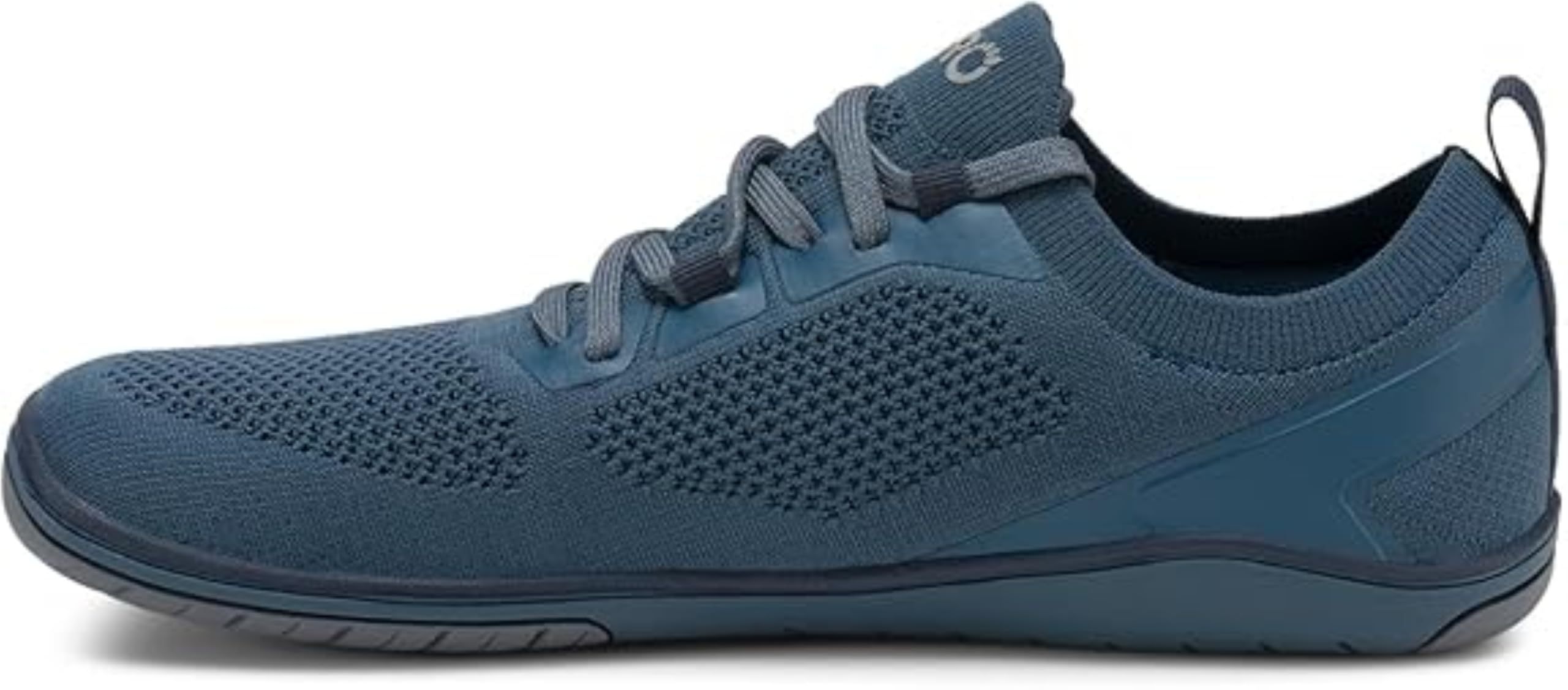
The Nexus Knit represents the sweet spot between authentic barefoot design and practical neuropathy support. Its 5.5mm FeelTrue sole delivers the thinnest ground feel in this lineup, transmitting surface texture directly to the foot—critical feedback for neuropathy patients who struggle with diminished sensory input. The wide toe box mirrors the anatomical shape of the foot, allowing metatarsal heads to spread fully and reducing compression on the interdigital nerves that cause tingling.
Users specifically note this shoe eliminates the wobble and balance issues common with thick foam-soled shoes, a direct benefit of the zero-drop platform and minimal stack height. The knit upper conforms to the foot’s shape without creating pressure points, while the removable insole allows for custom orthotic placement. At a mid-range price point, it delivers premium barefoot performance without the typical premium cost.
Be aware that the stretchy knit upper may feel less secure for those with very narrow heels, and some customers with unusually wide feet found the overall fit snug despite the generous toe box. The slight toe spring noted by a few reviewers contradicts pure zero-drop philosophy, but most neuropathy users report immediate improvement in comfort and balance.
Why it’s great
- Ultra-thin 5.5mm sole maximizes ground feel and proprioceptive feedback
- Wide anatomical toe box reduces nerve compression
- Removable insole accommodates custom orthotics
- Roomy fit suits wide feet and narrow heels
Good to know
- Stretchy knit upper may feel less stable for some users
- Minor toe spring noted—deviates from pure zero-drop design
2. Vivobarefoot Men’s Motus Flex Barefoot Training Shoe

The Motus Flex embodies Vivobarefoot’s commitment to ultra-minimalist design, featuring a 3mm outsole plus 2mm removable insole that creates an exceptionally thin barrier between foot and ground. This extreme flexibility allows the foot to bend, twist, and grip naturally—benefits that translate directly to improved neuromuscular activation for neuropathy patients. The wide toe box provides ample room for toe splay, while the grippy outsole ensures stability on varied surfaces.
Customer feedback consistently highlights the shoe’s durability and all-day comfort for standing professions, with one user reporting barely any visible wear after extensive daily use. The zero-drop platform aligns the foot for balanced weight distribution, reducing the forefoot pressure that exacerbates neuropathy symptoms. Eco-friendly materials add appeal without compromising performance.
The primary drawback is sizing: the Motus Flex runs large, and most buyers recommend ordering half to one full size down. The white color option shows dirt quickly, and the premium price places it at the higher end of the barefoot market. For neuropathy patients who prioritize maximum ground feel and are willing to navigate the sizing quirks, this shoe delivers unmatched sensory feedback.
Why it’s great
- Exceptionally thin 3mm outsole for maximum ground feel
- Durable construction holds up to daily wear
- Wide toe box supports natural toe splay
- Eco-friendly materials without sacrificing performance
Good to know
- Runs large—requires sizing down half to one full size
- Premium price point; white color shows dirt easily
3. Orthofeet Men’s Orthopedic Tilos Hands-Free Walking Sneaker
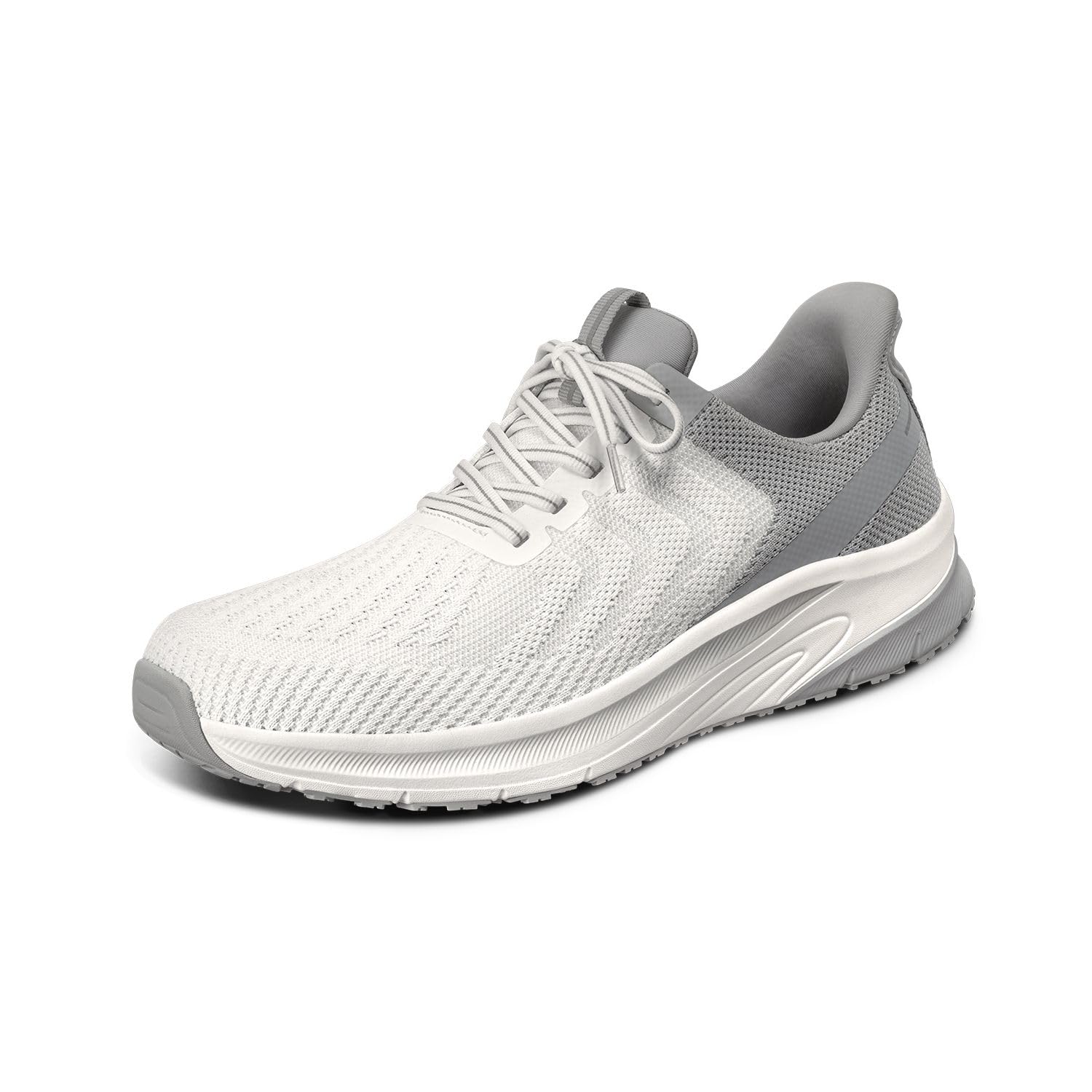
Orthofeet’s Tilos bridges the gap between orthopedic support and barefoot-inspired design, making it a strong contender for neuropathy patients who also deal with plantar fasciitis, bunions, or arch pain. The shoe includes four different orthotic insert options that allow precise fit adjustment—critical for managing the fluctuating foot swelling common in neuropathy. The wide toe box accommodates bunions and metatarsal pressure points, while the zero-drop-like platform encourages natural alignment.
A 76-year-old customer reported being pain-free all day after trying multiple other brands, and a nurse experienced immediate dramatic relief from foot and back pain. The hands-free slip-on design with Velcro strap makes donning and doffing easy for those with limited mobility or dexterity issues. The water-repellent upper adds practicality for outdoor use, though several users note it does not hold up to wet grass or puddles.
The primary trade-off is sole thickness: the Tilos provides more cushioning than purist barefoot shoes, which reduces ground feel. Some users report a squeaking noise from the insert that resolves with the plastic arch booster. For neuropathy patients who need orthotic support alongside a wide toe box, this model offers the most comprehensive adjustability in the lineup.
Why it’s great
- Four orthotic insert options for customized fit and support
- Hands-free slip-on design with Velcro closure
- Wide toe box accommodates bunions and swelling
- Immediate pain relief reported by multiple users
Good to know
- Thicker sole reduces ground feel compared to minimalist shoes
- Water resistance limited—not suitable for wet conditions
4. FLUX FOOTWEAR Adapt Runner
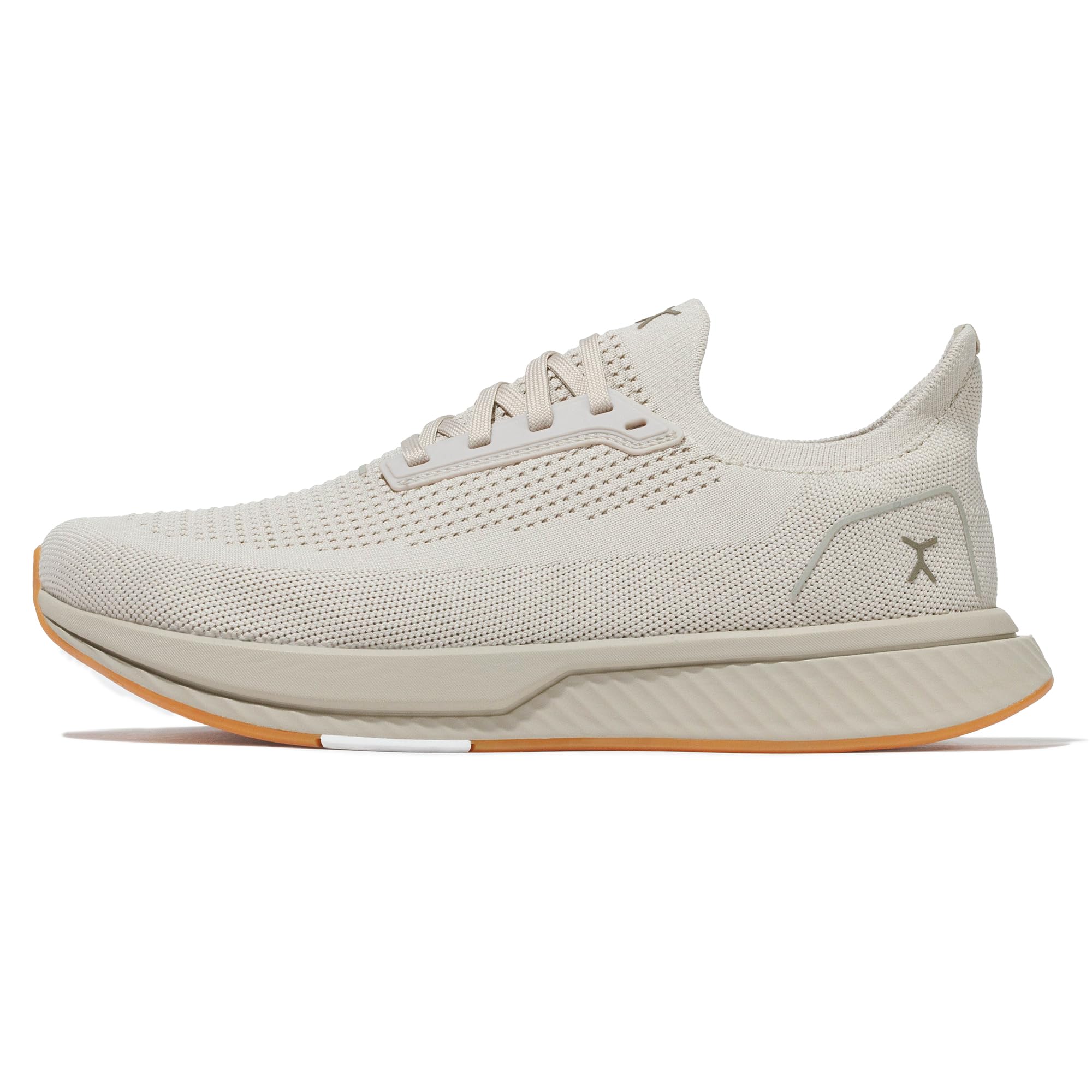
The FLUX FOOTWEAR Adapt Runner earns its reputation through exceptional durability and all-day comfort for high-mileage use. Designed with a zero-drop platform and wide toe box, it provides the barefoot essentials while offering a slightly more robust construction that holds up to daily 5-6 mile walks over several years—a longevity claim few minimalist shoes can match. The flexible sole bends naturally with the foot’s motion, transmitting enough surface feedback for confident walking while protecting against sharp objects.
Customers with flat feet and post-surgery ankles report immediate pain relief, and one user who walks 15,000 steps daily as an automotive painter found the shoe reduced knee, back, and foot pain significantly after a quick break-in period. The replaceable insoles allow custom orthotic integration, and the wide toe box eliminates the toe crowding that aggravates neuropathy symptoms.
The shoe initially feels stiff and requires a break-in period of several days. Some users note the ankle support feels weak, though this is consistent with barefoot design philosophy. A few reports mention sole separation at the heel after extended use, though this appears to be an exception rather than the rule given the overall durability feedback. For neuropathy patients who need a shoe that lasts, the Adapt Runner justifies its premium price through longevity.
Why it’s great
- Exceptional durability—reported to last for years of daily use
- Zero-drop platform with wide toe box for natural alignment
- Replaceable insoles accommodate custom orthotics
- Reduces knee, back, and foot pain for high-mileage users
Good to know
- Requires break-in period; initially stiff
- Some reports of sole separation at heel
5. FitVille EasyTop Wings Diabetic Shoes

FitVille’s EasyTop Wings is purpose-built for the specific challenges of diabetic neuropathy: edema, swelling fluctuations, and the need for easy on-off access. The shoe opens completely from the top down to the toes via a full-length Velcro closure, making it the most adjustable model in this guide. The extra-wide fit—available up to 4E and beyond—provides the generous toe box that neuropathy feet require, with room to accommodate toe curls and bunions without compression.
Customers consistently praise the design for its ability to accommodate severe edema, with one user noting the size 14 XX fit perfectly and provided ample toe room to move and curl. The removable insoles allow for custom orthotic placement, and the interior is seam-free to prevent friction on sensitive skin. At a budget-friendly price point, it delivers orthopedic-grade adjustability without the orthopedic price tag.
The trade-off is that the EasyTop Wings has a thicker, more cushioned sole than true barefoot shoes, which reduces ground feel. It also has a slight heel-to-toe drop, making it a “barefoot-inspired” rather than purist barefoot shoe. For neuropathy patients who prioritize adjustability and swelling accommodation over maximum ground feel, this model offers exceptional value.
Why it’s great
- Full-length Velcro closure for maximum adjustability
- Extra-wide fit (4E+) accommodates severe edema
- Seam-free interior prevents friction on sensitive skin
- Removable insoles for custom orthotic placement
Good to know
- Thicker sole reduces ground feel
- Slight heel-to-toe drop—not a true zero-drop shoe
6. Men’s Orthopedic Wide Toe Box Barefoot Shoes
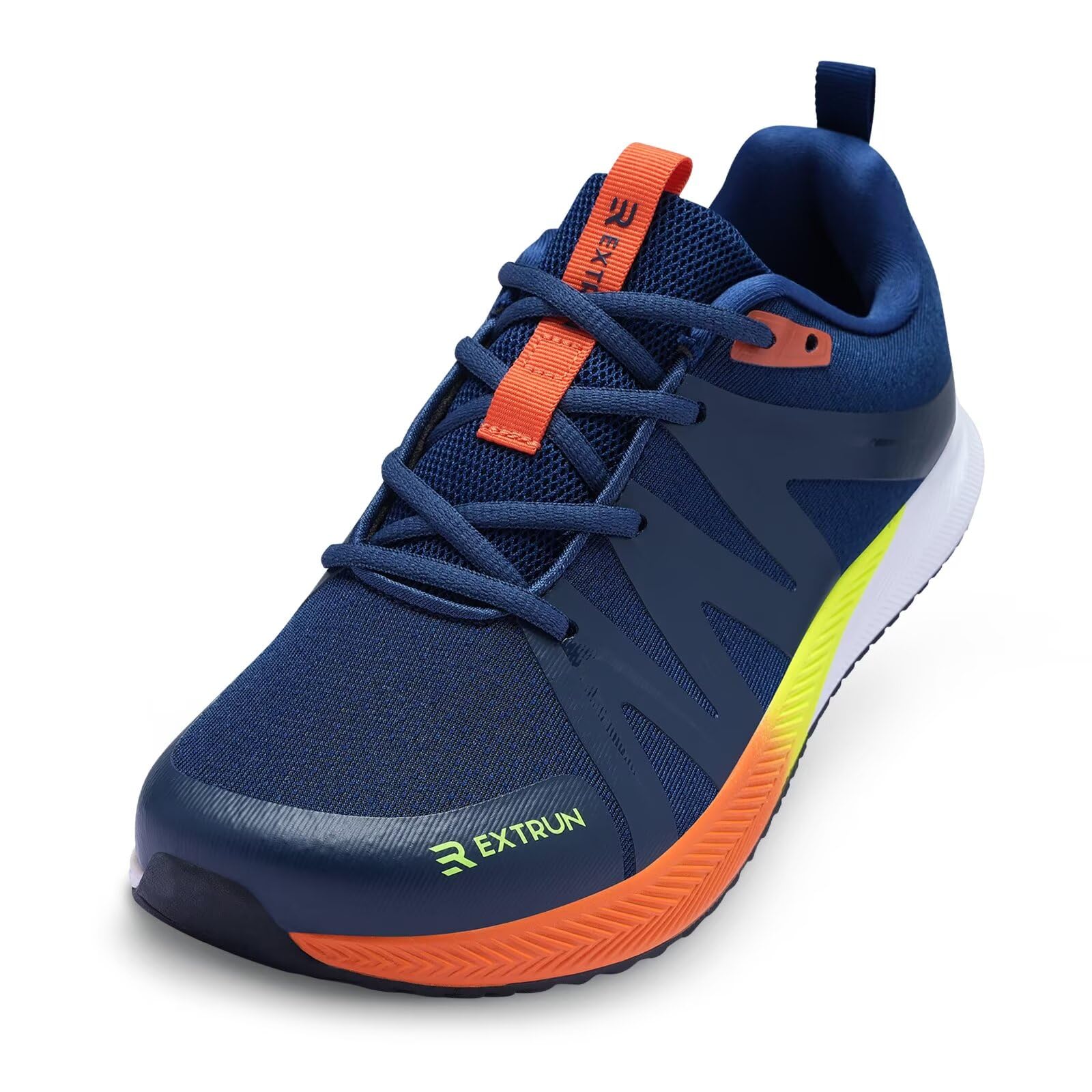
This men’s model combines a zero-drop barefoot platform with built-in TPU arch support, addressing a common gap in minimalist footwear where arch support is often absent. The wide toe box allows natural toe splay while the arch support provides stability for flat feet and overpronation—conditions that frequently accompany neuropathy. The shoe includes extra insoles for custom fit adjustment, allowing users to dial in the right amount of volume and support.
One customer wearing size 13W EE reported the shoe fit wide, flat feet perfectly with a roomy toe box and soft cushiony feel, while another praised the zero-drop design for being supportive yet comfortable for long walks and gym sessions including lifts and squats. The breathable mesh upper prevents moisture buildup, and the non-slip outsole provides reliable traction on varied surfaces.
The primary limitation is that the shoe is not waterproof and may feel too loose for hiking or uneven terrain. Some users note the arch support may feel aggressive for those accustomed to completely flat insoles. For neuropathy patients with flat feet who need the combination of barefoot ground feel and arch support, this mid-range model delivers impressive versatility.
Why it’s great
- Zero-drop platform with integrated TPU arch support
- Extra insoles for custom fit adjustment
- Breathable mesh upper prevents moisture buildup
- Suitable for walking, gym, and daily wear
Good to know
- Not waterproof—not suitable for wet conditions
- May feel loose for hiking on uneven terrain
7. Women’s Orthopedic Wide Toe Box Barefoot Shoes
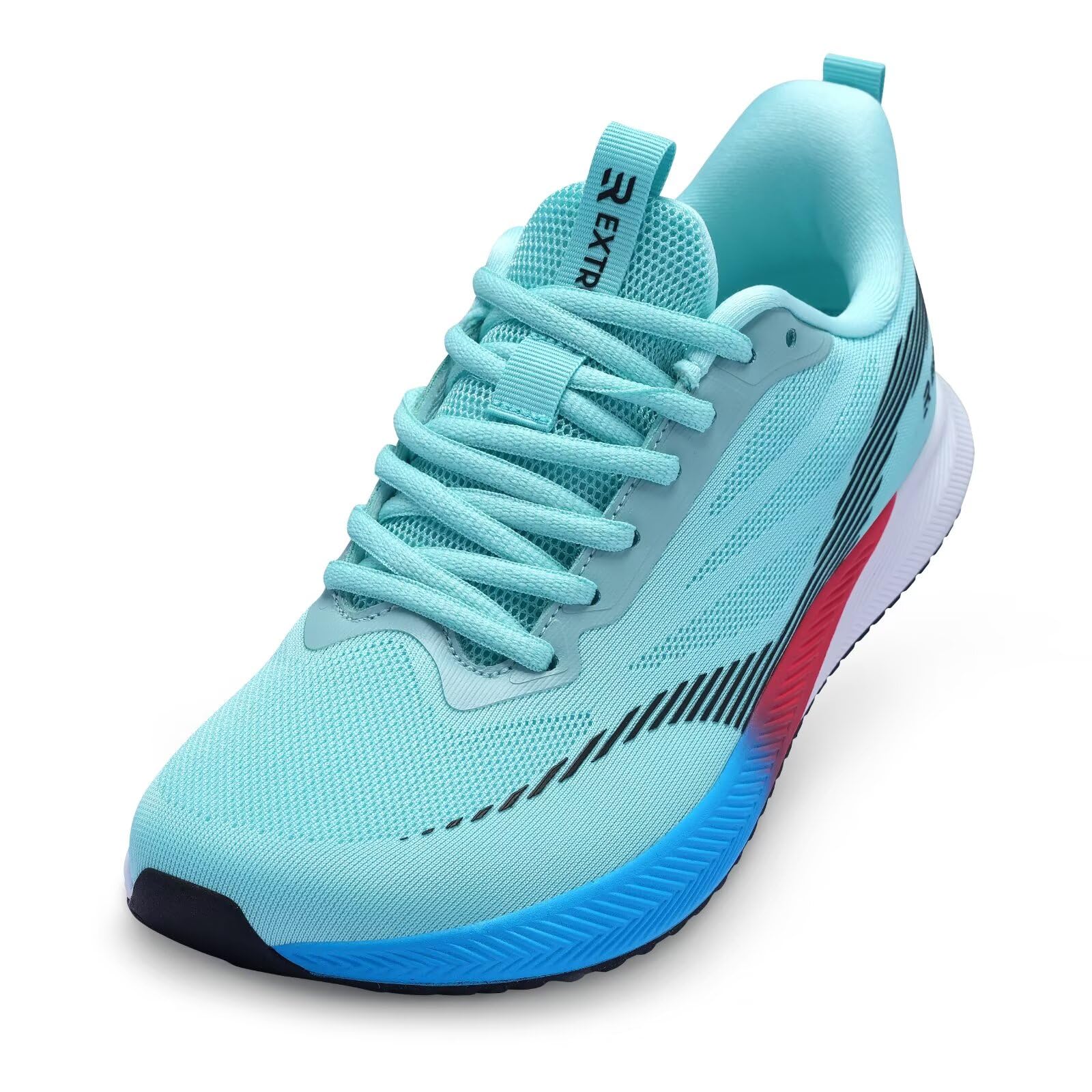
Designed specifically for women’s foot anatomy, this model delivers the same zero-drop, wide-toe-box foundation as the men’s version but with a focus on bunion relief and high arch support. The shoe includes 2mm and 3mm orthotic inserts plus two plastic heel supports that prevent slippage—a thoughtful addition for neuropathy patients who experience foot swelling changes throughout the day. The wide toe box provides measurable relief from bunion irritation and metatarsal cramping.
One customer who wore the shoes for three weeks straight—standing 8 hours daily at work plus city walking—reported excellent comfort after an initial zero-drop adjustment period. Another user with high arches noted the superior arch support combined with the wide toe box relieved pressure on bunions while the zero-drop sole equalized weight distribution. The moisture-wicking lining and shock-absorbing midsole add daily-wear practicality.
Some users find the shoe less breathable than major athletic brands, and the unusual toe-to-sole appearance is a common aesthetic complaint. The sizing can be inconsistent due to Amazon system errors, with one customer receiving a size 8 instead of the ordered size 9. For women with neuropathy seeking bunion relief and arch support in a zero-drop package, this model offers targeted benefits at a value price.
Why it’s great
- Includes 2mm/3mm orthotic inserts for fit customization
- Heel supports prevent slippage for fluctuating foot sizes
- Wide toe box relieves bunion irritation and metatarsal cramping
- Zero-drop sole equalizes weight distribution
Good to know
- Less breathable than major athletic brands
- Unusual appearance; potential sizing inconsistencies
FAQ
Can barefoot shoes really help with neuropathy pain?
How do I transition to barefoot shoes safely with neuropathy?
Are barefoot shoes good for diabetic neuropathy?
How wide does the toe box need to be for neuropathy?
Final Thoughts: The Verdict
For most users, the best barefoot shoes for neuropathy winner is the Xero Shoes Nexus Knit because it combines a wide anatomical toe box, ultra-thin 5.5mm sole for maximum ground feel, and removable insoles at a mid-range price point. If you need orthotic support alongside a wide toe box, grab the Orthofeet Tilos. And for severe edema and fluctuating foot swelling, nothing beats the adjustability of the FitVille EasyTop Wings.

Mo Maruf
I created WellFizz to bridge the gap between vague wellness advice and actionable solutions. My mission is simple: to decode the research and give you practical tools you can actually use.
Beyond the data, I am a passionate traveler. I believe that stepping away from the screen to explore new environments is essential for mental clarity and physical vitality.