Our readers keep the lights on and my smoothie glass nicely filled. As an Amazon Associate, I earn from qualifying purchases.
Choosing a wrong antiseptic for a deep wound can mean hours of stinging pain, delayed healing, or even a serious infection that sends you back to the doctor. The standard brown bottle of irritating liquid is often too harsh for exposed tissue inside a laceration, leaving you with a choice between effective cleaning and unbearable burning. A deep wound demands a formula that kills bacteria without damaging the fragile cells trying to rebuild, and that distinction separates a true medical-grade option from a household relic.
I’m Mohammad Maruf — the founder and writer behind WellFizz. I analyze medical-grade wound care products by studying their active ingredients, pH levels, osmotic properties, and clinical usage protocols to identify which options actually support healing without secondary damage.
After reviewing dozens of clinical cleansers, honey-based gels, and saline solutions, I’ve narrowed the field to five products that meet the unique demands of a deep injury. This guide breaks down exactly what makes each one effective for the best antiseptic for deep wounds.
How To Choose The Right Antiseptic For Deep Wounds
Not every product labeled “antiseptic” should go inside a deep wound. The tissue layers below the skin surface are highly vascular and prone to chemical damage from harsh preservatives. Choosing a deep wound formula requires understanding the difference between surface disinfectants and tissue-safe cleansers.
Active Ingredient and Mechanism
Look for ingredients that kill bacteria without cytotoxic effects on human cells. Medical-grade Manuka honey uses an osmotic action that draws fluid from bacteria and keeps the wound bed moist. PHMB (polyhexamethylene biguanide) is a gentle antimicrobial that works without stinging. Plain saline is non-cytotoxic but only flushes debris—it doesn’t actively kill bacteria on its own.
pH Balance and Osmolarity
Deep wounds have a fragile pH environment around 7.4. A product that is too acidic or too alkaline will disrupt the healing cascade. Formulas around pH 5.5 are considered skin-friendly and won’t burn on contact. Osmotic agents like honey also create a high-sugar environment that prevents bacterial multiplication while keeping the wound moist.
Application Method and Sterility
A deep wound needs a product that reaches the base of the injury without introducing new contaminants. Spray bottles allow gentle flushing, while tubes with narrow tips let you apply gel directly into the wound pocket. Sterility is non-negotiable—any open wound product must be sealed and single-use or have a preservative system proven safe for internal tissue contact.
Quick Comparison
On smaller screens, swipe sideways to see the full table.
| Model | Category | Best For | Key Spec | Amazon |
|---|---|---|---|---|
| ActivOn Manuka Honey Gel | Honey Gel | Deep wounds needing osmotic protection | Medical-grade 100% Manuka honey | Amazon |
| Anasept Wound Cleanser | Spray Cleanser | Post-surgical deep wounds | Medical-grade PHMB formula | Amazon |
| Dimora Wound Cleanser | Spray Cleanser | sting-free daily cleansing | PHMB with pH 5.5 | Amazon |
| Triad Hydrophilic Dressing | Ointment | Moist wound environment | Zinc oxide with CMC | Amazon |
| Arm & Hammer Saline Wash | Saline Spray | Gentle flushing of debris | Preservative-free saline | Amazon |
In‑Depth Reviews
1. ActivOn Medical Grade Manuka Honey Gel
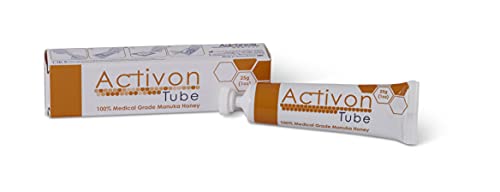
The ActivOn Manuka Honey Gel is a 100 percent medical-grade honey product designed to be applied directly into deep wounds. Its high osmotic activity pulls fluid from bacteria while maintaining a moist environment that supports tissue regeneration. Users have reported impressive results with severe finger crush injuries involving bone and tissue loss, as well as pressure sores on wheelchair users, with wounds closing and healthy skin forming within days. The gel consistency is thick enough to stay in place on a deep laceration without running off.
One trade-off noted by multiple users is the consistency—the gel is a bit runny compared to some competitors like MEDIHONEY, though refrigeration helps firm it up for easier application. The packaging is minimal: a 1-ounce tube with a twist-off cap that cannot be resealed, which makes it less convenient for travel or multi-use scenarios. For deep wounds requiring a barrier that fights infection without stinging, the honey formula is a stand-out choice.
Surgeons have approved this product for deep wounds that might otherwise require skin grafts, and the antimicrobial action is well-documented for reducing biofilm formation. The gel supports autolytic debridement, meaning it helps the body break down dead tissue naturally. For anyone with a deep laceration, bite wound, or post-operative wound that needs a moist, antimicrobial environment, this is the top recommendation.
Why it’s great
- 100% medical-grade Manuka honey fights bacteria osmotically without cytotoxic chemicals
- Surgeon-approved for deep wounds, helped avoid skin grafts in severe crush cases
- Thick consistency stays on the wound and supports moist healing
Good to know
- Consistency is runny at room temperature; refrigeration recommended
- Twist-off cap cannot be resealed, not ideal for travel
2. Anasept Skin and Wound Cleanser
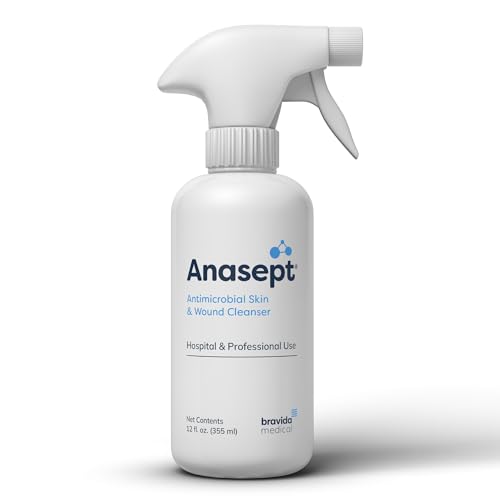
Anasept is a medical-grade PHMB-based wound cleanser used in hospitals across the country for both minor cuts and serious post-surgical wounds. The 12-ounce bottle comes with a finger sprayer that delivers a gentle, directed stream ideal for flushing debris out of deep wounds without the need for scrubbing. The PHMB antimicrobial works by disrupting bacterial cell membranes without the cytotoxicity of traditional iodine or alcohol-based solutions, making it safe for exposed tissue inside a deep wound.
Users who have used Anasept following reconstructive facial surgery and deep leg wounds report that it cleans effectively without any stinging or burning sensation. The product is fragrance-free, avoiding allergens and the medicinal after-smell common with other wound cleansers. The generous 12-ounce size provides value for the user who needs to flush a wound multiple times daily over an extended recovery period.
The sprayer produces a consistent stream that can be aimed precisely into the wound pocket, reducing the risk of contamination from touching the wound. Anasept supports faster healing by ensuring the wound bed is free of debris and bacteria before dressing application. For deep wounds requiring a sterile, medical-grade flush that doesn’t irritate, this is a doctor-approved choice.
Why it’s great
- PHMB antimicrobial kills bacteria without stinging or cytotoxicity
- Hospital-grade formula recommended by surgeons for post-operative deep wounds
- 12-ounce spray bottle provides multiple uses for extended wound care
Good to know
- Large bottle may be bulky for a small first aid kit
- Some users may prefer a gel for wounds that need a barrier rather than spray
3. Dimora Skin and Wound Cleanser

The Dimora Wound Cleanser uses the same PHMB active ingredient found in hospital-grade products but offers it in a smaller 8-ounce spray bottle at a budget-friendly price point. The formula is pH-balanced to 5.5, which matches the natural pH of healthy skin and minimizes irritation on the delicate tissue inside a deep wound. Multiple users report that it does not burn at all, even on fresh cuts and abrasions, and it is odorless, making it pleasant to use in sensitive situations.
This product is specifically designed for cleansing minor cuts, abrasions, and lacerations before dressing, but the gentle nature of PHMB means it can also be used on deeper wounds that need regular flushing. The 2-year shelf life and 8-week stability after opening provide practical flexibility for home first aid kits. Users have also found it effective for cleaning large surgical wounds on animals without causing infection.
The spray mechanism delivers a fine mist or stream depending on how you position the nozzle, allowing you to control the pressure for sensitive areas. The absence of alcohol, iodine, or irritating additives makes it a safe option for people with sensitive skin or allergies. For those who want effective antimicrobial cleansing at a lower per-unit cost, this is a strong mid-range option.
Why it’s great
- PHMB formula kills bacteria without burning or irritation
- pH 5.5 is gentle on deep wound tissue
- Spray application allows hands-free flushing
Good to know
- Smaller 8-ounce bottle may need repurchasing for long-term wound care
- Designed for cleansing, not as a barrier or dressing
4. Triad Hydrophilic Wound Dressing with CMC

The Triad Hydrophilic Wound Dressing is a zinc oxide-based ointment that includes carboxymethylcellulose (CMC) to manage light to moderate wound exudate. This product is designed to create a moist healing environment, which is critical for deep wounds where dry scabbing can delay closure and increase scarring. The CMC helps absorb excess fluid while the zinc oxide provides a gentle astringent and protective barrier against external contaminants.
Users have found this dressing particularly effective for bedsores and opened wounds that need a product that adheres well and stays in place. The consistency is thicker than a typical cream or gel, allowing it to fill the wound pocket and maintain contact with the wound bed. The autolytic action of the zinc oxide helps loosen dried eschar (dead tissue), making it easier to remove during dressing changes without painful scraping.
This is a sterile product intended for professional or home care use, and it works best when applied directly to the wound and covered with a secondary dressing. It is not a cleanser—it is a dressing ointment that should be applied after the wound has been flushed clean. For deep wounds with light exudate that need a moisture-retentive barrier, this is a solid premium option.
Why it’s great
- Zinc oxide with CMC maintains moist wound environment for faster healing
- Helps loosen dried eschar through autolytic action
- Thick consistency stays in place in deep wound pockets
Good to know
- Requires a secondary dressing to stay in place
- Does not actively kill bacteria like honey or PHMB
5. Arm & Hammer Simply Saline Wound Wash

The Arm & Hammer Simply Saline Wound Wash is a preservative and drug-free saline spray that is ideal for flushing debris out of deep wounds without any chemical irritation. This four-pack of 7.4-ounce cans provides excellent value for those who need a reliable flushing solution for daily wound care. The saline is pH-balanced and matches the body’s natural fluid composition, making it safe for even the most sensitive deep wounds.
Users have found this product particularly effective for cleaning venous ulcers, post-surgical incisions, and even new piercings. The spray mechanism delivers a gentle stream that can dislodge dirt and debris without the high pressure that might damage fragile tissue. One minor complaint is that the first spray from a new can can come out with a bit more force than expected, but once the pressure equalizes, it produces a consistent, gentle stream.
Because this is a pure saline solution without antimicrobial additives, it is best used as a flush before applying a medicated dressing or gel. It doesn’t actively kill bacteria on its own, but it effectively removes debris that could harbor infection. For deep wounds that require a non-irritating, sterile flush that won’t sting kids or adults with sensitive skin, this is a reliable budget-friendly choice.
Why it’s great
- Preservative and drug-free, safe for the most sensitive deep wounds
- Four-pack provides long-lasting supply for daily wound care
- Gentle spray flushes debris without burning or stinging
Good to know
- Does not actively kill bacteria—use with an antimicrobial dressing
- First spray from a new can can be too forceful
FAQ
Can I use rubbing alcohol or hydrogen peroxide on a deep wound?
How do I apply a honey gel into a deep wound pocket?
Is PHMB safe for deep wounds and how does it work?
Should I use a spray or a gel for a deep wound?
Final Thoughts: The Verdict
For most users, the antiseptic for deep wounds winner is the ActivOn Manuka Honey Gel because it provides a surgeon-approved, osmotic antimicrobial barrier that fights bacteria while supporting moist wound healing without any stinging. If you want a gentle, sting-free spray for daily flushing, grab the Anasept Wound Cleanser. And for a budget-friendly, pure saline option that is safe for sensitive skin and kids, nothing beats the Arm & Hammer Simply Saline.

Mo Maruf
I created WellFizz to bridge the gap between vague wellness advice and actionable solutions. My mission is simple: to decode the research and give you practical tools you can actually use.
Beyond the data, I am a passionate traveler. I believe that stepping away from the screen to explore new environments is essential for mental clarity and physical vitality.