Our readers keep the lights on and my smoothie glass nicely filled. As an Amazon Associate, I earn from qualifying purchases.
A solo tent that weighs more than your sleeping bag is a mistake you feel with every uphill mile. The wrong 1-person shelter turns a scenic ridge into a sweaty, cramped ordeal, while the right one disappears into your pack and shrugs off a surprise squall. This market has bifurcated into two distinct philosophies: the ultra-minimalist trekking-pole tarp style that shaves grams but demands site selection, and the traditional freestanding dome that adds poundage in exchange for bombproof convenience.
I’m Mohammad Maruf — the founder and writer behind WellFizz. I’ve spent months cross-referencing denier ratings, hydrostatic head values, pole hub geometry, and real-user condensation reports across every 1-person backpacking shelter that matters.
This guide distills the data into a clear, actionable analysis so you can confidently choose the best backpacking 1-person tent that matches your specific trail style and climate demands.
How To Choose The Best Backpacking 1-Person Tent
Narrowing down a solo shelter means reconciling three forces that fight each other: weight, interior volume, and weather protection. A tent that excels at two of these will usually compromise on the third. Understanding where each model lands on this triangle is the key to a satisfying purchase.
Trail Weight vs. Packed Weight vs. Minimum Weight
Manufacturers list up to three different weights, and the gap between them is significant for a solo packer. Minimum trail weight includes the body, fly, and poles — nothing else. Packed weight adds the stuff sack, stakes, and guylines. The real weight on your back is somewhere between the two. A tent that lists a 2 lb minimum weight but a 3 lb packed weight is less ultralight than the headline suggests.
Freestanding vs. Trekking-Pole Dependent
A freestanding dome uses its own pole structure to stand upright, letting you pitch it on tent platforms, sand, or snow. A trekking-pole shelter requires two hiking poles (not included) to create the ridge line and must be staked out taut. The former is heavier but more versatile; the latter is lighter but fails on hard-packed or rocky ground where stakes won’t bite.
Floor Fabric and Hydrostatic Head
The floor is the most abrasion-prone part of any tent. Denier (D) measures fabric thickness — 20D is fragile but light, 75D is burly but heavy. Hydrostatic head (mm) tells you how much water pressure the fabric resists before leaking. A 3000mm floor handles most rain without a footprint; anything below 1500mm demands careful site selection.
Quick Comparison
On smaller screens, swipe sideways to see the full table.
| Model | Category | Best For | Key Spec | Amazon |
|---|---|---|---|---|
| Big Agnes Copper Spur HV UL 1 | Premium Freestanding | Maximum livable space per ounce | 29 sq ft floor area | Amazon |
| The North Face Stormbreak 1 | Reliable Freestanding | Entry-level durability at low weight | 75D polyester fly/floor | Amazon |
| Snugpak Ionosphere | Compact Freestanding | Tiny pack size for bike packing | 5000mm PU coating | Amazon |
| Naturehike Mongar Upgraded 1P | Ultralight Value | Best included extras (footprint, awning) | PU3000mm floor coating | Amazon |
| Featherstone Backbone 1P | Trekking-Pole Budget | Entry into ultralight trekking-pole shelters | 2 lb 6 oz min trail weight | Amazon |
| ATEPA Voyage 1P | Feature-Rich Midrange | Ventilation and headroom for tall campers | 40D 4000mm floor fabric | Amazon |
| ALPS Mountaineering Lynx 1 | Budget Freestanding | Bombproof simplicity for car-adjacent camping | 75D poly taffeta floor | Amazon |
| FBSPORT Ultralight Trekking Pole Tent | Trekking-Pole Budget | Double-wall moisture management on a budget | PU6000mm bathtub floor | Amazon |
| Night Cat Ultralight 1P | Budget Bivy-Style | Lightest possible cost per ounce | 2 lb trail weight | Amazon |
In‑Depth Reviews
1. Big Agnes Copper Spur HV UL 1

The Copper Spur HV UL series is the benchmark for ultralight freestanding shelters, and the 1-person version packs the same high-volume pole architecture into a solo footprint. The steep wall geometry creates 29 square feet of floor area — noticeably more than any other single-person tent on this list — which translates to enough space for a wide sleeping pad and a pile of gear without feeling claustrophobic. The fully freestanding design means you can pick it up and shake out debris or pitch it on a wooden tent platform where stakes won’t work.
Dual vestibules with storm flaps on the zippers provide 9 square feet of covered storage, and the quick-stash door feature lets you stuff the unzipped mesh into a built-in sleeve instead of fighting with roll-down toggles. The two-tone mesh balances privacy with star-gazing transparency, and the DAC Featherlite NFL pole system uses a central hub to reduce setup time to under three minutes. Users have reported surviving 60+ mph wind gusts with the vestibule down and the fly properly tensioned.
At a trail weight just under three pounds, it is not the lightest solo shelter available, but it delivers the best ratio of interior volume to carrying weight in a freestanding package. The polyester fly resists UV degradation better than nylon, and the 1500mm floor coating is adequate for three-season use with a footprint. This is the tent that thru-hikers upgrade to when they want to stop sacrificing comfort for grams.
Why it’s great
- Steep walls maximize usable headroom and floor space for a 1P shelter.
- Fully freestanding design works on any surface — sand, snow, platforms.
- Dual vestibules provide generous dry storage for pack and boots.
Good to know
- Premium pricing reflects the design and brand reputation.
- Requires 12 stakes for full storm configuration but ships with only 8.
- The “rain roof” awning conversion with trekking poles is unstable in strong wind.
2. The North Face Stormbreak 1

The Stormbreak 1 is North Face’s answer to the solo camper who values durability over ultralight fanaticism. The entire structure — canopy, rainfly, and floor — is built from 75D polyester taffeta, which resists abrasion and UV damage far better than the 15D or 20D nylon found on gram-counting trekking-pole tents. The high-low ventilation openings create a natural convection current that moves moisture out of the tent even when the fly is fully deployed, a detail that makes this tent comfortable in humid coastal environments.
The free-standing dome uses a straightforward two-pole architecture that a single person can pitch in about 90 seconds after one practice run. A mesh stuff pocket on the door holds the mesh open during entry, eliminating the need to roll or tie it. The 34-inch peak height is low — you cannot sit fully upright — but the 87-inch floor length accommodates taller sleepers as long as they store their pack in the vestibule. The non-PFC DWR finish is a welcome environmental touch for an entry-level tent.
The most common user feedback centers on the stakes, which are functional but heavier than the aftermarket aluminum options many hikers prefer. The floor footprint is sold separately, which adds cost. For solo campers who primarily car-camp with occasional short backpacking trips, the Stormbreak’s rugged fabric and reliable weatherproofing make it a smarter buy than a delicate ultralight shelter that requires careful handling.
Why it’s great
- 75D fabric throughout — much tougher than budget ultralight options.
- High-low venting system effectively reduces internal condensation.
- Freestanding dome sets up quickly on any terrain.
Good to know
- Low peak height means no sitting upright or changing inside.
- Vestibule is small — only fits a pack and boots with careful packing.
- Stakes are heavier than ideal for weight-conscious backpackers.
3. Snugpak Ionosphere 1

The Snugpak Ionosphere occupies a unique niche as a fully freestanding single-wall tent that compresses smaller than most sleeping bags. The 210T polyester ripstop fly carries a 5000mm PU coating — double the hydrostatic head of most budget tents — and all seams are factory-taped and sealed. The single point front entry with a small porch keeps the packed size tiny, and the included repair kit and 14 alloy Y-stakes (plus 2 spares) suggest the brand expects users to put this shelter through extended field use.
The interior is narrower than the dome-style tents, making it a true cocoon shelter. The 94-inch floor length is generous, but the 35-inch width leaves about 6 inches of side room for a 6-foot-1 user. The mesh top panel allows for stargazing on clear nights, but the single-wall design means condensation on the fly interior is a real factor in humid or wet conditions. Users consistently report no condensation issues when the tent is pitched with adequate airflow, which requires staking the fly out well away from the inner.
The setup involves two aluminum poles that create a hooped tunnel shape, and the pressfit connectors are simpler to operate than traditional shock-corded poles. The biggest downside is the single vestibule, which provides porch space for a pack but requires a feet-first entry. The zipper routing at the triangular pocket junction can snag if rushed. For bikepackers and motorcycle tourers who prioritize pack volume above all else, the Ionosphere offers a freestanding shelter that disappears into a frame bag.
Why it’s great
- 5000mm PU coating on fly provides exceptional waterproofing.
- Compresses smaller than most sleeping bags for easy packing.
- Mesh top panel enables stargazing without removing the fly.
Good to know
- Single-wall design can lead to condensation in humid conditions.
- Entry requires feet-first orientation due to narrow interior.
- Zipper snagging at the triangular pocket junction is a minor nuisance.
4. Naturehike Mongar Upgraded 1P
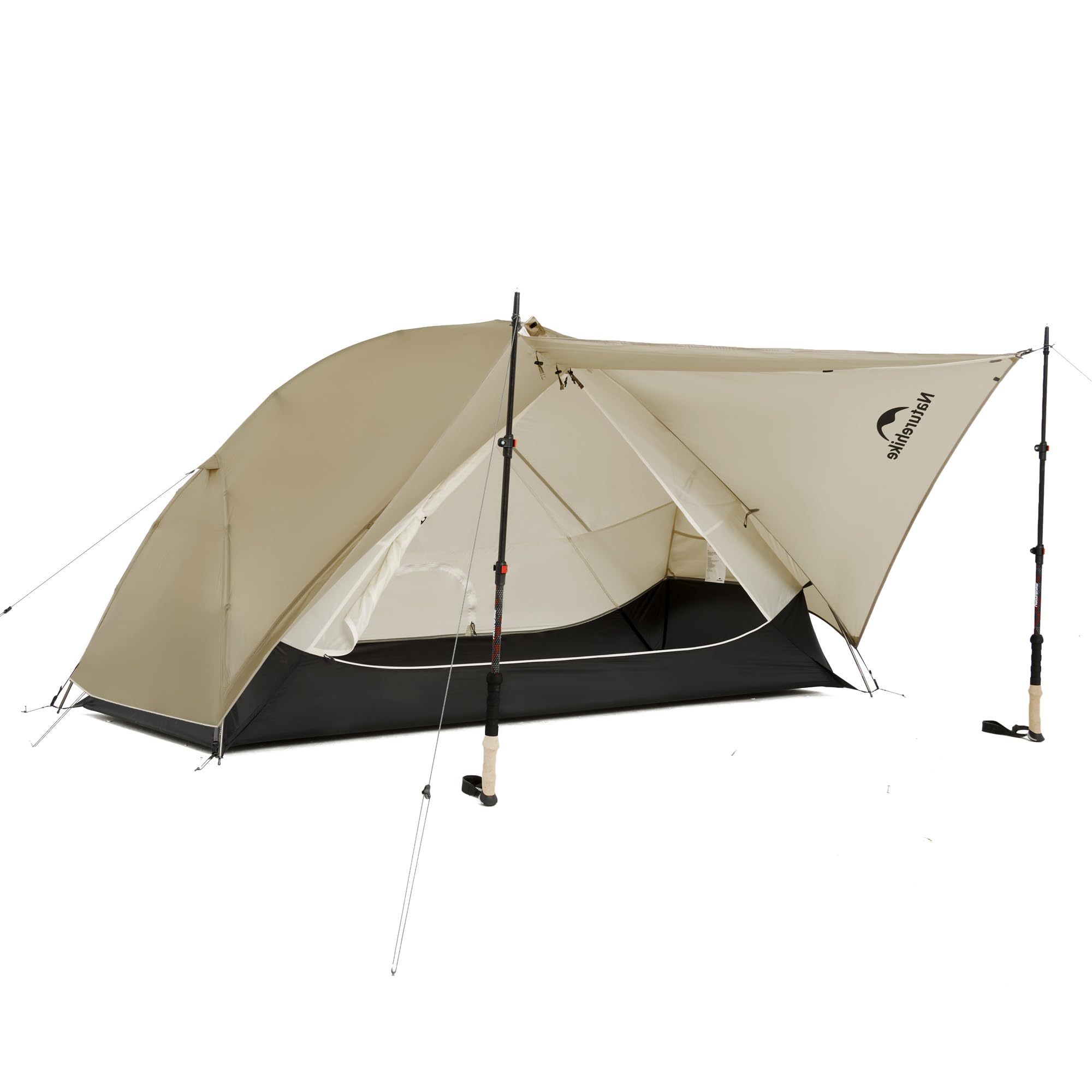
Naturehike has carved a reputation for delivering design features usually found on premium tents at mid-range prices, and the Mongar Upgraded 1P is a prime example. The most distinctive feature is the expandable awning that extends from the vestibule, creating a shaded cooking or sitting area without adding pole weight. The tent uses 8.5mm aluminum alloy poles and a combination of 15D nylon for the fly and 20D nylon for the floor, with a PU3000mm floor coating that provides reliable wet-ground protection.
The interior measures 82.7 x 31.5 inches with a 39.4-inch peak height, offering enough room for a tall sleeper to sit upright and organize gear. Dual storage pockets at both ends and a ceiling hanging cord keep small items accessible. The dual doors and dual vestibules — rare at this price point — allow easy entry from either side, and the large mesh panels promote airflow that reduces condensation in three-season use. The footprint is included in the package, saving a separate purchase.
User feedback highlights the non-elastic stake-out cords, which can pull loose on uneven ground — a problem easily fixed by replacing them with shock cord. The zippers are smooth but can snag occasionally on the mesh near the awning transition. The packed size of 15.7 x 5.5 x 5.5 inches fits easily inside a 40-liter pack. For solo backpackers who want premium features like dual doors and an awning without paying premium money, this tent delivers exceptional utility per dollar.
Why it’s great
- Expandable awning provides sheltered cooking or gear storage space.
- Dual doors and dual vestibules offer flexible entry and ventilation.
- Includes footprint, stakes, and guylines — ready to pack out of the box.
Good to know
- Non-elastic stake cords slip on uneven or hard-packed ground.
- Mesh zipper can snag near the awning transition point.
- 15D fly fabric requires careful handling to avoid punctures.
5. Featherstone Backbone 1P

The Featherstone Backbone occupies the sweet spot for hikers transitioning from freestanding dome tents to trekking-pole shelters. The 40/60 pole placement shifts the ridge line forward, creating generous headroom near the door where you sit to change clothes or organize gear.
The sil-nylon fabric is seam-taped at the factory, and the TPU waterproof zipper runs smoothly without catching fabric. Wide mesh panels on both sides and a large rear vent provide cross-flow ventilation that reduces condensation — though multiple users report severe condensation in sustained rain and near-freezing temperatures, which is a known trade-off of single-wall sil-nylon shelters. The single vestibule fits a 30 to 50-liter pack and boots, but there is no room for gear inside the sleeping area.
Setup involves staking all four corners then extending trekking poles to the desired height — the pole pockets and reinforced contact points make the process intuitive even for first-time users of this shelter style. The compression stuff sack and reflective guylines are quality touches. The absence of a groundsheet is notable; you will want to add one. For solo hikers who already carry trekking poles and want to shed significant weight without sacrificing livable length, the Backbone delivers by far the best space-to-weight ratio in its tier.
Why it’s great
- Excellent space-to-weight ratio for a trekking-pole shelter.
- Tapered floor fits a wide sleeping pad without wasted space.
- TPU waterproof zipper provides smooth, snag-free entry.
Good to know
- Condensation can be severe in sustained rain or near-freezing conditions.
- Requires trekking poles — not suitable for hikers who do not use them.
- No groundsheet included; an additional purchase is recommended.
6. ATEPA Voyage 1P
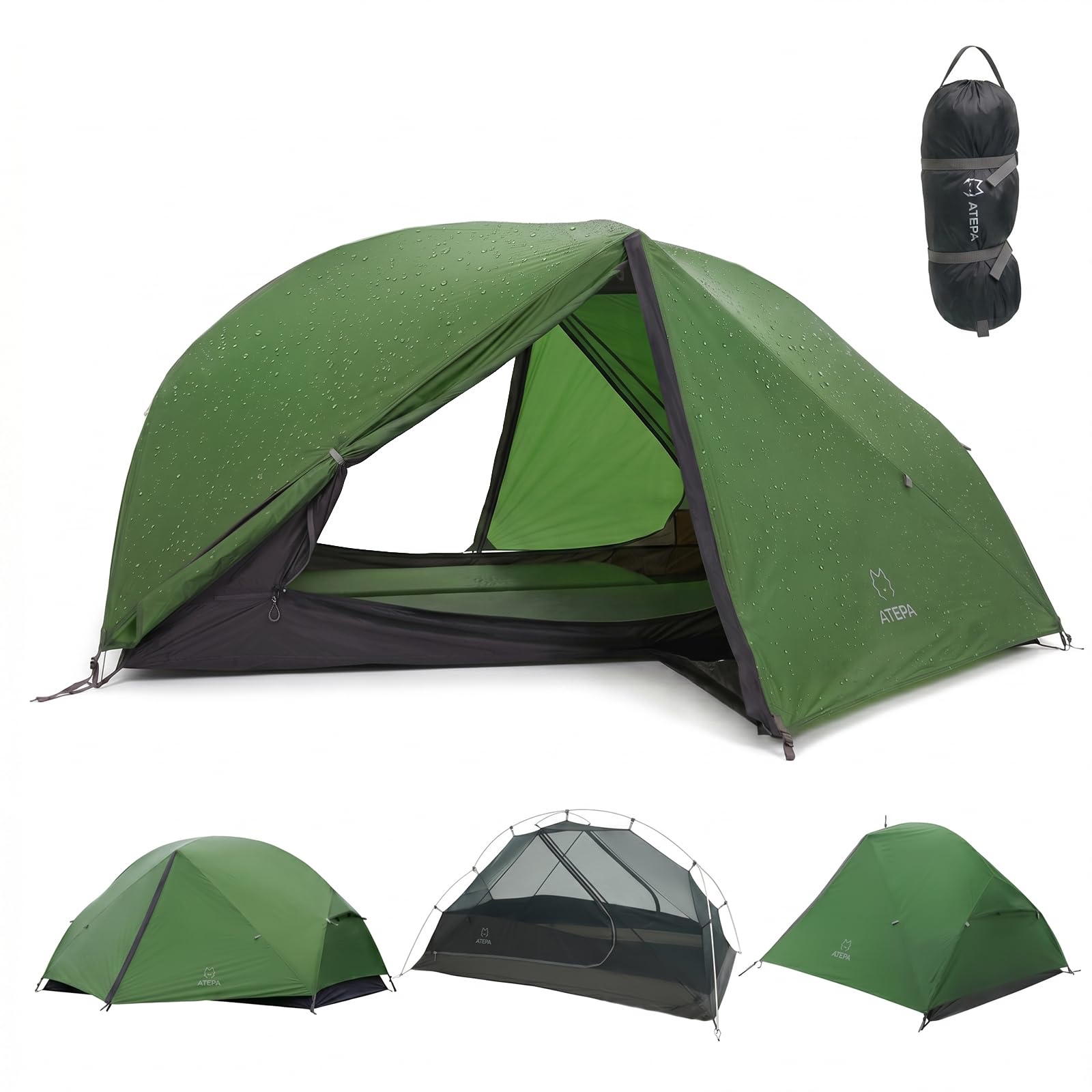
The Voyage 1P from ATEPA uses a clever cross-beam pole structure that creates significantly more usable headroom than the standard dome profile. The freestanding design relies on 7001 aluminum poles and stakes out into a stable dome with a 43.3-inch floor width — wide enough for a 25-inch sleeping pad with room to spare. The 20D sil-nylon fly and floor carry a 4000mm hydrostatic head rating, and all seams are fully taped for reliable wet-weather performance.
The expandable vestibule system uses trekking poles to extend the rainfly outward, creating a covered cooking or gear storage area similar to the Naturehike Mongar’s awning. Dual roof vents combined with a large ceiling mesh window and dual D-shaped mesh doors maximize airflow to keep condensation manageable across three seasons. Interior mesh pockets and an overhead gear hook organize essentials without cluttering the sleeping area.
Customer reviews note that the uncoated fabric exterior absorbs moisture during rain, which adds weight until you shake it off. The zipper on the rainfly can bind under tension if not aligned correctly. The packed size is compact but the tapered pole sections can separate easily during disassembly. For solo campers who prioritize the ability to sit upright and move around inside their shelter without feeling confined, the Voyage’s headroom is a genuine advantage over steeper-pitched ultralight competitors.
Why it’s great
- Cross-beam design delivers exceptional headroom for a 1P tent.
- Expandable vestibule provides covered gear storage using trekking poles.
- Dual roof vents and large mesh panels reduce condensation effectively.
Good to know
- Uncoated exterior fabric absorbs water, adding wet weight.
- Rainfly zipper can bind under tension when not aligned.
- Tapered pole sections separate easily during takedown.
7. ALPS Mountaineering Lynx 1

The ALPS Mountaineering Lynx 1 is a no-nonsense freestanding dome built with fabric weights that laugh at rocky campsites. The 75D polyester taffeta floor with a 2000mm coating and the 75D factory-sealed rainfly offer twice the abrasion resistance of the ultralight nylon tents in this lineup. The aluminum two-pole system creates a stable dome that withstands wind loading better than many heavier tents, and the 3-foot center height allows a seated user to change layers without feeling entombed.
The half-mesh walls strike a balance between ventilation and privacy, and the single vestibule provides enough covered space for a pack and boots. Interior mesh pockets and a gear loft keep essentials off the floor. Setup is genuinely idiot-proof — the poles are color-coded and the clip attachments are intuitive even for first-time tent owners. The 7-foot-6-inch floor length accommodates sleepers up to about 6-foot-2 comfortably.
The weight penalty is real at over 4 pounds, which shifts the Lynx into the car-camp-and-short-hike category rather than long-distance backpacking. The included stakes are heavy and should be replaced with aluminum alternatives to save significant pack weight. For entry-level campers who value a tent that survives rocky tent sites, dog claws, and clumsy setup, the Lynx offers a brute-force reliability that fragile ultralight shelters cannot match.
Why it’s great
- 75D fabric construction is exceptionally resistant to abrasion and punctures.
- Freestanding dome sets up in under 60 seconds once practiced.
- Factory-sealed seams and a 2000mm floor coating keep water out reliably.
Good to know
- Over 4 pounds total weight is heavy for serious backpacking.
- Included stakes are heavy steel; aluminum replacements recommended.
- Floor area is tight for tall users who want gear inside.
8. FBSPORT Ultralight Trekking Pole Tent
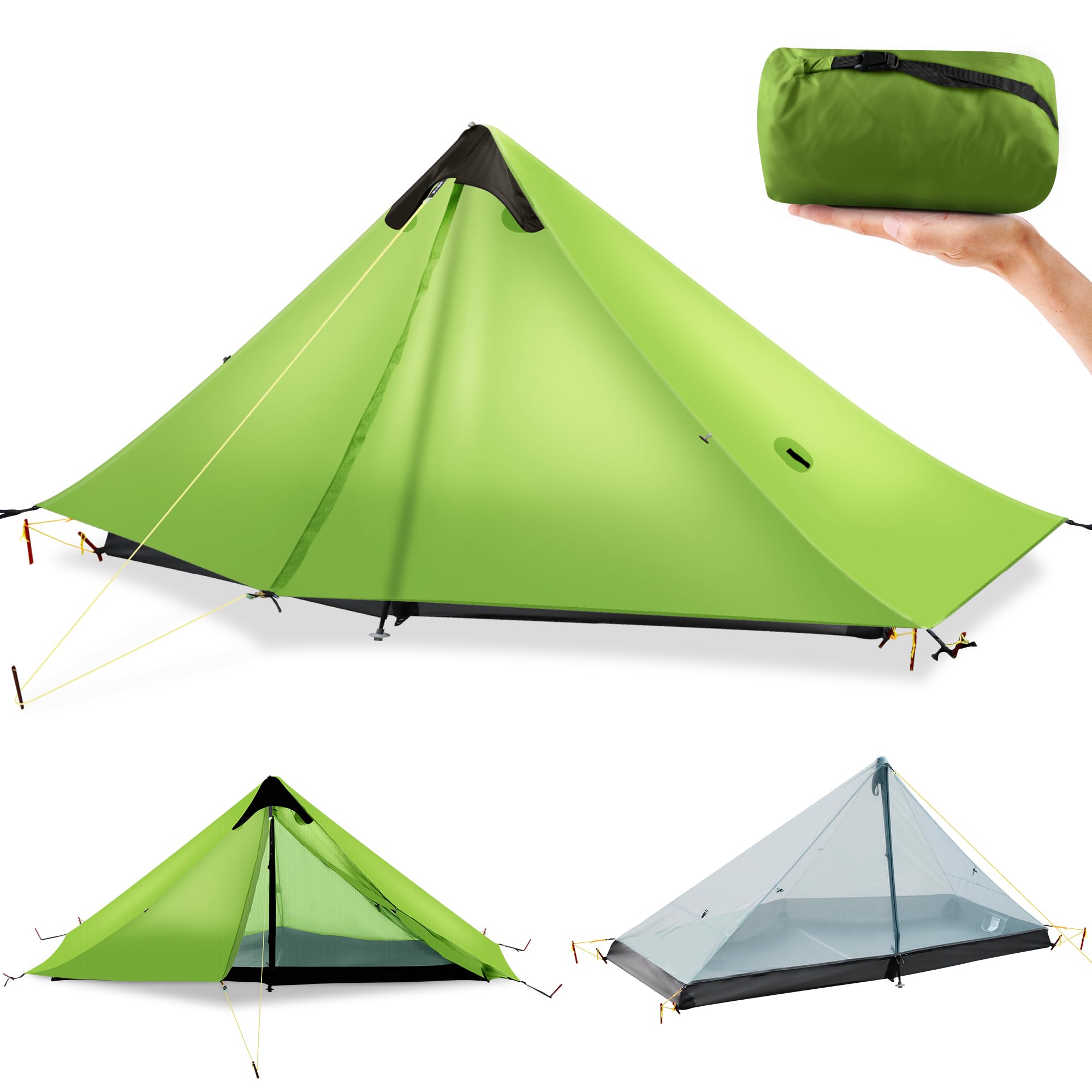
The FBSPORT ultralight tent uses a double-wall trekking-pole design that separates condensation from the sleeping area, a critical advantage over single-wall alternatives at this weight class. The inner tent uses 15D nylon with a silicone/PU 5000mm coating for the fly and 20D nylon with a silicone/PU 6000mm coating for the bathtub floor — the highest hydrostatic head of any tent in this review. The floor rating in particular means you can pitch on damp ground without a separate footprint and stay dry through sustained puddling.
The 43-inch width is generous for a solo shelter, providing enough space for a wide sleeping pad and gear. Dual doors with vestibules on both sides allow flexible entry and cross-ventilation. The tent can be pitched in three configurations: full double-wall, tarp-only without the mesh inner, or bug mesh stargazer mode without the rainfly. YKK zippers and reinforced stress points suggest attention to longevity that is rare at this price tier.
The nylon fly is prone to sagging when wet, which requires re-tensioning the guylines after rain starts. Setup requires practice — the trekking pole support is not intuitive on the first attempt. The tent needs ample flat ground because the non-freestanding structure depends on even stake placement. For gram-conscious backpackers willing to learn trekking-pole pitching, this tent offers double-wall moisture protection and a bombproof floor rating at a fraction of the cost of premium ultralight brands.
Why it’s great
- PU6000mm bathtub floor provides near-overkill wet-ground protection.
- Double-wall design keeps condensation off the sleeping area.
- Three pitching modes (full, tarp, stargazer) increase versatility.
Good to know
- Nylon fly sags when wet and requires re-tensioning.
- Requires practice to set up — not ideal for first-time campers.
- Non-freestanding design needs flat, even ground for proper pitch.
9. Night Cat Ultralight 1P

The Night Cat Ultralight 1P is the most literal interpretation of a budget bivy-style shelter on this list, delivering a two-pound total weight that undercuts nearly every competitor. The 90.5-inch floor length accommodates tall sleepers, and the 39.4-inch width provides enough shoulder room for average builds. The package includes aluminum pegs, a carry bag, rainfly, and a repair pad — a thorough accessory set for the price tier.
The waterproof rainfly provides adequate coverage in moderate rain, but the fly only covers the vent area rather than the full tent body, which means driving rain can mist through the mesh in exposed campsites. The dome-like shape is achieved through a single flexible pole that creates a hooped profile, and setup is genuinely fast — about five minutes once you have practiced the order of operations. The compact packed size fits easily into a side pocket of a 50-liter pack.
User feedback consistently notes that the internal length is generous, but the overall volume is tight — gear must be stored outside or under the vestibule. The pole sections can separate during takedown and require careful fishing to realign. The mesh body provides excellent ventilation in warm conditions, but the trade-off is reduced warmth in cold weather. For budget-constrained hikers who need the lightest possible shelter for fair-weather weekend trips, the Night Cat delivers respectable performance at the lowest entry cost in the category.
Why it’s great
- Two-pound trail weight is among the lightest in this review.
- 90.5-inch floor length comfortably fits taller sleepers.
- Fast setup and compact packed size suit minimalist hikers.
Good to know
- Rainfly coverage is partial — driving rain can mist through mesh.
- Limited interior volume means gear must stay in the vestibule.
- Pole sections separate easily during takedown and need careful handling.
FAQ
How important is the hydrostatic head rating on a backpacking tent floor?
Can I use a trekking-pole tent if I don’t carry hiking poles?
What packed size should I look for in a 1-person backpacking tent?
Final Thoughts: The Verdict
For most solo backpackers, the best backpacking 1-person tent winner is the Big Agnes Copper Spur HV UL 1 because it delivers premium freestanding convenience, generous interior volume, and durable materials in a package that still fits under three pounds. If you want ultralight performance without the premium price tag, grab the Naturehike Mongar Upgraded 1P for its dual doors, included footprint, and expandable awning. And for budget-conscious campers who want the toughest fabric in the lineup, the ALPS Mountaineering Lynx 1 offers bombproof durability for entry-level adventures where weight is not the primary concern.

Mo Maruf
I created WellFizz to bridge the gap between vague wellness advice and actionable solutions. My mission is simple: to decode the research and give you practical tools you can actually use.
Beyond the data, I am a passionate traveler. I believe that stepping away from the screen to explore new environments is essential for mental clarity and physical vitality.